


1897 Results
Form:
books
books
Actions:
Price:
$34.95
(available to order)
Summary:
Bill Bryson and his family live in a Victorian parsonage in a part of England where nothing of any great significance has happened since the Romans decamped. Yet one day, he began to consider how very little he knew about the ordinary things of life as found in that comfortable home. To remedy this, he formed the idea of journeying about his house from room to room to(...)
$34.95
(available to order)
Summary:
Bill Bryson and his family live in a Victorian parsonage in a part of England where nothing of any great significance has happened since the Romans decamped. Yet one day, he began to consider how very little he knew about the ordinary things of life as found in that comfortable home. To remedy this, he formed the idea of journeying about his house from room to room to(...)
Title:
At home: A short history of private life
Actions:
Price:
$34.95
(available to order)
Summary:
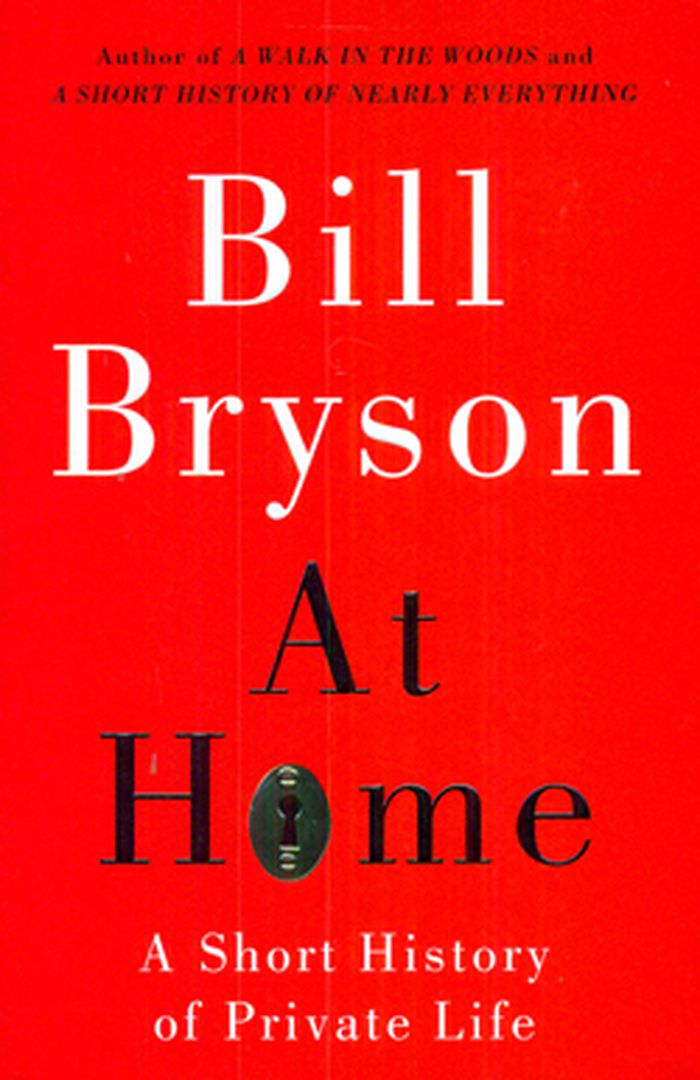
Bill Bryson and his family live in a Victorian parsonage in a part of England where nothing of any great significance has happened since the Romans decamped. Yet one day, he began to consider how very little he knew about the ordinary things of life as found in that comfortable home. To remedy this, he formed the idea of journeying about his house from room to room to "write a history of the world without leaving home." The bathroom provides the occasion for a history of hygiene; the bedroom, sex, death, and sleep; the kitchen, nutrition and the spice trade; and so on, as Bryson shows how each has figured in the evolution of private life. Whatever happens in the world, he demostrates, ends up in our house, in the paint and the pipes and the pillows and every item of furniture.
At home: A short history of private life
Actions:
Price:
$34.95
(available to order)
Summary:
Bill Bryson and his family live in a Victorian parsonage in a part of England where nothing of any great significance has happened since the Romans decamped. Yet one day, he began to consider how very little he knew about the ordinary things of life as found in that comfortable home. To remedy this, he formed the idea of journeying about his house from room to room to "write a history of the world without leaving home." The bathroom provides the occasion for a history of hygiene; the bedroom, sex, death, and sleep; the kitchen, nutrition and the spice trade; and so on, as Bryson shows how each has figured in the evolution of private life. Whatever happens in the world, he demostrates, ends up in our house, in the paint and the pipes and the pillows and every item of furniture.
Form:
books
books
Publication:
October 2010
October 2010
Subject:
Architectural Theory
Architectural Theory
Form:
books
books
Title:
Palladio's Rome
Palladio's Rome
Actions:
Price:
$39.95
(available to order)
Summary:
Andrea Palladio published two enormously popular guides to the churches and antiquities of Rome in 1554. Striving to be both scholarly and popular, Palladio invited his Renaissance readers to discover the charm of Rome’s ancient and medieval wonders, and to follow pilgrimage routes leading from one church to the next. He also described ancient Roman rituals of birth,(...)
$39.95
(available to order)
Summary:
Andrea Palladio published two enormously popular guides to the churches and antiquities of Rome in 1554. Striving to be both scholarly and popular, Palladio invited his Renaissance readers to discover the charm of Rome’s ancient and medieval wonders, and to follow pilgrimage routes leading from one church to the next. He also described ancient Roman rituals of birth,(...)
Title:
Palladio's Rome
Actions:
Price:
$39.95
(available to order)
Summary:
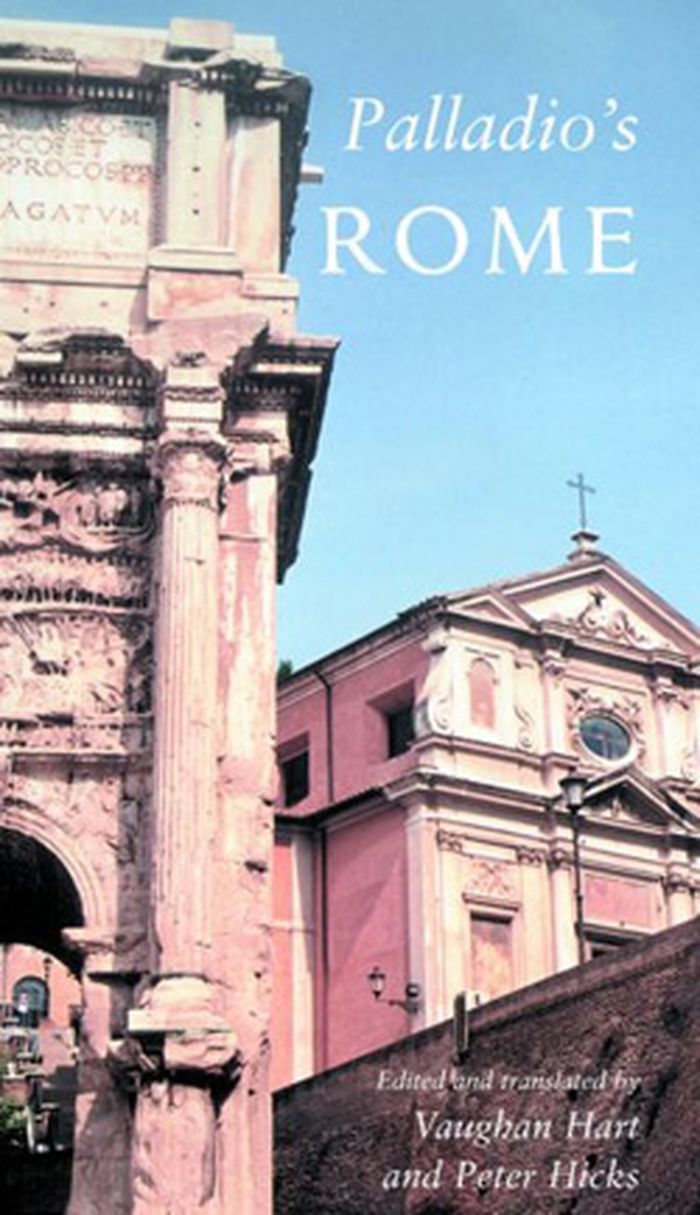
Andrea Palladio published two enormously popular guides to the churches and antiquities of Rome in 1554. Striving to be both scholarly and popular, Palladio invited his Renaissance readers to discover the charm of Rome’s ancient and medieval wonders, and to follow pilgrimage routes leading from one church to the next. He also described ancient Roman rituals of birth, marriage, and death. Here translated into English and joined in a single volume, Palladio’s guidebooks allow modern visitors to enjoy Rome exactly as their predecessors did 450 years ago. Enhanced with illustrations and commentary, the book also includes the first full English translation of Raphael’s letter to Pope Leo X on the monuments of ancient Rome. For architectural historians, tourists, and armchair travelers, this book offers insights into the antiquarian and ecclesiastical preoccupations of one of the Renaissance architectural masters.
Palladio's Rome
Actions:
Price:
$39.95
(available to order)
Summary:
Andrea Palladio published two enormously popular guides to the churches and antiquities of Rome in 1554. Striving to be both scholarly and popular, Palladio invited his Renaissance readers to discover the charm of Rome’s ancient and medieval wonders, and to follow pilgrimage routes leading from one church to the next. He also described ancient Roman rituals of birth, marriage, and death. Here translated into English and joined in a single volume, Palladio’s guidebooks allow modern visitors to enjoy Rome exactly as their predecessors did 450 years ago. Enhanced with illustrations and commentary, the book also includes the first full English translation of Raphael’s letter to Pope Leo X on the monuments of ancient Rome. For architectural historians, tourists, and armchair travelers, this book offers insights into the antiquarian and ecclesiastical preoccupations of one of the Renaissance architectural masters.
Form:
books
books
Publication:
January 2009
January 2009
Subject:
History until 1900, Italy
History until 1900, Italy
Form:
books
books
Actions:
Price:
$31.95
(available to order)
Summary:
In distressed urban neighborhoods where residential segregation concentrates poverty, liquor stores outnumber supermarkets, toxic sites are next to playgrounds, and more money is spent on prisons than schools, residents also suffer disproportionately from disease and premature death. Recognizing that city environments and the planning processes that shape them are(...)
$31.95
(available to order)
Summary:
In distressed urban neighborhoods where residential segregation concentrates poverty, liquor stores outnumber supermarkets, toxic sites are next to playgrounds, and more money is spent on prisons than schools, residents also suffer disproportionately from disease and premature death. Recognizing that city environments and the planning processes that shape them are(...)
Title:
Toward the healthy city: people, places, and the politics of urban planning
Actions:
Price:
$31.95
(available to order)
Summary:
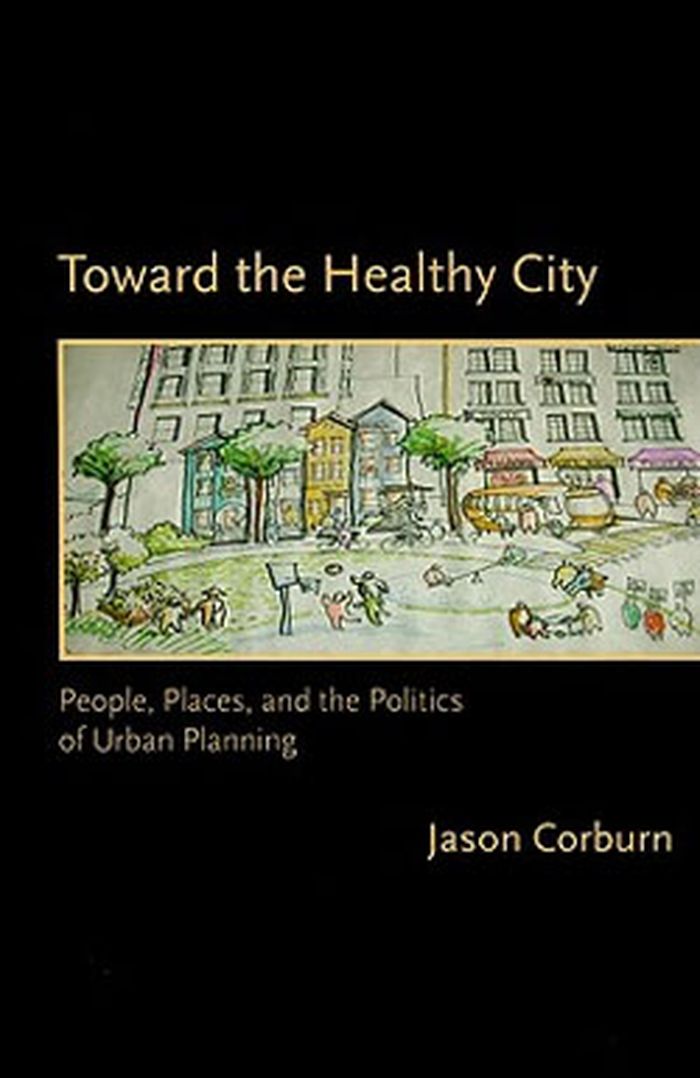
In distressed urban neighborhoods where residential segregation concentrates poverty, liquor stores outnumber supermarkets, toxic sites are next to playgrounds, and more money is spent on prisons than schools, residents also suffer disproportionately from disease and premature death. Recognizing that city environments and the planning processes that shape them are powerful determinants of population health, urban planners today are beginning to take on the added challenge of revitalizing neglected urban neighborhoods in ways that improve health and promote greater equity. In this book, Jason Corburn argues that city planning must return to its roots in public health and social justice. To show healthy city planning in action, Corburn examines collaborations between government agencies and community coalitions in the San Francisco Bay area, including efforts to link environmental justice, residents' chronic illnesses, housing and real estate development projects, and planning processes with public health.
Toward the healthy city: people, places, and the politics of urban planning
Actions:
Price:
$31.95
(available to order)
Summary:
In distressed urban neighborhoods where residential segregation concentrates poverty, liquor stores outnumber supermarkets, toxic sites are next to playgrounds, and more money is spent on prisons than schools, residents also suffer disproportionately from disease and premature death. Recognizing that city environments and the planning processes that shape them are powerful determinants of population health, urban planners today are beginning to take on the added challenge of revitalizing neglected urban neighborhoods in ways that improve health and promote greater equity. In this book, Jason Corburn argues that city planning must return to its roots in public health and social justice. To show healthy city planning in action, Corburn examines collaborations between government agencies and community coalitions in the San Francisco Bay area, including efforts to link environmental justice, residents' chronic illnesses, housing and real estate development projects, and planning processes with public health.
Form:
books
books
Publication:
July 2009
July 2009
Subject:
Urban Theory
Urban Theory
Form:
books
books
Actions:
Price:
$55.00
(available to order)
Summary:
Marcel Dzama's 2011 films A Game of Chess and Death Disco Dance revealed fascinating new developments in the artist's iconography and range of media--perhaps most notably in his use of puppets and dioramas, which added more playful qualities to his imagery of conflict and terror, and underscored his dialogue with modernist artists such as Duchamp, Man Ray and Oskar(...)
$55.00
(available to order)
Summary:
Marcel Dzama's 2011 films A Game of Chess and Death Disco Dance revealed fascinating new developments in the artist's iconography and range of media--perhaps most notably in his use of puppets and dioramas, which added more playful qualities to his imagery of conflict and terror, and underscored his dialogue with modernist artists such as Duchamp, Man Ray and Oskar(...)
Title:
Marcel Dzama : the never known
Actions:
Price:
$55.00
(available to order)
Summary:
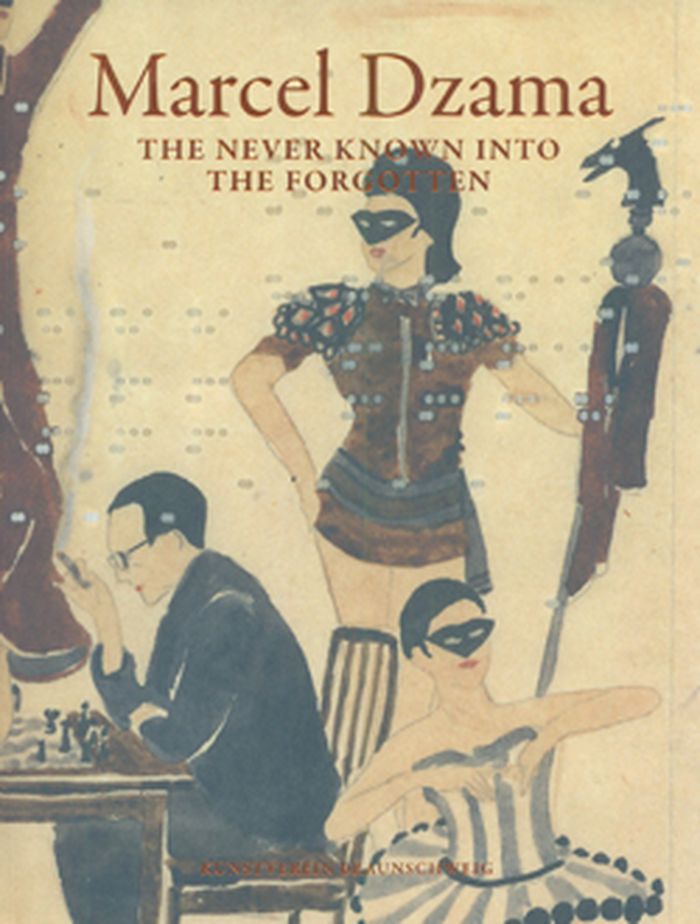
Marcel Dzama's 2011 films A Game of Chess and Death Disco Dance revealed fascinating new developments in the artist's iconography and range of media--perhaps most notably in his use of puppets and dioramas, which added more playful qualities to his imagery of conflict and terror, and underscored his dialogue with modernist artists such as Duchamp, Man Ray and Oskar Schlemmer. This volume, published for Dzama's exhibitions at Sies + Höke and Kunstverein Braunschweig, reproduces a wealth of new work, including images, stage sets, puppets, dioramas and sculptures from the films; a suite of ten drawings called Forgotten Terrorists (2008-2011), that draw on a photograph of the Palestinian terrorist and hijacker Leila Khaled; and other recent drawings, such as "Pepper Spray Saturday" (2011), an interpretation of the already iconic image of policeman John Pike pepper spraying Occupy protesters at University of California Davis.
Marcel Dzama : the never known
Actions:
Price:
$55.00
(available to order)
Summary:
Marcel Dzama's 2011 films A Game of Chess and Death Disco Dance revealed fascinating new developments in the artist's iconography and range of media--perhaps most notably in his use of puppets and dioramas, which added more playful qualities to his imagery of conflict and terror, and underscored his dialogue with modernist artists such as Duchamp, Man Ray and Oskar Schlemmer. This volume, published for Dzama's exhibitions at Sies + Höke and Kunstverein Braunschweig, reproduces a wealth of new work, including images, stage sets, puppets, dioramas and sculptures from the films; a suite of ten drawings called Forgotten Terrorists (2008-2011), that draw on a photograph of the Palestinian terrorist and hijacker Leila Khaled; and other recent drawings, such as "Pepper Spray Saturday" (2011), an interpretation of the already iconic image of policeman John Pike pepper spraying Occupy protesters at University of California Davis.
Form:
books
books
Publication:
October 2012
October 2012
Subject:
Canadian art
Canadian art
Form:
journals and magazines
journals and magazines

Title:
White Review #20
White Review #20
Actions:
Price:
$28.95
(available to order)
Summary:
"The White Review #20" features interviews with the Canadian poet, artist and bookmaker Anne Carson, the French philosopher Jean-Luc Nancy, and artist Mounira Al Solh. Through the testimony of an ex-inmate, Felix Bazalgette considers state systems of control, dehumanisation, and imprisonment without trial, while J. S. Tennant describes life in Havana as Cuba adjusts to(...)
$28.95
(available to order)
Summary:
"The White Review #20" features interviews with the Canadian poet, artist and bookmaker Anne Carson, the French philosopher Jean-Luc Nancy, and artist Mounira Al Solh. Through the testimony of an ex-inmate, Felix Bazalgette considers state systems of control, dehumanisation, and imprisonment without trial, while J. S. Tennant describes life in Havana as Cuba adjusts to(...)
Title:
White Review #20
Actions:
Price:
$28.95
(available to order)
Summary:
"The White Review #20" features interviews with the Canadian poet, artist and bookmaker Anne Carson, the French philosopher Jean-Luc Nancy, and artist Mounira Al Solh. Through the testimony of an ex-inmate, Felix Bazalgette considers state systems of control, dehumanisation, and imprisonment without trial, while J. S. Tennant describes life in Havana as Cuba adjusts to the normalisation of relations with the United States, the death of Fidel Castro and the influx of foreign investment. Tom McCarthy’s essay ‘The Wandering Bourgeois’ drifts through the history of twentieth-century art to consider how vanguard strategies of recording, mapping and marking are now embedded in digital culture. Alongside these essays, we are pleased to present poems by Nisha Ramayya and Heather Phillipson, who also contributes an exclusive new limited edition artwork. We also feature series of artworks by Nicolas Party and John Divola.
White Review #20
Actions:
Price:
$28.95
(available to order)
Summary:
"The White Review #20" features interviews with the Canadian poet, artist and bookmaker Anne Carson, the French philosopher Jean-Luc Nancy, and artist Mounira Al Solh. Through the testimony of an ex-inmate, Felix Bazalgette considers state systems of control, dehumanisation, and imprisonment without trial, while J. S. Tennant describes life in Havana as Cuba adjusts to the normalisation of relations with the United States, the death of Fidel Castro and the influx of foreign investment. Tom McCarthy’s essay ‘The Wandering Bourgeois’ drifts through the history of twentieth-century art to consider how vanguard strategies of recording, mapping and marking are now embedded in digital culture. Alongside these essays, we are pleased to present poems by Nisha Ramayya and Heather Phillipson, who also contributes an exclusive new limited edition artwork. We also feature series of artworks by Nicolas Party and John Divola.
Form:
journals and magazines
journals and magazines
Publication:
June 2017
June 2017
Subject:
Magazines
Magazines
Form:
books
books
Price:
$24.95
(available to order)
Summary:
Things make us just as much as we make things. And yet, unlike the study of languages or places, there is no discipline devoted to the study of material things. This book shows why it is time to acknowledge and confront this neglect and how much we can learn from focusing our attention on stuff. It presents the theories that are required to understand the way we are(...)
$24.95
(available to order)
Summary:
Things make us just as much as we make things. And yet, unlike the study of languages or places, there is no discipline devoted to the study of material things. This book shows why it is time to acknowledge and confront this neglect and how much we can learn from focusing our attention on stuff. It presents the theories that are required to understand the way we are(...)
Title:
Stuff
Actions:
Price:
$24.95
(available to order)
Summary:
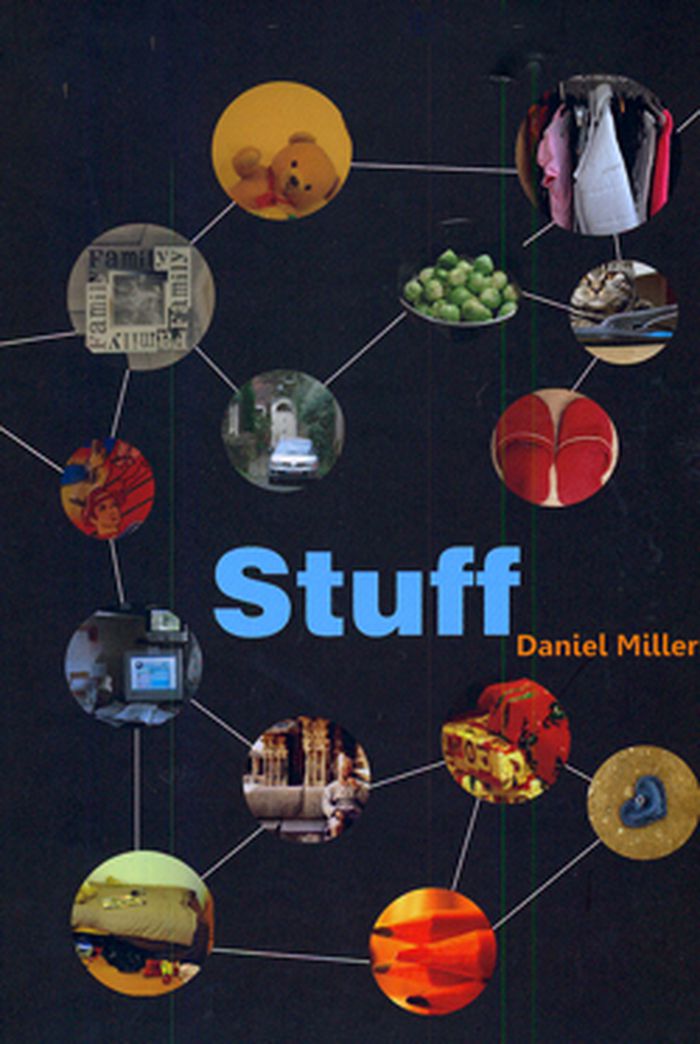
Things make us just as much as we make things. And yet, unlike the study of languages or places, there is no discipline devoted to the study of material things. This book shows why it is time to acknowledge and confront this neglect and how much we can learn from focusing our attention on stuff. It presents the theories that are required to understand the way we are created by material as well as social relations. It takes us inside the very private worlds of our home possessions and our processes of accommodating. It considers issues of materiality in relation to the media, as well as the implications of such an approach in relation, for example, to poverty. Finally, the book considers objects which we use to define what it is to be alive and how we use objects to cope with death.
Stuff
Actions:
Price:
$24.95
(available to order)
Summary:
Things make us just as much as we make things. And yet, unlike the study of languages or places, there is no discipline devoted to the study of material things. This book shows why it is time to acknowledge and confront this neglect and how much we can learn from focusing our attention on stuff. It presents the theories that are required to understand the way we are created by material as well as social relations. It takes us inside the very private worlds of our home possessions and our processes of accommodating. It considers issues of materiality in relation to the media, as well as the implications of such an approach in relation, for example, to poverty. Finally, the book considers objects which we use to define what it is to be alive and how we use objects to cope with death.
Form:
books
books
Publication:
November 2009
November 2009
Subject:
Design Theory
Design Theory
Form:
books
books
Title:
The battle for Gotham
The battle for Gotham
Actions:
Price:
$35.50
(available to order)
Summary:
In the 1970s, New York City hit rock bottom. Crime was at its highest, the middle class exodus was in high gear, and bankruptcy loomed. Many people credit New York's master builder Robert Moses with turning Gotham around, despite his brutal, undemocratic and demolition-heavy ways. Urban critic and journalist Roberta Brandes Gratz contradicts this conventional view. New(...)
$35.50
(available to order)
Summary:
In the 1970s, New York City hit rock bottom. Crime was at its highest, the middle class exodus was in high gear, and bankruptcy loomed. Many people credit New York's master builder Robert Moses with turning Gotham around, despite his brutal, undemocratic and demolition-heavy ways. Urban critic and journalist Roberta Brandes Gratz contradicts this conventional view. New(...)
Title:
The battle for Gotham
Actions:
Price:
$35.50
(available to order)
Summary:
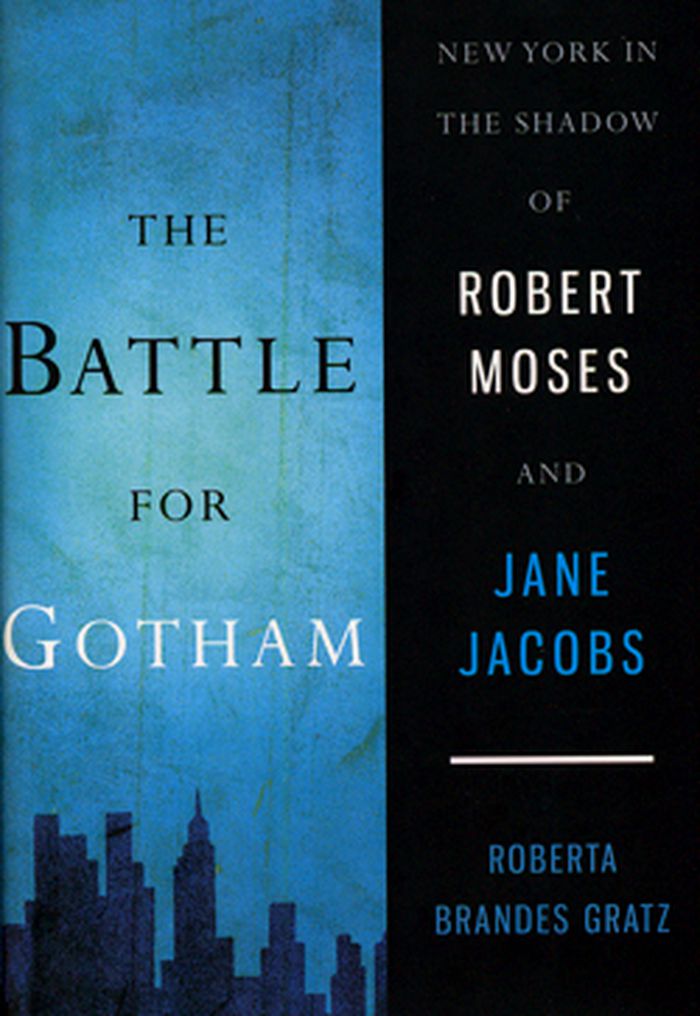
In the 1970s, New York City hit rock bottom. Crime was at its highest, the middle class exodus was in high gear, and bankruptcy loomed. Many people credit New York's master builder Robert Moses with turning Gotham around, despite his brutal, undemocratic and demolition-heavy ways. Urban critic and journalist Roberta Brandes Gratz contradicts this conventional view. New York City, Gratz argues, recovered precisely because of the waning power of Moses. His decline in the late 1960s and the drying up of big government funding for urban renewal projects allowed New York to organically regenerate according to the precepts defined by Jane Jacobs in her classic, The Death and Life of Great American Cities, and in contradiction to Moses's urban philosophy. As American cities face a devastating economic crisis, Jacobs's philosophy is again vital for the redevelopment of metropolitan life.
The battle for Gotham
Actions:
Price:
$35.50
(available to order)
Summary:
In the 1970s, New York City hit rock bottom. Crime was at its highest, the middle class exodus was in high gear, and bankruptcy loomed. Many people credit New York's master builder Robert Moses with turning Gotham around, despite his brutal, undemocratic and demolition-heavy ways. Urban critic and journalist Roberta Brandes Gratz contradicts this conventional view. New York City, Gratz argues, recovered precisely because of the waning power of Moses. His decline in the late 1960s and the drying up of big government funding for urban renewal projects allowed New York to organically regenerate according to the precepts defined by Jane Jacobs in her classic, The Death and Life of Great American Cities, and in contradiction to Moses's urban philosophy. As American cities face a devastating economic crisis, Jacobs's philosophy is again vital for the redevelopment of metropolitan life.
Form:
books
books
Publication:
April 2010
April 2010
Subject:
Urban Theory
Urban Theory
Form:
books
books
Actions:
Price:
$48.00
(available to order)
Summary:
More than any other Surrealist, Swiss artist Meret Oppenheim embraced, pursued and defined Surrealism's cult of the object, fashioning such classic works as the famous fur cup and the trussed high-heels, infusing everyday domestic objects with a concise eroticism. Yet many facets of her innovative and wide-ranging practice remain unknown to this day, including her(...)
$48.00
(available to order)
Summary:
More than any other Surrealist, Swiss artist Meret Oppenheim embraced, pursued and defined Surrealism's cult of the object, fashioning such classic works as the famous fur cup and the trussed high-heels, infusing everyday domestic objects with a concise eroticism. Yet many facets of her innovative and wide-ranging practice remain unknown to this day, including her(...)
Title:
Meret Oppenheim: Fountain stories
Actions:
Price:
$48.00
(available to order)
Summary:
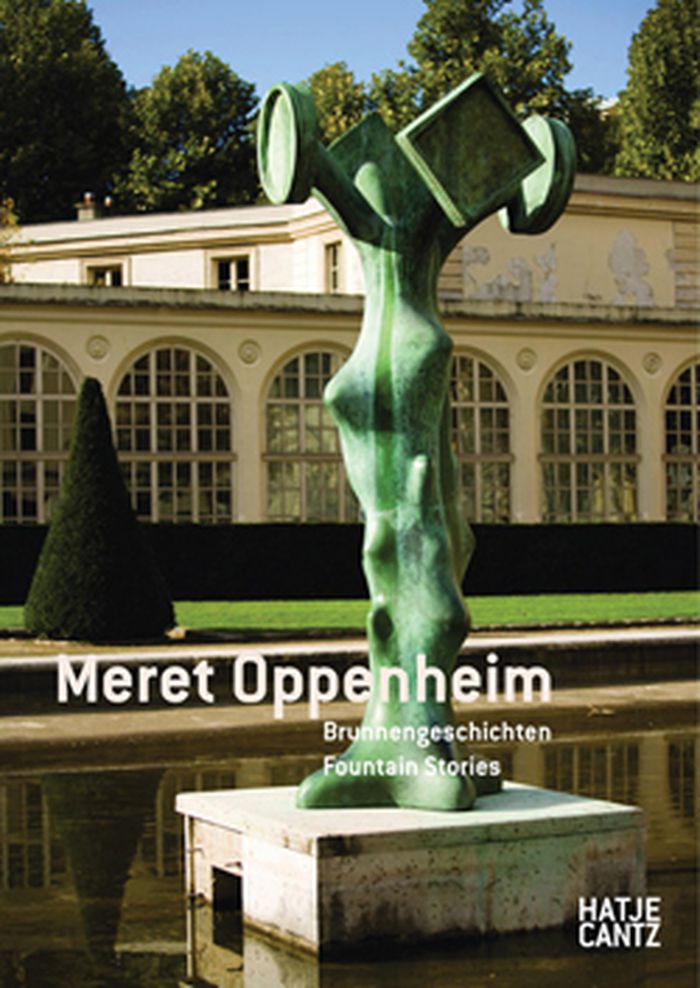
More than any other Surrealist, Swiss artist Meret Oppenheim embraced, pursued and defined Surrealism's cult of the object, fashioning such classic works as the famous fur cup and the trussed high-heels, infusing everyday domestic objects with a concise eroticism. Yet many facets of her innovative and wide-ranging practice remain unknown to this day, including her extraordinary fountain projects. From the late 1960s until her death, Oppenheim designed and produced models for a series of freewheeling aquatic sculptures. Only three of these have been realized: the "Meret Oppenheim Fountain" in Bern in her native Switzerland, the "Spiral (Nature's Course)" in Paris and the "Hermes Fountain" located in the garden of artist and onetime collaborator Daniel Spoerri in Seggiano, Italy. Fountain Stories is the first to gather all of Oppenheim's fountain projects, including her drawings and unrealized models, into a single definitive publication.
Meret Oppenheim: Fountain stories
Actions:
Price:
$48.00
(available to order)
Summary:
More than any other Surrealist, Swiss artist Meret Oppenheim embraced, pursued and defined Surrealism's cult of the object, fashioning such classic works as the famous fur cup and the trussed high-heels, infusing everyday domestic objects with a concise eroticism. Yet many facets of her innovative and wide-ranging practice remain unknown to this day, including her extraordinary fountain projects. From the late 1960s until her death, Oppenheim designed and produced models for a series of freewheeling aquatic sculptures. Only three of these have been realized: the "Meret Oppenheim Fountain" in Bern in her native Switzerland, the "Spiral (Nature's Course)" in Paris and the "Hermes Fountain" located in the garden of artist and onetime collaborator Daniel Spoerri in Seggiano, Italy. Fountain Stories is the first to gather all of Oppenheim's fountain projects, including her drawings and unrealized models, into a single definitive publication.
Form:
books
books
Publication:
September 2010
September 2010
Subject:
Contemporary Art Monographs
Contemporary Art Monographs
Form:
books
books
Title:
Barney Kulok : building
Barney Kulok : building
Actions:
Price:
$75.00
(available in store)
Summary:
In September 2011, Barney Kulok was granted permission to create photographs at the construction site of Louis I. Kahn’s Four Freedoms Park in New York City, commissioned in 1970 as a memorial to Franklin D. Roosevelt. The last design Kahn completed before his untimely death in 1974, Four Freedoms Park became widely regarded as one of the great unbuilt masterpieces of(...)
$75.00
(available in store)
Summary:
In September 2011, Barney Kulok was granted permission to create photographs at the construction site of Louis I. Kahn’s Four Freedoms Park in New York City, commissioned in 1970 as a memorial to Franklin D. Roosevelt. The last design Kahn completed before his untimely death in 1974, Four Freedoms Park became widely regarded as one of the great unbuilt masterpieces of(...)
Title:
Barney Kulok : building
Actions:
Price:
$75.00
(available in store)
Summary:
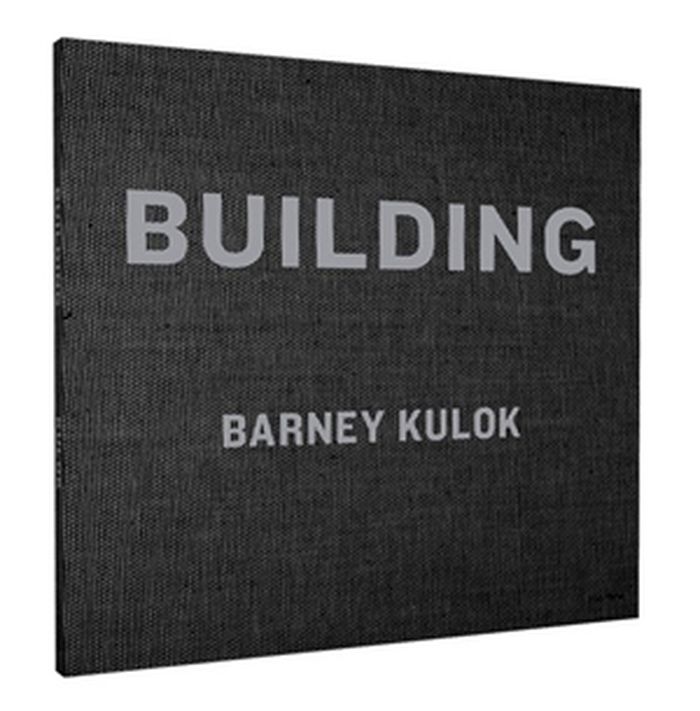
In September 2011, Barney Kulok was granted permission to create photographs at the construction site of Louis I. Kahn’s Four Freedoms Park in New York City, commissioned in 1970 as a memorial to Franklin D. Roosevelt. The last design Kahn completed before his untimely death in 1974, Four Freedoms Park became widely regarded as one of the great unbuilt masterpieces of twentieth-century architecture. Forty years after the original commission, it is finally being completed in 2012. Unbuilt is at once a historical record and a multilayered visual investigation of form and the subtleties of texture—elements that were of fundamental importance to Kahn’s phenomenal achievements. As architect Steven Holl writes, “Kulok’s photographs free the subject matter from a literal interpretation of the site. They stand as ‘Equivalents’ to the words about material, light and shadow that Louis Kahn often spoke.”
Barney Kulok : building
Actions:
Price:
$75.00
(available in store)
Summary:
In September 2011, Barney Kulok was granted permission to create photographs at the construction site of Louis I. Kahn’s Four Freedoms Park in New York City, commissioned in 1970 as a memorial to Franklin D. Roosevelt. The last design Kahn completed before his untimely death in 1974, Four Freedoms Park became widely regarded as one of the great unbuilt masterpieces of twentieth-century architecture. Forty years after the original commission, it is finally being completed in 2012. Unbuilt is at once a historical record and a multilayered visual investigation of form and the subtleties of texture—elements that were of fundamental importance to Kahn’s phenomenal achievements. As architect Steven Holl writes, “Kulok’s photographs free the subject matter from a literal interpretation of the site. They stand as ‘Equivalents’ to the words about material, light and shadow that Louis Kahn often spoke.”
Form:
books
books
Publication:
October 2012
October 2012
Subject:
Photography monographs
Photography monographs
Form:
books
books
Price:
$22.00
(available to order)
Summary:
Bill Bryson and his family live in a Victorian parsonage in a part of England where nothing of any great significance has happened since the Romans decamped. Yet one day, he began to consider how very little he knew about the ordinary things of life as found in that comfortable home. To remedy this, he formed the idea of journeying about his house from room to room to(...)
$22.00
(available to order)
Summary:
Bill Bryson and his family live in a Victorian parsonage in a part of England where nothing of any great significance has happened since the Romans decamped. Yet one day, he began to consider how very little he knew about the ordinary things of life as found in that comfortable home. To remedy this, he formed the idea of journeying about his house from room to room to(...)
Title:
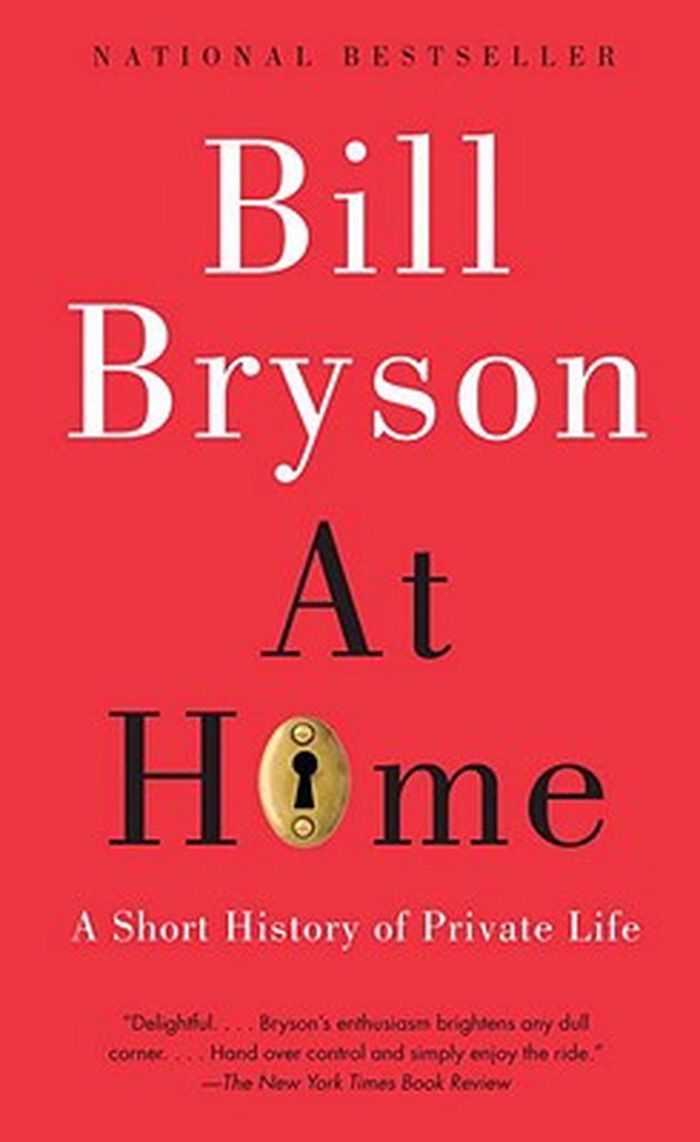
Bill Bryson : at home, a short history of private life (paperback)
Actions:
Price:
$22.00
(available to order)
Summary:
Bill Bryson and his family live in a Victorian parsonage in a part of England where nothing of any great significance has happened since the Romans decamped. Yet one day, he began to consider how very little he knew about the ordinary things of life as found in that comfortable home. To remedy this, he formed the idea of journeying about his house from room to room to "write a history of the world without leaving home." The bathroom provides the occasion for a history of hygiene; the bedroom, sex, death, and sleep; the kitchen, nutrition and the spice trade; and so on, as Bryson shows how each has figured in the evolution of private life. Whatever happens in the world, he demostrates, ends up in our house, in the paint and the pipes and the pillows and every item of furniture.
Bill Bryson : at home, a short history of private life (paperback)
Actions:
Price:
$22.00
(available to order)
Summary:
Bill Bryson and his family live in a Victorian parsonage in a part of England where nothing of any great significance has happened since the Romans decamped. Yet one day, he began to consider how very little he knew about the ordinary things of life as found in that comfortable home. To remedy this, he formed the idea of journeying about his house from room to room to "write a history of the world without leaving home." The bathroom provides the occasion for a history of hygiene; the bedroom, sex, death, and sleep; the kitchen, nutrition and the spice trade; and so on, as Bryson shows how each has figured in the evolution of private life. Whatever happens in the world, he demostrates, ends up in our house, in the paint and the pipes and the pillows and every item of furniture.
Form:
books
books
Publication:
July 2013
July 2013
Subject:
Critical Theory
Critical Theory


