Audible Archives: Gordon Matta-Clark
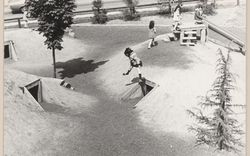
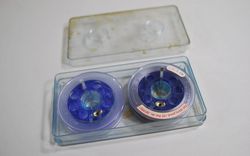
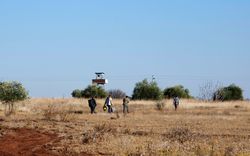
The audio below is an excerpt of a soundtrack from the film FOOD by artist, architect, and filmmaker Gordon Matta-Clark featured in Audible Archives. Food was an artist-run restaurant on the corner of Prince Street and Wooster Street in the heart of SoHo, that Matta-Clark co-founded with Carol Goodden and Tina Girouard in 1971.
Rough Cuts and Outtakes is an exhibition curated by Hila Peleg in 2019 which reflects on Gordon Matta-Clark’s filmmaking. The following text is an extract from her essay of the same name featured in CP138 Gordon Matta-Clark: Readings of the archive.
Gordon Matta-Clark made about twenty films between 1971 and 1977, all shot on Super 8, 16 mm, and video, each with a duration of ten minutes to one hour. These films make up his official filmography. But the boxes of film material in the Matta Clark collection at the CCA consist of hundreds of items, which have not yet been fully catalogued or fully explored. Some of the material is in fragile condition, some has not been looked at for decades.
Initially, I limited my task to the outtakes and rough cuts of Matta-Clark’s large-scale building cuts: his meticulous and monumental incisions into abandoned, dilapidated buildings in New York City and several sites in Europe. These are his most iconic works. As we know, none of the actual cuts survived as such—they were either boarded up or demolished shortly after their completion. What survives is their mediated image.
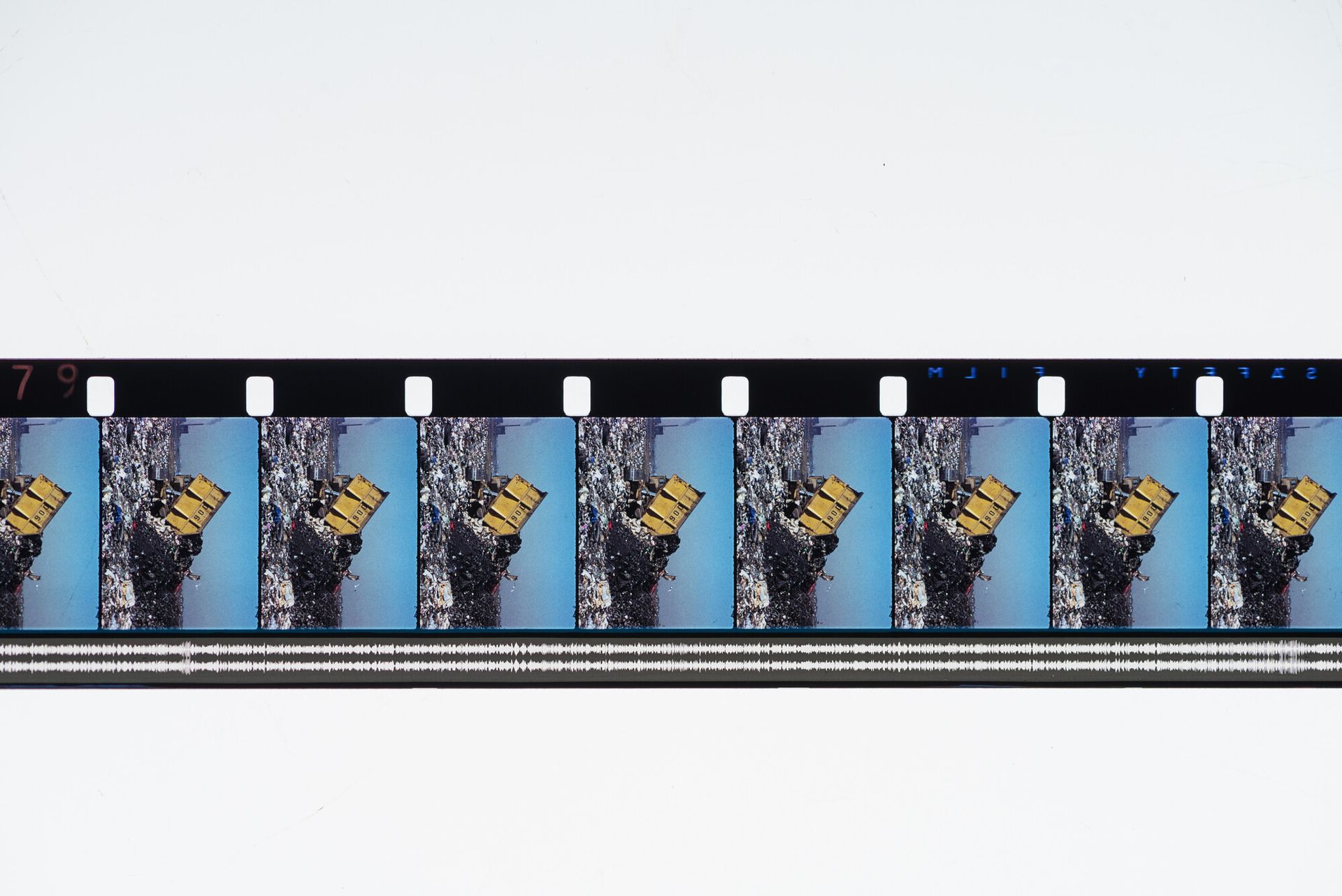
Gordon Matta-Clark, Film stills from Fresh Kill, 1972. Digitized 16mm film. PHCON2003:0005:064. Gordon Matta-Clark Collection, CCA. Gift of Estate of Gordon Matta-Clark © Estate of Gordon Matta-Clark
The building cuts oscillate between states of movement and stasis, both in conceptual and physical terms. What seems fixed and static turns into a dynamic process, alternating between interior and exterior, visible and invisible, private and public, individual and collective. The cut creates a space of possibility, of a beginning. Moving image is the most suitable medium to reflect this dynamism, and sometimes it succeeds in doing so.
The only access we have to Matta-Clark’s work and to his extraordinary, radical vision is through its documentation. Any additional perspective and any additional document that depicts the work is therefore valuable, because we no longer have the possibility to experience it first-hand. But these select outtakes, working edits, and rough cuts, the footage disregarded or unprocessed in the final cut, are only a glimpse into the collection—they do not solve any of the riddles or myths that characterize Matta-Clark’s legacy. With time, the documentary status of Matta-Clark’s film work could be studied in great depth, a subject that concerns not only Matta- Clark but also a large number of artists who abandoned the gallery space and the object nature of the artwork and, instead, embraced site-specific work and engaged in temporal processes.
One could begin by juxtaposing two points of view. The first being that the documentation of Matta-Clark’s cut is only secondary to the physical experience of the work: the actual vertigo, the strange pull of gravity, and the liberating and uncanny sense of release created by his transformative cuts could not be reproduced through representation. And to a certain extent, this is the position that Matta-Clark maintained, even when he exhibited his building cuts in galleries and books through highly reworked photographic collages. Another point of view holds that, quite the contrary, the documentation is not secondary at all. This position is argued by Mark Wigley in his recent book Cutting Matta- Clark, in which he writes that Matta-Clark was progressively seeking to maximize the effects of his cutting by conceiving of each surgical operation as a kind of performance for “deepening the physical, photographic entanglement.”
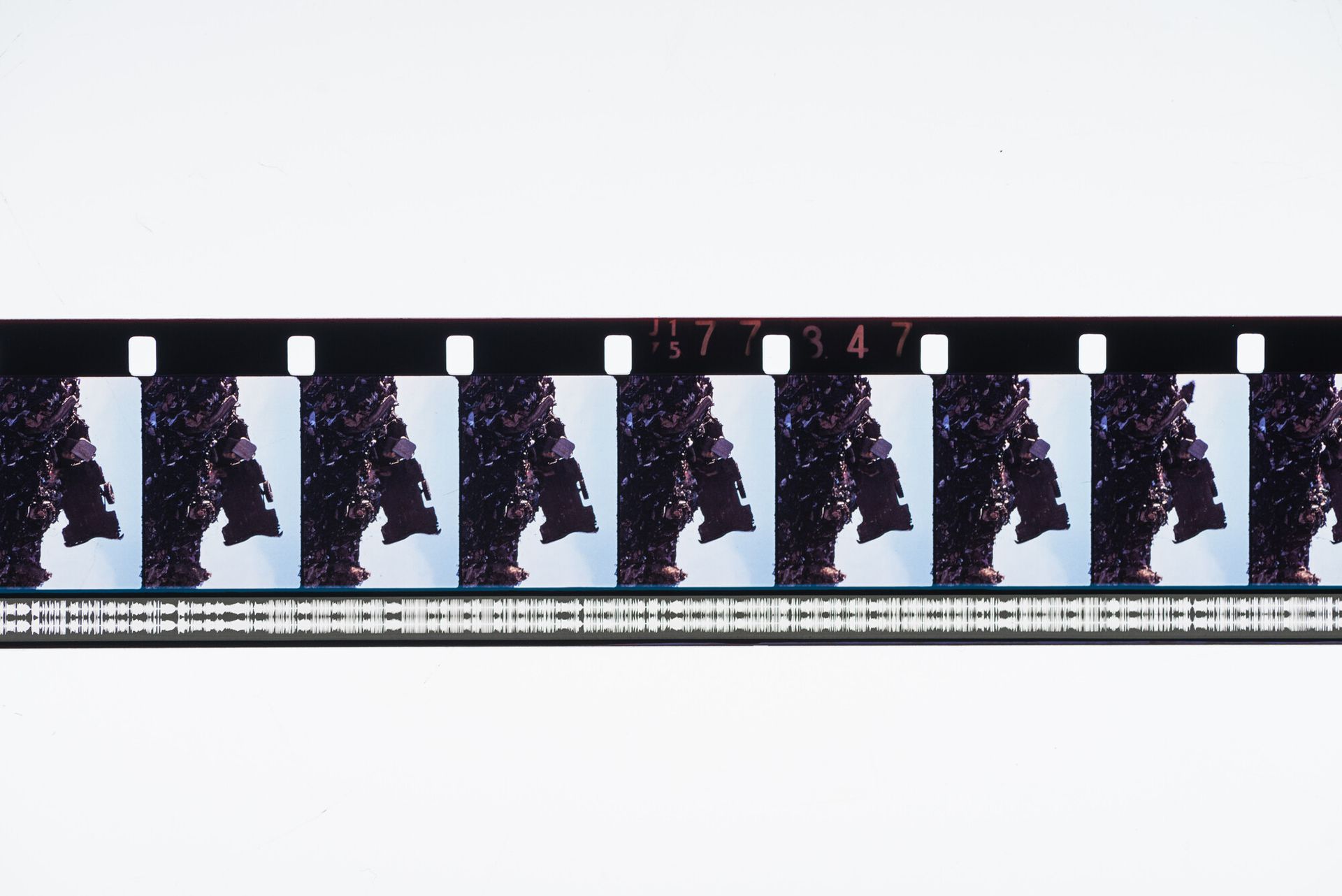
Gordon Matta-Clark, Film stills from Fresh Kill, 1972. Digitized 16mm film. PHCON2003:0005:064. Gordon Matta-Clark Collection, CCA. Gift of Estate of Gordon Matta-Clark © Estate of Gordon Matta-Clark
In 1974, Matta-Clark began dating his collages— assemblages of photographs—rather than the original building cuts themselves, thereby shifting the status of his photography from documentary material to artwork. By upholding the distinction between document and art, Matta-Clark allowed the document to receive the value of art and the art to receive the value of the document. Cutting photographs to make the collages was just one way in which Matta-Clark extended and analogized the building cuts. And he did this by framing the documentation of a cut and its effect doubly: by documenting the act of cutting and by the subsequent re-cutting of the document. His photographic works are therefore not evidential, faithful records at all. They might even be thought of as both extending and preceding the physical cuts.
An image as a cut or as a division occurs in several ways in the work of Matta-Clark. For example, it is used as a framing device by virtue of what it shows and what it leaves out. It is also used to both obscure and reveal the physical materiality of the image: the material character that lies behind its motifs—in other words the image as cut shifts perception from the physical image (physical surface, technique, object) to the mental image (motif). Just like a wall in architecture, an image is a division and, just like the walls of a building, the division disappears into the background. It becomes the condition and the context, not the object of perception. For how do we perceive a building in our everyday lives? In a mode of “distraction,” as Walter Benjamin famously suggested, we perceive a building in our peripheral vision, as an embodied and sensuous knowledge, as implicit knowledge, and as that which simply appears to us as a given. It is precisely this perception of architecture as a given and as real that is laid bare and exposed by Matta-Clark’s cuts.

Gordon Matta-Clark, “A W-Hole House: Datum Cut, Core Cut, Trace de Coeur”, Genoa, Italy, 1973. Photomontage of six gelatin silver prints. PH2002:0040:001-006, CCA © CCA
The performance of the cut also delineates the uncut. The uncut is a way to describe the relational, social space that Matta-Clark thought to work within. It describes, to a certain degree, the rough cuts and outtakes of his works, but it is also a theoretical proposition, an idea of social space as not defined by division. The uncut is a social space that is not constructed upon division. Perhaps through the building cuts, Matta-Clark attempted to level out social divisions and open up an experience of the uncut, something that also remains beyond the reach of language. And, in a certain way, the relational, communal space of the uncut—where our own borders cannot be maintained—is the filmic documentation. This is because the films, and especially the outtakes and rough cuts, invert the photographic documentation that clearly frames or obstructs the event of the work. The uncut films simply show it all: the people, the context, the huge amount of stuff that was cleared from buildings as they were prepared for surgery.
This notion of relational space is exemplified in remarkable footage of the artist-run restaurant Food that was discovered during the process of making this exhibition. The restaurant, opened in 1971 on Prince Street in Soho, New York City, was one of several successful collective, communitarian projects initiated and run by Matta-Clark and his artistic collaborators that provided an alternative economic system and infrastructure for artists and other residents living in Lower Manhattan at the time. Though not a building cut per se, the project was an early experiment in a similar process of spatial transformation, in which space was rearranged and made performative in order to alter the perception and inhabitation of it. The previously unseen footage of Food demonstrates and documents what I consider to be a true social space in all its facets. Focusing primarily on the people and social interactions within the restaurant, the edited outtakes depict Matta-Clark’s own compact social environment and the spirit of collectivity of the time embodied within the project.
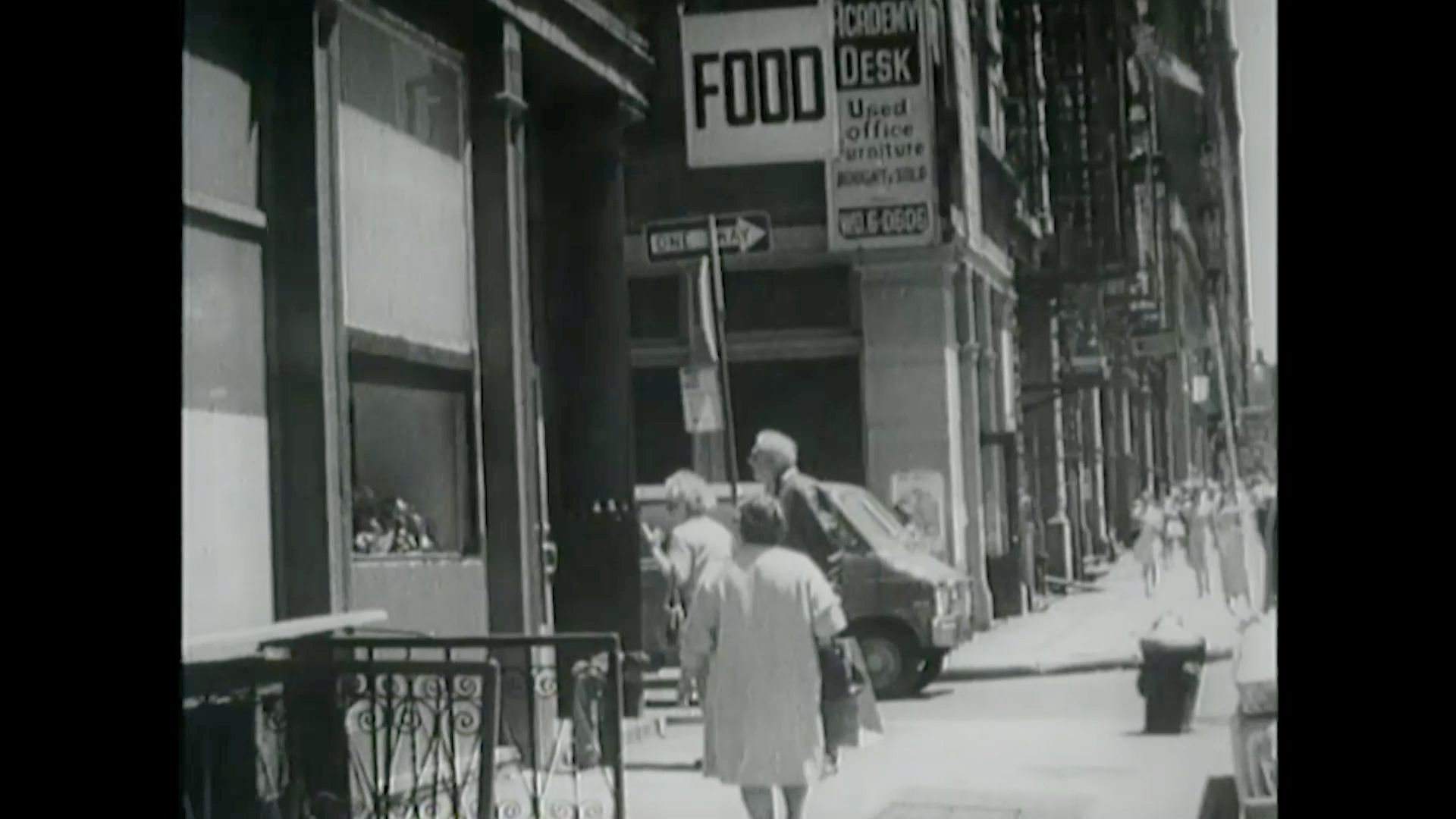
Gordon Matta-Clark and Jane Crawford, Film stills from FOOD, 1972. Digitized video cassette. PHCON2003:0005:058. Gordon Matta-Clark Collection, CCA. Gift of Estate of Gordon Matta-Clark © Estate of Gordon Matta-Clark
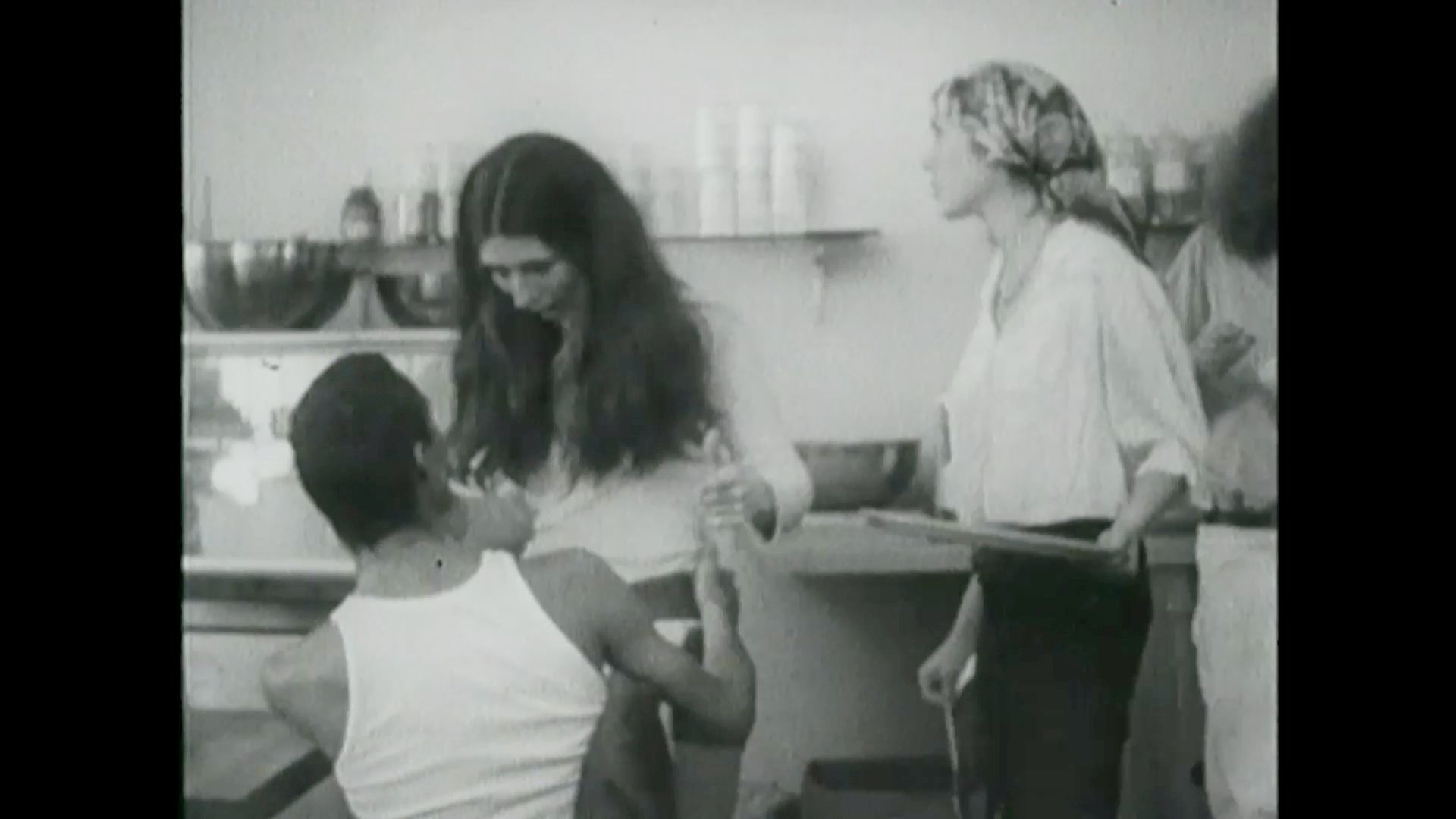
Gordon Matta-Clark and Jane Crawford, Film stills from FOOD, 1972. Digitized video cassette. PHCON2003:0005:058. Gordon Matta-Clark Collection, CCA. Gift of Estate of Gordon Matta-Clark © Estate of Gordon Matta-Clark
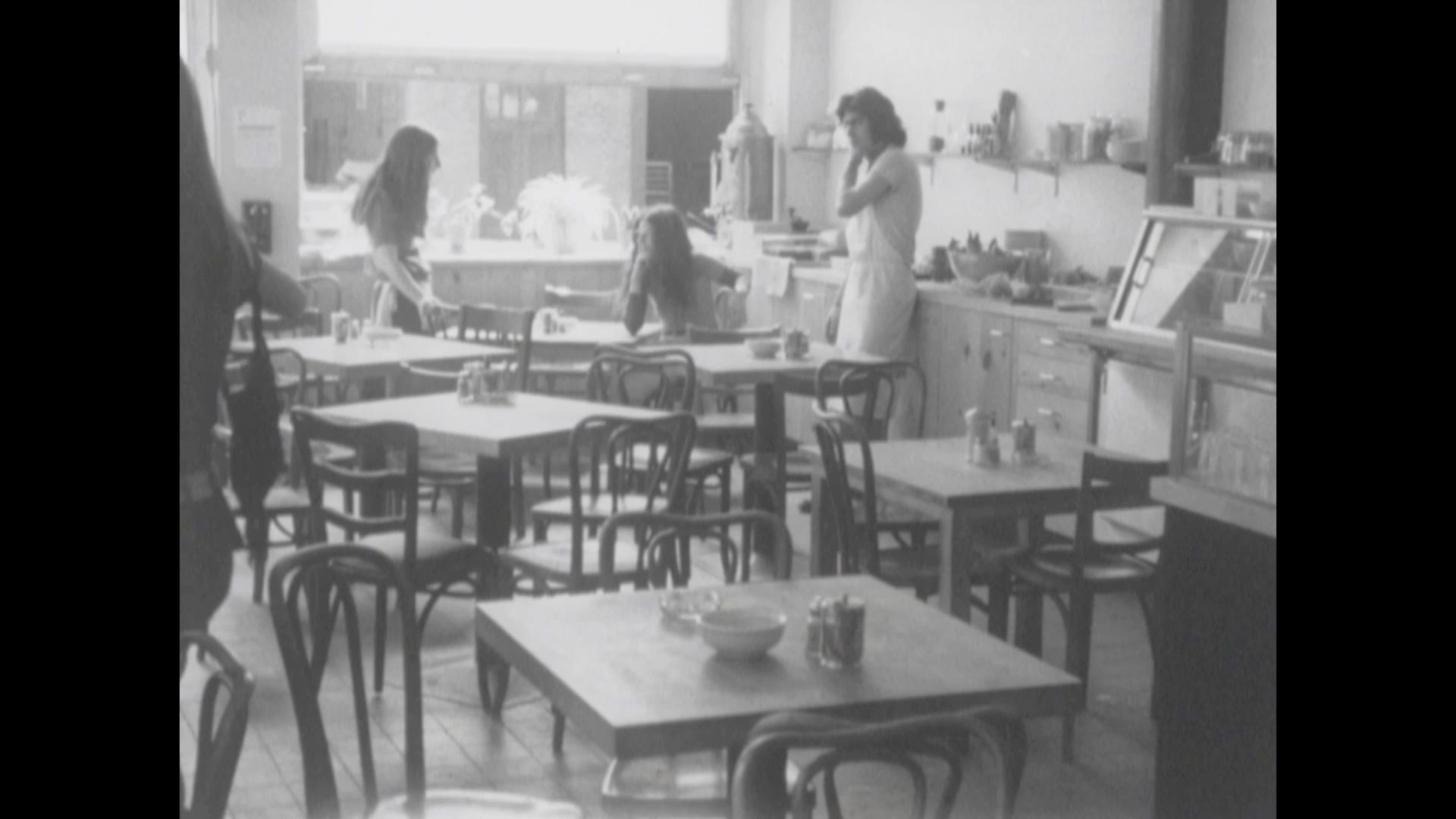
Gordon Matta-Clark and Jane Crawford, Outtakes from FOOD, 1972. Digitized video cassette. PHCON2003:0005:054:001. Gordon Matta-Clark Collection, CCA. Gift of Estate of Gordon Matta-Clark © Estate of Gordon Matta-Clark
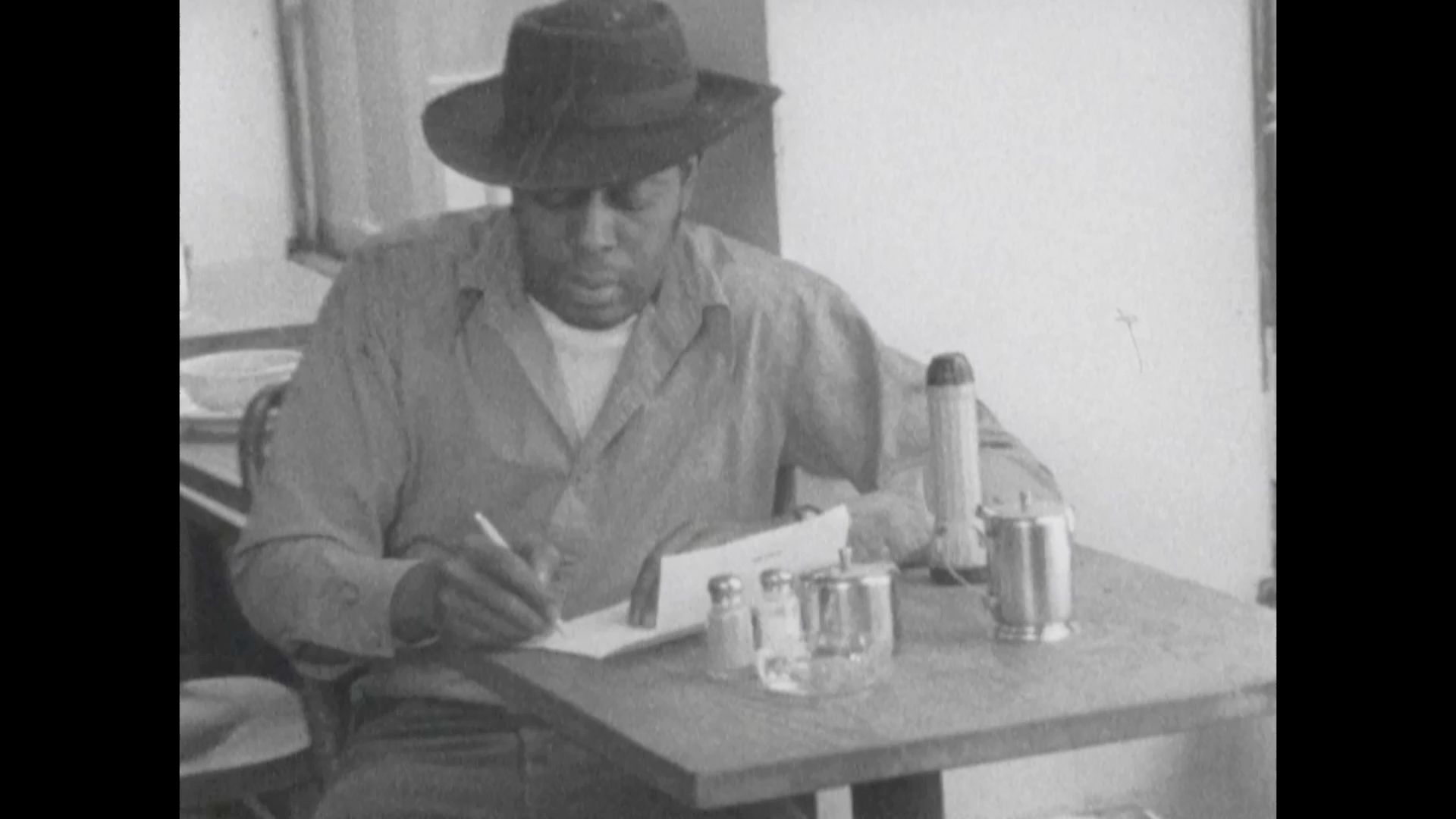
Gordon Matta-Clark and Jane Crawford, Work print with outtakes from FOOD, 1972. Digitized 16mm film. PHCON2003:0005:054:002. Gordon Matta-Clark Collection, CCA. Gift of Estate of Gordon Matta-Clark © Estate of Gordon Matta-Clark
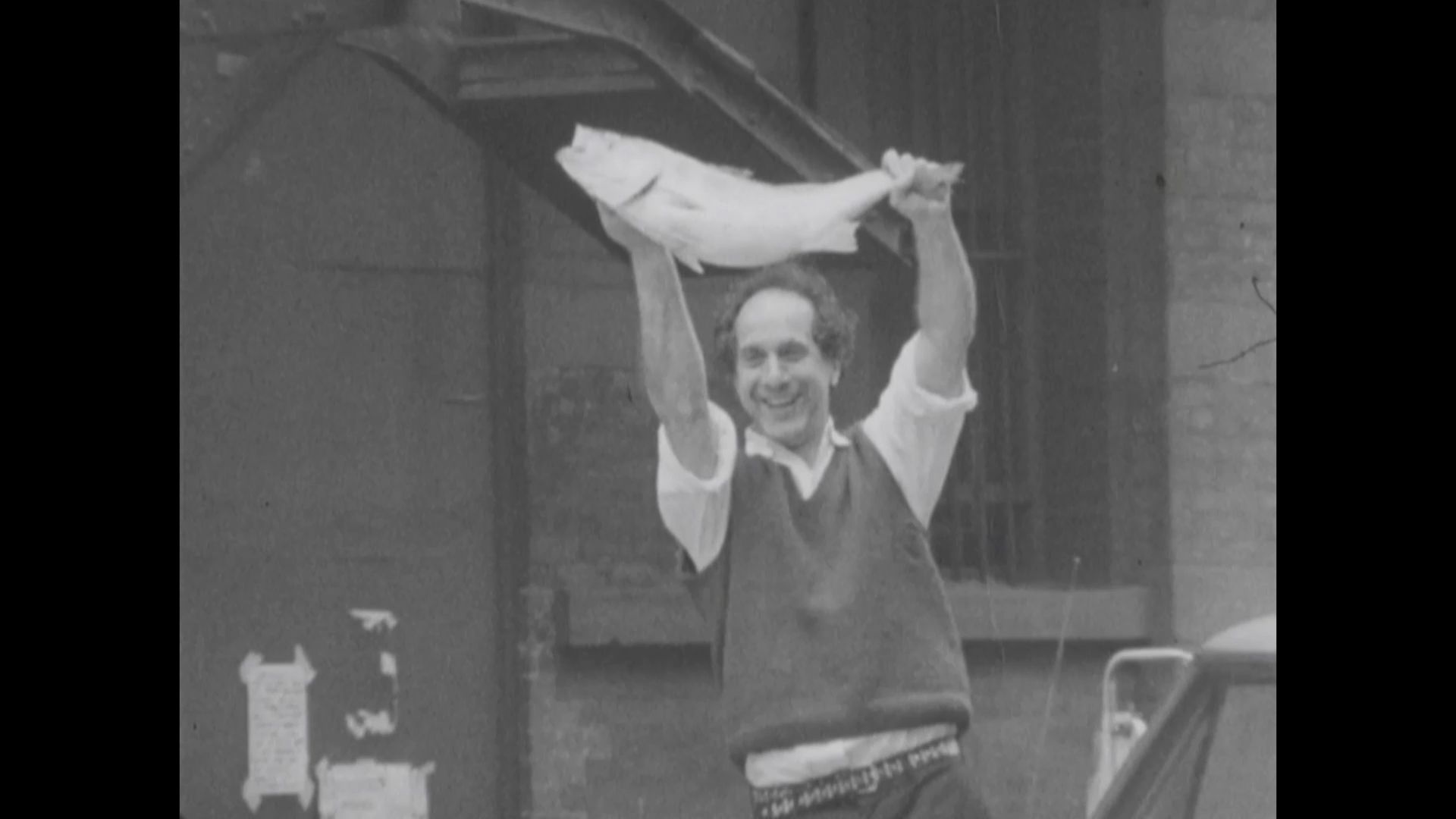
Gordon Matta-Clark and Jane Crawford, Work print of FOOD, 1972. Digitized 16mm film. PHCON2003:0005:045. Gordon Matta-Clark Collection, CCA. Gift of Estate of Gordon Matta-Clark © Estate of Gordon Matta-Clark
Gordon Matta-Clark and Jane Crawford, Outtakes from FOOD, 1972. Digitized video cassette. PHCON2003:0005:054:001. Gordon Matta-Clark Collection, CCA. Gift of Estate of Gordon Matta-Clark © Estate of Gordon Matta-Clark


Matta-Clark himself suggested that film is more accurate as a medium, more capable of capturing complexity. It certainly does capture the performative and the theatrical. But film might have a much more significant relation to Matta-Clark’s overall architectural project, particularly in terms of how the physical cuts operate in the relationship between stasis and movement, transformation and fixation, appearance and concealment. Film is similar to architecture in this way in that both create an illusion of reality in a material form. However, film creates the illusion of movement, while architecture creates the illusion of permanence—the annulment of time. The rough cuts and outtakes of Matta-Clark’s films are remarkable for bringing the context back into view, the context that was, to a certain extent, erased, lost, or cut out from the images in public circulation.