


12 Results
Form:
books
books
Actions:
Price:
$28.00
(available to order)
Summary:
Un autre point de vue, un nouveau type de regard s'avèrent nécessaire afin d'apprivoiser la grande ville contemporaine. Tout regard présuppose un sujet. La ville idéale de la Renaissance était inséparable de cet homme générique, animal doué de raison, microcosme ordonnateur, dont la perspective cherchait à codifier la vision. Dans cet essai, le cyborg(...)
Title:
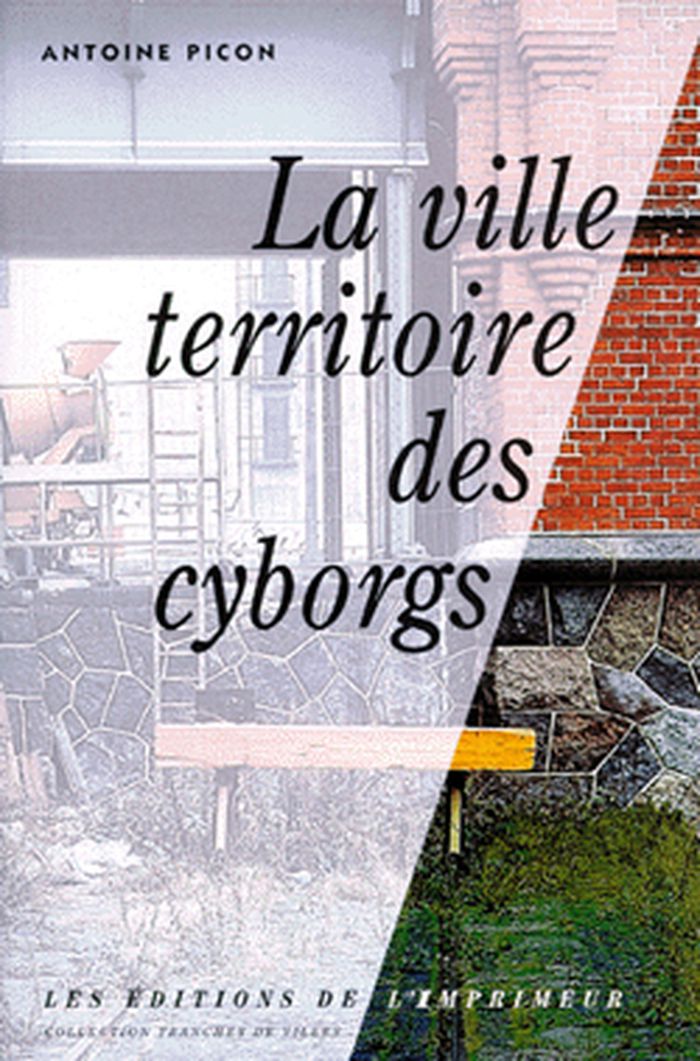
La ville territoire des cyborgs
Actions:
Price:
$28.00
(available to order)
Summary:
Un autre point de vue, un nouveau type de regard s'avèrent nécessaire afin d'apprivoiser la grande ville contemporaine. Tout regard présuppose un sujet. La ville idéale de la Renaissance était inséparable de cet homme générique, animal doué de raison, microcosme ordonnateur, dont la perspective cherchait à codifier la vision. Dans cet essai, le cyborg tient un rôle comparable, s'agissant cette fois d'explorer les complexités de la ville territoire d'aujourd'hui. Hybride d'homme et de machine, individu parfait parce que rendu pleinement autonome par la technologie, le cyborg est bien sûr une fiction. Cette fiction n'en permet pas moins d'analyser des aspects essentiels de la grande ville d'aujourd'hui, de son étrange parenté avec l'univers des jeux électroniques au rôle qu'y tiennent les réseaux avant de se pencher sur son architecture.
Form:
books
books
Publication:
April 1998, Paris
April 1998, Paris
Subject:
Urban Theory
Urban Theory
Form:
books
books
Actions:
Price:
$37.99
(available in store)
Summary:
Digital tools have launched architecture into a dizzying new era, one in which wood, stone, metal, glass, and other traditional materials are augmented by pixels and code. In this ambitious exploration, an eminent thinker examines what, exactly, the building blocks of architecture have meant over the centuries and how technology may-or may not-be changing how we think(...)
Title:
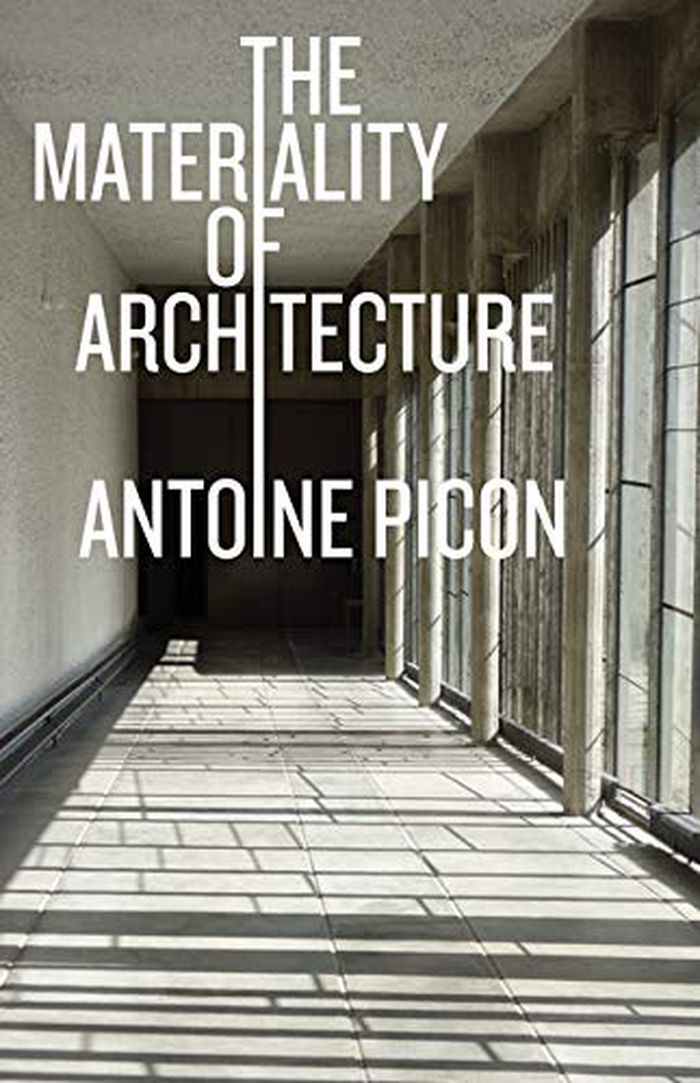
The materiality of architecture
Actions:
Price:
$37.99
(available in store)
Summary:
Digital tools have launched architecture into a dizzying new era, one in which wood, stone, metal, glass, and other traditional materials are augmented by pixels and code. In this ambitious exploration, an eminent thinker examines what, exactly, the building blocks of architecture have meant over the centuries and how technology may-or may not-be changing how we think about them. Antoine Picon argues that materiality is not only about matter and that the silence and inscrutability-the otherness-of raw materials work against humanity's need to live in a meaningful world. He describes how people define who they are, in part, through their specific physical experience of architectural materials and spaces. Indeed, Picon asserts, the entire paradox of the architectural discipline consists in its desire to render matter expressive to human beings. Through a retrospective review of canonical moments in Western European architecture, Picon offers an original perspective on the ways materiality has varied throughout centuries, demonstrating how experiences of the physical world have changed in relation to the evolution of human subjectivity. Ultimately, Picon concludes that computer-based design methods are not an abrupt departure from previous architectural traditions but rather a new way for architects to control material resources. The result reinforces the fundamentally humanistic nature of architectural endeavor with an increasing sense of design freedom and a release from material constraint in the digital era.
Form:
books
books
Publication:
January 2021
January 2021
Subject:
Architectural Theory
Architectural Theory


