


2 Results
Form:
books
books
Title:
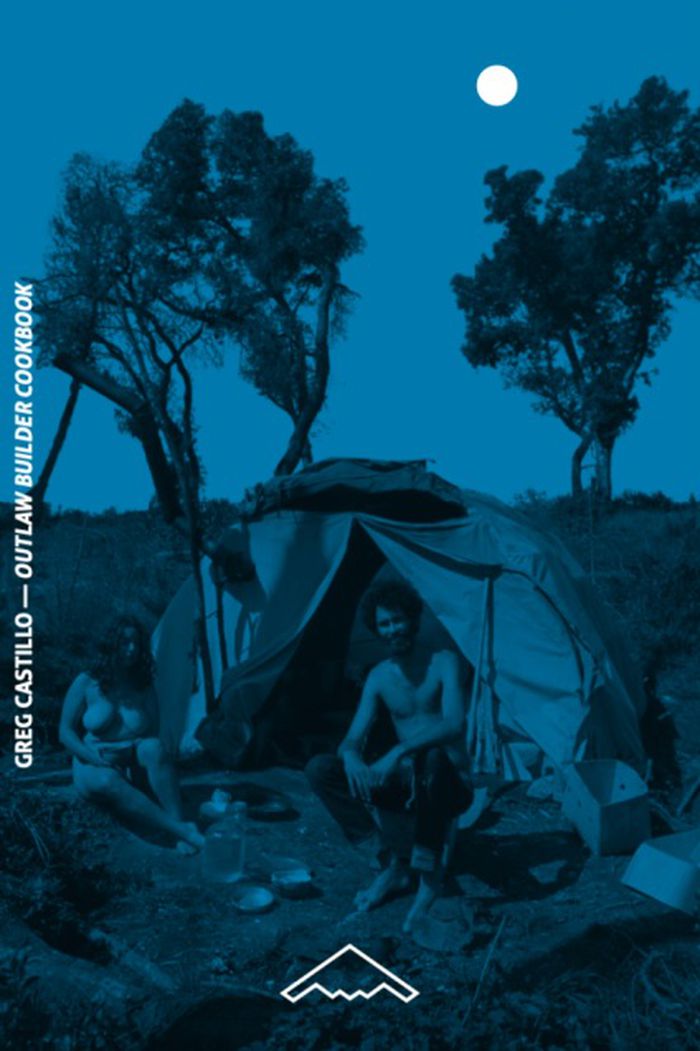
Outlaw builder cookbook
Outlaw builder cookbook
Actions:
Price:
$30.00
(available in store)
Summary:
Le hippie est marginal et paresseux ; sauf qu'il sait aussi se faire castor. En repartant d'acquis hérités des classes moyennes d'après-guerre – l’idéal du travail comme accomplissement et une passion grandissante pour le do-it-yourself, le bricolage et les guidebooks –, Greg Castillo montre comment les hippies procédèrent à une invention du quotidien qui ressemble au(...)
$30.00
(available in store)
Summary:
Le hippie est marginal et paresseux ; sauf qu'il sait aussi se faire castor. En repartant d'acquis hérités des classes moyennes d'après-guerre – l’idéal du travail comme accomplissement et une passion grandissante pour le do-it-yourself, le bricolage et les guidebooks –, Greg Castillo montre comment les hippies procédèrent à une invention du quotidien qui ressemble au(...)
Title:
Outlaw builder cookbook
Actions:
Price:
$30.00
(available in store)
Summary:
Le hippie est marginal et paresseux ; sauf qu'il sait aussi se faire castor. En repartant d'acquis hérités des classes moyennes d'après-guerre – l’idéal du travail comme accomplissement et une passion grandissante pour le do-it-yourself, le bricolage et les guidebooks –, Greg Castillo montre comment les hippies procédèrent à une invention du quotidien qui ressemble au nôtre : leur rapport à la nature, à l'auto-subsistance et au vivant, mais aussi à l'identité collective, à la frugalité responsable et aux minorités ethniques ou sexuelles. Bâtir, habiter et penser cet arc-en-ciel « hors la loi » revenait à faire du retour à la terre et de ses abris (shelters) un archipel rural de « territoires libérés », de « zones à défendre ». Qu'en serait-il aujourd'hui ?
Outlaw builder cookbook
Actions:
Price:
$30.00
(available in store)
Summary:
Le hippie est marginal et paresseux ; sauf qu'il sait aussi se faire castor. En repartant d'acquis hérités des classes moyennes d'après-guerre – l’idéal du travail comme accomplissement et une passion grandissante pour le do-it-yourself, le bricolage et les guidebooks –, Greg Castillo montre comment les hippies procédèrent à une invention du quotidien qui ressemble au nôtre : leur rapport à la nature, à l'auto-subsistance et au vivant, mais aussi à l'identité collective, à la frugalité responsable et aux minorités ethniques ou sexuelles. Bâtir, habiter et penser cet arc-en-ciel « hors la loi » revenait à faire du retour à la terre et de ses abris (shelters) un archipel rural de « territoires libérés », de « zones à défendre ». Qu'en serait-il aujourd'hui ?
Form:
books
books
Publication:
September 2024
September 2024
Subject:
Architectural Theory
Architectural Theory
Form:
books
books
Price:
$29.95
(available to order)
Summary:
Castillo closely follows the course of this escalating rivalry between competing consumer cultures through the 1950s, concluding that the Soviet bloc's inability to make good on the claim that it could emulate goods and living standards offered by the West was a contributing factor in communism's eventual demise. Using a mosaic of sources ranging from recently(...)
$29.95
(available to order)
Summary:
Castillo closely follows the course of this escalating rivalry between competing consumer cultures through the 1950s, concluding that the Soviet bloc's inability to make good on the claim that it could emulate goods and living standards offered by the West was a contributing factor in communism's eventual demise. Using a mosaic of sources ranging from recently(...)
Title:
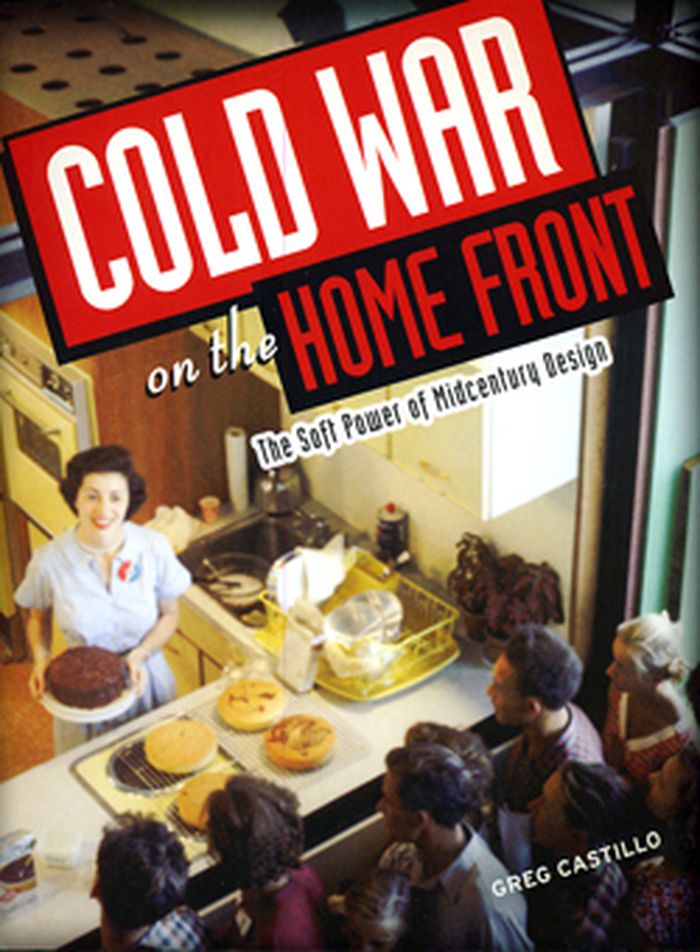
Cold war on the home front, the soft power of midcentury design
Actions:
Price:
$29.95
(available to order)
Summary:
Castillo closely follows the course of this escalating rivalry between competing consumer cultures through the 1950s, concluding that the Soviet bloc's inability to make good on the claim that it could emulate goods and living standards offered by the West was a contributing factor in communism's eventual demise. Using a mosaic of sources ranging from recently declassified government documents to homemaking journals and popular fiction, this book contributes an engaging new perspective on midcentury modernist style and its political uses at the dawn of the cold war.
Cold war on the home front, the soft power of midcentury design
Actions:
Price:
$29.95
(available to order)
Summary:
Castillo closely follows the course of this escalating rivalry between competing consumer cultures through the 1950s, concluding that the Soviet bloc's inability to make good on the claim that it could emulate goods and living standards offered by the West was a contributing factor in communism's eventual demise. Using a mosaic of sources ranging from recently declassified government documents to homemaking journals and popular fiction, this book contributes an engaging new perspective on midcentury modernist style and its political uses at the dawn of the cold war.
Form:
books
books
Publication:
February 2010
February 2010
Subject:
Design Theory
Design Theory


