


12 Results
Form:
books
books
Actions:
Price:
$72.95
(available to order)
Summary:
This book presents twelve essays by John Dixon Hunt, the leading theorist and historian of landscape architecture. The collection's common theme is a focus on sites, how we see them and what we derive from that looking. Acknowledging that even the most modest landscape encounter has validity, Hunt contends that the more one knows about a site and one's own sight of it (an(...)
Title:
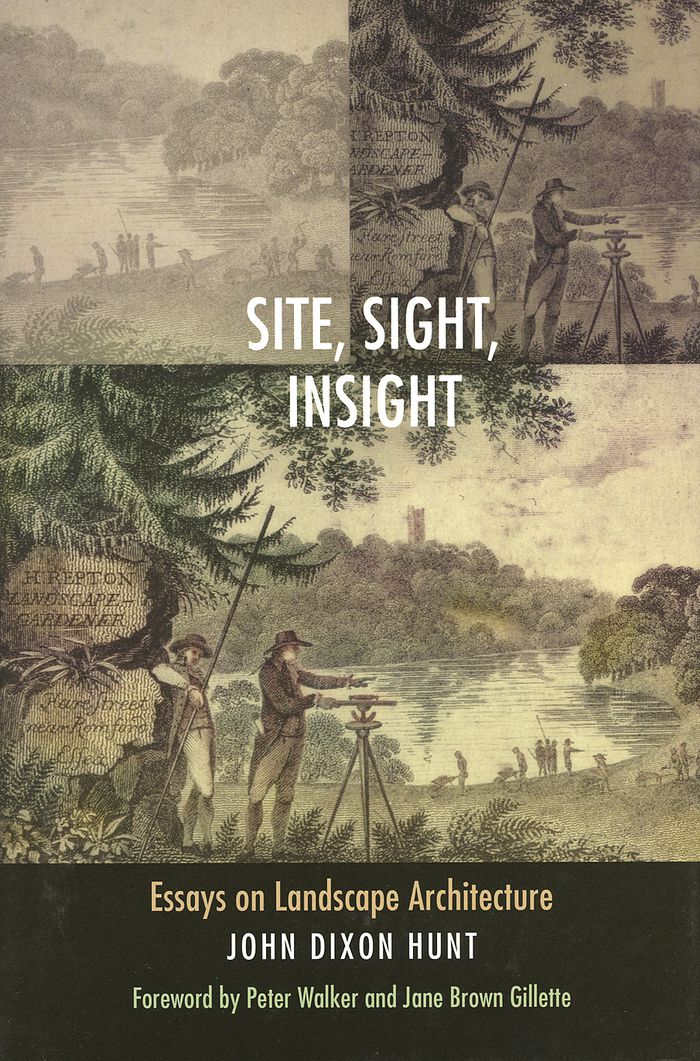
Site, sight, insight: essays on landscape architecture
Actions:
Price:
$72.95
(available to order)
Summary:
This book presents twelve essays by John Dixon Hunt, the leading theorist and historian of landscape architecture. The collection's common theme is a focus on sites, how we see them and what we derive from that looking. Acknowledging that even the most modest landscape encounter has validity, Hunt contends that the more one knows about a site and one's own sight of it (an awareness of how one is seeing), the greater the insight. Employing the concepts, tropes, and rhetorical methods of literary analysis, he addresses the problem of how to discuss, understand, and appreciate places that are experienced through all the senses, over time and through space.
Form:
books
books
Publication:
May 2016
May 2016
Subject:
Landscape Theory
Landscape Theory
Form:
books
books
Actions:
Price:
$64.00
(available to order)
Summary:
"Nature Over Again" reveals the story behind the majority of Finlay's renowned garden installations, and is the first study to examine his garden designs and 'interventions' in a consequential way. An accomplished Scottish poet, writer, artist and gardener, Finlay infused his garden designs with a distinct aesthetic philosophy and poetic sensibility.John Dixon Hunt(...)
Title:
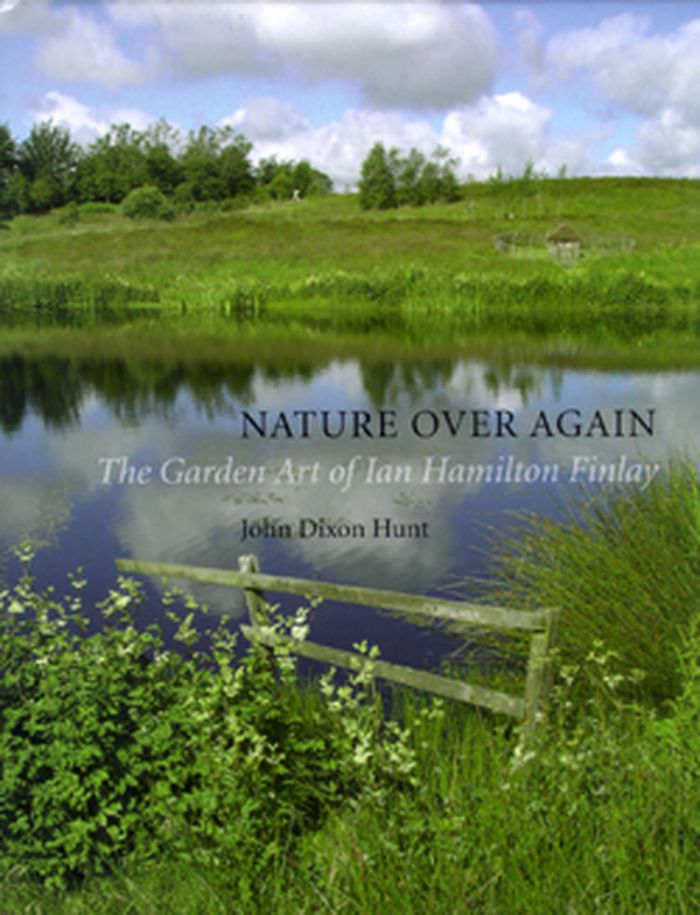
Nature over again: the garden art of Ian Hamilton Finlay
Actions:
Price:
$64.00
(available to order)
Summary:
"Nature Over Again" reveals the story behind the majority of Finlay's renowned garden installations, and is the first study to examine his garden designs and 'interventions' in a consequential way. An accomplished Scottish poet, writer, artist and gardener, Finlay infused his garden designs with a distinct aesthetic philosophy and poetic sensibility.John Dixon Hunt situates his analysis of Finlay's gardens in the context of that broader philosophy and poetic work, drawing on Finlay's books, prints and other written reflections about the art and practice of garden design. From the Max Planck Institute in Stuttgart to the Serpentine Gallery in London to the University of California at San Diego campus, the book documents how Finlay built an oeuvre of international renown, and ultimately argues that Finlay's innovations are best understood in the context of the long tradition of European gardens.
Form:
books
books
Publication:
November 2008, London
November 2008, London
Subject:
Gardens
Gardens


