


12 Results
Form:
books
books
Actions:
Price:
$14.99
(available to order)
Summary:
Throughout his architectural career, Peter Eisenman has been known primarily as a theorist and educator. Since the late 1980s, however, he has designed and built several major projects throughout the world. In this comprehensive monograph of the years 1988–1998, Eisenman the theoretician and Eisenman the practicing architect are presented in a series of projects and(...)
$14.99
(available to order)
Summary:
Throughout his architectural career, Peter Eisenman has been known primarily as a theorist and educator. Since the late 1980s, however, he has designed and built several major projects throughout the world. In this comprehensive monograph of the years 1988–1998, Eisenman the theoretician and Eisenman the practicing architect are presented in a series of projects and(...)
Title:
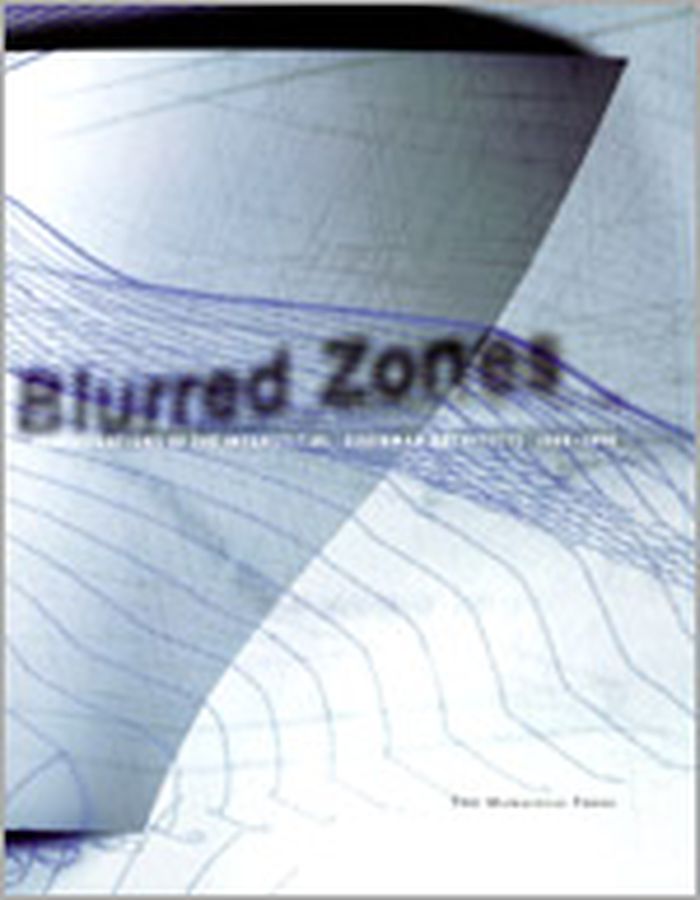
Blurred zones : investigations of the interstitial - Eisenman architects 1988-1998
Actions:
Price:
$14.99
(available to order)
Summary:
Throughout his architectural career, Peter Eisenman has been known primarily as a theorist and educator. Since the late 1980s, however, he has designed and built several major projects throughout the world. In this comprehensive monograph of the years 1988–1998, Eisenman the theoretician and Eisenman the practicing architect are presented in a series of projects and essays. Interspersed with the design projects are essays by Eisenman–on blurring, the interstitial, and undecidability–and by other writers and critics, including Frederic Jameson, John Rajchman, and K. Michael Hays.
Blurred zones : investigations of the interstitial - Eisenman architects 1988-1998
Actions:
Price:
$14.99
(available to order)
Summary:
Throughout his architectural career, Peter Eisenman has been known primarily as a theorist and educator. Since the late 1980s, however, he has designed and built several major projects throughout the world. In this comprehensive monograph of the years 1988–1998, Eisenman the theoretician and Eisenman the practicing architect are presented in a series of projects and essays. Interspersed with the design projects are essays by Eisenman–on blurring, the interstitial, and undecidability–and by other writers and critics, including Frederic Jameson, John Rajchman, and K. Michael Hays.
Form:
books
books
Publication:
August 2000, New York
August 2000, New York
Subject:
sale books
sale books
Form:
books
books
Price:
$38.95
(available to order)
Summary:
Conceptions of modernity in architecture are often expressed in the idea of the zeitgeist, or “spirit of the age,” an attitude toward architectural form that is embedded in a belief in progressive time. 'Lateness' explores how architecture can work against these linear currents in startling and compelling ways. In this incisive book, internationally renowned architect(...)
$38.95
(available to order)
Summary:
Conceptions of modernity in architecture are often expressed in the idea of the zeitgeist, or “spirit of the age,” an attitude toward architectural form that is embedded in a belief in progressive time. 'Lateness' explores how architecture can work against these linear currents in startling and compelling ways. In this incisive book, internationally renowned architect(...)
Title:
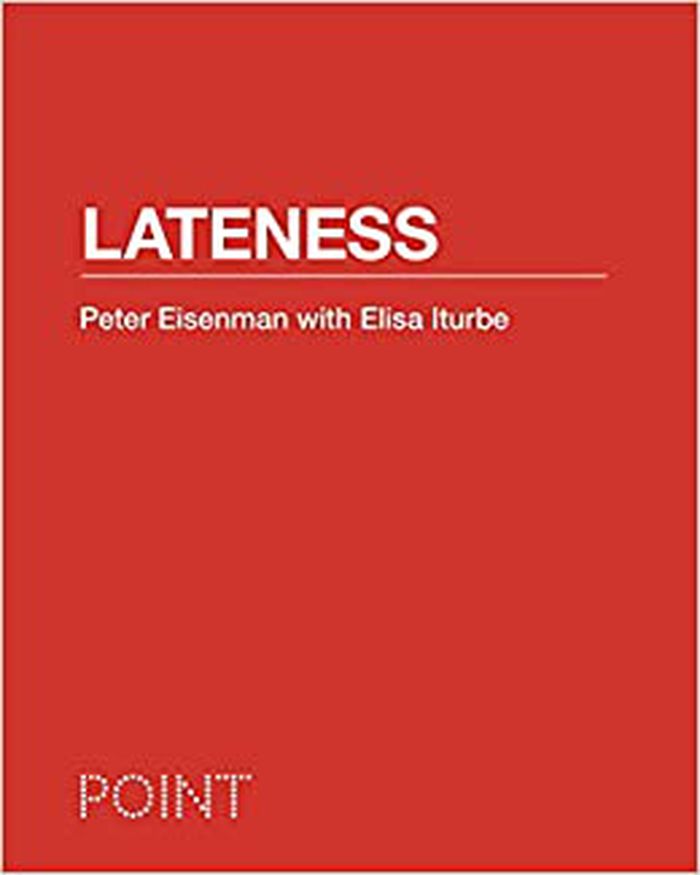
Lateness
Actions:
Price:
$38.95
(available to order)
Summary:
Conceptions of modernity in architecture are often expressed in the idea of the zeitgeist, or “spirit of the age,” an attitude toward architectural form that is embedded in a belief in progressive time. 'Lateness' explores how architecture can work against these linear currents in startling and compelling ways. In this incisive book, internationally renowned architect Peter Eisenman, with Elisa Iturbe, proposes a different perspective on form and time in architecture, one that circumvents the temporal constraints on style that require it to be “of the times”—lateness. He focuses on three twentieth-century architects who exhibited the qualities of lateness in their designs: Adolf Loos, Aldo Rossi, and John Hejduk. Drawing on the critical theory of Theodor Adorno and his study of Beethoven’s final works, Eisenman shows how the architecture of these canonical figures was temporally out of sync with conventions and expectations, and how lateness can serve as a form of release from the restraints of the moment.
Lateness
Actions:
Price:
$38.95
(available to order)
Summary:
Conceptions of modernity in architecture are often expressed in the idea of the zeitgeist, or “spirit of the age,” an attitude toward architectural form that is embedded in a belief in progressive time. 'Lateness' explores how architecture can work against these linear currents in startling and compelling ways. In this incisive book, internationally renowned architect Peter Eisenman, with Elisa Iturbe, proposes a different perspective on form and time in architecture, one that circumvents the temporal constraints on style that require it to be “of the times”—lateness. He focuses on three twentieth-century architects who exhibited the qualities of lateness in their designs: Adolf Loos, Aldo Rossi, and John Hejduk. Drawing on the critical theory of Theodor Adorno and his study of Beethoven’s final works, Eisenman shows how the architecture of these canonical figures was temporally out of sync with conventions and expectations, and how lateness can serve as a form of release from the restraints of the moment.
Form:
books
books
Publication:
May 2020
May 2020
Subject:
Architectural Theory
Architectural Theory


