


1 Results
Form:
books
books
Title:
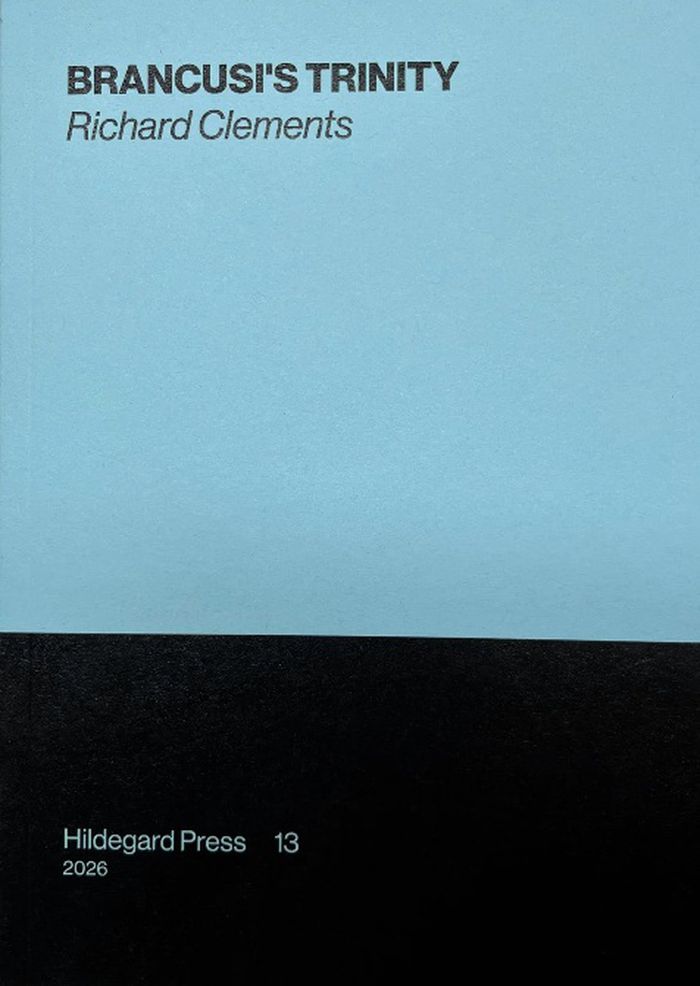
Brancusi's trinity
Brancusi's trinity
Actions:
Price:
$23.00
(available in store)
Summary:
In "Brancusi's Trinity," sculptor Richard Clements focuses on a proposed Hermetic cosmology between three of Constantin Brancusi’s sculptures: Endless Column (1918-1937), Table of Silence (1937), and Cup (1918-1925), positing them as an inseparable and holistic Trinity. Avoiding the traditional art historical lens that looks at an artist’s biography, historical context,(...)
$23.00
(available in store)
Summary:
In "Brancusi's Trinity," sculptor Richard Clements focuses on a proposed Hermetic cosmology between three of Constantin Brancusi’s sculptures: Endless Column (1918-1937), Table of Silence (1937), and Cup (1918-1925), positing them as an inseparable and holistic Trinity. Avoiding the traditional art historical lens that looks at an artist’s biography, historical context,(...)
Title:
Brancusi's trinity
Actions:
Price:
$23.00
(available in store)
Summary:
In "Brancusi's Trinity," sculptor Richard Clements focuses on a proposed Hermetic cosmology between three of Constantin Brancusi’s sculptures: Endless Column (1918-1937), Table of Silence (1937), and Cup (1918-1925), positing them as an inseparable and holistic Trinity. Avoiding the traditional art historical lens that looks at an artist’s biography, historical context, or symbolic/psychoanalytical interpretations, Clements instead approaches these works by focusing on their interrelated formation, formal and phenomenological relationship to each other, and their intrinsic numerological or occult concerns. As such, the sculptures form a trinity where each is seen in and through the others, simultaneously tripartite (hypostases) and singular (homoousion). Clements proposes that in their reception they open a site for latent esoteric intelligences to appear, focused around the Hermetic Principle of Correspondence: “As Above, So Below.” Extensive diagrams show the increasingly enfolded and enmeshed relationships between these three sculptures and detail how they appear in, and inform, one another.
Brancusi's trinity
Actions:
Price:
$23.00
(available in store)
Summary:
In "Brancusi's Trinity," sculptor Richard Clements focuses on a proposed Hermetic cosmology between three of Constantin Brancusi’s sculptures: Endless Column (1918-1937), Table of Silence (1937), and Cup (1918-1925), positing them as an inseparable and holistic Trinity. Avoiding the traditional art historical lens that looks at an artist’s biography, historical context, or symbolic/psychoanalytical interpretations, Clements instead approaches these works by focusing on their interrelated formation, formal and phenomenological relationship to each other, and their intrinsic numerological or occult concerns. As such, the sculptures form a trinity where each is seen in and through the others, simultaneously tripartite (hypostases) and singular (homoousion). Clements proposes that in their reception they open a site for latent esoteric intelligences to appear, focused around the Hermetic Principle of Correspondence: “As Above, So Below.” Extensive diagrams show the increasingly enfolded and enmeshed relationships between these three sculptures and detail how they appear in, and inform, one another.
Form:
books
books
Publication:
September 2026
September 2026
Subject:
Art Theory
Art Theory


