


2 Results
Form:
books
books
Actions:
Price:
$56.95
(available in store)
Summary:
Originally borrowed from literary studies, the term "degree zero" has evolved, since the 1960s, into a familiar trope in architectural theory and criticism. First conceptualized in Roland Barthes’ seminal book, Le degré zéro de l’écriture, as a plain style of writing that liberates text from ideology, it has been deployed as a discursive and conceptual tool for(...)
Title:
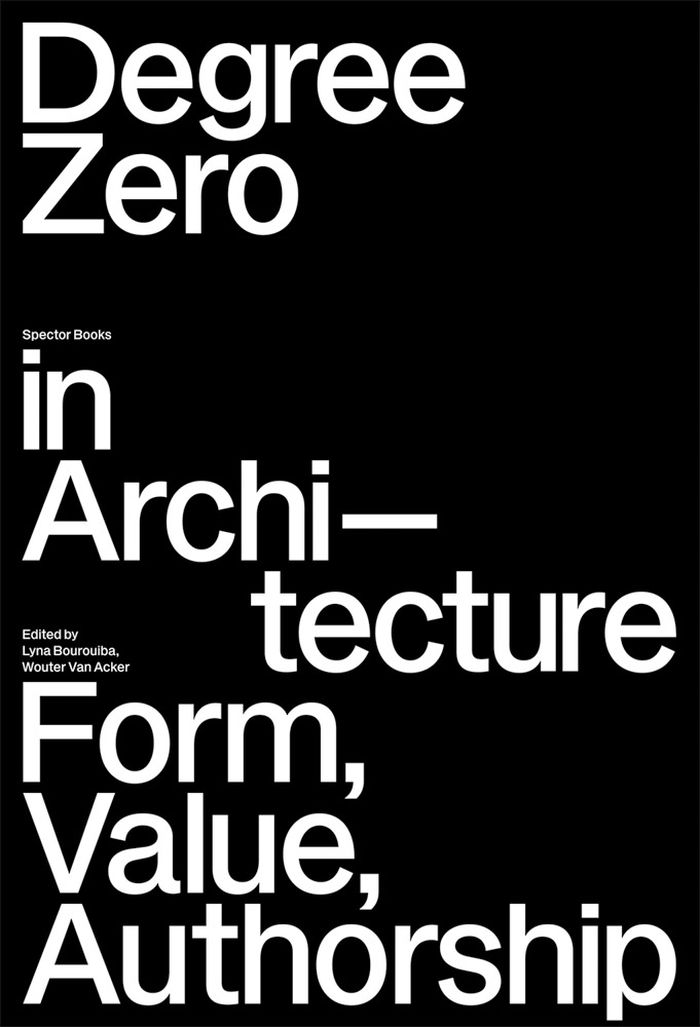
Degree zero in architecture: Form, value, authorship
Actions:
Price:
$56.95
(available in store)
Summary:
Originally borrowed from literary studies, the term "degree zero" has evolved, since the 1960s, into a familiar trope in architectural theory and criticism. First conceptualized in Roland Barthes’ seminal book, Le degré zéro de l’écriture, as a plain style of writing that liberates text from ideology, it has been deployed as a discursive and conceptual tool for articulating diverse architectural practices?projectual, theoretical, speculative, critical or academic. "Degree Zero in Architecture" examines how the idea of degree zero, entangling the notions of form, value and authorship, has catalyzed?and continues to deepen -- critical reflections on architectural practices and their formalizations. The 15 essays in this collection interrogate architectural forms and forms of architectural knowledge, examining their positioning in the field based on the set of values they embody and the nature of the forms they shape.
Form:
books
books
Publication:
September 2026
September 2026
Subject:
Architectural Theory
Architectural Theory
Form:
books
books
Actions:
Price:
$45.95
(available to order)
Summary:
Whatever 'ugliness' is, it remains a problematic category in architectural aesthetics - alternately vilified and appropriated, either to shock or to invert conventions of architecture. This book presents eighteen new essays which rethink ugliness in architecture - from brutalism to eclectic postmodern architectural productions - and together offer a diverse reappraisal(...)
Title:
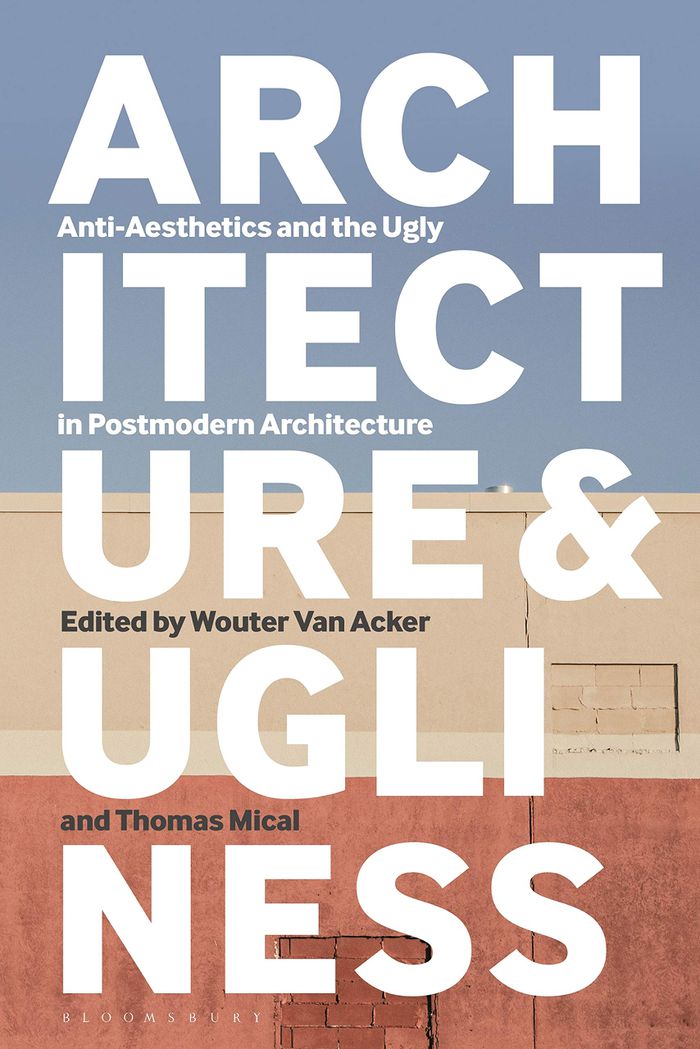
Architecture and ugliness: anti-aesthetics and the ugly in postmodern architecture
Actions:
Price:
$45.95
(available to order)
Summary:
Whatever 'ugliness' is, it remains a problematic category in architectural aesthetics - alternately vilified and appropriated, either to shock or to invert conventions of architecture. This book presents eighteen new essays which rethink ugliness in architecture - from brutalism to eclectic postmodern architectural productions - and together offer a diverse reappraisal of the history and theory of postmodern architecture and design. The essays address both broad theoretical questions on ugliness and postmodern aesthetics, as well as more specific analyses of significant architectural examples dating from the last decades of the twentieth century, addressing the relation between the aesthetic register of ugliness and aesthetic concepts such as brutalism, kitsch, the formless, ad hoc-ism, the monstrous, or the grotesque. "Architecture and ugliness" not only documents the history of a postmodern anti-aesthetic through a diverse set of case studies, it also sheds valuable light on an aesthetic problem which has been largely overlooked in architectural discourse. It is essential reading for all students and scholars with an interest in postmodern architectural history, architectural theory and aesthetics.
Form:
books
books
Publication:
May 2021
May 2021
Subject:
Post-modernism
Post-modernism


