


2227 Results
Form:
books
books
Title:
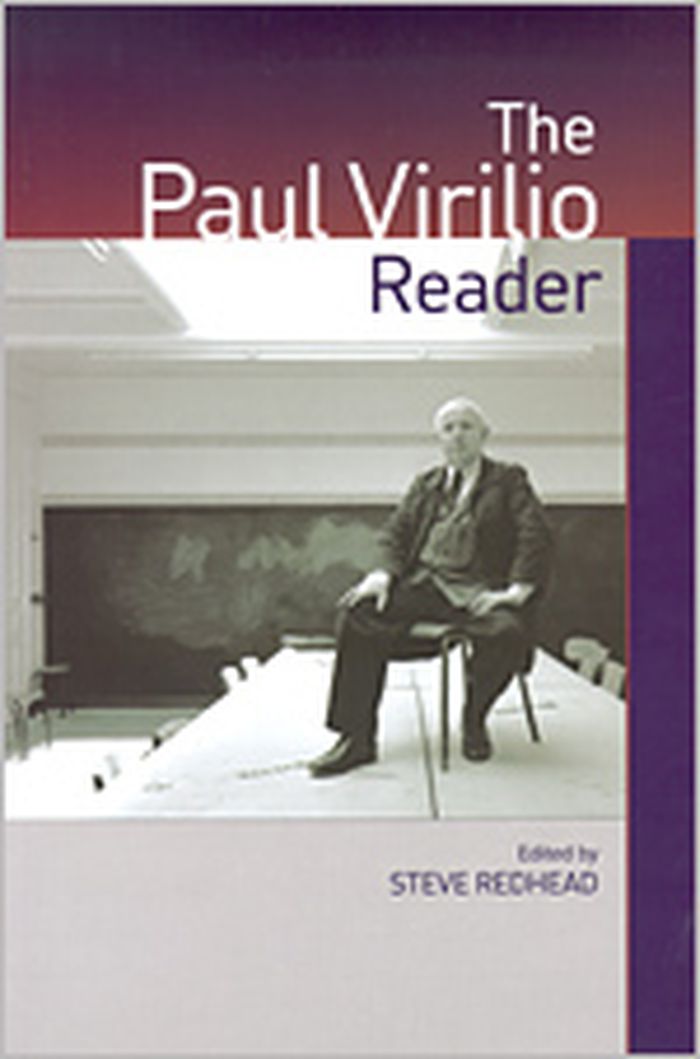
The Paul Virilio reader
The Paul Virilio reader
Actions:
Price:
$31.95
(available to order)
Summary:
If nothing else, the war in Iraq and the 1991 Gulf War have taught us much about media and technology as key players in how war is waged, packaged for public consumption, and exported in real time to the rest of the globe. A critic of the art of technology, Paul Virilio has keenly observed that media images quite often constitute a strategy of war and that accident is(...)
Title:
The Paul Virilio reader
Actions:
Price:
$31.95
(available to order)
Summary:
If nothing else, the war in Iraq and the 1991 Gulf War have taught us much about media and technology as key players in how war is waged, packaged for public consumption, and exported in real time to the rest of the globe. A critic of the art of technology, Paul Virilio has keenly observed that media images quite often constitute a strategy of war and that accident is becoming indistinguishable from attack. For more than fifty years Virilio has offered incisive and provocative criticism on technology and its moral, political, and cultural implications. Yet until now, much of his work, originally published in French, remains elusive in full English translation. "The Paul Virilio Reader" collects for the first time English extracts reflecting the entire range of Virilio’s diverse career. The book’s introduction demonstrates that Virilio has produced an important—if controversial—“theory at the speed of light” that uncannily illuminates the impact of new information and communications technologies in a world that collapses time and distance as never before. The inventor of “dromology,” which views speed as a defining concept for contemporary civilization, Virilio is noted for his proclamation that the logic of ever-increasing acceleration lies at the heart of the organization and transformation of the contemporary world. Arranged chronologically, "The Paul Virilio Reader" illustrates the development and interconnectedness of Virilio’s work. Each extract is prefaced by bibliographical and contextual commentary, and the book includes an innovative guide to reading Virilio.
Form:
books
books
Publication:
January 1900, New York
January 1900, New York
Subject:
Architectural Theory
Architectural Theory
Form:
books
books
Title:
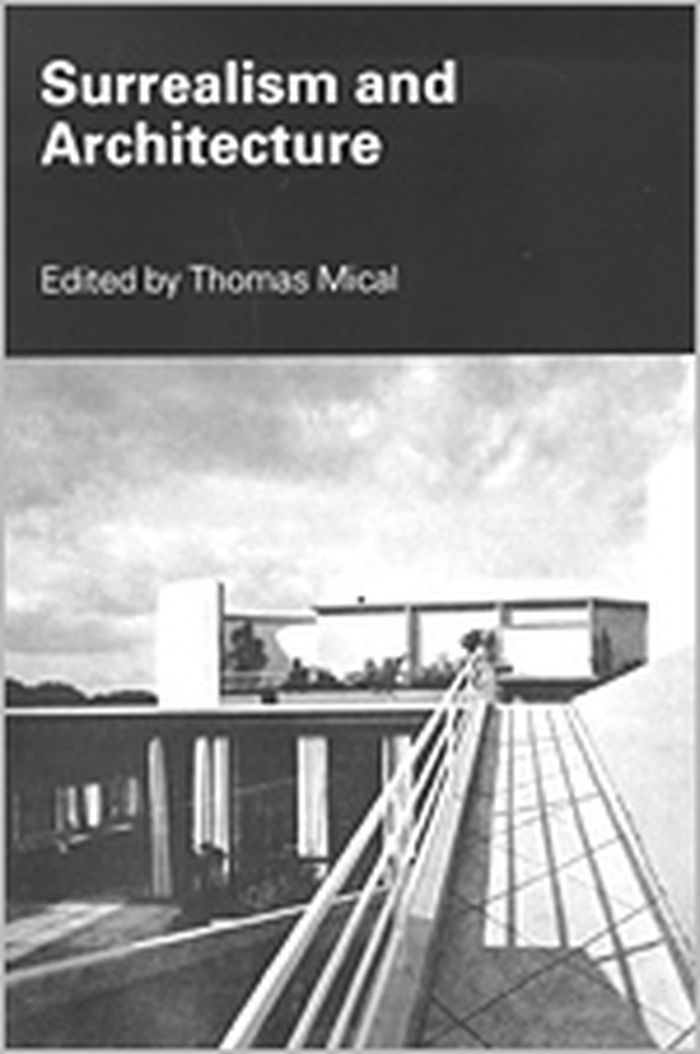
Surrealism and architecture
Surrealism and architecture
Actions:
Price:
$61.95
(available to order)
Summary:
"Surrealism and architecture" examines a long overlooked topic : the relationship of surrealist thought to architectural theory and practice. This is a historically informed examination of architecture's perceived absence in surrealist thought, surrealist tendencies in the theories and projects of modern architecture and the place of surrealist thought in contemporary(...)
Title:
Surrealism and architecture
Actions:
Price:
$61.95
(available to order)
Summary:
"Surrealism and architecture" examines a long overlooked topic : the relationship of surrealist thought to architectural theory and practice. This is a historically informed examination of architecture's perceived absence in surrealist thought, surrealist tendencies in the theories and projects of modern architecture and the place of surrealist thought in contemporary design methods and theories.
Form:
books
books
Publication:
November 2004, New York
November 2004, New York
Subject:
Architectural Theory
Architectural Theory
Form:
books
books
Actions:
Price:
$43.95
(available to order)
Summary:
Why do we have such extraordinarily powerful responses toward the images and pictures we see in everyday life? Why do we behave as if pictures were alive, possessing the power to influence us, to demand things from us, to persuade us, seduce us, or even lead us astray? According to W. J. T. Mitchell, we need to reckon with images not just as inert objects that convey(...)
Title:
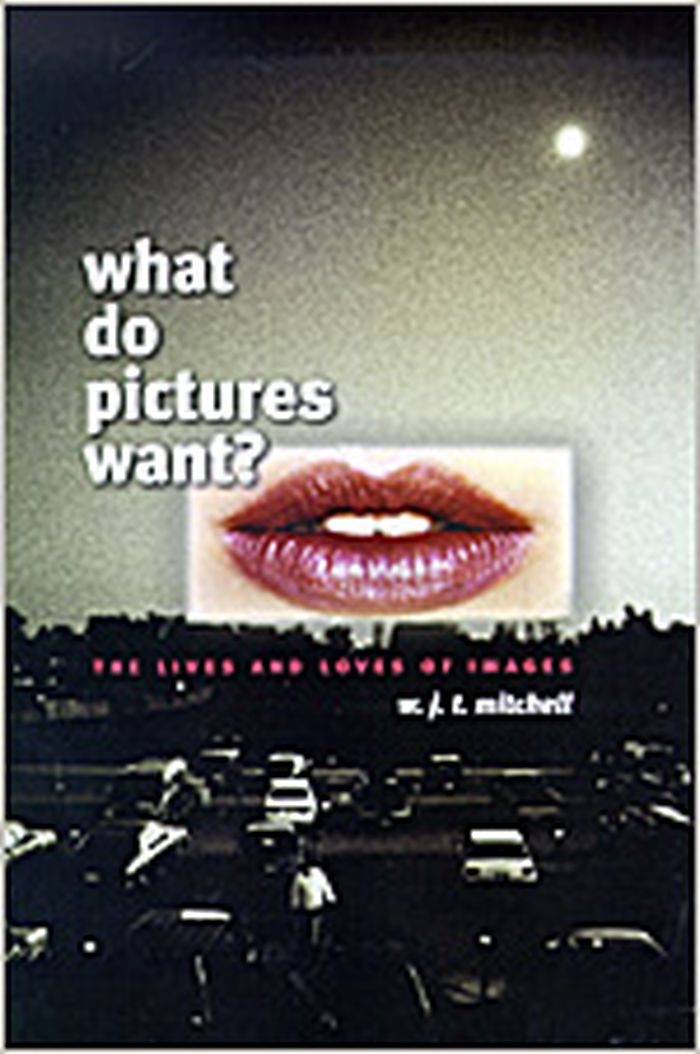
What do pictures want? : the lives and loves of images
Actions:
Price:
$43.95
(available to order)
Summary:
Why do we have such extraordinarily powerful responses toward the images and pictures we see in everyday life? Why do we behave as if pictures were alive, possessing the power to influence us, to demand things from us, to persuade us, seduce us, or even lead us astray? According to W. J. T. Mitchell, we need to reckon with images not just as inert objects that convey meaning but as animated beings with desires, needs, appetites, demands, and drives of their own. "What Do Pictures Want?" explores this idea and highlights Mitchell's innovative and profoundly influential thinking on picture theory and the lives and loves of images. Ranging across the visual arts, literature, and mass media, Mitchell applies characteristically brilliant and wry analyses to Byzantine icons and cyberpunk films, racial stereotypes and public monuments, ancient idols and modern clones, offensive images and found objects, American photography and aboriginal painting. Opening new vistas in iconology and the emergent field of visual culture, he also considers the importance of Dolly the Sheep - who, as a clone, fulfills the ancient dream of creating a living image - and the destruction of the World Trade Center on 9/11, which, among other things, signifies a new and virulent form of iconoclasm. "What Do Pictures Want?" offers an immensely rich and suggestive account of the interplay between the visible and the readable. A work by one of our leading theorists of visual representation, it will be a touchstone for art historians, literary critics, anthropologists, and philosophers alike.
Form:
books
books
Publication:
June 2005, Chicago
June 2005, Chicago
Subject:
Architectural Theory
Architectural Theory
Form:
books
books
Actions:
Price:
$37.95
(available to order)
Summary:
'Lessons' begins with Risselada's and Tupker's own student years, in which the famous Forum-group dominated the architectural debate with the illustrous Dick Apon, Jaap Bakema, Aldo van Eyck, Joop Hardy and Herman Hertzberger. International influences discussed in 'Lessons' come from designers like Charles and Ray Eames, Alison and Peter Smithson, John Hejduk, Peter(...)
Subject:
Architectural Theory
Architectural Theory
Publication:
April 2005, amsterdam
April 2005, amsterdam
Title:
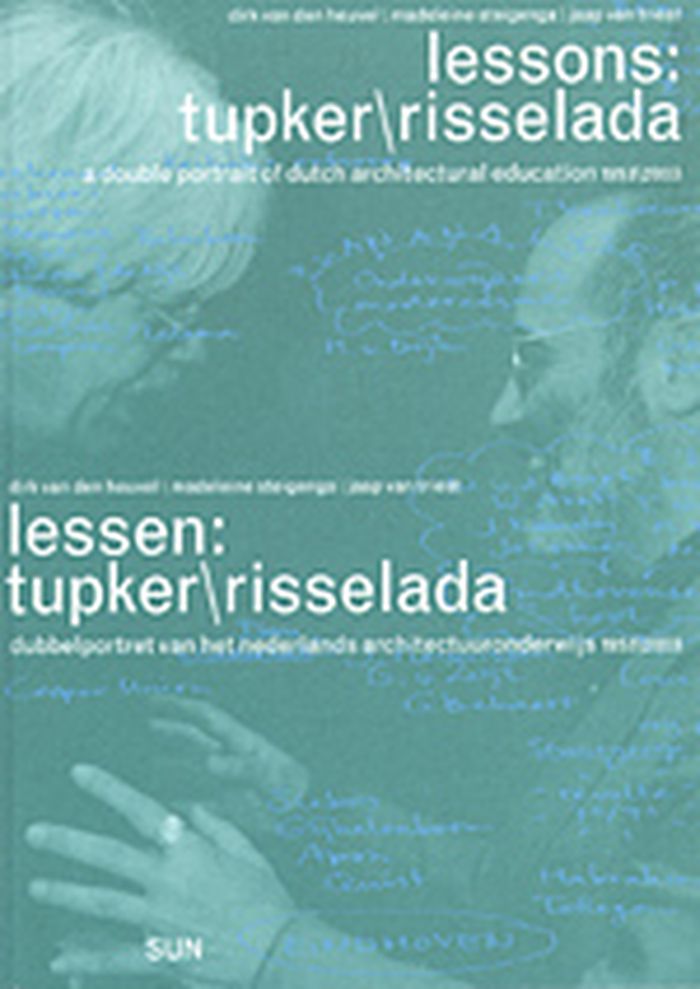
Lessons : Tupker\Risselada : a double portrait of dutch architectural education, 1953\2003
Actions:
Price:
$37.95
(available to order)
Summary:
'Lessons' begins with Risselada's and Tupker's own student years, in which the famous Forum-group dominated the architectural debate with the illustrous Dick Apon, Jaap Bakema, Aldo van Eyck, Joop Hardy and Herman Hertzberger. International influences discussed in 'Lessons' come from designers like Charles and Ray Eames, Alison and Peter Smithson, John Hejduk, Peter Eisenman and Tadao Ando, and from the historians Emil Kaufmann, Colin Rowe, Charles Jencks and Beatriz Colomina. 'Lessons' also gives an account of the work by students of Risselada and Tupker.
Form:
books
books
Publication:
April 2005, amsterdam
April 2005, amsterdam
Subject:
Architectural Theory
Architectural Theory
Form:
books
books
Actions:
Price:
$54.00
(available to order)
Summary:
If there is something in architecture that is difficult to describe then it is space, but it is in the spatial quality of architecture and its use that its essence is encapsulated. There is, however, surprising little evidence of this in current architectural debate, because of all the consideration for visual appearance. In "Revisions of space", architect Dick van(...)
Title:
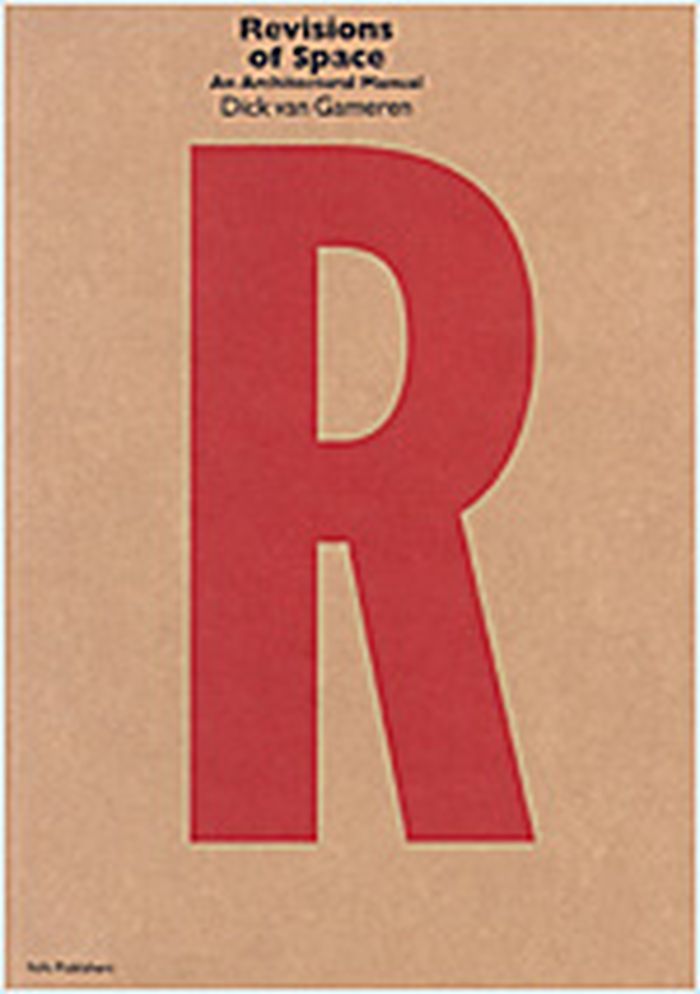
Revisions of space : an architectural manual
Actions:
Price:
$54.00
(available to order)
Summary:
If there is something in architecture that is difficult to describe then it is space, but it is in the spatial quality of architecture and its use that its essence is encapsulated. There is, however, surprising little evidence of this in current architectural debate, because of all the consideration for visual appearance. In "Revisions of space", architect Dick van Gameren shows how the spatial quality of architecture is connected with densification and programmatic diversity: in buildings, around buildings and in the urban context. He does this by using a selection of unusual historic examples and his own work. The book could be described as a manual for architecture - how one can look at architecture and how, as a designer, to deal with it - as well as a personal appeal for more consideration for one of the essential components of architecture. Thanks to the choice of historical examples, this book can also be read as an unconventional cross-section of the history of architecture.
Form:
books
books
Publication:
January 2005, Rotterdam
January 2005, Rotterdam
Subject:
Architectural Theory
Architectural Theory
Form:
books
books
Actions:
Price:
$33.95
(available to order)
Summary:
Siri Hustvedt concentrates her narrative gifts on the works of such masters as Francisco de Goya, Jan Vermeer, Jean-Baptiste-Siméon Chardin, Gerhard Richter, and Joan Mitchell. She is concerned with the very act of looking and the limitless rewards to be gleaned from sustained, careful attention. Unlike film and books, which progress over time, "Painting is there all(...)
Title:
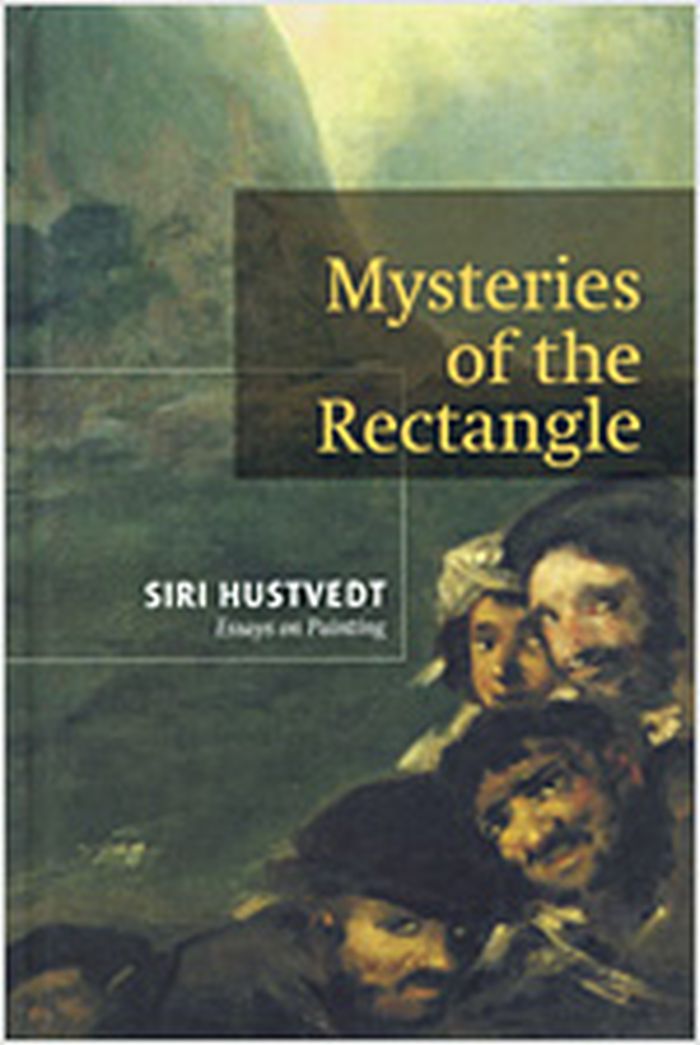
Mysteries of the rectangle : essays on painting
Actions:
Price:
$33.95
(available to order)
Summary:
Siri Hustvedt concentrates her narrative gifts on the works of such masters as Francisco de Goya, Jan Vermeer, Jean-Baptiste-Siméon Chardin, Gerhard Richter, and Joan Mitchell. She is concerned with the very act of looking and the limitless rewards to be gleaned from sustained, careful attention. Unlike film and books, which progress over time, "Painting is there all at once," she writes, it is only with patience and repeated viewings that elusive meanings present themselves. Through her own personal experiences, Hustvedt is able to reveal things until now hidden in plain sight: an egg-like detail in Vermeer's Woman with a Pearl Necklace and the many hidden self-portraits in Goya's series of drawings, Los Caprichos, as well as in his infamous painting The Third of May. Most importantly, these essays exhibit the passion, thrill, and sheer pleasure of bewilderment a work of art can produce - if you simply take the time to look.
Form:
books
books
Publication:
July 2005, New York
July 2005, New York
Subject:
Architectural Theory
Architectural Theory
Form:
books
books
Actions:
Price:
$35.95
(available to order)
Summary:
''Projet et utopie'' est la réédition du classique - paru en français en 1979 - de Manfredo Tafuri (1935-1994), architecte et théoricien de l'urbanisme italien. En s'attachant à appliquer les thèses opéraïstes aux domaines de l'architecture et de l'urbanisme, l'auteur propose une réflexion sur la métropole comme lieu de l'accumulation capitaliste et de l'antagonisme(...)
Title:
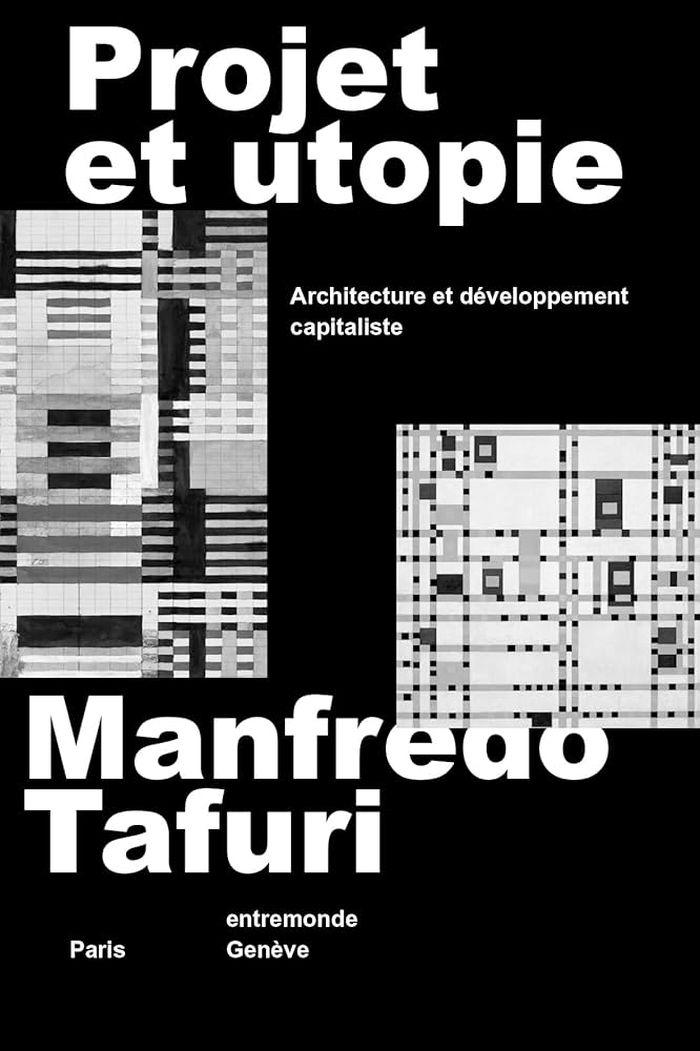
Projet et utopie : Architecture et développement capitaliste
Actions:
Price:
$35.95
(available to order)
Summary:
''Projet et utopie'' est la réédition du classique - paru en français en 1979 - de Manfredo Tafuri (1935-1994), architecte et théoricien de l'urbanisme italien. En s'attachant à appliquer les thèses opéraïstes aux domaines de l'architecture et de l'urbanisme, l'auteur propose une réflexion sur la métropole comme lieu de l'accumulation capitaliste et de l'antagonisme social. La ville devient dans cette optique l'un des sites majeurs de déploiement de la critique sociale, mais aussi de bon nombre d'entreprises avant-gardistes et utopiques : l'espace urbain comme enjeu politique, imbriqué aux rapports de domination et d'aliénation, qu'il s'agit toujours de subvertir.Projet et utopie ou comment l'histoire de l'architecture se fait critique de l'idéologie.
Form:
books
books
Publication:
January 2024
January 2024
Subject:
Architectural Theory
Architectural Theory
Form:
books
books

Actions:
Price:
$45.00
(available to order)
Summary:
Ce recueil ne propose pas une théorie du dessin architectural, mais réunit sept essais (écrits durant ces quinze dernières années), qui explorent le potentiel du dessin architectural au cours du XXe siècle, à travers sept modes de représentation : le plan, la coupe, la flèche, la grille, les images, le diagramme, le dessin.
Title:
Un dessin n'est pas un plan et autres essais
Actions:
Price:
$45.00
(available to order)
Summary:
Ce recueil ne propose pas une théorie du dessin architectural, mais réunit sept essais (écrits durant ces quinze dernières années), qui explorent le potentiel du dessin architectural au cours du XXe siècle, à travers sept modes de représentation : le plan, la coupe, la flèche, la grille, les images, le diagramme, le dessin.
Form:
books
books
Publication:
November 2023
November 2023
Subject:
Architectural Theory
Architectural Theory
Form:
books
books
Actions:
Price:
$62.00
(available to order)
Summary:
According to Anna Heringer, "Beauty has nothing to do with money or finance, but everything to do with creativity and love". With statements like this she clearly has her finger on the pulse of our time, judging by the packed lecture halls, international awards such as the 2007 Aga Kahn Award or the 2020 OBEL Award, and exhibitions at MoMA, MAM Sao Paulo, and the Venice(...)
Subject:
Architectural Theory
Architectural Theory
Publication:
September 2024
September 2024
Title:
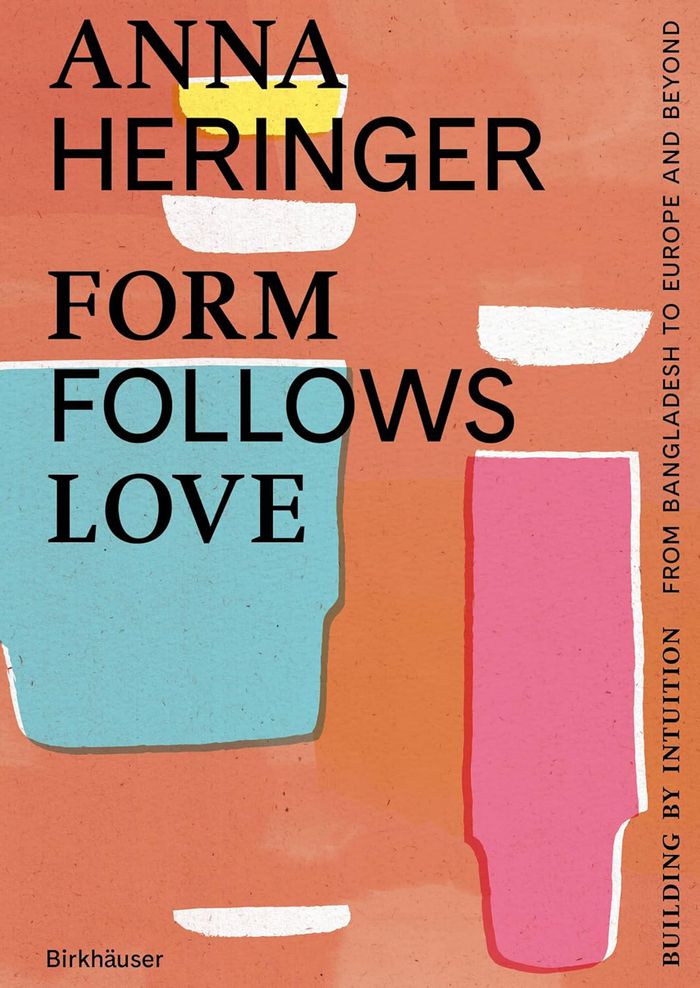
Form follows love: Building by intuition - From Bangladesh to Europe and beyond
Actions:
Price:
$62.00
(available to order)
Summary:
According to Anna Heringer, "Beauty has nothing to do with money or finance, but everything to do with creativity and love". With statements like this she clearly has her finger on the pulse of our time, judging by the packed lecture halls, international awards such as the 2007 Aga Kahn Award or the 2020 OBEL Award, and exhibitions at MoMA, MAM Sao Paulo, and the Venice Biennale. In "Form follows love," Anna Heringer talks to author Dominique Gauzin-Müller about her career as an architect, her studies, her experiences during a workshop by Martin Rauch, her practice in the Global South, and current projects in the Global North.
Form:
books
books
Publication:
September 2024
September 2024
Subject:
Architectural Theory
Architectural Theory
Form:
books
books

Price:
$49.95
(available in store)
Summary:
« Ce […] livre est parti d’une idée assez monstrueuse, mais, je pense, assez exaltante. J’ai choisi, à Paris, douze lieux, des rues, des places, des carrefours, liés à des souvenirs, à des événements ou à des moments importants de mon existence. Chaque mois, je décris deux de ces lieux ; une première fois, sur place (dans un café ou dans la rue même) je décris « ce que je(...)
Title:
Lieux
Actions:
Price:
$49.95
(available in store)
Summary:
« Ce […] livre est parti d’une idée assez monstrueuse, mais, je pense, assez exaltante. J’ai choisi, à Paris, douze lieux, des rues, des places, des carrefours, liés à des souvenirs, à des événements ou à des moments importants de mon existence. Chaque mois, je décris deux de ces lieux ; une première fois, sur place (dans un café ou dans la rue même) je décris « ce que je vois » de la manière la plus neutre possible, j’énumère les magasins, quelques détails d’architecture, quelques micro-événements (une voiture de pompiers qui passe, une dame qui attache son chien avant d’entrer dans une charcuterie, un déménagement, des affiches, des gens, etc.) ; une deuxième fois, n’importe où (chez moi, au café, au bureau) je décris le lieu de mémoire, j’évoque les souvenirs qui lui sont liés, les gens que j’y ai connus, etc. Chaque texte [...] est, une fois terminé, enfermé dans une enveloppe que je cachette à la cire. Au bout d’un an, j’aurai décrit chacun de mes lieux deux fois, une fois sur le mode du souvenir, une fois sur place en description réelle. Je recommence ainsi pendant douze ans [...]. J’ai commencé en janvier 1969 ; j’aurai fini en décembre 1980 ! j’ouvrirai alors les 288 enveloppes cachetées [...]. Je n’ai pas une idée très claire du résultat final, mais je pense qu’on y verra tout à la fois le vieillissement des lieux, le vieillissement de mon écriture, le vieillissement de mes souvenirs : le temps retrouvé se confond avec le temps perdu ; le temps s’accroche à ce projet, en constitue la structure et la contrainte ; le livre n’est plus restitution d’un temps passé, mais mesure du temps qui s’écoule ; le temps de l’écriture, qui était jusqu’à présent un temps pour rien, un temps mort, que l’on feignait d’ignorer ou que l’on ne restituait qu’arbitrairement (L’Emploi du temps), qui restait toujours à côté du livre (même chez Proust), deviendra ici l’axe essentiel. Je n’ai pas encore de titre pour ce projet ; ce pourrait être Loci Soli (ou Soli Loci) ou, plus simplement, "Lieux". »
Form:
books
books
Publication:
August 2022
August 2022
Subject:
Architectural Theory
Architectural Theory


