


2227 Results
Form:
books
books
Actions:
Price:
$31.95
(available in store)
Summary:
Les bâtisseurs inconnus d'Angkor Vat comme ceux de la mosquée Asa'ir, à Zabid, ont en commun avec ceux de l'abbaye Notre-Dame de Sénanque une même soif de transcendance. Leurs édifices nous parlent de Dieu. Partout, ils nous questionnent sur notre rapport à la mort et notre perception de l'au-delà. Que se passe-t-il en nous lorsque nous pénétrons dans un espace sacré ?(...)
$31.95
(available in store)
Summary:
Les bâtisseurs inconnus d'Angkor Vat comme ceux de la mosquée Asa'ir, à Zabid, ont en commun avec ceux de l'abbaye Notre-Dame de Sénanque une même soif de transcendance. Leurs édifices nous parlent de Dieu. Partout, ils nous questionnent sur notre rapport à la mort et notre perception de l'au-delà. Que se passe-t-il en nous lorsque nous pénétrons dans un espace sacré ?(...)
Title:
Comprendre l'architecture sacrée : l'incadescence de l'ombre
Actions:
Price:
$31.95
(available in store)
Summary:
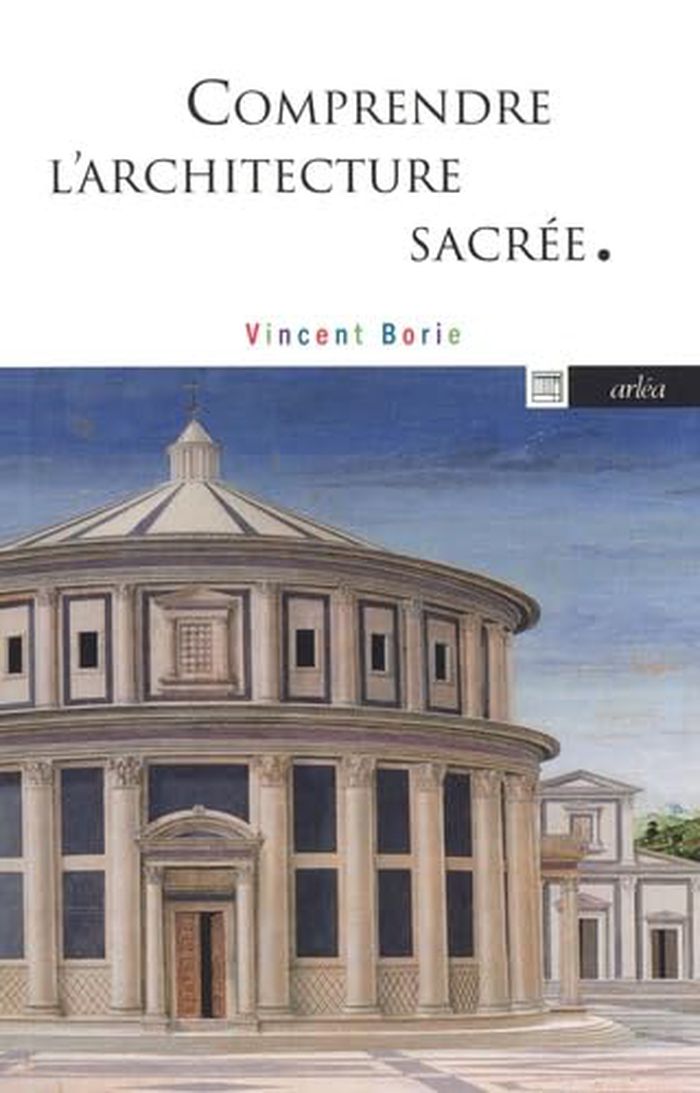
Les bâtisseurs inconnus d'Angkor Vat comme ceux de la mosquée Asa'ir, à Zabid, ont en commun avec ceux de l'abbaye Notre-Dame de Sénanque une même soif de transcendance. Leurs édifices nous parlent de Dieu. Partout, ils nous questionnent sur notre rapport à la mort et notre perception de l'au-delà. Que se passe-t-il en nous lorsque nous pénétrons dans un espace sacré ? D'où vient notre émotion, notre trouble ou notre émerveillement ? Sous tous les horizons, nous sommes fascinés par ce qui s'exprime dans la lumière, la pierre et le bois : l'incandescence de l'ombre. C'est cette fascination que Vincent Borie décrypte en convoquant l'espace des temples égyptiens, la chapelle de Ronchamp de Le Corbusier, les proportions idéales de Piero della Francesca, les églises de Mario Botta ou de Tadao Ando. Le suivre est une aventure qui nous mène du profane au sacré.
Comprendre l'architecture sacrée : l'incadescence de l'ombre
Actions:
Price:
$31.95
(available in store)
Summary:
Les bâtisseurs inconnus d'Angkor Vat comme ceux de la mosquée Asa'ir, à Zabid, ont en commun avec ceux de l'abbaye Notre-Dame de Sénanque une même soif de transcendance. Leurs édifices nous parlent de Dieu. Partout, ils nous questionnent sur notre rapport à la mort et notre perception de l'au-delà. Que se passe-t-il en nous lorsque nous pénétrons dans un espace sacré ? D'où vient notre émotion, notre trouble ou notre émerveillement ? Sous tous les horizons, nous sommes fascinés par ce qui s'exprime dans la lumière, la pierre et le bois : l'incandescence de l'ombre. C'est cette fascination que Vincent Borie décrypte en convoquant l'espace des temples égyptiens, la chapelle de Ronchamp de Le Corbusier, les proportions idéales de Piero della Francesca, les églises de Mario Botta ou de Tadao Ando. Le suivre est une aventure qui nous mène du profane au sacré.
Form:
books
books
Publication:
January 2025
January 2025
Subject:
Architectural Theory
Architectural Theory
Form:
books
books
Actions:
Price:
$36.95
(available in store)
Summary:
On the occasion of his fifth and final year as Chair of the Department of Architecture at the Harvard University Graduate School of Design, architect and educator Mark Lee strings together five “footnotes”—on history, on cadence, on autonomy, on America, and on point—to assess the relationship between architectural education, research, and professional practice. Evoking a(...)
$36.95
(available in store)
Summary:
On the occasion of his fifth and final year as Chair of the Department of Architecture at the Harvard University Graduate School of Design, architect and educator Mark Lee strings together five “footnotes”—on history, on cadence, on autonomy, on America, and on point—to assess the relationship between architectural education, research, and professional practice. Evoking a(...)
Title:
Five footnotes toward an architecture
Actions:
Price:
$36.95
(available in store)
Summary:
On the occasion of his fifth and final year as Chair of the Department of Architecture at the Harvard University Graduate School of Design, architect and educator Mark Lee strings together five “footnotes”—on history, on cadence, on autonomy, on America, and on point—to assess the relationship between architectural education, research, and professional practice. Evoking a similar position that marked his tenure, Lee delivers a lecture that embraces dialogue, context, and precedent, and rejects the notion of a heroic manifesto in favor of the footnote: “something ancillary, something used for referencing and providing citations for metanarratives that already exist.” And why five? “It’s a ubiquitous number in the culture of architecture. Five orders, five architects, five points.”
Five footnotes toward an architecture
Actions:
Price:
$36.95
(available in store)
Summary:
On the occasion of his fifth and final year as Chair of the Department of Architecture at the Harvard University Graduate School of Design, architect and educator Mark Lee strings together five “footnotes”—on history, on cadence, on autonomy, on America, and on point—to assess the relationship between architectural education, research, and professional practice. Evoking a similar position that marked his tenure, Lee delivers a lecture that embraces dialogue, context, and precedent, and rejects the notion of a heroic manifesto in favor of the footnote: “something ancillary, something used for referencing and providing citations for metanarratives that already exist.” And why five? “It’s a ubiquitous number in the culture of architecture. Five orders, five architects, five points.”
Form:
books
books
Publication:
December 2025
December 2025
Subject:
Architectural Theory
Architectural Theory
Form:
books
books
Actions:
Price:
$43.99
(available in store)
Summary:
''A Set of Actual Tracks'' brings a contemporary critical lens to the work of Reyner Banham, one of the most prescient architectural and design critics of the 20th century. Sixteen of the acerbic historian’s essays and book chapters have been selected by the book’s contributors, ranging from classics such as “The Great Gizmo” to lesser-known texts, such as “The Wall,” an(...)
$43.99
(available in store)
Summary:
''A Set of Actual Tracks'' brings a contemporary critical lens to the work of Reyner Banham, one of the most prescient architectural and design critics of the 20th century. Sixteen of the acerbic historian’s essays and book chapters have been selected by the book’s contributors, ranging from classics such as “The Great Gizmo” to lesser-known texts, such as “The Wall,” an(...)
Title:
Reyner Banham: A set of actual tracks
Actions:
Price:
$43.99
(available in store)
Summary:
''A Set of Actual Tracks'' brings a contemporary critical lens to the work of Reyner Banham, one of the most prescient architectural and design critics of the 20th century. Sixteen of the acerbic historian’s essays and book chapters have been selected by the book’s contributors, ranging from classics such as “The Great Gizmo” to lesser-known texts, such as “The Wall,” an intimate confession he penned at the hospital shortly before his death. Each is accompanied by a contemporary response that contextualises Banham’s text, drawing out reflections on what the critic’s work means today.
Reyner Banham: A set of actual tracks
Actions:
Price:
$43.99
(available in store)
Summary:
''A Set of Actual Tracks'' brings a contemporary critical lens to the work of Reyner Banham, one of the most prescient architectural and design critics of the 20th century. Sixteen of the acerbic historian’s essays and book chapters have been selected by the book’s contributors, ranging from classics such as “The Great Gizmo” to lesser-known texts, such as “The Wall,” an intimate confession he penned at the hospital shortly before his death. Each is accompanied by a contemporary response that contextualises Banham’s text, drawing out reflections on what the critic’s work means today.
Form:
books
books
Publication:
March 2025
March 2025
Subject:
Architectural Theory
Architectural Theory
Form:
books
books
Title:
From Bauhaus to our house
From Bauhaus to our house
Actions:
Price:
$23.00
(available in store)
Summary:
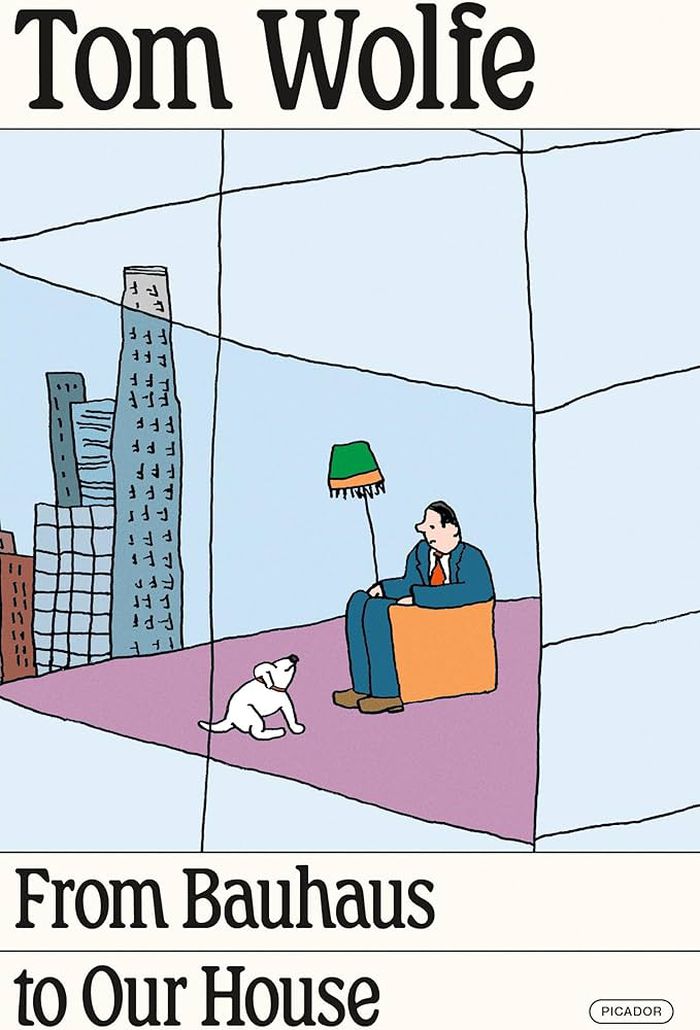
In this examination of the strange saga of twentieth-century architecture, Wolfe takes such European architects as Ludwig Mies van der Rohe, Le Corbusier, and Bauhaus art school founder Walter Gropius to task for their glass-and-steel-box buildings that have influenced (and infected) America’s cities.
$23.00
(available in store)
Summary:
In this examination of the strange saga of twentieth-century architecture, Wolfe takes such European architects as Ludwig Mies van der Rohe, Le Corbusier, and Bauhaus art school founder Walter Gropius to task for their glass-and-steel-box buildings that have influenced (and infected) America’s cities.
Title:
From Bauhaus to our house
Actions:
Price:
$23.00
(available in store)
Summary:
In this examination of the strange saga of twentieth-century architecture, Wolfe takes such European architects as Ludwig Mies van der Rohe, Le Corbusier, and Bauhaus art school founder Walter Gropius to task for their glass-and-steel-box buildings that have influenced (and infected) America’s cities.
From Bauhaus to our house
Actions:
Price:
$23.00
(available in store)
Summary:
In this examination of the strange saga of twentieth-century architecture, Wolfe takes such European architects as Ludwig Mies van der Rohe, Le Corbusier, and Bauhaus art school founder Walter Gropius to task for their glass-and-steel-box buildings that have influenced (and infected) America’s cities.
Form:
books
books
Publication:
February 2025
February 2025
Subject:
Architectural Theory
Architectural Theory
Form:
books
books
Actions:
Price:
$48.00
(available in store)
Summary:
Conceived as an emotional compendium of small, function-specific enclosures and temporary structures, ‘'Typology of Intimacy'’ proposes the booth as the embodiment of intimacy through the voices of an eclectic group of people. Through a series of in-depth interviews and contributions from researchers, artists, architects, and writers, it formulates the core of an ongoing(...)
$48.00
(available in store)
Summary:
Conceived as an emotional compendium of small, function-specific enclosures and temporary structures, ‘'Typology of Intimacy'’ proposes the booth as the embodiment of intimacy through the voices of an eclectic group of people. Through a series of in-depth interviews and contributions from researchers, artists, architects, and writers, it formulates the core of an ongoing(...)
Title:
Typology of intimacy. An emotional catalog of booths
Actions:
Price:
$48.00
(available in store)
Summary:
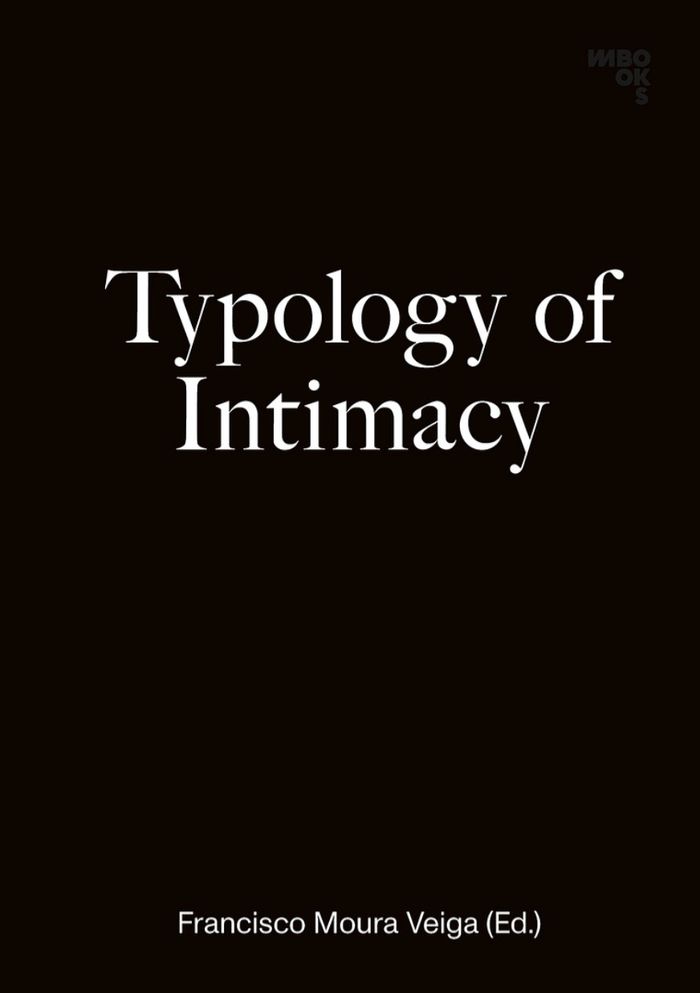
Conceived as an emotional compendium of small, function-specific enclosures and temporary structures, ‘'Typology of Intimacy'’ proposes the booth as the embodiment of intimacy through the voices of an eclectic group of people. Through a series of in-depth interviews and contributions from researchers, artists, architects, and writers, it formulates the core of an ongoing artistic and architectural investigation into the entanglement of space and emotion. With contributions by David Bergé, Carla Ferrando, Balts Projects, Mirko Zardini, Cynthia Davidson, Nikos Magouliotis, Girão Lima Arquitectos, Dawn Nilo, Lev Bratishenko, Mariana Siracusa, TAB Collective, Manuel Henriques, and more.
Typology of intimacy. An emotional catalog of booths
Actions:
Price:
$48.00
(available in store)
Summary:
Conceived as an emotional compendium of small, function-specific enclosures and temporary structures, ‘'Typology of Intimacy'’ proposes the booth as the embodiment of intimacy through the voices of an eclectic group of people. Through a series of in-depth interviews and contributions from researchers, artists, architects, and writers, it formulates the core of an ongoing artistic and architectural investigation into the entanglement of space and emotion. With contributions by David Bergé, Carla Ferrando, Balts Projects, Mirko Zardini, Cynthia Davidson, Nikos Magouliotis, Girão Lima Arquitectos, Dawn Nilo, Lev Bratishenko, Mariana Siracusa, TAB Collective, Manuel Henriques, and more.
Form:
books
books
Publication:
March 2024
March 2024
Subject:
Architectural Theory
Architectural Theory
Form:
books
books

Actions:
Price:
$15.00
(available in store)
Summary:
L'éducation retournée par les arts : le célèbre anthropologue anglais Tim Ingold nous invite à considérer l'art, l'architecture et le design arts comme la base même d'une éducation pour le XXIe siècle en prise aux enjeux sociaux et écologiques auxquels nous sommes confrontés.
$15.00
(available in store)
Summary:
L'éducation retournée par les arts : le célèbre anthropologue anglais Tim Ingold nous invite à considérer l'art, l'architecture et le design arts comme la base même d'une éducation pour le XXIe siècle en prise aux enjeux sociaux et écologiques auxquels nous sommes confrontés.
Title:
Architecture educates! : Au contact de l'art
Actions:
Price:
$15.00
(available in store)
Summary:
L'éducation retournée par les arts : le célèbre anthropologue anglais Tim Ingold nous invite à considérer l'art, l'architecture et le design arts comme la base même d'une éducation pour le XXIe siècle en prise aux enjeux sociaux et écologiques auxquels nous sommes confrontés.
Architecture educates! : Au contact de l'art
Actions:
Price:
$15.00
(available in store)
Summary:
L'éducation retournée par les arts : le célèbre anthropologue anglais Tim Ingold nous invite à considérer l'art, l'architecture et le design arts comme la base même d'une éducation pour le XXIe siècle en prise aux enjeux sociaux et écologiques auxquels nous sommes confrontés.
Form:
books
books
Publication:
March 2025
March 2025
Subject:
Architectural Theory
Architectural Theory
Form:
books
books
Actions:
Price:
$29.95
(available in store)
Summary:
Media theory has long overlooked the built environment and its communicative capacity: how built structures and spaces convey meaning through material embodiment and symbolization. "Architecture as communication" advances the idea that built environments function as media of communication. Using practice theory in conjunction with the concept of style, this book is(...)
$29.95
(available in store)
Summary:
Media theory has long overlooked the built environment and its communicative capacity: how built structures and spaces convey meaning through material embodiment and symbolization. "Architecture as communication" advances the idea that built environments function as media of communication. Using practice theory in conjunction with the concept of style, this book is(...)
Title:
Architecture as communication: A medium like no other
Actions:
Price:
$29.95
(available in store)
Summary:
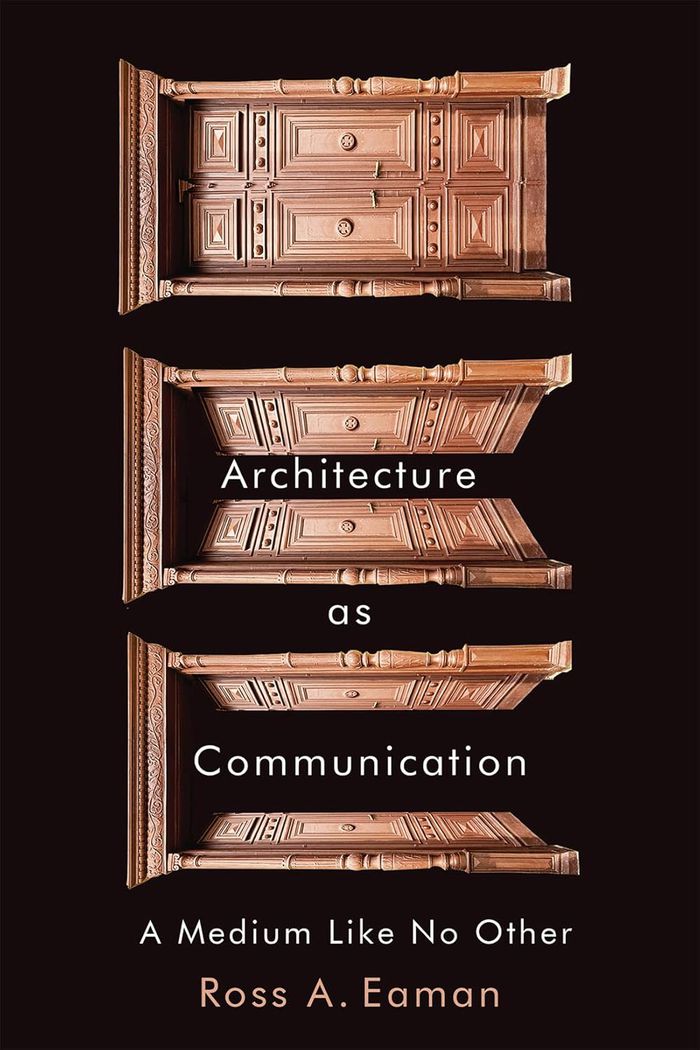
Media theory has long overlooked the built environment and its communicative capacity: how built structures and spaces convey meaning through material embodiment and symbolization. "Architecture as communication" advances the idea that built environments function as media of communication. Using practice theory in conjunction with the concept of style, this book is anchored in three historical determinants: the quest for perfect proportion in buildings, the belief in architectural determinism, and the ongoing efforts within other media to influence how those who experience built environments understand them. Ross Eaman explores how houses, schools, places of worship, factories, office buildings, stores, malls, opera houses, plazas, and parks have meaning for people as subjective life-worlds. "Architecture as communication" proposes media theory that articulates the social construction of meaning as a unique way of understanding the built environment – one in which the users and observers of structures and spaces participate along with architects and designers.
Architecture as communication: A medium like no other
Actions:
Price:
$29.95
(available in store)
Summary:
Media theory has long overlooked the built environment and its communicative capacity: how built structures and spaces convey meaning through material embodiment and symbolization. "Architecture as communication" advances the idea that built environments function as media of communication. Using practice theory in conjunction with the concept of style, this book is anchored in three historical determinants: the quest for perfect proportion in buildings, the belief in architectural determinism, and the ongoing efforts within other media to influence how those who experience built environments understand them. Ross Eaman explores how houses, schools, places of worship, factories, office buildings, stores, malls, opera houses, plazas, and parks have meaning for people as subjective life-worlds. "Architecture as communication" proposes media theory that articulates the social construction of meaning as a unique way of understanding the built environment – one in which the users and observers of structures and spaces participate along with architects and designers.
Form:
books
books
Publication:
April 2025
April 2025
Subject:
Architectural Theory
Architectural Theory
Form:
books
books

Price:
$32.00
(available to order)
Summary:
This book brings together a set of stories, episodes, conversations, thoughts and white lies that depict the processes of making, negotiating, questioning, inhabiting and remembering architecture. The stories don’t follow any specific order and, ideally, one shouldn’t actually ever finish reading the book.
$32.00
(available to order)
Summary:
This book brings together a set of stories, episodes, conversations, thoughts and white lies that depict the processes of making, negotiating, questioning, inhabiting and remembering architecture. The stories don’t follow any specific order and, ideally, one shouldn’t actually ever finish reading the book.
Title:
Levante
Actions:
Price:
$32.00
(available to order)
Summary:
This book brings together a set of stories, episodes, conversations, thoughts and white lies that depict the processes of making, negotiating, questioning, inhabiting and remembering architecture. The stories don’t follow any specific order and, ideally, one shouldn’t actually ever finish reading the book.
Levante
Actions:
Price:
$32.00
(available to order)
Summary:
This book brings together a set of stories, episodes, conversations, thoughts and white lies that depict the processes of making, negotiating, questioning, inhabiting and remembering architecture. The stories don’t follow any specific order and, ideally, one shouldn’t actually ever finish reading the book.
Form:
books
books
Publication:
March 2023
March 2023
Subject:
Architectural Theory
Architectural Theory
Form:
books
books
Actions:
Price:
$24.95
(available in store)
Summary:
The idea that our homes can communicate professional as well as personal identities may seem as new as the work-from-home revolution. But it was second nature to the ancient Romans, for whom the home was in many ways the center of public and private life. Roman authors saw infinite practical and symbolic value in houses, and they have much to say about them. "How to make(...)
$24.95
(available in store)
Summary:
The idea that our homes can communicate professional as well as personal identities may seem as new as the work-from-home revolution. But it was second nature to the ancient Romans, for whom the home was in many ways the center of public and private life. Roman authors saw infinite practical and symbolic value in houses, and they have much to say about them. "How to make(...)
Title:
How to make a home: An ancient guide to style and comfort
Actions:
Price:
$24.95
(available in store)
Summary:
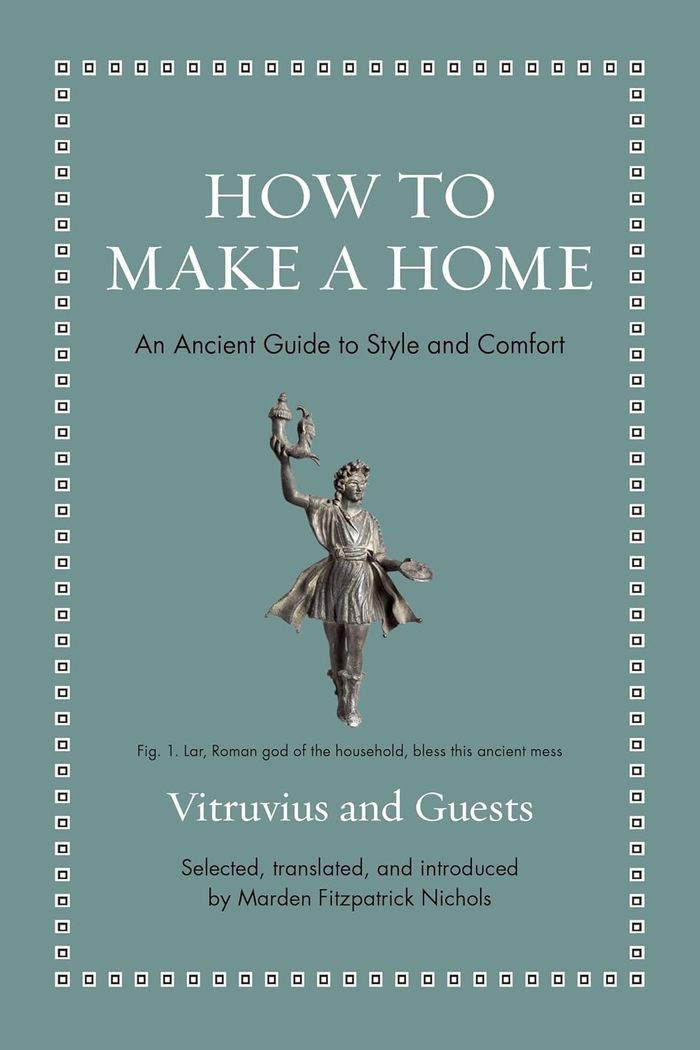
The idea that our homes can communicate professional as well as personal identities may seem as new as the work-from-home revolution. But it was second nature to the ancient Romans, for whom the home was in many ways the center of public and private life. Roman authors saw infinite practical and symbolic value in houses, and they have much to say about them. "How to make a home" presents some of the best Roman writings on houses—from buying and selling to designing and decorating.
How to make a home: An ancient guide to style and comfort
Actions:
Price:
$24.95
(available in store)
Summary:
The idea that our homes can communicate professional as well as personal identities may seem as new as the work-from-home revolution. But it was second nature to the ancient Romans, for whom the home was in many ways the center of public and private life. Roman authors saw infinite practical and symbolic value in houses, and they have much to say about them. "How to make a home" presents some of the best Roman writings on houses—from buying and selling to designing and decorating.
Form:
books
books
Publication:
August 2025
August 2025
Subject:
Architectural Theory
Architectural Theory
Form:
books
books
Price:
$59.95
(available to order)
Summary:
Home is shaped by many factors: culture, region, environment, citizenship, economics, state of mind, and more. Edited by Alexandra Cunningham Cameron, Christina De León, and Michelle Joan Wilkinson, ''Making Home'' explores the diverse perspectives on home across the United States, US Territories, and Tribal Nations to reveal how design impacts this country, its value(...)
$59.95
(available to order)
Summary:
Home is shaped by many factors: culture, region, environment, citizenship, economics, state of mind, and more. Edited by Alexandra Cunningham Cameron, Christina De León, and Michelle Joan Wilkinson, ''Making Home'' explores the diverse perspectives on home across the United States, US Territories, and Tribal Nations to reveal how design impacts this country, its value(...)
Subject:
Architectural Theory
Architectural Theory
Publication:
April 2025
April 2025
Title:
Making home: Belonging, memory, and utopia in the 21st century
Actions:
Price:
$59.95
(available to order)
Summary:
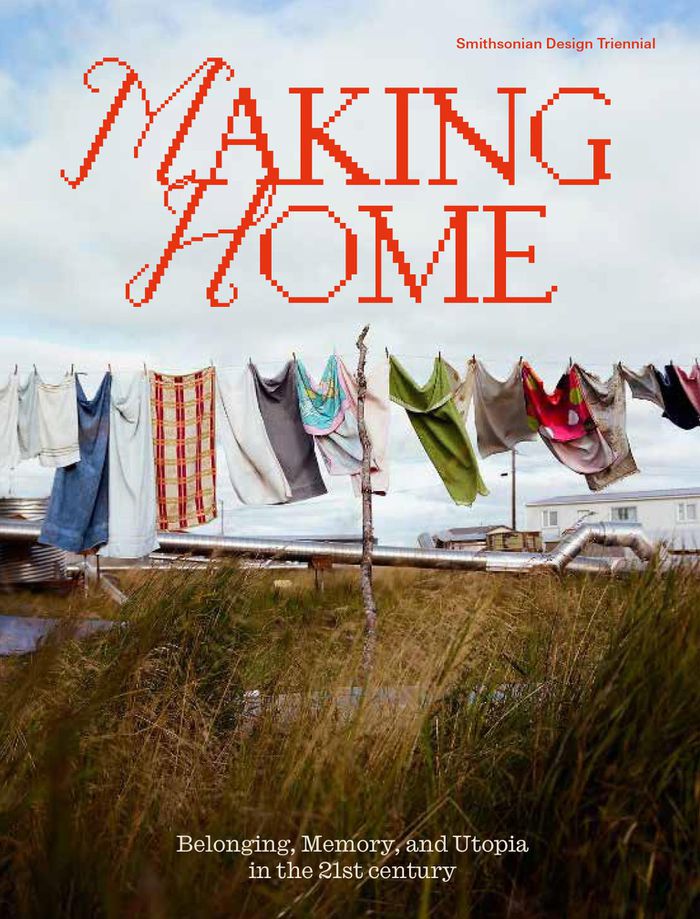
Home is shaped by many factors: culture, region, environment, citizenship, economics, state of mind, and more. Edited by Alexandra Cunningham Cameron, Christina De León, and Michelle Joan Wilkinson, ''Making Home'' explores the diverse perspectives on home across the United States, US Territories, and Tribal Nations to reveal how design impacts this country, its value systems, and the people who inhabit its landscapes. Positioning home not only as a place of dwelling but also as a complex and highly subjective ecosystem, contributors show h Probing urgent topics related to home such as colonialism, technological innovation, landscapes and the environment, and aesthetics and culture, ''Making Home'' uses the framework of design to pair investigative and practical analyses with imaginative and speculative ones. Contributors include designers, scholars, writers, artists, and critical thinkers across disciplines whose work and lived experiences illustrate specific circumstances that shape the contemporary home.ow notions of home resonate through private and public consciousness to inform the shared or conflicting histories that impact our country.
Making home: Belonging, memory, and utopia in the 21st century
Actions:
Price:
$59.95
(available to order)
Summary:
Home is shaped by many factors: culture, region, environment, citizenship, economics, state of mind, and more. Edited by Alexandra Cunningham Cameron, Christina De León, and Michelle Joan Wilkinson, ''Making Home'' explores the diverse perspectives on home across the United States, US Territories, and Tribal Nations to reveal how design impacts this country, its value systems, and the people who inhabit its landscapes. Positioning home not only as a place of dwelling but also as a complex and highly subjective ecosystem, contributors show h Probing urgent topics related to home such as colonialism, technological innovation, landscapes and the environment, and aesthetics and culture, ''Making Home'' uses the framework of design to pair investigative and practical analyses with imaginative and speculative ones. Contributors include designers, scholars, writers, artists, and critical thinkers across disciplines whose work and lived experiences illustrate specific circumstances that shape the contemporary home.ow notions of home resonate through private and public consciousness to inform the shared or conflicting histories that impact our country.
Form:
books
books
Publication:
April 2025
April 2025
Subject:
Architectural Theory
Architectural Theory


