


2227 Results
Form:
books
books

Actions:
Price:
$28.00
(available in store)
Summary:
Le Centre Pompidou se limite-il à un "bâtiment", exceptionnel mais isolé, ou bien s'inscrit-il plus largement dans une politique culturelle par-delà la Ve République et Mai 68 ? N'est-il pas né des souhaits d'André Malraux d'un Musée du XXe siècle et de la mort du Corbusier ? Le rayonnement de la France n'imposait-il pas de restructurer l'Ile-de-France et le centre de(...)
Title:
De Beaubourg à Pompidou II: le chantier (19671-1977)
Actions:
Price:
$28.00
(available in store)
Summary:
Le Centre Pompidou se limite-il à un "bâtiment", exceptionnel mais isolé, ou bien s'inscrit-il plus largement dans une politique culturelle par-delà la Ve République et Mai 68 ? N'est-il pas né des souhaits d'André Malraux d'un Musée du XXe siècle et de la mort du Corbusier ? Le rayonnement de la France n'imposait-il pas de restructurer l'Ile-de-France et le centre de Paris ? Les remous autour du "quartier des Halles" ne participaient-ils pas à l'idée d'une vaste machinerie urbaine ? Que ce serait-il passé si Georges Pompidou, président entre 1969 et 1974, n'avait pas d'abord été Premier ministre (1962-1968) et grand amateur d'art actuel avec son épouse Claude ? Le chantier de Beaubourg ne fut-il pas avant tout celui de la France ?
Form:
books
books
Publication:
February 2017
February 2017
Subject:
Architectural Theory
Architectural Theory
Form:
books
books
Price:
$55.90
(available to order)
Summary:
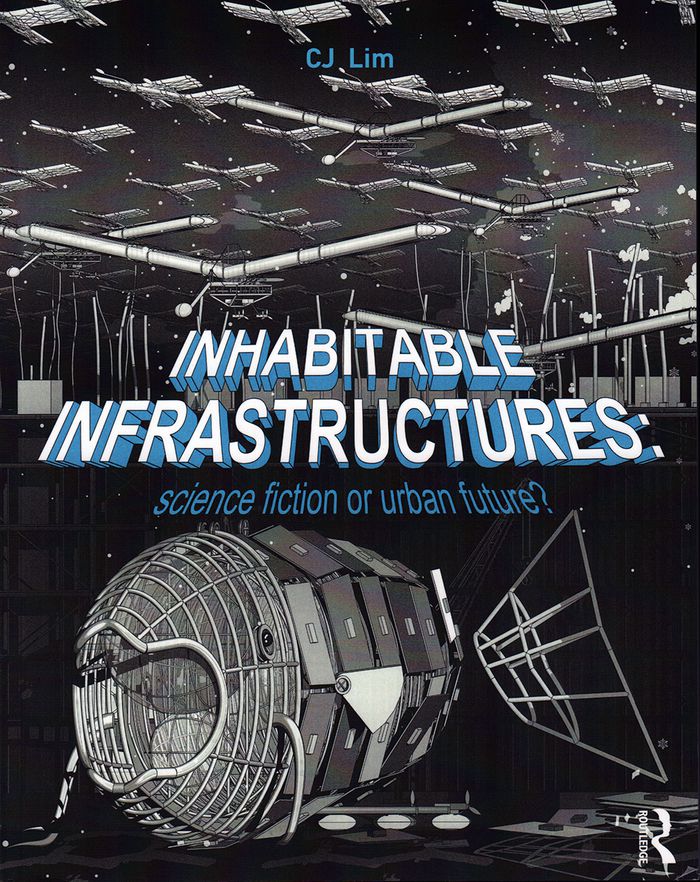
"Inhabitable infrastructures: science fiction or urban future?", the follow up to "Food city and smartcities and eco-warriors", from one of the world’s leading urban design and architectural thinkers, explores the potential of climate change-related multi-use infrastructures that address the fundamental human requirements to protect, to provide and to participate. The(...)
Title:
Inhabitable infrastructures: urban future or science fiction?
Actions:
Price:
$55.90
(available to order)
Summary:
"Inhabitable infrastructures: science fiction or urban future?", the follow up to "Food city and smartcities and eco-warriors", from one of the world’s leading urban design and architectural thinkers, explores the potential of climate change-related multi-use infrastructures that address the fundamental human requirements to protect, to provide and to participate. The stimulus for the infrastructures derives from postulated scenarios and processes gleaned from science fiction and futurology as well as the current body of scientific knowledge regarding changing environmental impacts on cities. Science fiction is interdisciplinary by nature, aggregates the past and present, and evaluates both lay opinions and professional strategies in an attempt to develop foresight and to map possible futures. The research culminates in the creation of innovative multi-use infrastructures and integrated self-sustaining support systems that meet the challenges posed through climate change and overpopulation, and the reciprocal benefits of simultaneously addressing the threat and the shaping of cities. J. G. Ballard has written that the psychological realm of science fiction is most valuable in its predictive function, and in projecting emotions into the future. The knowledge from the book is widely transferable, constituting both solutions and speculative visions of future urban environments. The book is indispensable reading for professionals and students in the fields of urban design, architecture, engineering and environmental socio-politics.
Form:
books
books
Publication:
May 2017
May 2017
Subject:
Architectural Theory
Architectural Theory
Form:
books
books
Price:
$54.95
(available to order)
Summary:
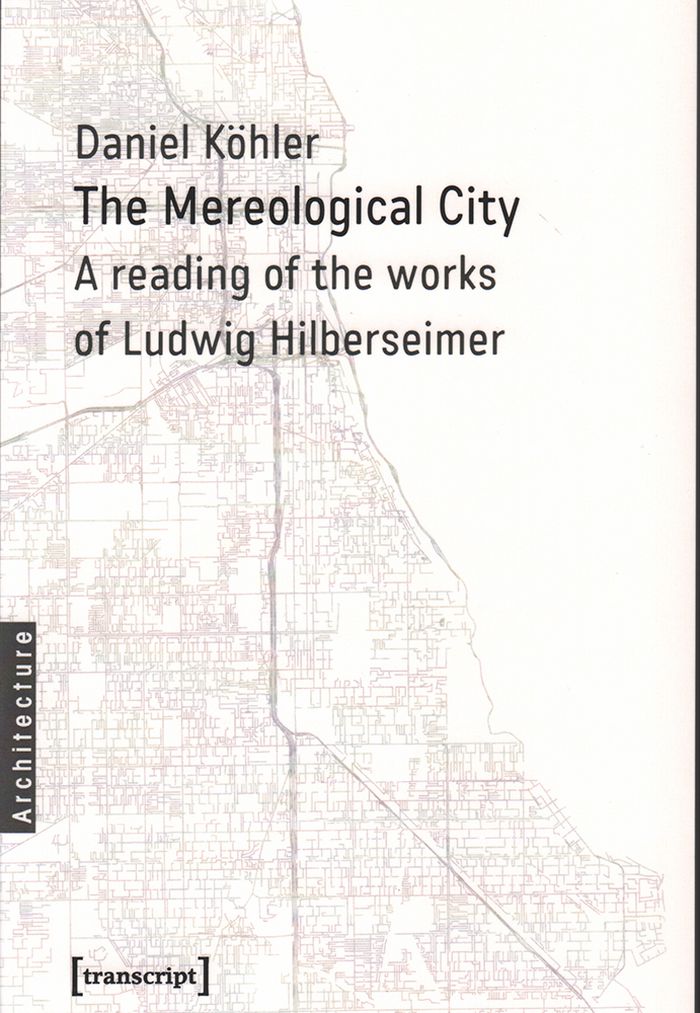
In a positive departure from modernism, the work of the art critic and urbanist Ludwig Hilberseimer offers schemata towards the design for the city itself: its mereological composition. The resonance of parts unfolds to an alternative of a purely contrasting equation of form and content. It reminds us, that when the ground (logos) of the city is defined by its parts(...)
Title:
The mereological city: a reading of the works of Ludwig Hilberseimer
Actions:
Price:
$54.95
(available to order)
Summary:
In a positive departure from modernism, the work of the art critic and urbanist Ludwig Hilberseimer offers schemata towards the design for the city itself: its mereological composition. The resonance of parts unfolds to an alternative of a purely contrasting equation of form and content. It reminds us, that when the ground (logos) of the city is defined by its parts (meros), its architecture, the city in turn always also is part of the architecture as its desire. The Mereological City introduces a mereological methodology and contributes to an ongoing discussion about an ecological form of urban design.
Form:
books
books
Publication:
October 2016
October 2016
Subject:
Architectural Theory
Architectural Theory
Form:
books
books
Price:
$38.95
(available to order)
Summary:
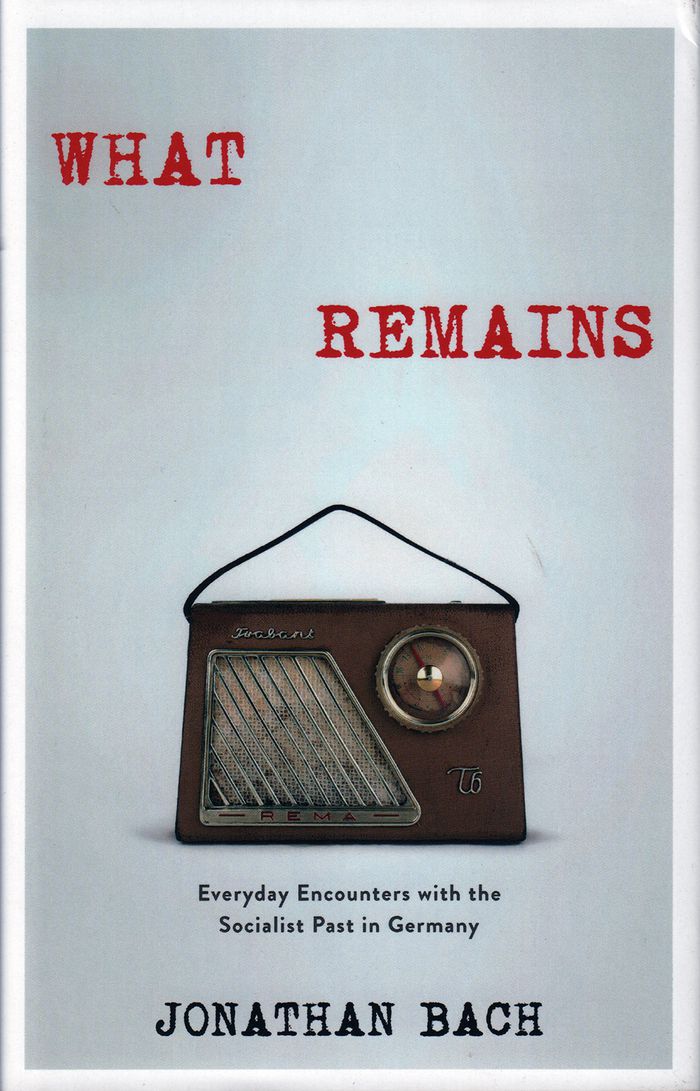
What happens when an entire modern state's material culture becomes abruptly obsolete? How do ordinary people encounter what remains? In this ethnography, Jonathan Bach examines the afterlife of East Germany following the fall of the Berlin Wall, as things and places from that vanished socialist past continue to circulate and shape the politics of memory.
Title:
What remains: everyday encounters with the socialist past in Germany
Actions:
Price:
$38.95
(available to order)
Summary:
What happens when an entire modern state's material culture becomes abruptly obsolete? How do ordinary people encounter what remains? In this ethnography, Jonathan Bach examines the afterlife of East Germany following the fall of the Berlin Wall, as things and places from that vanished socialist past continue to circulate and shape the politics of memory.
Form:
books
books
Publication:
August 2017
August 2017
Subject:
Architectural Theory
Architectural Theory
Form:
books
books
Price:
$27.00
(available to order)
Summary:
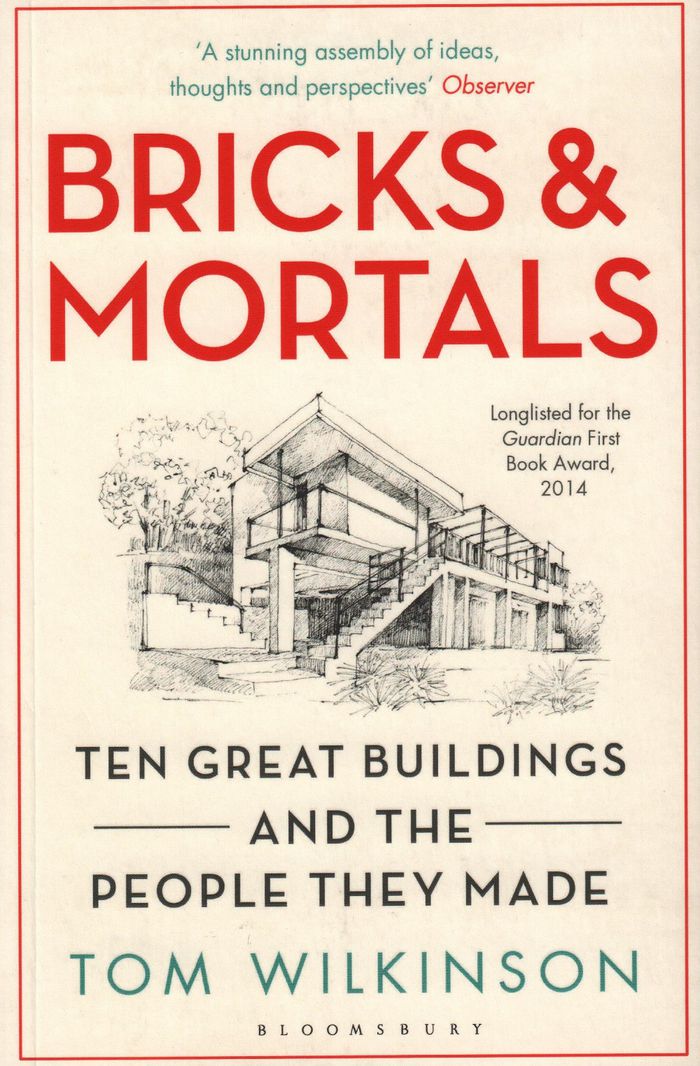
We don't just look at buildings: their facades, beautiful or ugly, conceal the spaces we inhabit. We are born, work, love, and die in architecture. We buy and sell it, rent it and squat in it, create and destroy it. These aspects of buildings-economic, erotic, political, and psychological-are crucial if we are to understand architecture properly. And because architecture(...)
Title:
Bricks & mortals: ten great buildings and the people they made
Actions:
Price:
$27.00
(available to order)
Summary:
We don't just look at buildings: their facades, beautiful or ugly, conceal the spaces we inhabit. We are born, work, love, and die in architecture. We buy and sell it, rent it and squat in it, create and destroy it. These aspects of buildings-economic, erotic, political, and psychological-are crucial if we are to understand architecture properly. And because architecture molds us just as much as we mold it, understanding architecture helps us to understand our lives and our world. Through ten great buildings across the world, Tom Wilkinson reveals the powerful and intimate relationship between society and architecture and asks: Can architecture change our lives for the better?
Form:
books
books
Publication:
March 2017
March 2017
Subject:
Architectural Theory
Architectural Theory
Form:
books
books
Price:
$49.00
(available to order)
Summary:
Buildings are more like us than we realize. They can be born into wealth or poverty, enjoying every privilege or struggling to make ends meet. They have parents - gods, kings and emperors, governments, visionaries and madmen - as well as friends and enemies. They have duties and responsibilities. They can endure crises of faith and purpose. They can succeed or fail. They(...)
Title:
Fallen glory: the lives and deaths of history's greatest buildings
Actions:
Price:
$49.00
(available to order)
Summary:
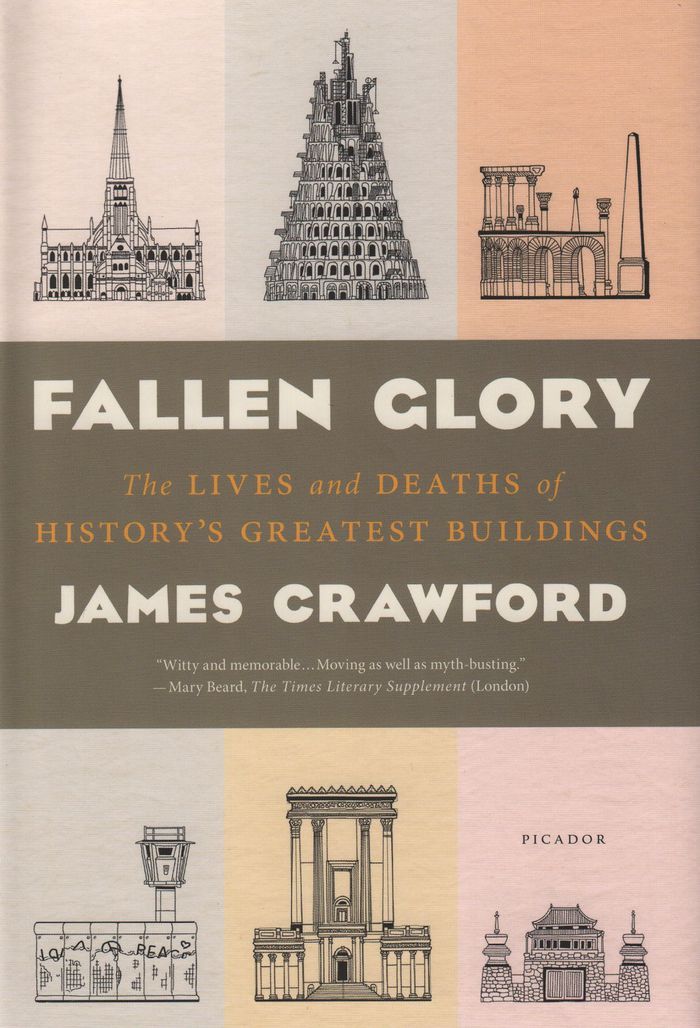
Buildings are more like us than we realize. They can be born into wealth or poverty, enjoying every privilege or struggling to make ends meet. They have parents - gods, kings and emperors, governments, visionaries and madmen - as well as friends and enemies. They have duties and responsibilities. They can endure crises of faith and purpose. They can succeed or fail. They can live. And, sooner or later, they die. In "Fallen glory", James Crawford uncovers the biographies of some of the world's most fascinating lost and ruined buildings, from the dawn of civilization to the cyber era. The lives of these iconic structures are packed with drama and intrigue. Soap operas on the grandest scale, they feature war and religion, politics and art, love and betrayal, catastrophe and hope. Frequently their afterlives have been no less dramatic - their memories used and abused down the millennia for purposes both sacred and profane. They provide the stage for a startling array of characters, including Gilgamesh, the Cretan Minotaur, Agamemnon, Nefertiti, Genghis Khan, Henry VIII, Catherine the Great, Adolf Hitler, and even Bruce Springsteen. The twenty-one structures Crawford focuses on include The Tower of Babel, The Temple of Jerusalem, The Library of Alexandria, The Bastille, Kowloon Walled City, the Berlin Wall, and the Twin Towers of the World Trade Center. Ranging from the deserts of Iraq, the banks of the Nile and the cloud forests of Peru, to the great cities of Jerusalem, Istanbul, Paris, Rome, London and New York, Fallen Glory is a unique guide to a world of vanished architecture. And, by picking through the fragments of our past, it asks what history's scattered ruins can tell us about our own future.
Form:
books
books
Publication:
March 2017
March 2017
Subject:
Architectural Theory
Architectural Theory
Form:
books
books
Actions:
Price:
$62.00
(available to order)
Summary:
“The North” has long held powerful sway in Western culture. Often seen through contradictions —empty of life yet full of promise, populated by indigenous communities yet ripe for conquest, pristine yet marked by a long human history —the North has moved to the foreground of contemporary life as the most dramatic stage for the reality of climate change. This book(...)
Title:
Critical norths: space, nature, theory
Actions:
Price:
$62.00
(available to order)
Summary:
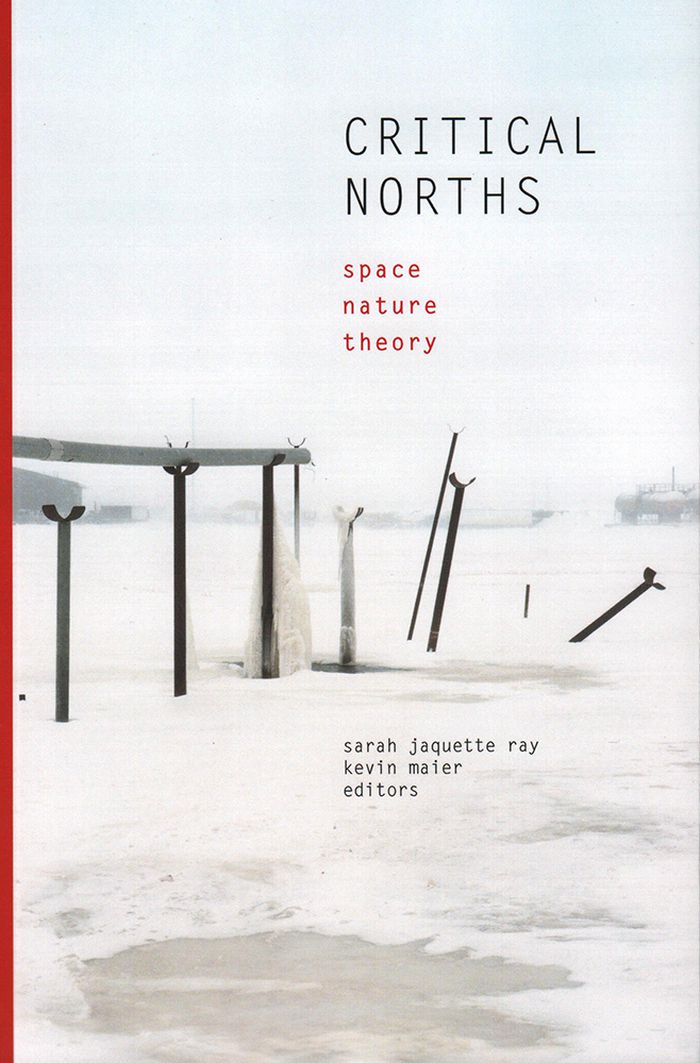
“The North” has long held powerful sway in Western culture. Often seen through contradictions —empty of life yet full of promise, populated by indigenous communities yet ripe for conquest, pristine yet marked by a long human history —the North has moved to the foreground of contemporary life as the most dramatic stage for the reality of climate change. This book brings together scholars from a range of disciplines to ask key questions about the North and how we’ve conceived it—and how conceiving of it in those terms has caused us to fail the region’s human and nonhuman life. Engaging questions of space, place, ingenuity, identity, nature, the environment, justice, narrative, history, and more; it offers a crucial starting point for an essential rethinking of both the idea and the reality of the North.
Form:
books
books
Publication:
May 2017
May 2017
Subject:
Architectural Theory
Architectural Theory
Form:
books
books
Title:
Trente ans de correspondance
Trente ans de correspondance
Actions:
Price:
$47.95
(available to order)
Summary:
rank Lloyd Wright (1867-1959), le célèbre architecte et théoricien de l'architecture organique, et l'historien et critique Lewis Mumford (1895-1990) ont joué un rôle crucial dans l’histoire de l’architecture et de l’urbanisme, comme en témoignent les quelque cent cinquante lettres qu’ils ont échangées de 1926 à 1959. Cette correspondance passionnante, clairvoyante et(...)
Title:
Trente ans de correspondance
Actions:
Price:
$47.95
(available to order)
Summary:
rank Lloyd Wright (1867-1959), le célèbre architecte et théoricien de l'architecture organique, et l'historien et critique Lewis Mumford (1895-1990) ont joué un rôle crucial dans l’histoire de l’architecture et de l’urbanisme, comme en témoignent les quelque cent cinquante lettres qu’ils ont échangées de 1926 à 1959. Cette correspondance passionnante, clairvoyante et spirituelle, mais non dépourvue de tensions, illustre à merveille le débat intellectuel sur l’architecture américaine et internationale du xxe siècle.
Form:
books
books
Publication:
February 2017
February 2017
Subject:
Architectural Theory
Architectural Theory
Form:
books
books
Actions:
Price:
$37.50
(available to order)
Summary:
In 2019 the Bauhaus will celebrate its hundredth anniversary! Preparations for the centenary have raised a host of questions: To what extent is the Bauhaus tied to a place, and how can its essence be conveyed in a museum? How can the tension between school and museum — in particular the Bauhaus and its everyday presence — be given a productive role in fashioning new(...)
Title:
Bauhaus news: contemporary remarks
Actions:
Price:
$37.50
(available to order)
Summary:
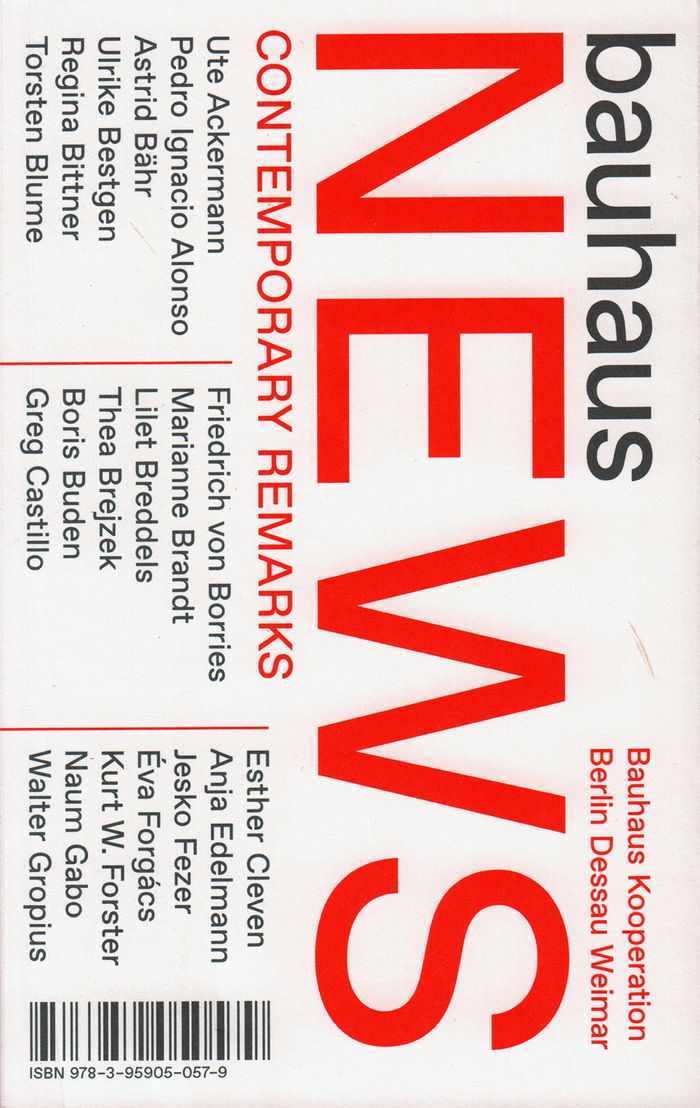
In 2019 the Bauhaus will celebrate its hundredth anniversary! Preparations for the centenary have raised a host of questions: To what extent is the Bauhaus tied to a place, and how can its essence be conveyed in a museum? How can the tension between school and museum — in particular the Bauhaus and its everyday presence — be given a productive role in fashioning new models of cultural education? What stimuli can the Bauhaus provide for a critical practice in today’s globalized world? In the process of compiling Bauhaus News, international Bauhaus experts, curators, historians, philosophers, artists, architects, educators, and teachers were asked to consider the Bauhaus from a twenty-first-century perspective. The book presents contrasting contemporary and historical statements and stories about the Bauhaus world heritage.
Form:
books
books
Publication:
January 2015
January 2015
Subject:
Architectural Theory
Architectural Theory
Form:
books
books
Title:
Reassessing Paul Rudolph
Reassessing Paul Rudolph
Actions:
Price:
$46.95
(available to order)
Summary:
American architect Paul Rudolph (1918–1997) was internationally known in the 1950s and early 1960s for his powerful, large-scale concrete buildings. Hugely influential during his lifetime, Rudolph was one of the most significant American architects of his generation. To a remarkable extent, his reputation rose and fell with the fortunes of postwar modernism in America.(...)
Title:
Reassessing Paul Rudolph
Actions:
Price:
$46.95
(available to order)
Summary:
American architect Paul Rudolph (1918–1997) was internationally known in the 1950s and early 1960s for his powerful, large-scale concrete buildings. Hugely influential during his lifetime, Rudolph was one of the most significant American architects of his generation. To a remarkable extent, his reputation rose and fell with the fortunes of postwar modernism in America. This insightful book reconsiders Rudolph’s architecture and the discipline’s assessment of his projects.
Form:
books
books
Publication:
December 2017
December 2017
Subject:
Architectural Theory
Architectural Theory


