


2227 Results
Form:
books
books
Title:
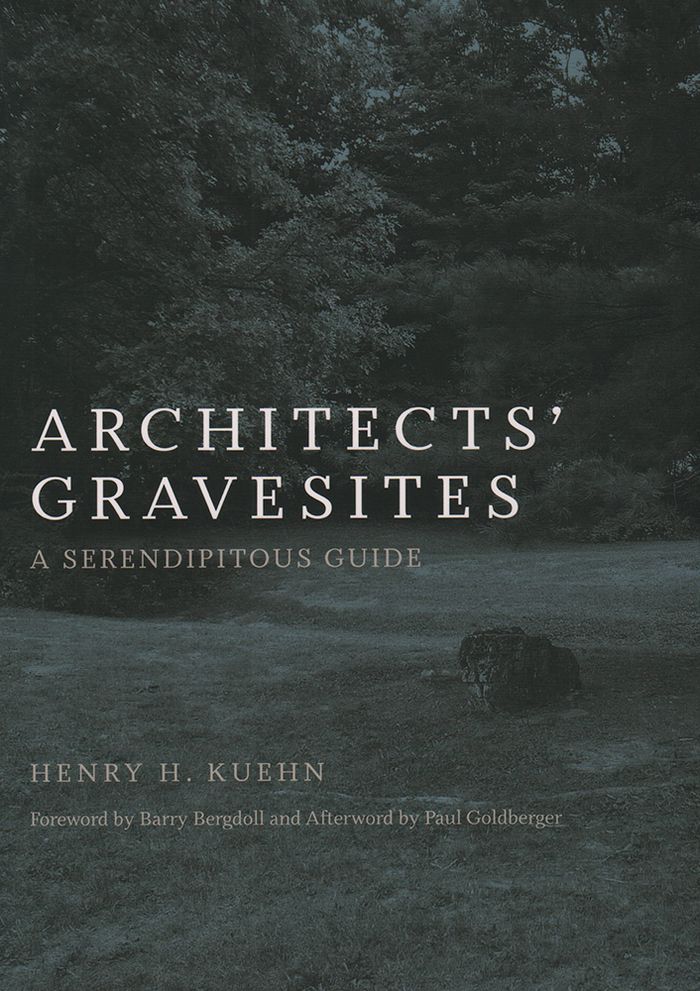
Architects' gravesites
Architects' gravesites
Actions:
Price:
$27.50
(available to order)
Summary:
All working architects leave behind a string of monuments to themselves in the form of buildings they have designed. But what about the final spaces that architects themselves will occupy? Are architects’ gravesites more monumental - more architectural - than others? This unique book provides an illustrated guide to more than 200 gravesites of famous architects, almost(...)
Title:
Architects' gravesites
Actions:
Price:
$27.50
(available to order)
Summary:
All working architects leave behind a string of monuments to themselves in the form of buildings they have designed. But what about the final spaces that architects themselves will occupy? Are architects’ gravesites more monumental - more architectural - than others? This unique book provides an illustrated guide to more than 200 gravesites of famous architects, almost all of them in the United States. Led by author Henry Kuehn, we find that most graves of architects are not monumental but rather modest, that many architects did not design their final resting places, and that a surprising number had their ashes scattered.
Form:
books
books
Publication:
May 2017
May 2017
Subject:
Architectural Theory
Architectural Theory
Form:
books
books
Price:
$60.00
(available to order)
Summary:
The English architects Alison Smithson (1928–1993) and Peter Smithson (1923–2003) were ringleaders of the New Brutalism, active in CIAM and Team 10, and influential in English Pop Art. The Smithsons, who met as architecture students, built only a few buildings but wrote prolifically throughout their career, leaving a body of writings that consider issues in architecture(...)
Title:
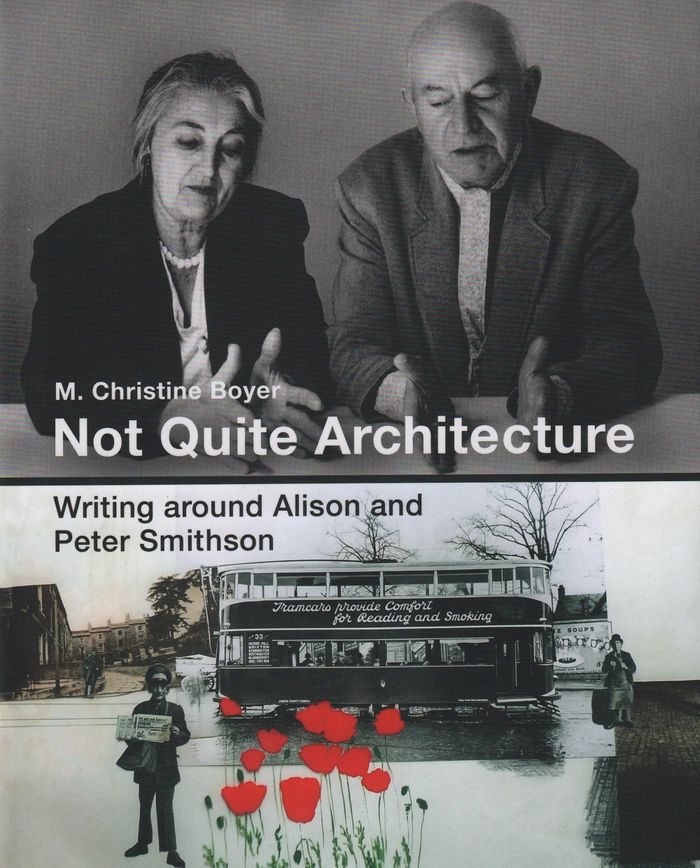
Not quite architecture: writing around Alison and Peter Smithson
Actions:
Price:
$60.00
(available to order)
Summary:
The English architects Alison Smithson (1928–1993) and Peter Smithson (1923–2003) were ringleaders of the New Brutalism, active in CIAM and Team 10, and influential in English Pop Art. The Smithsons, who met as architecture students, built only a few buildings but wrote prolifically throughout their career, leaving a body of writings that consider issues in architecture and urbanism and also take up subjects that are “not quite architecture” (the name of a series of articles written by Alison Smithson for the Architects’ Journal)—including fashion design, graphic communication, and children’s tales. In this book, M. Christine Boyer explores the Smithsons’ writings—books, articles, lectures, unpublished manuscripts, and private papers. She focuses on unpublished material, reading the letter, the scribbled note, the undelivered lecture, the scrapbook, the “magic box,” as words in the language of modern architectural history—especially that of postwar England, where the Smithsons and other architects were at the center of the richest possible range of cultural encounters. Boyer is “writing around” the Smithsons’ work by considering the cultural contexts in which they formed and wrote about their ideas.
Form:
books
books
Publication:
March 2017
March 2017
Subject:
Architectural Theory
Architectural Theory
Form:
books
books
Title:
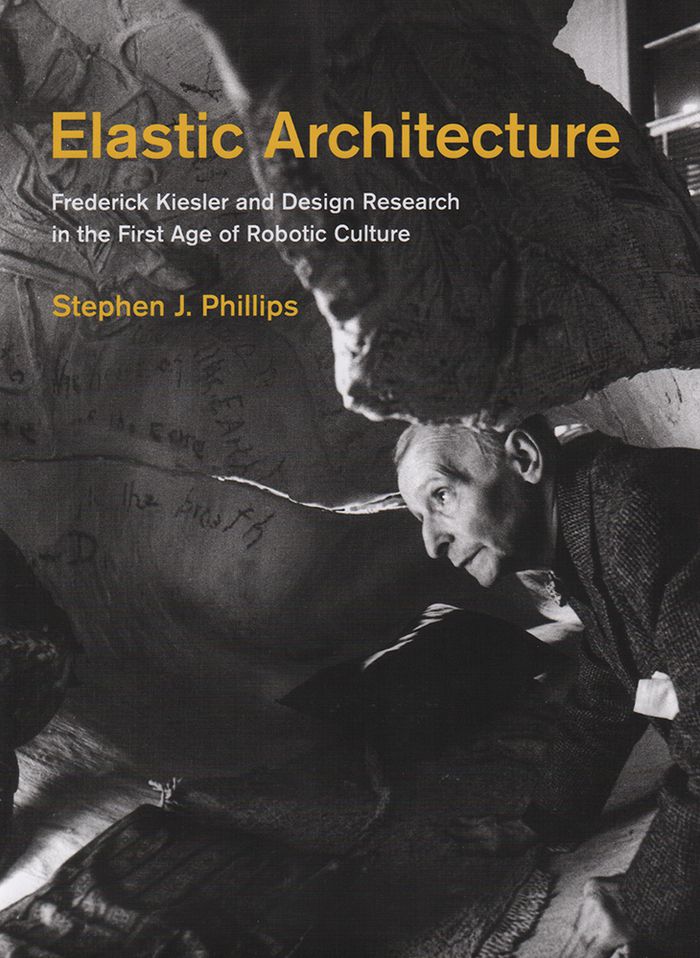
Elastic architecture: Frederick Kiesler and design research in the first age of robotic culture
Elastic architecture: Frederick Kiesler and design research in the first age of robotic culture
Actions:
Price:
$42.95
(available to order)
Summary:
In 1960, architect Philip Johnson championed Frederick Kiesler, calling him “the greatest non-building architect of our time.” Kiesler’s ideas were difficult to construct, but as Johnson believed, “enormous” and “profound.” Kiesler (1890–1965) went against the grain of the accepted modern style, rejecting rectilinear glass and steel in favor of more organic forms and(...)
Title:
Elastic architecture: Frederick Kiesler and design research in the first age of robotic culture
Actions:
Price:
$42.95
(available to order)
Summary:
In 1960, architect Philip Johnson championed Frederick Kiesler, calling him “the greatest non-building architect of our time.” Kiesler’s ideas were difficult to construct, but as Johnson believed, “enormous” and “profound.” Kiesler (1890–1965) went against the grain of the accepted modern style, rejecting rectilinear glass and steel in favor of more organic forms and flexible structures that could respond to the ever-changing needs of the body in motion. In Elastic Architecture, Stephen Phillips offers the first in-depth exploration of Kiesler’s innovative and multidisciplinary research and design practice. Exploring Kiesler’s formative relationships with the European avant-garde, Phillips shows how Kiesler found inspiration in the plastic arts, experimental theater, early animation, and automatons to develop and refine his spatial concept of the Endless. Moving from Europe to New York in the 1920s, Kiesler applied these radical Dadaist, constructivist, and surrealist practices to his urban display projects, which included shop windows for Saks Fifth Avenue. After launching his innovative Design Correlation Laboratory at Columbia and Yale, Kiesler went on to invent new houses, theaters, and galleries that were meant to move, shift, and adapt to evolutionary changes occurring within the natural and built environment.
Form:
books
books
Publication:
March 2017
March 2017
Subject:
Architectural Theory
Architectural Theory
Form:
books
books
Title:
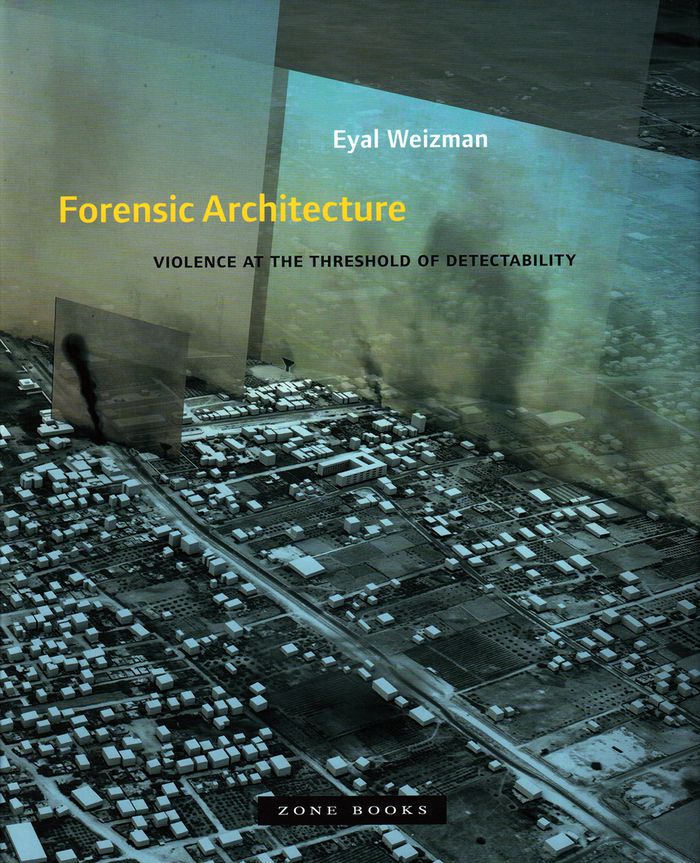
Forensic architecture
Forensic architecture
Actions:
Price:
$49.95
(available to order)
Summary:
In recent years, the group Forensic Architecture began using novel research methods to undertake a series of investigations into human rights abuses. Today, the group provides crucial evidence for international courts and works with a wide range of activist groups, NGOs, Amnesty International, and the UN. Forensic Architecture has not only shed new light on human rights(...)
Title:
Forensic architecture
Actions:
Price:
$49.95
(available to order)
Summary:
In recent years, the group Forensic Architecture began using novel research methods to undertake a series of investigations into human rights abuses. Today, the group provides crucial evidence for international courts and works with a wide range of activist groups, NGOs, Amnesty International, and the UN. Forensic Architecture has not only shed new light on human rights violations and state crimes across the globe, but has also created a new form of investigative practice that bears its name. The group uses architecture as an optical device to investigate armed conflicts and environmental destruction, as well as to cross-reference a variety of evidence sources, such as new media, remote sensing, material analysis, witness testimony, and crowd-sourcing. In "Forensic architecture", Eyal Weizman, the group’s founder, provides, for the first time, an in-depth introduction to the history, practice, assumptions, potentials, and double binds of this practice. The book includes an extensive array of images, maps, and detailed documentation that records the intricate work the group has performed. Traversing multiple scales and durations, the case studies in this volume include the analysis of the shrapnel fragments in a room struck by drones in Pakistan, the reconstruction of a contested shooting in the West Bank, the architectural recreation of a secret Syrian detention center from the memory of its survivors, a blow-by-blow account of a day-long battle in Gaza, and an investigation of environmental violence and climate change in the Guatemalan highlands and elsewhere.
Form:
books
books
Publication:
April 2017
April 2017
Subject:
Architectural Theory
Architectural Theory
Form:
books
books
Title:
Public space? Lost and found
Public space? Lost and found
Actions:
Price:
$52.50
(available to order)
Summary:
“Public space” is a potent and contentious topic among artists, architects, and cultural producers. Public Space? Lost and Found considers the role of aesthetic practices within the construction, identification, and critique of shared territories, and how artists or architects—the “antennae of the race”—can heighten our awareness of rapidly changing formulations of public(...)
Subject:
Architectural Theory
Architectural Theory
Publication:
July 2017
July 2017
Title:
Public space? Lost and found
Actions:
Price:
$52.50
(available to order)
Summary:
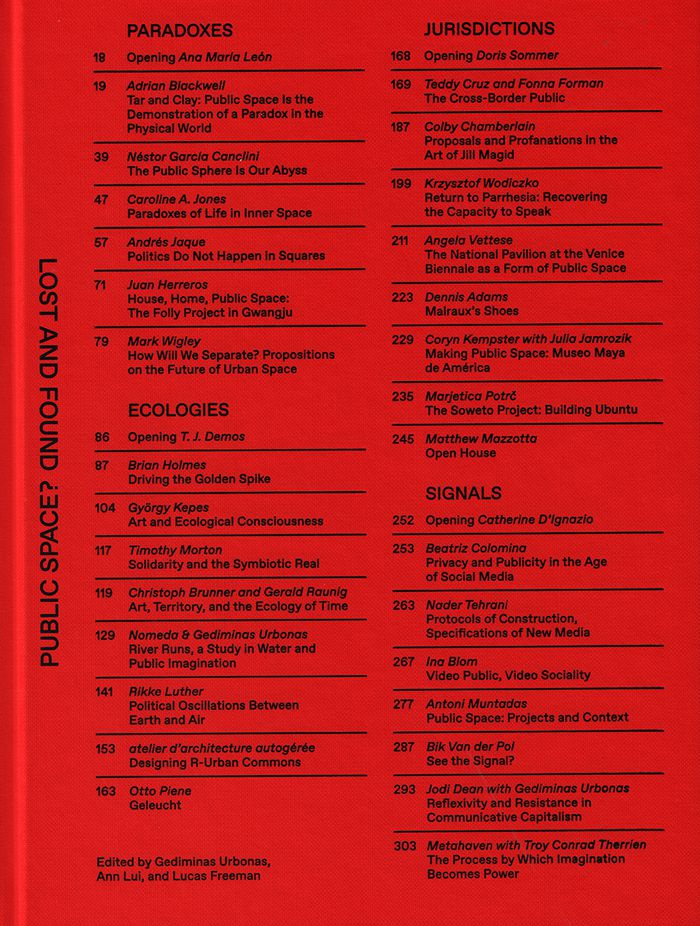
“Public space” is a potent and contentious topic among artists, architects, and cultural producers. Public Space? Lost and Found considers the role of aesthetic practices within the construction, identification, and critique of shared territories, and how artists or architects—the “antennae of the race”—can heighten our awareness of rapidly changing formulations of public space in the age of digital media, vast ecological crises, and civic uprisings. "Public Space? Lost and found" combines significant recent projects in art and architecture with writings by historians and theorists. Contributors investigate strategies for responding to underrepresented communities and areas of conflict through the work of Marjetica Potrc in Johannesburg and Teddy Cruz on the Mexico-U.S. border, among others. They explore our collective stakes in ecological catastrophe through artistic research such as atelier d’architecture autogérée’s hubs for community action and recycling in Colombes, France, and Brian Holmes’s theoretical investigation of new forms of aesthetic perception in the age of the Anthropocene. Inspired by artist and MIT professor Antoni Muntadas’ early coining of the term “media landscape,” contributors also look ahead, casting a critical eye on the fraught impact of digital media and the internet on public space. This book is the first in a new series of volumes produced by the MIT School of Architecture and Planning’s Program in Art, Culture and Technology.
Form:
books
books
Publication:
July 2017
July 2017
Subject:
Architectural Theory
Architectural Theory
Form:
books
books
Title:
Designing MIT
Designing MIT
Actions:
Price:
$34.95
(available to order)
Summary:
This publication is the first book to detail Bosworth’s challenges in the planning and construction of MIT’s unique Cambridge campus. MIT professor of architecture Mark Jarzombek provides a fascinating sample of the architectural debates of the time. He examines the competing project proposals—including one from Ralph Adams Cram, noted for his gothic West Point campus—and(...)
Title:
Designing MIT
Actions:
Price:
$34.95
(available to order)
Summary:
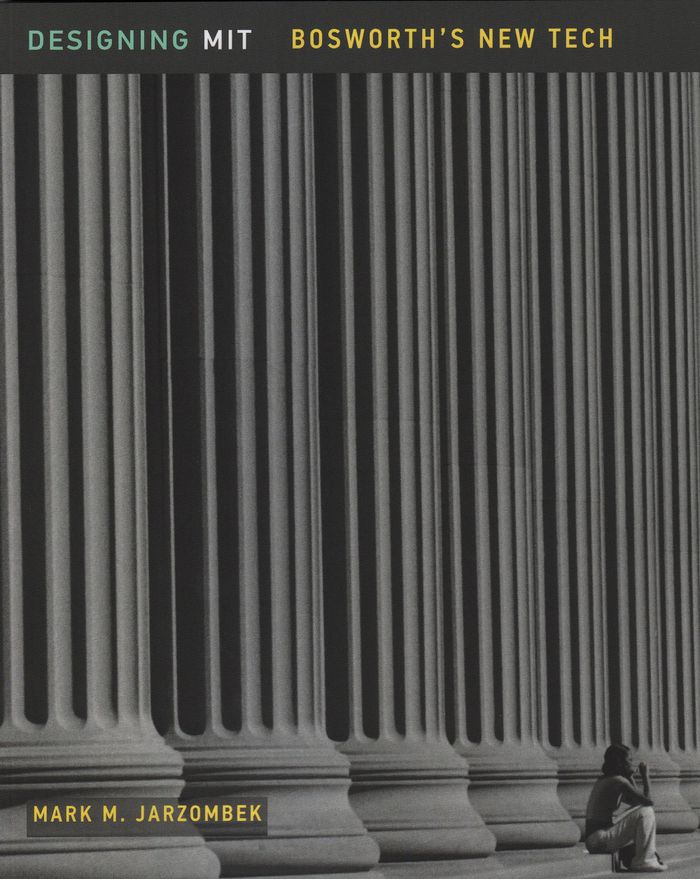
This publication is the first book to detail Bosworth’s challenges in the planning and construction of MIT’s unique Cambridge campus. MIT professor of architecture Mark Jarzombek provides a fascinating sample of the architectural debates of the time. He examines the competing project proposals—including one from Ralph Adams Cram, noted for his gothic West Point campus—and describes how Bosworth found his classically oriented vision challenged by the engineer John Freeman, a proponent of Frederick W. Taylor’s new principle of scientific management. Jarzombek shows that their conflict ultimately resulted in a far more innovative design than either of their individual approaches would have produced, one that employed new European concepts of industrialism, efficiency, and aesthetics in academic structures.
Form:
books
books
Publication:
March 2017
March 2017
Subject:
Architectural Theory
Architectural Theory
Form:
books
books
Title:
Mind in architecture
Mind in architecture
Actions:
Price:
$49.00
(available to order)
Summary:
Although we spend more than ninety percent of our lives inside buildings, we understand very little about how the built environment affects our behavior, thoughts, emotions, and well-being. We are biological beings whose senses and neural systems have developed over millions of years; it stands to reason that research in the life sciences, particularly neuroscience, can(...)
Title:
Mind in architecture
Actions:
Price:
$49.00
(available to order)
Summary:
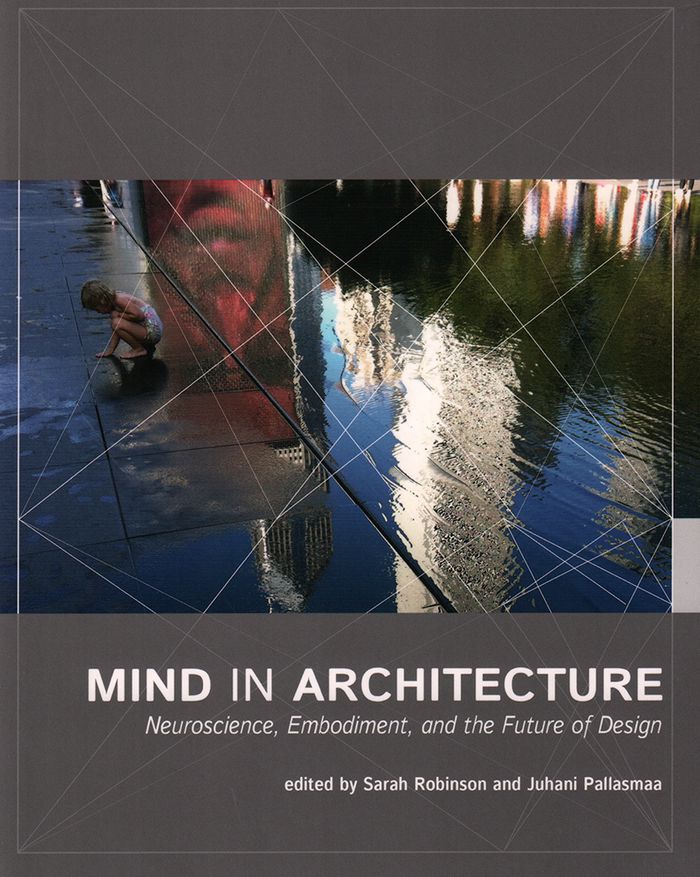
Although we spend more than ninety percent of our lives inside buildings, we understand very little about how the built environment affects our behavior, thoughts, emotions, and well-being. We are biological beings whose senses and neural systems have developed over millions of years; it stands to reason that research in the life sciences, particularly neuroscience, can offer compelling insights into the ways our buildings shape our interactions with the world. This expanded understanding can help architects design buildings that support both mind and body. In Mind in Architecture, leading thinkers from architecture and other disciplines, including neuroscience, cognitive science, psychiatry, and philosophy, explore what architecture and neuroscience can learn from each other. They offer historical context, examine the implications for current architectural practice and education, and imagine a neuroscientifically informed architecture of the future.
Form:
books
books
Publication:
March 2017
March 2017
Subject:
Architectural Theory
Architectural Theory
Form:
books
books

Actions:
Price:
$79.95
(available to order)
Summary:
This book considers the effects of colonialism, travel, and globalization on the development of modern architecture in Germany from the 1850s until the 1930s. It argues that the rise of a new modern language of architecture within Germany during this period was shaped by the country's colonial and neo-colonial entanglements. Since architectural developments in(...)
Title:
Colonialism and modern architecture in Germany
Actions:
Price:
$79.95
(available to order)
Summary:
This book considers the effects of colonialism, travel, and globalization on the development of modern architecture in Germany from the 1850s until the 1930s. It argues that the rise of a new modern language of architecture within Germany during this period was shaped by the country's colonial and neo-colonial entanglements. Since architectural developments in nineteenth-century Germany are typically understood as crucial to the evolution of architecture worldwide in the twentieth century, this book globalizes the history of modern architecture at its founding moment.
Form:
books
books
Publication:
June 2017
June 2017
Subject:
Architectural Theory
Architectural Theory
Form:
books
books

Actions:
Price:
$65.95
(available to order)
Summary:
After the Second World War, a divided Europe was much affected by a period of reconstruction. This was influenced by the different political systems – in the socialist East and in the capitalist West, the focus was on cohesion in society and its cultural and architectural expression. In parallel to the rapidly progressing industrialization of the building industry,(...)
Subject:
Architectural Theory
Architectural Theory
Publication:
December 2016
December 2016
Title:
Re-humanizing architecture: new forms of community, 1950-1970. East West central: rebuilding Europe, Vol. 1
Actions:
Price:
$65.95
(available to order)
Summary:
After the Second World War, a divided Europe was much affected by a period of reconstruction. This was influenced by the different political systems – in the socialist East and in the capitalist West, the focus was on cohesion in society and its cultural and architectural expression. In parallel to the rapidly progressing industrialization of the building industry, debates on the humanization of the built environment were led on both sides with great intensity. The volume shows how, on the back of existentialism, new monumentality, and socialist realism, quite similar concepts and strategies were developed in order to find answers to questions relating to adequate structures for new forms of community and identity.
Form:
books
books
Publication:
December 2016
December 2016
Subject:
Architectural Theory
Architectural Theory
Form:
books
books
Title:
Applied foreign affairs: investigating spatial phenomena in rural and urban sub-saharan Africa
Applied foreign affairs: investigating spatial phenomena in rural and urban sub-saharan Africa
Actions:
Price:
$68.95
(available to order)
Summary:
[a]FA is a laboratory of the Institute of Architecture of the University for Applied Arts in Vienna, in which spatial, infrastructure, ecological and cultural phenomena of the Sub-Saharan region are investigated. The concept for each project is based on an interdisciplinary and trans-cultural approach. This publication documents three projects that were carried out(...)
Title:
Applied foreign affairs: investigating spatial phenomena in rural and urban sub-saharan Africa
Actions:
Price:
$68.95
(available to order)
Summary:
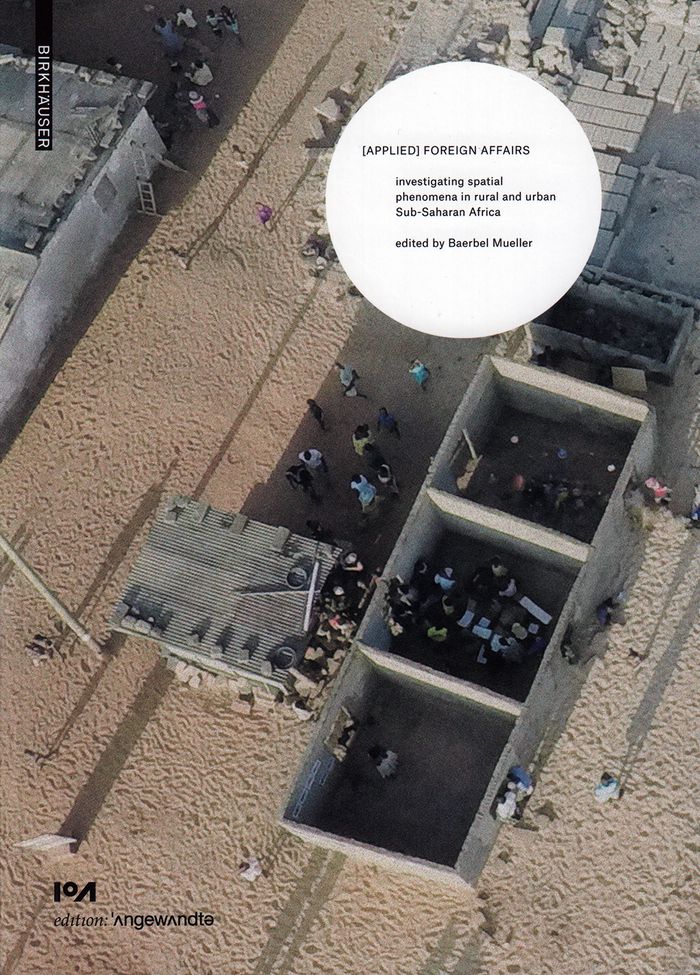
[a]FA is a laboratory of the Institute of Architecture of the University for Applied Arts in Vienna, in which spatial, infrastructure, ecological and cultural phenomena of the Sub-Saharan region are investigated. The concept for each project is based on an interdisciplinary and trans-cultural approach. This publication documents three projects that were carried out between 2011 and 2015. GUABULIGA _ WELL BY THE THORN TREE / ON OTHER PLANNING in northern Ghana, STAGING APAM / ON OTHER ARCHITECTURE at Ghana’s Atlantic coast, and LUBUNGAMODE / ON OTHER ARTISTIC RESEARCH in Kisangani, DR of Congo. The book illustrates the projects’ creative processes and contexts, embedded in contemporary discourses – well-known experts from architecture, art, theory, and urban sociology take a stand.
Form:
books
books
Publication:
April 2017
April 2017
Subject:
Architectural Theory
Architectural Theory


