


2227 Results
Form:
books
books
Price:
$55.90
(available to order)
Summary:
Even the most inventive and revolutionary architects of today owe debts to the past, often to the distant past when architecture really was being invented for the first time. Architects depend on their own imaginations for personal insights and originality but their ideas may be stimulated (consciously or subliminally) by particularly powerful buildings from history. "The(...)
Title:
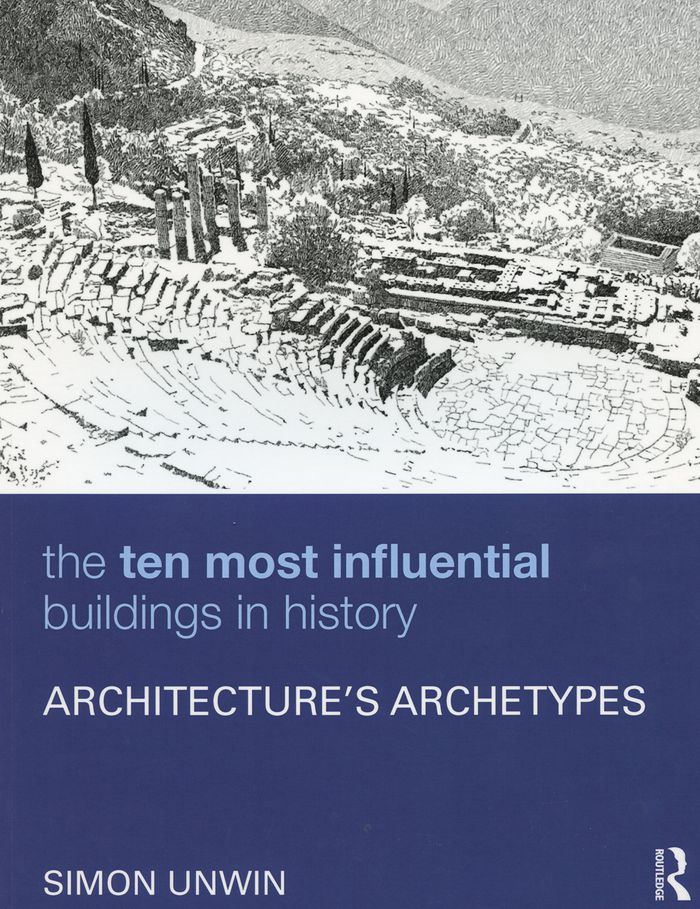
The ten most influential buildings in history: Architecture's archetypes
Actions:
Price:
$55.90
(available to order)
Summary:
Even the most inventive and revolutionary architects of today owe debts to the past, often to the distant past when architecture really was being invented for the first time. Architects depend on their own imaginations for personal insights and originality but their ideas may be stimulated (consciously or subliminally) by particularly powerful buildings from history. "The Ten Most Influential Buildings in History: Architecture’s Archetypes" identifies ten architectural archetypes that have been sources of inspiration for architects through the centuries. Each archetype is analysed through distinctive examples, following the methodology established by the author in his previous books. The variety of 'lines of enquiry’ each archetype has provoked in latter-day architects are then explored by analysing their work to reveal ideas inspired by those earlier buildings. Archetypes have a timeless relevance. In adopting this approach, The Ten Most Influential Buildings in History is as pertinent to contemporary practice as it is to understanding buildings from antiquity, and offers insights into the bridges of influence that can operate between the two.
Form:
books
books
Publication:
July 2016
July 2016
Subject:
Architectural Theory
Architectural Theory
Form:
books
books
Actions:
Price:
$83.90
(available to order)
Summary:
Diversity among Architects presents a series of essays questioning the homogeneity of architecture practitioners, who remain overwhelmingly male and Caucasian, to help you create a field more representative of the population you serve. The book is the collected work of author Craig L. Wilkins, an African American scholar and practitioner, and discusses music, education,(...)
Title:
Diversity among architects: from margin to center
Actions:
Price:
$83.90
(available to order)
Summary:
Diversity among Architects presents a series of essays questioning the homogeneity of architecture practitioners, who remain overwhelmingly male and Caucasian, to help you create a field more representative of the population you serve. The book is the collected work of author Craig L. Wilkins, an African American scholar and practitioner, and discusses music, education, urban geography, social justice, community design centers, race-space identity, shared landscape, and many more topics.
Form:
books
books
Publication:
March 2016
March 2016
Subject:
Architectural Theory
Architectural Theory
Form:
books
books
Actions:
Price:
$62.90
(available to order)
Summary:
This book provides an up-to-date introduction to the important and growing field of urban anthropology. This is an increasingly critical area of study, as more than half of the world's population now lives in cities and anthropological research is increasingly done in an urban context. Exploring contemporary anthropological approaches to the urban, the authors(...)
Title:
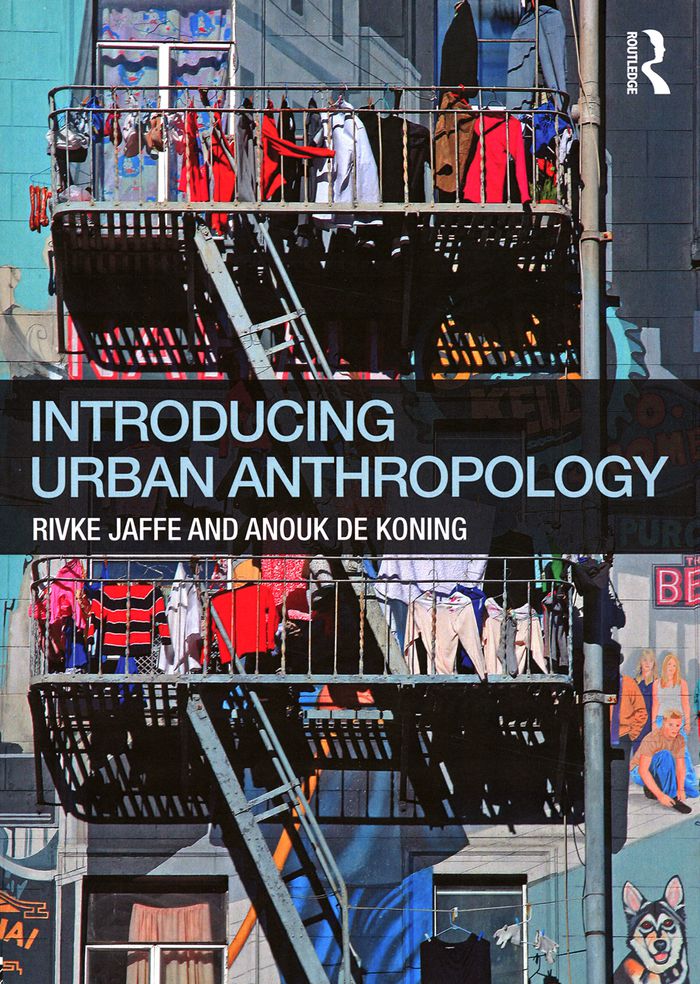
Introducing urban anthropology
Actions:
Price:
$62.90
(available to order)
Summary:
This book provides an up-to-date introduction to the important and growing field of urban anthropology. This is an increasingly critical area of study, as more than half of the world's population now lives in cities and anthropological research is increasingly done in an urban context. Exploring contemporary anthropological approaches to the urban, the authors consider: How can we define urban anthropology? What are the main themes of twenty-first century urban anthropological research? What are the possible future directions in the field? The chapters cover topics such as urban mobilities, place-making and public space, production and consumption, politics and governance. These are illustrated by lively case studies drawn from a diverse range of urban settings in the global North and South. Accessible yet theoretically incisive, Introducing Urban Anthropology will be a valuable resource for anthropology students as well as of interest to those working in urban studies and related disciplines such as sociology and geography.
Form:
books
books
Publication:
January 2016
January 2016
Subject:
Architectural Theory
Architectural Theory
Form:
books
books
Title:
The architecture of neoliberalism: how contemporary architecture became an instrument of control and
The architecture of neoliberalism: how contemporary architecture became an instrument of control and
Actions:
Price:
$48.90
(available to order)
Summary:
The Architecture of Neoliberalism pursues an uncompromising critique of the neoliberal turn in contemporary architecture. This book reveals how a self-styled parametric and post-critical architecture serves mechanisms of control and compliance while promoting itself, at the same time, as progressive. Spencer's incisive analysis of the architecture and writings of figures(...)
Title:
The architecture of neoliberalism: how contemporary architecture became an instrument of control and
Actions:
Price:
$48.90
(available to order)
Summary:
The Architecture of Neoliberalism pursues an uncompromising critique of the neoliberal turn in contemporary architecture. This book reveals how a self-styled parametric and post-critical architecture serves mechanisms of control and compliance while promoting itself, at the same time, as progressive. Spencer's incisive analysis of the architecture and writings of figures such as Zaha Hadid, Patrik Schumacher, Rem Koolhaas, Greg Lynn and Alejandro Zaera-Polo shows them to be in thrall to the same notions of liberty as are propounded in neoliberal thought.
Form:
books
books
Publication:
October 2016
October 2016
Subject:
Architectural Theory
Architectural Theory
Form:
books
books
Actions:
Price:
$66.00
(available to order)
Summary:
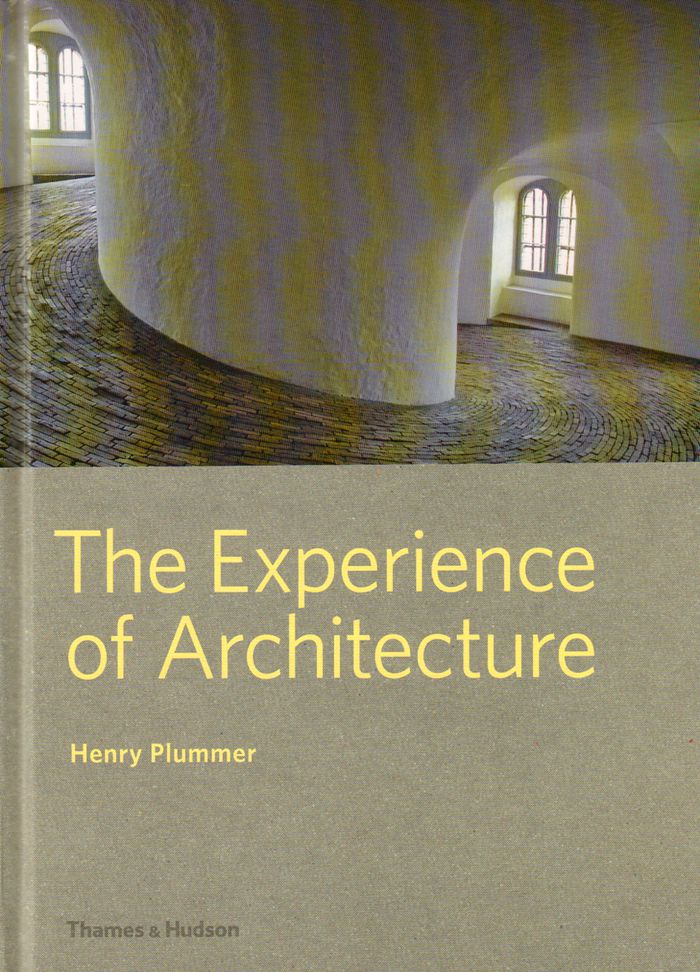
How does the experience of turning a door handle, opening a door from one space into another, affect us? It is no wonder that the door, one of the most elemental architectural forms, has such metaphorical richness. But even on a purely physical human level, the cold touch of a brass handle or the swish of a sliding screen gives rise to an emotional reaction, sometimes(...)
Title:
The experience of architecture
Actions:
Price:
$66.00
(available to order)
Summary:
How does the experience of turning a door handle, opening a door from one space into another, affect us? It is no wonder that the door, one of the most elemental architectural forms, has such metaphorical richness. But even on a purely physical human level, the cold touch of a brass handle or the swish of a sliding screen gives rise to an emotional reaction, sometimes modest, occasionally profound. This book aims to understand how these everyday acts are influenced by architectural form, a concept that is vital for all architects to grasp. It considers how specifically built elements and volumes, taken from a wide array of buildings and settings around the world, can affect our powers of decision. From hand-carved stairs in Greek villages to free-floating catwalks, from the elegant processional steps of Renaissance Italy to Frank Lloyd Wright’s masterly manipulation of form, all provide very different experiences of stepping from one level to the next, and all affect our experience of that space.
Form:
books
books
Publication:
November 2016
November 2016
Subject:
Architectural Theory
Architectural Theory
Form:
books
books
Actions:
Price:
$52.50
(available to order)
Summary:
This book is not about war, nor is it a history of war. Avoiding the shock and awe of wartime images, it explores the contemporary spatial configurations of power camouflaged in the infrastructures, environments, and scales of military operations. Instead of wartime highs, this book starts with drawdown lows, when demobilization and decommissioning morph into realignment(...)
Title:
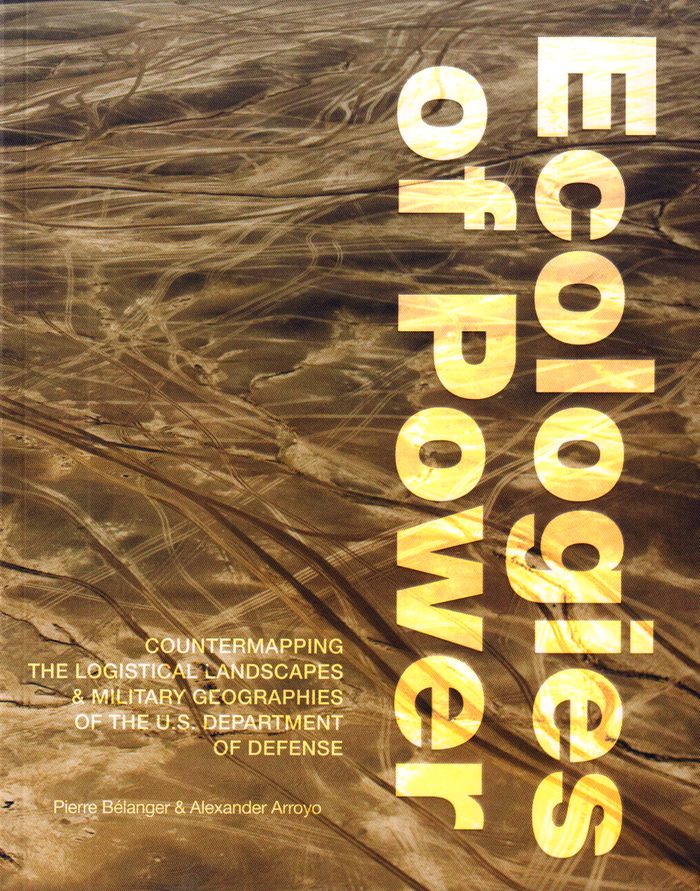
Ecologies of Power: countermapping the logistical landscapes and military geographies of the US Department of Defense
Actions:
Price:
$52.50
(available to order)
Summary:
This book is not about war, nor is it a history of war. Avoiding the shock and awe of wartime images, it explores the contemporary spatial configurations of power camouflaged in the infrastructures, environments, and scales of military operations. Instead of wartime highs, this book starts with drawdown lows, when demobilization and decommissioning morph into realignment and prepositioning. It is in this transitional milieu that the full material magnitudes and geographic entanglements of contemporary militarism are laid bare. Through this perpetual cycle of build up and breakdown, the U.S. Department of Defense—the single largest developer, landowner, equipment contractor, and energy consumer in the world—has engineered a planetary assemblage of “operational environments” in which militarized, demilitarized, and non-militarized landscapes are increasingly inextricable. In a series of critical cartographic essays, Pierre Bélanger and Alexander Arroyo trace this footprint far beyond the battlefield, countermapping the geographies of U.S. militarism across five of the most important and embattled operational environments: the ocean, the atmosphere, the highway, the city, and the desert. From the Indian Ocean atoll of Diego Garcia to the defense-contractor archipelago around Washington, D.C.; from the A01 Highway circling Afghanistan’s high-altitude steppe to surveillance satellites pinging the planet from low-earth orbit; and from the vast cold chain conveying military perishables worldwide to the global constellation of military dumps, sinks, and scrapyards, the book unearths the logistical infrastructures and residual landscapes that render strategy spatial, militarism material, and power operational. In so doing, Bélanger and Arroyo reveal unseen ecologies of power at work in the making and unmaking of environments—operational, built, and otherwise—to come.
Form:
books
books
Publication:
October 2016
October 2016
Subject:
Architectural Theory
Architectural Theory
Form:
books
books

Title:
Whole earth field guide
Whole earth field guide
Actions:
Price:
$46.95
(available to order)
Summary:
The Whole Earth Catalog was a cultural touchstone of the 1960s and 1970s. Between 1968 and 1971, almost two million copies of its various editions were sold, and not just to commune-dwellers and hippies. Millions of mainstream readers turned to the Whole Earth Catalog for practical advice and intellectual stimulation, finding everything from a review of Buckminster Fuller(...)
Publication:
October 2016
October 2016
Title:
Whole earth field guide
Actions:
Price:
$46.95
(available to order)
Summary:
The Whole Earth Catalog was a cultural touchstone of the 1960s and 1970s. Between 1968 and 1971, almost two million copies of its various editions were sold, and not just to commune-dwellers and hippies. Millions of mainstream readers turned to the Whole Earth Catalog for practical advice and intellectual stimulation, finding everything from a review of Buckminster Fuller to recommendations for juicers. This book offers selections from eighty texts from the nearly 1,000 items of "suggested reading" in the Last Whole Earth Catalog. Illustrated and meticulously documented, this fascinating selection of texts cited as 'suggested reading' in the Whole Earth Catalog gives us a fresh, new look at this bible of a generation. Wonderful juxtapositions abound: Buckminster Fuller and Wendell Berry; Timothy Leary and Lao-Tzu; Thoreau and Marshall McLuhan; the Boston Women's Health Collective and Norbert Wiener; Nicholas Negroponte and Kakuzo Okakura; and Margaret Mead and James Baldwin (their A Rap on Race). At once libertarian and communitarian, practical and mystical, scientific and hands-on, Whole Earth Field Guide reveals the astonishing energy and spirit that motivated thousands of young people to challenge the status quo and to grapple, with remarkable prescience, with issues such as ecology and information technology that still confront us today.
Form:
books
books
Publication:
October 2016
October 2016
Form:
books
books

Title:
Maintenance architecture
Maintenance architecture
Actions:
Price:
$27.00
(available to order)
Summary:
In ''Maintenance Architecture'', Hilary Sample offers an inventive examination of the architectural significance of maintenance through a series of short texts and images about specific buildings, materials, and projects. Although architects have seldom choose to represent maintenance—imagining their work only from conception to realization—artists have long explored(...)
Title:
Maintenance architecture
Actions:
Price:
$27.00
(available to order)
Summary:
In ''Maintenance Architecture'', Hilary Sample offers an inventive examination of the architectural significance of maintenance through a series of short texts and images about specific buildings, materials, and projects. Although architects have seldom choose to represent maintenance—imagining their work only from conception to realization—artists have long explored subjects of endurance and permanence in iconic architecture.
Form:
books
books
Publication:
September 2016
September 2016
Subject:
Architectural Theory
Architectural Theory
Form:
books
books

Title:
Une topologie du quotidien
Une topologie du quotidien
Actions:
Price:
$52.00
(available to order)
Summary:
Aujourd’hui une cartographie devient nécessaire, afin de retracer la frontière entre extérieur et intérieur, privé et public, sédentaire et nomade. La maison n’est pas seulement une demeure, elle est aussi un terrain pour les transactions multiples entre diverses sphères – le domaine de la technologie et de la physiologie, comme celui de la psyché. Dans Une topologie du(...)
Title:
Une topologie du quotidien
Actions:
Price:
$52.00
(available to order)
Summary:
Aujourd’hui une cartographie devient nécessaire, afin de retracer la frontière entre extérieur et intérieur, privé et public, sédentaire et nomade. La maison n’est pas seulement une demeure, elle est aussi un terrain pour les transactions multiples entre diverses sphères – le domaine de la technologie et de la physiologie, comme celui de la psyché. Dans Une topologie du quotidien, Georges Teyssot observe comment opère le brouillage des notions de privé, d’intimité – et d’extimité dans nos sociétés. Les seuils sont autant de marques traçant des limites apparemment infranchissables, mais ils offrent également des passerelles vers l’extérieur. Le dilemme entre la frontière et le pont ouvre un espace de l’entre-deux, où l’on peut entrer, un «mi-lieu» offrant les possibilités d’échange. Georges Teyssot examine la porte, la fenêtre, le miroir et l’écran?: des espaces interstitiels divisant le monde en deux, formant des jeux de surface dont la géométrie est de nature topologique. En définitive, le corps habite-t-il encore la demeure – ou est-ce le logement qui, évoluant en des dispositifs microscopiques, habite le corps?
Form:
books
books
Publication:
April 2016
April 2016
Subject:
Architectural Theory
Architectural Theory
Form:
books
books
Price:
$28.95
(available in store)
Summary:
Following the publication of architect/theorist Markus Miessen's hugely successful ''The Nightmare of Participation'', on the politics of participatory practices in architecture, spatial practices and art, and the initiation of the popular pocket series Critical Spatial Practice, comes his timely new book engaging the ethics and politics of practice, ''Crossbenching''.(...)
Title:
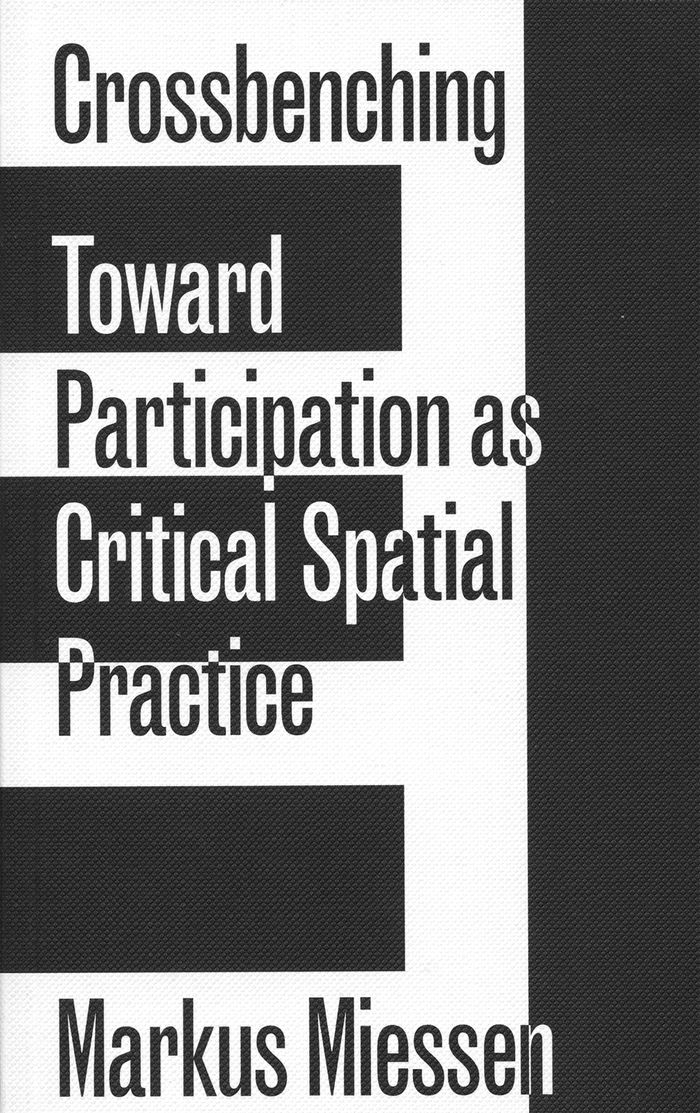
Crossbenching: toward participation as critical spatial practice
Actions:
Price:
$28.95
(available in store)
Summary:
Following the publication of architect/theorist Markus Miessen's hugely successful ''The Nightmare of Participation'', on the politics of participatory practices in architecture, spatial practices and art, and the initiation of the popular pocket series Critical Spatial Practice, comes his timely new book engaging the ethics and politics of practice, ''Crossbenching''. Following over a decade of theoretical research, the small softcover publication focuses on Miessen's own architecture "platform," Studio Miessen, in which he reapproaches the question of authorship in the context of a studio practice.
Form:
books
books
Publication:
August 2016
August 2016
Subject:
Architectural Theory
Architectural Theory


