


3197 Results
Form:
books
books
Actions:
Price:
$68.00
(available to order)
Summary:
British architect Cedric Price (1934–2003) had a lifelong fascination with the mechanization of society and its effect on people’s lives. In the 1960s and ’70s, Price began to look for answers to some of the pressing problems he saw in society in the tenets of architecture and design. His intense intellectual curiosity soon led him to other disciplines, including the(...)
$68.00
(available to order)
Summary:
British architect Cedric Price (1934–2003) had a lifelong fascination with the mechanization of society and its effect on people’s lives. In the 1960s and ’70s, Price began to look for answers to some of the pressing problems he saw in society in the tenets of architecture and design. His intense intellectual curiosity soon led him to other disciplines, including the(...)
Title:
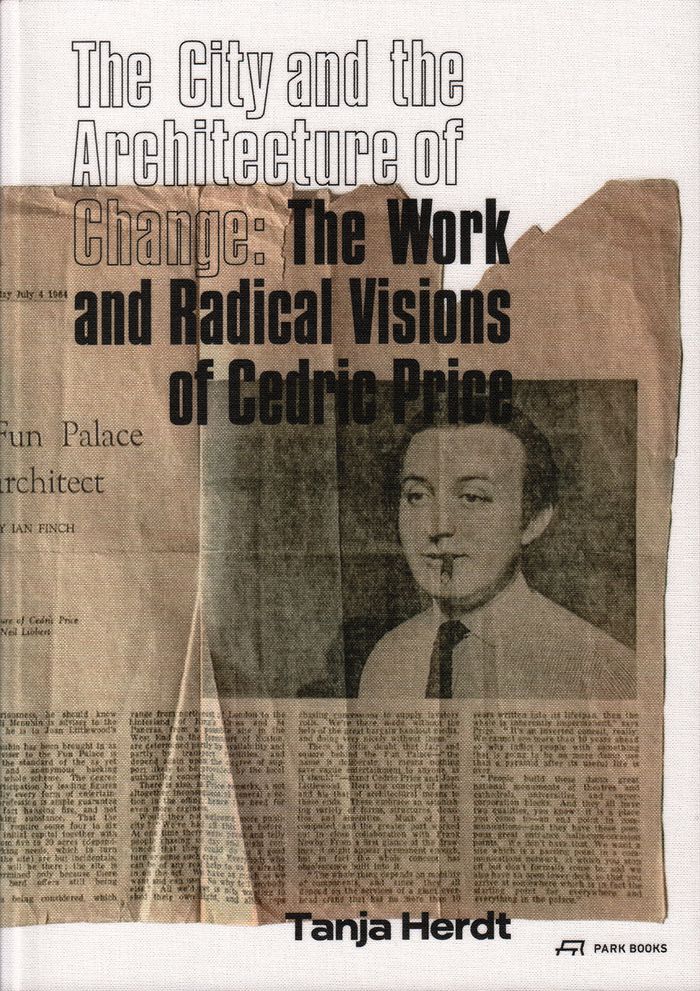
The city and the architecture of change: the work and radical visions of Cedric Price
Actions:
Price:
$68.00
(available to order)
Summary:
British architect Cedric Price (1934–2003) had a lifelong fascination with the mechanization of society and its effect on people’s lives. In the 1960s and ’70s, Price began to look for answers to some of the pressing problems he saw in society in the tenets of architecture and design. His intense intellectual curiosity soon led him to other disciplines, including the social and natural sciences, while his sense of humor and self-irony—which also extended to his profession—allowed him to keep his ideas in perspective. With "The city and the architecture of change", Tanja Herdt offers a comprehensive look back at the life and work of Price. Based on extensive research, including previously unpublished materials, Herdt provides a thorough account of Price’s key architectural concepts and visions, and then analyzes his perspectives on the city as a system, the influence of products and contemporary culture on architecture, and the role of science and technology in architecture and design. Apart from providing new insights into Price’s well-known and studied projects, such as Fun Palace and Potteries Thinkbelt, Herdt also brings to light many lesser-known works from the 1970s like McAppy and The Generator. She concludes by refuting the common perception of Cedric Price as an “anti-architect.” Richly illustrated with plans and photographs, many of which have never been published before, "The city and the architecture of change" affords a glimpse into the mind of this highly creative and forward-thinking architect.
The city and the architecture of change: the work and radical visions of Cedric Price
Actions:
Price:
$68.00
(available to order)
Summary:
British architect Cedric Price (1934–2003) had a lifelong fascination with the mechanization of society and its effect on people’s lives. In the 1960s and ’70s, Price began to look for answers to some of the pressing problems he saw in society in the tenets of architecture and design. His intense intellectual curiosity soon led him to other disciplines, including the social and natural sciences, while his sense of humor and self-irony—which also extended to his profession—allowed him to keep his ideas in perspective. With "The city and the architecture of change", Tanja Herdt offers a comprehensive look back at the life and work of Price. Based on extensive research, including previously unpublished materials, Herdt provides a thorough account of Price’s key architectural concepts and visions, and then analyzes his perspectives on the city as a system, the influence of products and contemporary culture on architecture, and the role of science and technology in architecture and design. Apart from providing new insights into Price’s well-known and studied projects, such as Fun Palace and Potteries Thinkbelt, Herdt also brings to light many lesser-known works from the 1970s like McAppy and The Generator. She concludes by refuting the common perception of Cedric Price as an “anti-architect.” Richly illustrated with plans and photographs, many of which have never been published before, "The city and the architecture of change" affords a glimpse into the mind of this highly creative and forward-thinking architect.
Form:
books
books
Publication:
October 2017
October 2017
Subject:
Architecture Monographs
Architecture Monographs
Form:
journals and magazines
journals and magazines
Price:
$64.00
(available to order)
Summary:
Built on an expansive, sloping site situated in the northern part of Brno, Mies van der Rohe’s Villa Tungendhat is a masterful example of 20th-century residential architecture. Since its seizure in World War II, the house has endured a long period of decline and relative obscurity, a former shade of itself. Painstakingly renovated over a number of years, its three levels(...)
$64.00
(available to order)
Summary:
Built on an expansive, sloping site situated in the northern part of Brno, Mies van der Rohe’s Villa Tungendhat is a masterful example of 20th-century residential architecture. Since its seizure in World War II, the house has endured a long period of decline and relative obscurity, a former shade of itself. Painstakingly renovated over a number of years, its three levels(...)
Title:
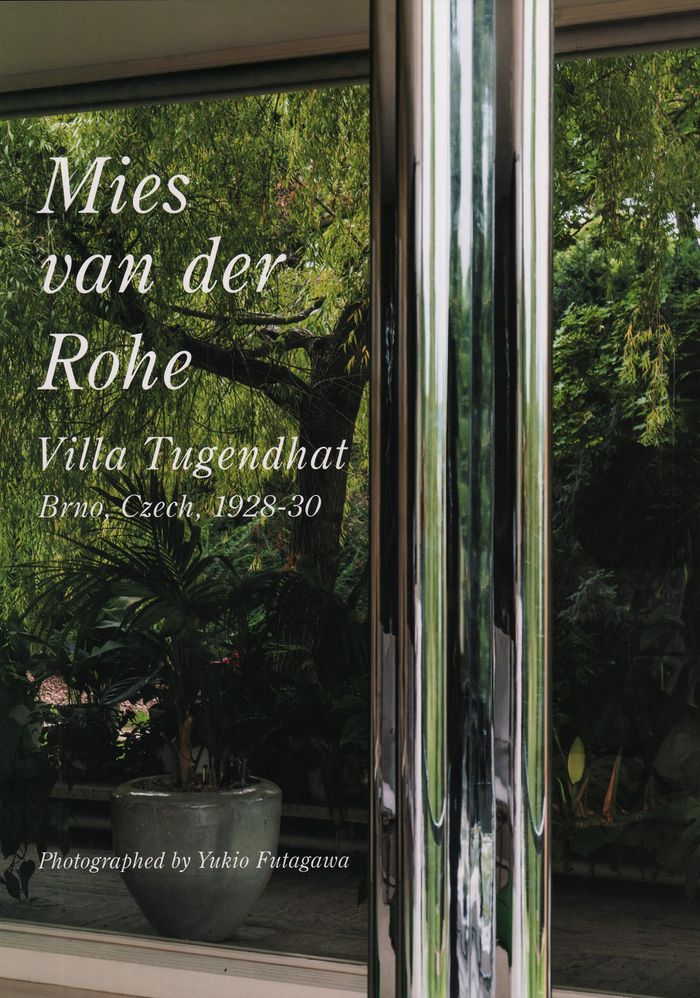
Residential masterpieces 24: Mies van der Rohe Villa Tugendhat
Actions:
Price:
$64.00
(available to order)
Summary:
Built on an expansive, sloping site situated in the northern part of Brno, Mies van der Rohe’s Villa Tungendhat is a masterful example of 20th-century residential architecture. Since its seizure in World War II, the house has endured a long period of decline and relative obscurity, a former shade of itself. Painstakingly renovated over a number of years, its three levels and full-height glass walls have now regained their former lustre.
Residential masterpieces 24: Mies van der Rohe Villa Tugendhat
Actions:
Price:
$64.00
(available to order)
Summary:
Built on an expansive, sloping site situated in the northern part of Brno, Mies van der Rohe’s Villa Tungendhat is a masterful example of 20th-century residential architecture. Since its seizure in World War II, the house has endured a long period of decline and relative obscurity, a former shade of itself. Painstakingly renovated over a number of years, its three levels and full-height glass walls have now regained their former lustre.
Form:
journals and magazines
journals and magazines
Publication:
January 2017
January 2017
Subject:
Architecture Monographs
Architecture Monographs
Form:
books
books
Actions:
Price:
$104.95
(available to order)
Summary:
"SANAA. Sejima & Nishizawa. 1990-2017" gathers the complete oeuvre of Kazuyo Sejima and Ryue Nishizawa over almost three decades of work of the three studios they lead in Tokyo, and that has produced prominent buildings like the Zollverein School of Design in Essen, the Rolex Center in Lausanne, the Louvre-Lens Museum, or their recent center for the Grace Farms Foundation(...)
$104.95
(available to order)
Summary:
"SANAA. Sejima & Nishizawa. 1990-2017" gathers the complete oeuvre of Kazuyo Sejima and Ryue Nishizawa over almost three decades of work of the three studios they lead in Tokyo, and that has produced prominent buildings like the Zollverein School of Design in Essen, the Rolex Center in Lausanne, the Louvre-Lens Museum, or their recent center for the Grace Farms Foundation(...)
Title:
SANAA. Sejima & Nishizawa 1990-2017
Actions:
Price:
$104.95
(available to order)
Summary:
"SANAA. Sejima & Nishizawa. 1990-2017" gathers the complete oeuvre of Kazuyo Sejima and Ryue Nishizawa over almost three decades of work of the three studios they lead in Tokyo, and that has produced prominent buildings like the Zollverein School of Design in Essen, the Rolex Center in Lausanne, the Louvre-Lens Museum, or their recent center for the Grace Farms Foundation in Connecticut. With articles by Luis Fernández-Galiano and the architects themselves, this monograph examines the principles and methods behind the seeming simplicity of the work of the two Japanese architects, and unveils the keys to the radicalness of their architecture, extremely light and immaterial.
SANAA. Sejima & Nishizawa 1990-2017
Actions:
Price:
$104.95
(available to order)
Summary:
"SANAA. Sejima & Nishizawa. 1990-2017" gathers the complete oeuvre of Kazuyo Sejima and Ryue Nishizawa over almost three decades of work of the three studios they lead in Tokyo, and that has produced prominent buildings like the Zollverein School of Design in Essen, the Rolex Center in Lausanne, the Louvre-Lens Museum, or their recent center for the Grace Farms Foundation in Connecticut. With articles by Luis Fernández-Galiano and the architects themselves, this monograph examines the principles and methods behind the seeming simplicity of the work of the two Japanese architects, and unveils the keys to the radicalness of their architecture, extremely light and immaterial.
Form:
books
books
Publication:
January 2017
January 2017
Subject:
Architecture Monographs
Architecture Monographs
Form:
books
books
Actions:
Price:
$85.00
(available in store)
Summary:
Published for a major exhibition at The Museum of Modern Art, this catalog reveals new perspectives on the work of Frank Lloyd Wright, a designer so prolific and familiar as to nearly preclude critical reexamination. Structured as a series of inquiries into the Frank Lloyd Wright Foundation Archives at Taliesin West, Arizona (recently acquired by MoMA and Avery(...)
$85.00
(available in store)
Summary:
Published for a major exhibition at The Museum of Modern Art, this catalog reveals new perspectives on the work of Frank Lloyd Wright, a designer so prolific and familiar as to nearly preclude critical reexamination. Structured as a series of inquiries into the Frank Lloyd Wright Foundation Archives at Taliesin West, Arizona (recently acquired by MoMA and Avery(...)
Title:
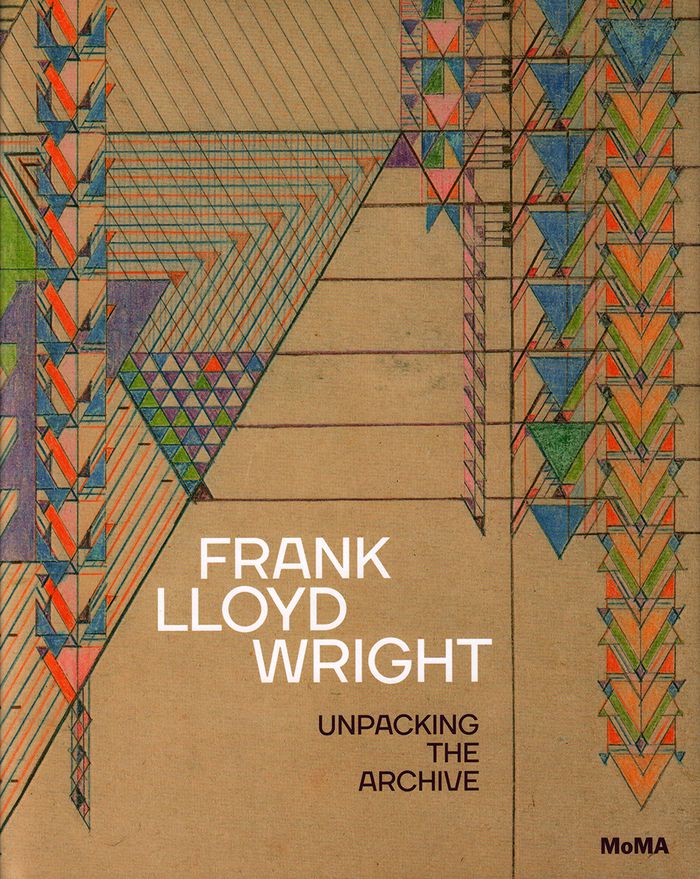
Frank Lloyd Wright: unpacking the archive
Actions:
Price:
$85.00
(available in store)
Summary:
Published for a major exhibition at The Museum of Modern Art, this catalog reveals new perspectives on the work of Frank Lloyd Wright, a designer so prolific and familiar as to nearly preclude critical reexamination. Structured as a series of inquiries into the Frank Lloyd Wright Foundation Archives at Taliesin West, Arizona (recently acquired by MoMA and Avery Architectural & Fine Arts Library, Columbia University), the book is a collection of scholarly explorations rather than an attempt to construct a master narrative. Each chapter centers on a key object from the archive that an invited author has “unpacked”— tracing its meanings and connections, and juxtaposing it with other works from the archive, from MoMA, or from outside collections. Wright’s quest to build a mile-high skyscraper reveals him to be one of the earliest celebrity architects, using television, press relations and other forms of mass media to advance his own self-crafted image. A little-known project for a Rosenwald School for African-American children, together with other projects that engage Japanese and Native American culture, ask provocative questions about Wright’s positions on race and cultural identity. Still other investigations engage the architect’s lifelong dedication to affordable and do-it-yourself housing, as well as the ecological systems, both social and environmental, that informed his approach to cities, landscapes and even ornament. The publication aims to open up Wright’s work to questions, interrogations and debates, and to highlight interpretations by contemporary scholars, both established Wright experts and others considering this iconic figure from new and illuminating perspectives.
Frank Lloyd Wright: unpacking the archive
Actions:
Price:
$85.00
(available in store)
Summary:
Published for a major exhibition at The Museum of Modern Art, this catalog reveals new perspectives on the work of Frank Lloyd Wright, a designer so prolific and familiar as to nearly preclude critical reexamination. Structured as a series of inquiries into the Frank Lloyd Wright Foundation Archives at Taliesin West, Arizona (recently acquired by MoMA and Avery Architectural & Fine Arts Library, Columbia University), the book is a collection of scholarly explorations rather than an attempt to construct a master narrative. Each chapter centers on a key object from the archive that an invited author has “unpacked”— tracing its meanings and connections, and juxtaposing it with other works from the archive, from MoMA, or from outside collections. Wright’s quest to build a mile-high skyscraper reveals him to be one of the earliest celebrity architects, using television, press relations and other forms of mass media to advance his own self-crafted image. A little-known project for a Rosenwald School for African-American children, together with other projects that engage Japanese and Native American culture, ask provocative questions about Wright’s positions on race and cultural identity. Still other investigations engage the architect’s lifelong dedication to affordable and do-it-yourself housing, as well as the ecological systems, both social and environmental, that informed his approach to cities, landscapes and even ornament. The publication aims to open up Wright’s work to questions, interrogations and debates, and to highlight interpretations by contemporary scholars, both established Wright experts and others considering this iconic figure from new and illuminating perspectives.
Form:
books
books
Publication:
June 2017
June 2017
Subject:
Architecture Monographs
Architecture Monographs
Form:
books
books
Title:
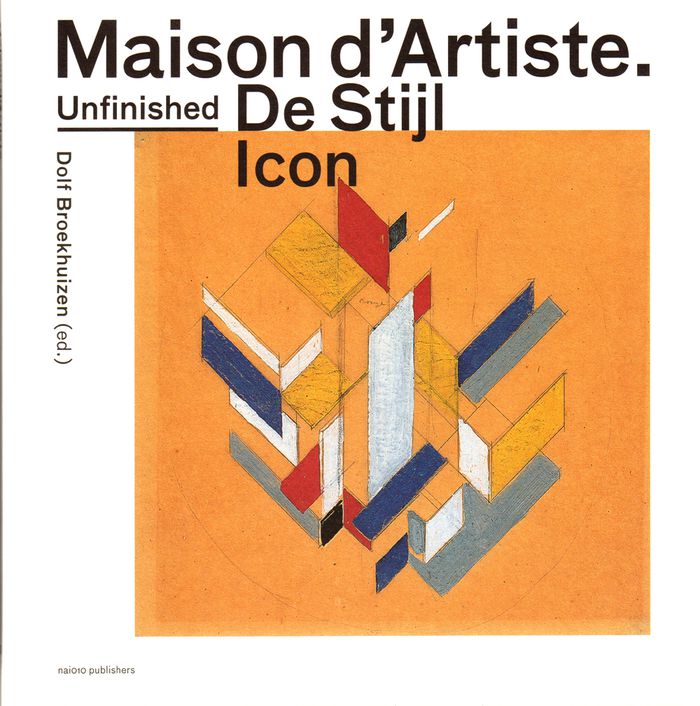
Maison d'Artiste, an unfinished icon by De Stijl. Theo van Doesburg and Cornelis van Eesteren
Maison d'Artiste, an unfinished icon by De Stijl. Theo van Doesburg and Cornelis van Eesteren
Actions:
Price:
$65.00
(available in store)
Summary:
Though it was never built, the design for the legendary artist’s house Maison d’Artiste is one of the key works of the Dutch avant-garde movement De Stijl. Created in 1923 by painter Theo van Doesburg and architect Cornelis van Eesteren for De Stijl’s first group exhibition, the Maison d’Artiste was intended to encapsulate what De Stijl aspired to: a new everyday(...)
$65.00
(available in store)
Summary:
Though it was never built, the design for the legendary artist’s house Maison d’Artiste is one of the key works of the Dutch avant-garde movement De Stijl. Created in 1923 by painter Theo van Doesburg and architect Cornelis van Eesteren for De Stijl’s first group exhibition, the Maison d’Artiste was intended to encapsulate what De Stijl aspired to: a new everyday(...)
Title:
Maison d'Artiste, an unfinished icon by De Stijl. Theo van Doesburg and Cornelis van Eesteren
Actions:
Price:
$65.00
(available in store)
Summary:
Though it was never built, the design for the legendary artist’s house Maison d’Artiste is one of the key works of the Dutch avant-garde movement De Stijl. Created in 1923 by painter Theo van Doesburg and architect Cornelis van Eesteren for De Stijl’s first group exhibition, the Maison d’Artiste was intended to encapsulate what De Stijl aspired to: a new everyday environment achieved through the harmonious fusion of painting and architecture. The scale model presented De Stijl’s ideal space for life and work, with a gym, a music room and a studio, as well as living spaces like guest rooms and bathrooms. Maison d’Artiste: An Unfinished Icon by De Stijl explores the revolutionary cultural importance of the design, its significance for the history of De Stijl and its place in a history of the unbuilt architecture of the 20th century.
Maison d'Artiste, an unfinished icon by De Stijl. Theo van Doesburg and Cornelis van Eesteren
Actions:
Price:
$65.00
(available in store)
Summary:
Though it was never built, the design for the legendary artist’s house Maison d’Artiste is one of the key works of the Dutch avant-garde movement De Stijl. Created in 1923 by painter Theo van Doesburg and architect Cornelis van Eesteren for De Stijl’s first group exhibition, the Maison d’Artiste was intended to encapsulate what De Stijl aspired to: a new everyday environment achieved through the harmonious fusion of painting and architecture. The scale model presented De Stijl’s ideal space for life and work, with a gym, a music room and a studio, as well as living spaces like guest rooms and bathrooms. Maison d’Artiste: An Unfinished Icon by De Stijl explores the revolutionary cultural importance of the design, its significance for the history of De Stijl and its place in a history of the unbuilt architecture of the 20th century.
Form:
books
books
Publication:
February 2017
February 2017
Subject:
Architecture Monographs
Architecture Monographs
Form:
books
books
Actions:
Price:
$16.00
(available to order)
Summary:
Damien Henry, architecte et Bouli Lanners, cinéaste. La mise en écho de leurs notes, de leurs partitions, fait résonner ici ces questions. L'un et l'autre prélèvent, puis opèrent sur de petits morceaux de réalité repris sur le continuum de la vie, la vie courante, celle que, sans leurs subtiles découpes, on ne verrait plus, tassée dans l'indifférence et la saturation du(...)
$16.00
(available to order)
Summary:
Damien Henry, architecte et Bouli Lanners, cinéaste. La mise en écho de leurs notes, de leurs partitions, fait résonner ici ces questions. L'un et l'autre prélèvent, puis opèrent sur de petits morceaux de réalité repris sur le continuum de la vie, la vie courante, celle que, sans leurs subtiles découpes, on ne verrait plus, tassée dans l'indifférence et la saturation du(...)
Subject:
Architecture Monographs
Architecture Monographs
Publication:
January 1900, Liège
January 1900, Liège
Title:
Damien Henry architecte + Bouli Lanners cinéaste
Actions:
Price:
$16.00
(available to order)
Summary:
Damien Henry, architecte et Bouli Lanners, cinéaste. La mise en écho de leurs notes, de leurs partitions, fait résonner ici ces questions. L'un et l'autre prélèvent, puis opèrent sur de petits morceaux de réalité repris sur le continuum de la vie, la vie courante, celle que, sans leurs subtiles découpes, on ne verrait plus, tassée dans l'indifférence et la saturation du monde. Entrer dans ce livre, c'est reprendre les choses par les petits cailloux merveilleux que ces deux-là nous laissent sur le chemin, le jeu infini des échos qu'ils dessinent entre eux, les rapports énigmatiques qu'ils entretiennent dans l'ombre du hors-champ.
Damien Henry architecte + Bouli Lanners cinéaste
Actions:
Price:
$16.00
(available to order)
Summary:
Damien Henry, architecte et Bouli Lanners, cinéaste. La mise en écho de leurs notes, de leurs partitions, fait résonner ici ces questions. L'un et l'autre prélèvent, puis opèrent sur de petits morceaux de réalité repris sur le continuum de la vie, la vie courante, celle que, sans leurs subtiles découpes, on ne verrait plus, tassée dans l'indifférence et la saturation du monde. Entrer dans ce livre, c'est reprendre les choses par les petits cailloux merveilleux que ces deux-là nous laissent sur le chemin, le jeu infini des échos qu'ils dessinent entre eux, les rapports énigmatiques qu'ils entretiennent dans l'ombre du hors-champ.
Form:
books
books
Publication:
January 1900, Liège
January 1900, Liège
Subject:
Architecture Monographs
Architecture Monographs
Form:
books
books
Title:
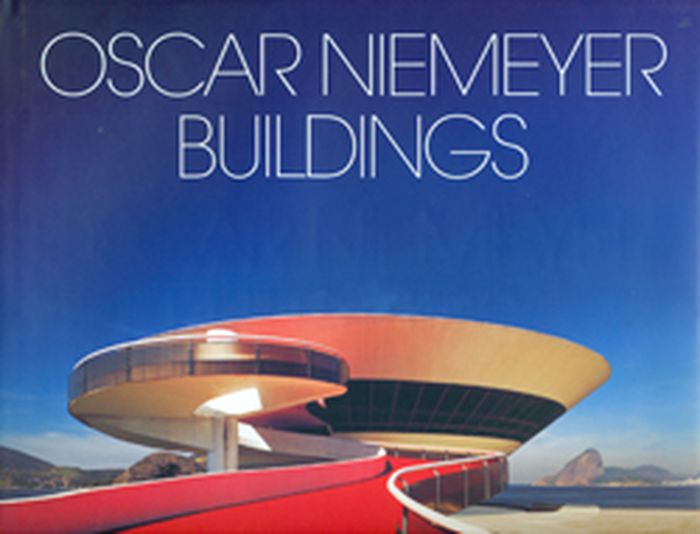
Oscar Niemeyer buildings
Oscar Niemeyer buildings
Actions:
Price:
$43.00
(available to order)
Summary:
Oft-overshadowed by the imposing buildings that line the River Thames, the bridges of London are an intriguing part of the capital, past and present. This book traces the history of all 33 Thames bridges within Greater London, exploring the fascinating architecture and unique stories from Hampton Court Bridge in the west to the iconic Tower Bridge in the east. Accompanied(...)
$43.00
(available to order)
Summary:
Oft-overshadowed by the imposing buildings that line the River Thames, the bridges of London are an intriguing part of the capital, past and present. This book traces the history of all 33 Thames bridges within Greater London, exploring the fascinating architecture and unique stories from Hampton Court Bridge in the west to the iconic Tower Bridge in the east. Accompanied(...)
Title:
Oscar Niemeyer buildings
Actions:
Price:
$43.00
(available to order)
Summary:
Oft-overshadowed by the imposing buildings that line the River Thames, the bridges of London are an intriguing part of the capital, past and present. This book traces the history of all 33 Thames bridges within Greater London, exploring the fascinating architecture and unique stories from Hampton Court Bridge in the west to the iconic Tower Bridge in the east. Accompanied throughout by colour photographs of the present bridges, as well as detailed paintings and engravings of the earlier structures that once stood in their place, this is a fully illustrated and absorbing narrative for anyone with an interest in the history of London.
Oscar Niemeyer buildings
Actions:
Price:
$43.00
(available to order)
Summary:
Oft-overshadowed by the imposing buildings that line the River Thames, the bridges of London are an intriguing part of the capital, past and present. This book traces the history of all 33 Thames bridges within Greater London, exploring the fascinating architecture and unique stories from Hampton Court Bridge in the west to the iconic Tower Bridge in the east. Accompanied throughout by colour photographs of the present bridges, as well as detailed paintings and engravings of the earlier structures that once stood in their place, this is a fully illustrated and absorbing narrative for anyone with an interest in the history of London.
Form:
books
books
Publication:
April 2009
April 2009
Form:
books
books
Actions:
Price:
$75.00
(available to order)
Summary:
This large-format monograph is the first to chronicle exclusively Shigeru Ban’s explorations in "paper architecture." Informed by a thorough and early interest in sustainable forms, his innovative practice pioneered the use of paper as a structural element in buildings. This book features permanent and temporary structures, ranging from one-off museums and exhibition(...)
$75.00
(available to order)
Summary:
This large-format monograph is the first to chronicle exclusively Shigeru Ban’s explorations in "paper architecture." Informed by a thorough and early interest in sustainable forms, his innovative practice pioneered the use of paper as a structural element in buildings. This book features permanent and temporary structures, ranging from one-off museums and exhibition(...)
Title:
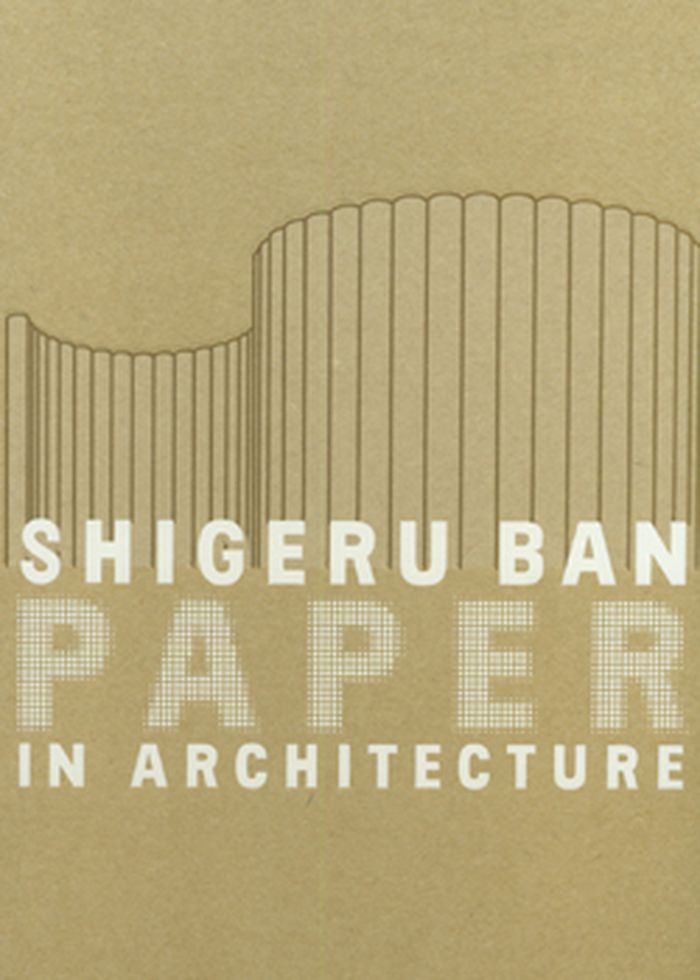
Shigeru Ban: paper in architecture
Actions:
Price:
$75.00
(available to order)
Summary:
This large-format monograph is the first to chronicle exclusively Shigeru Ban’s explorations in "paper architecture." Informed by a thorough and early interest in sustainable forms, his innovative practice pioneered the use of paper as a structural element in buildings. This book features permanent and temporary structures, ranging from one-off museums and exhibition spaces to emergency structures for communities displaced by natural and man-made catastrophes. The forty projects featured in the book showcase the variety of possible applications for paper and its derivative forms (cardboard, fiber-based composites). As flexible as it is adaptable, when used in tandem with other locally sourced building materials or post-industrial surplus (maritime shipping containers), Ban’s singular use of paper knowingly references paper’s traditional uses in vernacular Japanese buildings, and advances modern construction technology, reducing its environmental impact. A number of prominent works from the last decade are featured, including the Nomadic Museums built in New York, Los Angeles, and Tokyo, his work for the Centre Pompidou in Paris and Metz, the Papertainer Museum in Seoul, his pavilions for design and luxury brands like Louis Vuitton and Artek, as well as a number of landmark residences in Japan, Europe, and North America. Of particular focus will be Ban’s humanitarian work. Documented in a book for the first time are all the relief projects his studio has undertaken in the last two decades for the U.N. High Commission on Refugees. These include housing for tsunami victims in Sri Lanka and earthquake victims in Turkey and Japan, and emergency shelter for war-ravaged communities in Rwanda and the Congo.
Shigeru Ban: paper in architecture
Actions:
Price:
$75.00
(available to order)
Summary:
This large-format monograph is the first to chronicle exclusively Shigeru Ban’s explorations in "paper architecture." Informed by a thorough and early interest in sustainable forms, his innovative practice pioneered the use of paper as a structural element in buildings. This book features permanent and temporary structures, ranging from one-off museums and exhibition spaces to emergency structures for communities displaced by natural and man-made catastrophes. The forty projects featured in the book showcase the variety of possible applications for paper and its derivative forms (cardboard, fiber-based composites). As flexible as it is adaptable, when used in tandem with other locally sourced building materials or post-industrial surplus (maritime shipping containers), Ban’s singular use of paper knowingly references paper’s traditional uses in vernacular Japanese buildings, and advances modern construction technology, reducing its environmental impact. A number of prominent works from the last decade are featured, including the Nomadic Museums built in New York, Los Angeles, and Tokyo, his work for the Centre Pompidou in Paris and Metz, the Papertainer Museum in Seoul, his pavilions for design and luxury brands like Louis Vuitton and Artek, as well as a number of landmark residences in Japan, Europe, and North America. Of particular focus will be Ban’s humanitarian work. Documented in a book for the first time are all the relief projects his studio has undertaken in the last two decades for the U.N. High Commission on Refugees. These include housing for tsunami victims in Sri Lanka and earthquake victims in Turkey and Japan, and emergency shelter for war-ravaged communities in Rwanda and the Congo.
Form:
books
books
Publication:
October 2009
October 2009
Subject:
Architecture Monographs
Architecture Monographs
Form:
books
books
Actions:
Price:
$98.00
(available to order)
Summary:
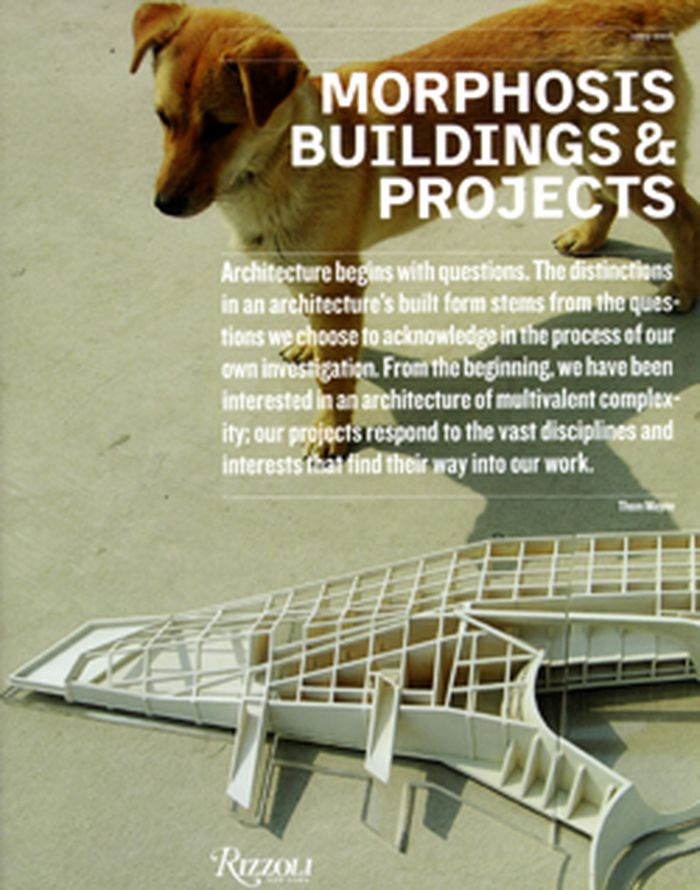
This fifth volume contains 500 illustrations, giving a comprehensive tour of Morphosis’s activity. New works covered in Volume V include Cal Trans Headquarters in Los Angeles (2004); the San Francisco Federal Office building (2006); the Wayne L. Morse United States Courthouse in Eugene, Oregon (2006); and the University of Cincinnati Student Recreation Center (2006).(...)
$98.00
(available to order)
Summary:
This fifth volume contains 500 illustrations, giving a comprehensive tour of Morphosis’s activity. New works covered in Volume V include Cal Trans Headquarters in Los Angeles (2004); the San Francisco Federal Office building (2006); the Wayne L. Morse United States Courthouse in Eugene, Oregon (2006); and the University of Cincinnati Student Recreation Center (2006).(...)
Title:
Morphosis : projects & buildings, 1998-2008
Actions:
Price:
$98.00
(available to order)
Summary:
This fifth volume contains 500 illustrations, giving a comprehensive tour of Morphosis’s activity. New works covered in Volume V include Cal Trans Headquarters in Los Angeles (2004); the San Francisco Federal Office building (2006); the Wayne L. Morse United States Courthouse in Eugene, Oregon (2006); and the University of Cincinnati Student Recreation Center (2006). Projects in progress, such as the New Academic Building for the Cooper Union in New York (expected completion 2008) and the Phare Tower for La Defense, France (2012), are also featured.
Morphosis : projects & buildings, 1998-2008
Actions:
Price:
$98.00
(available to order)
Summary:
This fifth volume contains 500 illustrations, giving a comprehensive tour of Morphosis’s activity. New works covered in Volume V include Cal Trans Headquarters in Los Angeles (2004); the San Francisco Federal Office building (2006); the Wayne L. Morse United States Courthouse in Eugene, Oregon (2006); and the University of Cincinnati Student Recreation Center (2006). Projects in progress, such as the New Academic Building for the Cooper Union in New York (expected completion 2008) and the Phare Tower for La Defense, France (2012), are also featured.
Form:
books
books
Publication:
February 2009, New York
February 2009, New York
Subject:
Architecture Monographs
Architecture Monographs
Form:
books
books
Actions:
(available to order)
Summary:
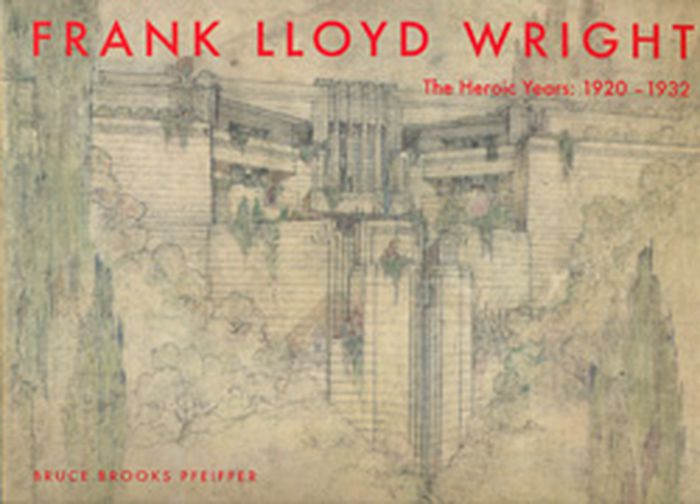
Frank Lloyd Wright’s wife, Olgivanna, is famously quoted as saying that "My husband seemed to thrive on hardships." From the years 1920 to 1932 Wright’s fortunes were at a low ebb; he was plagued by financial, personal, and professional setbacks, but saw the time as one of challenges instead of one of defeat. Unable to find patrons, his imagination led to visionary, often(...)
Title:
Frank Lloyd Wright: the heroic years: 1920-1932
Actions:
(available to order)
Summary:
Frank Lloyd Wright’s wife, Olgivanna, is famously quoted as saying that "My husband seemed to thrive on hardships." From the years 1920 to 1932 Wright’s fortunes were at a low ebb; he was plagued by financial, personal, and professional setbacks, but saw the time as one of challenges instead of one of defeat. Unable to find patrons, his imagination led to visionary, often splendid, architectural conceptions that laid the groundwork for the revolutionary architecture he would build in the decades to follow. During this period he designed almost fifty projects, of which only a few were realized, but those few are seen today as among his most important creations. They include the majestic Imperial Hotel in Tokyo, four exquisite textured concrete block houses in Los Angeles, renovations and additions to his beloved home, Taliesin, in Wisconsin, the Octillo Desert Camp in Chandler, Arizona, and his work as design consultant for the lavish Arizona Biltmore Hotel and Cottages in the desert in Phoenix. Rare and unseen photos as well as little-known drawings from this period are on lavish display in this important work on the master architect.
Frank Lloyd Wright: the heroic years: 1920-1932
Actions:
(available to order)
Summary:
Frank Lloyd Wright’s wife, Olgivanna, is famously quoted as saying that "My husband seemed to thrive on hardships." From the years 1920 to 1932 Wright’s fortunes were at a low ebb; he was plagued by financial, personal, and professional setbacks, but saw the time as one of challenges instead of one of defeat. Unable to find patrons, his imagination led to visionary, often splendid, architectural conceptions that laid the groundwork for the revolutionary architecture he would build in the decades to follow. During this period he designed almost fifty projects, of which only a few were realized, but those few are seen today as among his most important creations. They include the majestic Imperial Hotel in Tokyo, four exquisite textured concrete block houses in Los Angeles, renovations and additions to his beloved home, Taliesin, in Wisconsin, the Octillo Desert Camp in Chandler, Arizona, and his work as design consultant for the lavish Arizona Biltmore Hotel and Cottages in the desert in Phoenix. Rare and unseen photos as well as little-known drawings from this period are on lavish display in this important work on the master architect.
Form:
books
books
Publication:
April 2009
April 2009
Subject:
Architecture Monographs
Architecture Monographs


