


125 Results
Form:
books
books
Title:
Jonas Mekas: Images are real
Jonas Mekas: Images are real
Actions:
Price:
$40.00
(available in store)
Summary:
Through a wide selection of works from the 1960s to the late 2010s, this catalogue aims to read the Lithuanian filmmaker's work as a Dantesque journey leading to happiness, from the infernos of history, through a daily exercise in filmmaking. The title is a quote taken from the film ''Out-takes From the Life of a Happy Man'', in which the artist's voice-over reflects to(...)
$40.00
(available in store)
Summary:
Through a wide selection of works from the 1960s to the late 2010s, this catalogue aims to read the Lithuanian filmmaker's work as a Dantesque journey leading to happiness, from the infernos of history, through a daily exercise in filmmaking. The title is a quote taken from the film ''Out-takes From the Life of a Happy Man'', in which the artist's voice-over reflects to(...)
Title:
Jonas Mekas: Images are real
Actions:
Price:
$40.00
(available in store)
Summary:
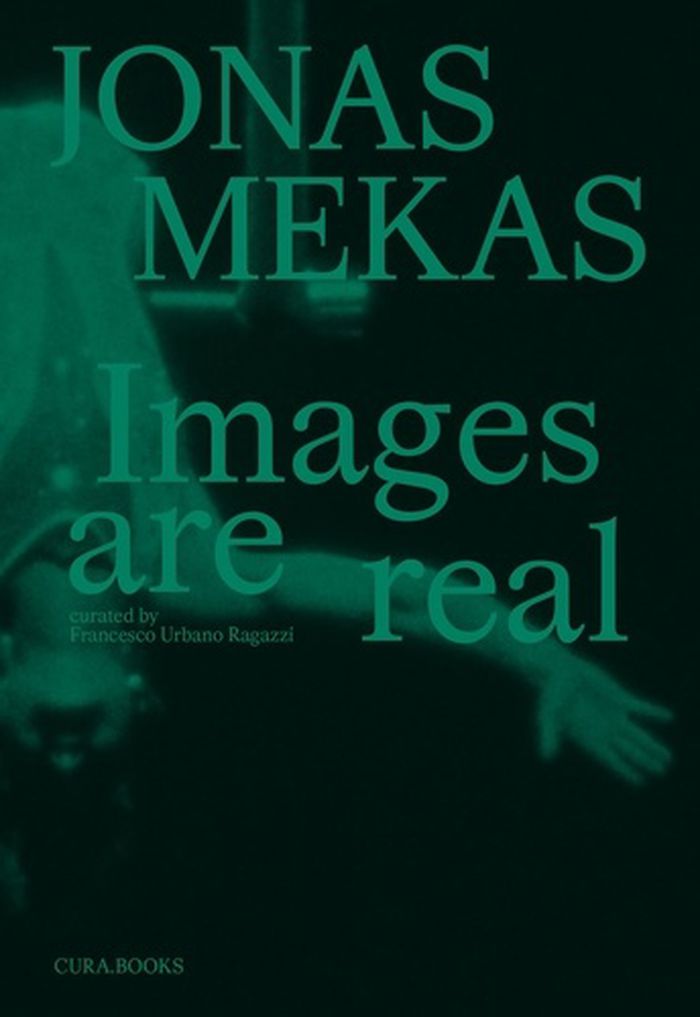
Through a wide selection of works from the 1960s to the late 2010s, this catalogue aims to read the Lithuanian filmmaker's work as a Dantesque journey leading to happiness, from the infernos of history, through a daily exercise in filmmaking. The title is a quote taken from the film ''Out-takes From the Life of a Happy Man'', in which the artist's voice-over reflects to himself, ''Memories are past, but images are here, and images are real!'' Completing the volume are a collection of texts by Francesco Urbano Ragazzi, Hollis Melton, P. Adams Sitney, Ieva Jasinskaite, and Philipp Scheid.
Jonas Mekas: Images are real
Actions:
Price:
$40.00
(available in store)
Summary:
Through a wide selection of works from the 1960s to the late 2010s, this catalogue aims to read the Lithuanian filmmaker's work as a Dantesque journey leading to happiness, from the infernos of history, through a daily exercise in filmmaking. The title is a quote taken from the film ''Out-takes From the Life of a Happy Man'', in which the artist's voice-over reflects to himself, ''Memories are past, but images are here, and images are real!'' Completing the volume are a collection of texts by Francesco Urbano Ragazzi, Hollis Melton, P. Adams Sitney, Ieva Jasinskaite, and Philipp Scheid.
Form:
books
books
Publication:
April 2023
April 2023
Subject:
Architecture and Film, Set Design
Architecture and Film, Set Design
Form:
books
books
Price:
$219.95
(available in store)
Summary:
Concerned with the connection between the built environment and the passage of time, ''Reframing Berlin'' uses film locations in the city to reveal the influence that urban transformation has on memory-making. Covering the city’s history since the beginning of cinema, the book proposes the term urban strategy to understand the range of consequential actions taken by(...)
$219.95
(available in store)
Summary:
Concerned with the connection between the built environment and the passage of time, ''Reframing Berlin'' uses film locations in the city to reveal the influence that urban transformation has on memory-making. Covering the city’s history since the beginning of cinema, the book proposes the term urban strategy to understand the range of consequential actions taken by(...)
Subject:
Architecture and Film, Set Design
Architecture and Film, Set Design
Publication:
March 2023
March 2023
Title:
Reframing Berlin: Architecture, Memory-Making and Film Locations
Actions:
Price:
$219.95
(available in store)
Summary:
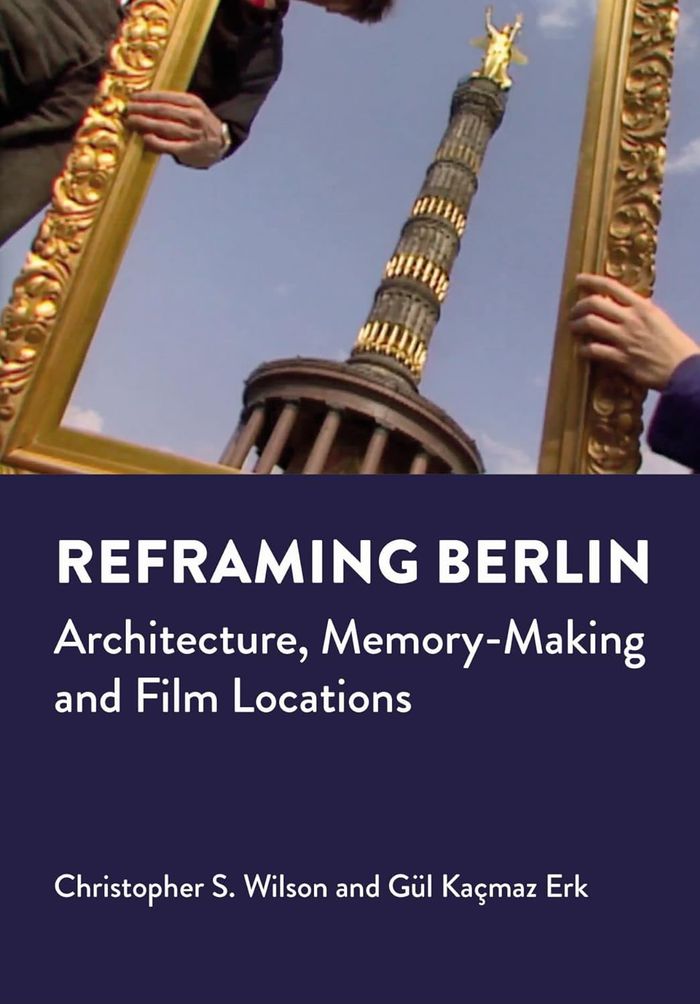
Concerned with the connection between the built environment and the passage of time, ''Reframing Berlin'' uses film locations in the city to reveal the influence that urban transformation has on memory-making. Covering the city’s history since the beginning of cinema, the book proposes the term urban strategy to understand the range of consequential actions taken by politicians, developers, and other powerful figures to shape the nature and future of buildings, streets, and districts. Organizing these strategies from demolition to memorialization, the authors study the ways these actions forget or recall aspects of place. Using cinematic representations of Berlin as an audiovisual archive, the study details how the city has adjusted to its traumatic twentieth-century history through architectural transformations. Two dissimilar case studies frame each strategy, indicating that an approach that works for one building may not be sufficient for another.
Reframing Berlin: Architecture, Memory-Making and Film Locations
Actions:
Price:
$219.95
(available in store)
Summary:
Concerned with the connection between the built environment and the passage of time, ''Reframing Berlin'' uses film locations in the city to reveal the influence that urban transformation has on memory-making. Covering the city’s history since the beginning of cinema, the book proposes the term urban strategy to understand the range of consequential actions taken by politicians, developers, and other powerful figures to shape the nature and future of buildings, streets, and districts. Organizing these strategies from demolition to memorialization, the authors study the ways these actions forget or recall aspects of place. Using cinematic representations of Berlin as an audiovisual archive, the study details how the city has adjusted to its traumatic twentieth-century history through architectural transformations. Two dissimilar case studies frame each strategy, indicating that an approach that works for one building may not be sufficient for another.
Form:
books
books
Publication:
March 2023
March 2023
Subject:
Architecture and Film, Set Design
Architecture and Film, Set Design
Form:
books
books
Title:
Memoria, 2nd edition
Memoria, 2nd edition
Actions:
Price:
$94.00
(available to order)
Summary:
A chronicle of the genesis and creation of "Memoria," the new film by Apichatpong Weerasethakul. After visiting Colombia in 2017, Apichatpong chose the country as the location for his first feature shot outside of his native Thailand. In the following two years, he returned for several visits and travelled extensively, listening to the stories of the people he met along(...)
$94.00
(available to order)
Summary:
A chronicle of the genesis and creation of "Memoria," the new film by Apichatpong Weerasethakul. After visiting Colombia in 2017, Apichatpong chose the country as the location for his first feature shot outside of his native Thailand. In the following two years, he returned for several visits and travelled extensively, listening to the stories of the people he met along(...)
Title:
Memoria, 2nd edition
Actions:
Price:
$94.00
(available to order)
Summary:
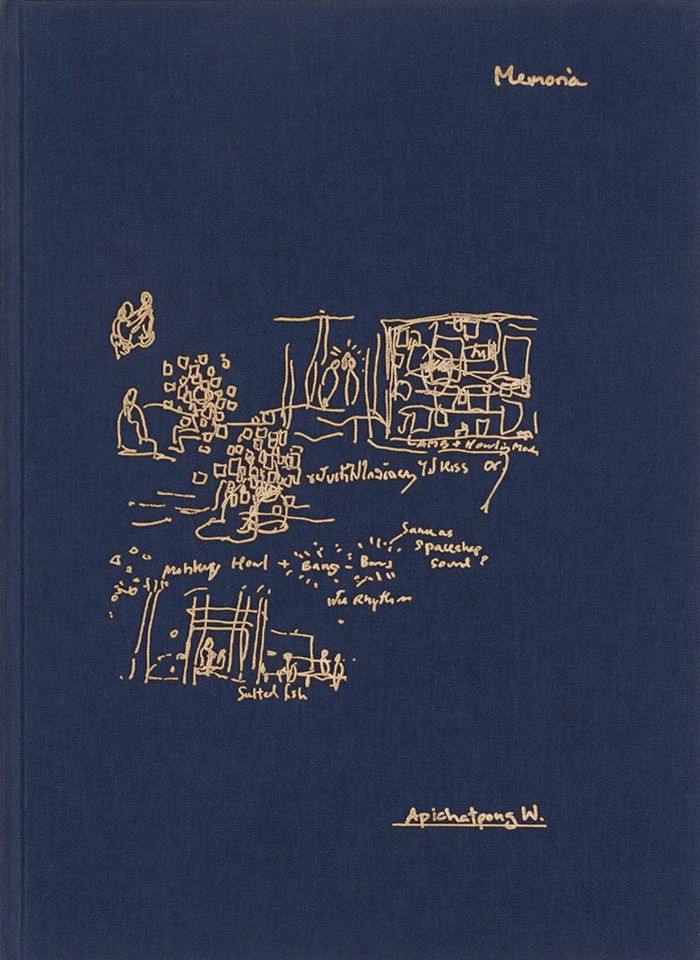
A chronicle of the genesis and creation of "Memoria," the new film by Apichatpong Weerasethakul. After visiting Colombia in 2017, Apichatpong chose the country as the location for his first feature shot outside of his native Thailand. In the following two years, he returned for several visits and travelled extensively, listening to the stories of the people he met along the way. The book "Memoria" gathers the memories he collected, in the form of photographs, a personal diary and sketchbook, research notes, treatment excerpts, and email correspondence.
Memoria, 2nd edition
Actions:
Price:
$94.00
(available to order)
Summary:
A chronicle of the genesis and creation of "Memoria," the new film by Apichatpong Weerasethakul. After visiting Colombia in 2017, Apichatpong chose the country as the location for his first feature shot outside of his native Thailand. In the following two years, he returned for several visits and travelled extensively, listening to the stories of the people he met along the way. The book "Memoria" gathers the memories he collected, in the form of photographs, a personal diary and sketchbook, research notes, treatment excerpts, and email correspondence.
Form:
books
books
Publication:
May 2024
May 2024
Subject:
Architecture and Film, Set Design
Architecture and Film, Set Design
Form:
books
books
Actions:
Price:
$88.00
(available to order)
Summary:
"On the dance floor," a visual and literary compendium of nightclub revelries and sweat-soaked gymnasiums on-screen and off. Featuring deep dives into cinema’s most iconic dance moments and contributions from dance world legends, On the Dance Floor spins out from high school proms and house parties to discos, raves, and the joys of dancing on your own. Features a(...)
$88.00
(available to order)
Summary:
"On the dance floor," a visual and literary compendium of nightclub revelries and sweat-soaked gymnasiums on-screen and off. Featuring deep dives into cinema’s most iconic dance moments and contributions from dance world legends, On the Dance Floor spins out from high school proms and house parties to discos, raves, and the joys of dancing on your own. Features a(...)
Title:
On the dance floor: Spinning out on screen
Actions:
Price:
$88.00
(available to order)
Summary:
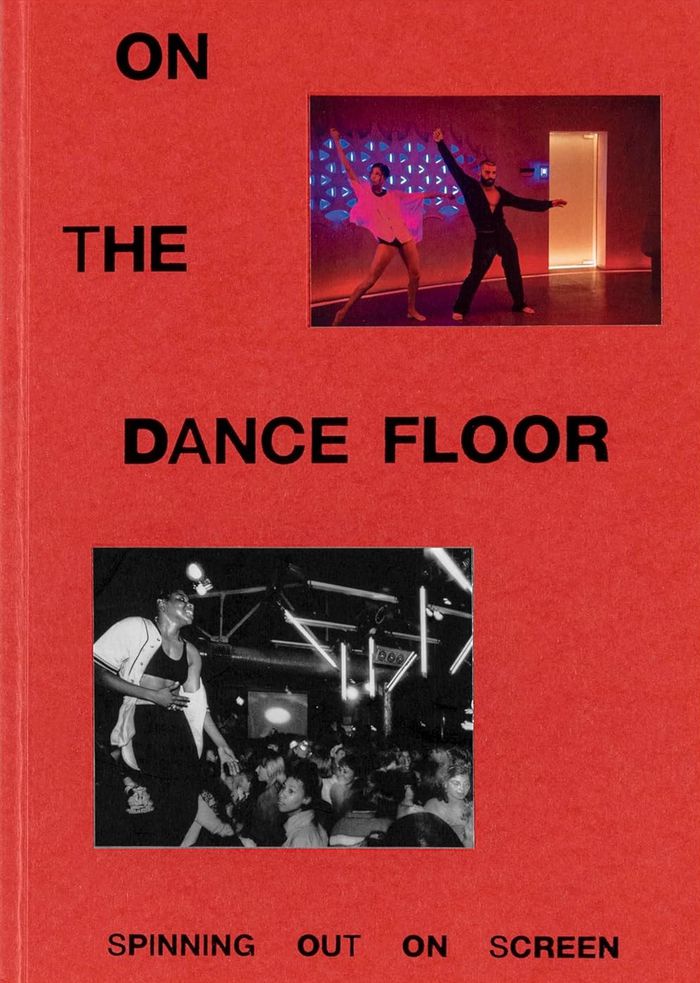
"On the dance floor," a visual and literary compendium of nightclub revelries and sweat-soaked gymnasiums on-screen and off. Featuring deep dives into cinema’s most iconic dance moments and contributions from dance world legends, On the Dance Floor spins out from high school proms and house parties to discos, raves, and the joys of dancing on your own. Features a foreword by Cher; dance floor dispatches from Charli XCX, Ryan Heffington, Lizzy Goodman, and more; conversations with filmmakers and choreographers including Whit Stillman and Kate Beckinsale; and original essays from writers such as Rachel Tashjian and Marlowe Granados.
On the dance floor: Spinning out on screen
Actions:
Price:
$88.00
(available to order)
Summary:
"On the dance floor," a visual and literary compendium of nightclub revelries and sweat-soaked gymnasiums on-screen and off. Featuring deep dives into cinema’s most iconic dance moments and contributions from dance world legends, On the Dance Floor spins out from high school proms and house parties to discos, raves, and the joys of dancing on your own. Features a foreword by Cher; dance floor dispatches from Charli XCX, Ryan Heffington, Lizzy Goodman, and more; conversations with filmmakers and choreographers including Whit Stillman and Kate Beckinsale; and original essays from writers such as Rachel Tashjian and Marlowe Granados.
Form:
books
books
Publication:
September 2024
September 2024
Subject:
Architecture and Film, Set Design
Architecture and Film, Set Design
Form:
books
books
Price:
$66.00
(available to order)
Summary:
''Lost Days, Endless Nights'' tells a history from below—an account of the lives of the forgotten and dispossessed of Los Angeles: the unemployed, the precariously employed, the evicted, the alienated, the unhoused, the anxious, the exhausted. Through an analysis of abandoned archival works, experimental films, and other projects, Andrew Witt offers an expansive account(...)
$66.00
(available to order)
Summary:
''Lost Days, Endless Nights'' tells a history from below—an account of the lives of the forgotten and dispossessed of Los Angeles: the unemployed, the precariously employed, the evicted, the alienated, the unhoused, the anxious, the exhausted. Through an analysis of abandoned archival works, experimental films, and other projects, Andrew Witt offers an expansive account(...)
Title:
Lost days, endless nights: Photography and film from Los Angeles
Actions:
Price:
$66.00
(available to order)
Summary:
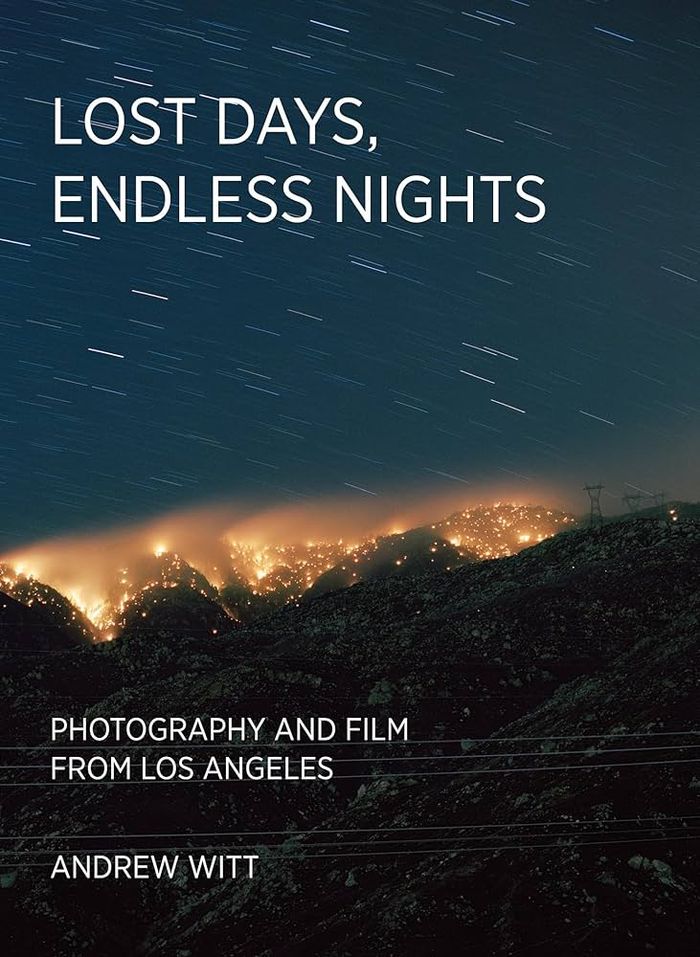
''Lost Days, Endless Nights'' tells a history from below—an account of the lives of the forgotten and dispossessed of Los Angeles: the unemployed, the precariously employed, the evicted, the alienated, the unhoused, the anxious, the exhausted. Through an analysis of abandoned archival works, experimental films, and other projects, Andrew Witt offers an expansive account of the artists who have lived or worked in Los Angeles, delving into the region's history and geography, highlighting its racial, gender, and class conflicts. Presented as a series of nine case studies, Witt explores how artists as diverse as Agnès Varda, Dana Lixenberg, Allan Sekula, Catherine Opie, John Divola, Gregory Halpern, Paul Sepuya, and Guadalupe Rosales have reimagined and reshaped our understanding of contemporary Los Angeles. The book features portraits of those who struggle and attempt to get by in the city: dock workers, students, bus riders, petty criminals, office workers, immigrants, queer and trans activists. Set against the landscape of economic turmoil and environmental crises that shadowed the 1970s, Witt highlights the urgent need for a historical perspective of cultural retrieval and counternarrative. Extending into the present, ''Lost Days, Endless Nights'' advocates for an approach that actively embraces the works and projects that have been overlooked and evicted from the historical imaginary
Lost days, endless nights: Photography and film from Los Angeles
Actions:
Price:
$66.00
(available to order)
Summary:
''Lost Days, Endless Nights'' tells a history from below—an account of the lives of the forgotten and dispossessed of Los Angeles: the unemployed, the precariously employed, the evicted, the alienated, the unhoused, the anxious, the exhausted. Through an analysis of abandoned archival works, experimental films, and other projects, Andrew Witt offers an expansive account of the artists who have lived or worked in Los Angeles, delving into the region's history and geography, highlighting its racial, gender, and class conflicts. Presented as a series of nine case studies, Witt explores how artists as diverse as Agnès Varda, Dana Lixenberg, Allan Sekula, Catherine Opie, John Divola, Gregory Halpern, Paul Sepuya, and Guadalupe Rosales have reimagined and reshaped our understanding of contemporary Los Angeles. The book features portraits of those who struggle and attempt to get by in the city: dock workers, students, bus riders, petty criminals, office workers, immigrants, queer and trans activists. Set against the landscape of economic turmoil and environmental crises that shadowed the 1970s, Witt highlights the urgent need for a historical perspective of cultural retrieval and counternarrative. Extending into the present, ''Lost Days, Endless Nights'' advocates for an approach that actively embraces the works and projects that have been overlooked and evicted from the historical imaginary
Form:
books
books
Publication:
December 2024
December 2024
Subject:
Architecture and Film, Set Design
Architecture and Film, Set Design
Form:
books
books
Price:
$62.00
(available to order)
Summary:
"Architecture, film, and the in-between: spatio-cinematic betwixt" looks at the cinematic representation of architectural in-betweenness, as well as the in-between spaces within the architectural structure of films. As films seek to depict architecture in evolving, original ways, they can also expand betwixt areas, imbuing them with horror or fantasy. Spies can escape(...)
$62.00
(available to order)
Summary:
"Architecture, film, and the in-between: spatio-cinematic betwixt" looks at the cinematic representation of architectural in-betweenness, as well as the in-between spaces within the architectural structure of films. As films seek to depict architecture in evolving, original ways, they can also expand betwixt areas, imbuing them with horror or fantasy. Spies can escape(...)
Subject:
Architecture and Film, Set Design
Architecture and Film, Set Design
Publication:
September 2024
September 2024
Title:
Architecture, film, and the in-between: Spatio-cinematic between
Actions:
Price:
$62.00
(available to order)
Summary:
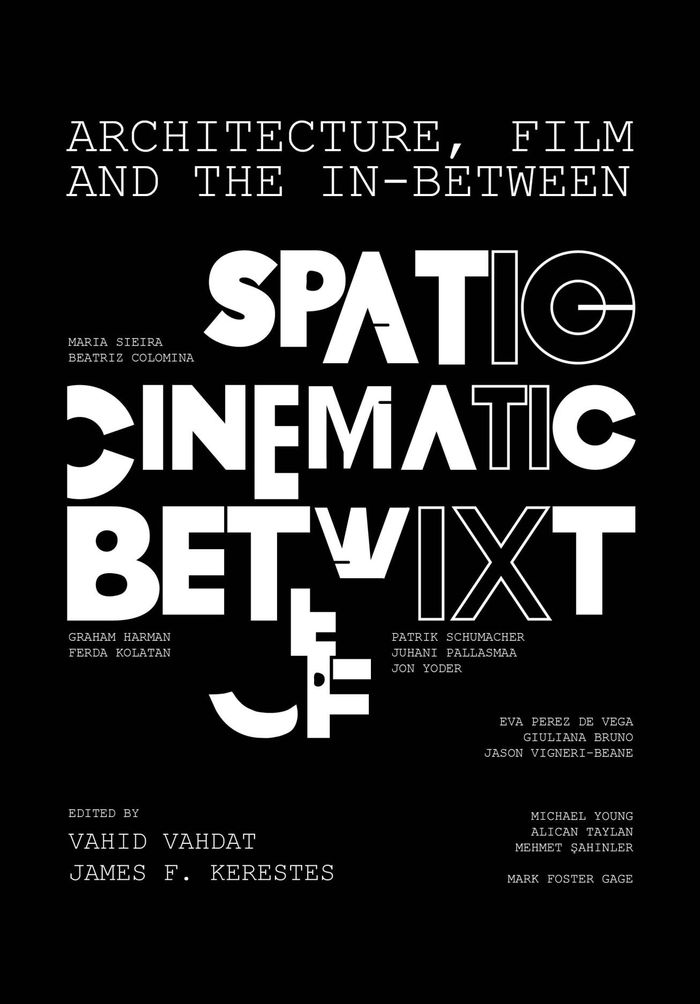
"Architecture, film, and the in-between: spatio-cinematic betwixt" looks at the cinematic representation of architectural in-betweenness, as well as the in-between spaces within the architectural structure of films. As films seek to depict architecture in evolving, original ways, they can also expand betwixt areas, imbuing them with horror or fantasy. Spies can escape inside unconvincingly stable ducts and children can slide through pipes with no discernible function. And just as subway routes and airplanes can stitch together two destinations, loopholes and magic architectural features can connect distinct realms via interstitial spaces. Contributors discuss a range of architects and filmmakers, including John Lautner, David Lynch, Christopher Nolan, Agnès Varda, and Mies van der Rohe, and take diverse approaches to the liminal space between architecture and film, touching on existential experience, post-phenomenological thinking, sociopolitical cinearchitecture, fictive ecologies, and more. Collecting essays by well-respected architects, thinkers, and philosophers—such as Juhani Pallasmaa, Beatriz Colomina, and Graham Harman—the book includes imagery and infographics that map filmic spaces, diagram narratives, and visualize the hidden spatial dimensions of movies.
Architecture, film, and the in-between: Spatio-cinematic between
Actions:
Price:
$62.00
(available to order)
Summary:
"Architecture, film, and the in-between: spatio-cinematic betwixt" looks at the cinematic representation of architectural in-betweenness, as well as the in-between spaces within the architectural structure of films. As films seek to depict architecture in evolving, original ways, they can also expand betwixt areas, imbuing them with horror or fantasy. Spies can escape inside unconvincingly stable ducts and children can slide through pipes with no discernible function. And just as subway routes and airplanes can stitch together two destinations, loopholes and magic architectural features can connect distinct realms via interstitial spaces. Contributors discuss a range of architects and filmmakers, including John Lautner, David Lynch, Christopher Nolan, Agnès Varda, and Mies van der Rohe, and take diverse approaches to the liminal space between architecture and film, touching on existential experience, post-phenomenological thinking, sociopolitical cinearchitecture, fictive ecologies, and more. Collecting essays by well-respected architects, thinkers, and philosophers—such as Juhani Pallasmaa, Beatriz Colomina, and Graham Harman—the book includes imagery and infographics that map filmic spaces, diagram narratives, and visualize the hidden spatial dimensions of movies.
Form:
books
books
Publication:
September 2024
September 2024
Subject:
Architecture and Film, Set Design
Architecture and Film, Set Design
Form:
books
books
Actions:
Price:
$79.00
(available to order)
Summary:
The art of producing color in movies is a fascinating process with a long history. Many people don’t realize that, as early as the 1890s, much of silent cinema was in color. They also may not know that women were the main workforce behind the techniques that first produced these effects, a tradition that continued as the practice evolved. Breakthroughs in color technology(...)
$79.00
(available to order)
Summary:
The art of producing color in movies is a fascinating process with a long history. Many people don’t realize that, as early as the 1890s, much of silent cinema was in color. They also may not know that women were the main workforce behind the techniques that first produced these effects, a tradition that continued as the practice evolved. Breakthroughs in color technology(...)
Subject:
Architecture and Film, Set Design
Architecture and Film, Set Design
Publication:
October 2024
October 2024
Title:
Color in motion: Chromatic explorations of cinema
Actions:
Price:
$79.00
(available to order)
Summary:
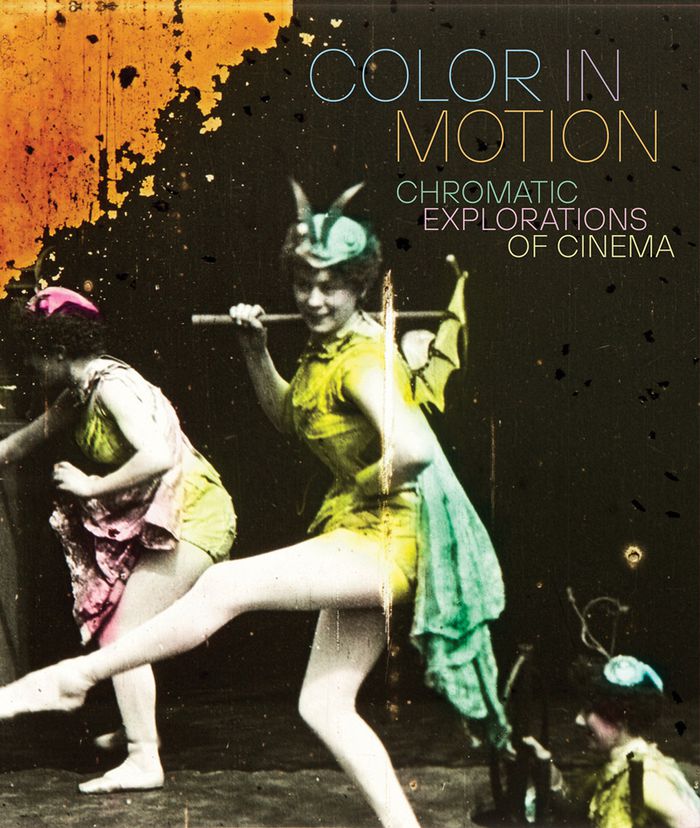
The art of producing color in movies is a fascinating process with a long history. Many people don’t realize that, as early as the 1890s, much of silent cinema was in color. They also may not know that women were the main workforce behind the techniques that first produced these effects, a tradition that continued as the practice evolved. Breakthroughs in color technology have created ongoing opportunities for filmmakers to experiment with new forms of narrative and emotional storytelling. Spectacular, psychological and sensory, color has become an integral part of the cinematic experience. From the earliest hand-painted films to Technicolor and today’s digital cinema, Color in Motion takes readers on a journey through the evolution and significance of color in film. Presenting insightful analysis, engaging case studies and inspiring conversations with scholars and experts in the field, with topics ranging from animation to the intersections of color and race in cinema, it traces the historical development of color technologies and their impact onscreen. Incorporating vivid images of color films throughout history—Serpentine Dance, The Cabinet of Dr. Caligari, Fantasia, The Red Shoes, Vertigo, West Side Story, 2001: A Space Odyssey, Moonlight and more, as well as new multispectral scans of rare silent-era film prints—this essential volume celebrates color’s enduring influence on the medium of film.
Color in motion: Chromatic explorations of cinema
Actions:
Price:
$79.00
(available to order)
Summary:
The art of producing color in movies is a fascinating process with a long history. Many people don’t realize that, as early as the 1890s, much of silent cinema was in color. They also may not know that women were the main workforce behind the techniques that first produced these effects, a tradition that continued as the practice evolved. Breakthroughs in color technology have created ongoing opportunities for filmmakers to experiment with new forms of narrative and emotional storytelling. Spectacular, psychological and sensory, color has become an integral part of the cinematic experience. From the earliest hand-painted films to Technicolor and today’s digital cinema, Color in Motion takes readers on a journey through the evolution and significance of color in film. Presenting insightful analysis, engaging case studies and inspiring conversations with scholars and experts in the field, with topics ranging from animation to the intersections of color and race in cinema, it traces the historical development of color technologies and their impact onscreen. Incorporating vivid images of color films throughout history—Serpentine Dance, The Cabinet of Dr. Caligari, Fantasia, The Red Shoes, Vertigo, West Side Story, 2001: A Space Odyssey, Moonlight and more, as well as new multispectral scans of rare silent-era film prints—this essential volume celebrates color’s enduring influence on the medium of film.
Form:
books
books
Publication:
October 2024
October 2024
Subject:
Architecture and Film, Set Design
Architecture and Film, Set Design
Form:
books
books
Title:
African cinema and urbanism
African cinema and urbanism
Actions:
Price:
$35.95
(available to order)
Summary:
The changing nature of African landscapes, from rural to urbanized spaces, has been a pre-occupation of African media producers since the beginnings of the African film industry in the 1960s. The authors bring together several examples of African documentary and fiction screen media that present, evaluate and criticize urban and rural landscapes, and the rural and urban(...)
$35.95
(available to order)
Summary:
The changing nature of African landscapes, from rural to urbanized spaces, has been a pre-occupation of African media producers since the beginnings of the African film industry in the 1960s. The authors bring together several examples of African documentary and fiction screen media that present, evaluate and criticize urban and rural landscapes, and the rural and urban(...)
Title:
African cinema and urbanism
Actions:
Price:
$35.95
(available to order)
Summary:
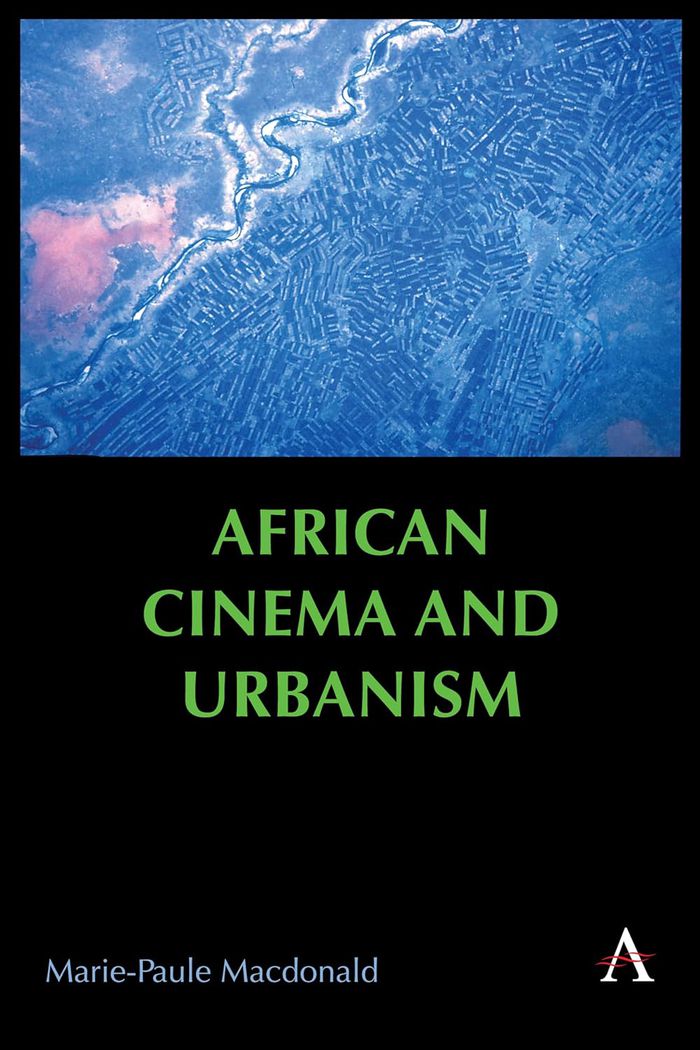
The changing nature of African landscapes, from rural to urbanized spaces, has been a pre-occupation of African media producers since the beginnings of the African film industry in the 1960s. The authors bring together several examples of African documentary and fiction screen media that present, evaluate and criticize urban and rural landscapes, and the rural and urban dynamic of development, in relation to contemporary issues, from biodiversity, sustainability and deforestation, to inequity, women’s rights, political instability, to climate change-related themes of water and food supply, security and sovereignty. These works, comprising multi-platform cinema, streamed moving images and especially documentaries, depict the situations and open the door to rethinking and eventually to the possibilities of proposals responding to the situations portrayed.
African cinema and urbanism
Actions:
Price:
$35.95
(available to order)
Summary:
The changing nature of African landscapes, from rural to urbanized spaces, has been a pre-occupation of African media producers since the beginnings of the African film industry in the 1960s. The authors bring together several examples of African documentary and fiction screen media that present, evaluate and criticize urban and rural landscapes, and the rural and urban dynamic of development, in relation to contemporary issues, from biodiversity, sustainability and deforestation, to inequity, women’s rights, political instability, to climate change-related themes of water and food supply, security and sovereignty. These works, comprising multi-platform cinema, streamed moving images and especially documentaries, depict the situations and open the door to rethinking and eventually to the possibilities of proposals responding to the situations portrayed.
Form:
books
books
Publication:
December 2024
December 2024
Subject:
Architecture and Film, Set Design
Architecture and Film, Set Design
Form:
books
books

Actions:
Price:
$34.00
(available to order)
Summary:
Employing the concept of an anarchic organization of cinematic spaces, the author embarks in this volume on a journey toward an imaginary political trope for the cinema of the present – a working principle that aims to form a new way of thinking by destabilizing outdated structures of cinema.
$34.00
(available to order)
Summary:
Employing the concept of an anarchic organization of cinematic spaces, the author embarks in this volume on a journey toward an imaginary political trope for the cinema of the present – a working principle that aims to form a new way of thinking by destabilizing outdated structures of cinema.
Title:
On the anarchic organization of cinematic spaces: Evoking spaces beyond cinema
Actions:
Price:
$34.00
(available to order)
Summary:
Employing the concept of an anarchic organization of cinematic spaces, the author embarks in this volume on a journey toward an imaginary political trope for the cinema of the present – a working principle that aims to form a new way of thinking by destabilizing outdated structures of cinema.
On the anarchic organization of cinematic spaces: Evoking spaces beyond cinema
Actions:
Price:
$34.00
(available to order)
Summary:
Employing the concept of an anarchic organization of cinematic spaces, the author embarks in this volume on a journey toward an imaginary political trope for the cinema of the present – a working principle that aims to form a new way of thinking by destabilizing outdated structures of cinema.
Form:
books
books
Publication:
March 2024
March 2024
Subject:
Architecture and Film, Set Design
Architecture and Film, Set Design
Form:
books
books

Price:
$71.95
(available to order)
Summary:
Pleins feux sur 40 grands films! « La prisonnière du désert, » « Sur la route de Madison, » « Piège de cristal, » « Chantons sous la pluie, » « Il faut sauver le soldat Ryan, » « Lola Montès »... À travers des scènes minutieusement décrites et sublimées par les illustrations de l’auteur, cet ouvrage s’intéresse à un grand thème de l’architecture et à son traitement par le(...)
$71.95
(available to order)
Summary:
Pleins feux sur 40 grands films! « La prisonnière du désert, » « Sur la route de Madison, » « Piège de cristal, » « Chantons sous la pluie, » « Il faut sauver le soldat Ryan, » « Lola Montès »... À travers des scènes minutieusement décrites et sublimées par les illustrations de l’auteur, cet ouvrage s’intéresse à un grand thème de l’architecture et à son traitement par le(...)
Title:
Ombres & lumières : Un regard croisé entre le cinéma et l'architecture
Actions:
Price:
$71.95
(available to order)
Summary:
Pleins feux sur 40 grands films! « La prisonnière du désert, » « Sur la route de Madison, » « Piège de cristal, » « Chantons sous la pluie, » « Il faut sauver le soldat Ryan, » « Lola Montès »... À travers des scènes minutieusement décrites et sublimées par les illustrations de l’auteur, cet ouvrage s’intéresse à un grand thème de l’architecture et à son traitement par le cinéma : l’ombre et la lumière. Des dessins enchanteurs se succèdent au fil des pages, et ces séquences découpées plan par plan viennent guider notre oeil novice vers ce qui n’est pour nous qu’un détail, mais qui donnera toute sa saveur à la scène. Comme en architecture, chaque élément a une fonction bien précise: telle ombre provoque le suspense, tel éclairage révèle un sentiment...
Ombres & lumières : Un regard croisé entre le cinéma et l'architecture
Actions:
Price:
$71.95
(available to order)
Summary:
Pleins feux sur 40 grands films! « La prisonnière du désert, » « Sur la route de Madison, » « Piège de cristal, » « Chantons sous la pluie, » « Il faut sauver le soldat Ryan, » « Lola Montès »... À travers des scènes minutieusement décrites et sublimées par les illustrations de l’auteur, cet ouvrage s’intéresse à un grand thème de l’architecture et à son traitement par le cinéma : l’ombre et la lumière. Des dessins enchanteurs se succèdent au fil des pages, et ces séquences découpées plan par plan viennent guider notre oeil novice vers ce qui n’est pour nous qu’un détail, mais qui donnera toute sa saveur à la scène. Comme en architecture, chaque élément a une fonction bien précise: telle ombre provoque le suspense, tel éclairage révèle un sentiment...
Form:
books
books
Publication:
June 2024
June 2024
Subject:
Architecture and Film, Set Design
Architecture and Film, Set Design


