


55 Results
Form:
books
books
Actions:
Price:
$94.00
(available to order)
Summary:
On the occasion of the exhibition "Archilab 2006" dedicated to the Japenese architecture and entitled "Nested in the city", Hyx publish the catalog of the exhibition in french and english version. They present all the projects of thirty invited architects and a set of critical texts which put in perspective the stakes and the subjects of the exhibition. More than any(...)
Publication:
October 2006, Orléans
October 2006, Orléans
Title:
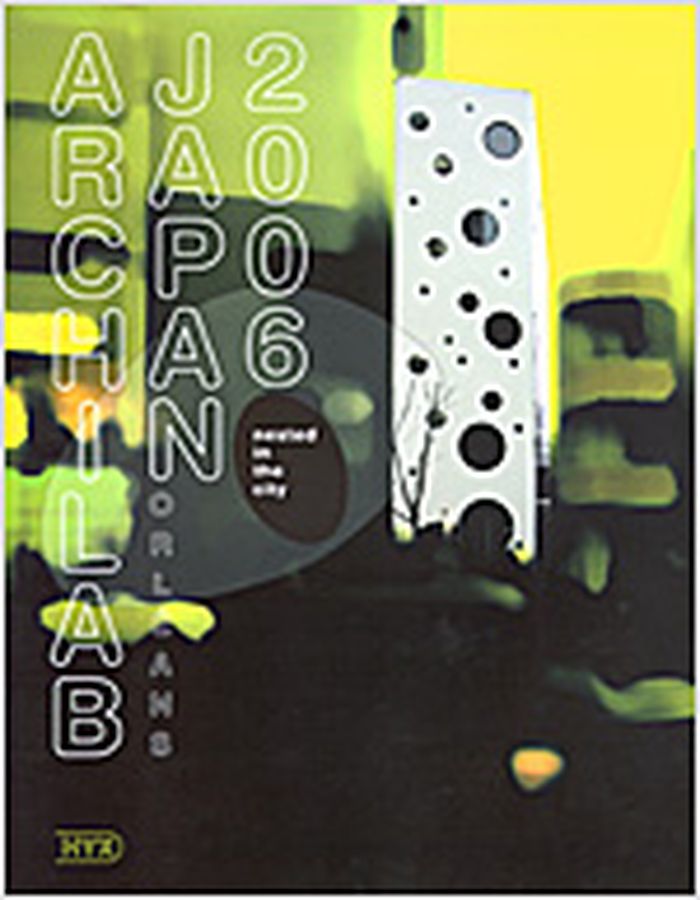
Archilab Japan, Orléans 2006 : nested in the city
Actions:
Price:
$94.00
(available to order)
Summary:
On the occasion of the exhibition "Archilab 2006" dedicated to the Japenese architecture and entitled "Nested in the city", Hyx publish the catalog of the exhibition in french and english version. They present all the projects of thirty invited architects and a set of critical texts which put in perspective the stakes and the subjects of the exhibition. More than any other country, Japan was interested at home, the space domesticates being perceived as a space privileging the thought. Hundred of projects presented in the catalog are built for the greater part. Selected by both curators (Akira Suzuki and Mariko Terada), they offer us a panorama of this architects' new generation which began in the 1990s. The most famous in France are doubtless Shigeru Ban presented to Archilab in 1999 and which was the first one to make approve tubes cardboard as support of his houses and also Kasujo Sejima who saw confiding with Ryue Nishizawa the construction of the Museum of the Louvre to Lens. Symbolic Bow Wow workshop is the Leader of this new generation. After the economic crisis of the end of the 90s, the construction of public establishments of average dimension and the competitions of architecture rarefied. The house thus becomes the space of creation privileged for these architects. That's why, in Tokyo, Jun Aoki, Kazuyo Sejima, Ryue Nishizawa, Takaharu and Yui Tezuka, Mitsuhiko Sato, Taira Nishizawa, Masao Koizumi, Yasuhiro Yamashita, Mikio Tai, Yuki Ishiguro, conceive small houses which embody the way of life of their inhabitants and maybe our future today.
Form:
books
books
Publication:
October 2006, Orléans
October 2006, Orléans
Form:
books
books
Title:
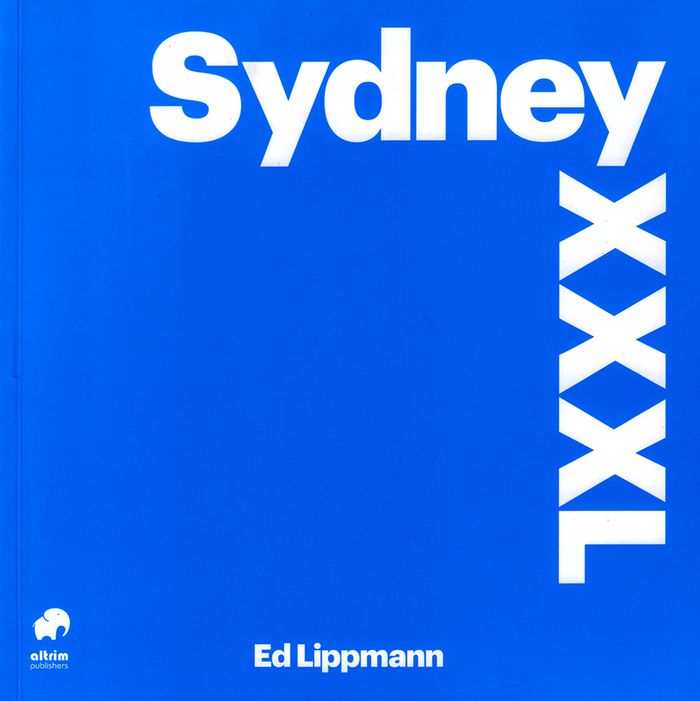
Sydney XXXL
Sydney XXXL
Actions:
Price:
$57.95
(available in store)
Summary:
In less than 250 years Sydney has evolved from fledgling colonial outpost to thriving global city. But behind the perfect postcard images, it is a city that struggles with its own success. This is the point of departure for renowned Sydney architect Ed Lippmann, a first-hand witness to the problems that have emerged from the city’s lack of planning who offers perspectives(...)
Title:
Sydney XXXL
Actions:
Price:
$57.95
(available in store)
Summary:
In less than 250 years Sydney has evolved from fledgling colonial outpost to thriving global city. But behind the perfect postcard images, it is a city that struggles with its own success. This is the point of departure for renowned Sydney architect Ed Lippmann, a first-hand witness to the problems that have emerged from the city’s lack of planning who offers perspectives on how such issues might be avoided in the future. ‘Sydney XXXL’ digs deeply into the city’s history, charting the financial and political interests that shaped its development and identifying the key decisions that need to be made to accommodate future population growth in a more liveable, sustainable city.
Form:
books
books
Publication:
November 2019
November 2019
Form:
books
books
Actions:
Price:
$83.00
(available to order)
Summary:
Au Japon, un fossé générationnel, voire historique, semble s’être creusé entre les images d’une architecture traditionnelle très emblématique où le bois est le matériau de prédilection, et celles plus actuelles de projets innovants où son usage se réduit, depuis l'ère Meiji, à la fin du XIXe siècle. Les auteurs présentent l'évolution des styles architecturaux à l'aide de(...)
Publication:
November 2019
November 2019
Title:
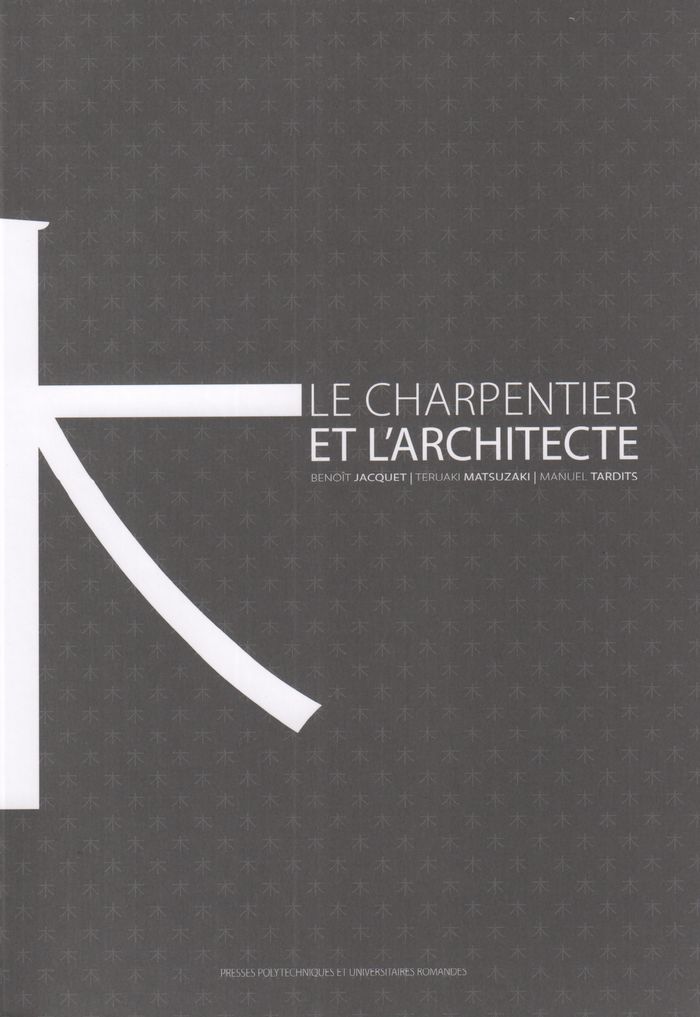
Le charpentier et l'architecte : une histoire de la construction en bois au Japon
Actions:
Price:
$83.00
(available to order)
Summary:
Au Japon, un fossé générationnel, voire historique, semble s’être creusé entre les images d’une architecture traditionnelle très emblématique où le bois est le matériau de prédilection, et celles plus actuelles de projets innovants où son usage se réduit, depuis l'ère Meiji, à la fin du XIXe siècle. Les auteurs présentent l'évolution des styles architecturaux à l'aide de nombreux plans et photos.
Form:
books
books
Publication:
November 2019
November 2019
Form:
books
books
Title:
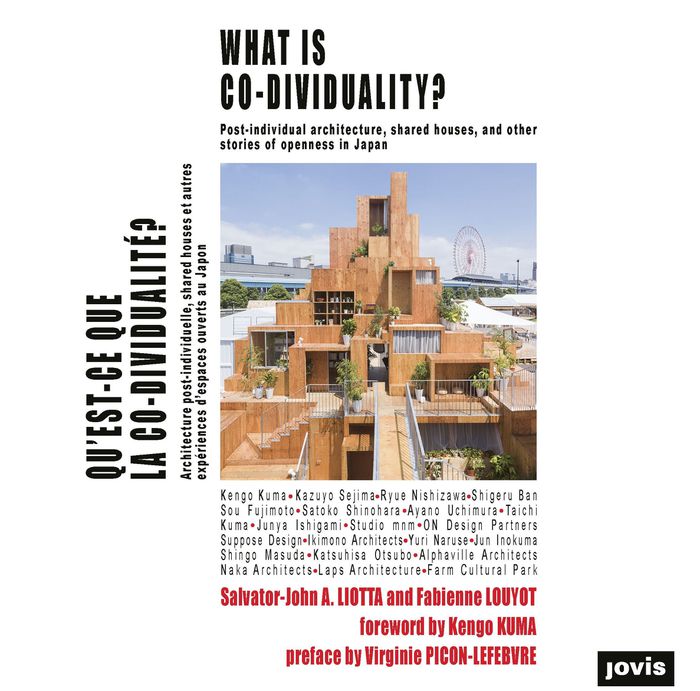
What is co-dividuality?: post-individual architecture, shared houses and other stories of openness
What is co-dividuality?: post-individual architecture, shared houses and other stories of openness
Actions:
Price:
$48.95
(available to order)
Summary:
This book explores the concept of co-dividuality, an architecture that expresses a new response to joint living in the age of postindividualism, social media, and the sharing economy. The focus lies on current experimentation in Japanese architecture and presents thematic homes with shared spaces designed as a result of warm, simple, fun and contemporary design(...)
Publication:
June 2020
June 2020
Title:
What is co-dividuality?: post-individual architecture, shared houses and other stories of openness
Actions:
Price:
$48.95
(available to order)
Summary:
This book explores the concept of co-dividuality, an architecture that expresses a new response to joint living in the age of postindividualism, social media, and the sharing economy. The focus lies on current experimentation in Japanese architecture and presents thematic homes with shared spaces designed as a result of warm, simple, fun and contemporary design reflections. In addition to their private room, the co-tenants have large common areas where they can practice urban farming, create a start-up, cook together, or experience new spatial ergonomics. The book offers an overview not only on domestic space but also on projects characterized by a multifarious mix between public and private spheres. 'What Is Co-dividuality?' reflects on how we might want to live tomorrow. The book includes projects by Kengo Kuma, Kazuyo Sejima, Ryue Nishizawa, Shigeru Ban, Sou Fujimoto, Satoko Shinohara, Ayano Uchimura, Taichi Kuma, Junya Ishigami, Suppose Design, Naruse Inokuma, and Masuda + Otsubo, among others.
Form:
books
books
Publication:
June 2020
June 2020
Form:
books
books
Actions:
Price:
$95.00
(available to order)
Summary:
The development of modern architecture in Korea and, more recently, South Korea, is closely tied to the country’s dramatic transformations since the late 19th century. The authors interrogate major periods from the Late Joseon Dynasty to the vibrant democratic present, showing how architecture, by making technological and stylistic leaps, has played a important role in(...)
Publication:
September 2021
September 2021
Title:
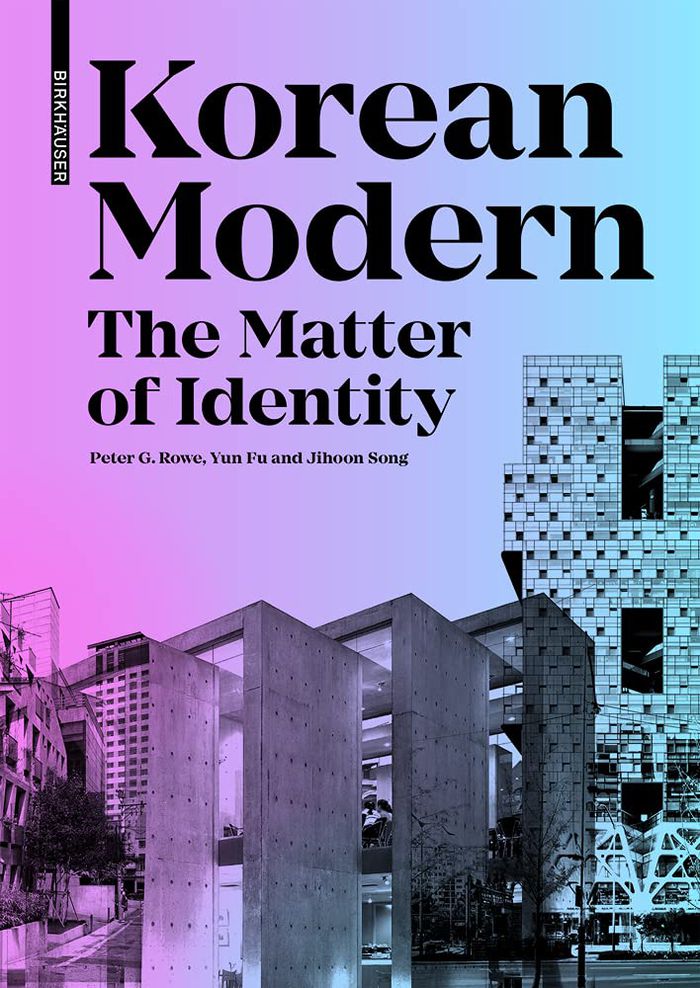
Korean modern: the matter of identity. Modern architecture in an east Asian country
Actions:
Price:
$95.00
(available to order)
Summary:
The development of modern architecture in Korea and, more recently, South Korea, is closely tied to the country’s dramatic transformations since the late 19th century. The authors interrogate major periods from the Late Joseon Dynasty to the vibrant democratic present, showing how architecture, by making technological and stylistic leaps, has played a important role in the construction of the nation’s identity. The architectural analyses, ranging from Hwaseong Fortress to 21st-century constructions like Paju Book City, Ssamziegil Shopping Center, the Boutique Monaco skyscraper, and the Bauzium Sculpture Museum, focus on buildings in which the formation of a specifically Korean modernism is particularly observable. The appendix includes biographical descriptions of major architectural figures.
Form:
books
books
Publication:
September 2021
September 2021
Form:
books
books
Actions:
Price:
$61.00
(available to order)
Summary:
''Japan: nation building nature'' is the first book to map out the views of nature that have shaped the widely acclaimed but often misunderstood modern architecture of Japan. By connecting the dots between philosophy, design, geopolitics, and an earnest quest for a greener tomorrow, this book explains how Japanese culture can shed new light on our understanding of(...)
Title:
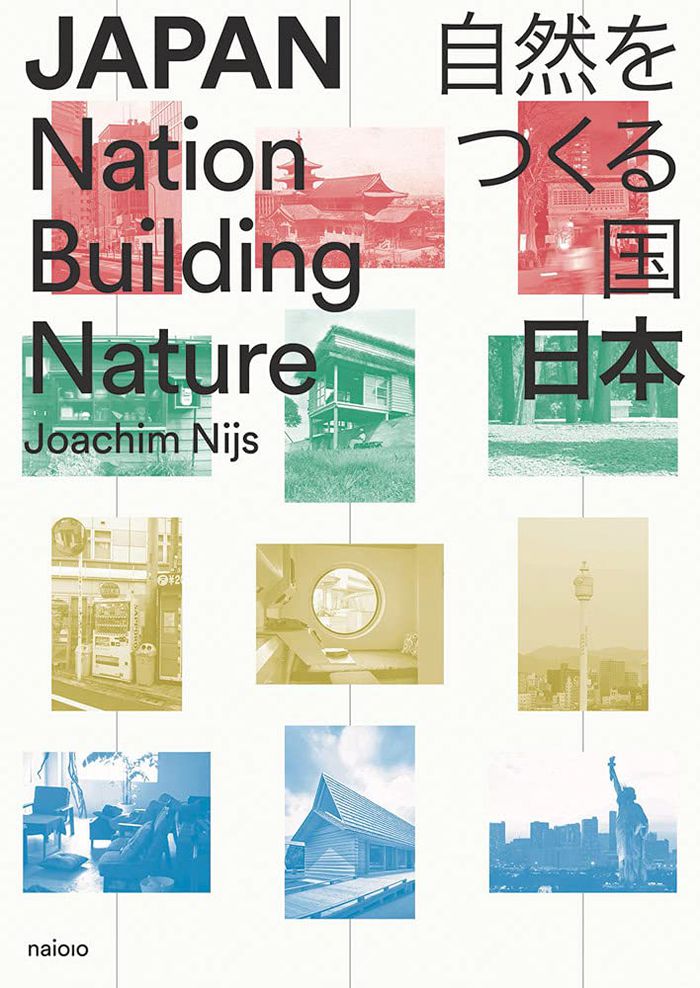
Japan: Nation building nature
Actions:
Price:
$61.00
(available to order)
Summary:
''Japan: nation building nature'' is the first book to map out the views of nature that have shaped the widely acclaimed but often misunderstood modern architecture of Japan. By connecting the dots between philosophy, design, geopolitics, and an earnest quest for a greener tomorrow, this book explains how Japanese culture can shed new light on our understanding of ecology, and vice-versa. Using a distinctive blend of academic research and personal experience, Joachim Nijs draws on architectural history to navigate Japan's complex and unique ecological ethic through the lens of four stereotypical phenomena: earthquakes, monsoon climates, nuclear erasure of life, and insularity.
Form:
books
books
Publication:
September 2021
September 2021
Form:
books
books
Price:
$46.50
(available to order)
Summary:
This publication looks closely on transforming existing real estate by promoting creative clusters, starting with specific architectures that are examined using an open-minded approach. What are the economic, political and design mechanisms used to build and legitimise them? What city concept is designed and built in these spaces? Can we identify recurrent features,(...)
Publication:
April 2022
April 2022
Title:
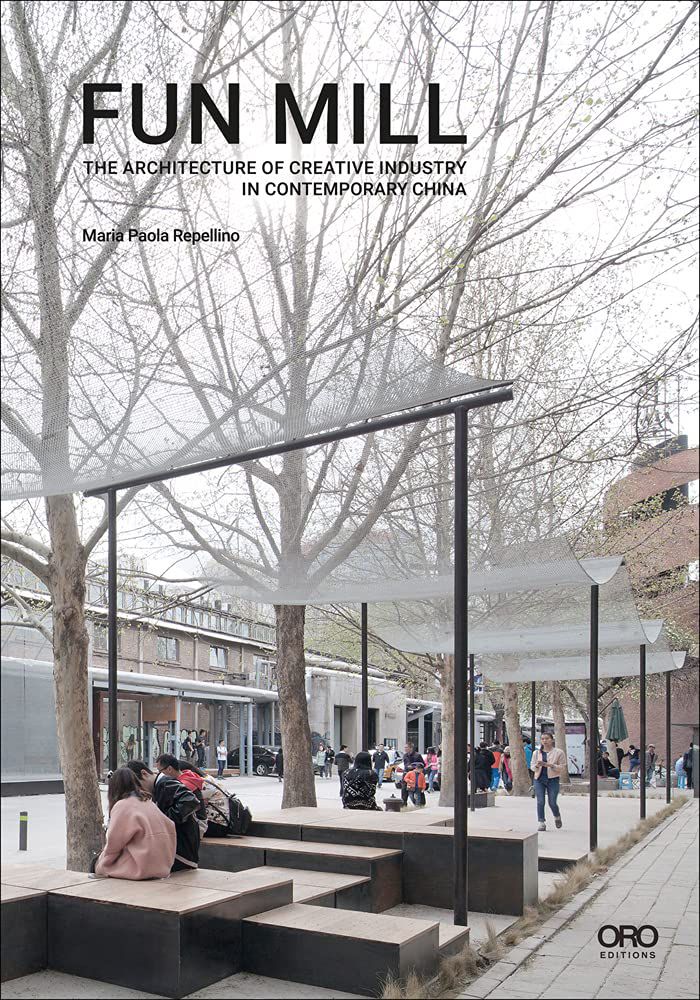
Fun mill: The architecture of creative industry in contemporary China
Actions:
Price:
$46.50
(available to order)
Summary:
This publication looks closely on transforming existing real estate by promoting creative clusters, starting with specific architectures that are examined using an open-minded approach. What are the economic, political and design mechanisms used to build and legitimise them? What city concept is designed and built in these spaces? Can we identify recurrent features, general issues, and compositional orders and logic? The book discusses creative clusters as fertile ground for research and action involving the architectural and urban project and outlines several distinctive traits of professional and design practices in China in the last decade. In particular, the book focus on three recurrent methods used by architectural projects to reconfigure space—Collecting icons, Shifting scale, Bounding borders.
Form:
books
books
Publication:
April 2022
April 2022
Form:
books
books
Actions:
Price:
$120.99
(available to order)
Summary:
This book argues that Japanese modern architecture emerged from identifiable events: political, social, economic, historical events, and is as susceptible as any other architecture to analysis and criticism in these terms. Episodic rather than encyclopaedic, this book does not describe every twist and turn in the development of modern Japanese architecture, but rather, it(...)
Title:
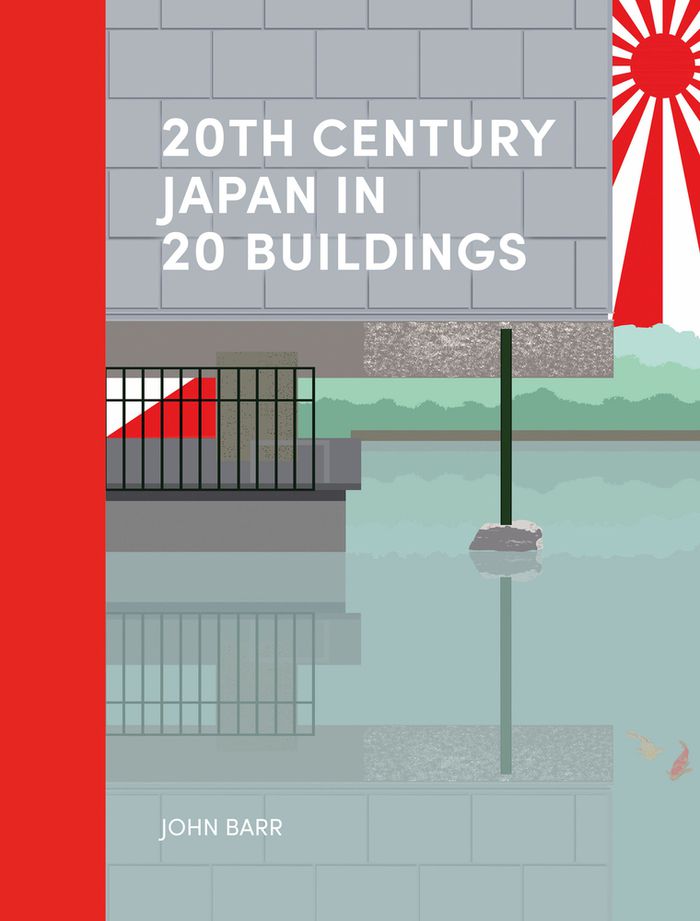
20th century Japan in 20 buildings
Actions:
Price:
$120.99
(available to order)
Summary:
This book argues that Japanese modern architecture emerged from identifiable events: political, social, economic, historical events, and is as susceptible as any other architecture to analysis and criticism in these terms. Episodic rather than encyclopaedic, this book does not describe every twist and turn in the development of modern Japanese architecture, but rather, it examines twenty buildings spanning the 20th century and places them in the context of the political, social and economic, as well as the historical and cultural factors that shaped both them and modern Japan. Each building has been chosen because it reflects a major event in the development of modern Japan and its architecture.
Form:
books
books
Publication:
July 2022
July 2022
Form:
books
books
Title:
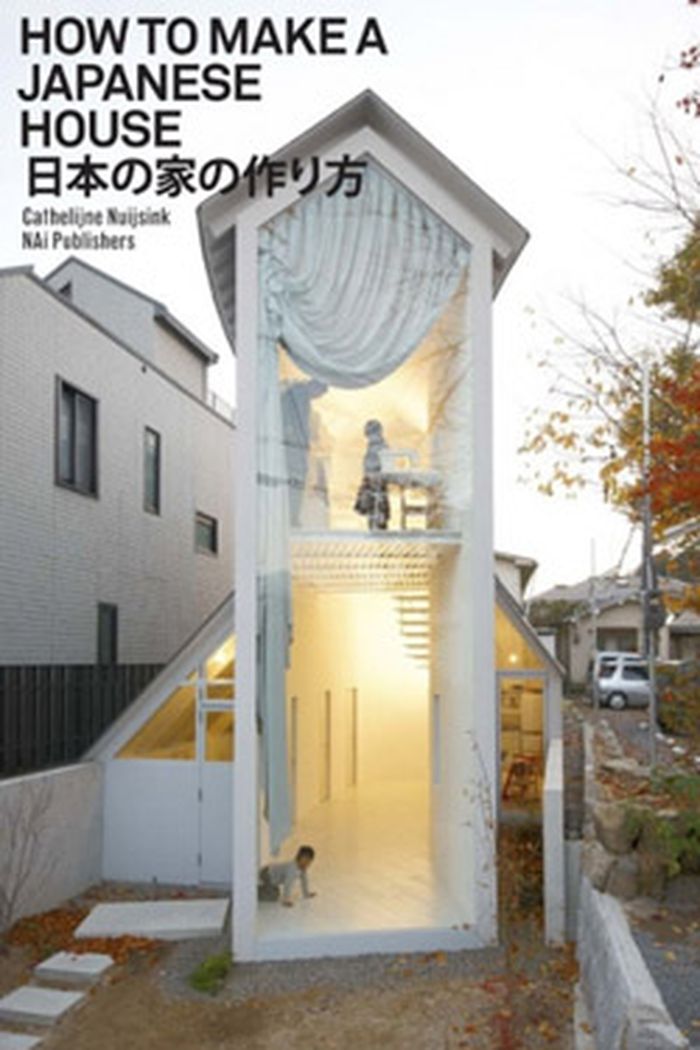
How to make a Japanese house
How to make a Japanese house
Actions:
Price:
$77.95
(available in store)
Summary:
Nowhere in the world have architects built homes as small as in Japan, and nowhere have they done so with such ingenuity and success. "How to Make a Japanese House" presents 21 lessons in how to design a single-family home from three decades of architectural practice. From the Western perspective, in which more space is better space, small interiors may once have seemed(...)
Publication:
September 2012
September 2012
Title:
How to make a Japanese house
Actions:
Price:
$77.95
(available in store)
Summary:
Nowhere in the world have architects built homes as small as in Japan, and nowhere have they done so with such ingenuity and success. "How to Make a Japanese House" presents 21 lessons in how to design a single-family home from three decades of architectural practice. From the Western perspective, in which more space is better space, small interiors may once have seemed undesirable, but Japanese architects have long excelled at overcoming the limitations of building in densely populated areas and creating brilliant effects of spaciousness with minimal square footage.
Form:
books
books
Publication:
September 2012
September 2012
Form:
books
books
Actions:
Price:
$51.95
(available to order)
Summary:
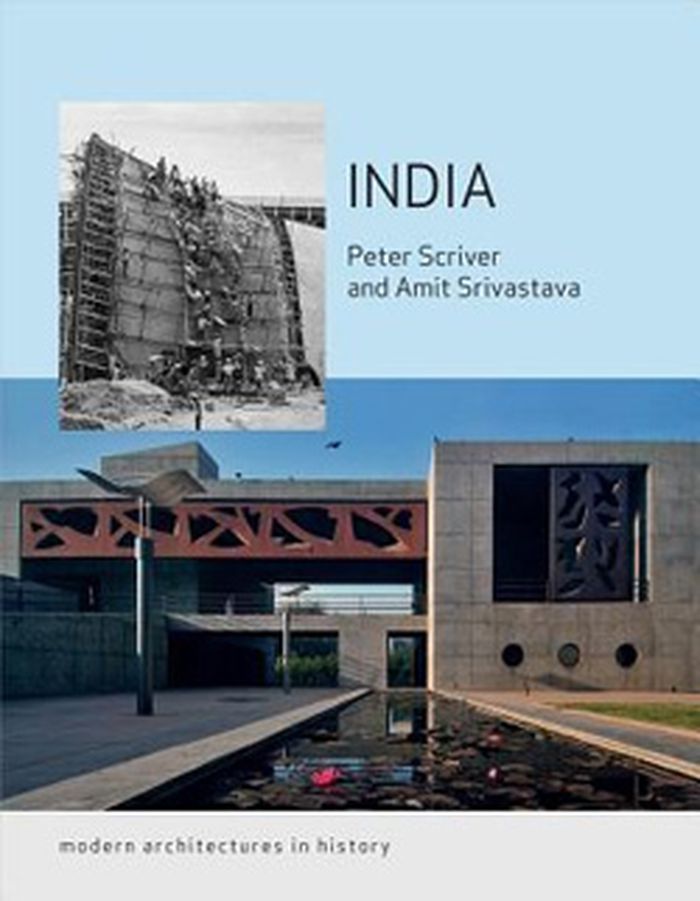
Going back to the nineteenth century, Scriver and Srivastava look at the beginnings of modernism in colonial India and the ways that public works and patronage fostered new design practices that directly challenged the social order and values invested in the building traditions of the past. They then trace how India’s architecture embodies the dramatic shifts in Indian(...)
Publication:
June 2015
June 2015
Title:
India: modern architecture in history
Actions:
Price:
$51.95
(available to order)
Summary:
Going back to the nineteenth century, Scriver and Srivastava look at the beginnings of modernism in colonial India and the ways that public works and patronage fostered new design practices that directly challenged the social order and values invested in the building traditions of the past. They then trace how India’s architecture embodies the dramatic shifts in Indian society and culture during the last century. Making sense of a broad range of sources, from private papers and photographic collections to the extensive records of the Indian Public Works Department, they provide the most rounded account of modern architecture in India that has yet been available.
Form:
books
books
Publication:
June 2015
June 2015


