


1204 Results
Form:
books
books
Actions:
Price:
$54.95
(available in store)
Summary:
Un nombre croissant d'artistes contemporains opte pour le mode de l'enquête. Plutôt que de « faire œuvre », ces artistes se soucient avant tout de documenter la violence d'État, l'effet des technologies répressives ou la destruction de l'environnement. En parallèle, des journalistes, des avocats et des activistes ont de plus en plus recours à des pratiques de(...)
$54.95
(available in store)
Summary:
Un nombre croissant d'artistes contemporains opte pour le mode de l'enquête. Plutôt que de « faire œuvre », ces artistes se soucient avant tout de documenter la violence d'État, l'effet des technologies répressives ou la destruction de l'environnement. En parallèle, des journalistes, des avocats et des activistes ont de plus en plus recours à des pratiques de(...)
Title:
L'art de la contre-enquête : Esthétiques de l'investigation, politiques de vérité
Actions:
Price:
$54.95
(available in store)
Summary:
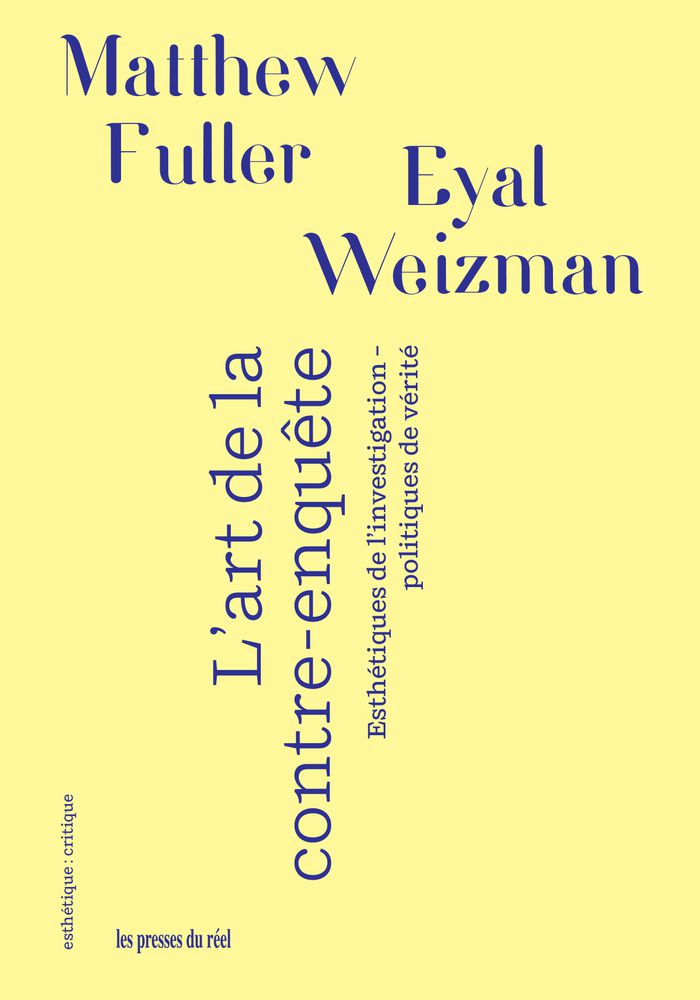
Un nombre croissant d'artistes contemporains opte pour le mode de l'enquête. Plutôt que de « faire œuvre », ces artistes se soucient avant tout de documenter la violence d'État, l'effet des technologies répressives ou la destruction de l'environnement. En parallèle, des journalistes, des avocats et des activistes ont de plus en plus recours à des pratiques de visualisation issues du domaine de l'art. En croisant vidéos amateurs, images satellites et témoignages, des contre-enquêtes voient le jour dont la dimension visuelle et esthétique a d'autant plus d'impact. Le livre donne à voir toute l'ampleur de cette nouvelle « esthétique d'investigation » : en mobilisant des stratégies éprouvées en art ou en architecture, il s'agit de montrer les torts subis et de faire émerger une vérité souvent inconfortable. Le travail mené depuis désormais de longues années par « Forensic Architecture » rejoint d'autres pratiques de contre-analyse citoyenne, afin de briser les monopoles d'État sur les technologies de surveillance et de contredire les récits officiels. Que ce soit dans l'atelier ou le laboratoire, la salle d'audience ou la galerie, en ligne ou dans la rue, cet art de la contre-enquête replace la vérité au cœur d'un souci partagé et tisse les liens d'un nouveau « sens commun ».
L'art de la contre-enquête : Esthétiques de l'investigation, politiques de vérité
Actions:
Price:
$54.95
(available in store)
Summary:
Un nombre croissant d'artistes contemporains opte pour le mode de l'enquête. Plutôt que de « faire œuvre », ces artistes se soucient avant tout de documenter la violence d'État, l'effet des technologies répressives ou la destruction de l'environnement. En parallèle, des journalistes, des avocats et des activistes ont de plus en plus recours à des pratiques de visualisation issues du domaine de l'art. En croisant vidéos amateurs, images satellites et témoignages, des contre-enquêtes voient le jour dont la dimension visuelle et esthétique a d'autant plus d'impact. Le livre donne à voir toute l'ampleur de cette nouvelle « esthétique d'investigation » : en mobilisant des stratégies éprouvées en art ou en architecture, il s'agit de montrer les torts subis et de faire émerger une vérité souvent inconfortable. Le travail mené depuis désormais de longues années par « Forensic Architecture » rejoint d'autres pratiques de contre-analyse citoyenne, afin de briser les monopoles d'État sur les technologies de surveillance et de contredire les récits officiels. Que ce soit dans l'atelier ou le laboratoire, la salle d'audience ou la galerie, en ligne ou dans la rue, cet art de la contre-enquête replace la vérité au cœur d'un souci partagé et tisse les liens d'un nouveau « sens commun ».
Form:
books
books
Publication:
October 2025
October 2025
Subject:
Art Theory
Art Theory
Form:
books
books
Actions:
Price:
$98.00
(available to order)
Summary:
If you enter an institutional mineralogical collection, you typically encounter glass cabinets organized by classification systems according to material properties. Yet, each mineral carries with it a history of extraction, destruction, (dis)possession, and global relations. "Transpositional geologies" localizes such collections as indices of the afterlife of colonialism(...)
$98.00
(available to order)
Summary:
If you enter an institutional mineralogical collection, you typically encounter glass cabinets organized by classification systems according to material properties. Yet, each mineral carries with it a history of extraction, destruction, (dis)possession, and global relations. "Transpositional geologies" localizes such collections as indices of the afterlife of colonialism(...)
Title:
Transpositional geologies: Spectres of coloniality
Actions:
Price:
$98.00
(available to order)
Summary:
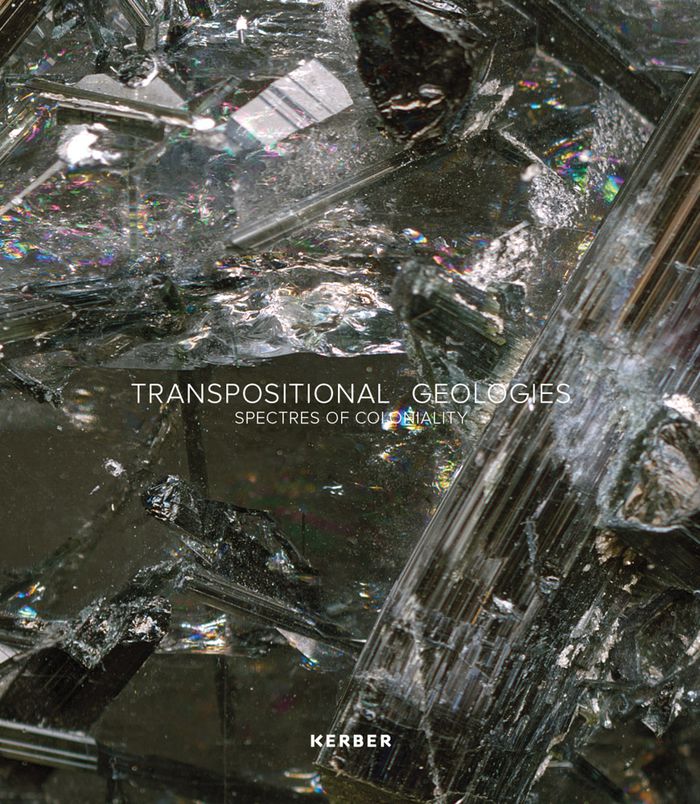
If you enter an institutional mineralogical collection, you typically encounter glass cabinets organized by classification systems according to material properties. Yet, each mineral carries with it a history of extraction, destruction, (dis)possession, and global relations. "Transpositional geologies" localizes such collections as indices of the afterlife of colonialism and proposes an evolving political geology, reading mineral specimens as objects of "culture" rather than of "nature." Capturing his five-year artistic engagement and cultural collaboration in Namibia and Germany, Sascha Mikloweit brings together international voices from fields including anthropology, critical theory, geology, history, museum studies, philosophy, poetry, public administration—and the perspectives of boltwoodite, cerussite, or smithsonite. Rock by rock, this exquisitely designed volume invites us to engage with a progressively nuanced reading of geology’s history: its epistemic violence, omissions and racial regimes, and how the lasting residues of its colonial legacies continue to shape our present-day extractive realities.
Transpositional geologies: Spectres of coloniality
Actions:
Price:
$98.00
(available to order)
Summary:
If you enter an institutional mineralogical collection, you typically encounter glass cabinets organized by classification systems according to material properties. Yet, each mineral carries with it a history of extraction, destruction, (dis)possession, and global relations. "Transpositional geologies" localizes such collections as indices of the afterlife of colonialism and proposes an evolving political geology, reading mineral specimens as objects of "culture" rather than of "nature." Capturing his five-year artistic engagement and cultural collaboration in Namibia and Germany, Sascha Mikloweit brings together international voices from fields including anthropology, critical theory, geology, history, museum studies, philosophy, poetry, public administration—and the perspectives of boltwoodite, cerussite, or smithsonite. Rock by rock, this exquisitely designed volume invites us to engage with a progressively nuanced reading of geology’s history: its epistemic violence, omissions and racial regimes, and how the lasting residues of its colonial legacies continue to shape our present-day extractive realities.
Form:
books
books
Publication:
August 2025
August 2025
Subject:
Art Theory
Art Theory
Form:
books
books
Price:
$42.95
(available in store)
Summary:
Walking is as much a cultural practice as it is an embodied experience. The contributions in this book highlight the interrelations between bodies, knowledges, places, affects, and other materialities through phenomenological, artistic, and methodological lenses. Walking is explored as a relational practice situated in specific landscapes—it connects different cultural(...)
$42.95
(available in store)
Summary:
Walking is as much a cultural practice as it is an embodied experience. The contributions in this book highlight the interrelations between bodies, knowledges, places, affects, and other materialities through phenomenological, artistic, and methodological lenses. Walking is explored as a relational practice situated in specific landscapes—it connects different cultural(...)
Title:
Walking as embodied worldmaking: Bodies, borders, knowledgescapes
Actions:
Price:
$42.95
(available in store)
Summary:
Walking is as much a cultural practice as it is an embodied experience. The contributions in this book highlight the interrelations between bodies, knowledges, places, affects, and other materialities through phenomenological, artistic, and methodological lenses. Walking is explored as a relational practice situated in specific landscapes—it connects different cultural practices, holds material-semiotic performativity, and always involves an interweaving of (geo)political territories and borders. This book brings together written and visual contributions from social scientists and artists, offering a vibrant and multifaceted perspective on the phenomenon of walking.
Walking as embodied worldmaking: Bodies, borders, knowledgescapes
Actions:
Price:
$42.95
(available in store)
Summary:
Walking is as much a cultural practice as it is an embodied experience. The contributions in this book highlight the interrelations between bodies, knowledges, places, affects, and other materialities through phenomenological, artistic, and methodological lenses. Walking is explored as a relational practice situated in specific landscapes—it connects different cultural practices, holds material-semiotic performativity, and always involves an interweaving of (geo)political territories and borders. This book brings together written and visual contributions from social scientists and artists, offering a vibrant and multifaceted perspective on the phenomenon of walking.
Form:
books
books
Publication:
December 2025
December 2025
Subject:
Art Theory
Art Theory
Form:
books
books
Title:
A Grammar Built with Rocks
A Grammar Built with Rocks
Actions:
Price:
$65.00
(available to order)
Summary:
Featuring writing and artistic practices that trace the racialized and gendered relationship between bodies and land, "A Grammar Built with Rocks" explores artists’ engagement with sites of physical dispossession and socio-ecological crisis, highlighting how creative research methodologies can serve as radically new place-making practices. The publication brings together(...)
$65.00
(available to order)
Summary:
Featuring writing and artistic practices that trace the racialized and gendered relationship between bodies and land, "A Grammar Built with Rocks" explores artists’ engagement with sites of physical dispossession and socio-ecological crisis, highlighting how creative research methodologies can serve as radically new place-making practices. The publication brings together(...)
Title:
A Grammar Built with Rocks
Actions:
Price:
$65.00
(available to order)
Summary:
Featuring writing and artistic practices that trace the racialized and gendered relationship between bodies and land, "A Grammar Built with Rocks" explores artists’ engagement with sites of physical dispossession and socio-ecological crisis, highlighting how creative research methodologies can serve as radically new place-making practices. The publication brings together a range of feminist-decolonial texts and visual contributions that explore how movement, transience, and improvisation offer alternative ways of being-together while being-in-place.
A Grammar Built with Rocks
Actions:
Price:
$65.00
(available to order)
Summary:
Featuring writing and artistic practices that trace the racialized and gendered relationship between bodies and land, "A Grammar Built with Rocks" explores artists’ engagement with sites of physical dispossession and socio-ecological crisis, highlighting how creative research methodologies can serve as radically new place-making practices. The publication brings together a range of feminist-decolonial texts and visual contributions that explore how movement, transience, and improvisation offer alternative ways of being-together while being-in-place.
Form:
books
books
Publication:
September 2025
September 2025
Subject:
Art Theory
Art Theory
Form:
books
books
Actions:
Price:
$30.00
(available in store)
Summary:
''The Mountain Speaks to the Sea'' delves into Tekla Aslanishvili’s experimental film trilogy, which investigates regimes of infrastructural governance by examining how ports, railways, and smart city projects act as technologies of citizenship and sovereignty. Images of distant geographies are connected with future orientations, revealing the disruptive impacts of(...)
$30.00
(available in store)
Summary:
''The Mountain Speaks to the Sea'' delves into Tekla Aslanishvili’s experimental film trilogy, which investigates regimes of infrastructural governance by examining how ports, railways, and smart city projects act as technologies of citizenship and sovereignty. Images of distant geographies are connected with future orientations, revealing the disruptive impacts of(...)
Title:
Tekla Aslanishvili: The Mountain Speaks to the Sea
Actions:
Price:
$30.00
(available in store)
Summary:
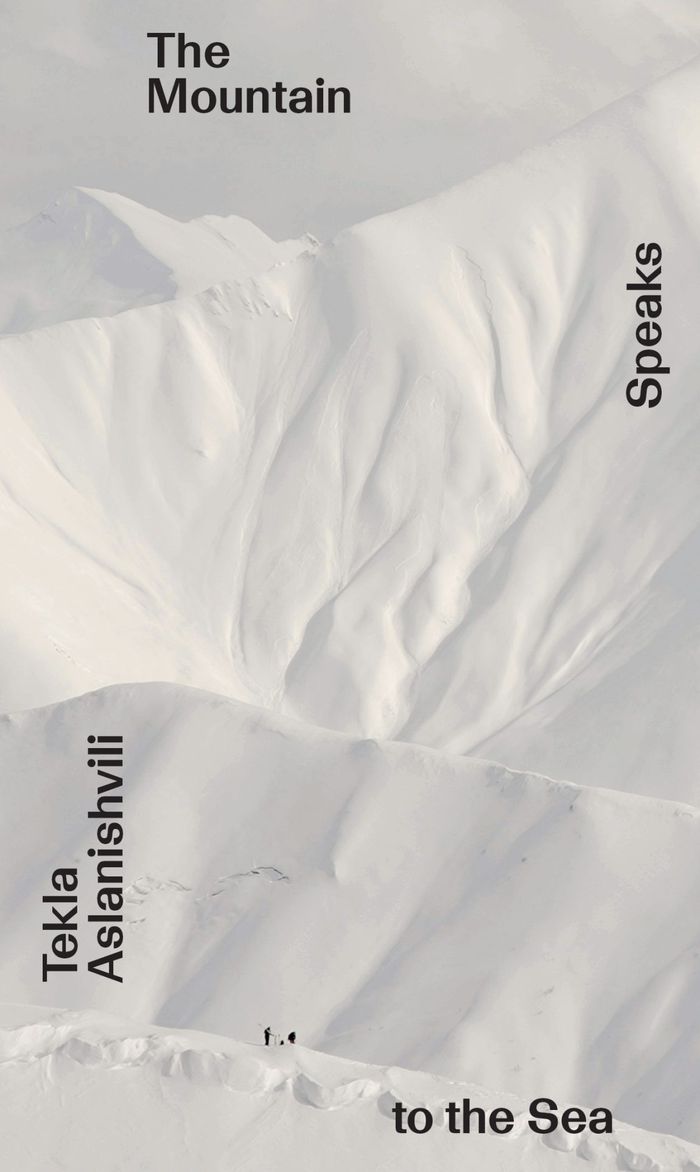
''The Mountain Speaks to the Sea'' delves into Tekla Aslanishvili’s experimental film trilogy, which investigates regimes of infrastructural governance by examining how ports, railways, and smart city projects act as technologies of citizenship and sovereignty. Images of distant geographies are connected with future orientations, revealing the disruptive impacts of large-scale energy and transportation projects on the ecologies of the South Caucasus. The publication focuses on the potentiality of moving images in the making and unmaking of infrastructures. By zooming in and out on the grand narratives of infrastructural development, it assembles fragmented (hi)stories of people who live and work around sites of transit and extraction, sabotaging their material systems to challenge violent practices of statecraft. Positioned between an artist’s book and a reader, ''The Mountain Speaks to the Sea'' features contributions from writers and scholars in visual culture, political science and critical geography, and experiments with ways of translating film into printed matter.
Tekla Aslanishvili: The Mountain Speaks to the Sea
Actions:
Price:
$30.00
(available in store)
Summary:
''The Mountain Speaks to the Sea'' delves into Tekla Aslanishvili’s experimental film trilogy, which investigates regimes of infrastructural governance by examining how ports, railways, and smart city projects act as technologies of citizenship and sovereignty. Images of distant geographies are connected with future orientations, revealing the disruptive impacts of large-scale energy and transportation projects on the ecologies of the South Caucasus. The publication focuses on the potentiality of moving images in the making and unmaking of infrastructures. By zooming in and out on the grand narratives of infrastructural development, it assembles fragmented (hi)stories of people who live and work around sites of transit and extraction, sabotaging their material systems to challenge violent practices of statecraft. Positioned between an artist’s book and a reader, ''The Mountain Speaks to the Sea'' features contributions from writers and scholars in visual culture, political science and critical geography, and experiments with ways of translating film into printed matter.
Form:
books
books
Publication:
September 2025
September 2025
Subject:
Art Theory
Art Theory
Form:
books
books
Price:
$38.50
(available in store)
Summary:
In ''The Aesthetics of Ambiguity: Understanding and Addressing Monoculture'' Pascal Gielen and Nav Haq argue that multiculturalism is paradoxically based on monocultural thinking. The publication explores this paradox by exploring monoculture in a variety of contemporary contexts. The book sets out to analyse monoculture using a multifaceted approach, by bringing together(...)
$38.50
(available in store)
Summary:
In ''The Aesthetics of Ambiguity: Understanding and Addressing Monoculture'' Pascal Gielen and Nav Haq argue that multiculturalism is paradoxically based on monocultural thinking. The publication explores this paradox by exploring monoculture in a variety of contemporary contexts. The book sets out to analyse monoculture using a multifaceted approach, by bringing together(...)
Title:
The aesthetics of ambiguity: Understanding and adressing monoculture
Actions:
Price:
$38.50
(available in store)
Summary:
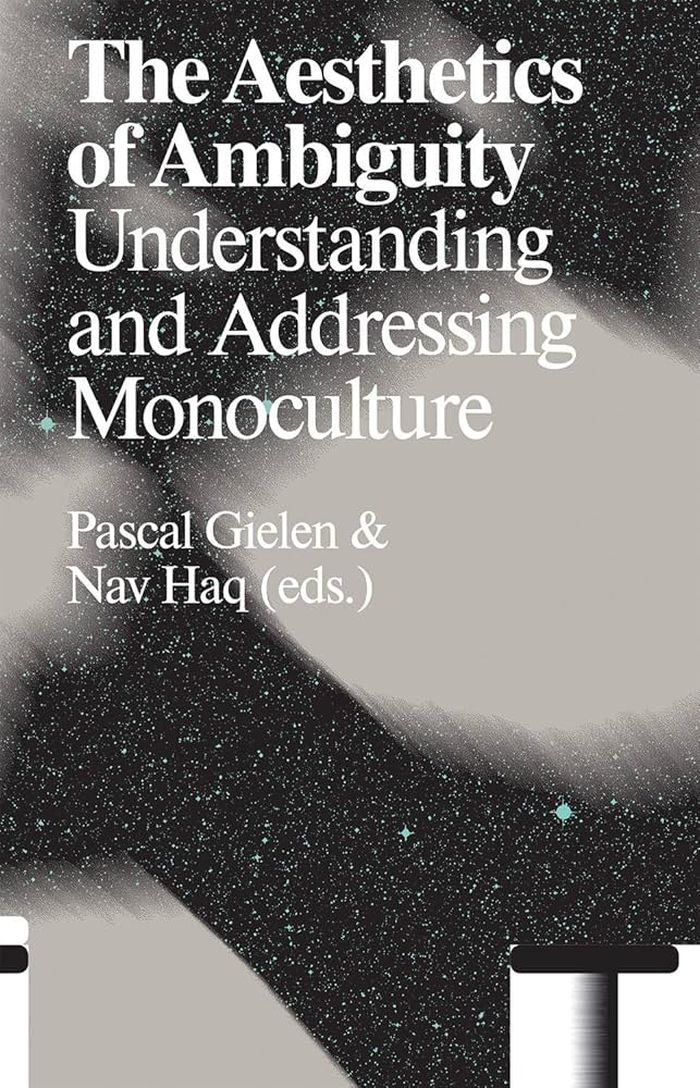
In ''The Aesthetics of Ambiguity: Understanding and Addressing Monoculture'' Pascal Gielen and Nav Haq argue that multiculturalism is paradoxically based on monocultural thinking. The publication explores this paradox by exploring monoculture in a variety of contemporary contexts. The book sets out to analyse monoculture using a multifaceted approach, by bringing together historical, social, cultural and ideological perspectives, using the dual role of art as tool for reconciliation and division in societies. ''The Aesthetics of Ambiguity'' gives stage to artists, thinkers and institutional practices who dare to play with the rules of a broader society and thus generate ambiguity ‘at large’. The book represents a quest for (more) ambiguity in order to avoid rigid borders or black-and-white polarities between cultures, as well as between practices of art and scientific thinking. By doing so, the artists, activists and researchers featured in this book plea for a politics and aesthetics of ambiguity to deal with the complexity of our living together on Earth.
The aesthetics of ambiguity: Understanding and adressing monoculture
Actions:
Price:
$38.50
(available in store)
Summary:
In ''The Aesthetics of Ambiguity: Understanding and Addressing Monoculture'' Pascal Gielen and Nav Haq argue that multiculturalism is paradoxically based on monocultural thinking. The publication explores this paradox by exploring monoculture in a variety of contemporary contexts. The book sets out to analyse monoculture using a multifaceted approach, by bringing together historical, social, cultural and ideological perspectives, using the dual role of art as tool for reconciliation and division in societies. ''The Aesthetics of Ambiguity'' gives stage to artists, thinkers and institutional practices who dare to play with the rules of a broader society and thus generate ambiguity ‘at large’. The book represents a quest for (more) ambiguity in order to avoid rigid borders or black-and-white polarities between cultures, as well as between practices of art and scientific thinking. By doing so, the artists, activists and researchers featured in this book plea for a politics and aesthetics of ambiguity to deal with the complexity of our living together on Earth.
Form:
books
books
Publication:
December 2024
December 2024
Subject:
Art Theory
Art Theory
Form:
books
books
Actions:
Price:
$39.95
(available in store)
Summary:
In ''Water of the Sky'', artist Miya Ando offers us a beautifully rich, bilingual visual dictionary for rain. Through a collection of 2,000 Japanese words, their English interpretations, and 100 drawings, Ando describes the breadth and diversity of rain’s many expressions: when it falls, how it falls, and how its observer might be transformed physically or emotionally by(...)
$39.95
(available in store)
Summary:
In ''Water of the Sky'', artist Miya Ando offers us a beautifully rich, bilingual visual dictionary for rain. Through a collection of 2,000 Japanese words, their English interpretations, and 100 drawings, Ando describes the breadth and diversity of rain’s many expressions: when it falls, how it falls, and how its observer might be transformed physically or emotionally by(...)
Title:
Water of the sky: A dictionary of 2000 Japanese rain words
Actions:
Price:
$39.95
(available in store)
Summary:
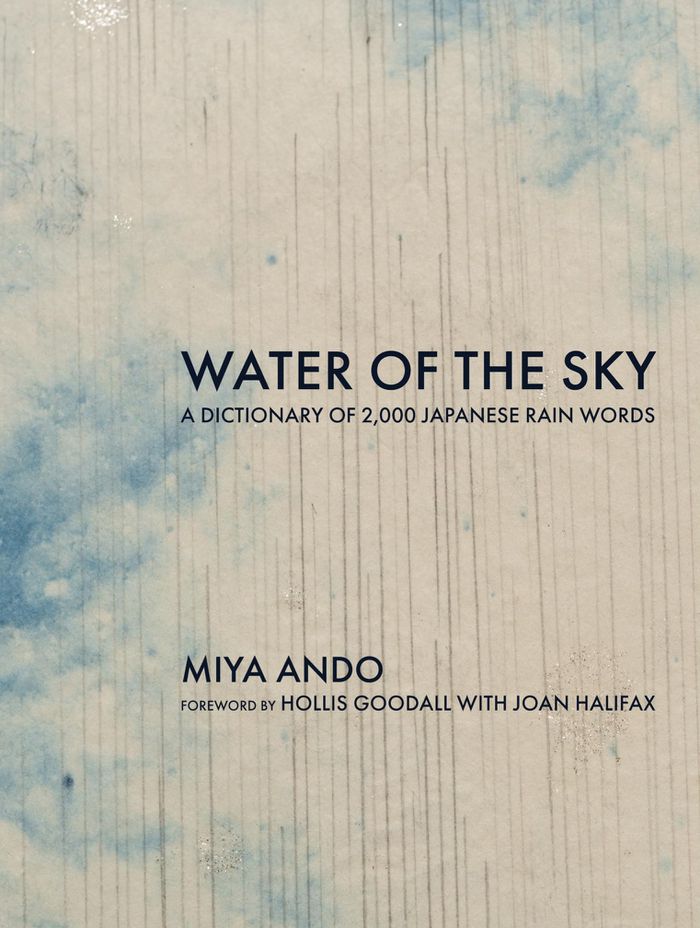
In ''Water of the Sky'', artist Miya Ando offers us a beautifully rich, bilingual visual dictionary for rain. Through a collection of 2,000 Japanese words, their English interpretations, and 100 drawings, Ando describes the breadth and diversity of rain’s many expressions: when it falls, how it falls, and how its observer might be transformed physically or emotionally by its presence. The words range from prosaic to esoteric, extending from the meteorological (mukaame, or “very fine rain that falls in spring”) to the mystical (bunryuu, or “rain that splits a dragon's body in half”) and from the minute (kisame, or “raindrops that fall off the leaves and branches of trees”) to the vast (takuu, or “blessed rain that quenches all things in the universe”).
Water of the sky: A dictionary of 2000 Japanese rain words
Actions:
Price:
$39.95
(available in store)
Summary:
In ''Water of the Sky'', artist Miya Ando offers us a beautifully rich, bilingual visual dictionary for rain. Through a collection of 2,000 Japanese words, their English interpretations, and 100 drawings, Ando describes the breadth and diversity of rain’s many expressions: when it falls, how it falls, and how its observer might be transformed physically or emotionally by its presence. The words range from prosaic to esoteric, extending from the meteorological (mukaame, or “very fine rain that falls in spring”) to the mystical (bunryuu, or “rain that splits a dragon's body in half”) and from the minute (kisame, or “raindrops that fall off the leaves and branches of trees”) to the vast (takuu, or “blessed rain that quenches all things in the universe”).
Form:
books
books
Publication:
December 2025
December 2025
Subject:
Art Theory
Art Theory
Form:
books
books
Actions:
Price:
$17.50
(available to order)
Summary:
The Covid-19 crisis teaches us how priceless human nearness is. Art and education can't do without it either. Like works of art, people lose their aura when kept at digital arm's length. Art is lifeless when it can't resonate with bodies. In ''Nearness'', Marlies De Munck and Pascal Gielen diagnose a new reality. Only culture marks the difference between surviving and living.
$17.50
(available to order)
Summary:
The Covid-19 crisis teaches us how priceless human nearness is. Art and education can't do without it either. Like works of art, people lose their aura when kept at digital arm's length. Art is lifeless when it can't resonate with bodies. In ''Nearness'', Marlies De Munck and Pascal Gielen diagnose a new reality. Only culture marks the difference between surviving and living.
Title:
Nearness: Art and Education after COVID-19
Actions:
Price:
$17.50
(available to order)
Summary:
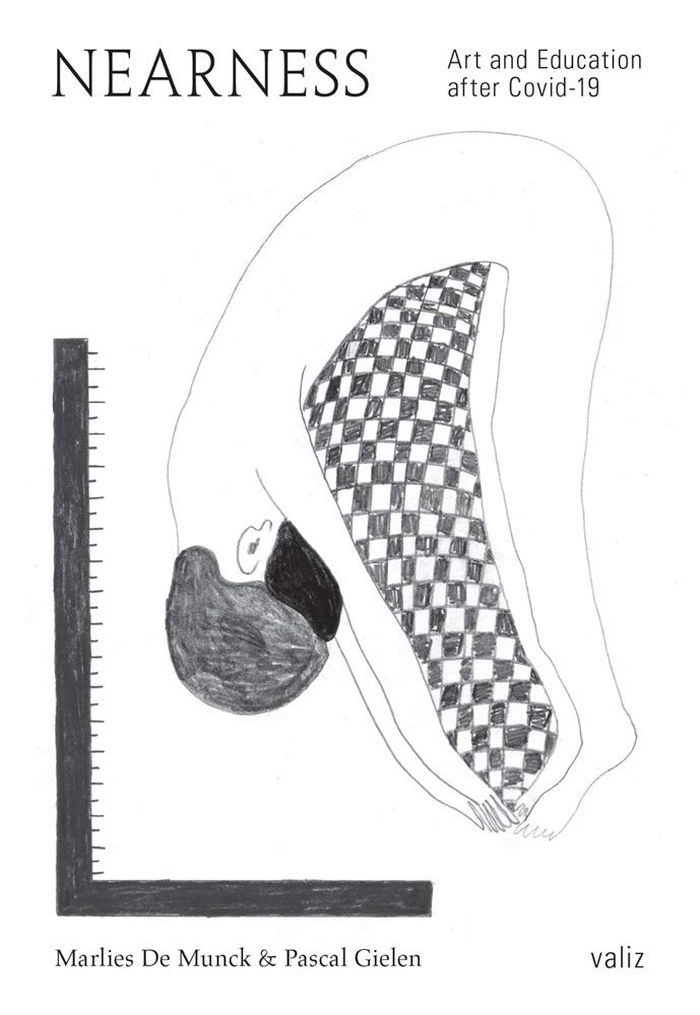
The Covid-19 crisis teaches us how priceless human nearness is. Art and education can't do without it either. Like works of art, people lose their aura when kept at digital arm's length. Art is lifeless when it can't resonate with bodies. In ''Nearness'', Marlies De Munck and Pascal Gielen diagnose a new reality. Only culture marks the difference between surviving and living.
Nearness: Art and Education after COVID-19
Actions:
Price:
$17.50
(available to order)
Summary:
The Covid-19 crisis teaches us how priceless human nearness is. Art and education can't do without it either. Like works of art, people lose their aura when kept at digital arm's length. Art is lifeless when it can't resonate with bodies. In ''Nearness'', Marlies De Munck and Pascal Gielen diagnose a new reality. Only culture marks the difference between surviving and living.
Form:
books
books
Publication:
November 2020
November 2020
Subject:
Art Theory
Art Theory
Form:
books
books
Actions:
Price:
$64.00
(available to order)
Summary:
Since the late 19th century, the shop window has shaped the urban landscape, mediating between the promises of consumer goods and the desires of passersby. The exhibition "Fresh Window" at the Museum Tinguely, inspired by Marcel Duchamp's work "Fresh Widow," explores the window as a membrane between public space and hidden desire. Many artists not only earned a living(...)
$64.00
(available to order)
Summary:
Since the late 19th century, the shop window has shaped the urban landscape, mediating between the promises of consumer goods and the desires of passersby. The exhibition "Fresh Window" at the Museum Tinguely, inspired by Marcel Duchamp's work "Fresh Widow," explores the window as a membrane between public space and hidden desire. Many artists not only earned a living(...)
Title:
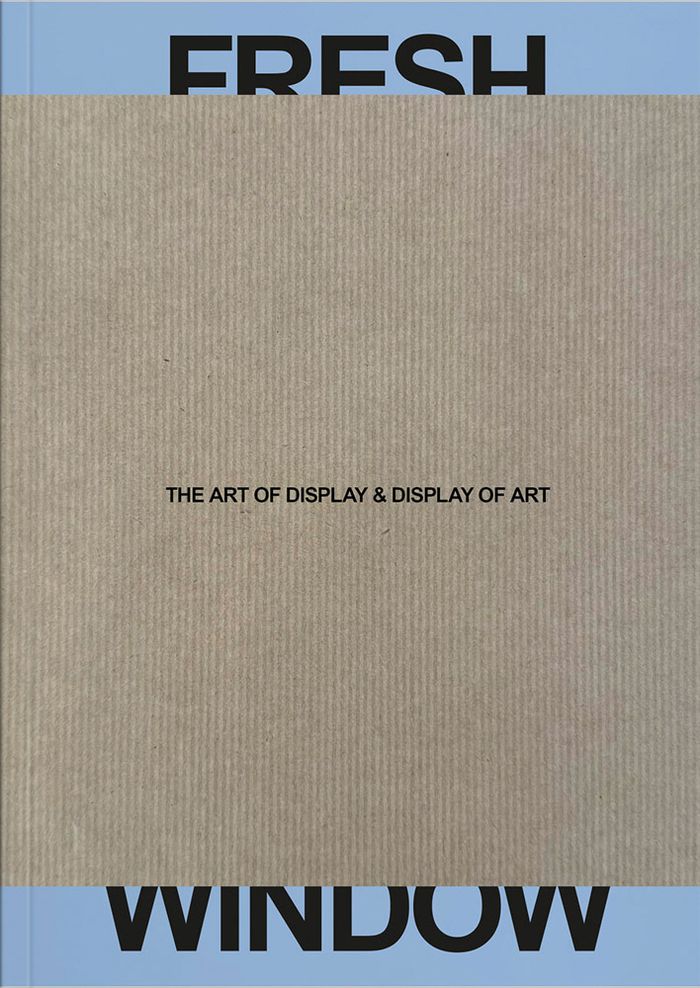
Fresh window: The Art of Display & Display of Art
Actions:
Price:
$64.00
(available to order)
Summary:
Since the late 19th century, the shop window has shaped the urban landscape, mediating between the promises of consumer goods and the desires of passersby. The exhibition "Fresh Window" at the Museum Tinguely, inspired by Marcel Duchamp's work "Fresh Widow," explores the window as a membrane between public space and hidden desire. Many artists not only earned a living through window displays but also used this setting as a testing ground to experiment with new practices. Works by artists such as Jean Tinguely, Andy Warhol and Marina Abramovic reveal how the boundary between consumer culture and artistic experimentation is continually renegotiated—sometimes ironically, sometimes shockingly.
Fresh window: The Art of Display & Display of Art
Actions:
Price:
$64.00
(available to order)
Summary:
Since the late 19th century, the shop window has shaped the urban landscape, mediating between the promises of consumer goods and the desires of passersby. The exhibition "Fresh Window" at the Museum Tinguely, inspired by Marcel Duchamp's work "Fresh Widow," explores the window as a membrane between public space and hidden desire. Many artists not only earned a living through window displays but also used this setting as a testing ground to experiment with new practices. Works by artists such as Jean Tinguely, Andy Warhol and Marina Abramovic reveal how the boundary between consumer culture and artistic experimentation is continually renegotiated—sometimes ironically, sometimes shockingly.
Form:
books
books
Publication:
July 2025
July 2025
Subject:
Art Theory
Art Theory
Form:
books
books
Title:
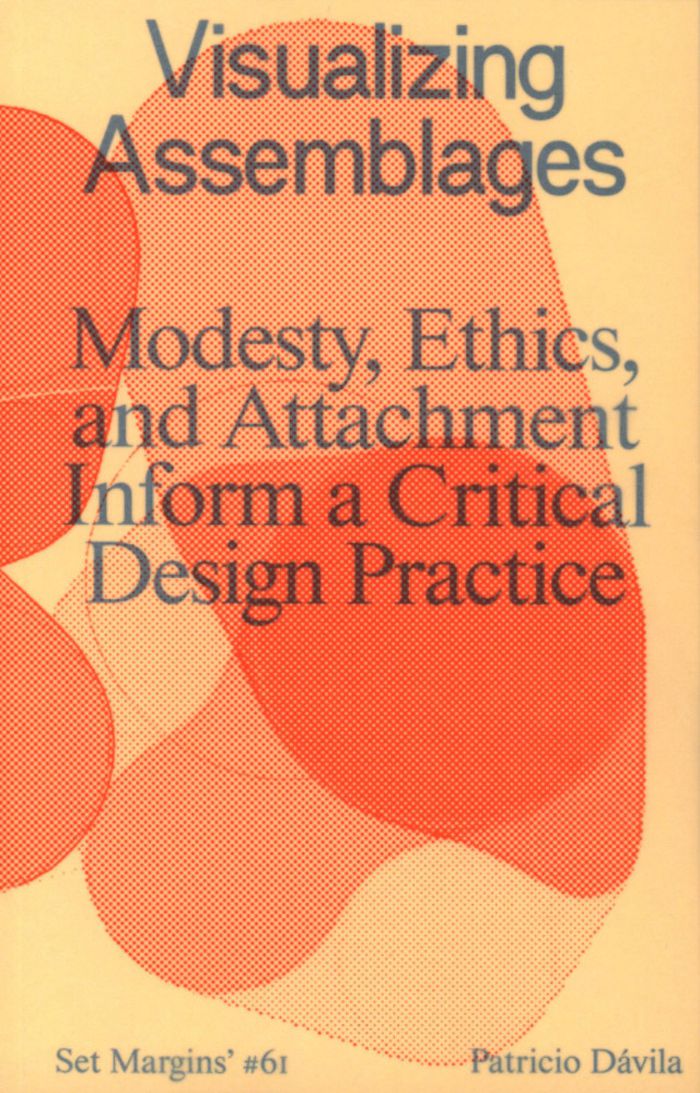
Visualization as Assemblage: A Framework to apply modesty, ethics and attachment to art practice
Visualization as Assemblage: A Framework to apply modesty, ethics and attachment to art practice
Actions:
Price:
$38.00
(available in store)
Summary:
Visualization is a form of design practice that deploys representational processes of enormous rhetorical and analytical power. What is often left out of the picture is the network of processes which it assembles and the nonvisual effects it produces. Building upon the arguments of Latour, Deleuze and Guattari, author Patricio Dávila applies an assemblage framework to(...)
$38.00
(available in store)
Summary:
Visualization is a form of design practice that deploys representational processes of enormous rhetorical and analytical power. What is often left out of the picture is the network of processes which it assembles and the nonvisual effects it produces. Building upon the arguments of Latour, Deleuze and Guattari, author Patricio Dávila applies an assemblage framework to(...)
Title:
Visualization as Assemblage: A Framework to apply modesty, ethics and attachment to art practice
Actions:
Price:
$38.00
(available in store)
Summary:
Visualization is a form of design practice that deploys representational processes of enormous rhetorical and analytical power. What is often left out of the picture is the network of processes which it assembles and the nonvisual effects it produces. Building upon the arguments of Latour, Deleuze and Guattari, author Patricio Dávila applies an assemblage framework to three case studies offering distinct instances of critical visualization practices: "Liquid Traces" (2014), from Forensic Architecture; "Anti-Eviction Mapping Project" (2013–), from the San Francisco Tenants Union; and "In the Air, Tonight" (2013–16), from the Public Visualization Lab/Studio. Dávila underscores an ethics of visualization that refocuses criticality on the potential of design to act modestly by revealing its own construction.
Visualization as Assemblage: A Framework to apply modesty, ethics and attachment to art practice
Actions:
Price:
$38.00
(available in store)
Summary:
Visualization is a form of design practice that deploys representational processes of enormous rhetorical and analytical power. What is often left out of the picture is the network of processes which it assembles and the nonvisual effects it produces. Building upon the arguments of Latour, Deleuze and Guattari, author Patricio Dávila applies an assemblage framework to three case studies offering distinct instances of critical visualization practices: "Liquid Traces" (2014), from Forensic Architecture; "Anti-Eviction Mapping Project" (2013–), from the San Francisco Tenants Union; and "In the Air, Tonight" (2013–16), from the Public Visualization Lab/Studio. Dávila underscores an ethics of visualization that refocuses criticality on the potential of design to act modestly by revealing its own construction.
Form:
books
books
Publication:
September 2026
September 2026
Subject:
Art Theory
Art Theory


