


878 Results
Form:
books
books
Actions:
Price:
$39.95
(available to order)
Summary:
In this incisive book, Michel de Certeau considers the uses to which social representation and modes of social behavior are put by individuals and groups, describing the tactics available to the common man for reclaiming his own autonomy from the all-pervasive forces of commerce, politics, and culture. In exploring the public meaning of ingeniously defended private(...)
$39.95
(available to order)
Summary:
In this incisive book, Michel de Certeau considers the uses to which social representation and modes of social behavior are put by individuals and groups, describing the tactics available to the common man for reclaiming his own autonomy from the all-pervasive forces of commerce, politics, and culture. In exploring the public meaning of ingeniously defended private(...)
Title:
The practice of everyday life
Actions:
Price:
$39.95
(available to order)
Summary:
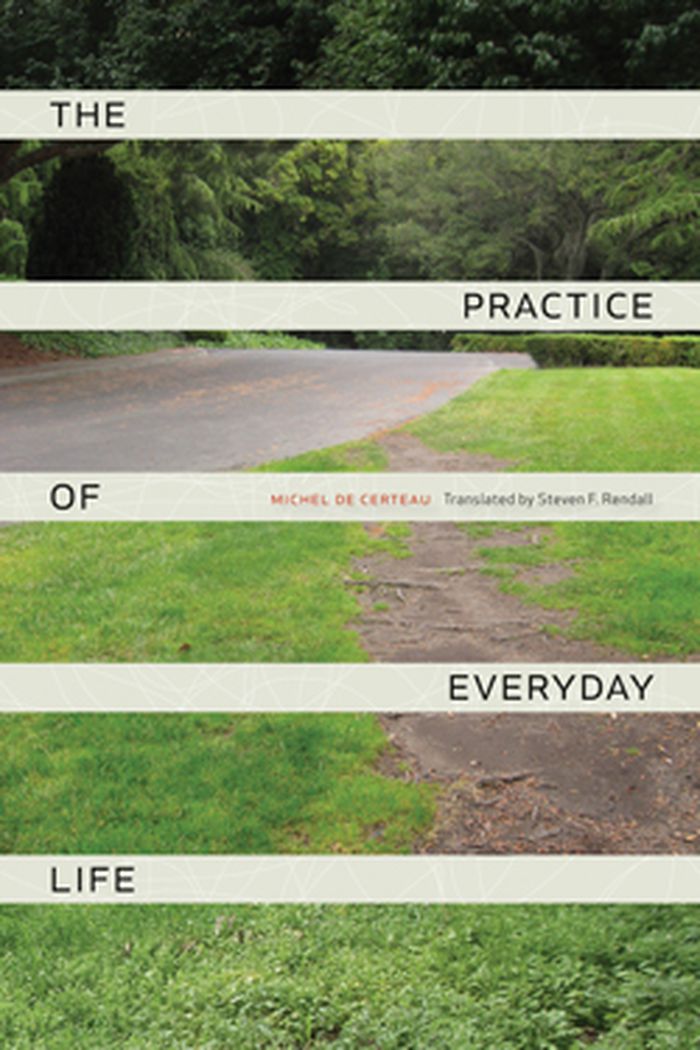
In this incisive book, Michel de Certeau considers the uses to which social representation and modes of social behavior are put by individuals and groups, describing the tactics available to the common man for reclaiming his own autonomy from the all-pervasive forces of commerce, politics, and culture. In exploring the public meaning of ingeniously defended private meanings, de Certeau draws brilliantly on an immense theoretical literature to speak of an apposite use of imaginative literature.
The practice of everyday life
Actions:
Price:
$39.95
(available to order)
Summary:
In this incisive book, Michel de Certeau considers the uses to which social representation and modes of social behavior are put by individuals and groups, describing the tactics available to the common man for reclaiming his own autonomy from the all-pervasive forces of commerce, politics, and culture. In exploring the public meaning of ingeniously defended private meanings, de Certeau draws brilliantly on an immense theoretical literature to speak of an apposite use of imaginative literature.
Form:
books
books
Publication:
December 2011
December 2011
Subject:
Critical Theory
Critical Theory
Form:
books
books
Title:
René Descartes : Meditations
René Descartes : Meditations
Actions:
Price:
$9.95
(available to order)
Summary:
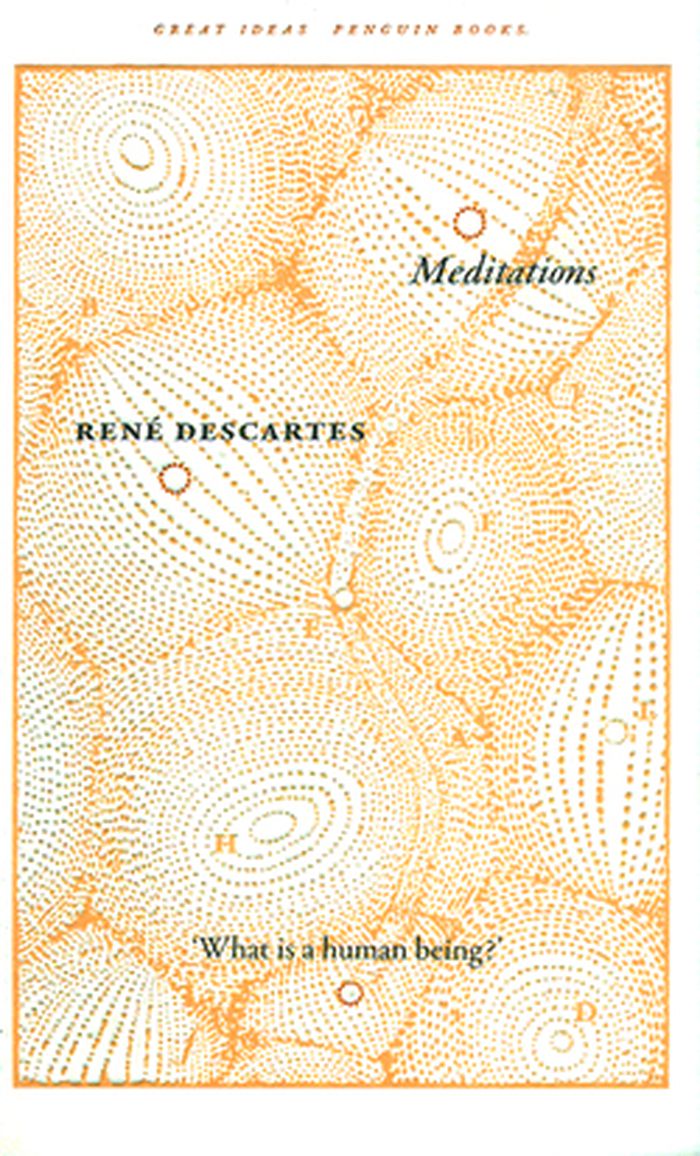
In this profound work, René Descartes meditates on doubt, the human soul, God, truth and the nature of existence itself.
$9.95
(available to order)
Summary:
In this profound work, René Descartes meditates on doubt, the human soul, God, truth and the nature of existence itself.
Title:
René Descartes : Meditations
Actions:
Price:
$9.95
(available to order)
Summary:
In this profound work, René Descartes meditates on doubt, the human soul, God, truth and the nature of existence itself.
René Descartes : Meditations
Actions:
Price:
$9.95
(available to order)
Summary:
In this profound work, René Descartes meditates on doubt, the human soul, God, truth and the nature of existence itself.
Form:
books
books
Publication:
June 2010
June 2010
Subject:
Critical Theory
Critical Theory
Form:
books
books
Actions:
Price:
$15.50
(available to order)
Summary:
Patrick Ourednik's first novel to be translated into English is a unique retelling of the history of the twentieth century. Told in an informal, compelling voice, Ourednik represents the twentieth century in all its contradictions and grand illusions, demonstrating that nothing substantial has changed between 1900 and 1999 - humanity is still hopeful for the future and(...)
$15.50
(available to order)
Summary:
Patrick Ourednik's first novel to be translated into English is a unique retelling of the history of the twentieth century. Told in an informal, compelling voice, Ourednik represents the twentieth century in all its contradictions and grand illusions, demonstrating that nothing substantial has changed between 1900 and 1999 - humanity is still hopeful for the future and(...)
Title:
Europeana : a brief history of the Twentieth Century
Actions:
Price:
$15.50
(available to order)
Summary:
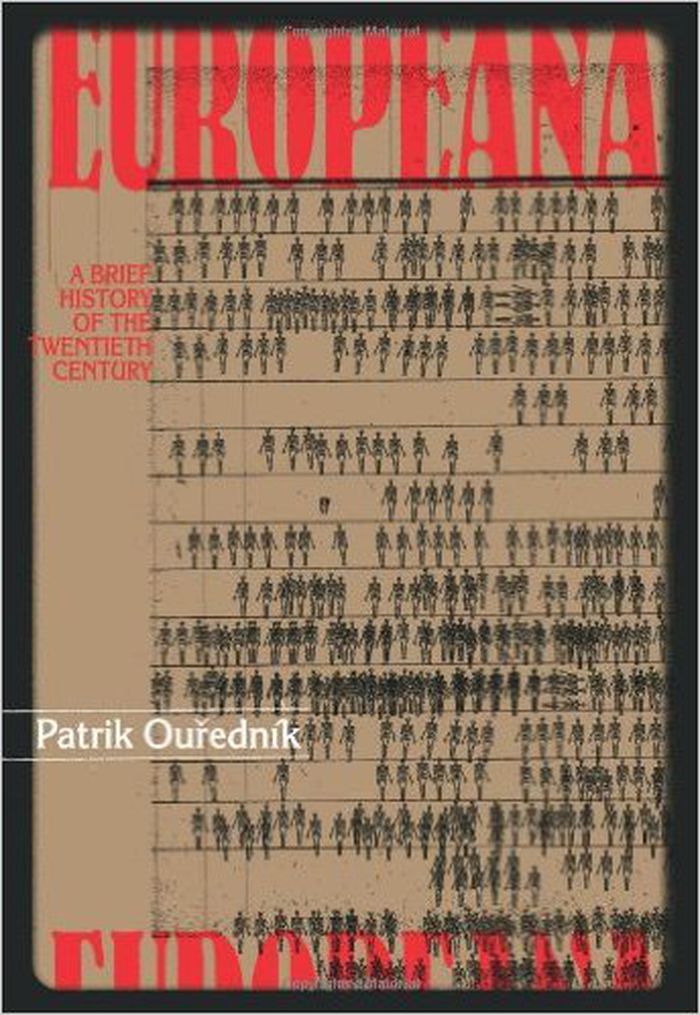
Patrick Ourednik's first novel to be translated into English is a unique retelling of the history of the twentieth century. Told in an informal, compelling voice, Ourednik represents the twentieth century in all its contradictions and grand illusions, demonstrating that nothing substantial has changed between 1900 and 1999 - humanity is still hopeful for the future and still mired in age-old conflicts that can't be reduced to a single viewpoint.
Europeana : a brief history of the Twentieth Century
Actions:
Price:
$15.50
(available to order)
Summary:
Patrick Ourednik's first novel to be translated into English is a unique retelling of the history of the twentieth century. Told in an informal, compelling voice, Ourednik represents the twentieth century in all its contradictions and grand illusions, demonstrating that nothing substantial has changed between 1900 and 1999 - humanity is still hopeful for the future and still mired in age-old conflicts that can't be reduced to a single viewpoint.
Form:
books
books
Publication:
June 2005
June 2005
Subject:
Critical Theory
Critical Theory
Form:
books
books

Actions:
Price:
$24.95
(available to order)
Summary:
The authors have trawled through two thousand years of literature for the most brilliant minds and engrossing reads. Structured like a reference book, The Novel Cure allows readers to simply look up their ailment, whether it be agoraphobia, boredom, or midlife crisis, then they are given the name of a novel to read as the antidote.
$24.95
(available to order)
Summary:
The authors have trawled through two thousand years of literature for the most brilliant minds and engrossing reads. Structured like a reference book, The Novel Cure allows readers to simply look up their ailment, whether it be agoraphobia, boredom, or midlife crisis, then they are given the name of a novel to read as the antidote.
Title:
The novel cure: an a-z of literary remedies
Actions:
Price:
$24.95
(available to order)
Summary:
The authors have trawled through two thousand years of literature for the most brilliant minds and engrossing reads. Structured like a reference book, The Novel Cure allows readers to simply look up their ailment, whether it be agoraphobia, boredom, or midlife crisis, then they are given the name of a novel to read as the antidote.
The novel cure: an a-z of literary remedies
Actions:
Price:
$24.95
(available to order)
Summary:
The authors have trawled through two thousand years of literature for the most brilliant minds and engrossing reads. Structured like a reference book, The Novel Cure allows readers to simply look up their ailment, whether it be agoraphobia, boredom, or midlife crisis, then they are given the name of a novel to read as the antidote.
Form:
books
books
Publication:
September 2013
September 2013
Subject:
Critical Theory
Critical Theory
Form:
books
books
Title:
Marshall McLuhan
Marshall McLuhan
Actions:
Price:
$18.00
(available to order)
Summary:
The importance of Marshall McLuhan and his communication theories cannot be overstated, but his written works—dense, at times even daunting— are more often cited than read. Nonetheless, his predictions have been borne out: in the early 1960s, McLuhan wrote that visual, individualistic print culture would be replaced by what he called "electronic interdependence," creating(...)
$18.00
(available to order)
Summary:
The importance of Marshall McLuhan and his communication theories cannot be overstated, but his written works—dense, at times even daunting— are more often cited than read. Nonetheless, his predictions have been borne out: in the early 1960s, McLuhan wrote that visual, individualistic print culture would be replaced by what he called "electronic interdependence," creating(...)
Title:
Marshall McLuhan
Actions:
Price:
$18.00
(available to order)
Summary:
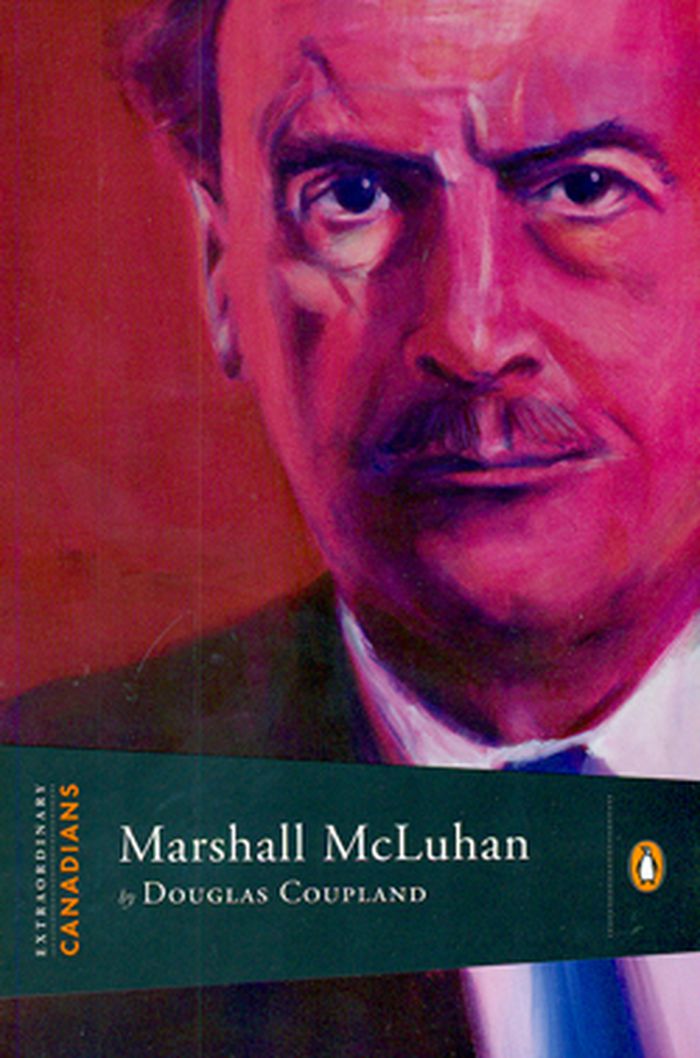
The importance of Marshall McLuhan and his communication theories cannot be overstated, but his written works—dense, at times even daunting— are more often cited than read. Nonetheless, his predictions have been borne out: in the early 1960s, McLuhan wrote that visual, individualistic print culture would be replaced by what he called "electronic interdependence," creating a new "global village" characterized by a collective identity with a tribal base. Novelist Douglas Coupland regards the celebrated academic as primarily an artist, a kind of performance artist offering profound but sometimes obscure insights into how technology was reshaping the world and its inhabitants. Coupland — prolific novelist, sculptor, visual artist, theatre performer — is a true child of McLuhan, whose body of work examines and often embodies McLuhan's famous aphorism that "the medium is the message."
Marshall McLuhan
Actions:
Price:
$18.00
(available to order)
Summary:
The importance of Marshall McLuhan and his communication theories cannot be overstated, but his written works—dense, at times even daunting— are more often cited than read. Nonetheless, his predictions have been borne out: in the early 1960s, McLuhan wrote that visual, individualistic print culture would be replaced by what he called "electronic interdependence," creating a new "global village" characterized by a collective identity with a tribal base. Novelist Douglas Coupland regards the celebrated academic as primarily an artist, a kind of performance artist offering profound but sometimes obscure insights into how technology was reshaping the world and its inhabitants. Coupland — prolific novelist, sculptor, visual artist, theatre performer — is a true child of McLuhan, whose body of work examines and often embodies McLuhan's famous aphorism that "the medium is the message."
Form:
books
books
Publication:
September 2013
September 2013
Subject:
Critical Theory
Critical Theory
Form:
books
books

Price:
$34.95
(available to order)
Summary:
The Cheese and the Worms is an incisive study of popular culture in the sixteenth century as seen through the eyes of one man, the miller known as Menocchio, who was accused of heresy during the Inquisition and sentenced to death. Carlo Ginzburg uses the trial records to illustrate the confusing political and religious conditions of the time.
$34.95
(available to order)
Summary:
The Cheese and the Worms is an incisive study of popular culture in the sixteenth century as seen through the eyes of one man, the miller known as Menocchio, who was accused of heresy during the Inquisition and sentenced to death. Carlo Ginzburg uses the trial records to illustrate the confusing political and religious conditions of the time.
Title:
The cheese and the worms: the cosmos of a sixteenth-century miller
Actions:
Price:
$34.95
(available to order)
Summary:
The Cheese and the Worms is an incisive study of popular culture in the sixteenth century as seen through the eyes of one man, the miller known as Menocchio, who was accused of heresy during the Inquisition and sentenced to death. Carlo Ginzburg uses the trial records to illustrate the confusing political and religious conditions of the time.
The cheese and the worms: the cosmos of a sixteenth-century miller
Actions:
Price:
$34.95
(available to order)
Summary:
The Cheese and the Worms is an incisive study of popular culture in the sixteenth century as seen through the eyes of one man, the miller known as Menocchio, who was accused of heresy during the Inquisition and sentenced to death. Carlo Ginzburg uses the trial records to illustrate the confusing political and religious conditions of the time.
Form:
books
books
Publication:
October 2013
October 2013
Subject:
Critical Theory
Critical Theory
Form:
books
books
Actions:
Price:
$66.00
(available to order)
Summary:
Cet ouvrage invite à découvrir la richesse la diversité iconographique des archives de Guy Debord, classées trésor national en janvier 2009 et entrées à la BnF en 2011 : correspondance, coupures de presse, carnets et fiches de lecture, objets personnels nous renseignent sur ses lectures, sur ses projets inachevés, enfin sur l'histoire du mouvement situationniste et le(...)
$66.00
(available to order)
Summary:
Cet ouvrage invite à découvrir la richesse la diversité iconographique des archives de Guy Debord, classées trésor national en janvier 2009 et entrées à la BnF en 2011 : correspondance, coupures de presse, carnets et fiches de lecture, objets personnels nous renseignent sur ses lectures, sur ses projets inachevés, enfin sur l'histoire du mouvement situationniste et le(...)
Title:
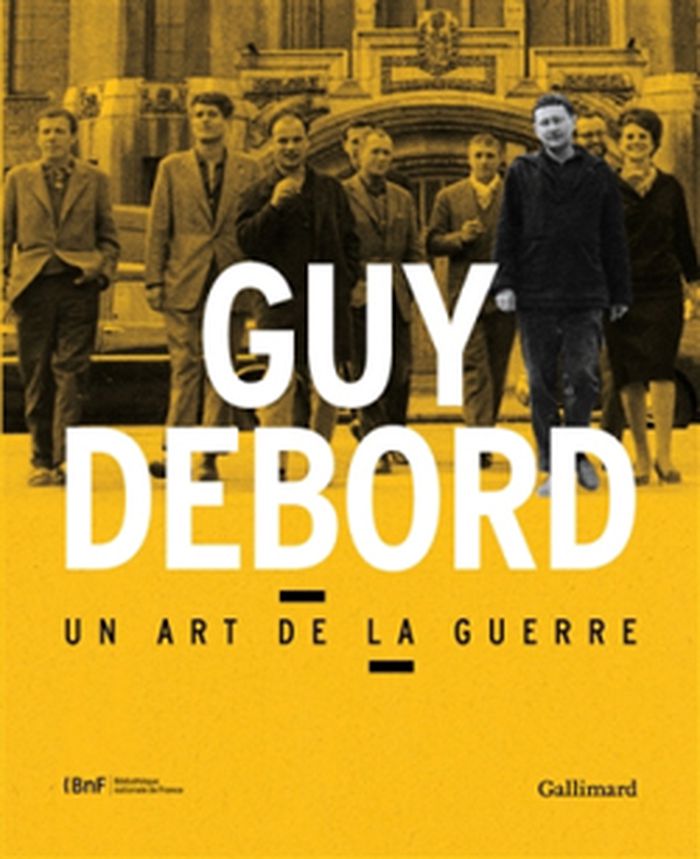
Guy Debord : un art de la guerre
Actions:
Price:
$66.00
(available to order)
Summary:
Cet ouvrage invite à découvrir la richesse la diversité iconographique des archives de Guy Debord, classées trésor national en janvier 2009 et entrées à la BnF en 2011 : correspondance, coupures de presse, carnets et fiches de lecture, objets personnels nous renseignent sur ses lectures, sur ses projets inachevés, enfin sur l'histoire du mouvement situationniste et le rôle joué par ses «compagnons d'armes», auquel le livre rend hommage à travers une galerie de portraits.
Guy Debord : un art de la guerre
Actions:
Price:
$66.00
(available to order)
Summary:
Cet ouvrage invite à découvrir la richesse la diversité iconographique des archives de Guy Debord, classées trésor national en janvier 2009 et entrées à la BnF en 2011 : correspondance, coupures de presse, carnets et fiches de lecture, objets personnels nous renseignent sur ses lectures, sur ses projets inachevés, enfin sur l'histoire du mouvement situationniste et le rôle joué par ses «compagnons d'armes», auquel le livre rend hommage à travers une galerie de portraits.
Form:
books
books
Publication:
June 2013
June 2013
Form:
books
books
Actions:
Price:
$22.00
(available to order)
Summary:
The semiotic power of fashion and clothing were of perennial interest to Barthes and The Language of Fashion collects some of his most important writings on these topics.
$22.00
(available to order)
Summary:
The semiotic power of fashion and clothing were of perennial interest to Barthes and The Language of Fashion collects some of his most important writings on these topics.
Title:
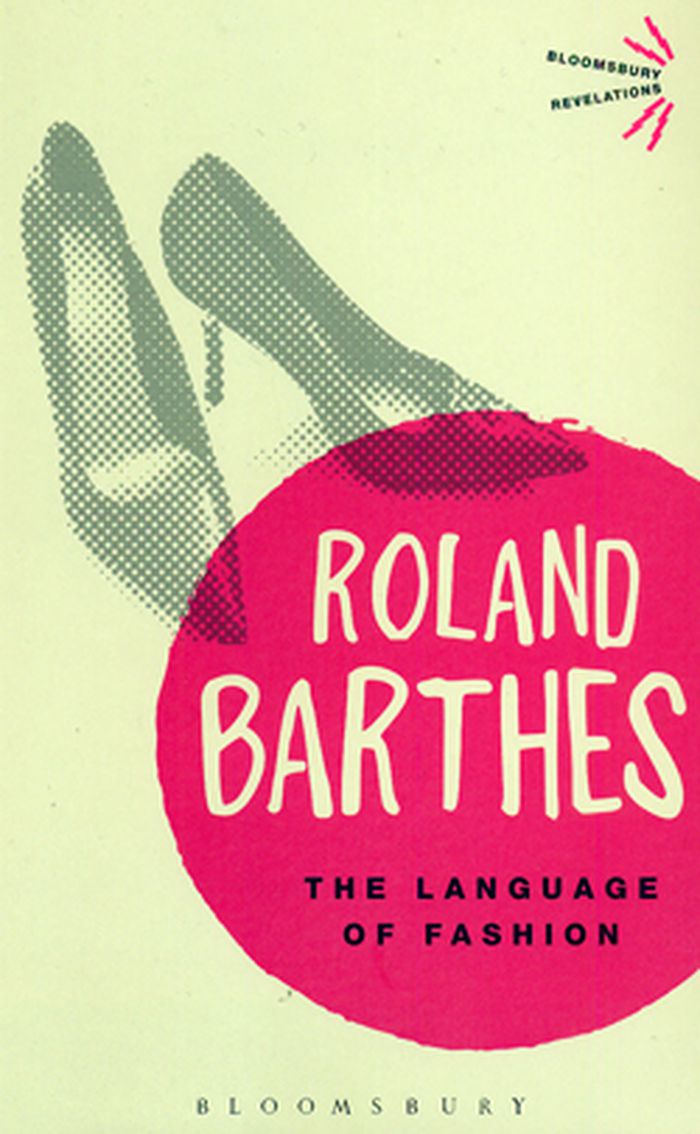
Roland Barthes : the language of fashion
Actions:
Price:
$22.00
(available to order)
Summary:
The semiotic power of fashion and clothing were of perennial interest to Barthes and The Language of Fashion collects some of his most important writings on these topics.
Roland Barthes : the language of fashion
Actions:
Price:
$22.00
(available to order)
Summary:
The semiotic power of fashion and clothing were of perennial interest to Barthes and The Language of Fashion collects some of his most important writings on these topics.
Form:
books
books
Publication:
November 2013
November 2013
Subject:
Critical Theory
Critical Theory
Form:
books
books
Title:
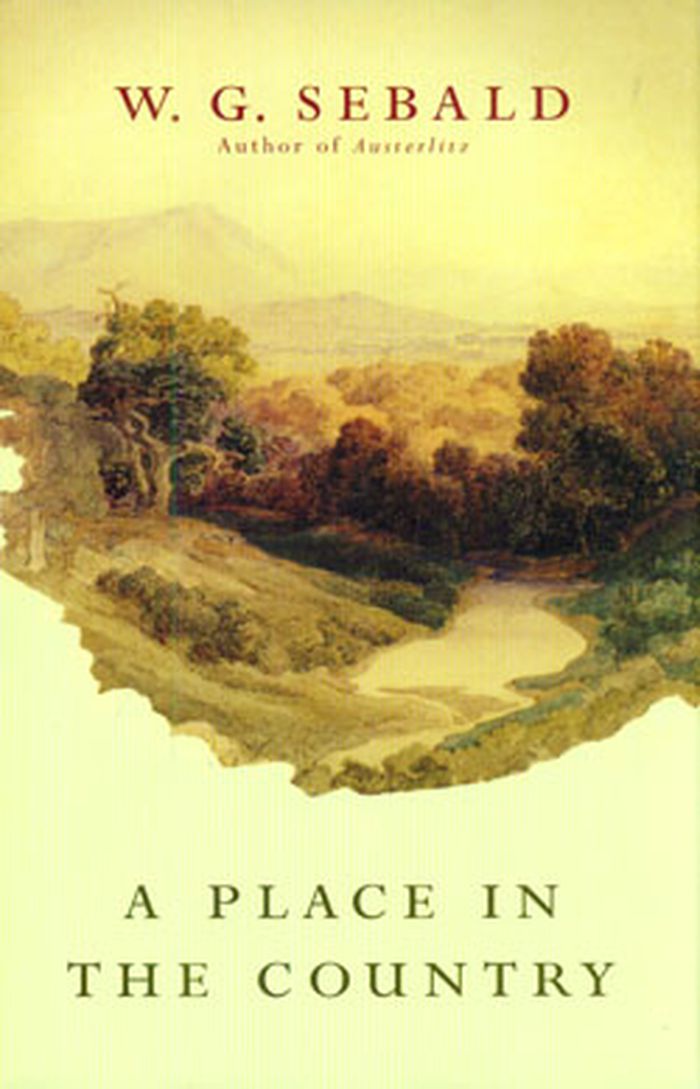
A place in the country
A place in the country
Actions:
Price:
$31.50
(available to order)
Summary:
This hardcover edition, with a full-cloth case, includes more than 40 pieces of art and 6 full-color gatefolds, all originally selected and laid out by W. G. Sebald. This collection of interlinked essays about place, memory, and creativity captures the inner worlds of five authors and one painter. In his masterly and mysterious style—part critical essay, part(...)
$31.50
(available to order)
Summary:
This hardcover edition, with a full-cloth case, includes more than 40 pieces of art and 6 full-color gatefolds, all originally selected and laid out by W. G. Sebald. This collection of interlinked essays about place, memory, and creativity captures the inner worlds of five authors and one painter. In his masterly and mysterious style—part critical essay, part(...)
Title:
A place in the country
Actions:
Price:
$31.50
(available to order)
Summary:
This hardcover edition, with a full-cloth case, includes more than 40 pieces of art and 6 full-color gatefolds, all originally selected and laid out by W. G. Sebald. This collection of interlinked essays about place, memory, and creativity captures the inner worlds of five authors and one painter. In his masterly and mysterious style—part critical essay, part memoir—Sebald weaves their lives and art with his own migrations and rise in the literary world.
A place in the country
Actions:
Price:
$31.50
(available to order)
Summary:
This hardcover edition, with a full-cloth case, includes more than 40 pieces of art and 6 full-color gatefolds, all originally selected and laid out by W. G. Sebald. This collection of interlinked essays about place, memory, and creativity captures the inner worlds of five authors and one painter. In his masterly and mysterious style—part critical essay, part memoir—Sebald weaves their lives and art with his own migrations and rise in the literary world.
Form:
books
books
Publication:
February 2014
February 2014
Subject:
Critical Theory
Critical Theory
Form:
books
books
Price:
$29.95
(available in store)
Summary:
Contestations brings together a range of artists, theorists and other practitioners to consider the state of education and learning in light of political struggle, institutional crisis and new media platforms. Focusing on creative experiments in education, Contestations seeks to instigate a conversation about the future direction of education that challenges existing(...)
$29.95
(available in store)
Summary:
Contestations brings together a range of artists, theorists and other practitioners to consider the state of education and learning in light of political struggle, institutional crisis and new media platforms. Focusing on creative experiments in education, Contestations seeks to instigate a conversation about the future direction of education that challenges existing(...)
Title:
Contestations: learning from critical experiments in education
Actions:
Price:
$29.95
(available in store)
Summary:
Contestations brings together a range of artists, theorists and other practitioners to consider the state of education and learning in light of political struggle, institutional crisis and new media platforms. Focusing on creative experiments in education, Contestations seeks to instigate a conversation about the future direction of education that challenges existing academic models while examining possibilities for strategic intervention and self-organisation.
Contestations: learning from critical experiments in education
Actions:
Price:
$29.95
(available in store)
Summary:
Contestations brings together a range of artists, theorists and other practitioners to consider the state of education and learning in light of political struggle, institutional crisis and new media platforms. Focusing on creative experiments in education, Contestations seeks to instigate a conversation about the future direction of education that challenges existing academic models while examining possibilities for strategic intervention and self-organisation.
Form:
books
books
Publication:
June 2013
June 2013


