


187 Results
Form:
books
books
Title:
Knoll: A modernist universe
Knoll: A modernist universe
Actions:
Price:
$79.95
(available to order)
Summary:
The history of Knoll is the history of modern design. Founded in 1938 by Hans Knoll and joined by his wife, Florence Knoll, the company is credited for bringing European modern design to America. Throughout its history Knoll has been at the forefront of cutting-edge design, the first company to produce Mies van der Rohe’s and Marcel Breuer’s tubular furniture for a(...)
$79.95
(available to order)
Summary:
The history of Knoll is the history of modern design. Founded in 1938 by Hans Knoll and joined by his wife, Florence Knoll, the company is credited for bringing European modern design to America. Throughout its history Knoll has been at the forefront of cutting-edge design, the first company to produce Mies van der Rohe’s and Marcel Breuer’s tubular furniture for a(...)
Title:
Knoll: A modernist universe
Actions:
Price:
$79.95
(available to order)
Summary:
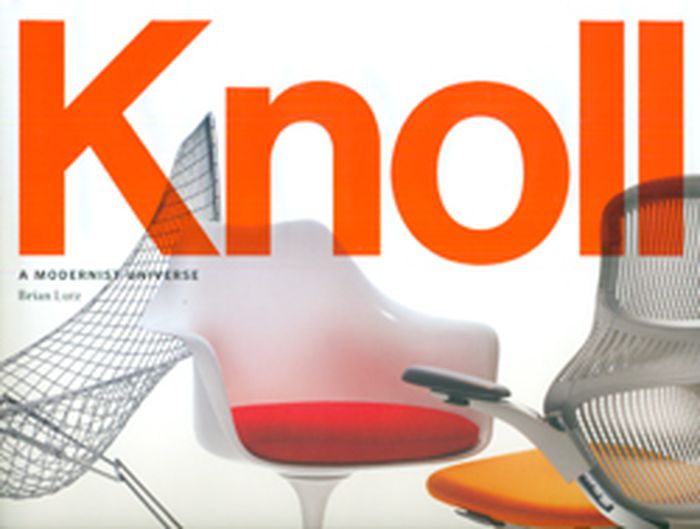
The history of Knoll is the history of modern design. Founded in 1938 by Hans Knoll and joined by his wife, Florence Knoll, the company is credited for bringing European modern design to America. Throughout its history Knoll has been at the forefront of cutting-edge design, the first company to produce Mies van der Rohe’s and Marcel Breuer’s tubular furniture for a receptive domestic market, making Bauhaus ideals a reality to an American audience. More recently Knoll has produced instant classics from Frank Gehry and Richard Meier. Comprehensive in narrative and scope, this monograph presents images and texts on furniture, furnishings, systems, and graphics.
Knoll: A modernist universe
Actions:
Price:
$79.95
(available to order)
Summary:
The history of Knoll is the history of modern design. Founded in 1938 by Hans Knoll and joined by his wife, Florence Knoll, the company is credited for bringing European modern design to America. Throughout its history Knoll has been at the forefront of cutting-edge design, the first company to produce Mies van der Rohe’s and Marcel Breuer’s tubular furniture for a receptive domestic market, making Bauhaus ideals a reality to an American audience. More recently Knoll has produced instant classics from Frank Gehry and Richard Meier. Comprehensive in narrative and scope, this monograph presents images and texts on furniture, furnishings, systems, and graphics.
Form:
books
books
Publication:
May 2010
May 2010
Subject:
Industrial Design
Industrial Design
Form:
books
books
Actions:
Price:
$84.95
(available to order)
Summary:
DesignAndDesign.com is a website dedicated to the worldwide community of designers and was created to showcase their latest design work. Every day, the homepage features two design pieces, selected from the graphic, packaging and product design submissions received daily from a wide range of international designers. The book of the year shows these 730 fresh, and for the(...)
$84.95
(available to order)
Summary:
DesignAndDesign.com is a website dedicated to the worldwide community of designers and was created to showcase their latest design work. Every day, the homepage features two design pieces, selected from the graphic, packaging and product design submissions received daily from a wide range of international designers. The book of the year shows these 730 fresh, and for the(...)
Title:
Design and design.com: Book of the year, volume 2
Actions:
Price:
$84.95
(available to order)
Summary:
DesignAndDesign.com is a website dedicated to the worldwide community of designers and was created to showcase their latest design work. Every day, the homepage features two design pieces, selected from the graphic, packaging and product design submissions received daily from a wide range of international designers. The book of the year shows these 730 fresh, and for the most part unpublished original designs.
Design and design.com: Book of the year, volume 2
Actions:
Price:
$84.95
(available to order)
Summary:
DesignAndDesign.com is a website dedicated to the worldwide community of designers and was created to showcase their latest design work. Every day, the homepage features two design pieces, selected from the graphic, packaging and product design submissions received daily from a wide range of international designers. The book of the year shows these 730 fresh, and for the most part unpublished original designs.
Form:
books
books
Publication:
April 2010
April 2010
Subject:
Industrial Design
Industrial Design
Form:
books
books
Title:
Abitare: 50 years of design
Abitare: 50 years of design
Actions:
Price:
$100.00
(available to order)
Summary:
The first-ever compilation of the most innovative design magazine of the 1960s and 1970s. Abitare was founded to cover the growing influence of Italian design but also to gather the most interesting trends worldwide, from the mod fashion in London, and the rise of alternative lifestyles in New York and San Francisco, to the development of industrial design in Milan.(...)
$100.00
(available to order)
Summary:
The first-ever compilation of the most innovative design magazine of the 1960s and 1970s. Abitare was founded to cover the growing influence of Italian design but also to gather the most interesting trends worldwide, from the mod fashion in London, and the rise of alternative lifestyles in New York and San Francisco, to the development of industrial design in Milan.(...)
Title:
Abitare: 50 years of design
Actions:
Price:
$100.00
(available to order)
Summary:
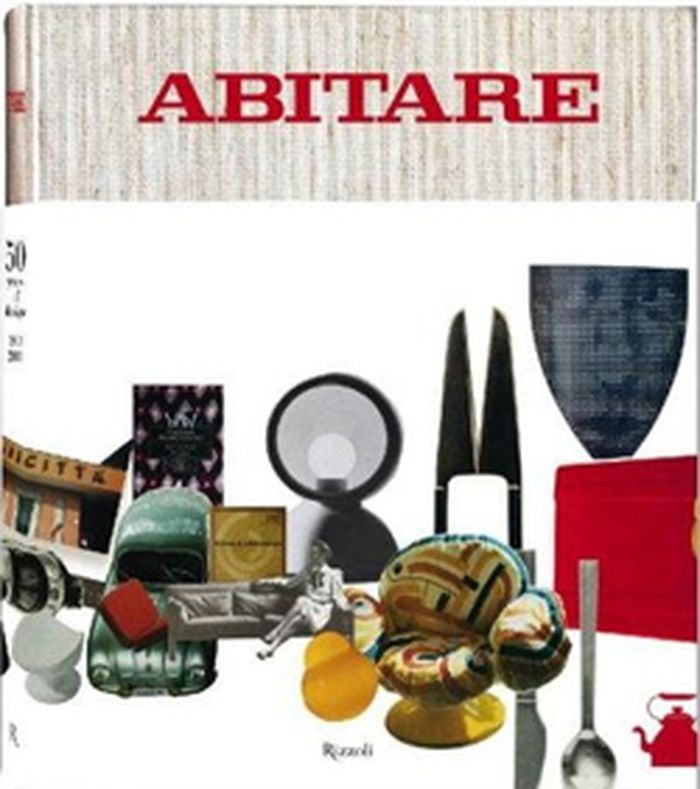
The first-ever compilation of the most innovative design magazine of the 1960s and 1970s. Abitare was founded to cover the growing influence of Italian design but also to gather the most interesting trends worldwide, from the mod fashion in London, and the rise of alternative lifestyles in New York and San Francisco, to the development of industrial design in Milan. Classic articles from Abitare are reproduced in full, with their original English and Italian texts, while new essays by noted writers and past editors reflect on the influence of this trailblazing magazine.
Abitare: 50 years of design
Actions:
Price:
$100.00
(available to order)
Summary:
The first-ever compilation of the most innovative design magazine of the 1960s and 1970s. Abitare was founded to cover the growing influence of Italian design but also to gather the most interesting trends worldwide, from the mod fashion in London, and the rise of alternative lifestyles in New York and San Francisco, to the development of industrial design in Milan. Classic articles from Abitare are reproduced in full, with their original English and Italian texts, while new essays by noted writers and past editors reflect on the influence of this trailblazing magazine.
Form:
books
books
Publication:
October 2010
October 2010
Subject:
Industrial Design
Industrial Design
Form:
books
books
Title:
The century of Modern design
The century of Modern design
Actions:
Price:
$22.00
(available to order)
Summary:
The Stewart Collection -in Montreal—celebrates its thirtieth anniversary in 2010. The Collection incorporates iconic furniture, ceramics, textiles, posters, graphic art, jewelry, and everyday objects from the 1930s to today. This book presents items chronologically, highlighting contrasts and parallels between works including posters by Max Bill and an armchair by Frank(...)
$22.00
(available to order)
Summary:
The Stewart Collection -in Montreal—celebrates its thirtieth anniversary in 2010. The Collection incorporates iconic furniture, ceramics, textiles, posters, graphic art, jewelry, and everyday objects from the 1930s to today. This book presents items chronologically, highlighting contrasts and parallels between works including posters by Max Bill and an armchair by Frank(...)
Title:
The century of Modern design
Actions:
Price:
$22.00
(available to order)
Summary:
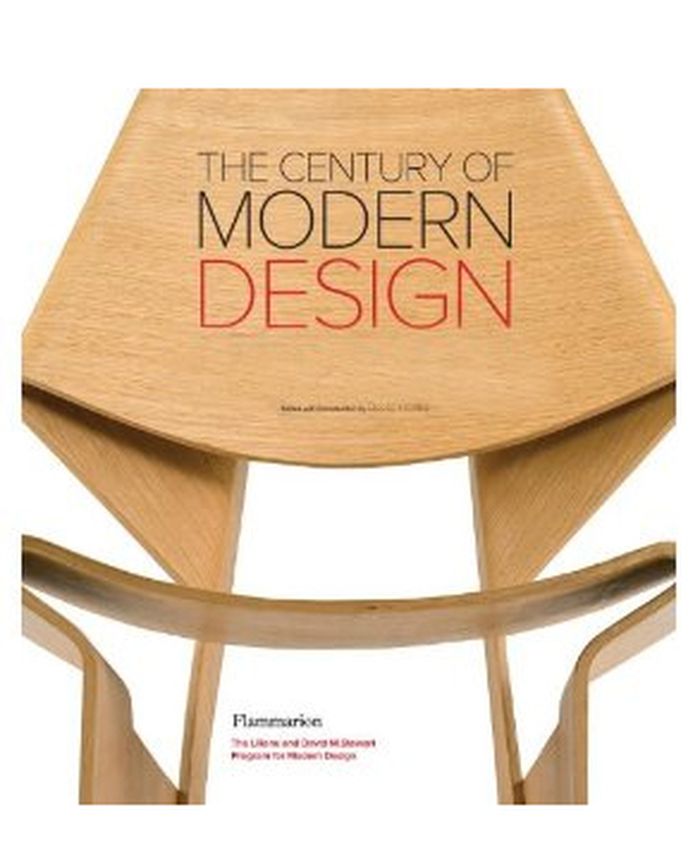
The Stewart Collection -in Montreal—celebrates its thirtieth anniversary in 2010. The Collection incorporates iconic furniture, ceramics, textiles, posters, graphic art, jewelry, and everyday objects from the 1930s to today. This book presents items chronologically, highlighting contrasts and parallels between works including posters by Max Bill and an armchair by Frank Lloyd Wright. Each decade of the twentieth century is introduced by an essay giving the context that shaped the works, providing a history of modern design. Great designers, including lesser-known but highly influential figures, are presented alongside their signature creations that retain a prominent place in the design world today.
The century of Modern design
Actions:
Price:
$22.00
(available to order)
Summary:
The Stewart Collection -in Montreal—celebrates its thirtieth anniversary in 2010. The Collection incorporates iconic furniture, ceramics, textiles, posters, graphic art, jewelry, and everyday objects from the 1930s to today. This book presents items chronologically, highlighting contrasts and parallels between works including posters by Max Bill and an armchair by Frank Lloyd Wright. Each decade of the twentieth century is introduced by an essay giving the context that shaped the works, providing a history of modern design. Great designers, including lesser-known but highly influential figures, are presented alongside their signature creations that retain a prominent place in the design world today.
Form:
books
books
Publication:
September 2010
September 2010
Form:
books
books
Title:
How to design a chair
How to design a chair
Actions:
Price:
$24.00
(available to order)
Summary:
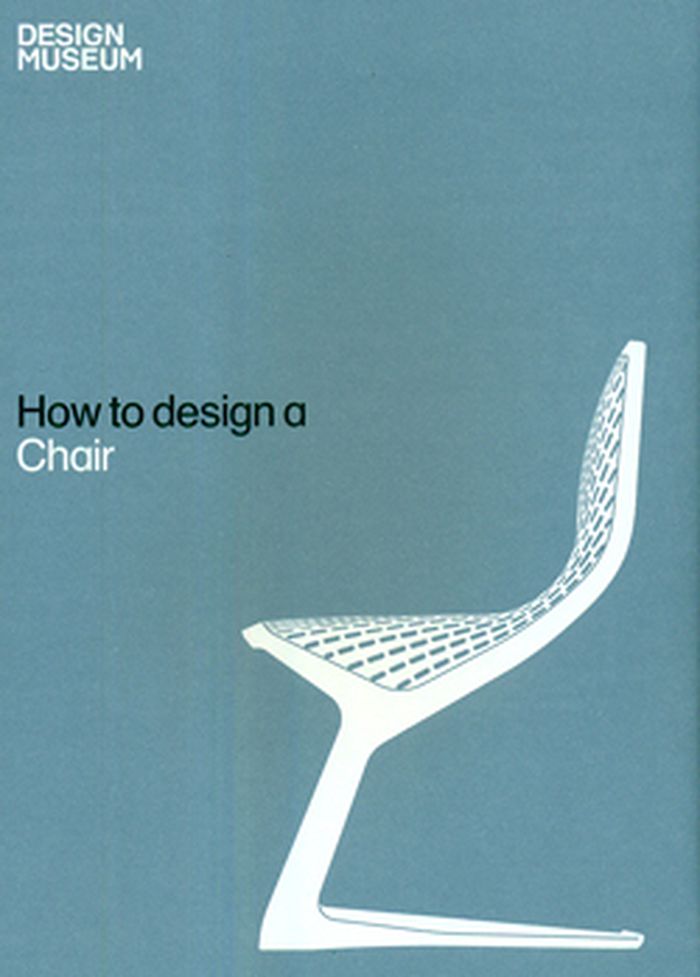
How to Design a Chair looks at the principles and processes of designing a chair, from its symbolic and functional properties to materials and mass-production techniques. In a working case study Konstantin Grcic traces the design and development of one of his most successful chairs - the Myto - from start to finish and reveals what it takes to create a successful design.
$24.00
(available to order)
Summary:
How to Design a Chair looks at the principles and processes of designing a chair, from its symbolic and functional properties to materials and mass-production techniques. In a working case study Konstantin Grcic traces the design and development of one of his most successful chairs - the Myto - from start to finish and reveals what it takes to create a successful design.
Title:
How to design a chair
Actions:
Price:
$24.00
(available to order)
Summary:
How to Design a Chair looks at the principles and processes of designing a chair, from its symbolic and functional properties to materials and mass-production techniques. In a working case study Konstantin Grcic traces the design and development of one of his most successful chairs - the Myto - from start to finish and reveals what it takes to create a successful design.
How to design a chair
Actions:
Price:
$24.00
(available to order)
Summary:
How to Design a Chair looks at the principles and processes of designing a chair, from its symbolic and functional properties to materials and mass-production techniques. In a working case study Konstantin Grcic traces the design and development of one of his most successful chairs - the Myto - from start to finish and reveals what it takes to create a successful design.
Form:
books
books
Publication:
November 2010
November 2010
Subject:
Industrial Design
Industrial Design
Form:
books
books

Actions:
Price:
$59.95
(available in store)
Summary:
True beauty lies in the design and process that leads matter to become a work of art. Before the final gesture that at last makes it a “work”, its beauty is contained in the invisible layers of thought and enthusiasm that lie beneath the surface of the finished object – from choice of materials to precision of execution.
$59.95
(available in store)
Summary:
True beauty lies in the design and process that leads matter to become a work of art. Before the final gesture that at last makes it a “work”, its beauty is contained in the invisible layers of thought and enthusiasm that lie beneath the surface of the finished object – from choice of materials to precision of execution.
Title:
Art in process: A work of Persol
Actions:
Price:
$59.95
(available in store)
Summary:
True beauty lies in the design and process that leads matter to become a work of art. Before the final gesture that at last makes it a “work”, its beauty is contained in the invisible layers of thought and enthusiasm that lie beneath the surface of the finished object – from choice of materials to precision of execution.
Art in process: A work of Persol
Actions:
Price:
$59.95
(available in store)
Summary:
True beauty lies in the design and process that leads matter to become a work of art. Before the final gesture that at last makes it a “work”, its beauty is contained in the invisible layers of thought and enthusiasm that lie beneath the surface of the finished object – from choice of materials to precision of execution.
Form:
books
books
Publication:
August 2010
August 2010
Subject:
Industrial Design
Industrial Design
Form:
books
books
Actions:
Price:
$35.00
(available to order)
Summary:
The publication presents the designs of six internationally renowned bicycle builders whose embrace of the tradition of working in metal brings striking innovation to their craft. Through their manipulation of steel, aluminum and titanium, the builders of Bespoke produce racing bicycles that speed champion athletes to victory, mountain and cyclocross bicycles built to(...)
$35.00
(available to order)
Summary:
The publication presents the designs of six internationally renowned bicycle builders whose embrace of the tradition of working in metal brings striking innovation to their craft. Through their manipulation of steel, aluminum and titanium, the builders of Bespoke produce racing bicycles that speed champion athletes to victory, mountain and cyclocross bicycles built to(...)
Title:
Bespoke : the handbuilt bicycle
Actions:
Price:
$35.00
(available to order)
Summary:
The publication presents the designs of six internationally renowned bicycle builders whose embrace of the tradition of working in metal brings striking innovation to their craft. Through their manipulation of steel, aluminum and titanium, the builders of Bespoke produce racing bicycles that speed champion athletes to victory, mountain and cyclocross bicycles built to negotiate vertiginous terrain, urban bicycles that stylishly convey commuters, and randonneur bicycles elegantly stripped down for epic journeys. Candid portraits including builder’s inspirations, working methods and bicycles, photographed in great detail, highlight this exhibition at New York’s Museum of Arts and Design. Bespoke offers an intimate view of objects that sit squarely at the intersection of art, design, craft and performance. With contributions by Michael Maharam and Sacha White (Vanilla Bicycles) Photographs by D. James Dee. Includes bicycles by the following builders : Mike Flanigan (A.N.T), Jeff Jones, Dario Pegoretti, Richard Sachs, J. Peter Weigle
Bespoke : the handbuilt bicycle
Actions:
Price:
$35.00
(available to order)
Summary:
The publication presents the designs of six internationally renowned bicycle builders whose embrace of the tradition of working in metal brings striking innovation to their craft. Through their manipulation of steel, aluminum and titanium, the builders of Bespoke produce racing bicycles that speed champion athletes to victory, mountain and cyclocross bicycles built to negotiate vertiginous terrain, urban bicycles that stylishly convey commuters, and randonneur bicycles elegantly stripped down for epic journeys. Candid portraits including builder’s inspirations, working methods and bicycles, photographed in great detail, highlight this exhibition at New York’s Museum of Arts and Design. Bespoke offers an intimate view of objects that sit squarely at the intersection of art, design, craft and performance. With contributions by Michael Maharam and Sacha White (Vanilla Bicycles) Photographs by D. James Dee. Includes bicycles by the following builders : Mike Flanigan (A.N.T), Jeff Jones, Dario Pegoretti, Richard Sachs, J. Peter Weigle
Form:
books
books
Publication:
July 2010
July 2010
Subject:
Industrial Design
Industrial Design
Form:
books
books
Price:
$28.95
(available to order)
Summary:
In this book, Anne Massey provides an anatomy of the chair and looks at how we interact with others in predetermined ways when seated. As she argues, the chair can communicate the authority of the owner, the sitter, and even the creator. Massey explores how, particularly in the last one hundred years, the chair has become a revered object of design. Chairs, such as the(...)
$28.95
(available to order)
Summary:
In this book, Anne Massey provides an anatomy of the chair and looks at how we interact with others in predetermined ways when seated. As she argues, the chair can communicate the authority of the owner, the sitter, and even the creator. Massey explores how, particularly in the last one hundred years, the chair has become a revered object of design. Chairs, such as the(...)
Title:
Chair
Actions:
Price:
$28.95
(available to order)
Summary:
In this book, Anne Massey provides an anatomy of the chair and looks at how we interact with others in predetermined ways when seated. As she argues, the chair can communicate the authority of the owner, the sitter, and even the creator. Massey explores how, particularly in the last one hundred years, the chair has become a revered object of design. Chairs, such as the Eames Lounge chair, Verner Panton’s S Chair, the Aeron office chair have been photographed, exhibited in art museums, and slavishly copied in knock-off cheaper models. Other chairs have reached iconic status simply through their everydayness : think of Van Gogh’s chair, or the way Shaker chairs have become emblematic of a simpler and purer lifestyle. Massey further examines how chairs have been crafted, constructed from materials in plentiful supply locally, to their global manufacture. In doing so she elucidates the meaning of the chair in contemporary culture, as well as the development of the designer’s and manufacturer’s relationship with this pivotal object.
Chair
Actions:
Price:
$28.95
(available to order)
Summary:
In this book, Anne Massey provides an anatomy of the chair and looks at how we interact with others in predetermined ways when seated. As she argues, the chair can communicate the authority of the owner, the sitter, and even the creator. Massey explores how, particularly in the last one hundred years, the chair has become a revered object of design. Chairs, such as the Eames Lounge chair, Verner Panton’s S Chair, the Aeron office chair have been photographed, exhibited in art museums, and slavishly copied in knock-off cheaper models. Other chairs have reached iconic status simply through their everydayness : think of Van Gogh’s chair, or the way Shaker chairs have become emblematic of a simpler and purer lifestyle. Massey further examines how chairs have been crafted, constructed from materials in plentiful supply locally, to their global manufacture. In doing so she elucidates the meaning of the chair in contemporary culture, as well as the development of the designer’s and manufacturer’s relationship with this pivotal object.
Form:
books
books
Publication:
October 2010
October 2010
Subject:
Industrial Design
Industrial Design
Form:
books
books
Actions:
Price:
$48.00
(available to order)
Summary:
This publication accompanies the fourth installation in Cooper-Hewitt, the National Design Triennial exhibition series. It offers a glimpse into contemporary innovation and a survey of what progressive designers, engineers, entrepreneurs and citizens are doing in diverse fields and at different scales.
$48.00
(available to order)
Summary:
This publication accompanies the fourth installation in Cooper-Hewitt, the National Design Triennial exhibition series. It offers a glimpse into contemporary innovation and a survey of what progressive designers, engineers, entrepreneurs and citizens are doing in diverse fields and at different scales.
Subject:
Industrial Design
Industrial Design
Publication:
July 2010
July 2010
Title:
Why design now? national design triennial
Actions:
Price:
$48.00
(available to order)
Summary:
This publication accompanies the fourth installation in Cooper-Hewitt, the National Design Triennial exhibition series. It offers a glimpse into contemporary innovation and a survey of what progressive designers, engineers, entrepreneurs and citizens are doing in diverse fields and at different scales.
Why design now? national design triennial
Actions:
Price:
$48.00
(available to order)
Summary:
This publication accompanies the fourth installation in Cooper-Hewitt, the National Design Triennial exhibition series. It offers a glimpse into contemporary innovation and a survey of what progressive designers, engineers, entrepreneurs and citizens are doing in diverse fields and at different scales.
Form:
books
books
Publication:
July 2010
July 2010
Subject:
Industrial Design
Industrial Design
Form:
books
books
Title:
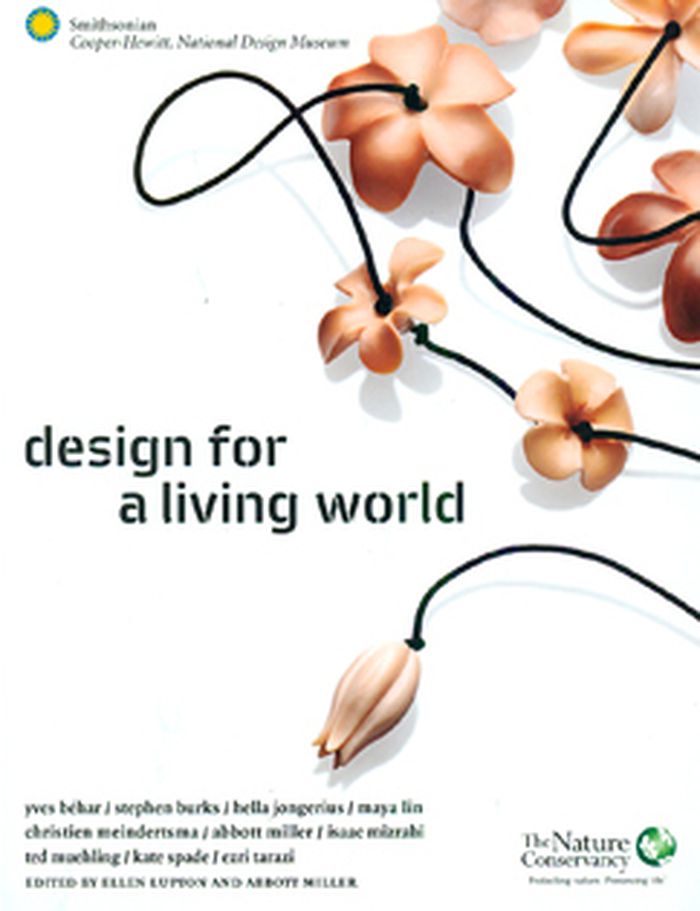
Design for a living world
Design for a living world
Actions:
Price:
$44.00
(available to order)
Summary:
Design for a living world asks us to think about the products we use -where they come from, how they are made, and the impacts they have on our planet. The Nature Conservancy invited ten designers to create objects from sustainable materials sourced from around the world. Wood, plants, wool, and other organic materials were transformed into intriguing objects.
$44.00
(available to order)
Summary:
Design for a living world asks us to think about the products we use -where they come from, how they are made, and the impacts they have on our planet. The Nature Conservancy invited ten designers to create objects from sustainable materials sourced from around the world. Wood, plants, wool, and other organic materials were transformed into intriguing objects.
Title:
Design for a living world
Actions:
Price:
$44.00
(available to order)
Summary:
Design for a living world asks us to think about the products we use -where they come from, how they are made, and the impacts they have on our planet. The Nature Conservancy invited ten designers to create objects from sustainable materials sourced from around the world. Wood, plants, wool, and other organic materials were transformed into intriguing objects.
Design for a living world
Actions:
Price:
$44.00
(available to order)
Summary:
Design for a living world asks us to think about the products we use -where they come from, how they are made, and the impacts they have on our planet. The Nature Conservancy invited ten designers to create objects from sustainable materials sourced from around the world. Wood, plants, wool, and other organic materials were transformed into intriguing objects.
Form:
books
books
Publication:
July 2010
July 2010
Subject:
Industrial Design
Industrial Design


