


50 Results
Form:
books
books
Price:
$94.95
(available to order)
Summary:
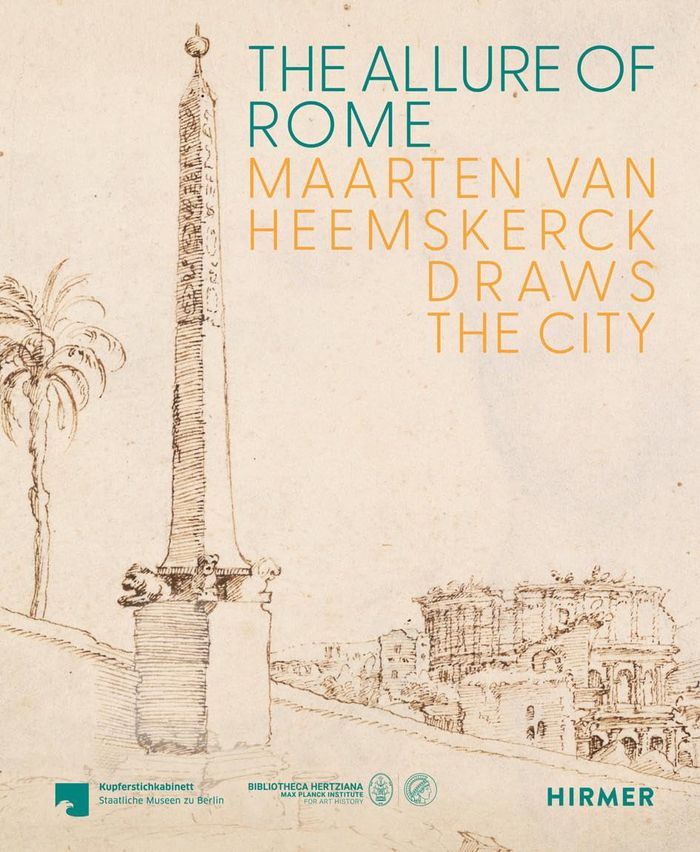
In 1532, the Dutch painter Maarten van Heemskerck (1498–1574) traveled from Haarlem to Rome. Pencil in hand, he discovered antiquity and the Renaissance. His remarkable drawings take us on a journey through time in sixteenth-century Rome. Van Heemskerck was everywhere, from the Colosseum to the Forum Romanum to the Piazza del Campidoglio. He was one of the first artists(...)
Subject:
History until 1900, Italy
History until 1900, Italy
Publication:
August 2024
August 2024
Title:
The allure of Rome: Maarten van Heemskerck draws the city, 1532
Actions:
Price:
$94.95
(available to order)
Summary:
In 1532, the Dutch painter Maarten van Heemskerck (1498–1574) traveled from Haarlem to Rome. Pencil in hand, he discovered antiquity and the Renaissance. His remarkable drawings take us on a journey through time in sixteenth-century Rome. Van Heemskerck was everywhere, from the Colosseum to the Forum Romanum to the Piazza del Campidoglio. He was one of the first artists from north of the Alps to embark on a trip to Rome purely for the sake of art. His sketches reveal his admiration for the buildings and artworks of antiquity and the contemporary art of Raphael and Michelangelo. This magnificent volume invites the reader to discover van Heemkerck’s drawing technique, Roman topography, and the social network of the sixteenth century as well as the fascinating story of the restoration of his Roman sketchbook.
Form:
books
books
Publication:
August 2024
August 2024
Subject:
History until 1900, Italy
History until 1900, Italy
Form:
books
books
Title:
Walking Rome's waters
Walking Rome's waters
Actions:
Price:
$50.00
(available in store)
Summary:
Written by a leading expert on the water infrastructure of Rome, this grand tour offers a new way to appreciate the history, geology, and character of the ancient and contemporary city. Illustrated itineraries wind through Rome’s streets, piazzas, and gardens, following the trail of water as it flows, propelled by gravity, through different neighborhoods. In addition to(...)
Title:
Walking Rome's waters
Actions:
Price:
$50.00
(available in store)
Summary:
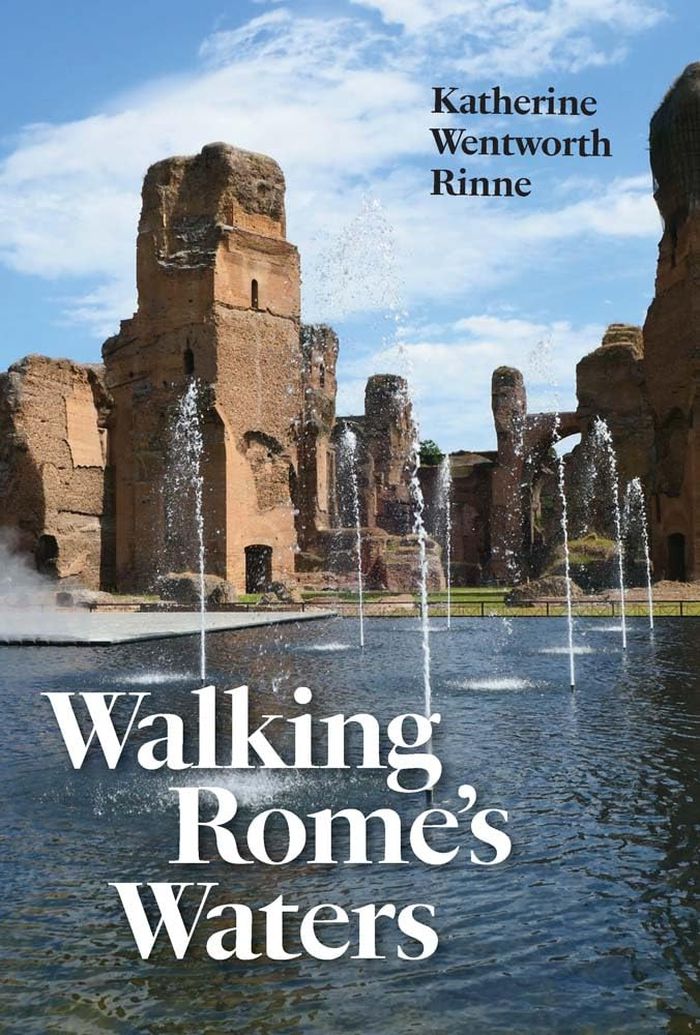
Written by a leading expert on the water infrastructure of Rome, this grand tour offers a new way to appreciate the history, geology, and character of the ancient and contemporary city. Illustrated itineraries wind through Rome’s streets, piazzas, and gardens, following the trail of water as it flows, propelled by gravity, through different neighborhoods. In addition to mapping thirteen walking tours, Katherine Wentworth Rinne also pulls the reader underground—where hidden springs and streams still flow—to illuminate how Rome’s complex topography has been transformed since antiquity, as well as into the sky, imaginatively flying over Rome’s villas and parks to give readers a sense of the infrastructure through an aerial view.
Form:
books
books
Publication:
January 2025
January 2025
Subject:
History until 1900, Italy
History until 1900, Italy
Form:
books
books
Title:
Rome from the ground up
Rome from the ground up
Actions:
Price:
$37.50
(available to order)
Summary:
Rome is not one city but many, each with its own history unfolding from a different center: now the trading port on the Tiber; now the Forum of antiquity; the Palatine of imperial power; the Lateran Church of Christian ascendancy; the Vatican; the Quirinal palace. Beginning with the very shaping of the ground on which Rome first rose, this book conjures all these cities,(...)
Title:
Rome from the ground up
Actions:
Price:
$37.50
(available to order)
Summary:
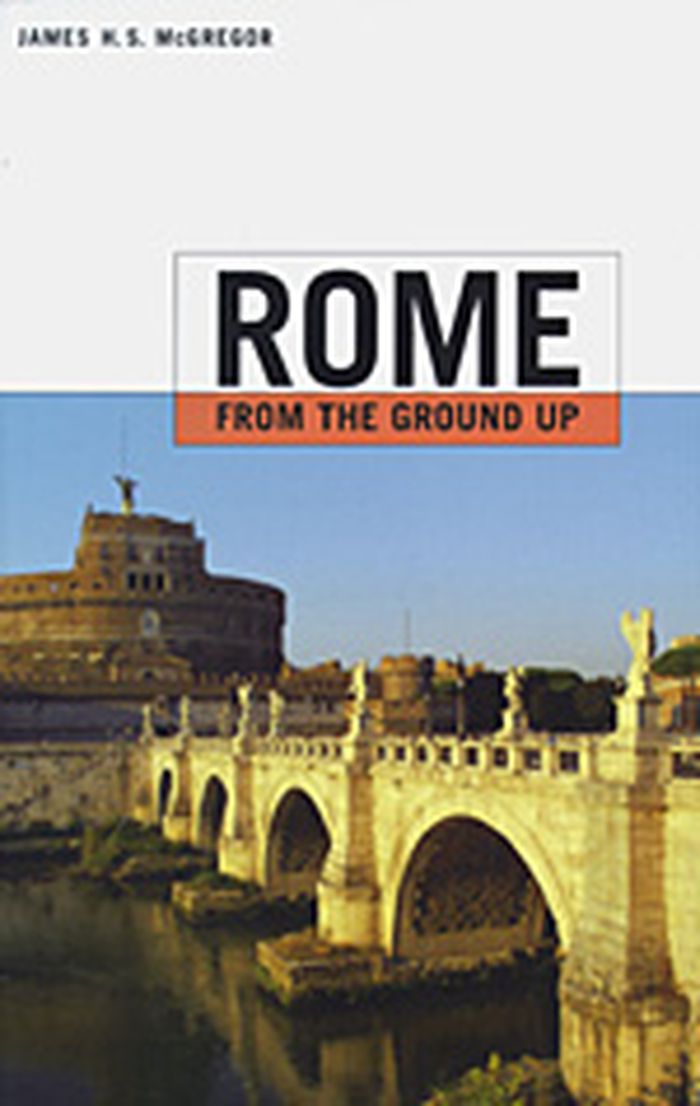
Rome is not one city but many, each with its own history unfolding from a different center: now the trading port on the Tiber; now the Forum of antiquity; the Palatine of imperial power; the Lateran Church of Christian ascendancy; the Vatican; the Quirinal palace. Beginning with the very shaping of the ground on which Rome first rose, this book conjures all these cities, past and present, conducting the reader through time and space to the complex and shifting realities - architectural, historical, political, and social - that constitute Rome.
Form:
books
books
Publication:
October 2005, Cambridge
October 2005, Cambridge
Subject:
History until 1900, Italy
History until 1900, Italy
Form:
books
books
Title:
Venice : the tourist maze
Venice : the tourist maze
Actions:
Price:
$27.50
(available to order)
Summary:
"The tourist Venice is Venice," Mary McCarthy once observed--a sentiment very much in line with what most of the fourteen million tourists who visit the city each year experience, but at the same time a painful reality for the 65,000 Venetians who actually live there. Venice is viewed from a new perspective in this engaging book, which offers a heady, one-city tour of(...)
Subject:
History until 1900, Italy
History until 1900, Italy
Publication:
May 2004, Berkeley
May 2004, Berkeley
Title:
Venice : the tourist maze
Actions:
Price:
$27.50
(available to order)
Summary:
"The tourist Venice is Venice," Mary McCarthy once observed--a sentiment very much in line with what most of the fourteen million tourists who visit the city each year experience, but at the same time a painful reality for the 65,000 Venetians who actually live there. Venice is viewed from a new perspective in this engaging book, which offers a heady, one-city tour of tourism itself. Conducting readers from the beginnings of Venetian tourism in the late Middle Ages to its emergence as a form of mass entertainment in our time, the authors explore what happens when today's "industrial tourism" collides with an ancient and ever-more-fragile culture. Giving equal consideration to those who tour Venice and those who live there, their book affords rare insight into just what it is that the touring and the toured see, experience, and elicit from each other.
Form:
books
books
Publication:
May 2004, Berkeley
May 2004, Berkeley
Subject:
History until 1900, Italy
History until 1900, Italy
Form:
books
books
Title:
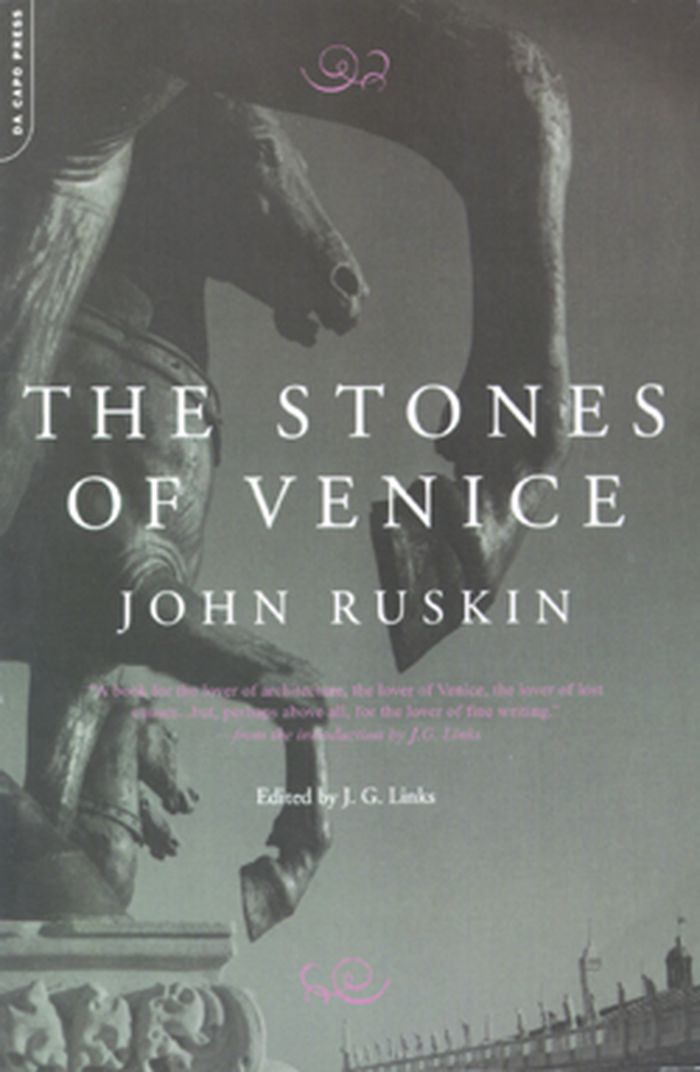
The stones of Venice
The stones of Venice
Actions:
Price:
$25.99
(available in store)
Summary:
John Ruskin, Victorian England's greatest writer on art and literature, believed himself an adopted son of Venice, and his feelings for this city are exquisitely expressed in "The Stones of Venice". This edition contains Ruskin's famous essay "The Nature of Gothic," a marvelously descriptive tour of Venice before its postwar restoration. As Ruskin wrote in 1851, "Thank(...)
Subject:
History until 1900, Italy
History until 1900, Italy
Publication:
September 2003, New York / Cambridge, Mass.
September 2003, New York / Cambridge, Mass.
Title:
The stones of Venice
Actions:
Price:
$25.99
(available in store)
Summary:
John Ruskin, Victorian England's greatest writer on art and literature, believed himself an adopted son of Venice, and his feelings for this city are exquisitely expressed in "The Stones of Venice". This edition contains Ruskin's famous essay "The Nature of Gothic," a marvelously descriptive tour of Venice before its postwar restoration. As Ruskin wrote in 1851, "Thank God I am here, it is a Paradise of Cities."
Form:
books
books
Publication:
September 2003, New York / Cambridge, Mass.
September 2003, New York / Cambridge, Mass.
Subject:
History until 1900, Italy
History until 1900, Italy
Form:
books
books

Title:
Venise est lagune
Venise est lagune
Actions:
Price:
$14.95
(available to order)
Summary:
L’auteur nous parle de l’intrusion des paquebots géants jusqu’au pied du Palais des Doges. Venise est lagune, Venise est fragile, Les monstres des mers causent des dégâts aux pilotis, s’approchent dangereusement des quais, déversent des odeurs nocives de fumée, déplacent des tonnes d’eau et la nuit des milliers de flashs crépitent.
Title:
Venise est lagune
Actions:
Price:
$14.95
(available to order)
Summary:
L’auteur nous parle de l’intrusion des paquebots géants jusqu’au pied du Palais des Doges. Venise est lagune, Venise est fragile, Les monstres des mers causent des dégâts aux pilotis, s’approchent dangereusement des quais, déversent des odeurs nocives de fumée, déplacent des tonnes d’eau et la nuit des milliers de flashs crépitent.
Form:
books
books
Publication:
November 2016
November 2016
Subject:
History until 1900, Italy
History until 1900, Italy
Form:
books
books
Actions:
Price:
$17.95
(available to order)
Summary:
Parmi toutes les cités du monde, Venise peut se vanter avec raison d’avoir la plus extraordinaire des biographies. Depuis son origine, vraisemblablement à l’époque romaine, et jusqu’à son intégration à l’Italie en 1866, elle a connu les invasions barbares aux VIe et VIIe siècles de notre ère, la pression des Francs puis celle des Turcs, elle est tombée en 1797 entre les(...)
Title:
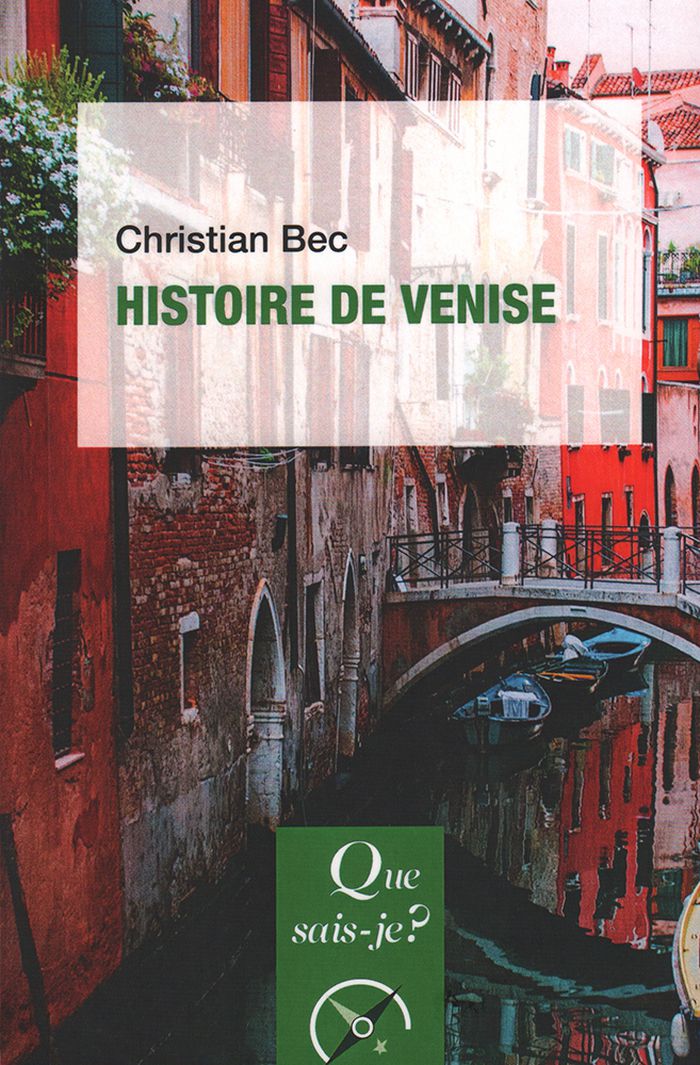
Histoire de Venise (nouvelle édition)
Actions:
Price:
$17.95
(available to order)
Summary:
Parmi toutes les cités du monde, Venise peut se vanter avec raison d’avoir la plus extraordinaire des biographies. Depuis son origine, vraisemblablement à l’époque romaine, et jusqu’à son intégration à l’Italie en 1866, elle a connu les invasions barbares aux VIe et VIIe siècles de notre ère, la pression des Francs puis celle des Turcs, elle est tombée en 1797 entre les mains de Bonaparte qui l’a cédée à l’empire d’Autriche… tout en ne cessant de connaître un fort développement économique grâce à son commerce maritime. Aujourd’hui, ce chef-d’oeuvre architectural est confronté aux menaces de la submersion, de la pollution et d’une forte chute démographique. Où se situe l’avenir de cette ville exceptionnelle ?
Form:
books
books
Publication:
April 2017
April 2017
Subject:
History until 1900, Italy
History until 1900, Italy
Form:
books
books
Actions:
Price:
$50.00
(available to order)
Summary:
The Gonzagas, like many other ruling families at the time, were suffering from the ‘brick disease’, from a systematic willingness to build, which resulted in a grand historical and architectural heritage to which we are heirs and custodians. These assets need care and work, and Le Regge dei Gonzaga Cultural District has taken this task on board, with the support of the(...)
Title:
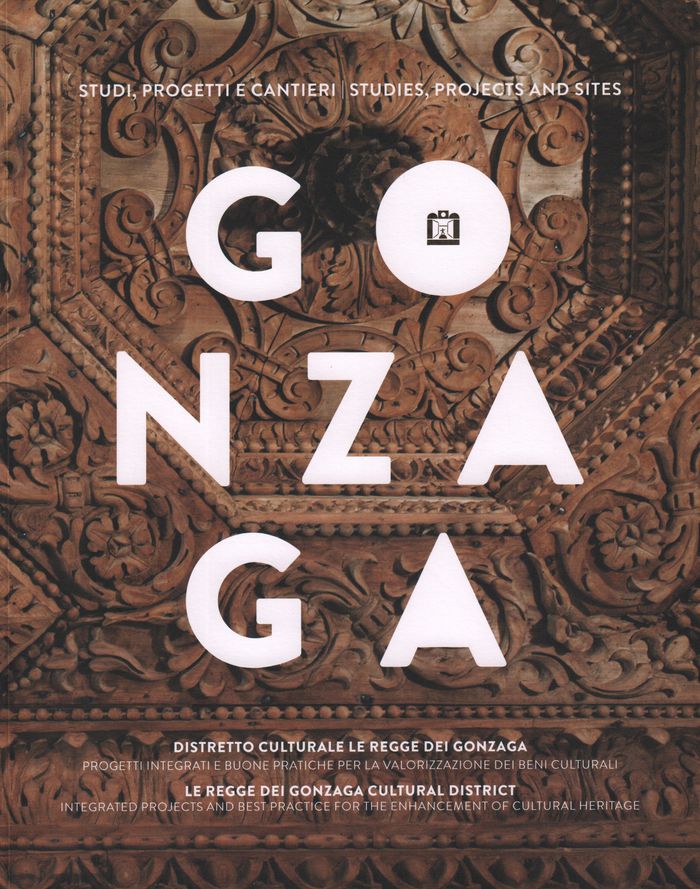
Gonzaga: studies, projects and sites
Actions:
Price:
$50.00
(available to order)
Summary:
The Gonzagas, like many other ruling families at the time, were suffering from the ‘brick disease’, from a systematic willingness to build, which resulted in a grand historical and architectural heritage to which we are heirs and custodians. These assets need care and work, and Le Regge dei Gonzaga Cultural District has taken this task on board, with the support of the Fondazione Cariplo.
Form:
books
books
Publication:
May 2016
May 2016
Subject:
History until 1900, Italy
History until 1900, Italy
Form:
books
books
Title:
Venice from the ground up
Venice from the ground up
Actions:
Price:
$34.95
(available to order)
Summary:
Venice came to life on spongy mudflats at the edge of the habitable world. Protected in a tidal estuary from barbarian invaders and Byzantine overlords, the fishermen, salt gatherers, and traders who settled there crafted an amphibious way of life unlike anything the Roman Empire had ever known. James H. S. McGregor recreates this world-turned-upside-down, with its(...)
Subject:
History until 1900, Italy
History until 1900, Italy
Publication:
October 2006, Cambridge (MA), London
October 2006, Cambridge (MA), London
Title:
Venice from the ground up
Actions:
Price:
$34.95
(available to order)
Summary:
Venice came to life on spongy mudflats at the edge of the habitable world. Protected in a tidal estuary from barbarian invaders and Byzantine overlords, the fishermen, salt gatherers, and traders who settled there crafted an amphibious way of life unlike anything the Roman Empire had ever known. James H. S. McGregor recreates this world-turned-upside-down, with its waterways rather than roads, its boats tethered alongside dwellings, and its livelihood harvested from the sea. McGregor begins with the river currents that poured into the shallow Lagoon, carving channels in its bed and depositing islands of silt. He then describes the imaginative responses of Venetians to the demands and opportunities of this harsh environment - transforming the channels into canals, reclaiming salt marshes for the construction of massive churches, erecting a thriving marketplace and stately palaces along the Grand Canal. Through McGregor's eyes, we witness the flowering of Venice's restless creativity in the elaborate mosaics of St. Mark's soaring basilica, the expressive paintings in smaller neighborhood churches, and the colorful religious festivals - but also in theatrical productions, gambling casinos, and masked revelry, which reveal the city's less pious and orderly face. McGregor tells his unique history of Venice by drawing on a crumbling, tide-threatened cityscape and a treasure-trove of art that can still be seen in place today. The narrative follows both a chronological and geographical organization, so that readers can trace the city's evolution chapter by chapter and visitors can explore it district by district on foot and by boat.
Form:
books
books
Publication:
October 2006, Cambridge (MA), London
October 2006, Cambridge (MA), London
Subject:
History until 1900, Italy
History until 1900, Italy
Form:
books
books
Actions:
Price:
$29.00
(available to order)
Summary:
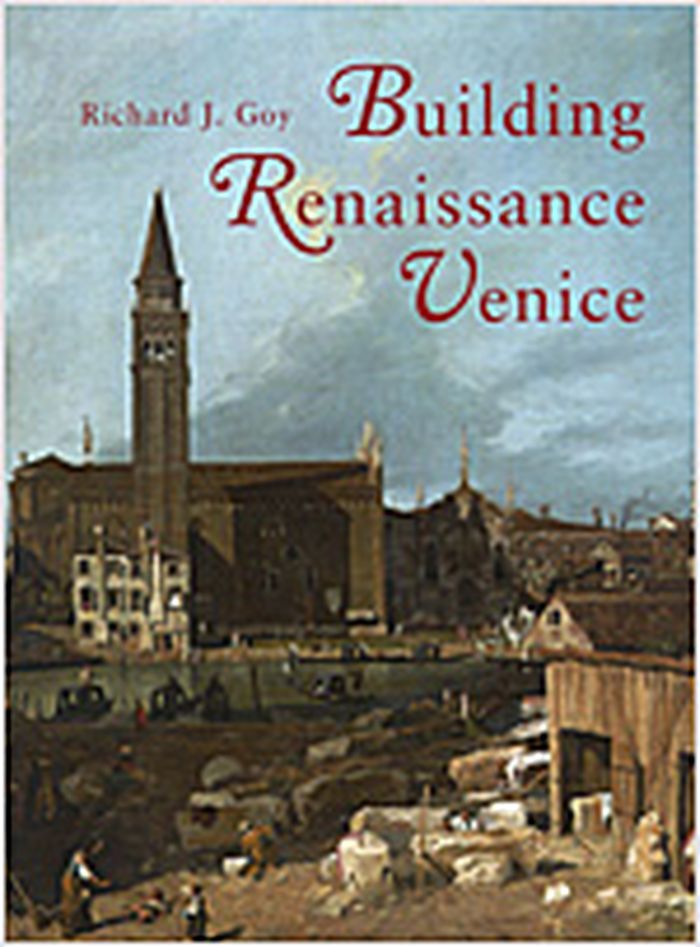
This book brings to life the story of the construction of some of the most outstanding early Renaissance buildings in Venice. Through a series of individual case studies, Richard J. Goy explores how and why buildings came to be built. He addresses the practical issues of constructing such buildings as the Torre dell’Orologio in Piazza San Marco, the Arsenale Gate, and the(...)
Subject:
History until 1900, Italy
History until 1900, Italy
Publication:
June 2006, New Haven / London
June 2006, New Haven / London
Title:
Building Renaissance Venice : patrons, architects and builders c. 1430-1500
Actions:
Price:
$29.00
(available to order)
Summary:
This book brings to life the story of the construction of some of the most outstanding early Renaissance buildings in Venice. Through a series of individual case studies, Richard J. Goy explores how and why buildings came to be built. He addresses the practical issues of constructing such buildings as the Torre dell’Orologio in Piazza San Marco, the Arsenale Gate, and the churches of Santa Maria della Carita and San Zaccaria, focusing particular attention on the process of patronage. The book traces the complete process of creating important buildings, from the earliest conception in the minds of the patrons—the Venetian state or other institutional patrons—through the choice of architect, the employment of craftsmen, and the selection of materials. In an interesting analysis of the participants’ roles, Goy highlights the emerging importance of the superintending master, the protomaestro.
Form:
books
books
Publication:
June 2006, New Haven / London
June 2006, New Haven / London
Subject:
History until 1900, Italy
History until 1900, Italy


