


69 Results
Form:
books
books
Actions:
Price:
$53.95
(available to order)
Summary:
Where would you take someone on a guided tour of your neighborhood? In ''The Cities We Need'', photographer and urbanist Gabrielle Bendiner-Viani introduces us to the complex, political, and eminently personable stories of residents who answered this question in Brooklyn, New York, and Oakland, California. Their universal stories and Bendiner-Viani's evocative images(...)
$53.95
(available to order)
Summary:
Where would you take someone on a guided tour of your neighborhood? In ''The Cities We Need'', photographer and urbanist Gabrielle Bendiner-Viani introduces us to the complex, political, and eminently personable stories of residents who answered this question in Brooklyn, New York, and Oakland, California. Their universal stories and Bendiner-Viani's evocative images(...)
Title:
The cities we need: Essential stories of everyday places
Actions:
Price:
$53.95
(available to order)
Summary:
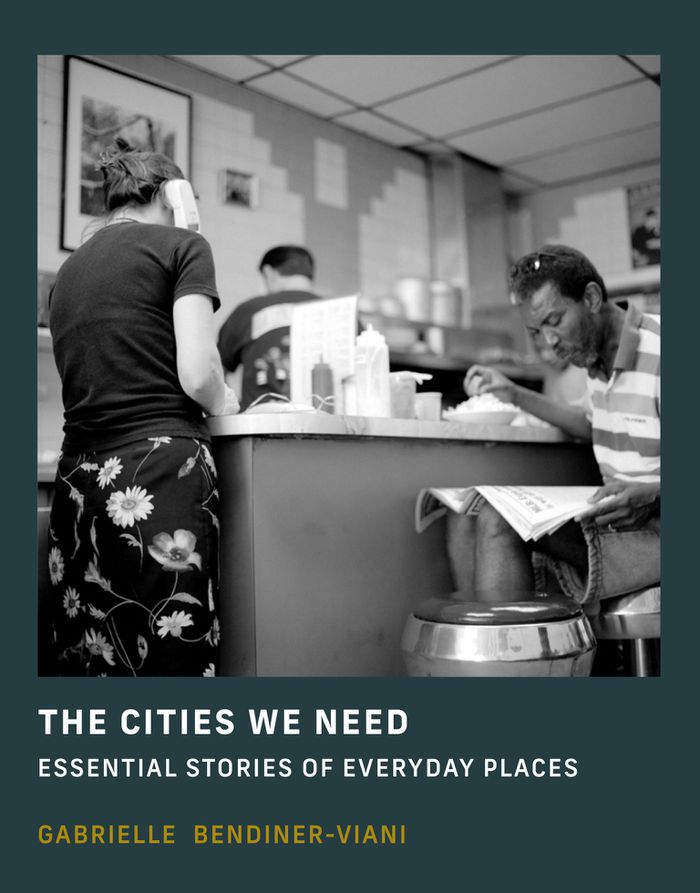
Where would you take someone on a guided tour of your neighborhood? In ''The Cities We Need'', photographer and urbanist Gabrielle Bendiner-Viani introduces us to the complex, political, and eminently personable stories of residents who answered this question in Brooklyn, New York, and Oakland, California. Their universal stories and Bendiner-Viani's evocative images illuminate what's at stake in our everyday places—from diners to churches to donut shops. In this culmination of two decades of research and art practice, Bendiner-Viani intertwines the personal, historical, and photographic to present us with placework, the way that unassuming places foster a sense of belonging and, in fact, do the essential work of helping us become communities.
The cities we need: Essential stories of everyday places
Actions:
Price:
$53.95
(available to order)
Summary:
Where would you take someone on a guided tour of your neighborhood? In ''The Cities We Need'', photographer and urbanist Gabrielle Bendiner-Viani introduces us to the complex, political, and eminently personable stories of residents who answered this question in Brooklyn, New York, and Oakland, California. Their universal stories and Bendiner-Viani's evocative images illuminate what's at stake in our everyday places—from diners to churches to donut shops. In this culmination of two decades of research and art practice, Bendiner-Viani intertwines the personal, historical, and photographic to present us with placework, the way that unassuming places foster a sense of belonging and, in fact, do the essential work of helping us become communities.
Form:
books
books
Publication:
August 2024
August 2024
Subject:
Humans and cities
Humans and cities
Form:
books
books
Actions:
Price:
$66.00
(available to order)
Summary:
''The Pointillistic City'' explores the multilayer geography of our daily lives—specifically, how we simultaneously live at the scales of addresses, streets, and neighborhoods and how each can be relevant for our well-being. Not unlike the way in which we look at a pointillistic painting, which depicts a full scene through the detailed organization of multiple objects,(...)
$66.00
(available to order)
Summary:
''The Pointillistic City'' explores the multilayer geography of our daily lives—specifically, how we simultaneously live at the scales of addresses, streets, and neighborhoods and how each can be relevant for our well-being. Not unlike the way in which we look at a pointillistic painting, which depicts a full scene through the detailed organization of multiple objects,(...)
Title:
The pointilistic city: How microspatial inequities affect well-being in our communities
Actions:
Price:
$66.00
(available to order)
Summary:
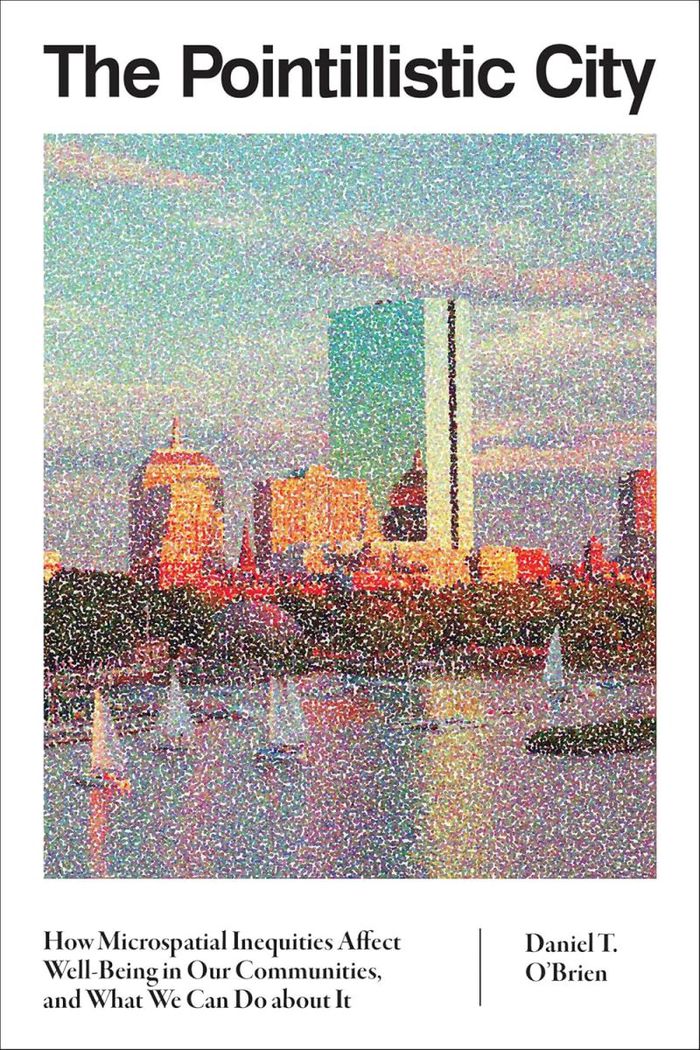
''The Pointillistic City'' explores the multilayer geography of our daily lives—specifically, how we simultaneously live at the scales of addresses, streets, and neighborhoods and how each can be relevant for our well-being. Not unlike the way in which we look at a pointillistic painting, which depicts a full scene through the detailed organization of multiple objects, Daniel T. O'Brien considers the three scales together and the comprehensive understanding of the city they offer. The pointillistic approach to the city contrasts with decades of focus on neighborhoods. As such, it surfaces microspatial inequities, or disparities in experiences between people living in the same neighborhood, even right around the corner from each other. Microspatial inequities have gone largely unnoticed to date, and their recognition offers a new approach to understanding and supporting the diverse population of the city.
The pointilistic city: How microspatial inequities affect well-being in our communities
Actions:
Price:
$66.00
(available to order)
Summary:
''The Pointillistic City'' explores the multilayer geography of our daily lives—specifically, how we simultaneously live at the scales of addresses, streets, and neighborhoods and how each can be relevant for our well-being. Not unlike the way in which we look at a pointillistic painting, which depicts a full scene through the detailed organization of multiple objects, Daniel T. O'Brien considers the three scales together and the comprehensive understanding of the city they offer. The pointillistic approach to the city contrasts with decades of focus on neighborhoods. As such, it surfaces microspatial inequities, or disparities in experiences between people living in the same neighborhood, even right around the corner from each other. Microspatial inequities have gone largely unnoticed to date, and their recognition offers a new approach to understanding and supporting the diverse population of the city.
Form:
books
books
Publication:
January 2025
January 2025
Subject:
Humans and cities
Humans and cities
Form:
books
books
Price:
$12.00
(available to order)
Summary:
The documentary film "What It Takes to Make A Home" (2020, conceived by Giovanna Borasi of the CCA and directed by Daniel Schwartz) follows a conversation between two architects whose work addresses homelessness. Michael Maltzan in Los Angeles and Alexander Hagner in Vienna have both designed long-term housing, exploring and embodying various strategies for social(...)
$12.00
(available to order)
Summary:
The documentary film "What It Takes to Make A Home" (2020, conceived by Giovanna Borasi of the CCA and directed by Daniel Schwartz) follows a conversation between two architects whose work addresses homelessness. Michael Maltzan in Los Angeles and Alexander Hagner in Vienna have both designed long-term housing, exploring and embodying various strategies for social(...)
Subject:
Humans and cities
Humans and cities
Publication:
October 2020
October 2020
Title:
Questions on dwelling, discourse 01: What it takes to make a home
Actions:
Price:
$12.00
(available to order)
Summary:
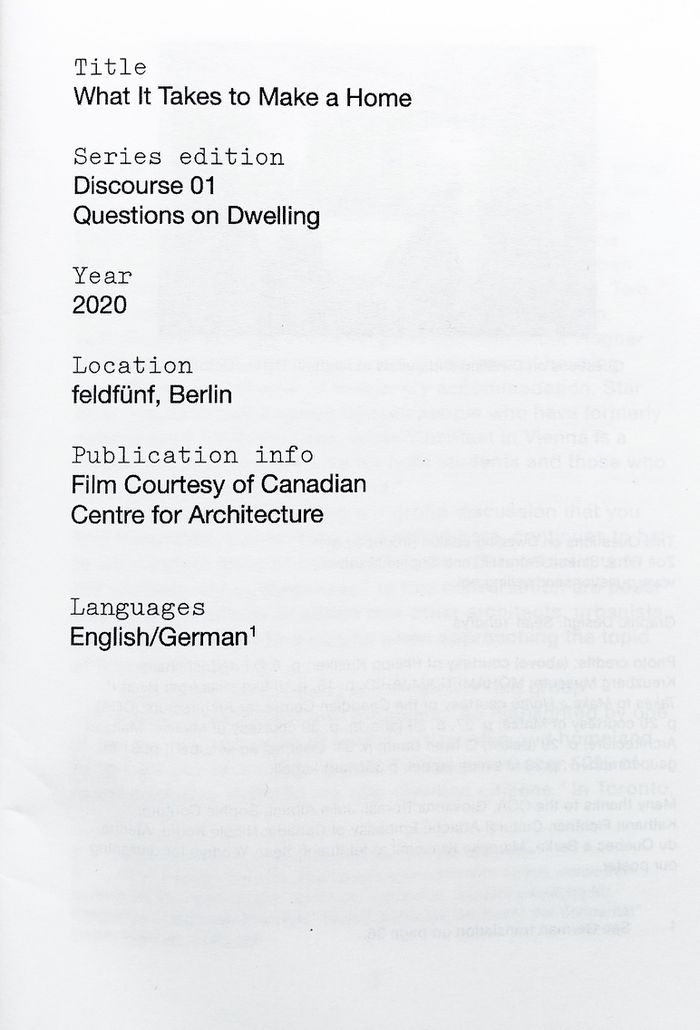
The documentary film "What It Takes to Make A Home" (2020, conceived by Giovanna Borasi of the CCA and directed by Daniel Schwartz) follows a conversation between two architects whose work addresses homelessness. Michael Maltzan in Los Angeles and Alexander Hagner in Vienna have both designed long-term housing, exploring and embodying various strategies for social integration, mental health, and inclusive architectural-urban schemes. Questions on Dwelling screened the film in full and held a conversation at feldfünf Berlin with actors engaged in homelessness in Berlin. In that conversation, they tried to address the successes and failures of the film, architecture’s role and complicity in exacerbating the financialization of housing, the criminalization of urban space, and its entanglement with the privatization of the city. The transcript of that conversation was documented in this bilingual booklet.
Questions on dwelling, discourse 01: What it takes to make a home
Actions:
Price:
$12.00
(available to order)
Summary:
The documentary film "What It Takes to Make A Home" (2020, conceived by Giovanna Borasi of the CCA and directed by Daniel Schwartz) follows a conversation between two architects whose work addresses homelessness. Michael Maltzan in Los Angeles and Alexander Hagner in Vienna have both designed long-term housing, exploring and embodying various strategies for social integration, mental health, and inclusive architectural-urban schemes. Questions on Dwelling screened the film in full and held a conversation at feldfünf Berlin with actors engaged in homelessness in Berlin. In that conversation, they tried to address the successes and failures of the film, architecture’s role and complicity in exacerbating the financialization of housing, the criminalization of urban space, and its entanglement with the privatization of the city. The transcript of that conversation was documented in this bilingual booklet.
Form:
books
books
Publication:
October 2020
October 2020
Subject:
Humans and cities
Humans and cities
Form:
books
books
Actions:
Price:
$10.00
(available in store)
Summary:
The "Reprints" series seek to recirculate un- or under-documented writings on the city or space, typically those authored by non-architects. Questions on Dwellings acquire permission where possible, and publish under Attribution-NonCommercial-ShareAlike 4.0 International (CC BY-NC-SA 4.0) copyright. Reprint 01: "Bloods/Crips Proposal for L.A.’s Face-lift," originally(...)
$10.00
(available in store)
Summary:
The "Reprints" series seek to recirculate un- or under-documented writings on the city or space, typically those authored by non-architects. Questions on Dwellings acquire permission where possible, and publish under Attribution-NonCommercial-ShareAlike 4.0 International (CC BY-NC-SA 4.0) copyright. Reprint 01: "Bloods/Crips Proposal for L.A.’s Face-lift," originally(...)
Subject:
Humans and cities
Humans and cities
Publication:
February 2024
February 2024
Title:
Questions on dwelling, reprint 01: Blood/Crips proposal for L.A.'s face-lift
Actions:
Price:
$10.00
(available in store)
Summary:
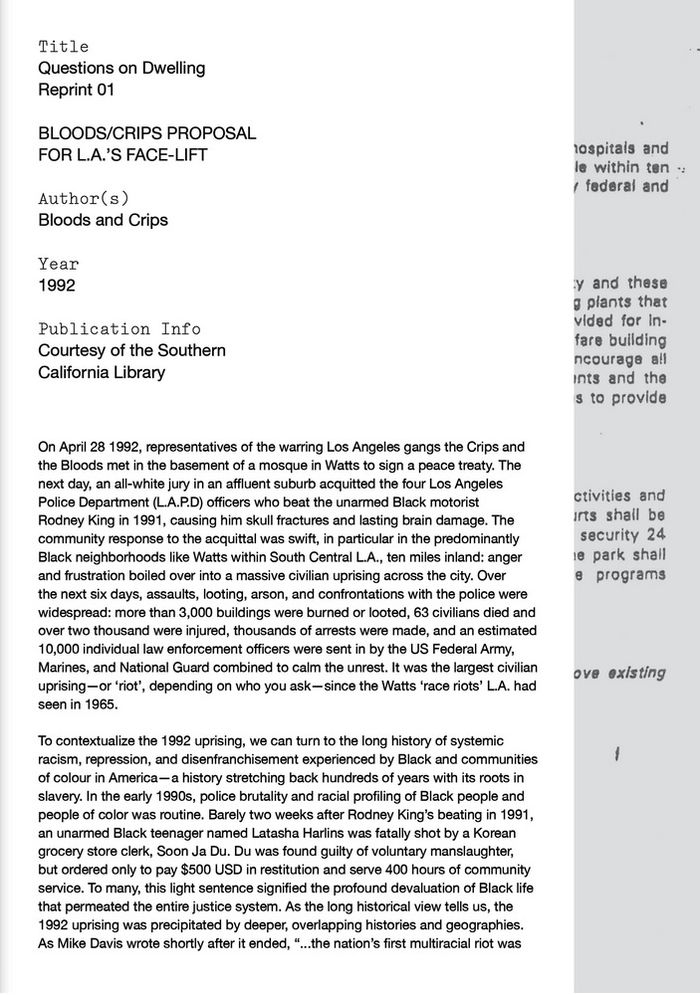
The "Reprints" series seek to recirculate un- or under-documented writings on the city or space, typically those authored by non-architects. Questions on Dwellings acquire permission where possible, and publish under Attribution-NonCommercial-ShareAlike 4.0 International (CC BY-NC-SA 4.0) copyright. Reprint 01: "Bloods/Crips Proposal for L.A.’s Face-lift," originally written in 1992. The booklet includes an editorial essay for context. Both the proposal and essay are inclued in German translation.
Questions on dwelling, reprint 01: Blood/Crips proposal for L.A.'s face-lift
Actions:
Price:
$10.00
(available in store)
Summary:
The "Reprints" series seek to recirculate un- or under-documented writings on the city or space, typically those authored by non-architects. Questions on Dwellings acquire permission where possible, and publish under Attribution-NonCommercial-ShareAlike 4.0 International (CC BY-NC-SA 4.0) copyright. Reprint 01: "Bloods/Crips Proposal for L.A.’s Face-lift," originally written in 1992. The booklet includes an editorial essay for context. Both the proposal and essay are inclued in German translation.
Form:
books
books
Publication:
February 2024
February 2024
Subject:
Humans and cities
Humans and cities
Form:
books
books
Price:
$46.95
(available to order)
Summary:
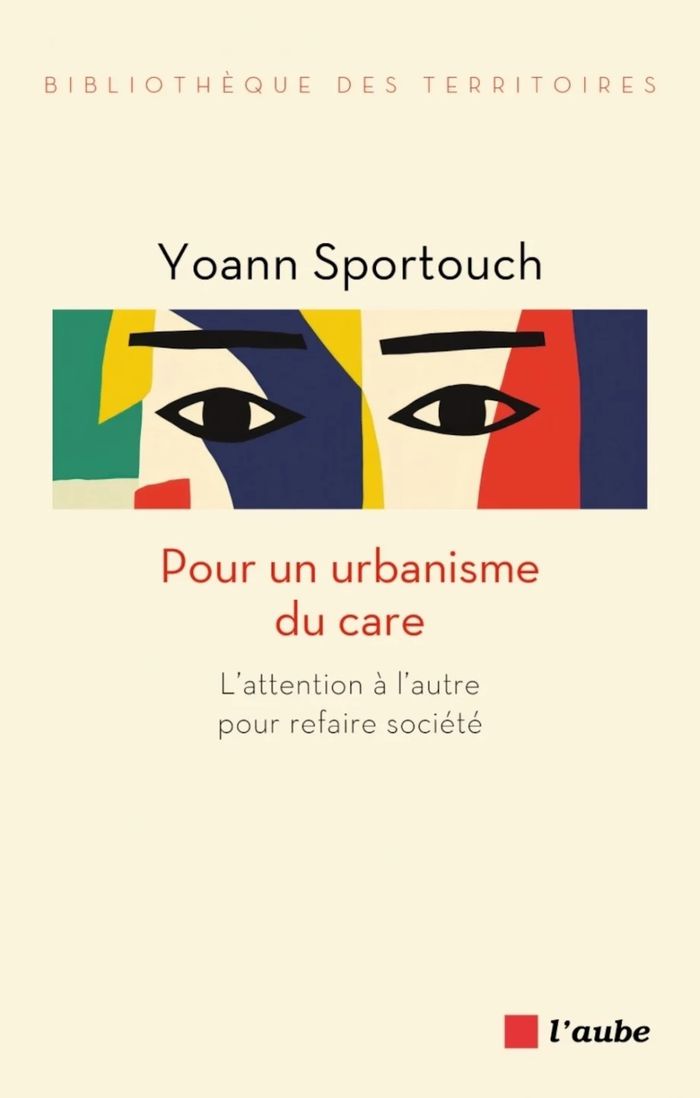
A partir de réflexions théoriques, de récits personnels et d'expériences de terrain, l'auteur propose de construire autrement, en privilégiant des villes qui reposent sur les relations humaines, la solidarité et la réponse aux besoins locaux.
$46.95
(available to order)
Summary:
A partir de réflexions théoriques, de récits personnels et d'expériences de terrain, l'auteur propose de construire autrement, en privilégiant des villes qui reposent sur les relations humaines, la solidarité et la réponse aux besoins locaux.
Title:
Pour un urbanisme du care: L'attention à l'autre pour refaire société
Actions:
Price:
$46.95
(available to order)
Summary:
A partir de réflexions théoriques, de récits personnels et d'expériences de terrain, l'auteur propose de construire autrement, en privilégiant des villes qui reposent sur les relations humaines, la solidarité et la réponse aux besoins locaux.
Pour un urbanisme du care: L'attention à l'autre pour refaire société
Actions:
Price:
$46.95
(available to order)
Summary:
A partir de réflexions théoriques, de récits personnels et d'expériences de terrain, l'auteur propose de construire autrement, en privilégiant des villes qui reposent sur les relations humaines, la solidarité et la réponse aux besoins locaux.
Form:
books
books
Publication:
August 2024
August 2024
Subject:
Humans and cities
Humans and cities
Form:
books
books
Actions:
Price:
$33.95
(available to order)
Summary:
Housing is more than bricks and mortar. The home is where our hopes and dreams play out, and it lies at the heart of our lives. This is where we rest, eat, and relax. The home we enjoy can determine our health, life expectancy, and day-to-day well-being. In contrast, the lack of a stable residence can lead to mental and physical illness and often premature death. This is(...)
$33.95
(available to order)
Summary:
Housing is more than bricks and mortar. The home is where our hopes and dreams play out, and it lies at the heart of our lives. This is where we rest, eat, and relax. The home we enjoy can determine our health, life expectancy, and day-to-day well-being. In contrast, the lack of a stable residence can lead to mental and physical illness and often premature death. This is(...)
Title:
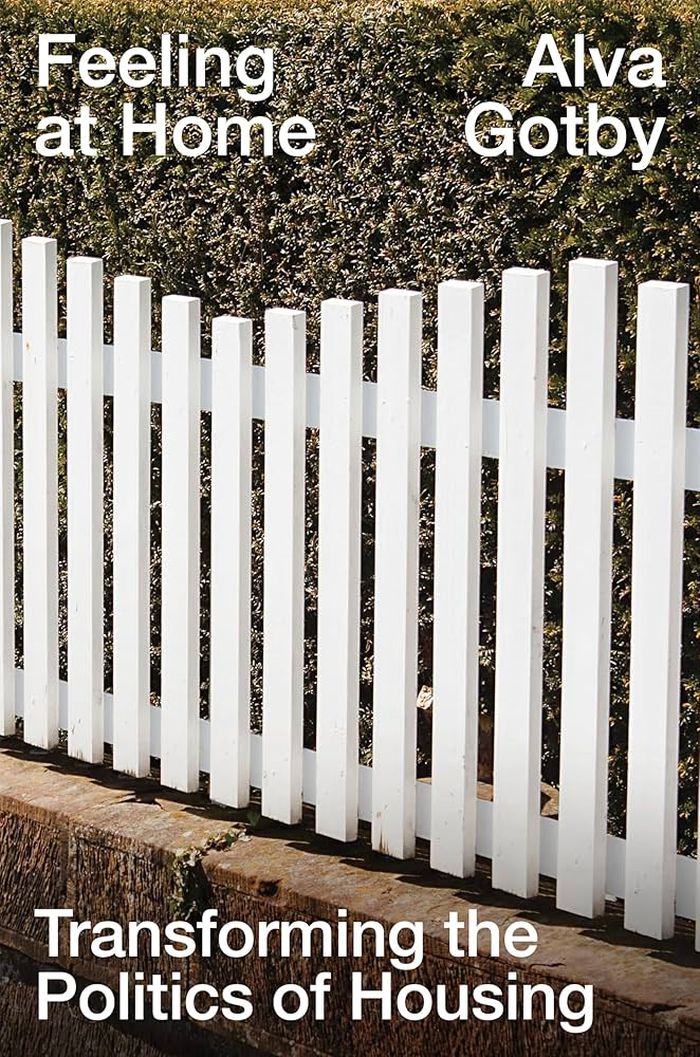
Feeling at home: Transforming the politics of housing
Actions:
Price:
$33.95
(available to order)
Summary:
Housing is more than bricks and mortar. The home is where our hopes and dreams play out, and it lies at the heart of our lives. This is where we rest, eat, and relax. The home we enjoy can determine our health, life expectancy, and day-to-day well-being. In contrast, the lack of a stable residence can lead to mental and physical illness and often premature death. This is central to how we conceive of a good and dignified life. "Feeling at home" grapples with the practical and emotional questions of housing – domestic labour, privacy, security, ownership, and health. Is it possible to imagine success without home ownership? Alva Gotby makes clear that solving the housing crisis is about much more than housing stock. It is about revolutionising our everyday lives and labours.
Feeling at home: Transforming the politics of housing
Actions:
Price:
$33.95
(available to order)
Summary:
Housing is more than bricks and mortar. The home is where our hopes and dreams play out, and it lies at the heart of our lives. This is where we rest, eat, and relax. The home we enjoy can determine our health, life expectancy, and day-to-day well-being. In contrast, the lack of a stable residence can lead to mental and physical illness and often premature death. This is central to how we conceive of a good and dignified life. "Feeling at home" grapples with the practical and emotional questions of housing – domestic labour, privacy, security, ownership, and health. Is it possible to imagine success without home ownership? Alva Gotby makes clear that solving the housing crisis is about much more than housing stock. It is about revolutionising our everyday lives and labours.
Form:
books
books
Publication:
January 2025
January 2025
Subject:
Humans and cities
Humans and cities
Form:
books
books
Price:
$48.95
(available to order)
Summary:
With buildings and cities being one of the primary accelerators of climate change, the tightening of urban environments is one of the mechanisms by which architects and urban planners can affect change. To date, models of urban densification and compact cities have been focused on sites of urban consumption—residential, commercial, civic and social spaces. Little thought(...)
$48.95
(available to order)
Summary:
With buildings and cities being one of the primary accelerators of climate change, the tightening of urban environments is one of the mechanisms by which architects and urban planners can affect change. To date, models of urban densification and compact cities have been focused on sites of urban consumption—residential, commercial, civic and social spaces. Little thought(...)
Subject:
Humans and cities
Humans and cities
Publication:
October 2024
October 2024
Title:
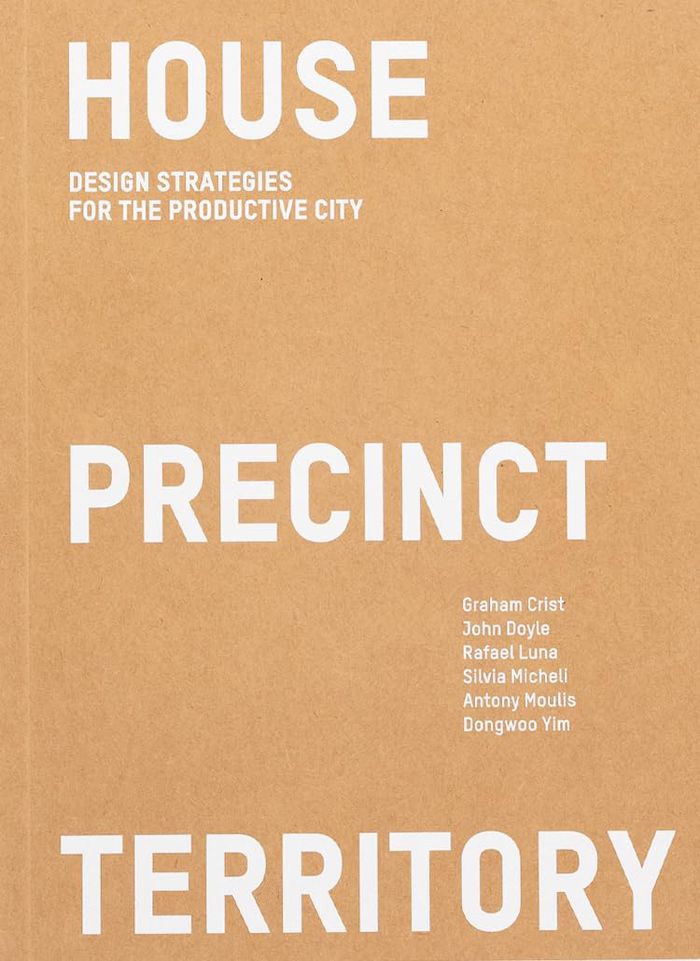
House precinct territory: Design strategies for the productive city
Actions:
Price:
$48.95
(available to order)
Summary:
With buildings and cities being one of the primary accelerators of climate change, the tightening of urban environments is one of the mechanisms by which architects and urban planners can affect change. To date, models of urban densification and compact cities have been focused on sites of urban consumption—residential, commercial, civic and social spaces. Little thought has been given to the vast productive hinterlands around the world that support cities, through the growing of food, generation of power, production of goods and disposal of waste. Working through three scales of analysis, across three cities in the Asia Pacific Region, and deploying varying design research techniques ranging from critical observation to speculative scenario modeling, the book presents a series of projects that seek to retro-fit an existing urban environment with a productive program.
House precinct territory: Design strategies for the productive city
Actions:
Price:
$48.95
(available to order)
Summary:
With buildings and cities being one of the primary accelerators of climate change, the tightening of urban environments is one of the mechanisms by which architects and urban planners can affect change. To date, models of urban densification and compact cities have been focused on sites of urban consumption—residential, commercial, civic and social spaces. Little thought has been given to the vast productive hinterlands around the world that support cities, through the growing of food, generation of power, production of goods and disposal of waste. Working through three scales of analysis, across three cities in the Asia Pacific Region, and deploying varying design research techniques ranging from critical observation to speculative scenario modeling, the book presents a series of projects that seek to retro-fit an existing urban environment with a productive program.
Form:
books
books
Publication:
October 2024
October 2024
Subject:
Humans and cities
Humans and cities
Form:
books
books
Actions:
Price:
$32.95
(available in store)
Summary:
This is the book that Canadians must read to understand, and solve, our housing crisis. Hundreds of thousands of Canadians exist on the edge. Renters fear eviction, homeowners feel trapped, and both are vulnerable to becoming homeless with a single stroke of misfortune. Unaffordable housing in Canada is tearing communities apart. Rising prices force long-time residents to(...)
$32.95
(available in store)
Summary:
This is the book that Canadians must read to understand, and solve, our housing crisis. Hundreds of thousands of Canadians exist on the edge. Renters fear eviction, homeowners feel trapped, and both are vulnerable to becoming homeless with a single stroke of misfortune. Unaffordable housing in Canada is tearing communities apart. Rising prices force long-time residents to(...)
Title:
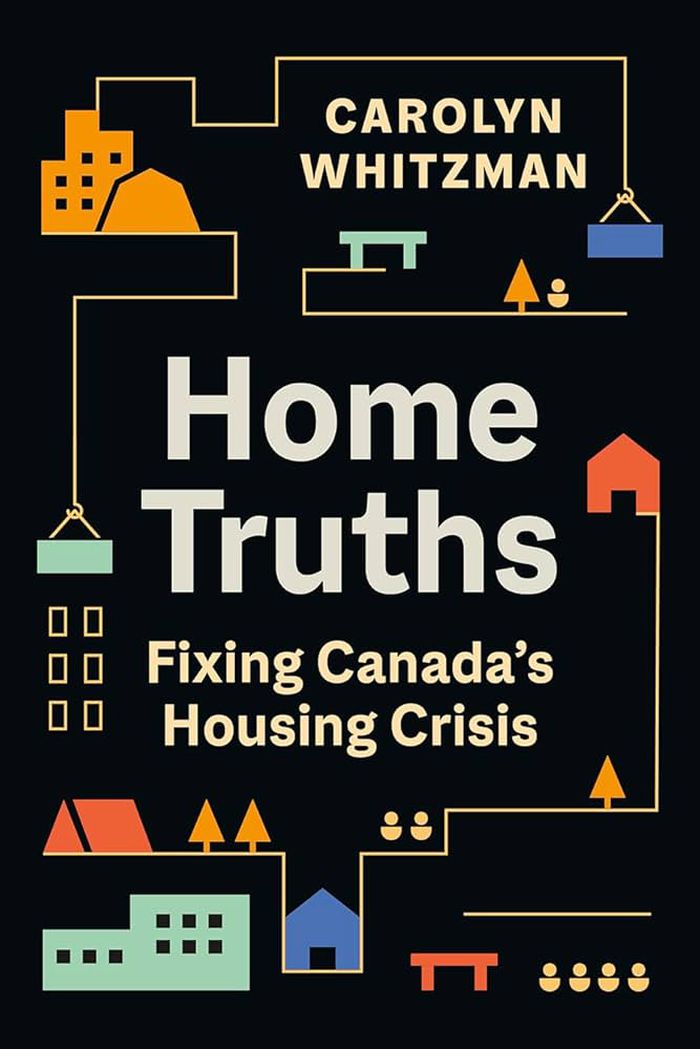
Home truths: Fixing Canada's housing crisis
Actions:
Price:
$32.95
(available in store)
Summary:
This is the book that Canadians must read to understand, and solve, our housing crisis. Hundreds of thousands of Canadians exist on the edge. Renters fear eviction, homeowners feel trapped, and both are vulnerable to becoming homeless with a single stroke of misfortune. Unaffordable housing in Canada is tearing communities apart. Rising prices force long-time residents to move elsewhere, while established businesses are forced to close their doors because they cannot find staff who can afford to live nearby. In "Home truths", housing expert Carolyn Whitzman explores Canada’s crisis from all sides, including defining what adequate housing looks like, explaining why nonmarket housing is crucial for Canada, and outlining how and why to tackle ever-growing wealth disparities between renters and those who own.
Home truths: Fixing Canada's housing crisis
Actions:
Price:
$32.95
(available in store)
Summary:
This is the book that Canadians must read to understand, and solve, our housing crisis. Hundreds of thousands of Canadians exist on the edge. Renters fear eviction, homeowners feel trapped, and both are vulnerable to becoming homeless with a single stroke of misfortune. Unaffordable housing in Canada is tearing communities apart. Rising prices force long-time residents to move elsewhere, while established businesses are forced to close their doors because they cannot find staff who can afford to live nearby. In "Home truths", housing expert Carolyn Whitzman explores Canada’s crisis from all sides, including defining what adequate housing looks like, explaining why nonmarket housing is crucial for Canada, and outlining how and why to tackle ever-growing wealth disparities between renters and those who own.
Form:
books
books
Publication:
October 2024
October 2024
Subject:
Humans and cities
Humans and cities
Form:
books
books
Title:
Radically legal
Radically legal
Actions:
Price:
$27.00
(available in store)
Summary:
Right in the middle of the German constitution, a group of ordinary citizens discovers a forgotten clause that allows them to take 240,000 homes back from multi-billion corporations. In this work of creative non-fiction, scholar-activist and Nine Dots Prize winner Joanna Kusiak tells the story of a grassroots movement that convinced a million Berliners to pop the(...)
$27.00
(available in store)
Summary:
Right in the middle of the German constitution, a group of ordinary citizens discovers a forgotten clause that allows them to take 240,000 homes back from multi-billion corporations. In this work of creative non-fiction, scholar-activist and Nine Dots Prize winner Joanna Kusiak tells the story of a grassroots movement that convinced a million Berliners to pop the(...)
Title:
Radically legal
Actions:
Price:
$27.00
(available in store)
Summary:
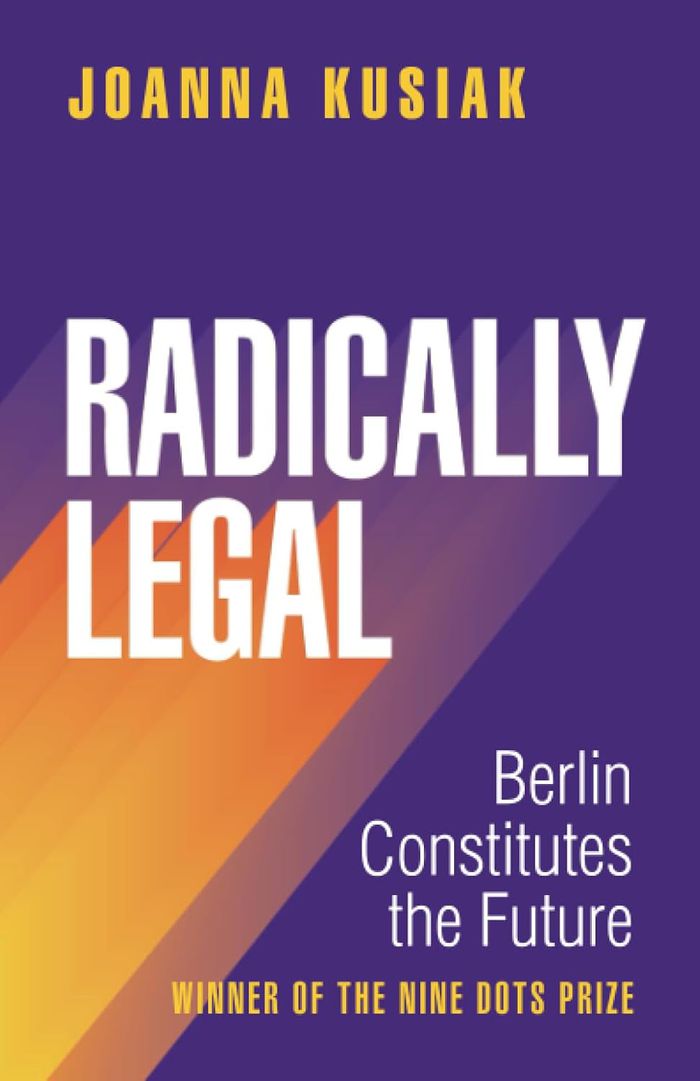
Right in the middle of the German constitution, a group of ordinary citizens discovers a forgotten clause that allows them to take 240,000 homes back from multi-billion corporations. In this work of creative non-fiction, scholar-activist and Nine Dots Prize winner Joanna Kusiak tells the story of a grassroots movement that convinced a million Berliners to pop the speculative housing bubble. She offers a vision of urban housing as democratically held commons, legally managed by a radically new institutional model that works through democratic conflicts. Moving between interdisciplinary analysis and her own personal story, Kusiak connects the dots between the past and the present, the local and the global, and shows the potential of radically legal politics as a means of strengthening our democracies and reviving the rule of law.
Radically legal
Actions:
Price:
$27.00
(available in store)
Summary:
Right in the middle of the German constitution, a group of ordinary citizens discovers a forgotten clause that allows them to take 240,000 homes back from multi-billion corporations. In this work of creative non-fiction, scholar-activist and Nine Dots Prize winner Joanna Kusiak tells the story of a grassroots movement that convinced a million Berliners to pop the speculative housing bubble. She offers a vision of urban housing as democratically held commons, legally managed by a radically new institutional model that works through democratic conflicts. Moving between interdisciplinary analysis and her own personal story, Kusiak connects the dots between the past and the present, the local and the global, and shows the potential of radically legal politics as a means of strengthening our democracies and reviving the rule of law.
Form:
books
books
Publication:
June 2024
June 2024
Subject:
Humans and cities
Humans and cities
Form:
books
books
Price:
$17.95
(available in store)
Summary:
Carlos Moreno, chercheur et expert en urbanisme, est le créateur du concept de la « ville du quart d'heure », reconnu mondialement. Il propose une ville polycentrique où les six fonctions sociales essentielles - habiter, travailler, s'approvisionner, se soigner, s'éduquer, s'épanouir - sont accessibles en courte distance. En initiant un débat global, il analyse la ville(...)
$17.95
(available in store)
Summary:
Carlos Moreno, chercheur et expert en urbanisme, est le créateur du concept de la « ville du quart d'heure », reconnu mondialement. Il propose une ville polycentrique où les six fonctions sociales essentielles - habiter, travailler, s'approvisionner, se soigner, s'éduquer, s'épanouir - sont accessibles en courte distance. En initiant un débat global, il analyse la ville(...)
Title:
Droit de cité : De la « ville-monde » à la « ville du quart d'heure »
Actions:
Price:
$17.95
(available in store)
Summary:
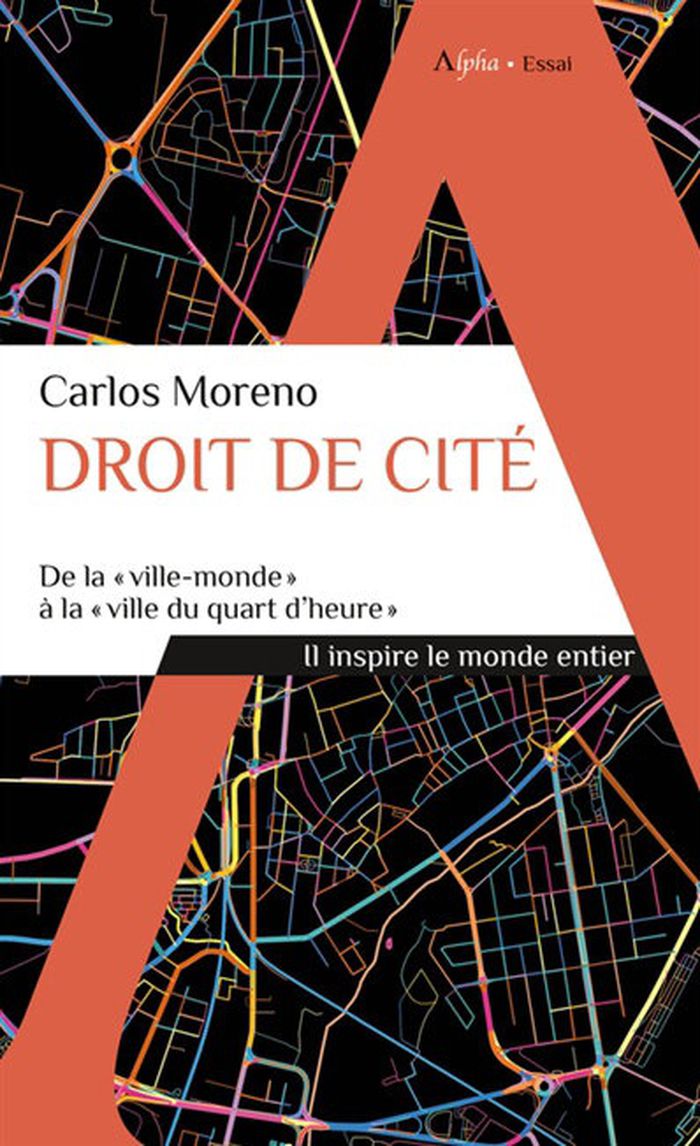
Carlos Moreno, chercheur et expert en urbanisme, est le créateur du concept de la « ville du quart d'heure », reconnu mondialement. Il propose une ville polycentrique où les six fonctions sociales essentielles - habiter, travailler, s'approvisionner, se soigner, s'éduquer, s'épanouir - sont accessibles en courte distance. En initiant un débat global, il analyse la ville comme un laboratoire complexe et dynamique, concentrant la majorité de la population mondiale et les grands enjeux de développement - environnementaux, culturels, technologiques, et économiques. Pris en tenaille par les défis du siècle, les territoires urbains doivent changer de paradigme de toute urgence.. Carlos Moreno explore les stratégies pour un bien-vivre urbain, définissant les enjeux des mutations accélérées par l'urbanisation.
Droit de cité : De la « ville-monde » à la « ville du quart d'heure »
Actions:
Price:
$17.95
(available in store)
Summary:
Carlos Moreno, chercheur et expert en urbanisme, est le créateur du concept de la « ville du quart d'heure », reconnu mondialement. Il propose une ville polycentrique où les six fonctions sociales essentielles - habiter, travailler, s'approvisionner, se soigner, s'éduquer, s'épanouir - sont accessibles en courte distance. En initiant un débat global, il analyse la ville comme un laboratoire complexe et dynamique, concentrant la majorité de la population mondiale et les grands enjeux de développement - environnementaux, culturels, technologiques, et économiques. Pris en tenaille par les défis du siècle, les territoires urbains doivent changer de paradigme de toute urgence.. Carlos Moreno explore les stratégies pour un bien-vivre urbain, définissant les enjeux des mutations accélérées par l'urbanisation.
Form:
books
books
Publication:
October 2024
October 2024
Subject:
Humans and cities
Humans and cities


