


49 Results
Form:
books
books
Price:
$36.00
(available in store)
Summary:
Why is architecture so remote from labor struggles, with poorly negotiated labor contracts and barely any self-management models? What possibilities emerge when we acknowledge the glaring class divide between the architectural firm and the construction site? What insights do the stories of workers provide about the construction industry? How do different design practices(...)
$36.00
(available in store)
Summary:
Why is architecture so remote from labor struggles, with poorly negotiated labor contracts and barely any self-management models? What possibilities emerge when we acknowledge the glaring class divide between the architectural firm and the construction site? What insights do the stories of workers provide about the construction industry? How do different design practices(...)
Title:
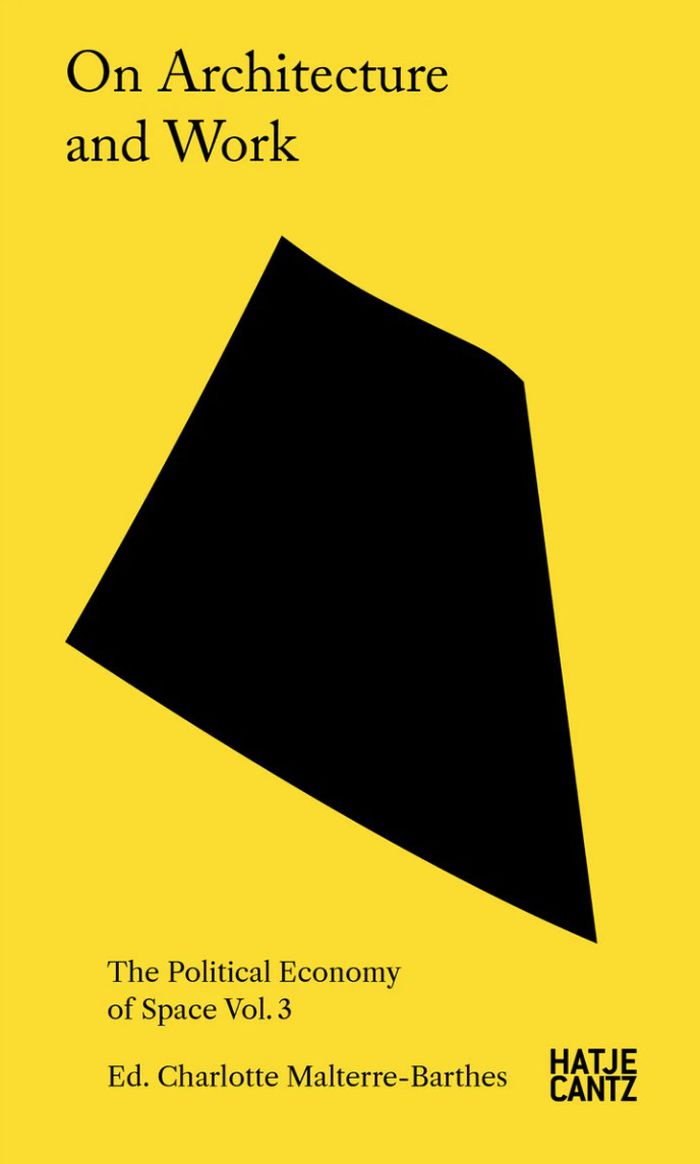
On architecture and work; The political economy of space Vol. 03
Actions:
Price:
$36.00
(available in store)
Summary:
Why is architecture so remote from labor struggles, with poorly negotiated labor contracts and barely any self-management models? What possibilities emerge when we acknowledge the glaring class divide between the architectural firm and the construction site? What insights do the stories of workers provide about the construction industry? How do different design practices emerge if designers and construction workers unite? On ''Architecture and Work'' is a collection of essays on the relationship between construction, architecture, work, and labor. From complaints over grueling working conditions on construction sites to demands for better benefits in design offices, asking candidly "who can afford to be radical?", this is the third publication in the series ''The Political Economy of Space'', after ''On Architecture and the Greenfield'' (2024) and ''On Architecture and Greenwashing'' (2024).
On architecture and work; The political economy of space Vol. 03
Actions:
Price:
$36.00
(available in store)
Summary:
Why is architecture so remote from labor struggles, with poorly negotiated labor contracts and barely any self-management models? What possibilities emerge when we acknowledge the glaring class divide between the architectural firm and the construction site? What insights do the stories of workers provide about the construction industry? How do different design practices emerge if designers and construction workers unite? On ''Architecture and Work'' is a collection of essays on the relationship between construction, architecture, work, and labor. From complaints over grueling working conditions on construction sites to demands for better benefits in design offices, asking candidly "who can afford to be radical?", this is the third publication in the series ''The Political Economy of Space'', after ''On Architecture and the Greenfield'' (2024) and ''On Architecture and Greenwashing'' (2024).
Form:
books
books
Publication:
November 2025
November 2025
Subject:
Architecture ecologies
Architecture ecologies
Form:
books
books
Actions:
Price:
$42.00
(available to order)
Summary:
"Climate changed" examines models and their imperfect yet central role in understanding the relationship between global climate dynamics and the human-built environment. It compares and synthesizes the methods and function of models in disciplines ranging from architecture and planning to climate science and natural hazards research. This book considers how disparate(...)
$42.00
(available to order)
Summary:
"Climate changed" examines models and their imperfect yet central role in understanding the relationship between global climate dynamics and the human-built environment. It compares and synthesizes the methods and function of models in disciplines ranging from architecture and planning to climate science and natural hazards research. This book considers how disparate(...)
Subject:
Architecture ecologies
Architecture ecologies
Publication:
August 2025
August 2025
Title:
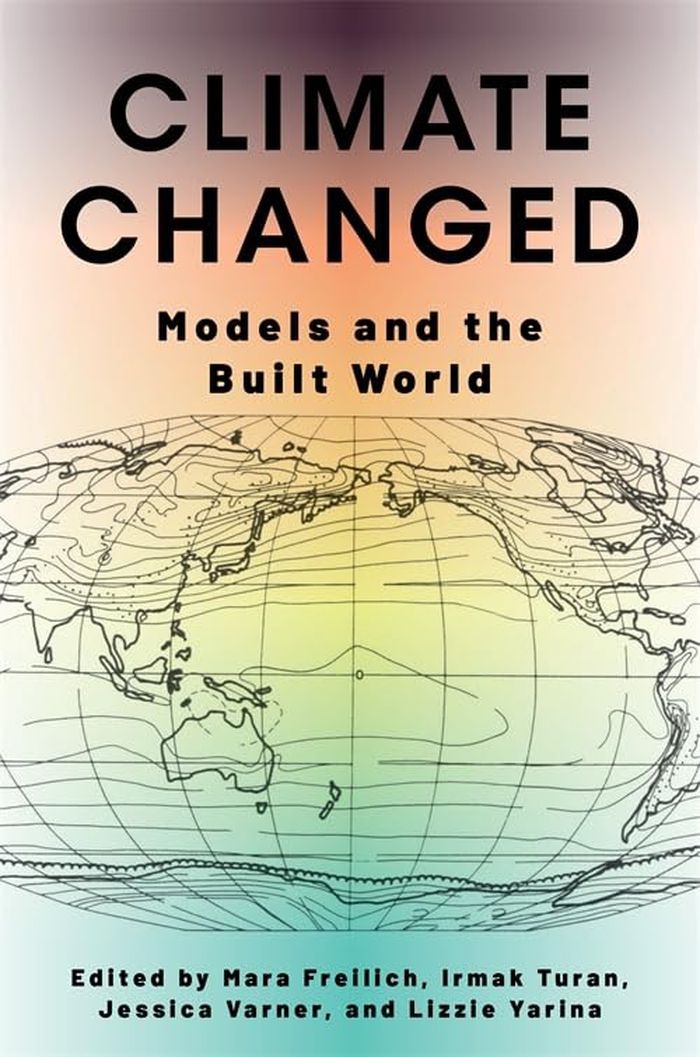
Climate changed : Models and the built world
Actions:
Price:
$42.00
(available to order)
Summary:
"Climate changed" examines models and their imperfect yet central role in understanding the relationship between global climate dynamics and the human-built environment. It compares and synthesizes the methods and function of models in disciplines ranging from architecture and planning to climate science and natural hazards research. This book considers how disparate models are woven together to understand the climate crisis, underscoring the necessity of combining locally situated and transdisciplinary knowledge with climate science to navigate current and future cataclysmic changes. It highlights the challenges and consequences of disciplinary boundaries, siloed scientific knowledge, and uneven data and develops ways to overcome these limitations.
Climate changed : Models and the built world
Actions:
Price:
$42.00
(available to order)
Summary:
"Climate changed" examines models and their imperfect yet central role in understanding the relationship between global climate dynamics and the human-built environment. It compares and synthesizes the methods and function of models in disciplines ranging from architecture and planning to climate science and natural hazards research. This book considers how disparate models are woven together to understand the climate crisis, underscoring the necessity of combining locally situated and transdisciplinary knowledge with climate science to navigate current and future cataclysmic changes. It highlights the challenges and consequences of disciplinary boundaries, siloed scientific knowledge, and uneven data and develops ways to overcome these limitations.
Form:
books
books
Publication:
August 2025
August 2025
Subject:
Architecture ecologies
Architecture ecologies
Form:
books
books
Title:
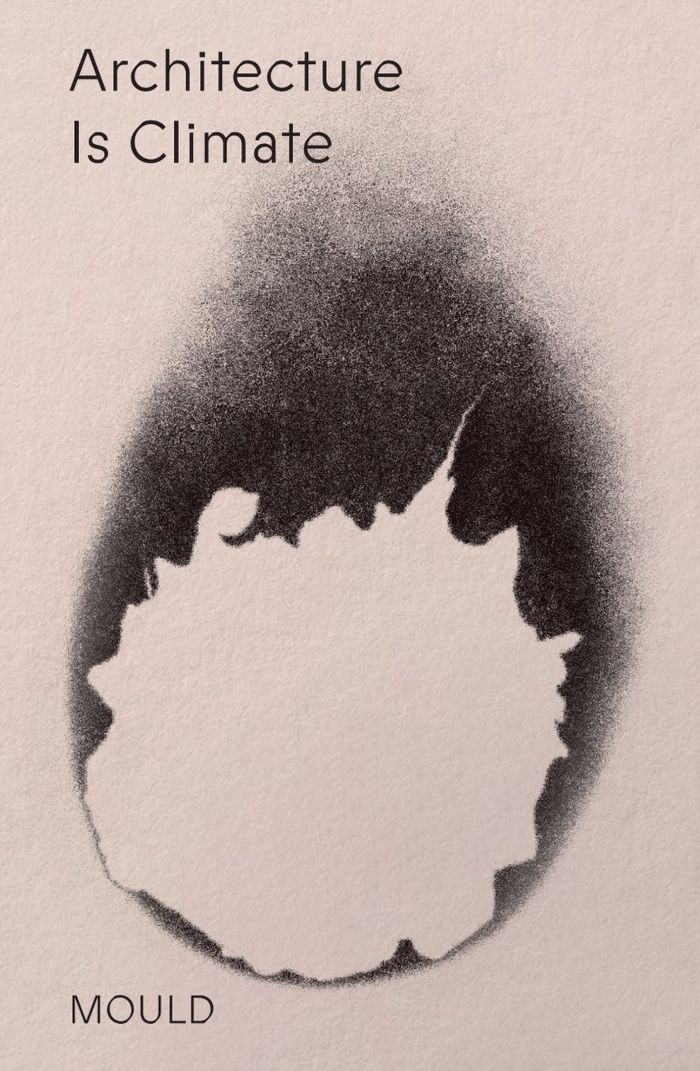
Architecture is climate
Architecture is climate
Actions:
Price:
$38.00
(available to order)
Summary:
Rejecting outdated paradigms of endless linear growth, technocratic fixes, and the separation of humans from nature, '‘Architecture Is Climate’' argues that architecture must be fundamentally rethought – not as the design of objects, but as a practice entangled with climate, politics, history, and social justice. Through eight key themes (knowledge, economy, land,(...)
$38.00
(available to order)
Summary:
Rejecting outdated paradigms of endless linear growth, technocratic fixes, and the separation of humans from nature, '‘Architecture Is Climate’' argues that architecture must be fundamentally rethought – not as the design of objects, but as a practice entangled with climate, politics, history, and social justice. Through eight key themes (knowledge, economy, land,(...)
Title:
Architecture is climate
Actions:
Price:
$38.00
(available to order)
Summary:
Rejecting outdated paradigms of endless linear growth, technocratic fixes, and the separation of humans from nature, '‘Architecture Is Climate’' argues that architecture must be fundamentally rethought – not as the design of objects, but as a practice entangled with climate, politics, history, and social justice. Through eight key themes (knowledge, economy, land, resources, infrastructure, work, policy, and culture) it explores how climate breakdown reshapes every aspect of architectural thinking and doing. Drawing on diverse voices and grounded examples from around the world, it offers a critique but also a vision of other possible architectures already in the making.
Architecture is climate
Actions:
Price:
$38.00
(available to order)
Summary:
Rejecting outdated paradigms of endless linear growth, technocratic fixes, and the separation of humans from nature, '‘Architecture Is Climate’' argues that architecture must be fundamentally rethought – not as the design of objects, but as a practice entangled with climate, politics, history, and social justice. Through eight key themes (knowledge, economy, land, resources, infrastructure, work, policy, and culture) it explores how climate breakdown reshapes every aspect of architectural thinking and doing. Drawing on diverse voices and grounded examples from around the world, it offers a critique but also a vision of other possible architectures already in the making.
Form:
books
books
Publication:
December 2025
December 2025
Subject:
Architecture ecologies
Architecture ecologies
Form:
books
books
Price:
$65.95
(available in store)
Summary:
What would a postcarbon future look like? What would it take to build and maintain a more just, regenerative world? How would it feel to live--and to thrive--in that world? Around the globe, people are transforming their social, ecological, and economic systems in response to the climate crisis. This book guides readers through 29 of these exemplary works, which span 43(...)
$65.95
(available in store)
Summary:
What would a postcarbon future look like? What would it take to build and maintain a more just, regenerative world? How would it feel to live--and to thrive--in that world? Around the globe, people are transforming their social, ecological, and economic systems in response to the climate crisis. This book guides readers through 29 of these exemplary works, which span 43(...)
Subject:
Architecture ecologies
Architecture ecologies
Publication:
July 2026
July 2026
Title:
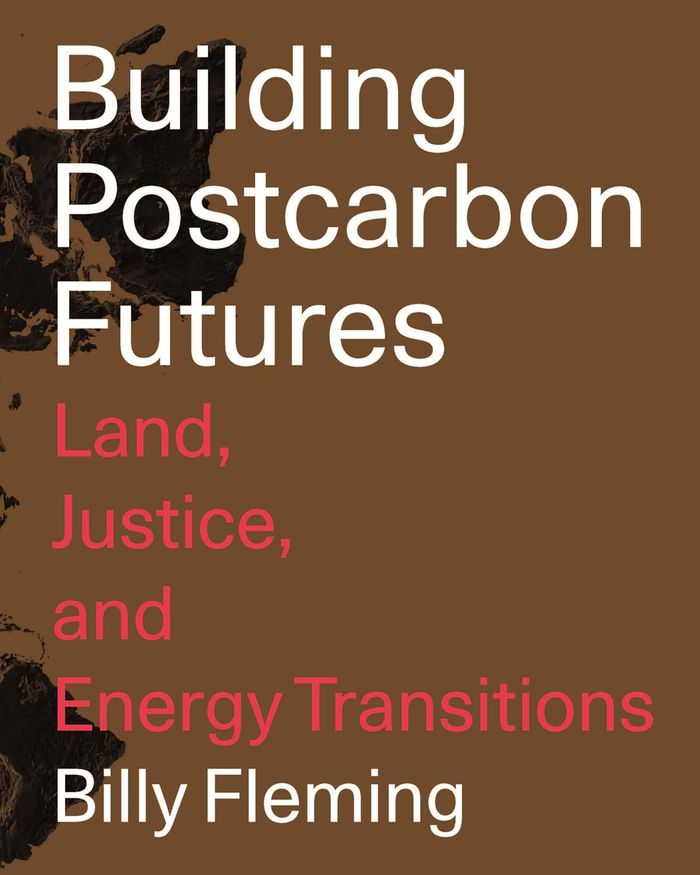
Building postcarbon futures: Land, justice, and energy transitions
Actions:
Price:
$65.95
(available in store)
Summary:
What would a postcarbon future look like? What would it take to build and maintain a more just, regenerative world? How would it feel to live--and to thrive--in that world? Around the globe, people are transforming their social, ecological, and economic systems in response to the climate crisis. This book guides readers through 29 of these exemplary works, which span 43 nations and 6 continents. From Cuba to Kiribati, Iceland to the Andes, the prairies of North America to the expanding Gobi Desert, these case studies foreground the tactics and modes of practice being employed, often by marginalized peoples, to create more humane, hospitable places.
Building postcarbon futures: Land, justice, and energy transitions
Actions:
Price:
$65.95
(available in store)
Summary:
What would a postcarbon future look like? What would it take to build and maintain a more just, regenerative world? How would it feel to live--and to thrive--in that world? Around the globe, people are transforming their social, ecological, and economic systems in response to the climate crisis. This book guides readers through 29 of these exemplary works, which span 43 nations and 6 continents. From Cuba to Kiribati, Iceland to the Andes, the prairies of North America to the expanding Gobi Desert, these case studies foreground the tactics and modes of practice being employed, often by marginalized peoples, to create more humane, hospitable places.
Form:
books
books
Publication:
July 2026
July 2026
Subject:
Architecture ecologies
Architecture ecologies
Form:
books
books
Actions:
Price:
$85.95
(available to order)
Summary:
To confront the Anthropocene, designers must increasingly move between scales and across disciplines to develop new structures of knowledge and tools of representation: from the embodied to the technical, the investigative to the projective. Ultimately, this volume asks: What stakes are embedded in contemporary architectural environmental media, and how are designers(...)
$85.95
(available to order)
Summary:
To confront the Anthropocene, designers must increasingly move between scales and across disciplines to develop new structures of knowledge and tools of representation: from the embodied to the technical, the investigative to the projective. Ultimately, this volume asks: What stakes are embedded in contemporary architectural environmental media, and how are designers(...)
Title:
Architecture as environmental media: Rendering the planetary
Actions:
Price:
$85.95
(available to order)
Summary:
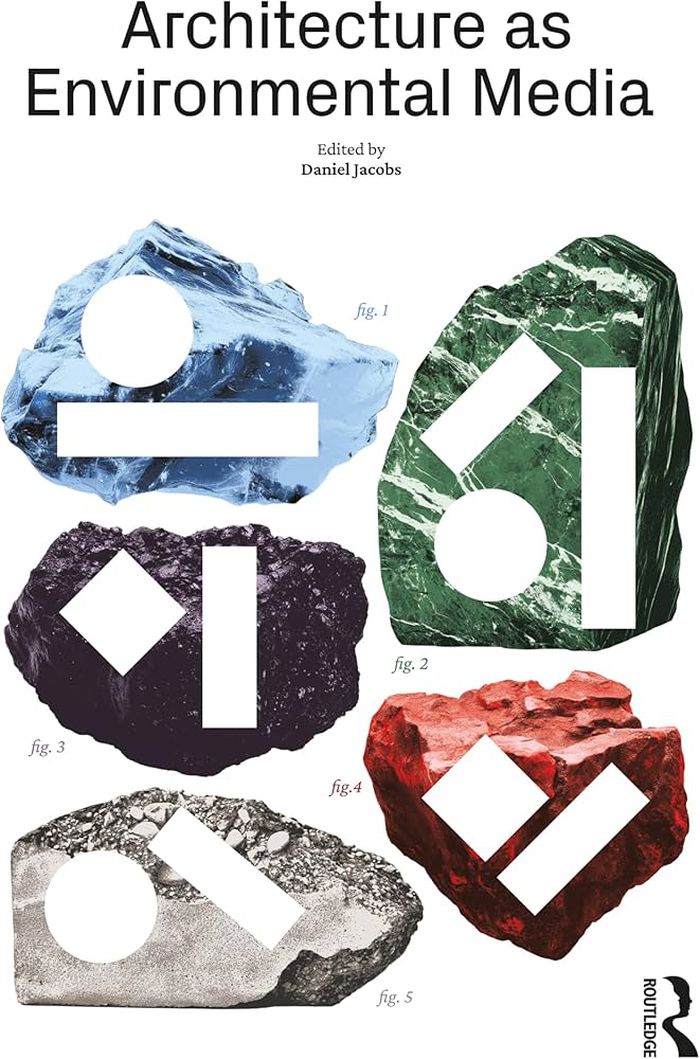
To confront the Anthropocene, designers must increasingly move between scales and across disciplines to develop new structures of knowledge and tools of representation: from the embodied to the technical, the investigative to the projective. Ultimately, this volume asks: What stakes are embedded in contemporary architectural environmental media, and how are designers re-imagining this media landscape today? Chapters in the book explore counter-cartographies of migration and materials, forest ecologies and theories of abundance, hyperreal visualization and environmental simulation, architecture’s extractive and colonial systems, and pedagogies and practices for environmental futures. This book organizes these efforts into three threads of media practice: rendering visible, rendering sensible, and rendering actionable. While these categories are inextricably intertwined, they represent distinct tactical approaches to media production, each exploring possible methods to develop new knowledge systems, shift aesthetic regimes, and transform collective politics.
Architecture as environmental media: Rendering the planetary
Actions:
Price:
$85.95
(available to order)
Summary:
To confront the Anthropocene, designers must increasingly move between scales and across disciplines to develop new structures of knowledge and tools of representation: from the embodied to the technical, the investigative to the projective. Ultimately, this volume asks: What stakes are embedded in contemporary architectural environmental media, and how are designers re-imagining this media landscape today? Chapters in the book explore counter-cartographies of migration and materials, forest ecologies and theories of abundance, hyperreal visualization and environmental simulation, architecture’s extractive and colonial systems, and pedagogies and practices for environmental futures. This book organizes these efforts into three threads of media practice: rendering visible, rendering sensible, and rendering actionable. While these categories are inextricably intertwined, they represent distinct tactical approaches to media production, each exploring possible methods to develop new knowledge systems, shift aesthetic regimes, and transform collective politics.
Form:
books
books
Publication:
December 2025
December 2025
Subject:
Architecture ecologies
Architecture ecologies
Form:
books
books
Price:
$42.95
(available in store)
Summary:
« Toxicité coloniale » revient sur les programmes d’essais nucléaires français menés entre 1960 et 1966 dans le Sahara algérien. Ce programme secret, qui s’est déroulé pendant et après la guerre d’indépendance algérienne (1954-1962), a permis au régime colonial français de mettre à feu quatre bombes atomiques atmosphériques, treize souterraines et mené d’autres(...)
$42.95
(available in store)
Summary:
« Toxicité coloniale » revient sur les programmes d’essais nucléaires français menés entre 1960 et 1966 dans le Sahara algérien. Ce programme secret, qui s’est déroulé pendant et après la guerre d’indépendance algérienne (1954-1962), a permis au régime colonial français de mettre à feu quatre bombes atomiques atmosphériques, treize souterraines et mené d’autres(...)
Title:
Toxicité coloniale : documenter le paysage radioactif dans le Sahara
Actions:
Price:
$42.95
(available in store)
Summary:
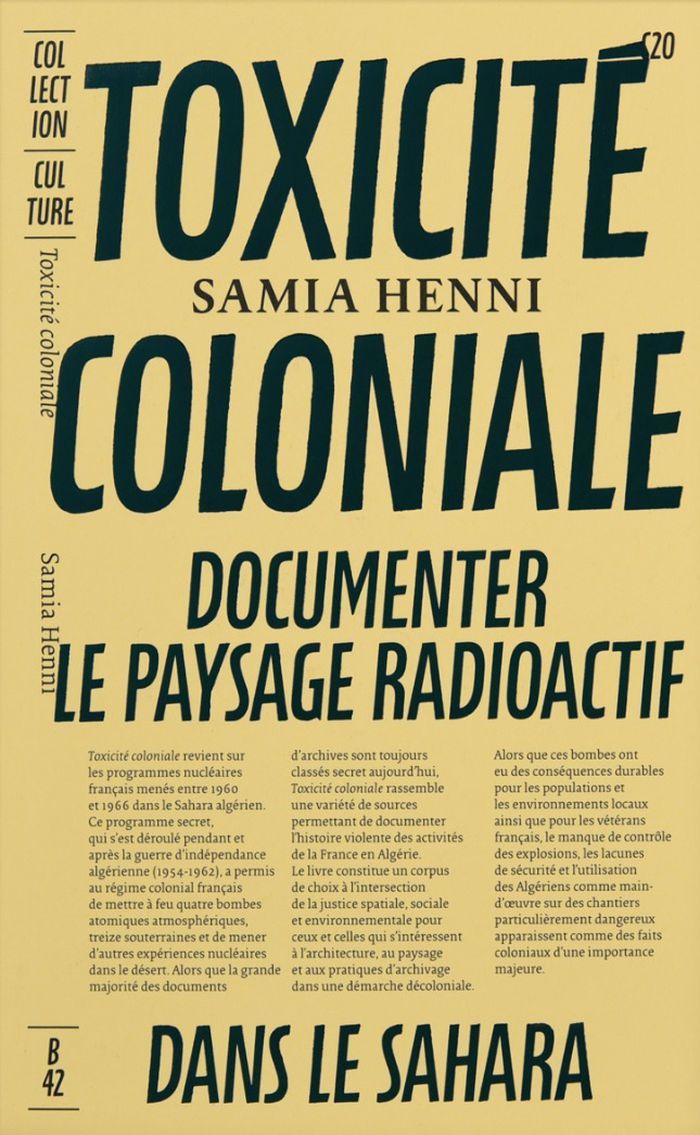
« Toxicité coloniale » revient sur les programmes d’essais nucléaires français menés entre 1960 et 1966 dans le Sahara algérien. Ce programme secret, qui s’est déroulé pendant et après la guerre d’indépendance algérienne (1954-1962), a permis au régime colonial français de mettre à feu quatre bombes atomiques atmosphériques, treize souterraines et mené d’autres expériences nucléaires dans le désert. Alors que la grande majorité des documents d’archives sont toujours classés secret aujourd’hui, « Toxicité coloniale » rassemble une variété de sources permettant de documenter l’histoire violente des activités de la France en Algérie. Le livre constitue un corpus de choix à l’intersection de la justice spatiale, sociale et environnementale pour ceux et celles qui s’intéressent à l’architecture, au paysage et aux pratiques d’archivage dans une démarche postcoloniale.
Toxicité coloniale : documenter le paysage radioactif dans le Sahara
Actions:
Price:
$42.95
(available in store)
Summary:
« Toxicité coloniale » revient sur les programmes d’essais nucléaires français menés entre 1960 et 1966 dans le Sahara algérien. Ce programme secret, qui s’est déroulé pendant et après la guerre d’indépendance algérienne (1954-1962), a permis au régime colonial français de mettre à feu quatre bombes atomiques atmosphériques, treize souterraines et mené d’autres expériences nucléaires dans le désert. Alors que la grande majorité des documents d’archives sont toujours classés secret aujourd’hui, « Toxicité coloniale » rassemble une variété de sources permettant de documenter l’histoire violente des activités de la France en Algérie. Le livre constitue un corpus de choix à l’intersection de la justice spatiale, sociale et environnementale pour ceux et celles qui s’intéressent à l’architecture, au paysage et aux pratiques d’archivage dans une démarche postcoloniale.
Form:
books
books
Publication:
March 2026
March 2026
Subject:
Architecture ecologies
Architecture ecologies
Form:
books
books
Actions:
Price:
$56.00
(available in store)
Summary:
"Memoryscapes," the second volume in the "Architecture Connecting" series, co-published with the Louisiana Museum of Modern Art, examines the role of human narratives in shaping the spaces of tomorrow. Focusing on the intersections of architecture with anthropology, archaeology and geology, the book presents the work of two studios whose practices engage deeply with the(...)
$56.00
(available in store)
Summary:
"Memoryscapes," the second volume in the "Architecture Connecting" series, co-published with the Louisiana Museum of Modern Art, examines the role of human narratives in shaping the spaces of tomorrow. Focusing on the intersections of architecture with anthropology, archaeology and geology, the book presents the work of two studios whose practices engage deeply with the(...)
Subject:
Architecture ecologies
Architecture ecologies
Publication:
April 2026
April 2026
Title:
Architecture connecting: Xu Tiantian & Tsuyoshi Tane
Actions:
Price:
$56.00
(available in store)
Summary:
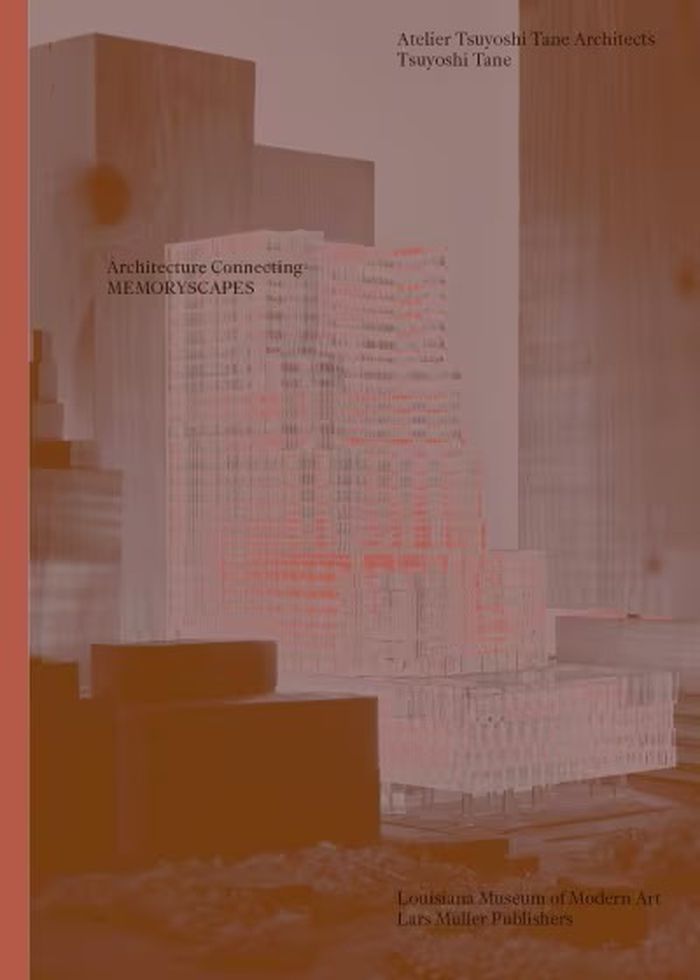
"Memoryscapes," the second volume in the "Architecture Connecting" series, co-published with the Louisiana Museum of Modern Art, examines the role of human narratives in shaping the spaces of tomorrow. Focusing on the intersections of architecture with anthropology, archaeology and geology, the book presents the work of two studios whose practices engage deeply with the past through both broad investigative research and precise architectural responses. Bound back-to-back, the publication comprises two volumes presenting the distinct approaches of DnA Architecture and Design (Beijing) and Atelier Tsuyoshi Tane Architects (ATTA, Tokyo and Paris). DnA’s practice of "architectural acupuncture" focuses on the social and economic regeneration of rural Chinese communities through targeted interventions that revive long-standing cultural practices, while ATTA’s "Archaeology of the Future" draws on the layered memories of places to create future possibilities across architecture, urban planning and exhibition design, in an international context. Led by Xu Tiantian and Tsuyoshi Tane, respectively, the two studios share an approach that connects social traditions, cultural heritage, craftsmanship and production conditions within complex, site-specific frameworks. Through illustrated essays and project dossiers, the publication traces how these practices draw on lived histories and place-based knowledge to generate new architectural narratives, bridging the past and the future in response to contemporary needs.
Architecture connecting: Xu Tiantian & Tsuyoshi Tane
Actions:
Price:
$56.00
(available in store)
Summary:
"Memoryscapes," the second volume in the "Architecture Connecting" series, co-published with the Louisiana Museum of Modern Art, examines the role of human narratives in shaping the spaces of tomorrow. Focusing on the intersections of architecture with anthropology, archaeology and geology, the book presents the work of two studios whose practices engage deeply with the past through both broad investigative research and precise architectural responses. Bound back-to-back, the publication comprises two volumes presenting the distinct approaches of DnA Architecture and Design (Beijing) and Atelier Tsuyoshi Tane Architects (ATTA, Tokyo and Paris). DnA’s practice of "architectural acupuncture" focuses on the social and economic regeneration of rural Chinese communities through targeted interventions that revive long-standing cultural practices, while ATTA’s "Archaeology of the Future" draws on the layered memories of places to create future possibilities across architecture, urban planning and exhibition design, in an international context. Led by Xu Tiantian and Tsuyoshi Tane, respectively, the two studios share an approach that connects social traditions, cultural heritage, craftsmanship and production conditions within complex, site-specific frameworks. Through illustrated essays and project dossiers, the publication traces how these practices draw on lived histories and place-based knowledge to generate new architectural narratives, bridging the past and the future in response to contemporary needs.
Form:
books
books
Publication:
April 2026
April 2026
Subject:
Architecture ecologies
Architecture ecologies
Form:
books
books
Price:
$69.95
(available in store)
Summary:
Conventional representations reinforce its reading as an urban condition resulting from neoliberal capitalism. These forces have expanded the city grid and extruded its architectures as a laboratory of urban ideas. Yet, like many other coastal and insular conditions, twenty-first century Manhattan faces adverse Anthropogenic climate change. Stronger storm surges and sea(...)
$69.95
(available in store)
Summary:
Conventional representations reinforce its reading as an urban condition resulting from neoliberal capitalism. These forces have expanded the city grid and extruded its architectures as a laboratory of urban ideas. Yet, like many other coastal and insular conditions, twenty-first century Manhattan faces adverse Anthropogenic climate change. Stronger storm surges and sea(...)
Title:
New York geologics: Representations of Manhattan from the anthropocene
Actions:
Price:
$69.95
(available in store)
Summary:
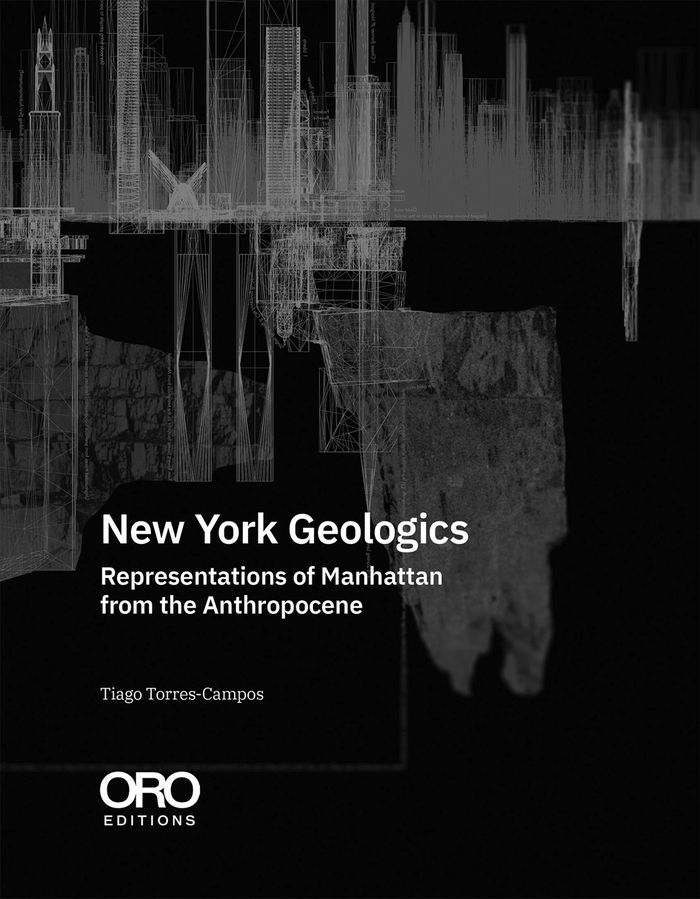
Conventional representations reinforce its reading as an urban condition resulting from neoliberal capitalism. These forces have expanded the city grid and extruded its architectures as a laboratory of urban ideas. Yet, like many other coastal and insular conditions, twenty-first century Manhattan faces adverse Anthropogenic climate change. Stronger storm surges and sea level rise now demand that the island recalibrates its social and environmental positions. The city needs to consider once again its fluid archipelagic conditions inherited from glacial dynamics. With a focus on iconic city representations, the book examines distinct logics that try to make capitalist progress compatible with its territorial conditions. Even though these logics of land, water and ground – here called geologics – are perhaps less dominant than the dense urban culture and, therefore, less predominant in the representation of the city, they are still important to explain why Manhattan evolved to its current condition.
New York geologics: Representations of Manhattan from the anthropocene
Actions:
Price:
$69.95
(available in store)
Summary:
Conventional representations reinforce its reading as an urban condition resulting from neoliberal capitalism. These forces have expanded the city grid and extruded its architectures as a laboratory of urban ideas. Yet, like many other coastal and insular conditions, twenty-first century Manhattan faces adverse Anthropogenic climate change. Stronger storm surges and sea level rise now demand that the island recalibrates its social and environmental positions. The city needs to consider once again its fluid archipelagic conditions inherited from glacial dynamics. With a focus on iconic city representations, the book examines distinct logics that try to make capitalist progress compatible with its territorial conditions. Even though these logics of land, water and ground – here called geologics – are perhaps less dominant than the dense urban culture and, therefore, less predominant in the representation of the city, they are still important to explain why Manhattan evolved to its current condition.
Form:
books
books
Publication:
March 2026
March 2026
Subject:
Architecture ecologies
Architecture ecologies
Form:
books
books
Price:
$65.95
(available in store)
Summary:
''Granular Configurations: Sand, Materiality, and Planetary Urbanization'' explores the world’s most used—yet often overlooked—building material: sand. Bringing together voices from geography, geology, social sciences, art, and the humanities, the book traces how sand moves and transforms, resisting easy capture by political and ecological systems. From extractive(...)
$65.95
(available in store)
Summary:
''Granular Configurations: Sand, Materiality, and Planetary Urbanization'' explores the world’s most used—yet often overlooked—building material: sand. Bringing together voices from geography, geology, social sciences, art, and the humanities, the book traces how sand moves and transforms, resisting easy capture by political and ecological systems. From extractive(...)
Title:
Granular Configurations : Sand, Materiality, and Planetary Urbanization
Actions:
Price:
$65.95
(available in store)
Summary:
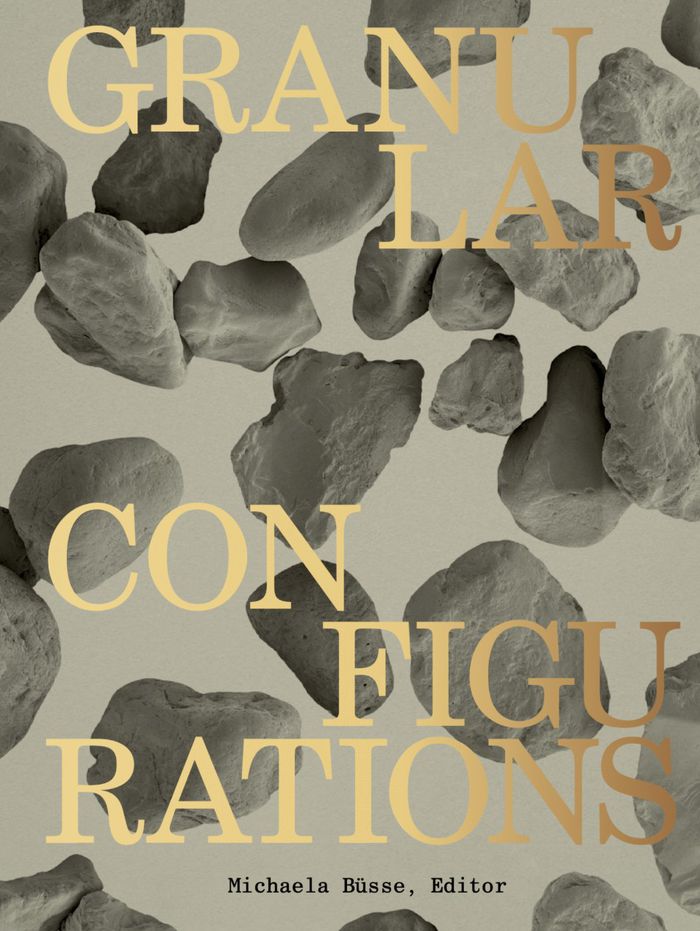
''Granular Configurations: Sand, Materiality, and Planetary Urbanization'' explores the world’s most used—yet often overlooked—building material: sand. Bringing together voices from geography, geology, social sciences, art, and the humanities, the book traces how sand moves and transforms, resisting easy capture by political and ecological systems. From extractive practices and colonial legacies to fragile infrastructures and grassroots struggles, sand emerges here not just as a resource, but as an unstable force shaping the planetary urban condition.
Granular Configurations : Sand, Materiality, and Planetary Urbanization
Actions:
Price:
$65.95
(available in store)
Summary:
''Granular Configurations: Sand, Materiality, and Planetary Urbanization'' explores the world’s most used—yet often overlooked—building material: sand. Bringing together voices from geography, geology, social sciences, art, and the humanities, the book traces how sand moves and transforms, resisting easy capture by political and ecological systems. From extractive practices and colonial legacies to fragile infrastructures and grassroots struggles, sand emerges here not just as a resource, but as an unstable force shaping the planetary urban condition.
Form:
books
books
Publication:
February 2026
February 2026
Subject:
Architecture ecologies
Architecture ecologies
Form:
books
books
Price:
$60.00
(available in store)
Summary:
"Built on sand" is a research-based photographic project by Marcin Piekalkiewicz (PL/NL), in which he examines the social, environmental, and spatial effects of rapid real estate development in Malta. Inspired by Henri Lefebvre’s ideas, the project looks at how capitalism survives by producing and constantly reshaping space. But economic growth, while often celebrated,(...)
$60.00
(available in store)
Summary:
"Built on sand" is a research-based photographic project by Marcin Piekalkiewicz (PL/NL), in which he examines the social, environmental, and spatial effects of rapid real estate development in Malta. Inspired by Henri Lefebvre’s ideas, the project looks at how capitalism survives by producing and constantly reshaping space. But economic growth, while often celebrated,(...)
Publication:
June 2026
June 2026
Title:
Marcin Pierkalkiewicz: Built on sand. On Malta's construction boom
Actions:
Price:
$60.00
(available in store)
Summary:
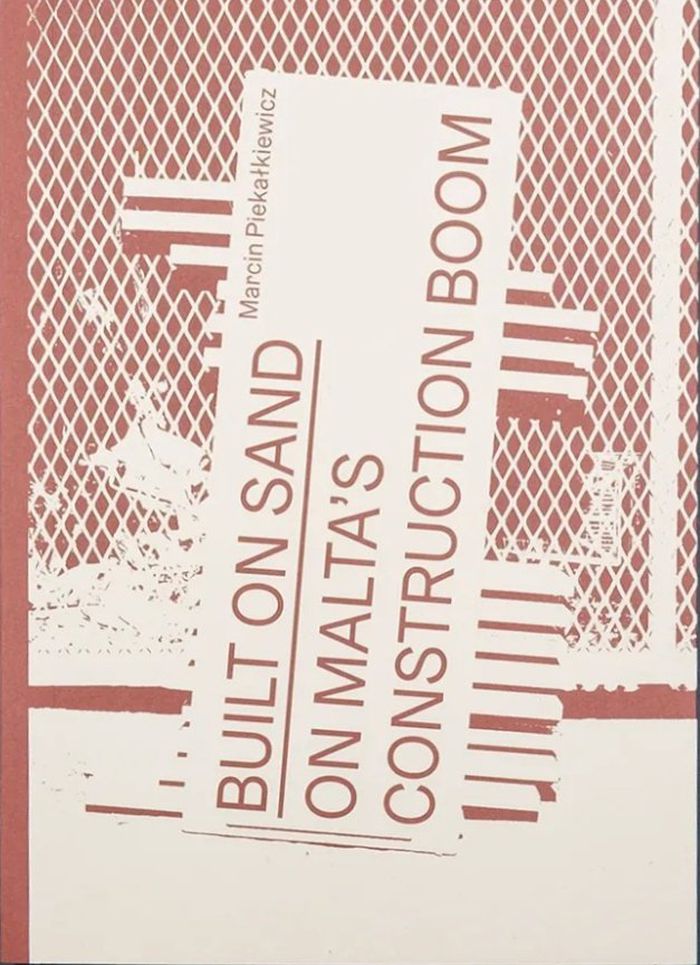
"Built on sand" is a research-based photographic project by Marcin Piekalkiewicz (PL/NL), in which he examines the social, environmental, and spatial effects of rapid real estate development in Malta. Inspired by Henri Lefebvre’s ideas, the project looks at how capitalism survives by producing and constantly reshaping space. But economic growth, while often celebrated, comes with significant, hidden, costs.
Marcin Pierkalkiewicz: Built on sand. On Malta's construction boom
Actions:
Price:
$60.00
(available in store)
Summary:
"Built on sand" is a research-based photographic project by Marcin Piekalkiewicz (PL/NL), in which he examines the social, environmental, and spatial effects of rapid real estate development in Malta. Inspired by Henri Lefebvre’s ideas, the project looks at how capitalism survives by producing and constantly reshaping space. But economic growth, while often celebrated, comes with significant, hidden, costs.
Form:
books
books
Publication:
June 2026
June 2026


