


223 Results
Form:
books
books
Actions:
Price:
$64.95
(available in store)
Summary:
Ninety years after the Bauhaus first opened its doors in Dessau, ''Big Plans! Modern Figures, Visionaries, and Inventors'' examines for the first time the role of the Bauhaus in the early modernist vision of utopia. Not just an experimental forum for the avant-garde, the Bauhaus, once it moved to Dessau, became part of an industrial region that had been a hotbed of(...)
$64.95
(available in store)
Summary:
Ninety years after the Bauhaus first opened its doors in Dessau, ''Big Plans! Modern Figures, Visionaries, and Inventors'' examines for the first time the role of the Bauhaus in the early modernist vision of utopia. Not just an experimental forum for the avant-garde, the Bauhaus, once it moved to Dessau, became part of an industrial region that had been a hotbed of(...)
Title:
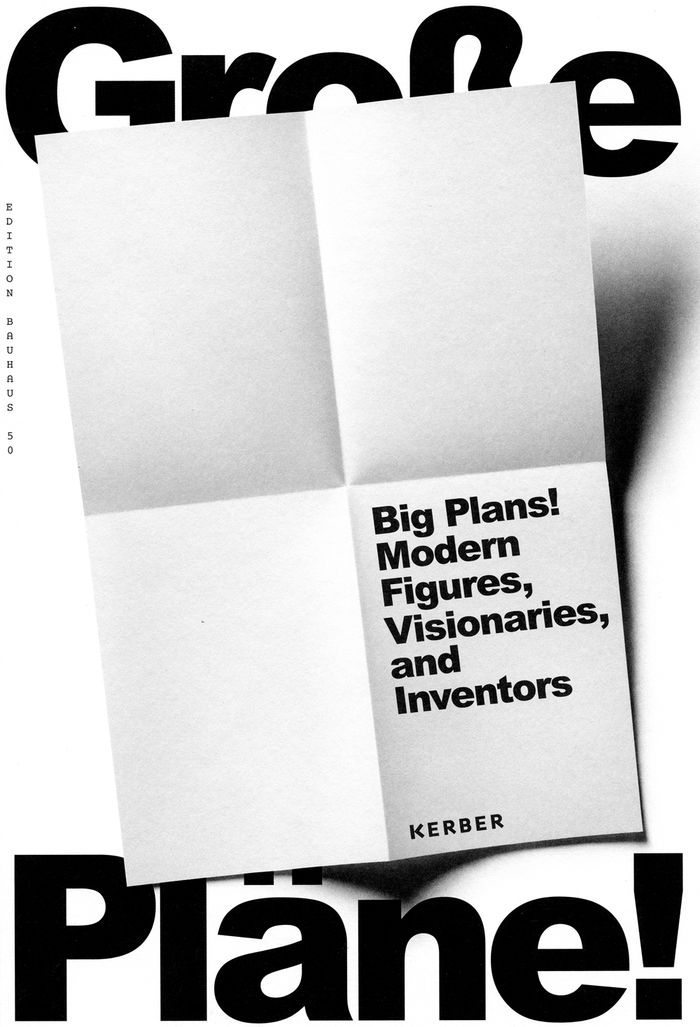
Big plans! Modern figures, visionaries, and inventors
Actions:
Price:
$64.95
(available in store)
Summary:
Ninety years after the Bauhaus first opened its doors in Dessau, ''Big Plans! Modern Figures, Visionaries, and Inventors'' examines for the first time the role of the Bauhaus in the early modernist vision of utopia. Not just an experimental forum for the avant-garde, the Bauhaus, once it moved to Dessau, became part of an industrial region that had been a hotbed of idealized planning for the future of humanity since the end of the First World War. This visionary futurist age of Saxony-Anhalt, reflected in its local architecture, industrial production, education and advertising, continued until the rise of the Nazi party in the 1930s.
Big plans! Modern figures, visionaries, and inventors
Actions:
Price:
$64.95
(available in store)
Summary:
Ninety years after the Bauhaus first opened its doors in Dessau, ''Big Plans! Modern Figures, Visionaries, and Inventors'' examines for the first time the role of the Bauhaus in the early modernist vision of utopia. Not just an experimental forum for the avant-garde, the Bauhaus, once it moved to Dessau, became part of an industrial region that had been a hotbed of idealized planning for the future of humanity since the end of the First World War. This visionary futurist age of Saxony-Anhalt, reflected in its local architecture, industrial production, education and advertising, continued until the rise of the Nazi party in the 1930s.
Form:
books
books
Publication:
August 2016
August 2016
Subject:
Modernism
Modernism
Form:
books
books
Title:
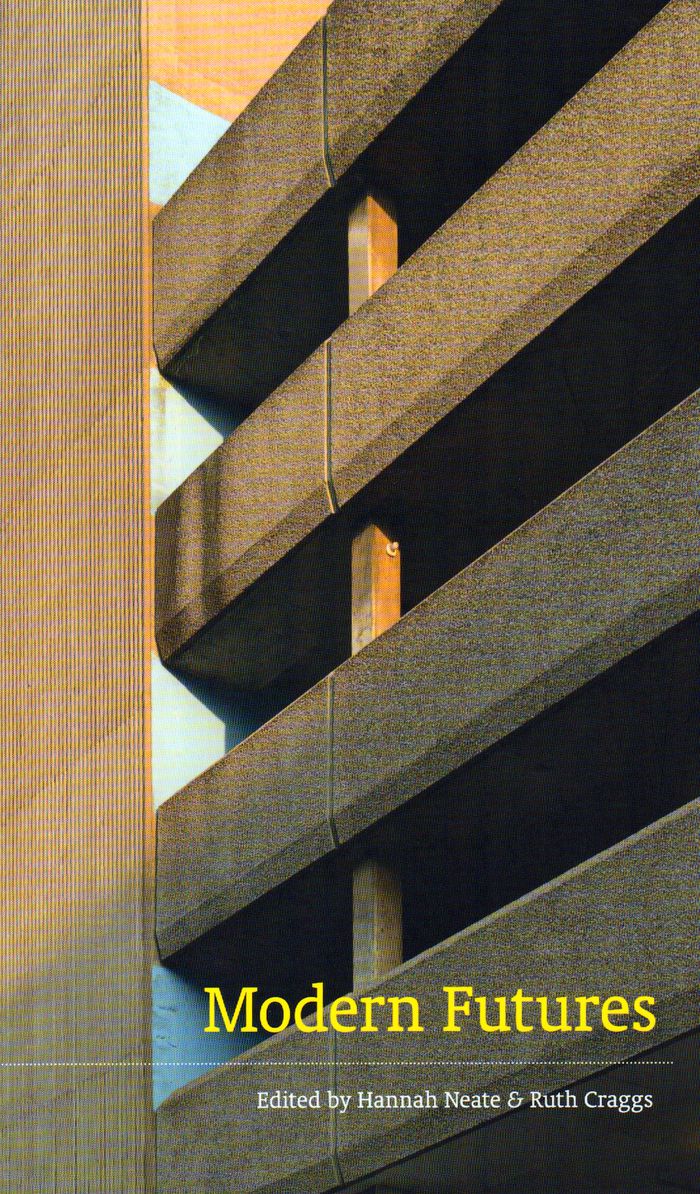
Modern futures
Modern futures
Actions:
Price:
$34.95
(available in store)
Summary:
There has been a groundswell of interest in modernist architecture in recent years, particularly buildings from the second half of the twentieth century. Individuals and groups are engaging with modernist environments in the form of popular histories, documentaries and community projects, and digital and social media. Alongside this growing popularity however, many of(...)
$34.95
(available in store)
Summary:
There has been a groundswell of interest in modernist architecture in recent years, particularly buildings from the second half of the twentieth century. Individuals and groups are engaging with modernist environments in the form of popular histories, documentaries and community projects, and digital and social media. Alongside this growing popularity however, many of(...)
Title:
Modern futures
Actions:
Price:
$34.95
(available in store)
Summary:
There has been a groundswell of interest in modernist architecture in recent years, particularly buildings from the second half of the twentieth century. Individuals and groups are engaging with modernist environments in the form of popular histories, documentaries and community projects, and digital and social media. Alongside this growing popularity however, many of these buildings are under threat from demolition and regeneration. "Modern futures" explores these trends, their connections, and how more popular and creative engagements might be used to inform the uncertain future of modernist architecture.
Modern futures
Actions:
Price:
$34.95
(available in store)
Summary:
There has been a groundswell of interest in modernist architecture in recent years, particularly buildings from the second half of the twentieth century. Individuals and groups are engaging with modernist environments in the form of popular histories, documentaries and community projects, and digital and social media. Alongside this growing popularity however, many of these buildings are under threat from demolition and regeneration. "Modern futures" explores these trends, their connections, and how more popular and creative engagements might be used to inform the uncertain future of modernist architecture.
Form:
books
books
Publication:
October 2016
October 2016
Subject:
Modernism
Modernism
Form:
books
books
Actions:
Price:
$49.95
(available to order)
Summary:
“How are we to live in a way that is healthy and economical?” One answer to this question was provided by Ernst Jahn’s film of the same name Wie wohnen wir gesund und wirtschaftlich? (1926–28), which showed the kitchen in the Gropius House complete with all the latest domestic appliances it was equipped with. The Dessau Masters’ Houses were not only showcases of “new(...)
$49.95
(available to order)
Summary:
“How are we to live in a way that is healthy and economical?” One answer to this question was provided by Ernst Jahn’s film of the same name Wie wohnen wir gesund und wirtschaftlich? (1926–28), which showed the kitchen in the Gropius House complete with all the latest domestic appliances it was equipped with. The Dessau Masters’ Houses were not only showcases of “new(...)
Title:
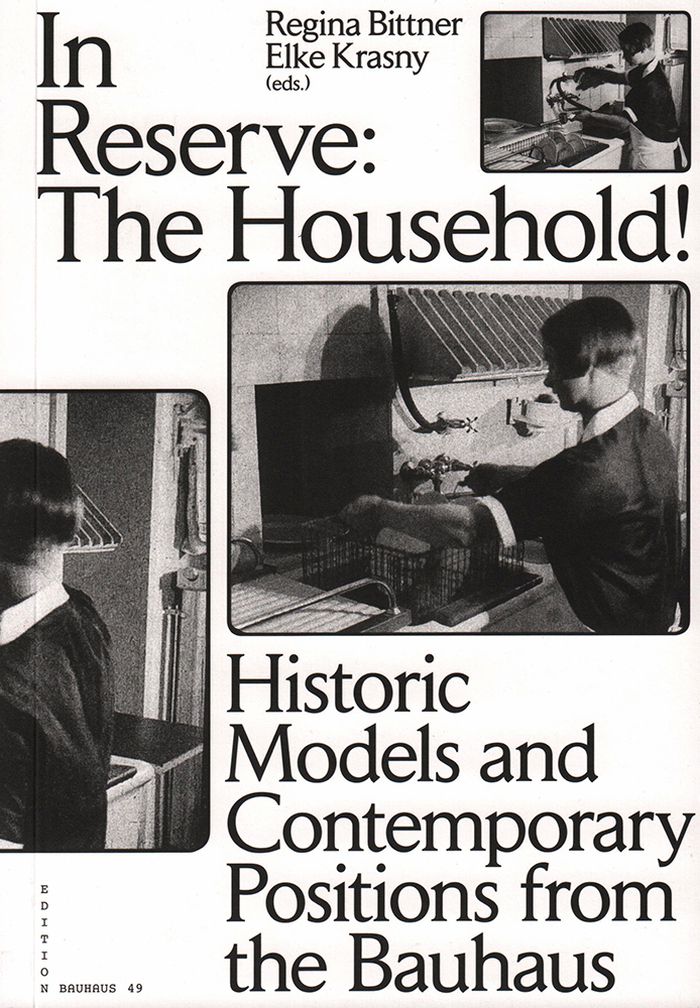
In reserve: the household. Historic models and contemporary positions from the Bauhaus
Actions:
Price:
$49.95
(available to order)
Summary:
“How are we to live in a way that is healthy and economical?” One answer to this question was provided by Ernst Jahn’s film of the same name Wie wohnen wir gesund und wirtschaftlich? (1926–28), which showed the kitchen in the Gropius House complete with all the latest domestic appliances it was equipped with. The Dessau Masters’ Houses were not only showcases of “new living” (Neues Wohnen) but also places where modern methods of housekeeping could be demonstrated. The topical relevance of this question was discussed at the 2015 Haushaltsmesse, an international trade fair on the art of housekeeping and budgeting. The publication Housekeeping in the Modern Age, which takes a documentary approach to this subject, now brings together these different viewpoints eyeing the question through the prism of the problems we face today. In the face of climate change and dwindling resources, the externalized costs of running a modern household are back on the (kitchen) table. The book is a compilation of essays by anthropologists, economists, artists, architects, historians, and cultural studies experts and also contains historical documents and photographs.
In reserve: the household. Historic models and contemporary positions from the Bauhaus
Actions:
Price:
$49.95
(available to order)
Summary:
“How are we to live in a way that is healthy and economical?” One answer to this question was provided by Ernst Jahn’s film of the same name Wie wohnen wir gesund und wirtschaftlich? (1926–28), which showed the kitchen in the Gropius House complete with all the latest domestic appliances it was equipped with. The Dessau Masters’ Houses were not only showcases of “new living” (Neues Wohnen) but also places where modern methods of housekeeping could be demonstrated. The topical relevance of this question was discussed at the 2015 Haushaltsmesse, an international trade fair on the art of housekeeping and budgeting. The publication Housekeeping in the Modern Age, which takes a documentary approach to this subject, now brings together these different viewpoints eyeing the question through the prism of the problems we face today. In the face of climate change and dwindling resources, the externalized costs of running a modern household are back on the (kitchen) table. The book is a compilation of essays by anthropologists, economists, artists, architects, historians, and cultural studies experts and also contains historical documents and photographs.
Form:
books
books
Publication:
May 2017
May 2017
Subject:
Modernism
Modernism
Form:
books
books
Title:
The modernist home
The modernist home
Actions:
Price:
$38.95
(available to order)
Summary:
The Modernist house was a test of modern architects’ ability to meet human needs while fuelling the intellect. "The Modernist home" reveals the striking results of the challenge to fit utopian modernist principles to day-to-day living. The Modernist house dissolved the closed spaces of the traditional home, modernising the bathrooms and kitchens, opening the interior(...)
$38.95
(available to order)
Summary:
The Modernist house was a test of modern architects’ ability to meet human needs while fuelling the intellect. "The Modernist home" reveals the striking results of the challenge to fit utopian modernist principles to day-to-day living. The Modernist house dissolved the closed spaces of the traditional home, modernising the bathrooms and kitchens, opening the interior(...)
Title:
The modernist home
Actions:
Price:
$38.95
(available to order)
Summary:
The Modernist house was a test of modern architects’ ability to meet human needs while fuelling the intellect. "The Modernist home" reveals the striking results of the challenge to fit utopian modernist principles to day-to-day living. The Modernist house dissolved the closed spaces of the traditional home, modernising the bathrooms and kitchens, opening the interior to natural light and providing balconies and terraces for sun-worship and sleeping in the open air. Tim Benton uncovers its elements: from the technology that provided central heating and electric lighting; to new construction materials, such as concrete and steel; to close-ups on features like winter gardens and folding furniture. He opens the door on Modernist houses around the world, from Le Corbusier’s Villa Savoye, to Mies van der Rohe’s Barcelona Pavilion, all fully illustrated with colour photographs and plans.
The modernist home
Actions:
Price:
$38.95
(available to order)
Summary:
The Modernist house was a test of modern architects’ ability to meet human needs while fuelling the intellect. "The Modernist home" reveals the striking results of the challenge to fit utopian modernist principles to day-to-day living. The Modernist house dissolved the closed spaces of the traditional home, modernising the bathrooms and kitchens, opening the interior to natural light and providing balconies and terraces for sun-worship and sleeping in the open air. Tim Benton uncovers its elements: from the technology that provided central heating and electric lighting; to new construction materials, such as concrete and steel; to close-ups on features like winter gardens and folding furniture. He opens the door on Modernist houses around the world, from Le Corbusier’s Villa Savoye, to Mies van der Rohe’s Barcelona Pavilion, all fully illustrated with colour photographs and plans.
Form:
books
books
Publication:
May 2006, London
May 2006, London
Subject:
Modernism
Modernism
Form:
books
books
Actions:
Price:
$27.00
(available to order)
Summary:
This new survey provides a complete history of American art and architecture from its seventeenth-century colonial beginnings to the latest installation and video work. Structured chronologically, the book defines the characteristics of the different periods and highlights the consistent forms, techniques, and styles that mark the art and architecture as distinctively(...)
$27.00
(available to order)
Summary:
This new survey provides a complete history of American art and architecture from its seventeenth-century colonial beginnings to the latest installation and video work. Structured chronologically, the book defines the characteristics of the different periods and highlights the consistent forms, techniques, and styles that mark the art and architecture as distinctively(...)
Title:
American art and architecture
Actions:
Price:
$27.00
(available to order)
Summary:
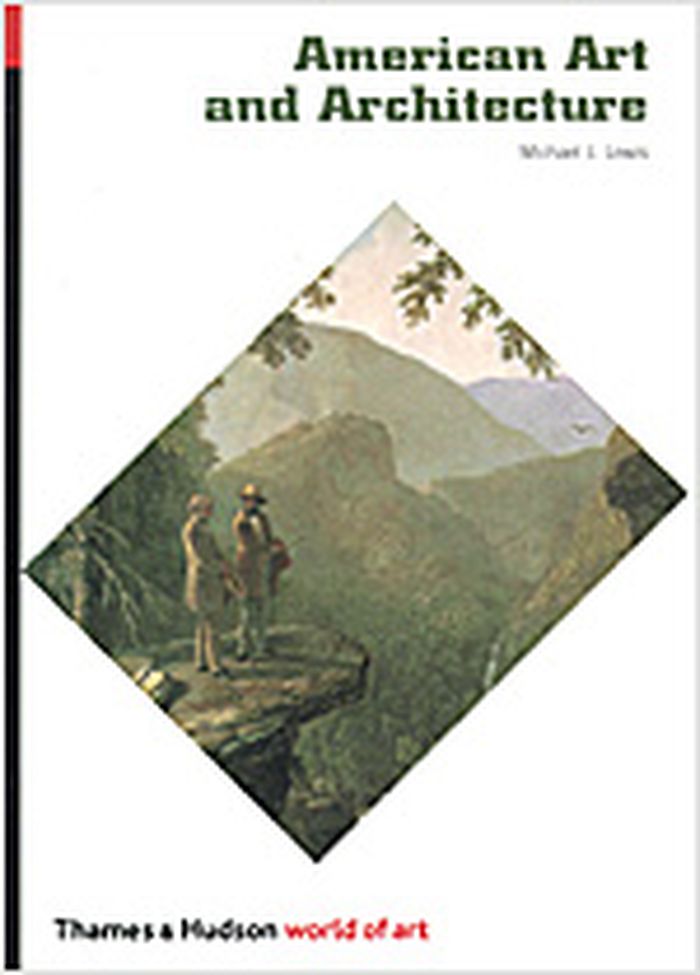
This new survey provides a complete history of American art and architecture from its seventeenth-century colonial beginnings to the latest installation and video work. Structured chronologically, the book defines the characteristics of the different periods and highlights the consistent forms, techniques, and styles that mark the art and architecture as distinctively American. Michael J. Lewis charts the ways in which American artists and architects both adopted and diverged from earlier European models to create an original visual language of their own. He also shows how that language in turn came to influence and eventually dominate art and architecture around the world. The author integrates discussions of both buildings and works of visual art, revealing the shared social and aesthetic concerns that underlie the two. Vernacular, religious, secular, and corporate architecture appears alongside paintings, sculpture, photography, and new-media art. Major American artists and works from the seventeenth century to today are included, such as epic history paintings by Benjamin West and John Singleton Copley; sublime landscapes by Thomas Cole, Albert Bierstadt, and Frederick Church; society portraits by John Singer Sargent; groundbreaking abstract expressionist and pop art by Jackson Pollock, Barnett Newman, and Andy Warhol; and challenging sculptural, installation, and video works from more recent years by Robert Gober, Fred Wilson, and Matthew Barney. In architecture, dozens of different building types are illustrated and discussed, from the earliest colonial houses and churches to the most spectacular modernist and postmodernist houses, stations, museums, and iconic skyscrapers. 275 illustrations, 175 in color.
American art and architecture
Actions:
Price:
$27.00
(available to order)
Summary:
This new survey provides a complete history of American art and architecture from its seventeenth-century colonial beginnings to the latest installation and video work. Structured chronologically, the book defines the characteristics of the different periods and highlights the consistent forms, techniques, and styles that mark the art and architecture as distinctively American. Michael J. Lewis charts the ways in which American artists and architects both adopted and diverged from earlier European models to create an original visual language of their own. He also shows how that language in turn came to influence and eventually dominate art and architecture around the world. The author integrates discussions of both buildings and works of visual art, revealing the shared social and aesthetic concerns that underlie the two. Vernacular, religious, secular, and corporate architecture appears alongside paintings, sculpture, photography, and new-media art. Major American artists and works from the seventeenth century to today are included, such as epic history paintings by Benjamin West and John Singleton Copley; sublime landscapes by Thomas Cole, Albert Bierstadt, and Frederick Church; society portraits by John Singer Sargent; groundbreaking abstract expressionist and pop art by Jackson Pollock, Barnett Newman, and Andy Warhol; and challenging sculptural, installation, and video works from more recent years by Robert Gober, Fred Wilson, and Matthew Barney. In architecture, dozens of different building types are illustrated and discussed, from the earliest colonial houses and churches to the most spectacular modernist and postmodernist houses, stations, museums, and iconic skyscrapers. 275 illustrations, 175 in color.
Form:
books
books
Publication:
May 2006, London
May 2006, London
Subject:
Modernism
Modernism
Form:
books
books
Actions:
Price:
$31.50
(available to order)
Summary:
In this book, editor Kathleen James-Chakraborty and seven other scholars analyze the accomplishments and dispel the myths of the Bauhaus, placing it firmly in a historical context from before the formation of the Weimar Republic through Nazi ascendancy and World War II into the cold war. Together, they investigate its professors’ and students’ interactions with mass(...)
$31.50
(available to order)
Summary:
In this book, editor Kathleen James-Chakraborty and seven other scholars analyze the accomplishments and dispel the myths of the Bauhaus, placing it firmly in a historical context from before the formation of the Weimar Republic through Nazi ascendancy and World War II into the cold war. Together, they investigate its professors’ and students’ interactions with mass(...)
Title:
Bauhaus culture : from Weimar to the Cold War
Actions:
Price:
$31.50
(available to order)
Summary:
In this book, editor Kathleen James-Chakraborty and seven other scholars analyze the accomplishments and dispel the myths of the Bauhaus, placing it firmly in a historical context from before the formation of the Weimar Republic through Nazi ascendancy and World War II into the cold war. Together, they investigate its professors’ and students’ interactions with mass culture; establish the complexity of its relationship with Wilhelmine, Nazi, and postwar German politics; and challenge the claim that its architects greatly influenced American architecture in the 1930s.
Bauhaus culture : from Weimar to the Cold War
Actions:
Price:
$31.50
(available to order)
Summary:
In this book, editor Kathleen James-Chakraborty and seven other scholars analyze the accomplishments and dispel the myths of the Bauhaus, placing it firmly in a historical context from before the formation of the Weimar Republic through Nazi ascendancy and World War II into the cold war. Together, they investigate its professors’ and students’ interactions with mass culture; establish the complexity of its relationship with Wilhelmine, Nazi, and postwar German politics; and challenge the claim that its architects greatly influenced American architecture in the 1930s.
Form:
books
books
Publication:
July 2006, Minneapolis
July 2006, Minneapolis
Subject:
Modernism
Modernism
Form:
books
books
Actions:
Price:
$40.95
(available to order)
Summary:
This book by Dr. Ivan Nevzgodin devoted to the architecture of Novosibirsk considers in detail the first large buildings of Novonikolaevsk, revolutionary romanticism, rationalism, functionalism, constructivism, transition architecture, Khrushchev modernism and international style of the Brezhnev period. This book is illustrated with modern and old photos, reproductions(...)
$40.95
(available to order)
Summary:
This book by Dr. Ivan Nevzgodin devoted to the architecture of Novosibirsk considers in detail the first large buildings of Novonikolaevsk, revolutionary romanticism, rationalism, functionalism, constructivism, transition architecture, Khrushchev modernism and international style of the Brezhnev period. This book is illustrated with modern and old photos, reproductions(...)
Title:
The architecture of Novosibirsk
Actions:
Price:
$40.95
(available to order)
Summary:
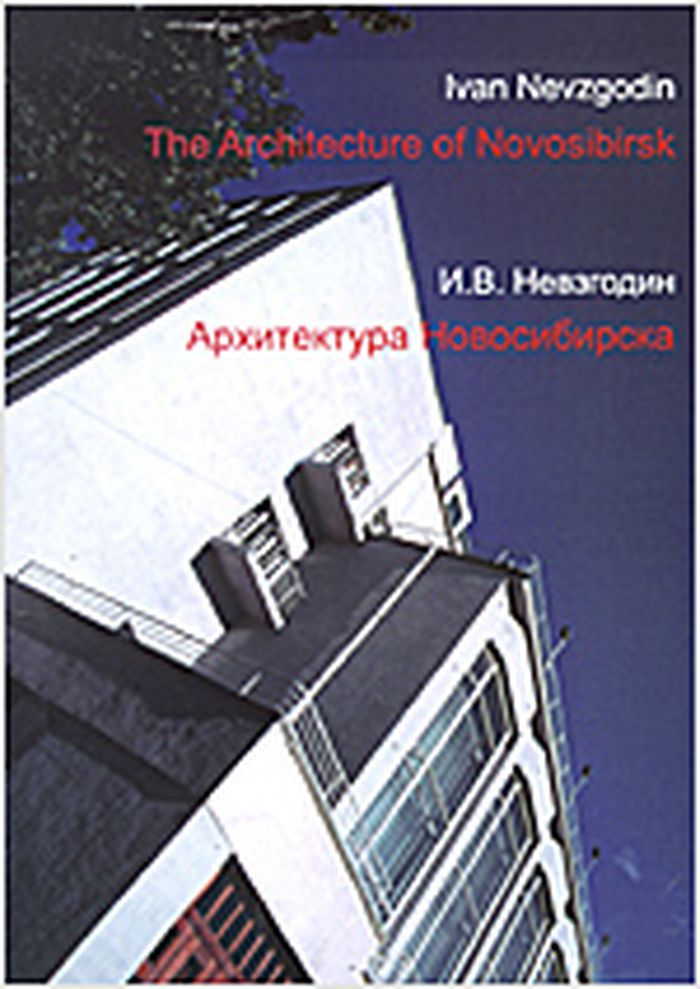
This book by Dr. Ivan Nevzgodin devoted to the architecture of Novosibirsk considers in detail the first large buildings of Novonikolaevsk, revolutionary romanticism, rationalism, functionalism, constructivism, transition architecture, Khrushchev modernism and international style of the Brezhnev period. This book is illustrated with modern and old photos, reproductions and graphic reconstruction of project drawings.
The architecture of Novosibirsk
Actions:
Price:
$40.95
(available to order)
Summary:
This book by Dr. Ivan Nevzgodin devoted to the architecture of Novosibirsk considers in detail the first large buildings of Novonikolaevsk, revolutionary romanticism, rationalism, functionalism, constructivism, transition architecture, Khrushchev modernism and international style of the Brezhnev period. This book is illustrated with modern and old photos, reproductions and graphic reconstruction of project drawings.
Form:
books
books
Publication:
January 2005, Novosibirsk
January 2005, Novosibirsk
Subject:
Modernism
Modernism
Form:
books
books
Actions:
Price:
$38.95
(available to order)
Summary:
This acclaimed survey of modern architecture and its origins has become a classic since it first appeared in 1980. For the fourth edition Kenneth Frampton has added a major new section that explores the effects of globalization on architecture in recent years and examines the phenomenon of international celebrity architects who are increasingly active all over the world.(...)
$38.95
(available to order)
Summary:
This acclaimed survey of modern architecture and its origins has become a classic since it first appeared in 1980. For the fourth edition Kenneth Frampton has added a major new section that explores the effects of globalization on architecture in recent years and examines the phenomenon of international celebrity architects who are increasingly active all over the world.(...)
Title:
Modern architecture, 4th edition
Actions:
Price:
$38.95
(available to order)
Summary:
This acclaimed survey of modern architecture and its origins has become a classic since it first appeared in 1980. For the fourth edition Kenneth Frampton has added a major new section that explores the effects of globalization on architecture in recent years and examines the phenomenon of international celebrity architects who are increasingly active all over the world. The bibliography has been updated and expanded, making this volume more complete and indispensable than ever.
Modern architecture, 4th edition
Actions:
Price:
$38.95
(available to order)
Summary:
This acclaimed survey of modern architecture and its origins has become a classic since it first appeared in 1980. For the fourth edition Kenneth Frampton has added a major new section that explores the effects of globalization on architecture in recent years and examines the phenomenon of international celebrity architects who are increasingly active all over the world. The bibliography has been updated and expanded, making this volume more complete and indispensable than ever.
Form:
books
books
Publication:
September 2007
September 2007
Subject:
Modernism
Modernism
Form:
books
books
Actions:
Price:
$105.00
(available to order)
Summary:
In 1930, Nikolai A. Milyutin presented his structural-engineering vision of the Marxist-stamped form of city and lifestyle with this book. The orientation towards Western ideas of design, but especially his demand for decentralised metropolises made him a reluctant enemy of the state, and Sozgorod immediately became forbidden literature. This facsimile edition, the first(...)
$105.00
(available to order)
Summary:
In 1930, Nikolai A. Milyutin presented his structural-engineering vision of the Marxist-stamped form of city and lifestyle with this book. The orientation towards Western ideas of design, but especially his demand for decentralised metropolises made him a reluctant enemy of the state, and Sozgorod immediately became forbidden literature. This facsimile edition, the first(...)
Title:
Sozgorod, faksimile der erstausgabe von 1930
Actions:
Price:
$105.00
(available to order)
Summary:
In 1930, Nikolai A. Milyutin presented his structural-engineering vision of the Marxist-stamped form of city and lifestyle with this book. The orientation towards Western ideas of design, but especially his demand for decentralised metropolises made him a reluctant enemy of the state, and Sozgorod immediately became forbidden literature. This facsimile edition, the first direct German translation of the original Russian, makes Milyutin’s legacy available again.
Sozgorod, faksimile der erstausgabe von 1930
Actions:
Price:
$105.00
(available to order)
Summary:
In 1930, Nikolai A. Milyutin presented his structural-engineering vision of the Marxist-stamped form of city and lifestyle with this book. The orientation towards Western ideas of design, but especially his demand for decentralised metropolises made him a reluctant enemy of the state, and Sozgorod immediately became forbidden literature. This facsimile edition, the first direct German translation of the original Russian, makes Milyutin’s legacy available again.
Form:
books
books
Publication:
October 2008, Berlin
October 2008, Berlin
Subject:
Modernism
Modernism
Form:
books
books
Price:
$81.95
(available in store)
Summary:
Devenu République soviétique socialiste en 1936, le Kirghizistan entendait inventer pour sa capitale une architecture monumentale spécifique qui exprime son ralliement à l’utopie d’espérance de la grande famille communiste. Il faut toutefois attendre l’après-guerre pour voir surgir les premiers grands équipements staliniens (opéra, palais des Pionniers) dans un style(...)
$81.95
(available in store)
Summary:
Devenu République soviétique socialiste en 1936, le Kirghizistan entendait inventer pour sa capitale une architecture monumentale spécifique qui exprime son ralliement à l’utopie d’espérance de la grande famille communiste. Il faut toutefois attendre l’après-guerre pour voir surgir les premiers grands équipements staliniens (opéra, palais des Pionniers) dans un style(...)
Publication:
May 2025
May 2025
Title:
Architectures soviétiques: A Bichkek, capitale du Kirghizstan
Actions:
Price:
$81.95
(available in store)
Summary:
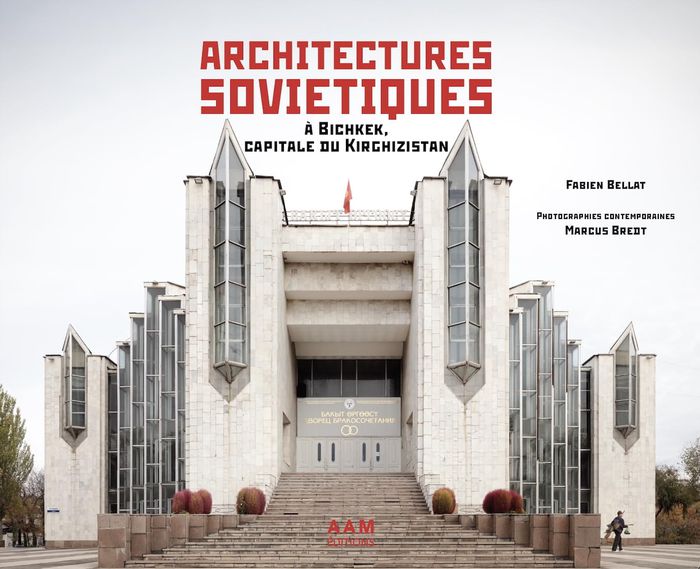
Devenu République soviétique socialiste en 1936, le Kirghizistan entendait inventer pour sa capitale une architecture monumentale spécifique qui exprime son ralliement à l’utopie d’espérance de la grande famille communiste. Il faut toutefois attendre l’après-guerre pour voir surgir les premiers grands équipements staliniens (opéra, palais des Pionniers) dans un style emphatique d’inspiration classique avec, ici et là, des citations de la culture kirghize. La période 1960-1980 voit se multiplier les édifices emblématiques de la capitale (stade, bibliothèque, gare routière, palais des mariages…), chacun des dirigeants soviétiques successifs voulant imprimer leur marque dans l’architecture. Les réalisations présentées dans ce livre témoignent d’une audace et d’un souffle certes souvent déclamatoire et hyperbolique, qui ne cessent d’étonner par leur puissance expressionniste.
Architectures soviétiques: A Bichkek, capitale du Kirghizstan
Actions:
Price:
$81.95
(available in store)
Summary:
Devenu République soviétique socialiste en 1936, le Kirghizistan entendait inventer pour sa capitale une architecture monumentale spécifique qui exprime son ralliement à l’utopie d’espérance de la grande famille communiste. Il faut toutefois attendre l’après-guerre pour voir surgir les premiers grands équipements staliniens (opéra, palais des Pionniers) dans un style emphatique d’inspiration classique avec, ici et là, des citations de la culture kirghize. La période 1960-1980 voit se multiplier les édifices emblématiques de la capitale (stade, bibliothèque, gare routière, palais des mariages…), chacun des dirigeants soviétiques successifs voulant imprimer leur marque dans l’architecture. Les réalisations présentées dans ce livre témoignent d’une audace et d’un souffle certes souvent déclamatoire et hyperbolique, qui ne cessent d’étonner par leur puissance expressionniste.
Form:
books
books
Publication:
May 2025
May 2025


