


235 Results
Form:
books
books
Actions:
Price:
$159.95
(available to order)
Summary:
Ce livre d'architecture est le premier jamais consacré à une étude complète sur ce sujet - retrace l'histoire de la brique depuis 5000 av. J.-C. jusqu'à son emploi dans les constructions actuelles, en passant par les basiliques et les thermes colossaux du monde romain, les merveilles de la Backsteingotik en Allemagne, les temples majestueux de Pagan, les mosquées de(...)
$159.95
(available to order)
Summary:
Ce livre d'architecture est le premier jamais consacré à une étude complète sur ce sujet - retrace l'histoire de la brique depuis 5000 av. J.-C. jusqu'à son emploi dans les constructions actuelles, en passant par les basiliques et les thermes colossaux du monde romain, les merveilles de la Backsteingotik en Allemagne, les temples majestueux de Pagan, les mosquées de(...)
Publication:
September 2004, Paris
September 2004, Paris
Title:
L'art et l'histoire de la brique : bâtiments privés et publics du monde entier
Actions:
Price:
$159.95
(available to order)
Summary:
Ce livre d'architecture est le premier jamais consacré à une étude complète sur ce sujet - retrace l'histoire de la brique depuis 5000 av. J.-C. jusqu'à son emploi dans les constructions actuelles, en passant par les basiliques et les thermes colossaux du monde romain, les merveilles de la Backsteingotik en Allemagne, les temples majestueux de Pagan, les mosquées de l'Asie centrale et de l'Iran, et le revival moderne. Le présent ouvrage est à la fois une histoire de l'emploi de la brique à travers les siècles, une vue d'ensemble sur les techniques de fabrication et d'utilisation de ce matériau, et un essai d'histoire architecturale et culturelle.
L'art et l'histoire de la brique : bâtiments privés et publics du monde entier
Actions:
Price:
$159.95
(available to order)
Summary:
Ce livre d'architecture est le premier jamais consacré à une étude complète sur ce sujet - retrace l'histoire de la brique depuis 5000 av. J.-C. jusqu'à son emploi dans les constructions actuelles, en passant par les basiliques et les thermes colossaux du monde romain, les merveilles de la Backsteingotik en Allemagne, les temples majestueux de Pagan, les mosquées de l'Asie centrale et de l'Iran, et le revival moderne. Le présent ouvrage est à la fois une histoire de l'emploi de la brique à travers les siècles, une vue d'ensemble sur les techniques de fabrication et d'utilisation de ce matériau, et un essai d'histoire architecturale et culturelle.
Form:
books
books
Publication:
September 2004, Paris
September 2004, Paris
Form:
books
books
Actions:
Price:
$109.00
(available to order)
Summary:
Cet ouvrage retrace l'histoire du marbre et de ses emplois, de l'époque romaine à l'âge baroque, principalement dans la péninsule italienne
$109.00
(available to order)
Summary:
Cet ouvrage retrace l'histoire du marbre et de ses emplois, de l'époque romaine à l'âge baroque, principalement dans la péninsule italienne
Publication:
November 2004, Arles
November 2004, Arles
Title:
Marbres de couleur : pierres et architecture de l'Antiquité au XVIIIe siècle
Actions:
Price:
$109.00
(available to order)
Summary:
Cet ouvrage retrace l'histoire du marbre et de ses emplois, de l'époque romaine à l'âge baroque, principalement dans la péninsule italienne
Marbres de couleur : pierres et architecture de l'Antiquité au XVIIIe siècle
Actions:
Price:
$109.00
(available to order)
Summary:
Cet ouvrage retrace l'histoire du marbre et de ses emplois, de l'époque romaine à l'âge baroque, principalement dans la péninsule italienne
Form:
books
books
Publication:
November 2004, Arles
November 2004, Arles
Form:
books
books
Actions:
Price:
$41.95
(available to order)
Summary:
Le concept de patrimoine englobe, certes, celui de monument historique mais en le dépassant très largement à la fois quantitativement et qualitativement. Quantitativement puisque, par delà les artefacts, le patrimoine peut concerner une langue, une tradition, un savoir faire. Mais qualitativement aussi dans la mesure où la mise en évidence de la valeur patrimoniale d'un(...)
$41.95
(available to order)
Summary:
Le concept de patrimoine englobe, certes, celui de monument historique mais en le dépassant très largement à la fois quantitativement et qualitativement. Quantitativement puisque, par delà les artefacts, le patrimoine peut concerner une langue, une tradition, un savoir faire. Mais qualitativement aussi dans la mesure où la mise en évidence de la valeur patrimoniale d'un(...)
Publication:
May 2004, Saint-Étienne
May 2004, Saint-Étienne
Title:
Variations autour du patrimoine : un cas d'école, le Forez
Actions:
Price:
$41.95
(available to order)
Summary:
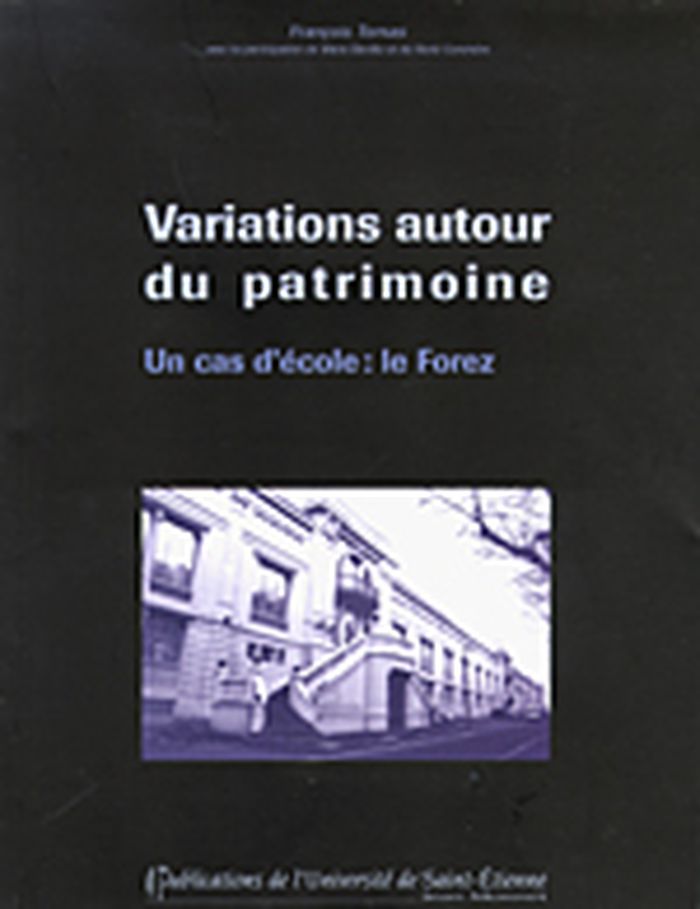
Le concept de patrimoine englobe, certes, celui de monument historique mais en le dépassant très largement à la fois quantitativement et qualitativement. Quantitativement puisque, par delà les artefacts, le patrimoine peut concerner une langue, une tradition, un savoir faire. Mais qualitativement aussi dans la mesure où la mise en évidence de la valeur patrimoniale d'un lieu, d'un événement ou d'un fait a souvent non seulement échappé aux structures officielles chargées de l'identification et de la préservation des monuments historiques mais s'est parfois imposée à elles. Ce fut particulièrement le cas en Forez, après qu'il soit passé de la gloire apportée par L'Astrée d'Honoré d'Urfé (XVIIe-XVIIIe siècles) à l'oubli quand ce n'était pas à l'opprobre de la " ville noire " (XIXe-XXe siècles). Or, voilà que depuis quelques décennies ce territoire et ses habitants, longtemps " sans histoire " pour certains, non seulement découvrent leur passé mais le valorisent comme un patrimoine dont la richesse est désormais reconnue. Cela étant, le propos de cet ouvrage n'est pas celui d'un inventaire ou d'un guide au sens traditionnel du terme, mais plutôt celui d'une sorte de manuel du processus de " patrimonialisation ". C'est la raison pour laquelle, après avoir consacré le premier chapitre au concept lui-même de patrimoine et à ce qui le différencie si nettement de celui de monument historique qu'il englobe néanmoins, les suivants abordent les conditions dans lesquelles est apparu et s'est développé ce qui est aujourd'hui perçu comme le patrimoine forézien.
Variations autour du patrimoine : un cas d'école, le Forez
Actions:
Price:
$41.95
(available to order)
Summary:
Le concept de patrimoine englobe, certes, celui de monument historique mais en le dépassant très largement à la fois quantitativement et qualitativement. Quantitativement puisque, par delà les artefacts, le patrimoine peut concerner une langue, une tradition, un savoir faire. Mais qualitativement aussi dans la mesure où la mise en évidence de la valeur patrimoniale d'un lieu, d'un événement ou d'un fait a souvent non seulement échappé aux structures officielles chargées de l'identification et de la préservation des monuments historiques mais s'est parfois imposée à elles. Ce fut particulièrement le cas en Forez, après qu'il soit passé de la gloire apportée par L'Astrée d'Honoré d'Urfé (XVIIe-XVIIIe siècles) à l'oubli quand ce n'était pas à l'opprobre de la " ville noire " (XIXe-XXe siècles). Or, voilà que depuis quelques décennies ce territoire et ses habitants, longtemps " sans histoire " pour certains, non seulement découvrent leur passé mais le valorisent comme un patrimoine dont la richesse est désormais reconnue. Cela étant, le propos de cet ouvrage n'est pas celui d'un inventaire ou d'un guide au sens traditionnel du terme, mais plutôt celui d'une sorte de manuel du processus de " patrimonialisation ". C'est la raison pour laquelle, après avoir consacré le premier chapitre au concept lui-même de patrimoine et à ce qui le différencie si nettement de celui de monument historique qu'il englobe néanmoins, les suivants abordent les conditions dans lesquelles est apparu et s'est développé ce qui est aujourd'hui perçu comme le patrimoine forézien.
Form:
books
books
Publication:
May 2004, Saint-Étienne
May 2004, Saint-Étienne
Form:
books
books
Price:
$46.95
(available to order)
Summary:
À travers cette publication illustrée de nombreux documents inédits, ce n'est pas seulement l'histoire architecturale d'une des plus anciennes manufactures de la ville qui est abordée, mais aussi celle du commerce et de l'industrie du tabac à Marseille depuis l'Ancien Régime, l'évolution de la condition ouvrière et de la production, la réhabilitation des bâtiments. Cet(...)
$46.95
(available to order)
Summary:
À travers cette publication illustrée de nombreux documents inédits, ce n'est pas seulement l'histoire architecturale d'une des plus anciennes manufactures de la ville qui est abordée, mais aussi celle du commerce et de l'industrie du tabac à Marseille depuis l'Ancien Régime, l'évolution de la condition ouvrière et de la production, la réhabilitation des bâtiments. Cet(...)
Publication:
October 2003, Marseille
October 2003, Marseille
Title:
10, rue Bleue : histoire et reconversion d'une manufacture des tabacs
Actions:
Price:
$46.95
(available to order)
Summary:
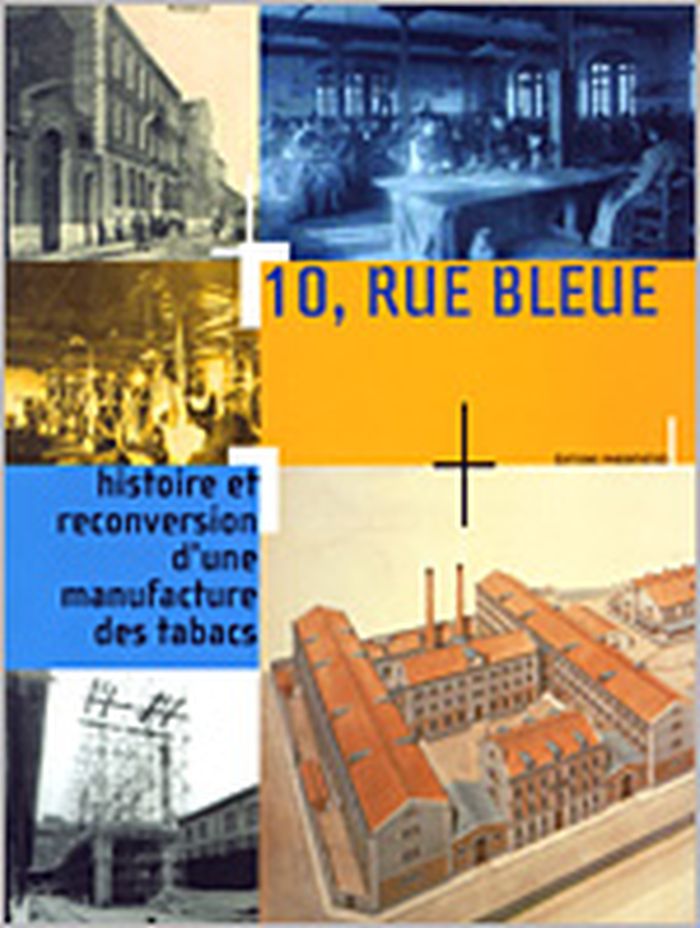
À travers cette publication illustrée de nombreux documents inédits, ce n'est pas seulement l'histoire architecturale d'une des plus anciennes manufactures de la ville qui est abordée, mais aussi celle du commerce et de l'industrie du tabac à Marseille depuis l'Ancien Régime, l'évolution de la condition ouvrière et de la production, la réhabilitation des bâtiments. Cet ensemble, désormais à vocation culturelle, compte parmi les plus belles et les plus importantes réussites de reconversion industrielle à l'échelle européenne.
10, rue Bleue : histoire et reconversion d'une manufacture des tabacs
Actions:
Price:
$46.95
(available to order)
Summary:
À travers cette publication illustrée de nombreux documents inédits, ce n'est pas seulement l'histoire architecturale d'une des plus anciennes manufactures de la ville qui est abordée, mais aussi celle du commerce et de l'industrie du tabac à Marseille depuis l'Ancien Régime, l'évolution de la condition ouvrière et de la production, la réhabilitation des bâtiments. Cet ensemble, désormais à vocation culturelle, compte parmi les plus belles et les plus importantes réussites de reconversion industrielle à l'échelle européenne.
Form:
books
books
Publication:
October 2003, Marseille
October 2003, Marseille
Form:
books
books
Actions:
Price:
$102.00
(available to order)
Summary:
Cet ouvrage offre, pour la première fois, une étude des verrières franciliennes des XIXe et XXe siècles, tant religieuses que civiles. Embrassant toute la petite couronne parisienne, il met en lumière le rôle déterminant de l'Ile-de-France en matière de technique du vitrail : en 1830, d'une part, les manufactures de Sèvres et de Choisy-le-Roi travaillent à la redécouverte(...)
$102.00
(available to order)
Summary:
Cet ouvrage offre, pour la première fois, une étude des verrières franciliennes des XIXe et XXe siècles, tant religieuses que civiles. Embrassant toute la petite couronne parisienne, il met en lumière le rôle déterminant de l'Ile-de-France en matière de technique du vitrail : en 1830, d'une part, les manufactures de Sèvres et de Choisy-le-Roi travaillent à la redécouverte(...)
Publication:
October 2003, Paris
October 2003, Paris
Title:
Un patrimoine de lumière 1830-2000
Actions:
Price:
$102.00
(available to order)
Summary:
Cet ouvrage offre, pour la première fois, une étude des verrières franciliennes des XIXe et XXe siècles, tant religieuses que civiles. Embrassant toute la petite couronne parisienne, il met en lumière le rôle déterminant de l'Ile-de-France en matière de technique du vitrail : en 1830, d'une part, les manufactures de Sèvres et de Choisy-le-Roi travaillent à la redécouverte d'un art négligé depuis deux siècles ; en 1889, d'autre part, sont fabriqués à Clichy. pour la première fois en France les verres " américains ". Simultanément, l'expansion urbaine et l'évangélisation de la population mettent en place un important marché, à la clientèle privée et publique. Les champs analysés - iconographiques, techniques et stylistiques - s'appuient sur un corpus, en majeure partie inédit, de plus de 3 000 verrières, qui permet non seulement de découvrir l'un des domaines majeurs de l'apparat religieux, mais aussi de renouveler certaines idées sur la vie des ateliers des maîtres verriers, enfin, de révéler les lignes de force d'une identité régionale.
Un patrimoine de lumière 1830-2000
Actions:
Price:
$102.00
(available to order)
Summary:
Cet ouvrage offre, pour la première fois, une étude des verrières franciliennes des XIXe et XXe siècles, tant religieuses que civiles. Embrassant toute la petite couronne parisienne, il met en lumière le rôle déterminant de l'Ile-de-France en matière de technique du vitrail : en 1830, d'une part, les manufactures de Sèvres et de Choisy-le-Roi travaillent à la redécouverte d'un art négligé depuis deux siècles ; en 1889, d'autre part, sont fabriqués à Clichy. pour la première fois en France les verres " américains ". Simultanément, l'expansion urbaine et l'évangélisation de la population mettent en place un important marché, à la clientèle privée et publique. Les champs analysés - iconographiques, techniques et stylistiques - s'appuient sur un corpus, en majeure partie inédit, de plus de 3 000 verrières, qui permet non seulement de découvrir l'un des domaines majeurs de l'apparat religieux, mais aussi de renouveler certaines idées sur la vie des ateliers des maîtres verriers, enfin, de révéler les lignes de force d'une identité régionale.
Form:
books
books
Publication:
October 2003, Paris
October 2003, Paris
Form:
books
books
Actions:
Price:
$52.95
(available to order)
Summary:
La notion de milieu "extrême" désigne tout environnement naturel ou culturel soumis à des contraintes majeures. Des chercheurs français et étrangers réunis en équipe pluridisciplinaire -associant archéologues, architectes, paysagistes, historiens, ingénieurs, gestionnaires de sites... - confrontent ici leurs expériences. L'approche du terrain fait ainsi l'objet d'une(...)
$52.95
(available to order)
Summary:
La notion de milieu "extrême" désigne tout environnement naturel ou culturel soumis à des contraintes majeures. Des chercheurs français et étrangers réunis en équipe pluridisciplinaire -associant archéologues, architectes, paysagistes, historiens, ingénieurs, gestionnaires de sites... - confrontent ici leurs expériences. L'approche du terrain fait ainsi l'objet d'une(...)
Publication:
October 2003, Paris
October 2003, Paris
Title:
Vestiges archéologiques : en milieu extrême
Actions:
Price:
$52.95
(available to order)
Summary:
La notion de milieu "extrême" désigne tout environnement naturel ou culturel soumis à des contraintes majeures. Des chercheurs français et étrangers réunis en équipe pluridisciplinaire -associant archéologues, architectes, paysagistes, historiens, ingénieurs, gestionnaires de sites... - confrontent ici leurs expériences. L'approche du terrain fait ainsi l'objet d'une étude globale qui permet de s'affranchir des deux paradoxes de la conservation en matière de vestiges : toute étude archéologique requiert une destruction, et la mise en valeur d'un site peut concourir à la poursuite du processus de dégradation. Exemples et expériences émanant de tout le territoire mais aussi du Canada, de Norvège, du Portugal, de Mayotte, d'Italie et d'Allemagne.
Vestiges archéologiques : en milieu extrême
Actions:
Price:
$52.95
(available to order)
Summary:
La notion de milieu "extrême" désigne tout environnement naturel ou culturel soumis à des contraintes majeures. Des chercheurs français et étrangers réunis en équipe pluridisciplinaire -associant archéologues, architectes, paysagistes, historiens, ingénieurs, gestionnaires de sites... - confrontent ici leurs expériences. L'approche du terrain fait ainsi l'objet d'une étude globale qui permet de s'affranchir des deux paradoxes de la conservation en matière de vestiges : toute étude archéologique requiert une destruction, et la mise en valeur d'un site peut concourir à la poursuite du processus de dégradation. Exemples et expériences émanant de tout le territoire mais aussi du Canada, de Norvège, du Portugal, de Mayotte, d'Italie et d'Allemagne.
Form:
books
books
Publication:
October 2003, Paris
October 2003, Paris
Form:
books
books
Title:
La reprise des monuments
La reprise des monuments
Actions:
Price:
$90.95
(available to order)
Summary:
La reprise des monuments est une alchimie subtile entre les lieux, les hommes et le temps. Royaumont, le Grand-Hornu, L’Ospitale, Suomenlinna, La Tourette, ces cinq hauts lieux du tourisme culturel en Europe traduisent la démarche collective des Centres culturels-monuments historiques. Fondé en 1991, ce réseau professionnel réunit aujourd’hui autour d’une démarche(...)
$90.95
(available to order)
Summary:
La reprise des monuments est une alchimie subtile entre les lieux, les hommes et le temps. Royaumont, le Grand-Hornu, L’Ospitale, Suomenlinna, La Tourette, ces cinq hauts lieux du tourisme culturel en Europe traduisent la démarche collective des Centres culturels-monuments historiques. Fondé en 1991, ce réseau professionnel réunit aujourd’hui autour d’une démarche(...)
Publication:
September 2003, Paris
September 2003, Paris
Title:
La reprise des monuments
Actions:
Price:
$90.95
(available to order)
Summary:
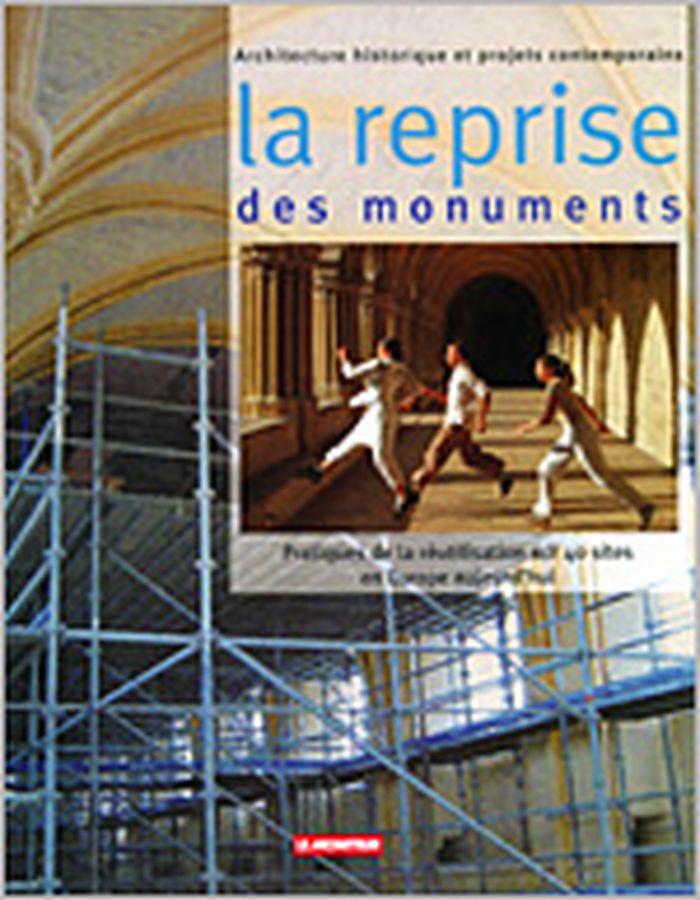
La reprise des monuments est une alchimie subtile entre les lieux, les hommes et le temps. Royaumont, le Grand-Hornu, L’Ospitale, Suomenlinna, La Tourette, ces cinq hauts lieux du tourisme culturel en Europe traduisent la démarche collective des Centres culturels-monuments historiques. Fondé en 1991, ce réseau professionnel réunit aujourd’hui autour d’une démarche commune (la reprise des monuments) 44 centres culturels originaux répartis dans 12 pays de la grande Europe et au Québec. Il représente un espace de libre réflexion, d’échange d’expériences et de solidarité pour des gens de métier qui œuvrent dans des contextes historiques, géographiques, économiques et sociaux très différents. Cet ouvrage aborde les grandes problématiques de la reprise des monuments. Cinq monographies très illustrées étudient ensuite en détail chacun des sites : tous absolument particuliers, ils répondent néanmoins à une grille d’analyse commune, formalisée dans une charte.
La reprise des monuments
Actions:
Price:
$90.95
(available to order)
Summary:
La reprise des monuments est une alchimie subtile entre les lieux, les hommes et le temps. Royaumont, le Grand-Hornu, L’Ospitale, Suomenlinna, La Tourette, ces cinq hauts lieux du tourisme culturel en Europe traduisent la démarche collective des Centres culturels-monuments historiques. Fondé en 1991, ce réseau professionnel réunit aujourd’hui autour d’une démarche commune (la reprise des monuments) 44 centres culturels originaux répartis dans 12 pays de la grande Europe et au Québec. Il représente un espace de libre réflexion, d’échange d’expériences et de solidarité pour des gens de métier qui œuvrent dans des contextes historiques, géographiques, économiques et sociaux très différents. Cet ouvrage aborde les grandes problématiques de la reprise des monuments. Cinq monographies très illustrées étudient ensuite en détail chacun des sites : tous absolument particuliers, ils répondent néanmoins à une grille d’analyse commune, formalisée dans une charte.
Form:
books
books
Publication:
September 2003, Paris
September 2003, Paris
Form:
books
books
Title:
Contemporary windows
Contemporary windows
Actions:
Price:
$70.00
(available to order)
Summary:
Over 40 examples have been chosen from the world's leading designers demonstrate the unlimited aesthetic possibilities of windows. Case studies on residential, commercial, and retail projects from around the world are illustrated with color photographs and architectural drawings.
$70.00
(available to order)
Summary:
Over 40 examples have been chosen from the world's leading designers demonstrate the unlimited aesthetic possibilities of windows. Case studies on residential, commercial, and retail projects from around the world are illustrated with color photographs and architectural drawings.
Publication:
April 2003, London
April 2003, London
Title:
Contemporary windows
Actions:
Price:
$70.00
(available to order)
Summary:
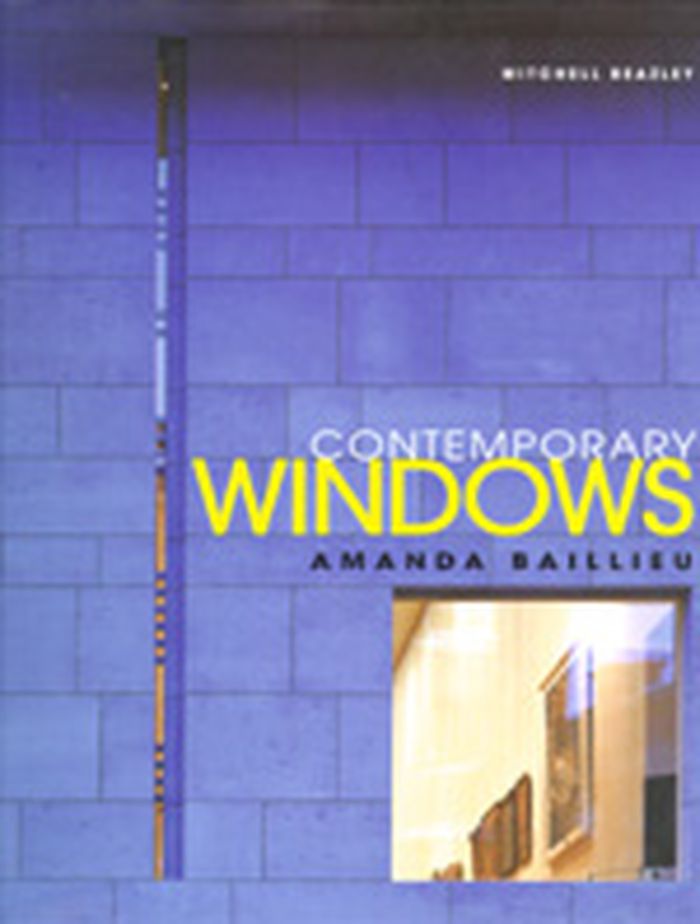
Over 40 examples have been chosen from the world's leading designers demonstrate the unlimited aesthetic possibilities of windows. Case studies on residential, commercial, and retail projects from around the world are illustrated with color photographs and architectural drawings.
Contemporary windows
Actions:
Price:
$70.00
(available to order)
Summary:
Over 40 examples have been chosen from the world's leading designers demonstrate the unlimited aesthetic possibilities of windows. Case studies on residential, commercial, and retail projects from around the world are illustrated with color photographs and architectural drawings.
Form:
books
books
Publication:
April 2003, London
April 2003, London
Form:
books
books
Title:
Reborn buildings
Reborn buildings
Actions:
Price:
$67.50
(available to order)
Summary:
This volume explores a variety of ideas for reconditioning historical spaces for domestic use, completed with plans and pictures of the original state, the development of the project and the final result.
$67.50
(available to order)
Summary:
This volume explores a variety of ideas for reconditioning historical spaces for domestic use, completed with plans and pictures of the original state, the development of the project and the final result.
Publication:
March 2003, Barcelona
March 2003, Barcelona
Title:
Reborn buildings
Actions:
Price:
$67.50
(available to order)
Summary:
This volume explores a variety of ideas for reconditioning historical spaces for domestic use, completed with plans and pictures of the original state, the development of the project and the final result.
Reborn buildings
Actions:
Price:
$67.50
(available to order)
Summary:
This volume explores a variety of ideas for reconditioning historical spaces for domestic use, completed with plans and pictures of the original state, the development of the project and the final result.
Form:
books
books
Publication:
March 2003, Barcelona
March 2003, Barcelona
Form:
books
books
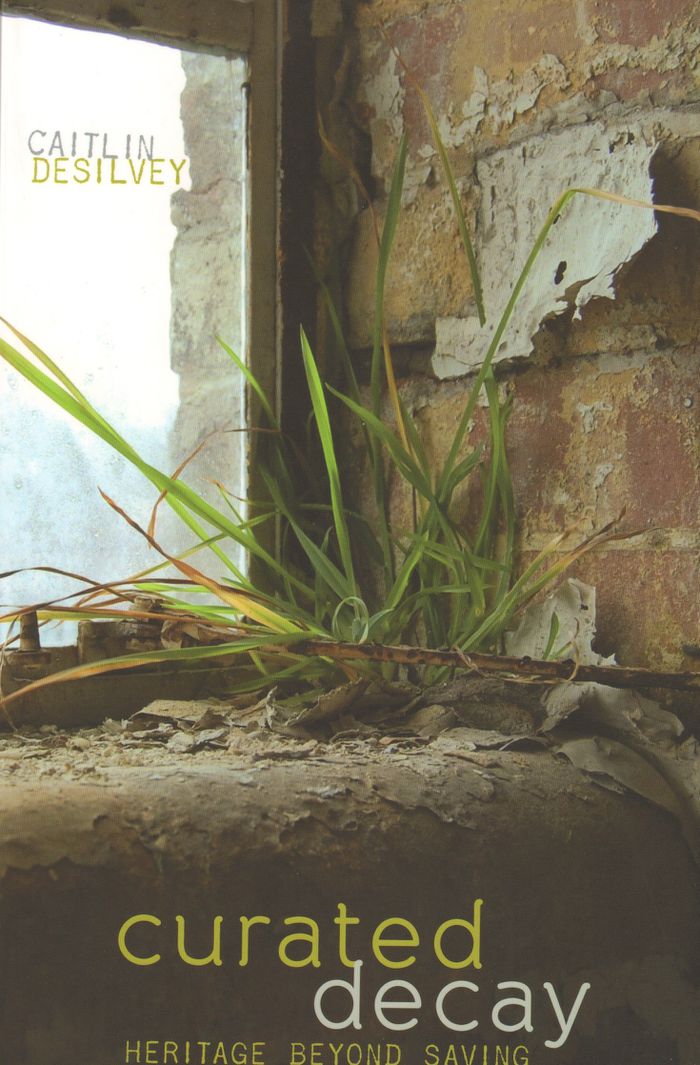
Actions:
Price:
$40.50
(available to order)
Summary:
Transporting readers from derelict homesteads to Cold War test sites, "Curated decay" presents an unparalleled provocation to conventional thinking on the conservation of cultural heritage. Caitlin DeSilvey proposes rethinking the care of certain vulnerable sites in terms of ecology and entropy, explaining how we must adopt an ethical stance that allows us to collaborate(...)
$40.50
(available to order)
Summary:
Transporting readers from derelict homesteads to Cold War test sites, "Curated decay" presents an unparalleled provocation to conventional thinking on the conservation of cultural heritage. Caitlin DeSilvey proposes rethinking the care of certain vulnerable sites in terms of ecology and entropy, explaining how we must adopt an ethical stance that allows us to collaborate(...)
Title:
Curated decay: heritage beyond saving
Actions:
Price:
$40.50
(available to order)
Summary:
Transporting readers from derelict homesteads to Cold War test sites, "Curated decay" presents an unparalleled provocation to conventional thinking on the conservation of cultural heritage. Caitlin DeSilvey proposes rethinking the care of certain vulnerable sites in terms of ecology and entropy, explaining how we must adopt an ethical stance that allows us to collaborate with—rather than defend against—natural processes.
Curated decay: heritage beyond saving
Actions:
Price:
$40.50
(available to order)
Summary:
Transporting readers from derelict homesteads to Cold War test sites, "Curated decay" presents an unparalleled provocation to conventional thinking on the conservation of cultural heritage. Caitlin DeSilvey proposes rethinking the care of certain vulnerable sites in terms of ecology and entropy, explaining how we must adopt an ethical stance that allows us to collaborate with—rather than defend against—natural processes.
Form:
books
books
Publication:
February 2017
February 2017


