


2959 Results
Form:
journals and magazines
journals and magazines
Title:
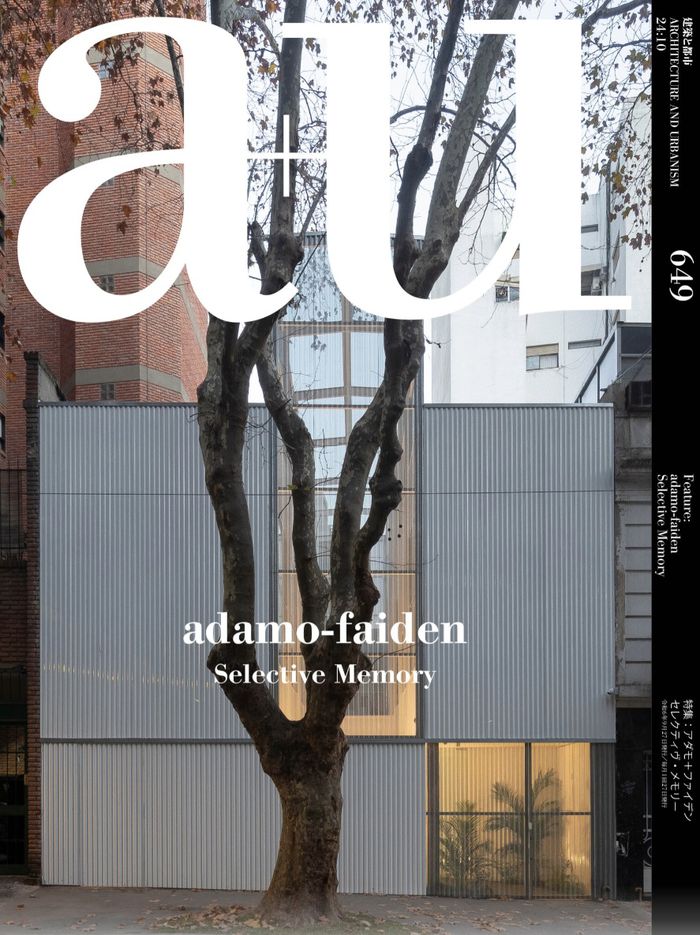
A+U 649: adamo-faiden
A+U 649: adamo-faiden
Actions:
Price:
$50.00
(available to order)
Summary:
This issue highlights the work of adama-faiden, founded in Buenos Aires in 2005 by Sebastián Adamo and Marcelo Faiden. Nearly two decades of work is traced through 34 projects in chronological order. From small residential projects in their early years, the studio has transitioned into an increasingly diverse practice, including a high-rise in central Buenos Aires and(...)
$50.00
(available to order)
Summary:
This issue highlights the work of adama-faiden, founded in Buenos Aires in 2005 by Sebastián Adamo and Marcelo Faiden. Nearly two decades of work is traced through 34 projects in chronological order. From small residential projects in their early years, the studio has transitioned into an increasingly diverse practice, including a high-rise in central Buenos Aires and(...)
Title:
A+U 649: adamo-faiden
Actions:
Price:
$50.00
(available to order)
Summary:
This issue highlights the work of adama-faiden, founded in Buenos Aires in 2005 by Sebastián Adamo and Marcelo Faiden. Nearly two decades of work is traced through 34 projects in chronological order. From small residential projects in their early years, the studio has transitioned into an increasingly diverse practice, including a high-rise in central Buenos Aires and social housing in Europe. Regardless of scale, what remains consistent in their work is a considered approach to urban environments and a sensitivity to airflow. Their designs often feature permeable facades and cohabitating plants, creating a soft, fluid connection between interior and exterior.
A+U 649: adamo-faiden
Actions:
Price:
$50.00
(available to order)
Summary:
This issue highlights the work of adama-faiden, founded in Buenos Aires in 2005 by Sebastián Adamo and Marcelo Faiden. Nearly two decades of work is traced through 34 projects in chronological order. From small residential projects in their early years, the studio has transitioned into an increasingly diverse practice, including a high-rise in central Buenos Aires and social housing in Europe. Regardless of scale, what remains consistent in their work is a considered approach to urban environments and a sensitivity to airflow. Their designs often feature permeable facades and cohabitating plants, creating a soft, fluid connection between interior and exterior.
Form:
journals and magazines
journals and magazines
Publication:
October 2024
October 2024
Subject:
Magazines
Magazines
Form:
journals and magazines
journals and magazines
Actions:
Price:
$50.00
(available to order)
Summary:
This issue features DnA, the Beijing-based firm led by architect Xu Tiantian. Since 2004, DnA has been designing public buildings that bridge culture, industry, and infrastructure in rural China. Prior to launching her own office, Xu worked for several design firms in the United States and the Netherlands, including OMA. The magazine features 25 works by DnA, organised(...)
$50.00
(available to order)
Summary:
This issue features DnA, the Beijing-based firm led by architect Xu Tiantian. Since 2004, DnA has been designing public buildings that bridge culture, industry, and infrastructure in rural China. Prior to launching her own office, Xu worked for several design firms in the United States and the Netherlands, including OMA. The magazine features 25 works by DnA, organised(...)
Title:
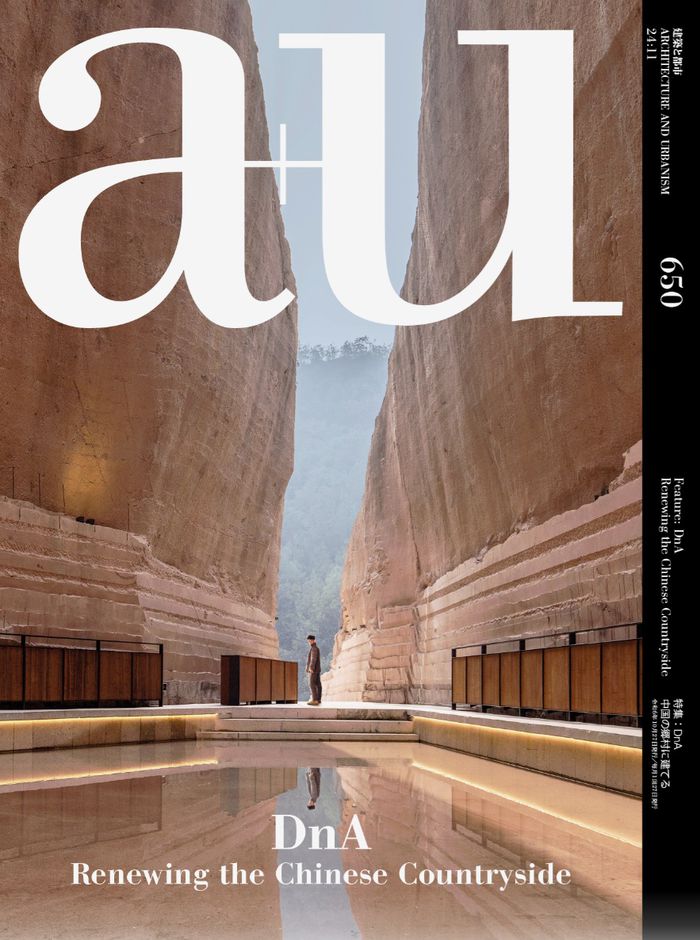
A+U 650: DnA Renewing the Chinese countryside
Actions:
Price:
$50.00
(available to order)
Summary:
This issue features DnA, the Beijing-based firm led by architect Xu Tiantian. Since 2004, DnA has been designing public buildings that bridge culture, industry, and infrastructure in rural China. Prior to launching her own office, Xu worked for several design firms in the United States and the Netherlands, including OMA. The magazine features 25 works by DnA, organised into four clusters located near China’s south-eastern coast: repurposing abandoned quarries in Jinyun County, revitalising Fujian ‘tulou’ (rural dwellings unique to the Hakka Chinese subgroup), public facilities in Songyang County, and the creation of a cultural museum to showcase local traditions on Meizhou Island.
A+U 650: DnA Renewing the Chinese countryside
Actions:
Price:
$50.00
(available to order)
Summary:
This issue features DnA, the Beijing-based firm led by architect Xu Tiantian. Since 2004, DnA has been designing public buildings that bridge culture, industry, and infrastructure in rural China. Prior to launching her own office, Xu worked for several design firms in the United States and the Netherlands, including OMA. The magazine features 25 works by DnA, organised into four clusters located near China’s south-eastern coast: repurposing abandoned quarries in Jinyun County, revitalising Fujian ‘tulou’ (rural dwellings unique to the Hakka Chinese subgroup), public facilities in Songyang County, and the creation of a cultural museum to showcase local traditions on Meizhou Island.
Form:
journals and magazines
journals and magazines
Publication:
November 2024
November 2024
Subject:
Magazines
Magazines
Form:
journals and magazines
journals and magazines
Title:
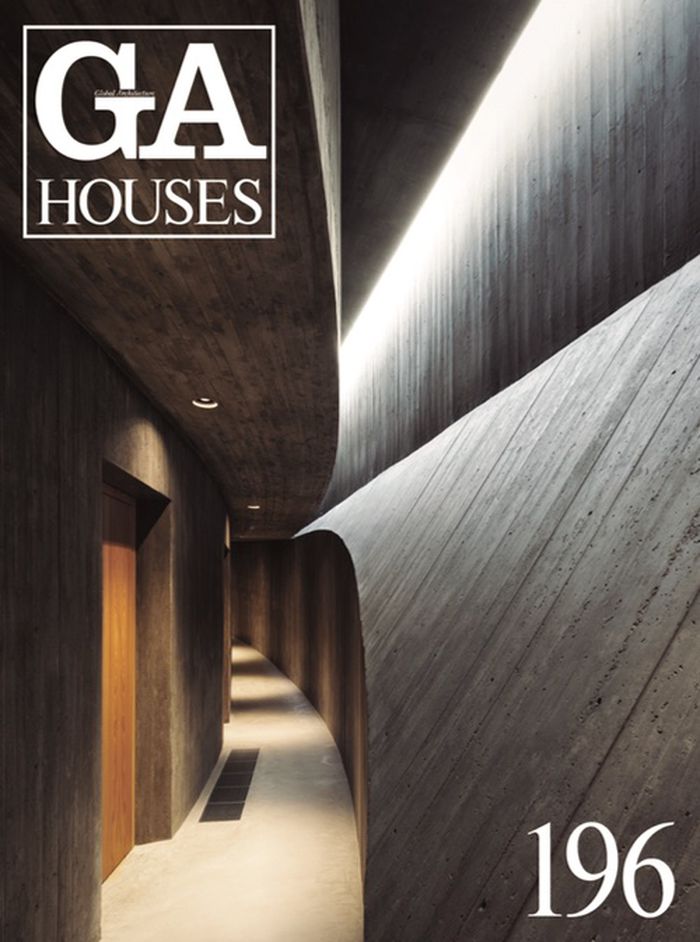
GA Houses 196
GA Houses 196
Actions:
Price:
$56.00
(available in store)
Summary:
‘'GA Houses’' documents outstanding new residential architecture from all over the world. With projects by FONDAMENTA, Tadao Ando, Mathias Klotz, Hirotaka Kidosaki:, Suzuko Yamada, Brandon Jørgensen, Francesca Gagliardi and Federico Rossi, and an interview with FONDAMENTA.
$56.00
(available in store)
Summary:
‘'GA Houses’' documents outstanding new residential architecture from all over the world. With projects by FONDAMENTA, Tadao Ando, Mathias Klotz, Hirotaka Kidosaki:, Suzuko Yamada, Brandon Jørgensen, Francesca Gagliardi and Federico Rossi, and an interview with FONDAMENTA.
Title:
GA Houses 196
Actions:
Price:
$56.00
(available in store)
Summary:
‘'GA Houses’' documents outstanding new residential architecture from all over the world. With projects by FONDAMENTA, Tadao Ando, Mathias Klotz, Hirotaka Kidosaki:, Suzuko Yamada, Brandon Jørgensen, Francesca Gagliardi and Federico Rossi, and an interview with FONDAMENTA.
GA Houses 196
Actions:
Price:
$56.00
(available in store)
Summary:
‘'GA Houses’' documents outstanding new residential architecture from all over the world. With projects by FONDAMENTA, Tadao Ando, Mathias Klotz, Hirotaka Kidosaki:, Suzuko Yamada, Brandon Jørgensen, Francesca Gagliardi and Federico Rossi, and an interview with FONDAMENTA.
Form:
journals and magazines
journals and magazines
Publication:
March 2025
March 2025
Subject:
Magazines
Magazines
Form:
books
books
Title:
032C Magazine 46
032C Magazine 46
Actions:
Price:
$34.95
(available in store)
Summary:
This book chronicles the fourth academic year of the studio led by Kersten Geers at the Academy of Architecture USI in Mendrisio. It was produced as a counterpart to Experiments in Thickness, a book which focused on the work of Giancarlo de Carlo in Urbino. As a means of grappling with that elephant in the room—the modern project—and its perceived failure of good(...)
$34.95
(available in store)
Summary:
This book chronicles the fourth academic year of the studio led by Kersten Geers at the Academy of Architecture USI in Mendrisio. It was produced as a counterpart to Experiments in Thickness, a book which focused on the work of Giancarlo de Carlo in Urbino. As a means of grappling with that elephant in the room—the modern project—and its perceived failure of good(...)
Title:
032C Magazine 46
Actions:
Price:
$34.95
(available in store)
Summary:
This book chronicles the fourth academic year of the studio led by Kersten Geers at the Academy of Architecture USI in Mendrisio. It was produced as a counterpart to Experiments in Thickness, a book which focused on the work of Giancarlo de Carlo in Urbino. As a means of grappling with that elephant in the room—the modern project—and its perceived failure of good intentions, all the projects gathered here are an update of sorts. Abstract overarching narratives were updated as premises for projects in Milan, De Carlo’s campus in Urbino was updated to accommodate current student population, and unrealised projects in Milan were revived to create a radically contemporary urbanity. But this was not an exercise in nostalgia and retrieval of the lost cause, as much as seeking an opportunity in a modernist ending.
032C Magazine 46
Actions:
Price:
$34.95
(available in store)
Summary:
This book chronicles the fourth academic year of the studio led by Kersten Geers at the Academy of Architecture USI in Mendrisio. It was produced as a counterpart to Experiments in Thickness, a book which focused on the work of Giancarlo de Carlo in Urbino. As a means of grappling with that elephant in the room—the modern project—and its perceived failure of good intentions, all the projects gathered here are an update of sorts. Abstract overarching narratives were updated as premises for projects in Milan, De Carlo’s campus in Urbino was updated to accommodate current student population, and unrealised projects in Milan were revived to create a radically contemporary urbanity. But this was not an exercise in nostalgia and retrieval of the lost cause, as much as seeking an opportunity in a modernist ending.
Form:
books
books
Publication:
October 2024
October 2024
Subject:
Magazines
Magazines
Form:
books
books
Title:
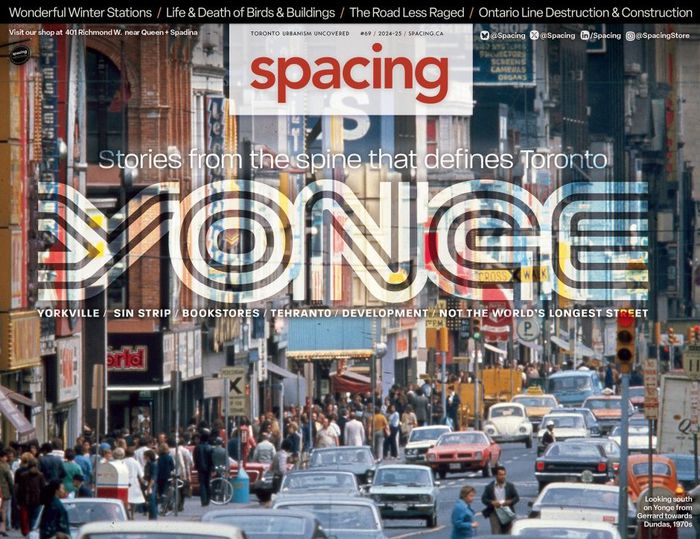
Spacing #69: Yonge
Spacing #69: Yonge
Actions:
Price:
$9.00
(available to order)
Summary:
Yonge street very much the spine of Toronto. The city has grown up along and from it, with successive arterial roads radiating outwards like ribs. It’s a line that both divides the city, and its streets, into east and west – marking the beginning of address numbering in each direction – and that ties the city together. As it moves from the lakefront to the city’s northern(...)
$9.00
(available to order)
Summary:
Yonge street very much the spine of Toronto. The city has grown up along and from it, with successive arterial roads radiating outwards like ribs. It’s a line that both divides the city, and its streets, into east and west – marking the beginning of address numbering in each direction – and that ties the city together. As it moves from the lakefront to the city’s northern(...)
Title:
Spacing #69: Yonge
Actions:
Price:
$9.00
(available to order)
Summary:
Yonge street very much the spine of Toronto. The city has grown up along and from it, with successive arterial roads radiating outwards like ribs. It’s a line that both divides the city, and its streets, into east and west – marking the beginning of address numbering in each direction – and that ties the city together. As it moves from the lakefront to the city’s northern border, Yonge evolves constantly, at each point reflecting the nature of its new environment, and so showcasing many of the different phases of our vast metropolis.
Spacing #69: Yonge
Actions:
Price:
$9.00
(available to order)
Summary:
Yonge street very much the spine of Toronto. The city has grown up along and from it, with successive arterial roads radiating outwards like ribs. It’s a line that both divides the city, and its streets, into east and west – marking the beginning of address numbering in each direction – and that ties the city together. As it moves from the lakefront to the city’s northern border, Yonge evolves constantly, at each point reflecting the nature of its new environment, and so showcasing many of the different phases of our vast metropolis.
Form:
books
books
Publication:
December 2024
December 2024
Subject:
Magazines
Magazines
Form:
journals and magazines
journals and magazines
Price:
$10.95
(available to order)
Summary:
Berlin architecture firm Bplus.xyz's political campaign to enshrine adaptive re-use across Europe, Toronto’s experiment in pairing affordable housing and social medicine, Urbz Mumbai’s mission to improve and empower India’s largest slum – all are brilliant examples of design and policy coming together to effect positive change for communities. We feature these incredible(...)
$10.95
(available to order)
Summary:
Berlin architecture firm Bplus.xyz's political campaign to enshrine adaptive re-use across Europe, Toronto’s experiment in pairing affordable housing and social medicine, Urbz Mumbai’s mission to improve and empower India’s largest slum – all are brilliant examples of design and policy coming together to effect positive change for communities. We feature these incredible(...)
Title:
Azure 309
Actions:
Price:
$10.95
(available to order)
Summary:
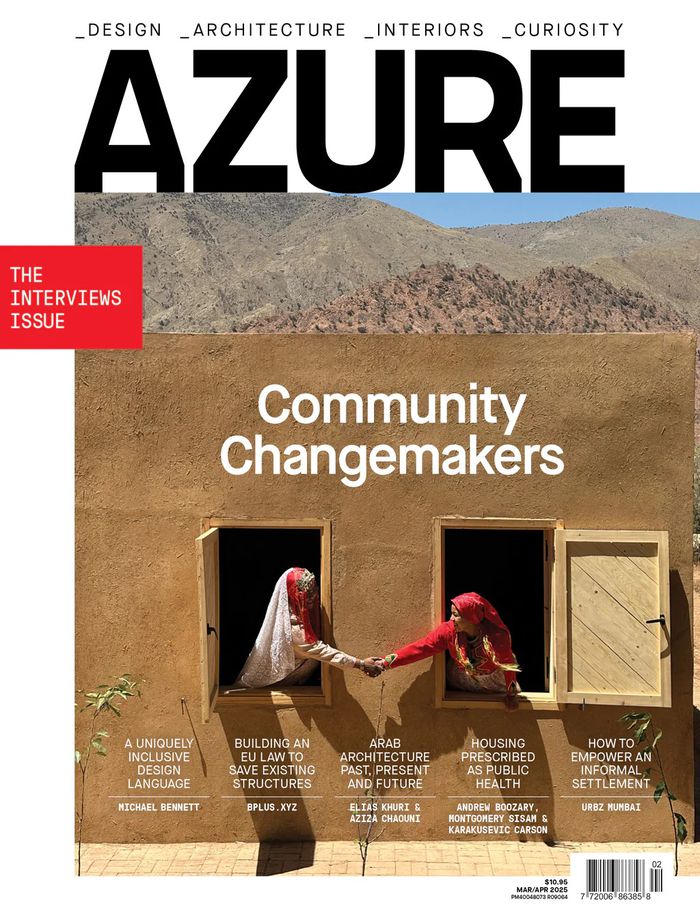
Berlin architecture firm Bplus.xyz's political campaign to enshrine adaptive re-use across Europe, Toronto’s experiment in pairing affordable housing and social medicine, Urbz Mumbai’s mission to improve and empower India’s largest slum – all are brilliant examples of design and policy coming together to effect positive change for communities. We feature these incredible pursuits and more in our Mar/Apr 2025 issue. Plus, we report from Iqaluit, where a growing number of Canadian architects are contributing to the architectural infrastructure.
Azure 309
Actions:
Price:
$10.95
(available to order)
Summary:
Berlin architecture firm Bplus.xyz's political campaign to enshrine adaptive re-use across Europe, Toronto’s experiment in pairing affordable housing and social medicine, Urbz Mumbai’s mission to improve and empower India’s largest slum – all are brilliant examples of design and policy coming together to effect positive change for communities. We feature these incredible pursuits and more in our Mar/Apr 2025 issue. Plus, we report from Iqaluit, where a growing number of Canadian architects are contributing to the architectural infrastructure.
Form:
journals and magazines
journals and magazines
Publication:
March 2025
March 2025
Subject:
Magazines
Magazines
Form:
books
books
Title:
Liberté n.346 : Non
Liberté n.346 : Non
Actions:
Price:
$18.00
(available to order)
Summary:
Peut-être que le « non » ouvre un espace, une brèche dans laquelle certaines choses peuvent enfin se mettre à naître. Dans ce dossier, nous avons rassemblé des exercices de refus. Des « non » appliqués, des « non » qui se découvrent et s’affirment. Nous avons eu envie de lancer ce défi d’écriture parce que nous vivons dans une société de consommation et de docilité.(...)
$18.00
(available to order)
Summary:
Peut-être que le « non » ouvre un espace, une brèche dans laquelle certaines choses peuvent enfin se mettre à naître. Dans ce dossier, nous avons rassemblé des exercices de refus. Des « non » appliqués, des « non » qui se découvrent et s’affirment. Nous avons eu envie de lancer ce défi d’écriture parce que nous vivons dans une société de consommation et de docilité.(...)
Title:
Liberté n.346 : Non
Actions:
Price:
$18.00
(available to order)
Summary:
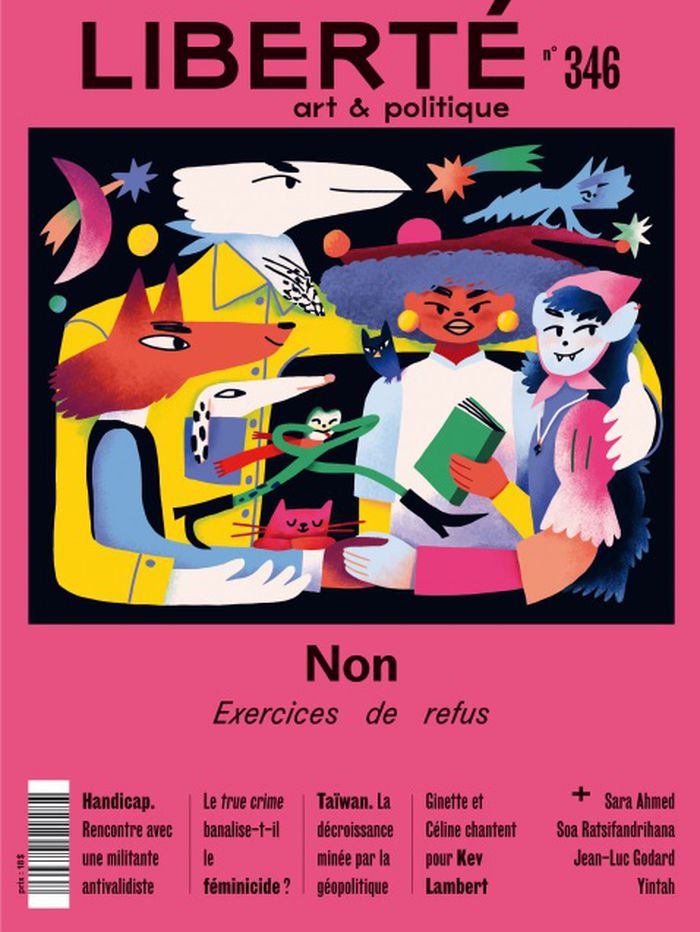
Peut-être que le « non » ouvre un espace, une brèche dans laquelle certaines choses peuvent enfin se mettre à naître. Dans ce dossier, nous avons rassemblé des exercices de refus. Des « non » appliqués, des « non » qui se découvrent et s’affirment. Nous avons eu envie de lancer ce défi d’écriture parce que nous vivons dans une société de consommation et de docilité. Notre souhait était de dévier notre attention des espaces où la parole n’est pas respectée, de laisser résonner le non-désir, l’écœurement, pour voir ce que ça faisait bouger en nous et dans le monde. Et en demandant aux gens de poser par l’écriture des gestes de refus ou de nous raconter ceux qu’iels ont posés, nous avons vu poindre cette intuition: dire non, refuser, ce n’est pas abdiquer, c’est demeurer rétif·ves et en action. Qu’arriverait-il si nous les laissions surgir, ces « non » qui font si mal? Si nous les poursuivions dans la joie? Pouvons-nous prendre le risque total de vivre avec eux?
Liberté n.346 : Non
Actions:
Price:
$18.00
(available to order)
Summary:
Peut-être que le « non » ouvre un espace, une brèche dans laquelle certaines choses peuvent enfin se mettre à naître. Dans ce dossier, nous avons rassemblé des exercices de refus. Des « non » appliqués, des « non » qui se découvrent et s’affirment. Nous avons eu envie de lancer ce défi d’écriture parce que nous vivons dans une société de consommation et de docilité. Notre souhait était de dévier notre attention des espaces où la parole n’est pas respectée, de laisser résonner le non-désir, l’écœurement, pour voir ce que ça faisait bouger en nous et dans le monde. Et en demandant aux gens de poser par l’écriture des gestes de refus ou de nous raconter ceux qu’iels ont posés, nous avons vu poindre cette intuition: dire non, refuser, ce n’est pas abdiquer, c’est demeurer rétif·ves et en action. Qu’arriverait-il si nous les laissions surgir, ces « non » qui font si mal? Si nous les poursuivions dans la joie? Pouvons-nous prendre le risque total de vivre avec eux?
Form:
books
books
Publication:
March 2025
March 2025
Subject:
Magazines
Magazines
Form:
journals and magazines
journals and magazines

Title:
Real Review 16 Autumn 2024
Real Review 16 Autumn 2024
Actions:
Price:
$26.00
(available in store)
Summary:
There is no snow on Mount Fuji. Any hack will tell you the phase change is here, the restructuring of the world is underway. That would be a relief, like a broken fever. But they are wrong. We are still waiting. This period is merely the static on the skin, the rising pressure and building tension before the impending climax of a deluge. We live under a lavender sky,(...)
$26.00
(available in store)
Summary:
There is no snow on Mount Fuji. Any hack will tell you the phase change is here, the restructuring of the world is underway. That would be a relief, like a broken fever. But they are wrong. We are still waiting. This period is merely the static on the skin, the rising pressure and building tension before the impending climax of a deluge. We live under a lavender sky,(...)
Title:
Real Review 16 Autumn 2024
Actions:
Price:
$26.00
(available in store)
Summary:
There is no snow on Mount Fuji. Any hack will tell you the phase change is here, the restructuring of the world is underway. That would be a relief, like a broken fever. But they are wrong. We are still waiting. This period is merely the static on the skin, the rising pressure and building tension before the impending climax of a deluge. We live under a lavender sky, silver and green; this is the time of unsettled air, heavy with that metallic smell of the earth. Soon the wind will awake, driving the rain forward like a cloud of smoke. The tremendous powers by which our lives are encompassed are stirring. How can we prepare for this transformation? We interview professor Jonathan White on the future as a political idea. Artist Dozie Kanu presents a flyer for higher education, while Opioid Crisis Lookbook speculates on semiotics. Peter Saville reviews the mood with Jack Self, who reviews voice notes, moral killing, and the Star Trek universe. Isabelle Bucklow binge-watches tech demos. Satoshi Fujiwara captures law enforcement hardware. Ruba Al-Sweel reviews the non-commercial image, while Martina Rocca and Izzy Farmiloe review the production of culture. Carmen Winant documents the last safe abortion, Felix Mcnamara writes notes on minutiae, John Sunyer attends a run club, plus much more.
Real Review 16 Autumn 2024
Actions:
Price:
$26.00
(available in store)
Summary:
There is no snow on Mount Fuji. Any hack will tell you the phase change is here, the restructuring of the world is underway. That would be a relief, like a broken fever. But they are wrong. We are still waiting. This period is merely the static on the skin, the rising pressure and building tension before the impending climax of a deluge. We live under a lavender sky, silver and green; this is the time of unsettled air, heavy with that metallic smell of the earth. Soon the wind will awake, driving the rain forward like a cloud of smoke. The tremendous powers by which our lives are encompassed are stirring. How can we prepare for this transformation? We interview professor Jonathan White on the future as a political idea. Artist Dozie Kanu presents a flyer for higher education, while Opioid Crisis Lookbook speculates on semiotics. Peter Saville reviews the mood with Jack Self, who reviews voice notes, moral killing, and the Star Trek universe. Isabelle Bucklow binge-watches tech demos. Satoshi Fujiwara captures law enforcement hardware. Ruba Al-Sweel reviews the non-commercial image, while Martina Rocca and Izzy Farmiloe review the production of culture. Carmen Winant documents the last safe abortion, Felix Mcnamara writes notes on minutiae, John Sunyer attends a run club, plus much more.
Form:
journals and magazines
journals and magazines
Publication:
March 2025
March 2025
Subject:
Magazines
Magazines
Form:
journals and magazines
journals and magazines
Title:
Exposé no 4 : la maison
Exposé no 4 : la maison
Actions:
Price:
$71.95
(available to order)
Summary:
Ce numéro retrace une archéologie des multiples approches de la maison dans l'art contemporain des avant-gardes à nos jours. Il présente les travaux des architectes les plus avant-gardistes tout en retraçant de façon conceptuelle et ludique l’histoire et l'évolution du concept "d’habiter".
$71.95
(available to order)
Summary:
Ce numéro retrace une archéologie des multiples approches de la maison dans l'art contemporain des avant-gardes à nos jours. Il présente les travaux des architectes les plus avant-gardistes tout en retraçant de façon conceptuelle et ludique l’histoire et l'évolution du concept "d’habiter".
Title:
Exposé no 4 : la maison
Actions:
Price:
$71.95
(available to order)
Summary:
Ce numéro retrace une archéologie des multiples approches de la maison dans l'art contemporain des avant-gardes à nos jours. Il présente les travaux des architectes les plus avant-gardistes tout en retraçant de façon conceptuelle et ludique l’histoire et l'évolution du concept "d’habiter".
Exposé no 4 : la maison
Actions:
Price:
$71.95
(available to order)
Summary:
Ce numéro retrace une archéologie des multiples approches de la maison dans l'art contemporain des avant-gardes à nos jours. Il présente les travaux des architectes les plus avant-gardistes tout en retraçant de façon conceptuelle et ludique l’histoire et l'évolution du concept "d’habiter".
Form:
journals and magazines
journals and magazines
Publication:
October 2004, Orléans
October 2004, Orléans
Subject:
Magazines
Magazines
Form:
journals and magazines
journals and magazines
Title:
Public 29 : localities
Public 29 : localities
Actions:
Price:
$20.00
(available to order)
Summary:
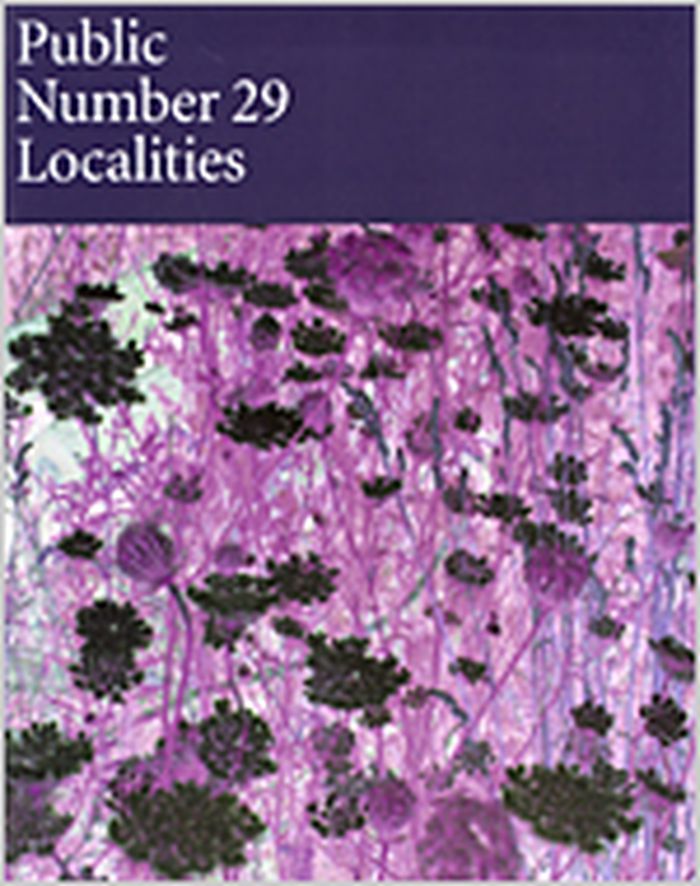
This issue of "Public" approaches the concept of locality in a dialectical fashion - seeing in it new possibilities for translocalism, diverse coalitions, and critical engagements as well as new reactionary articulations of market fundamentalism and commodified difference.
$20.00
(available to order)
Summary:
This issue of "Public" approaches the concept of locality in a dialectical fashion - seeing in it new possibilities for translocalism, diverse coalitions, and critical engagements as well as new reactionary articulations of market fundamentalism and commodified difference.
Subject:
Magazines
Magazines
Publication:
January 1900, Toronto
January 1900, Toronto
Title:
Public 29 : localities
Actions:
Price:
$20.00
(available to order)
Summary:
This issue of "Public" approaches the concept of locality in a dialectical fashion - seeing in it new possibilities for translocalism, diverse coalitions, and critical engagements as well as new reactionary articulations of market fundamentalism and commodified difference.
Public 29 : localities
Actions:
Price:
$20.00
(available to order)
Summary:
This issue of "Public" approaches the concept of locality in a dialectical fashion - seeing in it new possibilities for translocalism, diverse coalitions, and critical engagements as well as new reactionary articulations of market fundamentalism and commodified difference.
Form:
journals and magazines
journals and magazines
Publication:
January 1900, Toronto
January 1900, Toronto
Subject:
Magazines
Magazines


