


2221 Results
Form:
books
books
Actions:
Price:
$30.00
(available to order)
Summary:
Des BD de Hergé, Objectif Lune et On a marché sur la Lune (1950-1954), au documentaire mythique Opération Lune de William Karel (2001), on pensait quasiment tout savoir sur les fictions et réalités du plus « grand pas » de toute l'histoire de l'humanité. Or l'odyssée spatiale américaine a capitalisé une abondante culture matérielle sur la Conquête de cette nouvelle(...)
$30.00
(available to order)
Summary:
Des BD de Hergé, Objectif Lune et On a marché sur la Lune (1950-1954), au documentaire mythique Opération Lune de William Karel (2001), on pensait quasiment tout savoir sur les fictions et réalités du plus « grand pas » de toute l'histoire de l'humanité. Or l'odyssée spatiale américaine a capitalisé une abondante culture matérielle sur la Conquête de cette nouvelle(...)
Title:
On va marcher sur la lune : une odyssée américaine
Actions:
Price:
$30.00
(available to order)
Summary:
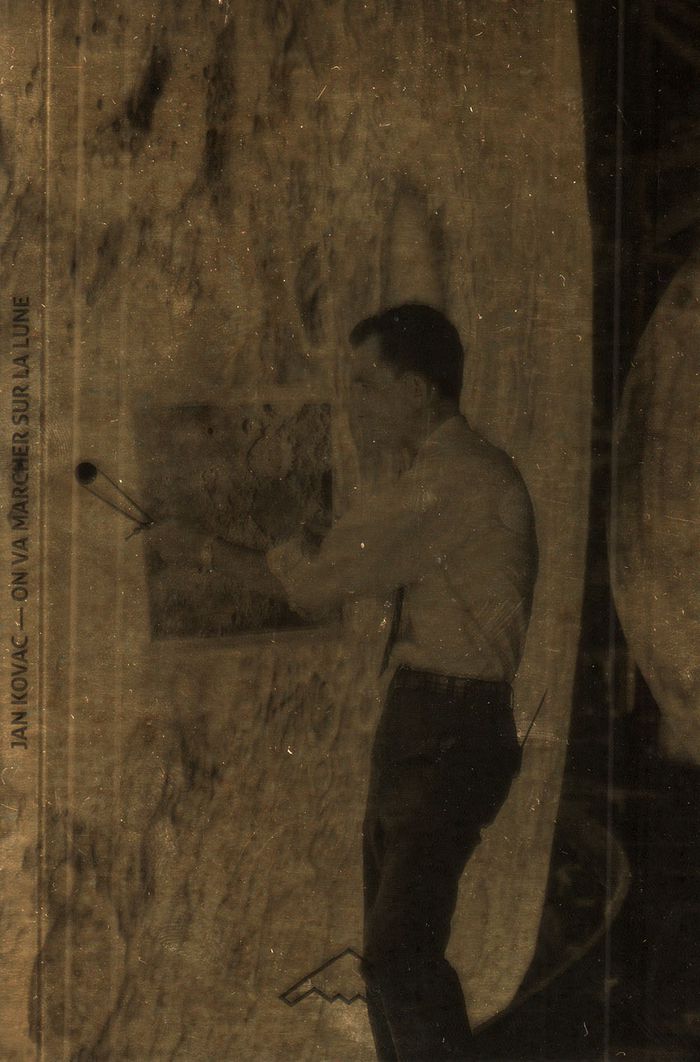
Des BD de Hergé, Objectif Lune et On a marché sur la Lune (1950-1954), au documentaire mythique Opération Lune de William Karel (2001), on pensait quasiment tout savoir sur les fictions et réalités du plus « grand pas » de toute l'histoire de l'humanité. Or l'odyssée spatiale américaine a capitalisé une abondante culture matérielle sur la Conquête de cette nouvelle Frontière... Dans son essai, l'auteur en dévoile quelques jalons oubliés : non seulement les centres de Cap Canaveral et de Houston (qui plus tard épouseront les noms de Kennedy et Johnson), mais aussi le simulateur d'alunissage à Langley, le pavillon américain à l'Expo '67, le propulseur Saturn-V, le module Eagle, le rover lunaire, sans oublier la combinaison spatiale fabriquée par Playtex.
On va marcher sur la lune : une odyssée américaine
Actions:
Price:
$30.00
(available to order)
Summary:
Des BD de Hergé, Objectif Lune et On a marché sur la Lune (1950-1954), au documentaire mythique Opération Lune de William Karel (2001), on pensait quasiment tout savoir sur les fictions et réalités du plus « grand pas » de toute l'histoire de l'humanité. Or l'odyssée spatiale américaine a capitalisé une abondante culture matérielle sur la Conquête de cette nouvelle Frontière... Dans son essai, l'auteur en dévoile quelques jalons oubliés : non seulement les centres de Cap Canaveral et de Houston (qui plus tard épouseront les noms de Kennedy et Johnson), mais aussi le simulateur d'alunissage à Langley, le pavillon américain à l'Expo '67, le propulseur Saturn-V, le module Eagle, le rover lunaire, sans oublier la combinaison spatiale fabriquée par Playtex.
Form:
books
books
Publication:
September 2019
September 2019
Subject:
Architectural Theory
Architectural Theory
Form:
books
books
Title:
The ecologies of the building envelope: a material history and theory of architectural surfaces
The ecologies of the building envelope: a material history and theory of architectural surfaces
Actions:
Price:
$79.95
(available to order)
Summary:
"The ecologies of the building envelope" theorizes the building envelope as a literal embodiment of the social, political, technological, and economic contingencies which have become embedded within it over the last century, analyzing the historical lineages, heroes and villains that helped define the complex material ecologies we see within the envelope today. While the(...)
$79.95
(available to order)
Summary:
"The ecologies of the building envelope" theorizes the building envelope as a literal embodiment of the social, political, technological, and economic contingencies which have become embedded within it over the last century, analyzing the historical lineages, heroes and villains that helped define the complex material ecologies we see within the envelope today. While the(...)
Title:
The ecologies of the building envelope: a material history and theory of architectural surfaces
Actions:
Price:
$79.95
(available to order)
Summary:
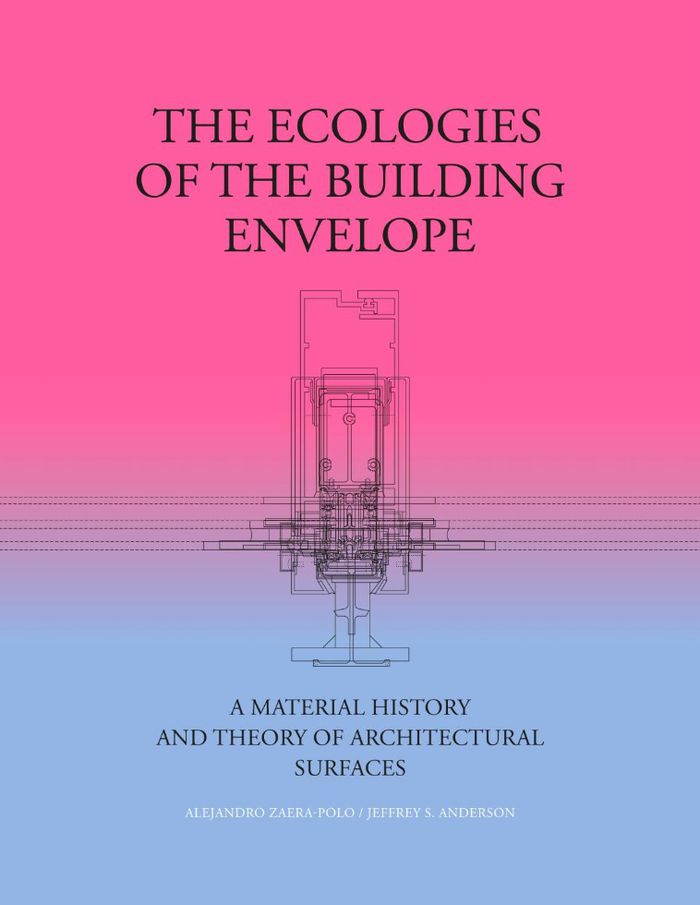
"The ecologies of the building envelope" theorizes the building envelope as a literal embodiment of the social, political, technological, and economic contingencies which have become embedded within it over the last century, analyzing the historical lineages, heroes and villains that helped define the complex material ecologies we see within the envelope today. While the façade is one of the most thoroughly theorized elements of architecture, it is also one of the most questioned since the end of the 19th century. Within the discipline of architecture, the traditional understanding of the façade focuses primarily on semiotic and compositional operations (such as proportional laws and linguistic codes), which are deployed on the building's surface. In contrast to this, our material and environmental theory of the envelope proposes that the exponential development of building technologies since the mid-19th century, coupled with new techniques of management and regulation, have diminished the compositional and ornamental capacities of the envelope in favor of material, quantitative, and technical performances. Rather than producing a stylistic analysis of the façade, we investigate the historical lineages of the performances, components, assembly types, and material entanglements that constitute the contemporary building envelope.
The ecologies of the building envelope: a material history and theory of architectural surfaces
Actions:
Price:
$79.95
(available to order)
Summary:
"The ecologies of the building envelope" theorizes the building envelope as a literal embodiment of the social, political, technological, and economic contingencies which have become embedded within it over the last century, analyzing the historical lineages, heroes and villains that helped define the complex material ecologies we see within the envelope today. While the façade is one of the most thoroughly theorized elements of architecture, it is also one of the most questioned since the end of the 19th century. Within the discipline of architecture, the traditional understanding of the façade focuses primarily on semiotic and compositional operations (such as proportional laws and linguistic codes), which are deployed on the building's surface. In contrast to this, our material and environmental theory of the envelope proposes that the exponential development of building technologies since the mid-19th century, coupled with new techniques of management and regulation, have diminished the compositional and ornamental capacities of the envelope in favor of material, quantitative, and technical performances. Rather than producing a stylistic analysis of the façade, we investigate the historical lineages of the performances, components, assembly types, and material entanglements that constitute the contemporary building envelope.
Form:
books
books
Publication:
July 2021
July 2021
Subject:
Architectural Theory
Architectural Theory
Form:
books
books
Actions:
Price:
$35.00
(available to order)
Summary:
Édifice inaugural du De Architectura, la Tour des Vents d’Andronikos de Kyrros nous montre comment Vitruve se forge, dans le sillage de Varron, une conception augmentée de l’architecture qui ne se limite pas à la construction d’édifices: aedificatio,, mais s’étend à la construction de cadrans solaires: gnomonica, et de machines: machinatio,. Et si Vitruve apparait comme(...)
$35.00
(available to order)
Summary:
Édifice inaugural du De Architectura, la Tour des Vents d’Andronikos de Kyrros nous montre comment Vitruve se forge, dans le sillage de Varron, une conception augmentée de l’architecture qui ne se limite pas à la construction d’édifices: aedificatio,, mais s’étend à la construction de cadrans solaires: gnomonica, et de machines: machinatio,. Et si Vitruve apparait comme(...)
Title:
L'encyclopédie vitruvienne aujourd'hui?
Actions:
Price:
$35.00
(available to order)
Summary:
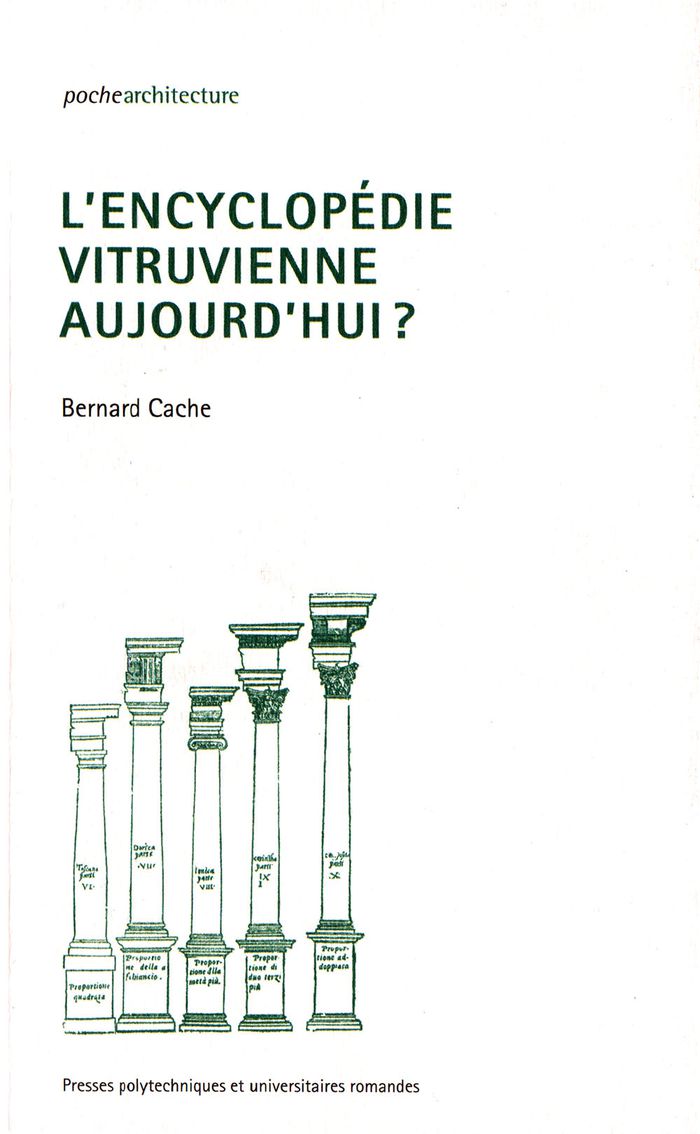
Édifice inaugural du De Architectura, la Tour des Vents d’Andronikos de Kyrros nous montre comment Vitruve se forge, dans le sillage de Varron, une conception augmentée de l’architecture qui ne se limite pas à la construction d’édifices: aedificatio,, mais s’étend à la construction de cadrans solaires: gnomonica, et de machines: machinatio,. Et si Vitruve apparait comme un précurseur du projet encyclopédique, c’est que ces trois constructions procèdent d’une même conception paramétrique, à base de proportions, comme toute la science antique, même si Vitruve confond cet outil mathématique avec celui de commensurabilité pour lequel il utilise le mot grec symmetria,. De fait, il aura fallu attendre 1794 pour qu’Adrien Marie Legendre initie les travaux qui donneront son sens moderne au mot symétrie, à savoir : celui d’un groupe de transformations maintenant globalement invariantes toutes les propriétés d’une figure en dépit de l’inversion de son orientation. La question devient alors d’évaluer dans quelle mesure on peut construire une encyclopédie contemporaine sur la base du concept d’invariance par variation inauguré par Felix Klein en 1872.
L'encyclopédie vitruvienne aujourd'hui?
Actions:
Price:
$35.00
(available to order)
Summary:
Édifice inaugural du De Architectura, la Tour des Vents d’Andronikos de Kyrros nous montre comment Vitruve se forge, dans le sillage de Varron, une conception augmentée de l’architecture qui ne se limite pas à la construction d’édifices: aedificatio,, mais s’étend à la construction de cadrans solaires: gnomonica, et de machines: machinatio,. Et si Vitruve apparait comme un précurseur du projet encyclopédique, c’est que ces trois constructions procèdent d’une même conception paramétrique, à base de proportions, comme toute la science antique, même si Vitruve confond cet outil mathématique avec celui de commensurabilité pour lequel il utilise le mot grec symmetria,. De fait, il aura fallu attendre 1794 pour qu’Adrien Marie Legendre initie les travaux qui donneront son sens moderne au mot symétrie, à savoir : celui d’un groupe de transformations maintenant globalement invariantes toutes les propriétés d’une figure en dépit de l’inversion de son orientation. La question devient alors d’évaluer dans quelle mesure on peut construire une encyclopédie contemporaine sur la base du concept d’invariance par variation inauguré par Felix Klein en 1872.
Form:
books
books
Publication:
March 2019
March 2019
Subject:
Architectural Theory
Architectural Theory
Form:
books
books
Actions:
Price:
$78.95
(available to order)
Summary:
Depuis des siècles, l'architecture fait l'objet de très nombreux débats impliquant non seulement les architectes et les usagers des édifices qu'ils construisent, mais également critiques, théoriciens, historiens et écrivains. Choisir l'architecture se propose d'ouvrir une large fenêtre sur ces réflexions au sein du monde occidental à travers quatre trajectoires(...)
$78.95
(available to order)
Summary:
Depuis des siècles, l'architecture fait l'objet de très nombreux débats impliquant non seulement les architectes et les usagers des édifices qu'ils construisent, mais également critiques, théoriciens, historiens et écrivains. Choisir l'architecture se propose d'ouvrir une large fenêtre sur ces réflexions au sein du monde occidental à travers quatre trajectoires(...)
Title:
Choisir l'architecture : critique, histoire et théorie depuis le 19e siècle
Actions:
Price:
$78.95
(available to order)
Summary:
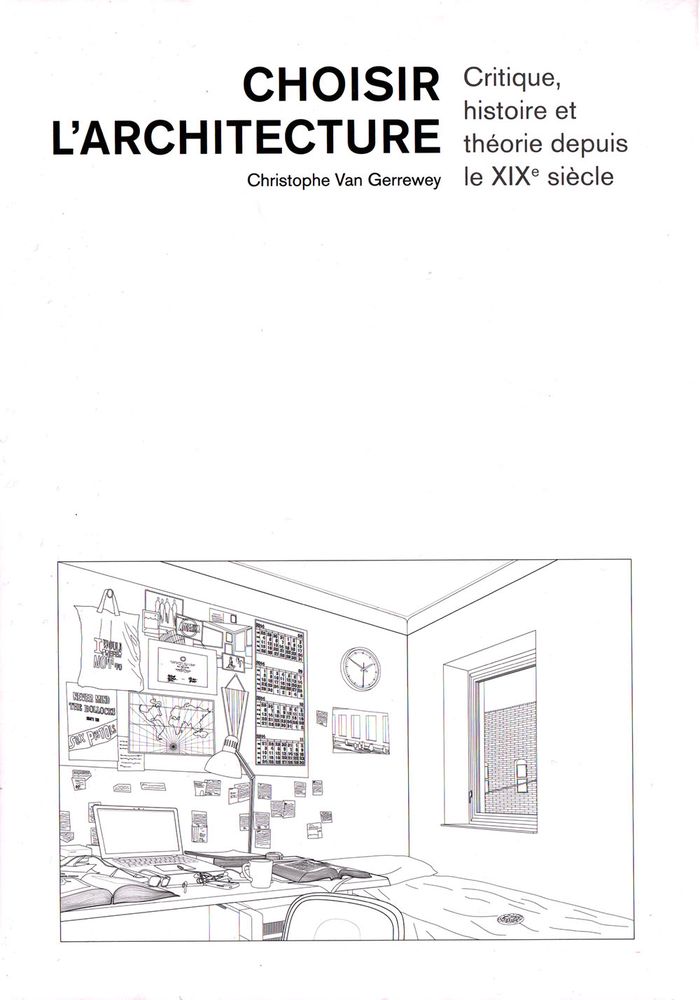
Depuis des siècles, l'architecture fait l'objet de très nombreux débats impliquant non seulement les architectes et les usagers des édifices qu'ils construisent, mais également critiques, théoriciens, historiens et écrivains. Choisir l'architecture se propose d'ouvrir une large fenêtre sur ces réflexions au sein du monde occidental à travers quatre trajectoires thématiques axées sur le logement, la société, l'histoire et l'art. Chacun de ces parcours prend sa source au XIXe siècle, traverse le XXe siècle et s'achève aussi près que possible du temps présent. Les essais, articles de journaux ou de magazines, livres ou extraits de livres qui forment les briques de cette construction narrative sont tous soigneusement interrogés, illustrés, comparés, analysés et critiqués. L'objectif de cet ouvrage est de démontrer que l'architecture demeure un sujet d'étude essentiel pour quiconque s'intéresse au monde actuel et à son histoire récente. Lecture, prise d'informations et réflexion forment des préalables nécessaires à toute prise de décision concrète, en particulier dans le domaine de l'architecture. Les écrits réunis dans ce livre s'apparentent à des perles de connaissance enfilées sur une cordelette jusqu'à former une sorte de collier, un talisman permettant de mieux faire face à la condition présente.
Choisir l'architecture : critique, histoire et théorie depuis le 19e siècle
Actions:
Price:
$78.95
(available to order)
Summary:
Depuis des siècles, l'architecture fait l'objet de très nombreux débats impliquant non seulement les architectes et les usagers des édifices qu'ils construisent, mais également critiques, théoriciens, historiens et écrivains. Choisir l'architecture se propose d'ouvrir une large fenêtre sur ces réflexions au sein du monde occidental à travers quatre trajectoires thématiques axées sur le logement, la société, l'histoire et l'art. Chacun de ces parcours prend sa source au XIXe siècle, traverse le XXe siècle et s'achève aussi près que possible du temps présent. Les essais, articles de journaux ou de magazines, livres ou extraits de livres qui forment les briques de cette construction narrative sont tous soigneusement interrogés, illustrés, comparés, analysés et critiqués. L'objectif de cet ouvrage est de démontrer que l'architecture demeure un sujet d'étude essentiel pour quiconque s'intéresse au monde actuel et à son histoire récente. Lecture, prise d'informations et réflexion forment des préalables nécessaires à toute prise de décision concrète, en particulier dans le domaine de l'architecture. Les écrits réunis dans ce livre s'apparentent à des perles de connaissance enfilées sur une cordelette jusqu'à former une sorte de collier, un talisman permettant de mieux faire face à la condition présente.
Form:
books
books
Publication:
September 2019
September 2019
Subject:
Architectural Theory
Architectural Theory
Form:
books
books
Price:
$33.95
(available in store)
Summary:
Peut-on être architecte sans avoir lu Heidegger ? Peut-on bâtir au sens vrai sans avoir approché la pensée, complexe et profonde, de l’auteur, en 1951, de l’essai « Bâtir, habiter, penser » ? La question peut sembler incongrue ; elle s’impose pourtant comme une évidence à la lecture de ce livre. Partant du fait qu’il ne suffit pas d’être abrité pour habiter, différence(...)
$33.95
(available in store)
Summary:
Peut-on être architecte sans avoir lu Heidegger ? Peut-on bâtir au sens vrai sans avoir approché la pensée, complexe et profonde, de l’auteur, en 1951, de l’essai « Bâtir, habiter, penser » ? La question peut sembler incongrue ; elle s’impose pourtant comme une évidence à la lecture de ce livre. Partant du fait qu’il ne suffit pas d’être abrité pour habiter, différence(...)
Title:
Heidegger et la question de l'habiter : une philosophie de l'architecture
Actions:
Price:
$33.95
(available in store)
Summary:
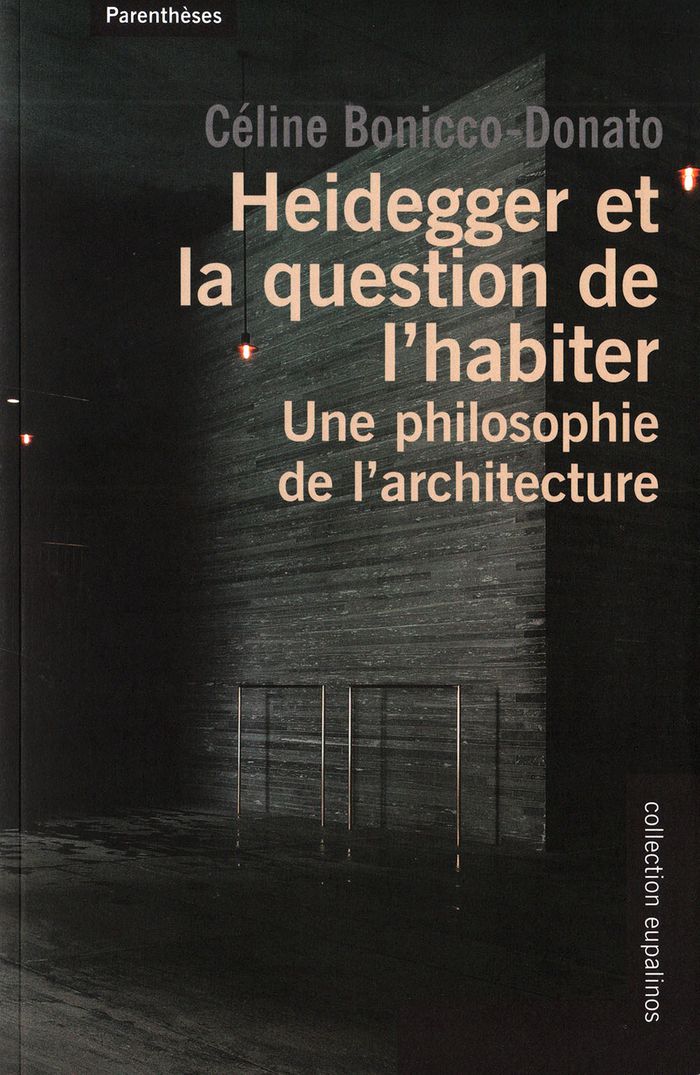
Peut-on être architecte sans avoir lu Heidegger ? Peut-on bâtir au sens vrai sans avoir approché la pensée, complexe et profonde, de l’auteur, en 1951, de l’essai « Bâtir, habiter, penser » ? La question peut sembler incongrue ; elle s’impose pourtant comme une évidence à la lecture de ce livre. Partant du fait qu’il ne suffit pas d’être abrité pour habiter, différence primordiale que Heidegger établit tandis que l’Allemagne de l’après-guerre construit à tout-va, c’est à la question de l’être de l’homme qu’il en vient. Et, au fil de sa réflexion, l’architecte, que le philosophe appelle à être jardinier du monde, se révèle être un protagoniste clé de l’accomplissement de l’existence humaine. La dissection méthodique et éclairante du raisonnement heideggérien opérée ici a le mérite de ne pas s’adresser aux seuls philosophes ; tout architecte ou apprenti architecte y trouvera matière à nourrir à la fois sa sensibilité intime et sa pratique.
Heidegger et la question de l'habiter : une philosophie de l'architecture
Actions:
Price:
$33.95
(available in store)
Summary:
Peut-on être architecte sans avoir lu Heidegger ? Peut-on bâtir au sens vrai sans avoir approché la pensée, complexe et profonde, de l’auteur, en 1951, de l’essai « Bâtir, habiter, penser » ? La question peut sembler incongrue ; elle s’impose pourtant comme une évidence à la lecture de ce livre. Partant du fait qu’il ne suffit pas d’être abrité pour habiter, différence primordiale que Heidegger établit tandis que l’Allemagne de l’après-guerre construit à tout-va, c’est à la question de l’être de l’homme qu’il en vient. Et, au fil de sa réflexion, l’architecte, que le philosophe appelle à être jardinier du monde, se révèle être un protagoniste clé de l’accomplissement de l’existence humaine. La dissection méthodique et éclairante du raisonnement heideggérien opérée ici a le mérite de ne pas s’adresser aux seuls philosophes ; tout architecte ou apprenti architecte y trouvera matière à nourrir à la fois sa sensibilité intime et sa pratique.
Form:
books
books
Publication:
June 2019
June 2019
Subject:
Architectural Theory
Architectural Theory
Form:
books
books
Title:
Architecture in global socialism: Eastern Europe, West Africa, and the Middle East in the Cold War
Architecture in global socialism: Eastern Europe, West Africa, and the Middle East in the Cold War
Actions:
Price:
$79.95
(available to order)
Summary:
In the course of the Cold War, architects, planners, and construction companies from socialist Eastern Europe engaged in a vibrant collaboration with those in West Africa and the Middle East in order to bring modernization to the developing world. “Architecture in Global Socialism “ shows how their collaboration reshaped five cities in the Global South: Accra, Lagos,(...)
$79.95
(available to order)
Summary:
In the course of the Cold War, architects, planners, and construction companies from socialist Eastern Europe engaged in a vibrant collaboration with those in West Africa and the Middle East in order to bring modernization to the developing world. “Architecture in Global Socialism “ shows how their collaboration reshaped five cities in the Global South: Accra, Lagos,(...)
Title:
Architecture in global socialism: Eastern Europe, West Africa, and the Middle East in the Cold War
Actions:
Price:
$79.95
(available to order)
Summary:
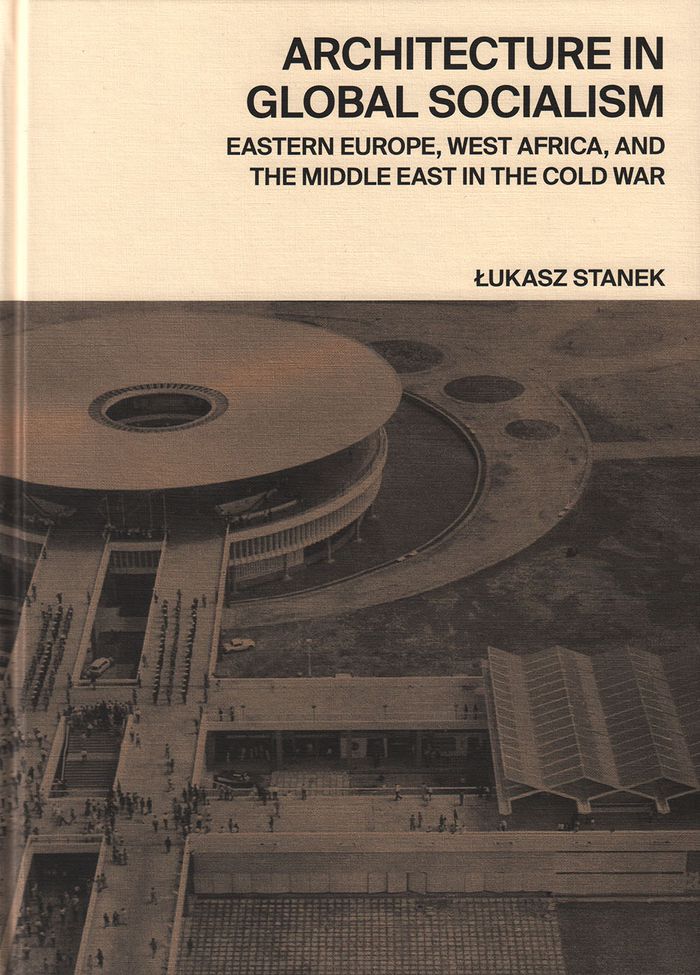
In the course of the Cold War, architects, planners, and construction companies from socialist Eastern Europe engaged in a vibrant collaboration with those in West Africa and the Middle East in order to bring modernization to the developing world. “Architecture in Global Socialism “ shows how their collaboration reshaped five cities in the Global South: Accra, Lagos, Baghdad, Abu Dhabi, and Kuwait City.
Architecture in global socialism: Eastern Europe, West Africa, and the Middle East in the Cold War
Actions:
Price:
$79.95
(available to order)
Summary:
In the course of the Cold War, architects, planners, and construction companies from socialist Eastern Europe engaged in a vibrant collaboration with those in West Africa and the Middle East in order to bring modernization to the developing world. “Architecture in Global Socialism “ shows how their collaboration reshaped five cities in the Global South: Accra, Lagos, Baghdad, Abu Dhabi, and Kuwait City.
Form:
books
books
Publication:
January 2020
January 2020
Subject:
Architectural Theory
Architectural Theory
Form:
books
books
Price:
$58.95
(available to order)
Summary:
''Digital Monuments'' radically explodes "iconic architecture" of the new millennium and its hijacking of the public imagination via the digital image. Hallucinatory constructions such as Rem Koolhaas’s CCTV headquarters in Beijing, Frank Gehry’s Guggenheim Museum in Bilbao and Zaha Hadid’s Performing Arts Centre in Abu Dhabi are all introduced to the world by immortal(...)
$58.95
(available to order)
Summary:
''Digital Monuments'' radically explodes "iconic architecture" of the new millennium and its hijacking of the public imagination via the digital image. Hallucinatory constructions such as Rem Koolhaas’s CCTV headquarters in Beijing, Frank Gehry’s Guggenheim Museum in Bilbao and Zaha Hadid’s Performing Arts Centre in Abu Dhabi are all introduced to the world by immortal(...)
Title:
Digital monuments: The dreams and abuses of iconic architecture
Actions:
Price:
$58.95
(available to order)
Summary:
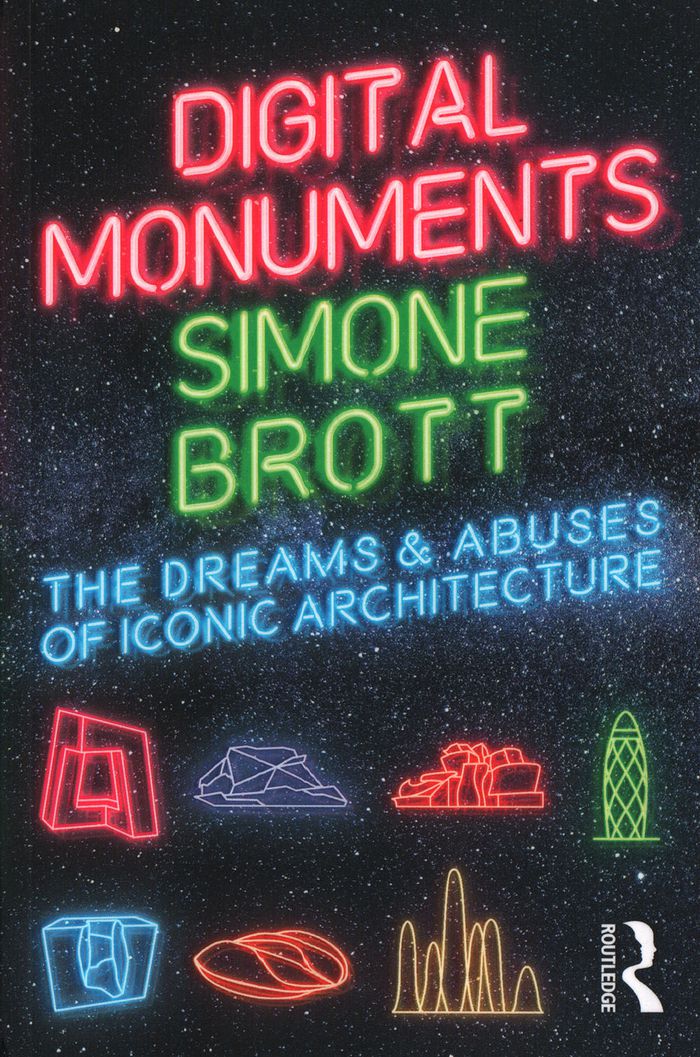
''Digital Monuments'' radically explodes "iconic architecture" of the new millennium and its hijacking of the public imagination via the digital image. Hallucinatory constructions such as Rem Koolhaas’s CCTV headquarters in Beijing, Frank Gehry’s Guggenheim Museum in Bilbao and Zaha Hadid’s Performing Arts Centre in Abu Dhabi are all introduced to the world by immortal digital imagery that floods the internet- yet comes to haunt the actualised buildings. Like holograms, these "digital monuments," which violently push physics and engineering to their limits, flicker eerily between the real and the unreal- invoking fantasies of omnipotence, immortality and utopian cities. But this experience of iconic architecture as a digital dream on the ground conceals from the urban spectator the social reality of the buildings and the rigidity of their ideology.
Digital monuments: The dreams and abuses of iconic architecture
Actions:
Price:
$58.95
(available to order)
Summary:
''Digital Monuments'' radically explodes "iconic architecture" of the new millennium and its hijacking of the public imagination via the digital image. Hallucinatory constructions such as Rem Koolhaas’s CCTV headquarters in Beijing, Frank Gehry’s Guggenheim Museum in Bilbao and Zaha Hadid’s Performing Arts Centre in Abu Dhabi are all introduced to the world by immortal digital imagery that floods the internet- yet comes to haunt the actualised buildings. Like holograms, these "digital monuments," which violently push physics and engineering to their limits, flicker eerily between the real and the unreal- invoking fantasies of omnipotence, immortality and utopian cities. But this experience of iconic architecture as a digital dream on the ground conceals from the urban spectator the social reality of the buildings and the rigidity of their ideology.
Form:
books
books
Publication:
October 2019
October 2019
Subject:
Architectural Theory
Architectural Theory
Form:
books
books
Actions:
Price:
$67.95
(available to order)
Summary:
Where is the space for dreaming in the twenty-first century? Lofty thoughts, like dreams, are born and live overhead, just as they have been represented in Renaissance paintings and modern cartoons. Ceilings are often repositories of stories, events and otherwise invisible oneiric narratives. Yet environments that inspire innovative thinking are dwindling as our world(...)
$67.95
(available to order)
Summary:
Where is the space for dreaming in the twenty-first century? Lofty thoughts, like dreams, are born and live overhead, just as they have been represented in Renaissance paintings and modern cartoons. Ceilings are often repositories of stories, events and otherwise invisible oneiric narratives. Yet environments that inspire innovative thinking are dwindling as our world(...)
Subject:
Architectural Theory
Architectural Theory
Publication:
August 2019
August 2019
Title:
Ceilings and dreams: the architecture of levity
Actions:
Price:
$67.95
(available to order)
Summary:
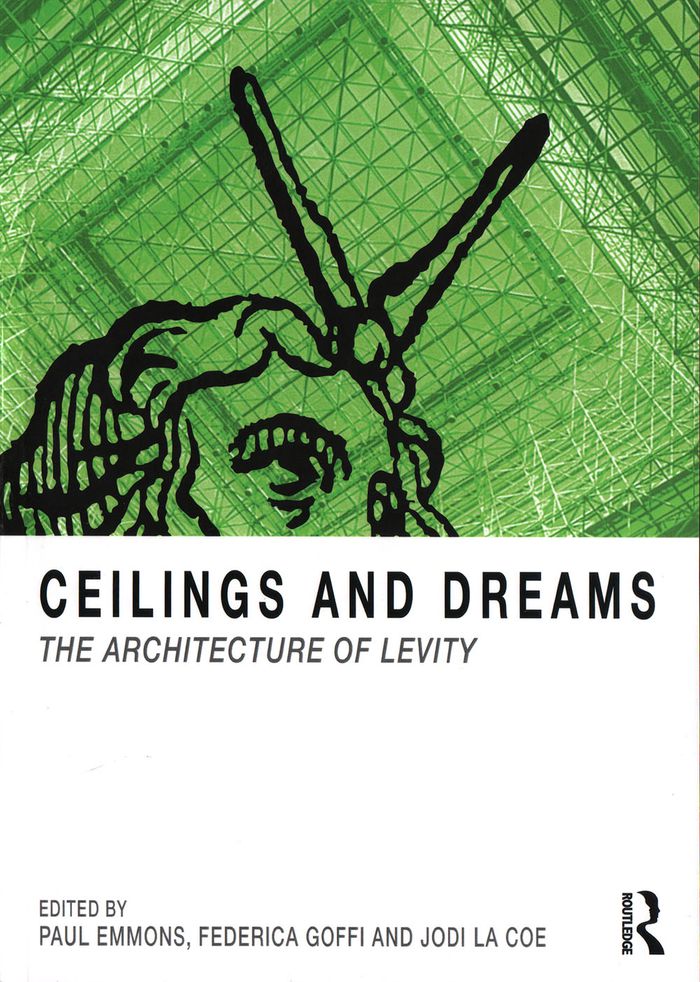
Where is the space for dreaming in the twenty-first century? Lofty thoughts, like dreams, are born and live overhead, just as they have been represented in Renaissance paintings and modern cartoons. Ceilings are often repositories of stories, events and otherwise invisible oneiric narratives. Yet environments that inspire innovative thinking are dwindling as our world confronts enormous challenges, and almost all of our thinking, debating and decision-making takes place under endless ceiling grids. Quantitative research establishes that spaces with taller ceilings elicit broader, more creative thoughts. Today, ceilings are usually squat conduits of technology: they have become the blind spot of modern architecture. The twenty essays in this book look across cultures, places and ceilings over time to discover their potential to uplift the human spirit. Not just one building element among many, the ceiling is a key to unlock the architectural imagination.
Ceilings and dreams: the architecture of levity
Actions:
Price:
$67.95
(available to order)
Summary:
Where is the space for dreaming in the twenty-first century? Lofty thoughts, like dreams, are born and live overhead, just as they have been represented in Renaissance paintings and modern cartoons. Ceilings are often repositories of stories, events and otherwise invisible oneiric narratives. Yet environments that inspire innovative thinking are dwindling as our world confronts enormous challenges, and almost all of our thinking, debating and decision-making takes place under endless ceiling grids. Quantitative research establishes that spaces with taller ceilings elicit broader, more creative thoughts. Today, ceilings are usually squat conduits of technology: they have become the blind spot of modern architecture. The twenty essays in this book look across cultures, places and ceilings over time to discover their potential to uplift the human spirit. Not just one building element among many, the ceiling is a key to unlock the architectural imagination.
Form:
books
books
Publication:
August 2019
August 2019
Subject:
Architectural Theory
Architectural Theory
Form:
books
books
Actions:
Price:
$63.50
(available to order)
Summary:
''How to read architecture'' is based on the fundamental premise that reading and interpreting architecture is something we already do, and that close observation matters. This book enhances this skill so that given an unfamiliar building, you will have the tools to understand it and to be inspired by it. Author Paulette Singley encourages you to misread, closely read,(...)
$63.50
(available to order)
Summary:
''How to read architecture'' is based on the fundamental premise that reading and interpreting architecture is something we already do, and that close observation matters. This book enhances this skill so that given an unfamiliar building, you will have the tools to understand it and to be inspired by it. Author Paulette Singley encourages you to misread, closely read,(...)
Title:
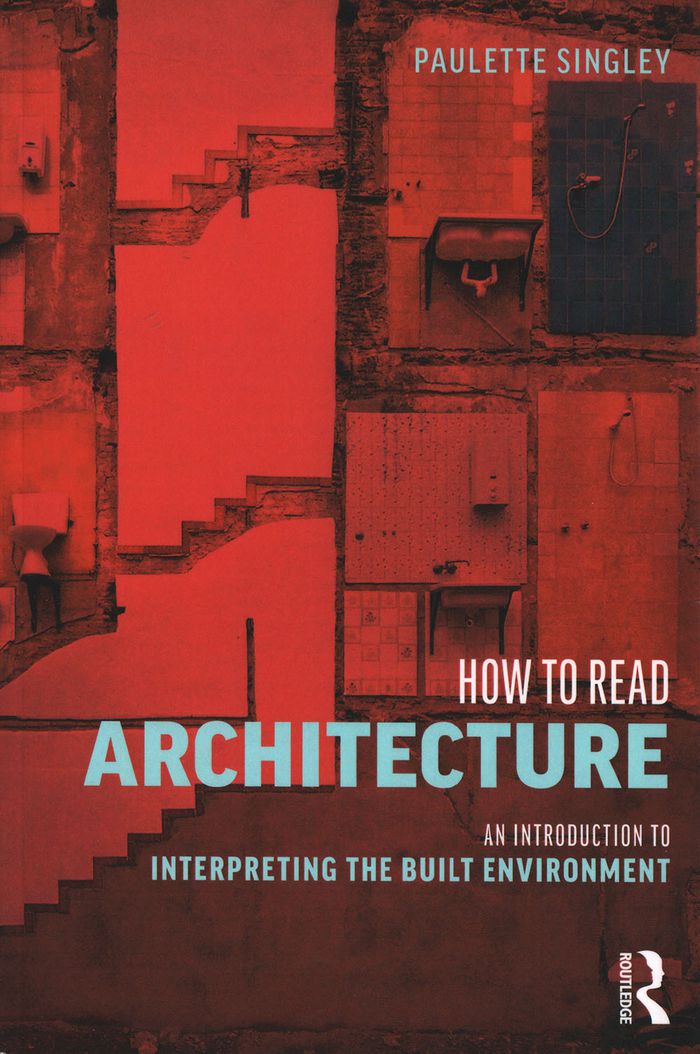
How to read architecture: an introduction to interpreting the the built environment
Actions:
Price:
$63.50
(available to order)
Summary:
''How to read architecture'' is based on the fundamental premise that reading and interpreting architecture is something we already do, and that close observation matters. This book enhances this skill so that given an unfamiliar building, you will have the tools to understand it and to be inspired by it. Author Paulette Singley encourages you to misread, closely read, conventionally read, and unconventionally read architecture to stimulate your creative process. This book explores three essential ways to help you understand architecture: reading a building from the outside-in, from the inside-out, and from the position of out-and-out, or formal, architecture. Using examples and case studies that span a wide range of historical and global precedents, Singley addresses the complex interaction among the ways a building engages its context, addresses its performative exigencies, and operates as an autonomous aesthetic object.
How to read architecture: an introduction to interpreting the the built environment
Actions:
Price:
$63.50
(available to order)
Summary:
''How to read architecture'' is based on the fundamental premise that reading and interpreting architecture is something we already do, and that close observation matters. This book enhances this skill so that given an unfamiliar building, you will have the tools to understand it and to be inspired by it. Author Paulette Singley encourages you to misread, closely read, conventionally read, and unconventionally read architecture to stimulate your creative process. This book explores three essential ways to help you understand architecture: reading a building from the outside-in, from the inside-out, and from the position of out-and-out, or formal, architecture. Using examples and case studies that span a wide range of historical and global precedents, Singley addresses the complex interaction among the ways a building engages its context, addresses its performative exigencies, and operates as an autonomous aesthetic object.
Form:
books
books
Publication:
July 2019
July 2019
Subject:
Architectural Theory
Architectural Theory
Form:
books
books
Actions:
Price:
$40.95
(available to order)
Summary:
Au-delà des théories classiques dont il retrace l’histoire en remontant à Platon ou à Vitruve, cet essai propose une philosophie politique — et non pas simplement esthétique ou symbolique — de l’architecture. Là où Michel Foucault avait étudié l’architecture en tant que technologie de pouvoir, Ludger Schwarte tente de cerner son rôle dans les mouvements d’émancipation. Si(...)
$40.95
(available to order)
Summary:
Au-delà des théories classiques dont il retrace l’histoire en remontant à Platon ou à Vitruve, cet essai propose une philosophie politique — et non pas simplement esthétique ou symbolique — de l’architecture. Là où Michel Foucault avait étudié l’architecture en tant que technologie de pouvoir, Ludger Schwarte tente de cerner son rôle dans les mouvements d’émancipation. Si(...)
Title:
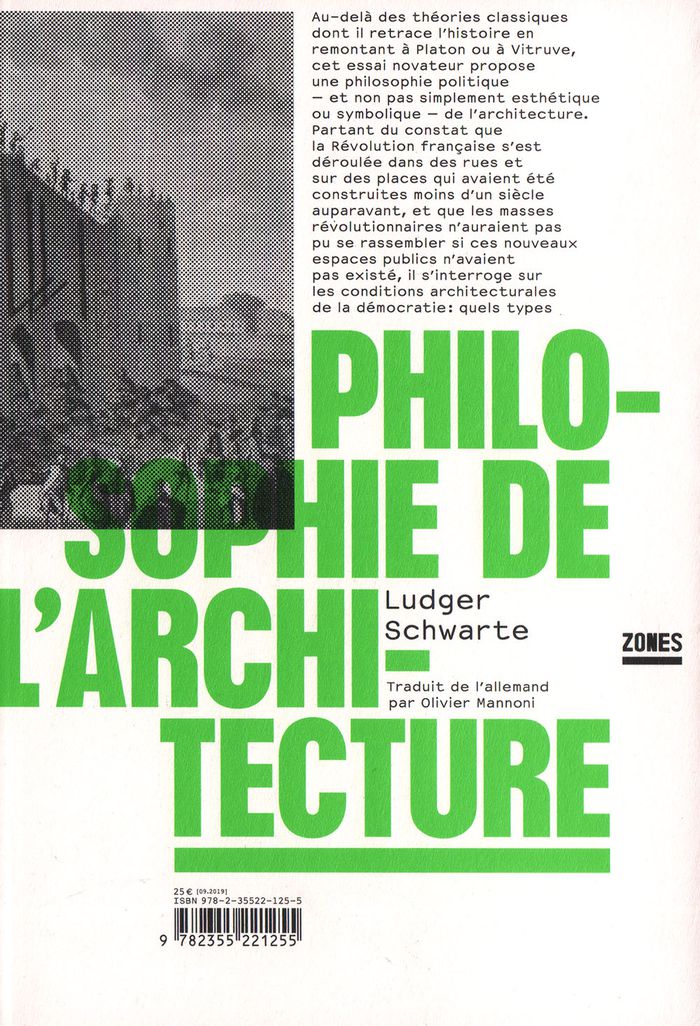
Philosophie de l'architecture
Actions:
Price:
$40.95
(available to order)
Summary:
Au-delà des théories classiques dont il retrace l’histoire en remontant à Platon ou à Vitruve, cet essai propose une philosophie politique — et non pas simplement esthétique ou symbolique — de l’architecture. Là où Michel Foucault avait étudié l’architecture en tant que technologie de pouvoir, Ludger Schwarte tente de cerner son rôle dans les mouvements d’émancipation. Si l’on conçoit les espaces publics comme des théâtres de l’action collective, alors la question est de savoir si leur configuration permet des interactions événementielles, des expérimentations créatrices. En ce sens, tout espace public authentique est fondamentalement anarchique.
Philosophie de l'architecture
Actions:
Price:
$40.95
(available to order)
Summary:
Au-delà des théories classiques dont il retrace l’histoire en remontant à Platon ou à Vitruve, cet essai propose une philosophie politique — et non pas simplement esthétique ou symbolique — de l’architecture. Là où Michel Foucault avait étudié l’architecture en tant que technologie de pouvoir, Ludger Schwarte tente de cerner son rôle dans les mouvements d’émancipation. Si l’on conçoit les espaces publics comme des théâtres de l’action collective, alors la question est de savoir si leur configuration permet des interactions événementielles, des expérimentations créatrices. En ce sens, tout espace public authentique est fondamentalement anarchique.
Form:
books
books
Publication:
September 2019
September 2019
Subject:
Architectural Theory
Architectural Theory


