


2244 Results
Form:
books
books
Price:
$38.95
(available to order)
Summary:
Conceptions of modernity in architecture are often expressed in the idea of the zeitgeist, or “spirit of the age,” an attitude toward architectural form that is embedded in a belief in progressive time. 'Lateness' explores how architecture can work against these linear currents in startling and compelling ways. In this incisive book, internationally renowned architect(...)
Title:
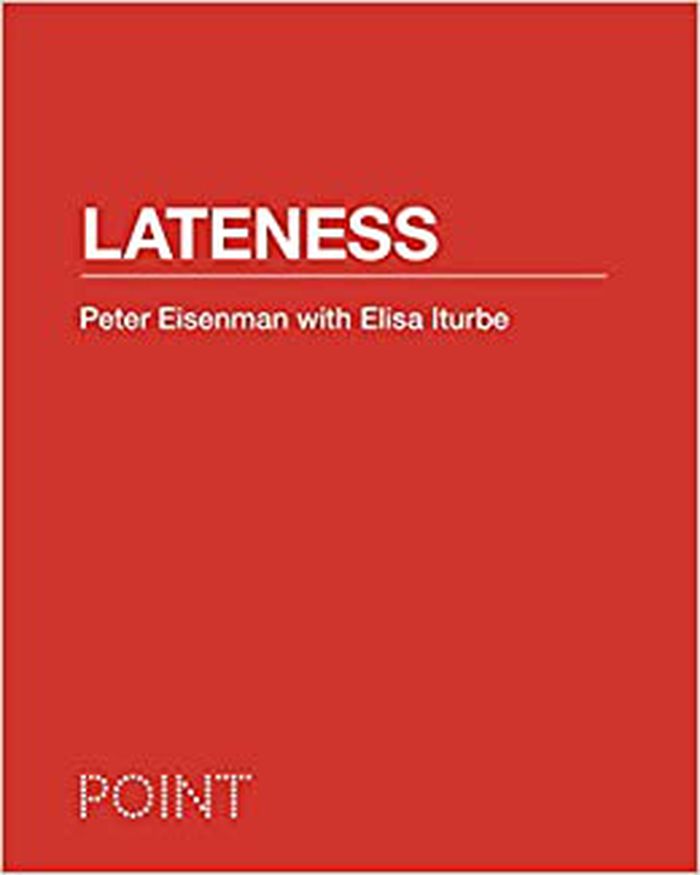
Lateness
Actions:
Price:
$38.95
(available to order)
Summary:
Conceptions of modernity in architecture are often expressed in the idea of the zeitgeist, or “spirit of the age,” an attitude toward architectural form that is embedded in a belief in progressive time. 'Lateness' explores how architecture can work against these linear currents in startling and compelling ways. In this incisive book, internationally renowned architect Peter Eisenman, with Elisa Iturbe, proposes a different perspective on form and time in architecture, one that circumvents the temporal constraints on style that require it to be “of the times”—lateness. He focuses on three twentieth-century architects who exhibited the qualities of lateness in their designs: Adolf Loos, Aldo Rossi, and John Hejduk. Drawing on the critical theory of Theodor Adorno and his study of Beethoven’s final works, Eisenman shows how the architecture of these canonical figures was temporally out of sync with conventions and expectations, and how lateness can serve as a form of release from the restraints of the moment.
Form:
books
books
Publication:
May 2020
May 2020
Subject:
Architectural Theory
Architectural Theory
Form:
books
books
Price:
$77.00
(available to order)
Summary:
explores how leading architects of the twentieth century incorporated climate-mediating strategies into their designs, and shows how regional approaches to climate adaptability were essential to the development of modern architecture. Focusing on the period surrounding World War II—before fossil-fuel powered air-conditioning became widely available—Daniel Barber brings to(...)
Title:
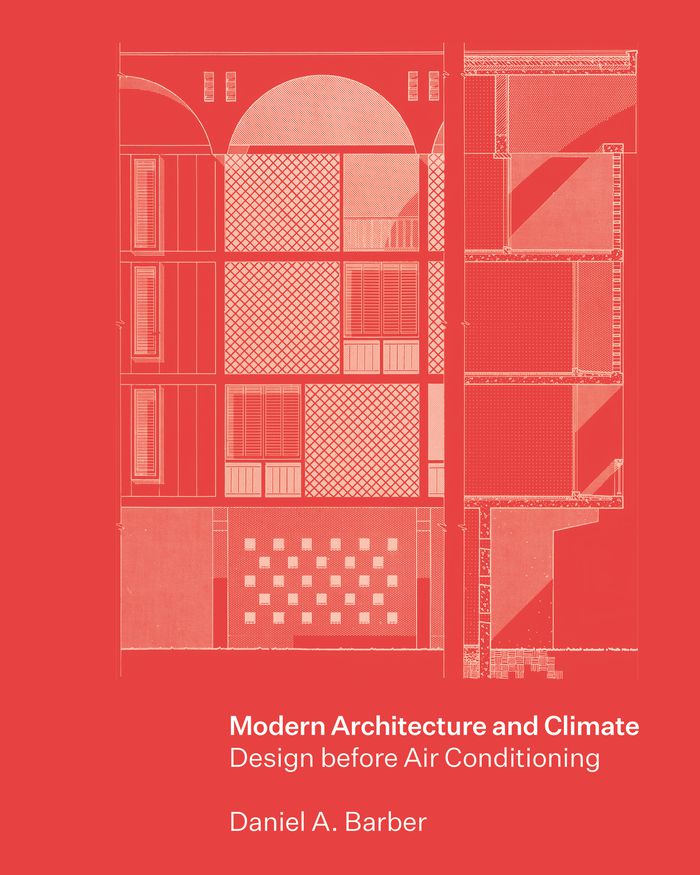
Modern architecture and climate: design before air conditioning
Actions:
Price:
$77.00
(available to order)
Summary:
explores how leading architects of the twentieth century incorporated climate-mediating strategies into their designs, and shows how regional approaches to climate adaptability were essential to the development of modern architecture. Focusing on the period surrounding World War II—before fossil-fuel powered air-conditioning became widely available—Daniel Barber brings to light a vibrant and dynamic architectural discussion involving design, materials, and shading systems as means of interior climate control. He looks at projects by well-known architects such as Richard Neutra, Le Corbusier, Lúcio Costa, Mies van der Rohe, and Skidmore, Owings, and Merrill, and the work of climate-focused architects such as MMM Roberto, Olgyay and Olgyay, and Cliff May. Drawing on the editorial projects of James Marston Fitch, Elizabeth Gordon, and others, he demonstrates how images and diagrams produced by architects helped conceptualize climate knowledge, alongside the work of meteorologists, physicists, engineers, and social scientists. Barber describes how this novel type of environmental media catalyzed new ways of thinking about climate and architectural design.
Form:
books
books
Publication:
April 2020
April 2020
Subject:
Architectural Theory
Architectural Theory
Form:
books
books

Actions:
Price:
$64.95
(available to order)
Summary:
A literary and cultural history of the intimate space of the eighteenth-century closet?and how it fired the imaginations of Pepys, Sterne, Swift, and so many other writers Long before it was a hidden storage space or a metaphor for queer and trans shame, the closet was one of the most charged settings in English architecture. This private room provided seclusion for(...)
Title:
The closet: the eighteenth-century architecture of intimacy
Actions:
Price:
$64.95
(available to order)
Summary:
A literary and cultural history of the intimate space of the eighteenth-century closet?and how it fired the imaginations of Pepys, Sterne, Swift, and so many other writers Long before it was a hidden storage space or a metaphor for queer and trans shame, the closet was one of the most charged settings in English architecture. This private room provided seclusion for reading, writing, praying, dressing, and collecting?and for talking in select company. In their closets, kings and duchesses shared secrets with favorites, midwives and apothecaries dispensed remedies, and newly wealthy men and women expanded their social networks. In 'The Closet', Danielle Bobker presents a literary and cultural history of these sites of extrafamilial intimacy, revealing how, as they proliferated both in buildings and in books, closets also became powerful symbols of the unstable virtual intimacy of the first mass-medium of print.
Form:
books
books
Publication:
May 2020
May 2020
Subject:
Architectural Theory
Architectural Theory
Form:
books
books
Actions:
Price:
$58.95
(available to order)
Summary:
The title of the book sets the two fields of activity pursued by the architect, architectural historian and theorist August Sarnitz – building and writing – in a reciprocal relation: the context to what has been built emerges in the process of writing, just as the context to what has been written emerges in the process of building. This publication is the first to(...)
Title:
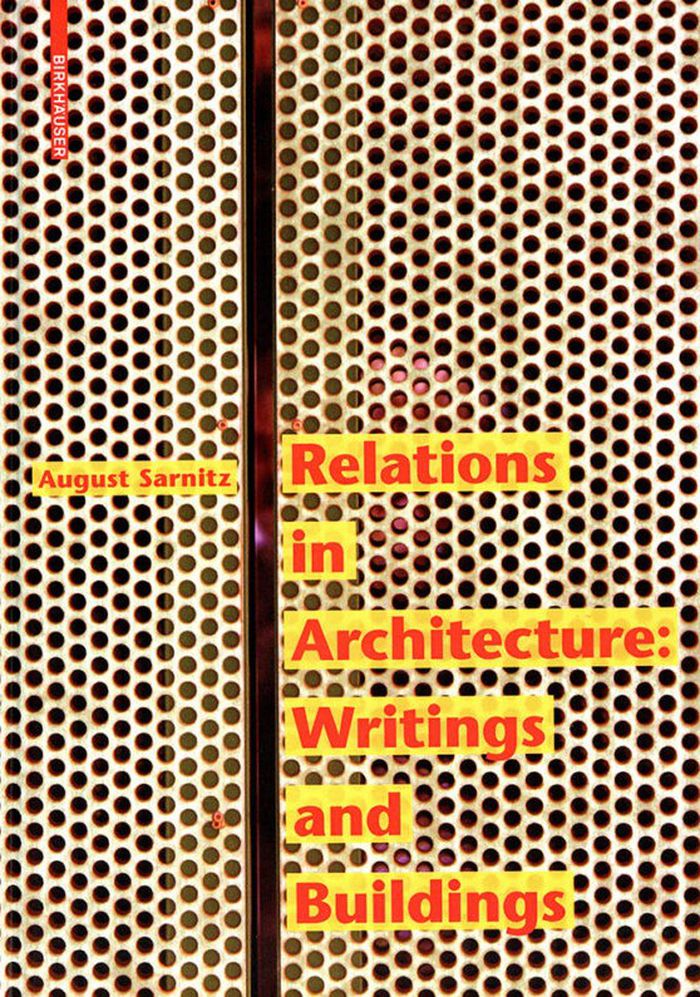
Relations in architecture: writings and buildings
Actions:
Price:
$58.95
(available to order)
Summary:
The title of the book sets the two fields of activity pursued by the architect, architectural historian and theorist August Sarnitz – building and writing – in a reciprocal relation: the context to what has been built emerges in the process of writing, just as the context to what has been written emerges in the process of building. This publication is the first to document Sarnitz’s work as author, designer, exhibition designer, architect and photographer.
Form:
books
books
Publication:
May 2020
May 2020
Subject:
Architectural Theory
Architectural Theory
Form:
books
books

Title:
Alternative histories
Alternative histories
Actions:
Price:
$54.95
(available to order)
Summary:
Acknowledging that architecture is a corpus of inherited ideas, this publication began with a question: could a contemporary architect, with their own references, make a model that would respond to a drawing from the past? This book collects the 85 models produced by the same number of practices alongside the architectural drawings that prompted them, all of which are(...)
Subject:
Architectural Theory
Architectural Theory
Publication:
August 2020
August 2020
Title:
Alternative histories
Actions:
Price:
$54.95
(available to order)
Summary:
Acknowledging that architecture is a corpus of inherited ideas, this publication began with a question: could a contemporary architect, with their own references, make a model that would respond to a drawing from the past? This book collects the 85 models produced by the same number of practices alongside the architectural drawings that prompted them, all of which are held in the UK-based archive of Drawing Matter. Taken as a whole, the responses challenge the facile understanding of concepts of reference, history or influence as drivers of contemporary architectural thinking. From methods to materials, the project opens up not only new ways of looking at the past, but also a series of conversations about how architects today shape their present.
Form:
books
books
Publication:
August 2020
August 2020
Subject:
Architectural Theory
Architectural Theory
Form:
books
books
Actions:
Price:
$56.95
(available in store)
Summary:
''Architecture Is Just a Pretext'' is a publication that resumes a large research about the state of the art of young Architecture practices in Europe. The work, dealing with architectural practices through a biographic approach, addresses the new directions the profession is taking in Europe among young architects. Carnets is a research project started two years ago(...)
Title:
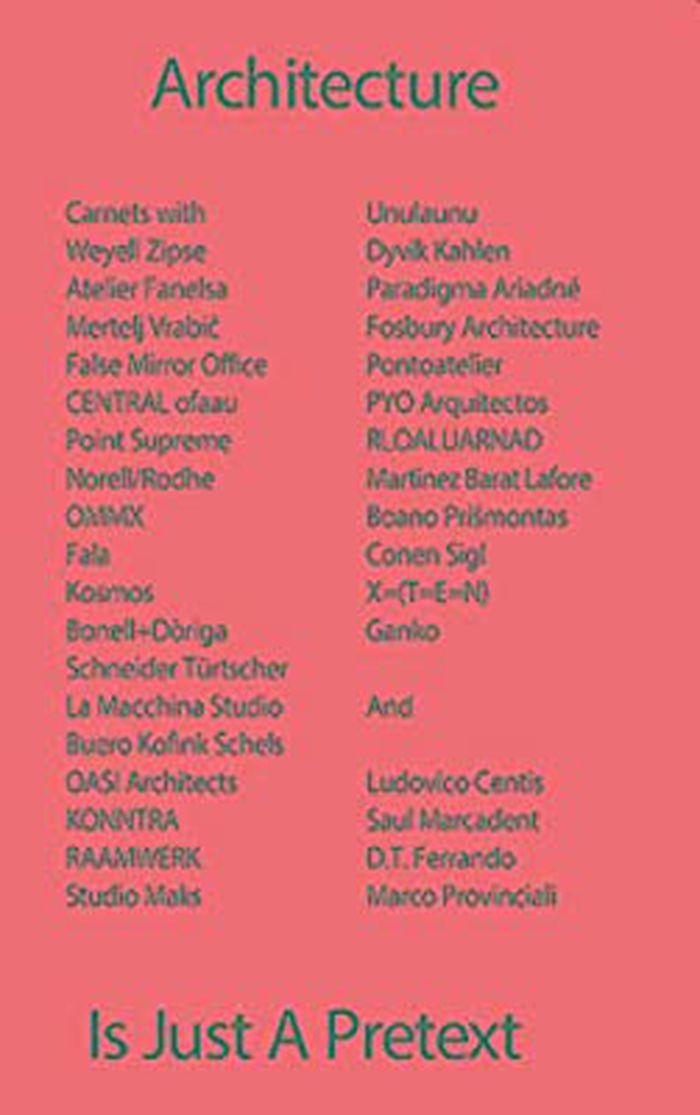
Architecture is just a pretext
Actions:
Price:
$56.95
(available in store)
Summary:
''Architecture Is Just a Pretext'' is a publication that resumes a large research about the state of the art of young Architecture practices in Europe. The work, dealing with architectural practices through a biographic approach, addresses the new directions the profession is taking in Europe among young architects. Carnets is a research project started two years ago by eight architecture students from IUAV University of Venice. The aim is to investigate the current landscape of Architecture in Europe, after the 2008 economical crisis, through interviews, talks, round tables and workshops. The protagonists of this research are 30 young architecture offices from around Europe.
Form:
books
books
Publication:
December 2019
December 2019
Subject:
Architectural Theory
Architectural Theory
Form:
books
books
Price:
$39.95
(available to order)
Summary:
Olivier Vallerand investigates how queer critiques, building on pioneering feminist work, question the relation between identity and architecture and highlight normative constructs underlying domestic spaces. He draws out a genealogy of queer space in theoretical discourse in architecture, studying projects by Mark Robbins, Joel Sanders, J Mayer H, Elmgreen & Dragset,(...)
Title:
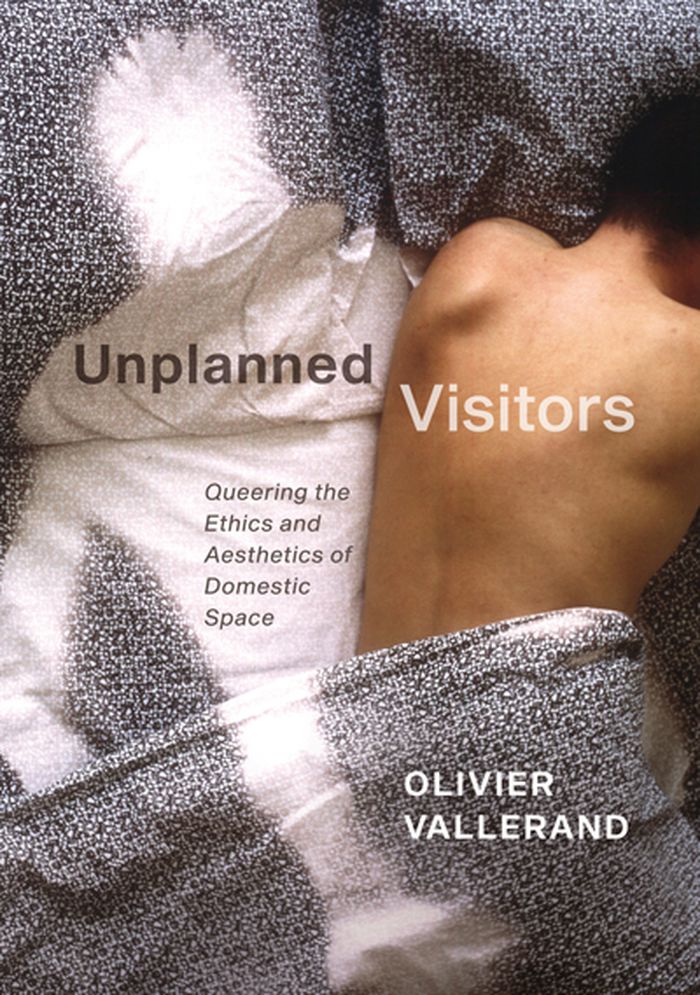
Unplanned visitors: queering the ethics and aesthetics of domestic space
Actions:
Price:
$39.95
(available to order)
Summary:
Olivier Vallerand investigates how queer critiques, building on pioneering feminist work, question the relation between identity and architecture and highlight normative constructs underlying domestic spaces. He draws out a genealogy of queer space in theoretical discourse in architecture, studying projects by Mark Robbins, Joel Sanders, J Mayer H, Elmgreen & Dragset, Andrés Jaque, and MYCKET, among others. These works blur the traditional borders between architecture and art to emphasize the tensions between private and public and their impact on assumptions about domestic space and family structure. Sexuality and gender have long been influential in understanding the construction of domestic space, its meanings, often revealing a binary division of private and public, female and male. By reconstructing the foundation of queer critiques of space and by analyzing the representation of domesticity in contemporary art and architecture, Unplanned Visitors shows the blurring of private and public that can occur in any domestic space and explores the potential of queer theory for understanding, and designing, the built environment.
Form:
books
books
Publication:
May 2020
May 2020
Subject:
Architectural Theory
Architectural Theory
Form:
books
books
Actions:
Price:
$54.95
(available to order)
Summary:
In ''How the working-class home became modern, 1900–1940,'' Hubka analyzes a period when millions of average Americans saw accelerated improvement in their housing and domestic conditions. These improvements were intertwined with the acquisition of entirely new mechanical conveniences, new types of rooms and patterns of domestic life, and such innovations—from public(...)
Title:
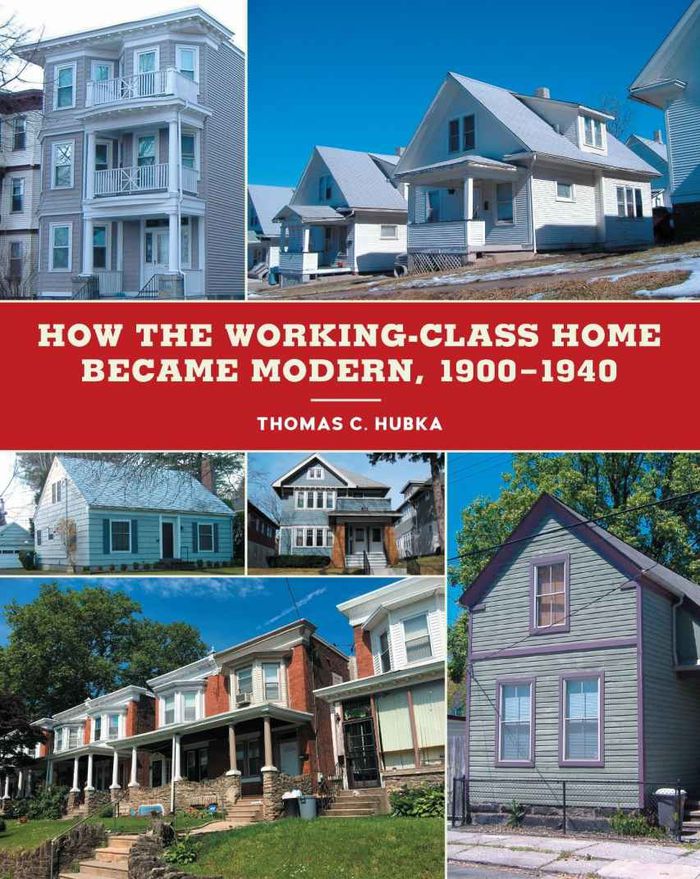
How the working-class home became modern
Actions:
Price:
$54.95
(available to order)
Summary:
In ''How the working-class home became modern, 1900–1940,'' Hubka analyzes a period when millions of average Americans saw accelerated improvement in their housing and domestic conditions. These improvements were intertwined with the acquisition of entirely new mechanical conveniences, new types of rooms and patterns of domestic life, and such innovations—from public utilities and kitchen appliances to remodeled and multi-unit housing—are at the center of the story Hubka tells. It is a narrative that traces changes in household hygiene, sociability, and privacy practices that launched large portions of the working classes into the middle class—and that, in Hubka’s telling, reconfigures and enriches the standard account of the domestic transformation of the American home.
Form:
books
books
Publication:
December 2020
December 2020
Subject:
Architectural Theory
Architectural Theory
Form:
books
books
Title:
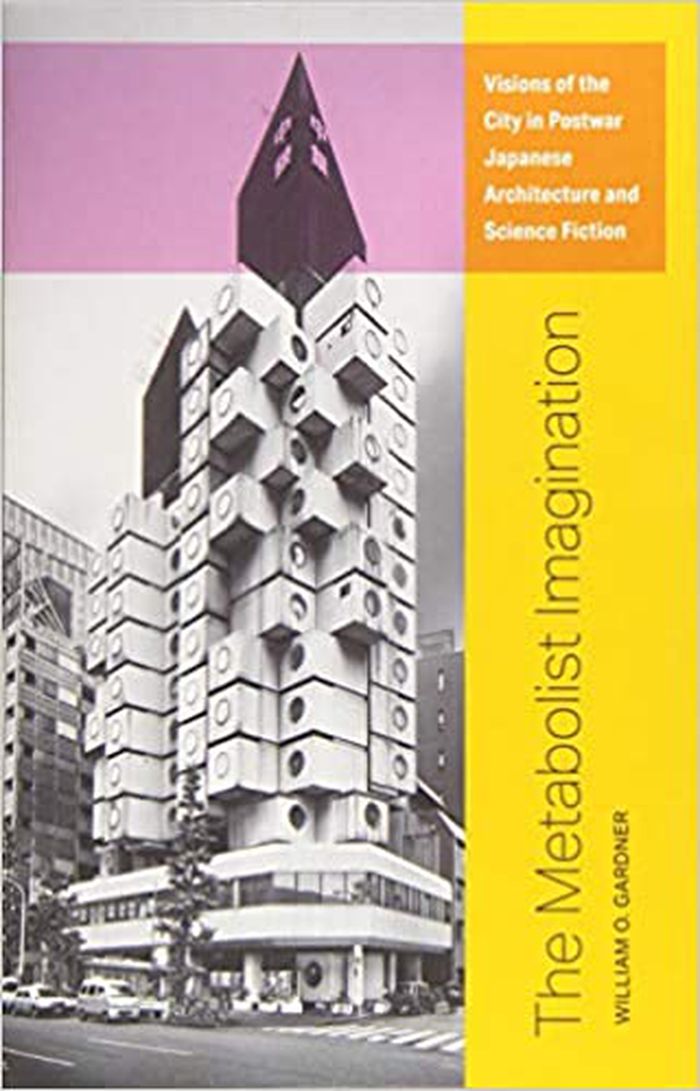
The metabolist imagination: visions of the city in postwar Japanese architecture and science fiction
The metabolist imagination: visions of the city in postwar Japanese architecture and science fiction
Actions:
Price:
$39.95
(available to order)
Summary:
The devastation of the Second World War gave rise to imaginations both utopian and apocalyptic. In Japan, a fascinating confluence of architects and science fiction writers took advantage of this space to begin remaking urban design. In 'The Metabolist Imagination', William O. Gardner explores the unique Metabolism movement, which allied with science fiction authors to(...)
Title:
The metabolist imagination: visions of the city in postwar Japanese architecture and science fiction
Actions:
Price:
$39.95
(available to order)
Summary:
The devastation of the Second World War gave rise to imaginations both utopian and apocalyptic. In Japan, a fascinating confluence of architects and science fiction writers took advantage of this space to begin remaking urban design. In 'The Metabolist Imagination', William O. Gardner explores the unique Metabolism movement, which allied with science fiction authors to foresee the global cities that would emerge in the postwar era. This first comparative study of postwar Japanese architecture and science fiction builds on the resurgence of interest in Metabolist architecture while establishing new directions for exploration. Gardner focuses on how these innovators created unique versions of shared concepts—including futurity, megastructures, capsules, and cybercities—making lasting contributions that resonate with contemporary conversations around cyberpunk, climate change, anime, and more.
Form:
books
books
Publication:
May 2020
May 2020
Subject:
Architectural Theory
Architectural Theory
Form:
books
books
Actions:
Price:
$69.95
(available to order)
Summary:
This volume offers a welcome and long-awaited intervention for the field by shining a spotlight on constructions of race and their impact on architecture and theory in Europe and North America and across various global contexts since the eighteenth century. Challenging us to write race back into architectural history, contributors confront how racial thinking has(...)
Subject:
Architectural Theory
Architectural Theory
Publication:
July 2020
July 2020
Title:
Race and modern architecture: a critical history from Enlightenment to the present
Actions:
Price:
$69.95
(available to order)
Summary:
This volume offers a welcome and long-awaited intervention for the field by shining a spotlight on constructions of race and their impact on architecture and theory in Europe and North America and across various global contexts since the eighteenth century. Challenging us to write race back into architectural history, contributors confront how racial thinking has intimately shaped some of the key concepts of modern architecture and culture over time, including freedom, revolution, character, national and indigenous style, progress, hybridity, climate, representation, and radicalism. By analyzing how architecture has intersected with histories of slavery, colonialism, and inequality — from eighteenth-century neoclassical governmental buildings to present-day housing projects for immigrants — 'Race and Modern Architecture' challenges, complicates, and revises the standard association of modern architecture with a universal project of emancipation and progress.
Form:
books
books
Publication:
July 2020
July 2020
Subject:
Architectural Theory
Architectural Theory


