


2244 Results
Form:
books
books

Actions:
Price:
$59.95
(available to order)
Summary:
"Through time and the city: notes on Rome" offers a new approach to exploring cities. Using Rome as a guide, the book follows familiar sites, geographies, and characters in search of their role within a larger narrative that includes the environmental processes required to generate enough space and material for the city, the emergent ecologies to which its buildings play(...)
Subject:
Architectural Theory
Architectural Theory
Publication:
September 2020
September 2020
Title:
Through time and the city: Notes on Rome
Actions:
Price:
$59.95
(available to order)
Summary:
"Through time and the city: notes on Rome" offers a new approach to exploring cities. Using Rome as a guide, the book follows familiar sites, geographies, and characters in search of their role within a larger narrative that includes the environmental processes required to generate enough space and material for the city, the emergent ecologies to which its buildings play host, and the social patterns its various structures help to organize. "Through time and the city" argues that Rome is made and unmade by an endlessly evolving chorus that has, for better or worse, gained geological legitimacy; that the city absorbs and emits countless artifacts in its search for collective identity; that the city is a platform for the constant staging of negotiations between agents (humans, buildings, plants, animals, pathogens, goods, waste, water) that drive and are driven by the entanglements of climate and culture. This book provides textual and visual frameworks for identifying the material traces, emergent patterns, or speculated futures that expose a city as inseparable from its capacity to change.
Form:
books
books
Publication:
September 2020
September 2020
Subject:
Architectural Theory
Architectural Theory
Form:
books
books
Actions:
Price:
$56.95
(available to order)
Summary:
How do we live well? The first sentence of ''Grace and gravity'' raises the fundamental question that constantly occupies our minds-and of all those who lived before us. Paradoxically, the impossibility of answering this question opens up the very room needed to find ways of living well. It is the gap where all disciplines fall short, where architecture does not fit its(...)
Title:
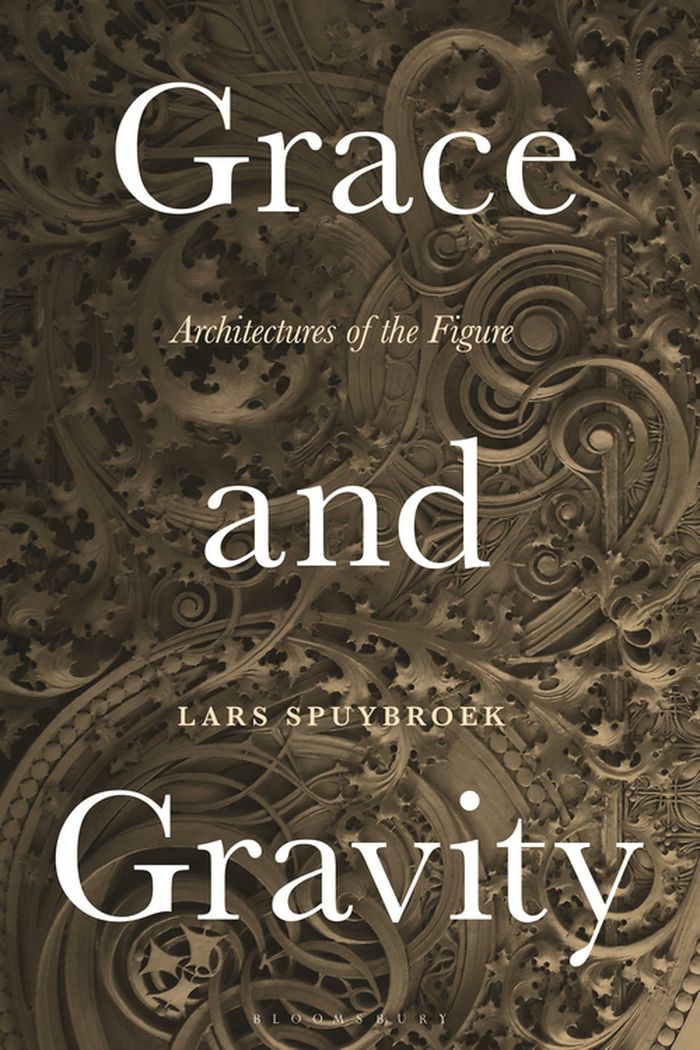
Grace and gravity: Architectures of the figure
Actions:
Price:
$56.95
(available to order)
Summary:
How do we live well? The first sentence of ''Grace and gravity'' raises the fundamental question that constantly occupies our minds-and of all those who lived before us. Paradoxically, the impossibility of answering this question opens up the very room needed to find ways of living well. It is the gap where all disciplines fall short, where architecture does not fit its inhabitants, where economy is not based on shortage, where religion cannot be explained by its followers, and where technology works far beyond its own principles. According to Lars Spuybroek, the prize-winning former architect, this marks the point where the “paradoxical machine” of grace reveals its powers, a point where we “cannot say if we are moving or being moved”. Following the trail of grace leads him to a new form of analysis that transcends the age-old opposition between appearances and technology. Linking up a dazzling and often delightful variety of sources-monkeys, paintings, lamp posts, octopuses, tattoos, bleeding fingers, rose windows, robots, smart phones, spirits, saints, and fossils-with profound meditations on living, death, consciousness, and existence, ''Grace and gravity'' offers an eye-opening provocation to a wide range of art historians, architects, theologians, anthropologists, artists, media theorists and philosophers.
Form:
books
books
Publication:
November 2020
November 2020
Subject:
Architectural Theory
Architectural Theory
Form:
books
books
Price:
$79.00
(available to order)
Summary:
The evolution of modern architecture has been inextricably entangled in issues of politics, nationalism, and the environment, creating a tension between local context and global development that is unresolved to this day. In this context, few writers have exerted as much influence on architectural theory and practice as Kenneth Frampton. In this illustrated volume,(...)
Subject:
Architectural Theory
Architectural Theory
Publication:
September 2020
September 2020
Title:
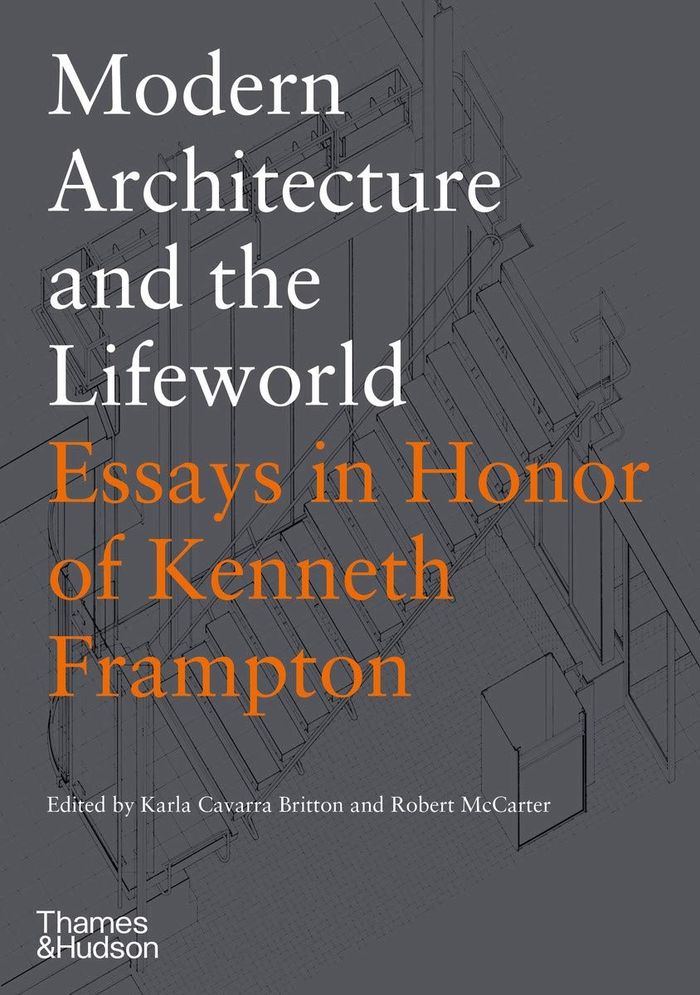
Modern architecture and the Lifeworld: essays in honor of Kenneth Franpton
Actions:
Price:
$79.00
(available to order)
Summary:
The evolution of modern architecture has been inextricably entangled in issues of politics, nationalism, and the environment, creating a tension between local context and global development that is unresolved to this day. In this context, few writers have exerted as much influence on architectural theory and practice as Kenneth Frampton. In this illustrated volume, twenty-nine contributors from around the world amplify and pay tribute to his writing and thought. Intended for all those concerned with the built environment, this book offers further evidence of how this scholar, humanist, and teacher has shaped our understanding of the working reality of the architect. The premise of "Modern architecture and the lifeworld" is rooted in Frampton’s understanding of how architecture must engage with both cultural and constructional imperatives; and it addresses strategies for grappling with contemporary concerns such as regional identity amidst urban globalization, and tectonic culture and landform in the construction of place.
Form:
books
books
Publication:
September 2020
September 2020
Subject:
Architectural Theory
Architectural Theory
Form:
books
books
Actions:
Price:
$30.00
(available in store)
Summary:
La critique d'architecture, ses enjeux et ses frontières incertaines avec la théorie et l'histoire de l'architecture suscitent un intérêt croissant depuis les années 1980. Afin de démêler les controverses, présentes ou passées, sur les multiples définitions de cet objet réputé insaisissable, ne faut-il pas dépasser les discours convenus et relativiser les constats(...)
Title:
Critique et architecture : un état des lieux contemporain
Actions:
Price:
$30.00
(available in store)
Summary:
La critique d'architecture, ses enjeux et ses frontières incertaines avec la théorie et l'histoire de l'architecture suscitent un intérêt croissant depuis les années 1980. Afin de démêler les controverses, présentes ou passées, sur les multiples définitions de cet objet réputé insaisissable, ne faut-il pas dépasser les discours convenus et relativiser les constats pessimistes sur la supposée crise qu'elle traverse ? Au cours du xxe siècle, de nombreux architectes se sont interrogés sur les instruments spécifiques à la critique de leur discipline, mais aussi sur ses limites. L'ouvrage passe en revue, du point de vue de l'historien, l'essentiel des discours tenus de part et d'autre de l'Atlantique. Il déploie de la sorte un vaste spectre de conceptions de la critique d'architecture et pose la question de sa double origine, dans les théories architecturales et dans le jugement porté sur des productions esthétiques.
Form:
books
books
Publication:
October 2018
October 2018
Subject:
Architectural Theory
Architectural Theory
Form:
books
books
Actions:
Price:
$58.00
(available to order)
Summary:
ÉPUISÉ/NON AVAILABLE Cette publication met en lumière les causes naturelles, physiques, biologiques ou climatiques qui ont influencé le déroulé de l’histoire architecturale et provoqué le surgissement de ses figures, de la préhistoire à nos jours. Induite par un contexte d’accès massif et facile à l’énergie, celle du charbon puis du pétrole, et par les progrès de la(...)
Title:
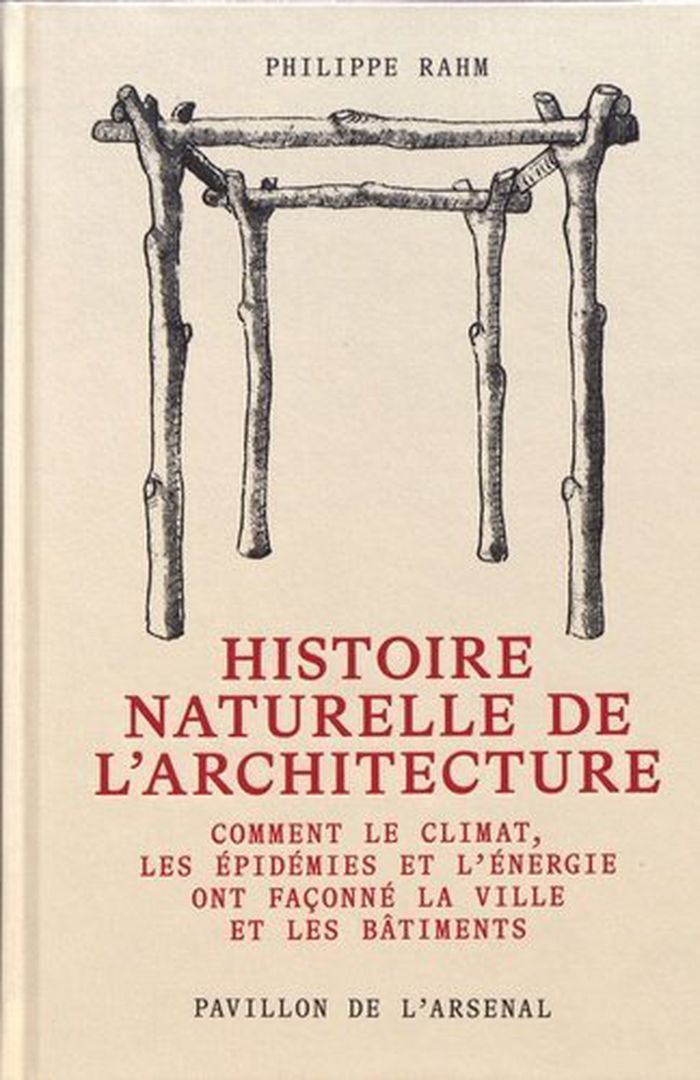
Histoire naturelle de l'architecture : comment le climat, les épidémies et et l’énergie ont façonné la ville et les bâtiments
Actions:
Price:
$58.00
(available to order)
Summary:
ÉPUISÉ/NON AVAILABLE Cette publication met en lumière les causes naturelles, physiques, biologiques ou climatiques qui ont influencé le déroulé de l’histoire architecturale et provoqué le surgissement de ses figures, de la préhistoire à nos jours. Induite par un contexte d’accès massif et facile à l’énergie, celle du charbon puis du pétrole, et par les progrès de la médecine (avec l’invention des vaccins et des antibiotiques), l’historiographie politique, sociale et culturelle a, au XXe siècle, largement ignoré les faits physiques, géographiques, climatiques et bactériologiques qui ont façonné de façon décisive, à travers les siècles, les formes architecturales et urbaines. Relire l’histoire de l’architecture à partir de ces données objectives, matérielles, réelles permet d’affronter les défis environnementaux majeurs de notre siècle et de mieux construire, aujourd’hui, face à l’urgence climatique.
Form:
books
books
Publication:
October 2020
October 2020
Subject:
Architectural Theory
Architectural Theory
Form:
books
books
Title:
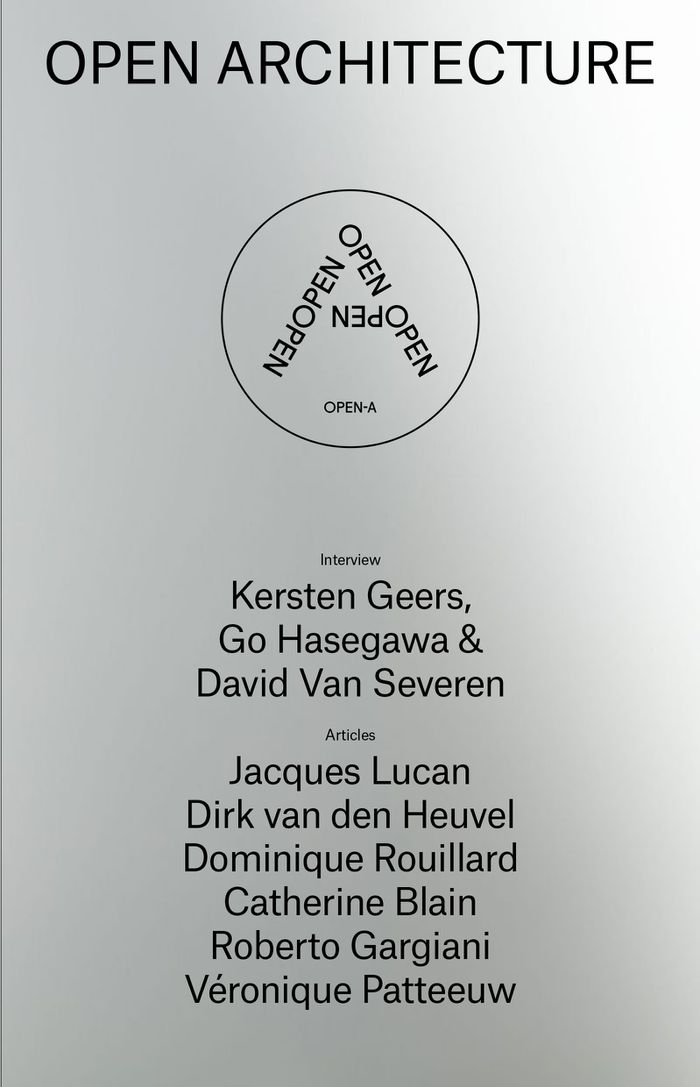
Open architecture
Open architecture
Actions:
Price:
$64.95
(available to order)
Summary:
La collection « Open-A » a pour ambition majeure d’explorer le potentiel de réinterprétation lié à l’histoire et à la théorie en architecture. En d’autres termes, « Open-A » vise à parcourir les récits des époques antérieures, de construire de nouvelles associations, de faire émerger de nouveaux concepts, par le biais d’une relecture du passé en vue d’une description de(...)
Title:
Open architecture
Actions:
Price:
$64.95
(available to order)
Summary:
La collection « Open-A » a pour ambition majeure d’explorer le potentiel de réinterprétation lié à l’histoire et à la théorie en architecture. En d’autres termes, « Open-A » vise à parcourir les récits des époques antérieures, de construire de nouvelles associations, de faire émerger de nouveaux concepts, par le biais d’une relecture du passé en vue d’une description de l’état présent de l’architecture. Le premier tome de la collection, dirigé par Xavier Van Rooyen et intitulé « Open Architecture », débute par la traduction d’une interview de Go Hasegawa, Kersten Geers et David Van Severen. Il est en outre né à partir d’un cycle de conférences (2017 – 2019) qui a regroupé des interventions de Jacques Lucan, Dominique Rouillard, Roberto Gargiani, Catherine Blain, Dirk van den Heuvel et Véronique Patteeuw. Ces conférences s’étaient ancrées dans la période des années 1960 marquée par la transition du modernisme au postmodernisme, une époque optimiste, politiquement engagée, florissante en imaginaires et en récits visuels, radicale dans sa pensée et dans la révolution qu’elle prônait.
Form:
books
books
Publication:
November 2019
November 2019
Subject:
Architectural Theory
Architectural Theory
Form:
books
books
Title:
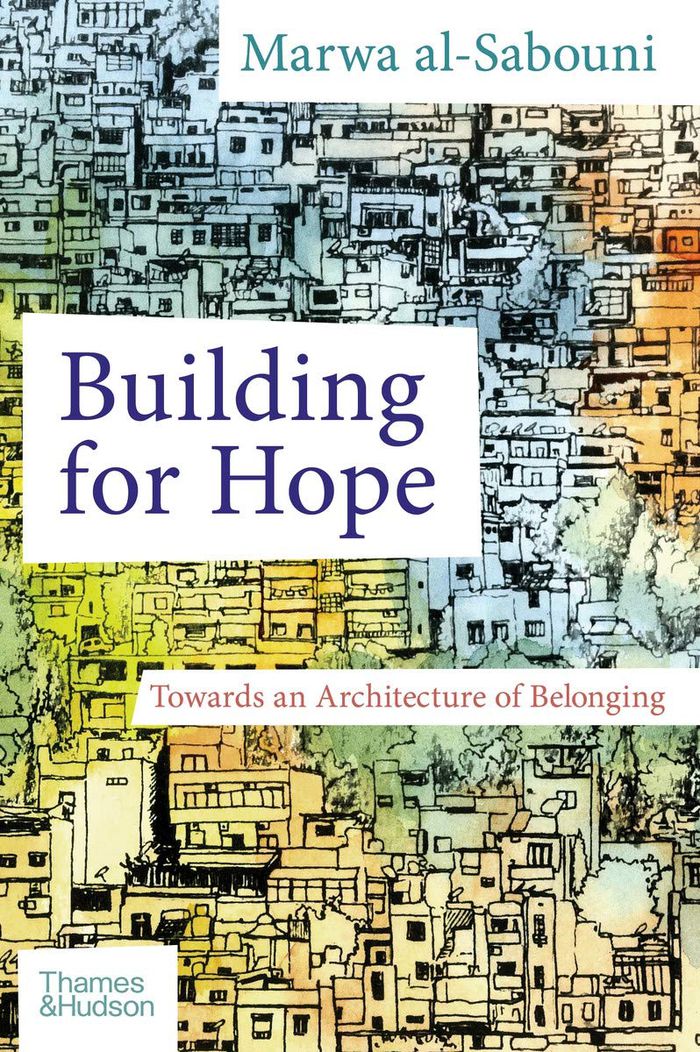
Building for hope
Building for hope
Actions:
Price:
$39.95
(available to order)
Summary:
This new book by Syrian architect Marwa al-Sabouni, seeks to understand how cities and buildings- scarred by conflict, blight, and pandemic- can be healed through design and urban mindfulness. When Marwa al-Sabouni published Battle for Home in 2016, she was a little-known architect, living in battle-ravaged Homs, Syria, unable to practice her profession. She turned her(...)
Title:
Building for hope
Actions:
Price:
$39.95
(available to order)
Summary:
This new book by Syrian architect Marwa al-Sabouni, seeks to understand how cities and buildings- scarred by conflict, blight, and pandemic- can be healed through design and urban mindfulness. When Marwa al-Sabouni published Battle for Home in 2016, she was a little-known architect, living in battle-ravaged Homs, Syria, unable to practice her profession. She turned her fierce intelligence to chronicling how her city and country were undone through decades of architectural mismanagement and mistakes. Once published, Marwa al-Sabouni’s book and story attracted the attention of international media- CNN, The New York Times- and received critical acclaim worldwide. The United Nations called on her for insights and expertise. She became a TED fellow, was invited to speak to audiences around the world, and some suggested she be nominated for architecture’s highest honor, the Pritzker Prize. Al-Sabouni’s deep understanding of Middle Eastern heritage and architecture gives her insight into a wide range of cities, informing her views on how cities work best, how they might fail, and what can be done to harmonize the lives of all their inhabitants. In this new book, al-Sabouni draws together several narratives: her personal and professional observations of some of the world’s most fascinating cities, from Detroit to Helsinki; the lessons that Western societies might learn from Islamic culture and design; and philosophical reflections on how our personal and communal spaces can provide the basic foundations for happiness. Through this tapestry of personal experience, unblinking perspective, and insight, al-Sabouni offers real-world solutions- and hope- for how peace might be created through mindful urban planning.
Form:
books
books
Publication:
April 2021
April 2021
Subject:
Architectural Theory
Architectural Theory
Form:
books
books
Title:
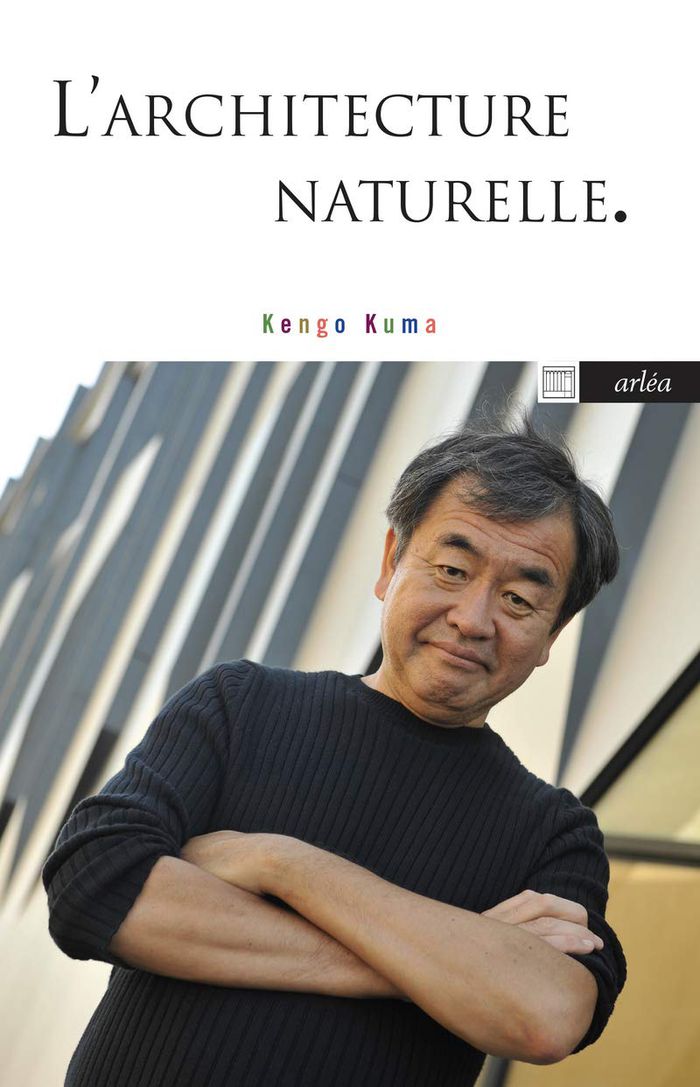
L'architecture naturelle
L'architecture naturelle
Actions:
Price:
$29.95
(available to order)
Summary:
Architecte du stade olympique ou du musée Hiroshige de Tokyo et en France, de la cité des arts de Besançon, du FRAC de Marseille ou de l’étonnant conservatoire d’Aix-en-Provence, mais aussi de nombreuses maisons audacieuses en bambous ou en bois, Kengo Kuma décline le principe fondamental de l’architecture japonaise, qui unit l’homme et la nature. Il n’y a pas(...)
Title:
L'architecture naturelle
Actions:
Price:
$29.95
(available to order)
Summary:
Architecte du stade olympique ou du musée Hiroshige de Tokyo et en France, de la cité des arts de Besançon, du FRAC de Marseille ou de l’étonnant conservatoire d’Aix-en-Provence, mais aussi de nombreuses maisons audacieuses en bambous ou en bois, Kengo Kuma décline le principe fondamental de l’architecture japonaise, qui unit l’homme et la nature. Il n’y a pas d’opposition entre le dedans et le dehors. Tout est affaire de gradation, de superpositions, de syntonie. À l’opposé de l’architecture occidentale pour qui la monumentalité est l’aboutissement. En huit chapitres, huit matériaux, huit réalisations emblématiques, cet architecte radical nous entraîne dans de nouvelles voies de respect de la nature. Ce livre est à la fois, un livre d’histoire subjective de l’architecture, un manuel d’application pratique et le portrait d’un architecte épris de nature.
Form:
books
books
Publication:
October 2020
October 2020
Subject:
Architectural Theory
Architectural Theory
Form:
books
books
Actions:
Price:
$59.95
(available to order)
Summary:
Celui qui observe la production architecturale contemporaine ne peut manquer de constater une résurgence de l’archaïque. Que ce soit dans les formes adoptées, les procédés constructifs et les matériaux utilisés ou les processus mis en œuvre, tout se passe comme si derrière l’épuisement des lumières du présent et du progrès technologique se profilait une autre voie,(...)
Title:
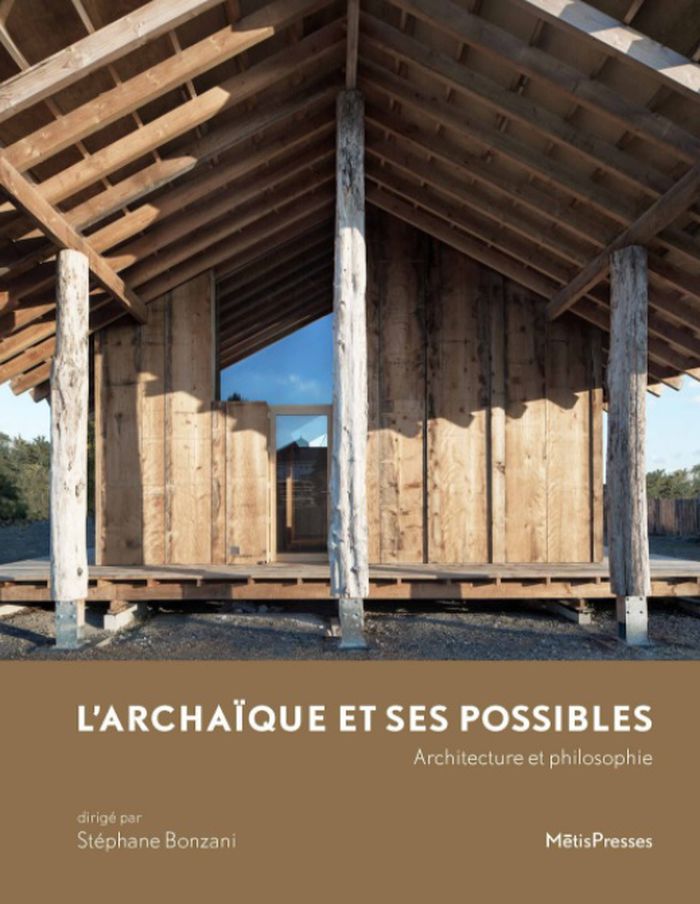
L'archaïque et ses possibles : architecture et philosophie
Actions:
Price:
$59.95
(available to order)
Summary:
Celui qui observe la production architecturale contemporaine ne peut manquer de constater une résurgence de l’archaïque. Que ce soit dans les formes adoptées, les procédés constructifs et les matériaux utilisés ou les processus mis en œuvre, tout se passe comme si derrière l’épuisement des lumières du présent et du progrès technologique se profilait une autre voie, plongeant dans l’immémorial. Pour autant, cet archaïque contemporain n’est pas un retour nostalgique au passé, mais correspond plutôt à un recentrement sur l’essentiel. Loin d’être simple, cet essentiel est traversé de puissantes et irréductibles tensions. Décrypter cette tendance revient ici à sonder notre culture de l’édifier, à en ausculter les fondements, à y déceler les paradoxes profonds. Autour de six grandes thématiques qui forment les chapitres de cet ouvrage — Installations, Inventions, Archétypes, Corps et affects, Déplacements, Expériences de pensée — ce sont donc six débats qui sont ouverts. Architectes, philosophes, historiens, chercheurs nous aident à mieux comprendre les enjeux d’un moment théorique important de la question architecturale et d’en saisir les possibles.
Form:
books
books
Publication:
January 2021
January 2021
Subject:
Architectural Theory
Architectural Theory
Form:
books
books
Actions:
Price:
$55.00
(available to order)
Summary:
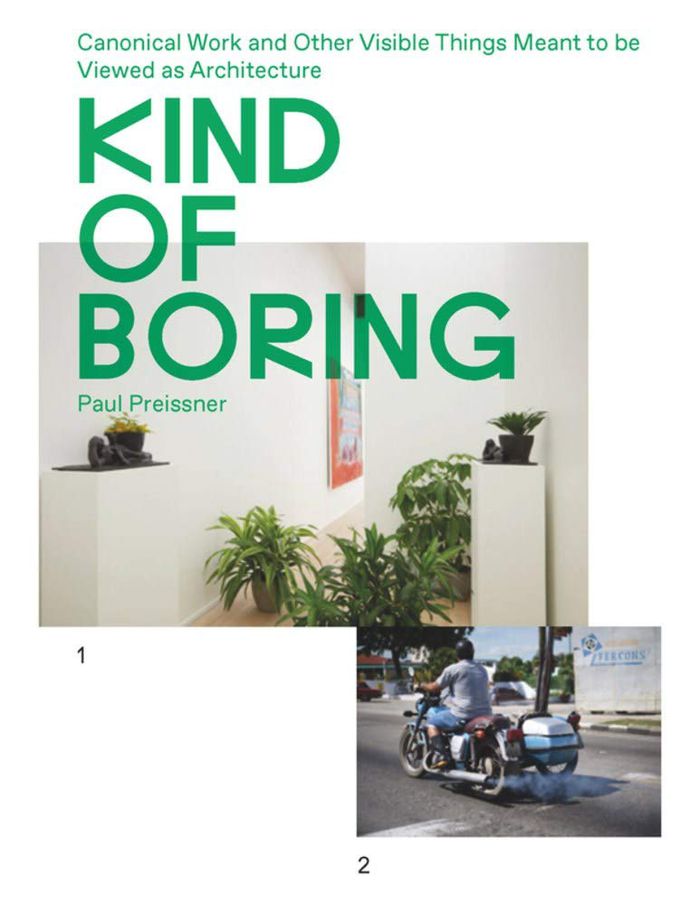
Being boring (or boringness) has been one of the qualities of architecture an architect desperately tries to avoid. Not to provoke (or at least try to provoke) some reaction from one’s audience is to admit to a lack of ideas or an absence of creativity. In ''Kind of boring,'' Paul Preissner rejects the idea that architecture should demand anything from its audience. The(...)
Title:
Kind of boring: canonical work and other visible things meant to be viewed as architecture
Actions:
Price:
$55.00
(available to order)
Summary:
Being boring (or boringness) has been one of the qualities of architecture an architect desperately tries to avoid. Not to provoke (or at least try to provoke) some reaction from one’s audience is to admit to a lack of ideas or an absence of creativity. In ''Kind of boring,'' Paul Preissner rejects the idea that architecture should demand anything from its audience. The ''boring and dumb'' architecture documented in this book leaves us alone. In this way, the work of Paul Preissner Architects produces a conceptual space, a meaning independent of our relationship to the work; we can only understand (or misunderstand) it. Through a lot of drawings, some essays, and many pictures, this book documents what happens when architecture stops begging for our attention and instead makes space for reflection.
Form:
books
books
Publication:
March 2021
March 2021
Subject:
Architectural Theory
Architectural Theory


