


2221 Results
Form:
books
books

Actions:
Price:
$120.99
(available to order)
Summary:
In the period following the Second World War, the Architectural Association (AA) became the only British school of architecture of truly global renown. It was one of only two schools in the world which fully embraced and promoted the pedagogical ideals put forward by CIAM (Congrès Internationaux d’Architecture Moderne), and emerged as an admired example for architectural(...)
$120.99
(available to order)
Summary:
In the period following the Second World War, the Architectural Association (AA) became the only British school of architecture of truly global renown. It was one of only two schools in the world which fully embraced and promoted the pedagogical ideals put forward by CIAM (Congrès Internationaux d’Architecture Moderne), and emerged as an admired example for architectural(...)
Title:
The Architectural Association in the postwar years
Actions:
Price:
$120.99
(available to order)
Summary:
In the period following the Second World War, the Architectural Association (AA) became the only British school of architecture of truly global renown. It was one of only two schools in the world which fully embraced and promoted the pedagogical ideals put forward by CIAM (Congrès Internationaux d’Architecture Moderne), and emerged as an admired example for architectural education in other countries. Many of the most famous British architects and critics of the past 60 years attended the AA. This book traces the history of the school from the end of the war until the mid-1960's, when it surrendered its position as the pacemaker in British architectural education in order to safeguard its institutional independence. Alvin Boyarsky, who became chairman in 1971, remodeled the AA as a postmodern, "internationalist" school and detached it from its modernist, British origins. Thus, there has been no research into the AA’s postwar history, which remains dominated by myths and half-truths. The book replaces these myths with an in-depth account of what really happened.
The Architectural Association in the postwar years
Actions:
Price:
$120.99
(available to order)
Summary:
In the period following the Second World War, the Architectural Association (AA) became the only British school of architecture of truly global renown. It was one of only two schools in the world which fully embraced and promoted the pedagogical ideals put forward by CIAM (Congrès Internationaux d’Architecture Moderne), and emerged as an admired example for architectural education in other countries. Many of the most famous British architects and critics of the past 60 years attended the AA. This book traces the history of the school from the end of the war until the mid-1960's, when it surrendered its position as the pacemaker in British architectural education in order to safeguard its institutional independence. Alvin Boyarsky, who became chairman in 1971, remodeled the AA as a postmodern, "internationalist" school and detached it from its modernist, British origins. Thus, there has been no research into the AA’s postwar history, which remains dominated by myths and half-truths. The book replaces these myths with an in-depth account of what really happened.
Form:
books
books
Publication:
November 2020
November 2020
Subject:
Architectural Theory
Architectural Theory
Form:
books
books

Actions:
Price:
$75.00
(available to order)
Summary:
A room’s acoustic character seems at once the most technical and the most mystical of concerns. Since the early Enlightenment, European architects have systematically endeavored to represent and control the propagation of sound in large interior spaces. Their work has been informed by the science of sound but has also been entangled with debates on style, visualization(...)
$75.00
(available to order)
Summary:
A room’s acoustic character seems at once the most technical and the most mystical of concerns. Since the early Enlightenment, European architects have systematically endeavored to represent and control the propagation of sound in large interior spaces. Their work has been informed by the science of sound but has also been entangled with debates on style, visualization(...)
Title:
Echo's chambers: architecture and the idea of acoustic space
Actions:
Price:
$75.00
(available to order)
Summary:
A room’s acoustic character seems at once the most technical and the most mystical of concerns. Since the early Enlightenment, European architects have systematically endeavored to represent and control the propagation of sound in large interior spaces. Their work has been informed by the science of sound but has also been entangled with debates on style, visualization techniques, performance practices, and the expansion of the listening public. Echo’s Chambers explores how architectural experimentation from the seventeenth through the mid-twentieth centuries laid the groundwork for concepts of acoustic space that are widely embraced in contemporary culture. It focuses on the role of echo and reverberation in the architecture of Pierre Patte, Claude-Nicolas Ledoux, Carl Ferdinand Langhans, and Le Corbusier, as well as the influential acoustic ideas of Athanasius Kircher, Richard Wagner, and Marshall McLuhan. Drawing on interdisciplinary theories of media and auditory culture, Joseph L. Clarke reveals how architecture has impacted the ways we continue to listen to, talk about, and creatively manipulate sound in the physical environment.
Echo's chambers: architecture and the idea of acoustic space
Actions:
Price:
$75.00
(available to order)
Summary:
A room’s acoustic character seems at once the most technical and the most mystical of concerns. Since the early Enlightenment, European architects have systematically endeavored to represent and control the propagation of sound in large interior spaces. Their work has been informed by the science of sound but has also been entangled with debates on style, visualization techniques, performance practices, and the expansion of the listening public. Echo’s Chambers explores how architectural experimentation from the seventeenth through the mid-twentieth centuries laid the groundwork for concepts of acoustic space that are widely embraced in contemporary culture. It focuses on the role of echo and reverberation in the architecture of Pierre Patte, Claude-Nicolas Ledoux, Carl Ferdinand Langhans, and Le Corbusier, as well as the influential acoustic ideas of Athanasius Kircher, Richard Wagner, and Marshall McLuhan. Drawing on interdisciplinary theories of media and auditory culture, Joseph L. Clarke reveals how architecture has impacted the ways we continue to listen to, talk about, and creatively manipulate sound in the physical environment.
Form:
books
books
Publication:
June 2021
June 2021
Subject:
Architectural Theory
Architectural Theory
Form:
books
books
Actions:
Price:
$70.00
(available to order)
Summary:
Inspired by the rise of environmental psychology and increasing support for behavioral research after the Second World War, new initiatives at the federal, state, and local levels looked to influence the human psyche through form, or elicit desired behaviors with environmental incentives, implementing what Joy Knoblauch calls 'psychological functionalism.' Recruited by(...)
$70.00
(available to order)
Summary:
Inspired by the rise of environmental psychology and increasing support for behavioral research after the Second World War, new initiatives at the federal, state, and local levels looked to influence the human psyche through form, or elicit desired behaviors with environmental incentives, implementing what Joy Knoblauch calls 'psychological functionalism.' Recruited by(...)
Title:
The architecture of good behaviour
Actions:
Price:
$70.00
(available to order)
Summary:
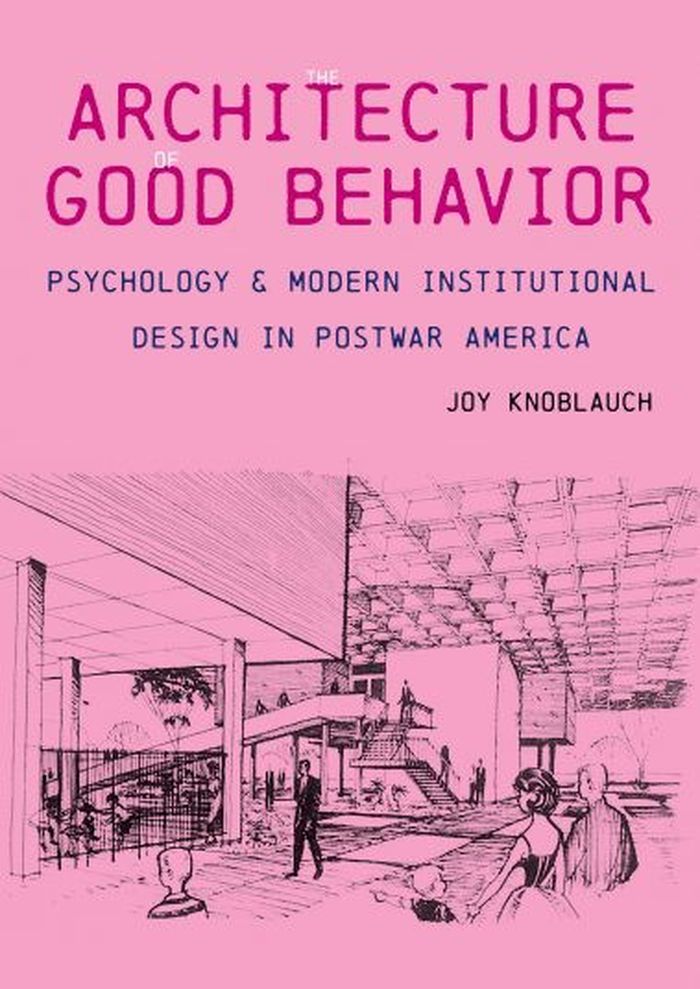
Inspired by the rise of environmental psychology and increasing support for behavioral research after the Second World War, new initiatives at the federal, state, and local levels looked to influence the human psyche through form, or elicit desired behaviors with environmental incentives, implementing what Joy Knoblauch calls 'psychological functionalism.' Recruited by federal construction and research programs for institutional reform and expansion — which included hospitals, mental health centers, prisons, and public housing—architects theorized new ways to control behavior and make it more functional by exercising soft power, or power through persuasion, with their designs. In the 1960s – 1970s era of anti-institutional sentiment, they hoped to offer an enlightened, palatable, more humane solution to larger social problems related to health, mental health, justice, and security of the population by applying psychological expertise to institutional design. In turn, Knoblauch argues, architects gained new roles as researchers, organizers, and writers while theories of confinement, territory, and surveillance proliferated. 'The Architecture of Good Behavior' explores psychological functionalism as a political tool and the architectural projects funded by a postwar nation in its efforts to govern, exert control over, and ultimately pacify its patients, prisoners, and residents.
The architecture of good behaviour
Actions:
Price:
$70.00
(available to order)
Summary:
Inspired by the rise of environmental psychology and increasing support for behavioral research after the Second World War, new initiatives at the federal, state, and local levels looked to influence the human psyche through form, or elicit desired behaviors with environmental incentives, implementing what Joy Knoblauch calls 'psychological functionalism.' Recruited by federal construction and research programs for institutional reform and expansion — which included hospitals, mental health centers, prisons, and public housing—architects theorized new ways to control behavior and make it more functional by exercising soft power, or power through persuasion, with their designs. In the 1960s – 1970s era of anti-institutional sentiment, they hoped to offer an enlightened, palatable, more humane solution to larger social problems related to health, mental health, justice, and security of the population by applying psychological expertise to institutional design. In turn, Knoblauch argues, architects gained new roles as researchers, organizers, and writers while theories of confinement, territory, and surveillance proliferated. 'The Architecture of Good Behavior' explores psychological functionalism as a political tool and the architectural projects funded by a postwar nation in its efforts to govern, exert control over, and ultimately pacify its patients, prisoners, and residents.
Form:
books
books
Publication:
June 2020
June 2020
Subject:
Architectural Theory
Architectural Theory
Form:
books
books
Title:
Responsive environments. An Interdisciplinary Manifesto on Design, Technology and the Human Experien
Responsive environments. An Interdisciplinary Manifesto on Design, Technology and the Human Experien
Actions:
Price:
$54.95
(available to order)
Summary:
The entanglement of physical contexts with digital environments is constantly changing our relationship with the surrounding space and creating new hybrid experiences. These transformations pose complex design challenges and yet offer novel opportunities for the understanding and development of human-centered built environments. Drawing from a 5-year design research(...)
$54.95
(available to order)
Summary:
The entanglement of physical contexts with digital environments is constantly changing our relationship with the surrounding space and creating new hybrid experiences. These transformations pose complex design challenges and yet offer novel opportunities for the understanding and development of human-centered built environments. Drawing from a 5-year design research(...)
Title:
Responsive environments. An Interdisciplinary Manifesto on Design, Technology and the Human Experien
Actions:
Price:
$54.95
(available to order)
Summary:
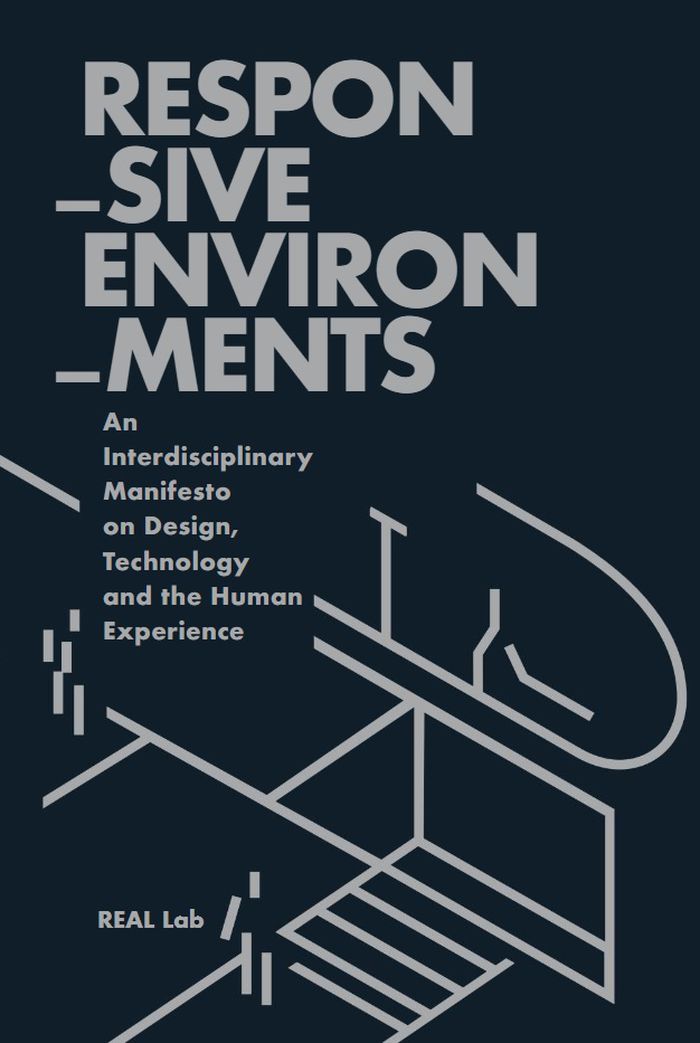
The entanglement of physical contexts with digital environments is constantly changing our relationship with the surrounding space and creating new hybrid experiences. These transformations pose complex design challenges and yet offer novel opportunities for the understanding and development of human-centered built environments. Drawing from a 5-year design research collaboration between the REAL Lab at Harvard GSD and the University of Bergamo, this book unfolds the experiential facets of our technologically-mediated relationship with space in the fields of architecture, urbanism and art. The book attempts to describe what makes an environment "responsive" in the form of a design manifesto, introducing ten attributes or principles at both methodological and experiential levels. Critically articulated from the perspective of leading experts, scholars and professionals, the ideas explored are unpacked through speculative urban visions and design concepts at different timeframes, contexts and scales ranging from smart artifacts to smart cities.
Responsive environments. An Interdisciplinary Manifesto on Design, Technology and the Human Experien
Actions:
Price:
$54.95
(available to order)
Summary:
The entanglement of physical contexts with digital environments is constantly changing our relationship with the surrounding space and creating new hybrid experiences. These transformations pose complex design challenges and yet offer novel opportunities for the understanding and development of human-centered built environments. Drawing from a 5-year design research collaboration between the REAL Lab at Harvard GSD and the University of Bergamo, this book unfolds the experiential facets of our technologically-mediated relationship with space in the fields of architecture, urbanism and art. The book attempts to describe what makes an environment "responsive" in the form of a design manifesto, introducing ten attributes or principles at both methodological and experiential levels. Critically articulated from the perspective of leading experts, scholars and professionals, the ideas explored are unpacked through speculative urban visions and design concepts at different timeframes, contexts and scales ranging from smart artifacts to smart cities.
Form:
books
books
Publication:
August 2021
August 2021
Subject:
Architectural Theory
Architectural Theory
Form:
books
books
Actions:
Price:
$34.95
(available to order)
Summary:
Comment, par l'architecture, enrichir la connaissance du monde social.Le point de départ de ce manuel est un questionnement : l’architecture constitue-t-elle un objet de sociologie? Son originalité réside dans une présentation synthétique des travaux existants sur l’architecture et les architectes qui fait le lien entre 3 dimensions : les mécanismes et acteurs de la(...)
$34.95
(available to order)
Summary:
Comment, par l'architecture, enrichir la connaissance du monde social.Le point de départ de ce manuel est un questionnement : l’architecture constitue-t-elle un objet de sociologie? Son originalité réside dans une présentation synthétique des travaux existants sur l’architecture et les architectes qui fait le lien entre 3 dimensions : les mécanismes et acteurs de la(...)
Title:
Sociologie de l'architecture et des architectes
Actions:
Price:
$34.95
(available to order)
Summary:
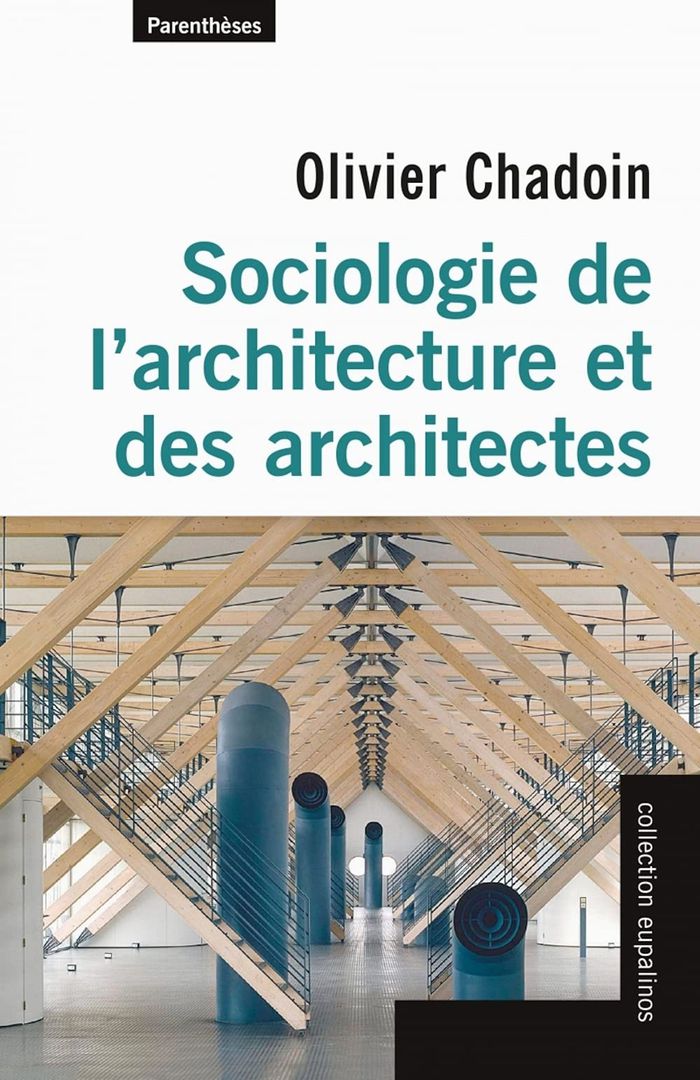
Comment, par l'architecture, enrichir la connaissance du monde social.Le point de départ de ce manuel est un questionnement : l’architecture constitue-t-elle un objet de sociologie? Son originalité réside dans une présentation synthétique des travaux existants sur l’architecture et les architectes qui fait le lien entre 3 dimensions : les mécanismes et acteurs de la production architecturale et urbaine, les usagers et habitants, les bâtiments eux-mêmes comme production symbolique. Il s’adresse en priorité aux étudiants en architecture et en urbanisme mais intéressera également les sociologues et étudiants en sciences sociales qui travaillent sur la sociologie de la ville.
Sociologie de l'architecture et des architectes
Actions:
Price:
$34.95
(available to order)
Summary:
Comment, par l'architecture, enrichir la connaissance du monde social.Le point de départ de ce manuel est un questionnement : l’architecture constitue-t-elle un objet de sociologie? Son originalité réside dans une présentation synthétique des travaux existants sur l’architecture et les architectes qui fait le lien entre 3 dimensions : les mécanismes et acteurs de la production architecturale et urbaine, les usagers et habitants, les bâtiments eux-mêmes comme production symbolique. Il s’adresse en priorité aux étudiants en architecture et en urbanisme mais intéressera également les sociologues et étudiants en sciences sociales qui travaillent sur la sociologie de la ville.
Form:
books
books
Publication:
July 2021
July 2021
Subject:
Architectural Theory
Architectural Theory
Form:
books
books
Actions:
Price:
$25.00
(available to order)
Summary:
The ''Tall Buildings: their problems and some ideas'' publication humbly deconstructs and reconstructs what a tall building can be. Its content is informed by a half-day symposium held in Melbourne in 2018 that investigated new and radical approaches to vertical city-building, co-curated by Molonglo, London-based 6a architects and Chilean art and architecture studio Pezo(...)
$25.00
(available to order)
Summary:
The ''Tall Buildings: their problems and some ideas'' publication humbly deconstructs and reconstructs what a tall building can be. Its content is informed by a half-day symposium held in Melbourne in 2018 that investigated new and radical approaches to vertical city-building, co-curated by Molonglo, London-based 6a architects and Chilean art and architecture studio Pezo(...)
Subject:
Architectural Theory
Architectural Theory
Publication:
January 2020
January 2020
Title:
U-P , Tall Buildings: their problems and some ideas
Actions:
Price:
$25.00
(available to order)
Summary:
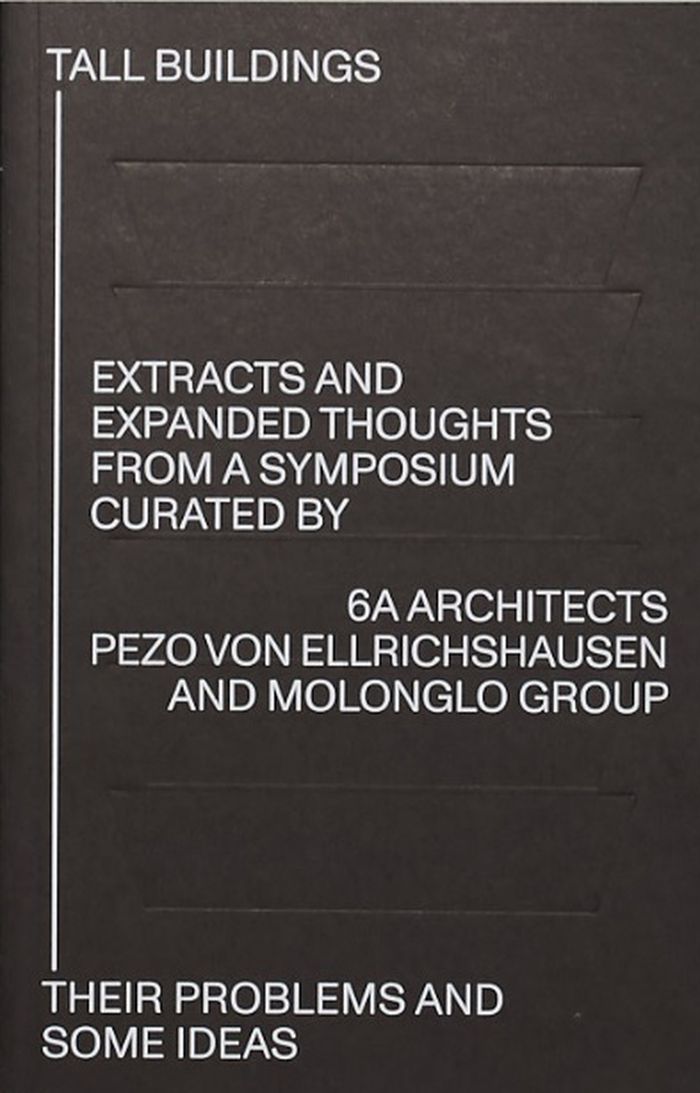
The ''Tall Buildings: their problems and some ideas'' publication humbly deconstructs and reconstructs what a tall building can be. Its content is informed by a half-day symposium held in Melbourne in 2018 that investigated new and radical approaches to vertical city-building, co-curated by Molonglo, London-based 6a architects and Chilean art and architecture studio Pezo von Ellrichshausen. The publication features interviews, essays and original photography by Melbourne design studio U-P.
U-P , Tall Buildings: their problems and some ideas
Actions:
Price:
$25.00
(available to order)
Summary:
The ''Tall Buildings: their problems and some ideas'' publication humbly deconstructs and reconstructs what a tall building can be. Its content is informed by a half-day symposium held in Melbourne in 2018 that investigated new and radical approaches to vertical city-building, co-curated by Molonglo, London-based 6a architects and Chilean art and architecture studio Pezo von Ellrichshausen. The publication features interviews, essays and original photography by Melbourne design studio U-P.
Form:
books
books
Publication:
January 2020
January 2020
Subject:
Architectural Theory
Architectural Theory
Form:
books
books
Actions:
Price:
$14.95
(available to order)
Summary:
What should our buildings look like? Or is their usability more important than their appearance? Paul Guyer argues that the fundamental goals of architecture first identified by the Roman architect Marcus Pollio Vitruvius - good construction, functionality, and aesthetic appeal - have remained valid despite constant changes in human activities, building materials and(...)
$14.95
(available to order)
Summary:
What should our buildings look like? Or is their usability more important than their appearance? Paul Guyer argues that the fundamental goals of architecture first identified by the Roman architect Marcus Pollio Vitruvius - good construction, functionality, and aesthetic appeal - have remained valid despite constant changes in human activities, building materials and(...)
Title:
A philosopher looks at architecture
Actions:
Price:
$14.95
(available to order)
Summary:
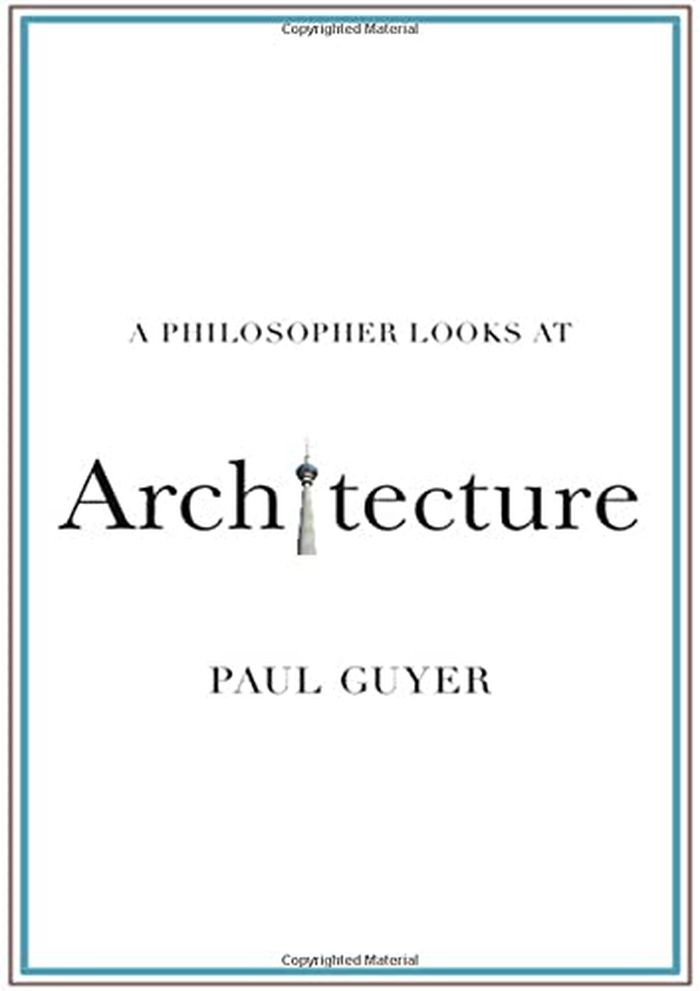
What should our buildings look like? Or is their usability more important than their appearance? Paul Guyer argues that the fundamental goals of architecture first identified by the Roman architect Marcus Pollio Vitruvius - good construction, functionality, and aesthetic appeal - have remained valid despite constant changes in human activities, building materials and technologies, as well as in artistic styles and cultures. Guyer discusses philosophers and architects throughout history, including Alberti, Kant, Ruskin, Wright, and Loos, and surveys the ways in which their ideas are brought to life in buildings across the world. He also considers the works and words of contemporary architects including Annabelle Selldorf, Herzog and de Meuron, and Steven Holl, and shows that - despite changing times and fashions - good architecture continues to be something worth striving for. This new series offers short and personal perspectives by expert thinkers on topics that we all encounter in our everyday lives.
A philosopher looks at architecture
Actions:
Price:
$14.95
(available to order)
Summary:
What should our buildings look like? Or is their usability more important than their appearance? Paul Guyer argues that the fundamental goals of architecture first identified by the Roman architect Marcus Pollio Vitruvius - good construction, functionality, and aesthetic appeal - have remained valid despite constant changes in human activities, building materials and technologies, as well as in artistic styles and cultures. Guyer discusses philosophers and architects throughout history, including Alberti, Kant, Ruskin, Wright, and Loos, and surveys the ways in which their ideas are brought to life in buildings across the world. He also considers the works and words of contemporary architects including Annabelle Selldorf, Herzog and de Meuron, and Steven Holl, and shows that - despite changing times and fashions - good architecture continues to be something worth striving for. This new series offers short and personal perspectives by expert thinkers on topics that we all encounter in our everyday lives.
Form:
books
books
Publication:
May 2021
May 2021
Subject:
Architectural Theory
Architectural Theory
Form:
books
books
Actions:
Price:
$35.95
(available to order)
Summary:
Many societies have imagined going to live in space. What they want to do once they get up there—whether conquering the unknown, establishing space ''colonies,'' privatising the moon’s resources—reveals more than expected. In this fascinating radical history of space exploration, Fred Scharmen shows that often science and fiction have combined in the imagined dreams of(...)
$35.95
(available to order)
Summary:
Many societies have imagined going to live in space. What they want to do once they get up there—whether conquering the unknown, establishing space ''colonies,'' privatising the moon’s resources—reveals more than expected. In this fascinating radical history of space exploration, Fred Scharmen shows that often science and fiction have combined in the imagined dreams of(...)
Title:
Space forces: a critical history of life in outer space
Actions:
Price:
$35.95
(available to order)
Summary:
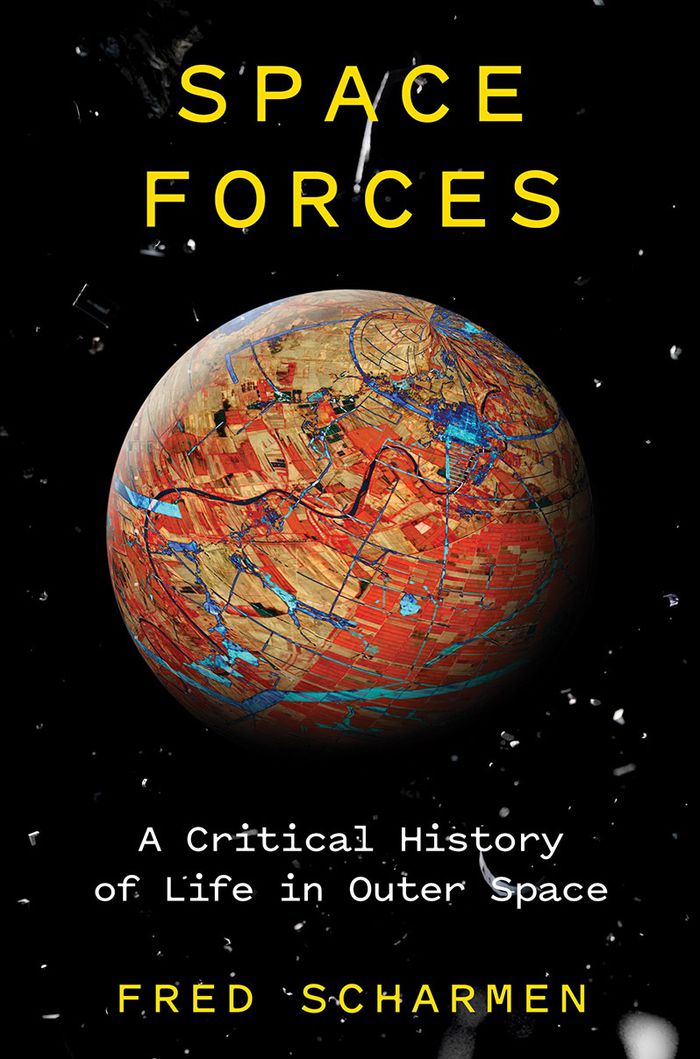
Many societies have imagined going to live in space. What they want to do once they get up there—whether conquering the unknown, establishing space ''colonies,'' privatising the moon’s resources—reveals more than expected. In this fascinating radical history of space exploration, Fred Scharmen shows that often science and fiction have combined in the imagined dreams of life in outer space, but these visions have real implications for life back on earth. For the Russian Cosmists of the 1890s space was a place to pursue human perfection away from the Earth. For others, such as Wernher Von Braun, it was an engineering task that combined, in the Space Race, the Cold War, and during World War II, with destructive geopolitics. Arthur C. Clarke, in his speculative books, offered an alternative vision of wonder that is indifferent to human interaction. Meanwhile NASA planned and managed the space station like an earthbound corporation. Today, the market has arrived into outer space and exploration is the plaything of superrich technology billionaires, who plan to privatise the mineral wealth for themselves. Are other worlds really possible? Bringing these figures and ideas together reveals a completely different story of our relationship with outer space, as well as the dangers of our current direction of extractive capitalism and colonisation.
Space forces: a critical history of life in outer space
Actions:
Price:
$35.95
(available to order)
Summary:
Many societies have imagined going to live in space. What they want to do once they get up there—whether conquering the unknown, establishing space ''colonies,'' privatising the moon’s resources—reveals more than expected. In this fascinating radical history of space exploration, Fred Scharmen shows that often science and fiction have combined in the imagined dreams of life in outer space, but these visions have real implications for life back on earth. For the Russian Cosmists of the 1890s space was a place to pursue human perfection away from the Earth. For others, such as Wernher Von Braun, it was an engineering task that combined, in the Space Race, the Cold War, and during World War II, with destructive geopolitics. Arthur C. Clarke, in his speculative books, offered an alternative vision of wonder that is indifferent to human interaction. Meanwhile NASA planned and managed the space station like an earthbound corporation. Today, the market has arrived into outer space and exploration is the plaything of superrich technology billionaires, who plan to privatise the mineral wealth for themselves. Are other worlds really possible? Bringing these figures and ideas together reveals a completely different story of our relationship with outer space, as well as the dangers of our current direction of extractive capitalism and colonisation.
Form:
books
books
Publication:
November 2021
November 2021
Subject:
Architectural Theory
Architectural Theory
Form:
books
books
Price:
$40.95
(available to order)
Summary:
Vast interior spaces have become ubiquitous in the contemporary city. The soaring atriums and concourses of mega-hotels, shopping malls and transport interchanges define an increasingly normal experience of being 'inside' in a city. Yet such spaces are also subject to intense criticism and claims that they can destroy the quality of a city's authentic life 'on the(...)
$40.95
(available to order)
Summary:
Vast interior spaces have become ubiquitous in the contemporary city. The soaring atriums and concourses of mega-hotels, shopping malls and transport interchanges define an increasingly normal experience of being 'inside' in a city. Yet such spaces are also subject to intense criticism and claims that they can destroy the quality of a city's authentic life 'on the(...)
Title:
Interior urbanism: architecture, John Portman and downtown America
Actions:
Price:
$40.95
(available to order)
Summary:
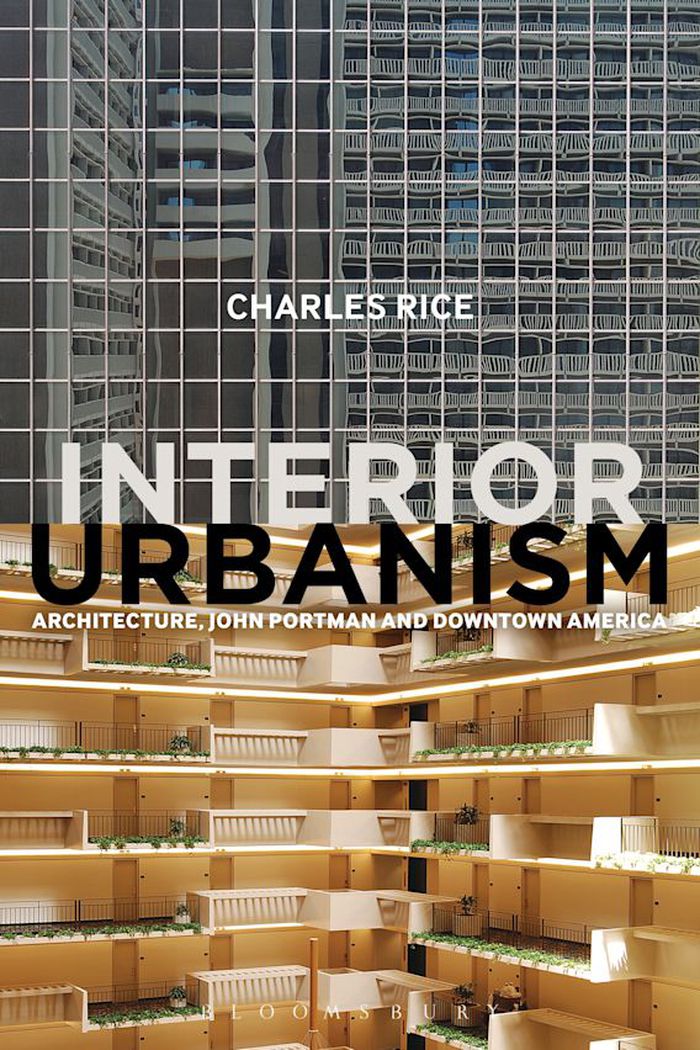
Vast interior spaces have become ubiquitous in the contemporary city. The soaring atriums and concourses of mega-hotels, shopping malls and transport interchanges define an increasingly normal experience of being 'inside' in a city. Yet such spaces are also subject to intense criticism and claims that they can destroy the quality of a city's authentic life 'on the outside'. ''Interior Urbanism'' explores the roots of this contemporary tension between inside and outside, identifying and analysing the concept of interior urbanism and tracing its history back to the works of John Portman and Associates in 1960s and 70s America. Portman – increasingly recognised as an influential yet understudied figure – was responsible for projects such as Peachtree Center in Atlanta and the Los Angeles Bonaventure Hotel, developments that employed vast internal atriums to define a world of possibilities not just for hotels and commercial spaces, but for the future of the American downtown amid the upheavals of the 1960s and 70s. The book analyses Portman's architecture in order to reconsider major contexts of debate in architecture and urbanism in this period, including the massive expansion of a commercial imperative in architecture, shifts in the governance and development of cities amid social and economic instability, the rise of postmodernism and critical urban studies, and the defence of the street and public space amid the continual upheavals of urban development. In this way the book reconsiders the American city at a crucial time in its development, identifying lessons for how we consider the forces at work, and the spaces produced, in cities in the present.
Interior urbanism: architecture, John Portman and downtown America
Actions:
Price:
$40.95
(available to order)
Summary:
Vast interior spaces have become ubiquitous in the contemporary city. The soaring atriums and concourses of mega-hotels, shopping malls and transport interchanges define an increasingly normal experience of being 'inside' in a city. Yet such spaces are also subject to intense criticism and claims that they can destroy the quality of a city's authentic life 'on the outside'. ''Interior Urbanism'' explores the roots of this contemporary tension between inside and outside, identifying and analysing the concept of interior urbanism and tracing its history back to the works of John Portman and Associates in 1960s and 70s America. Portman – increasingly recognised as an influential yet understudied figure – was responsible for projects such as Peachtree Center in Atlanta and the Los Angeles Bonaventure Hotel, developments that employed vast internal atriums to define a world of possibilities not just for hotels and commercial spaces, but for the future of the American downtown amid the upheavals of the 1960s and 70s. The book analyses Portman's architecture in order to reconsider major contexts of debate in architecture and urbanism in this period, including the massive expansion of a commercial imperative in architecture, shifts in the governance and development of cities amid social and economic instability, the rise of postmodernism and critical urban studies, and the defence of the street and public space amid the continual upheavals of urban development. In this way the book reconsiders the American city at a crucial time in its development, identifying lessons for how we consider the forces at work, and the spaces produced, in cities in the present.
Form:
books
books
Publication:
August 2016
August 2016
Subject:
Architectural Theory
Architectural Theory
Form:
books
books
Title:
Sandfuture
Sandfuture
Actions:
Price:
$33.95
(available to order)
Summary:
'Sandfuture' is a book about the life of the architect Minoru Yamasaki (1912–1986), who remains on the margins of history despite the enormous influence of his work on American architecture and society. That Yamasaki’s most famous projects — the Pruitt-Igoe apartments in St. Louis and the original World Trade Center in New York — were both destroyed on national(...)
$33.95
(available to order)
Summary:
'Sandfuture' is a book about the life of the architect Minoru Yamasaki (1912–1986), who remains on the margins of history despite the enormous influence of his work on American architecture and society. That Yamasaki’s most famous projects — the Pruitt-Igoe apartments in St. Louis and the original World Trade Center in New York — were both destroyed on national(...)
Title:
Sandfuture
Actions:
Price:
$33.95
(available to order)
Summary:
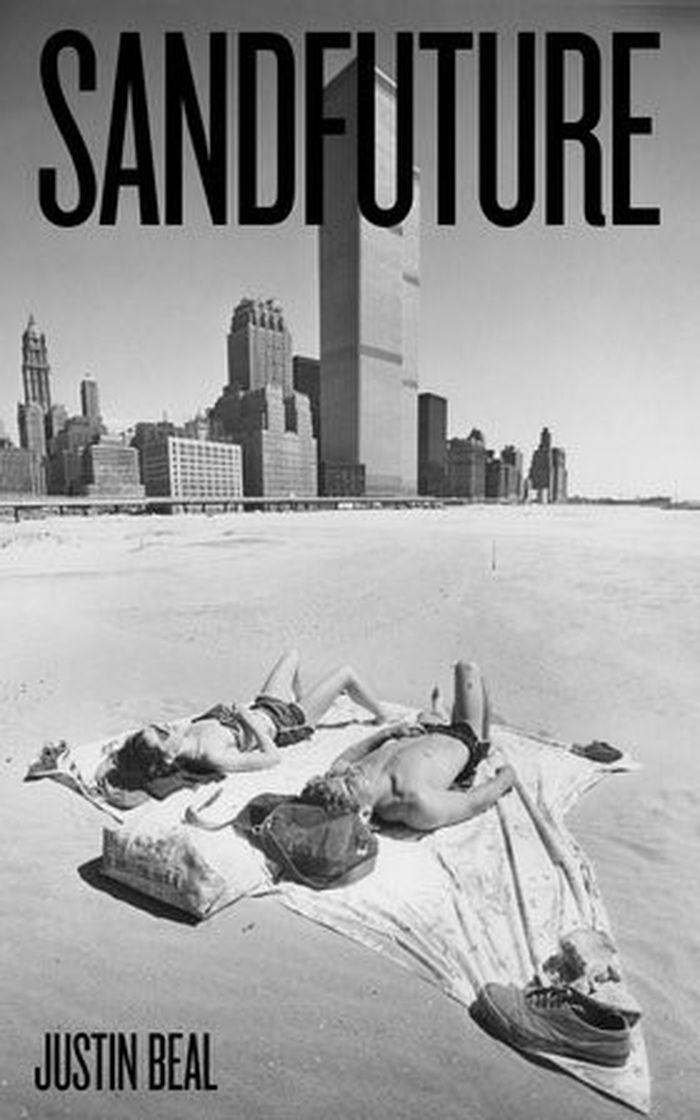
'Sandfuture' is a book about the life of the architect Minoru Yamasaki (1912–1986), who remains on the margins of history despite the enormous influence of his work on American architecture and society. That Yamasaki’s most famous projects — the Pruitt-Igoe apartments in St. Louis and the original World Trade Center in New York — were both destroyed on national television, thirty years apart, makes his relative obscurity all the more remarkable. 'Sandfuture' is also a book about an artist interrogating art and architecture’s role in culture as New York changes drastically after a decade bracketed by terrorism and natural disaster. From the central thread of Yamasaki’s life, 'Sandfuture' spirals outward to include reflections on a wide range of subjects, from the figure of the architect in literature and film and transformations in the contemporary art market to the perils of sick buildings and the broader social and political implications of how, and for whom, cities are built.
Sandfuture
Actions:
Price:
$33.95
(available to order)
Summary:
'Sandfuture' is a book about the life of the architect Minoru Yamasaki (1912–1986), who remains on the margins of history despite the enormous influence of his work on American architecture and society. That Yamasaki’s most famous projects — the Pruitt-Igoe apartments in St. Louis and the original World Trade Center in New York — were both destroyed on national television, thirty years apart, makes his relative obscurity all the more remarkable. 'Sandfuture' is also a book about an artist interrogating art and architecture’s role in culture as New York changes drastically after a decade bracketed by terrorism and natural disaster. From the central thread of Yamasaki’s life, 'Sandfuture' spirals outward to include reflections on a wide range of subjects, from the figure of the architect in literature and film and transformations in the contemporary art market to the perils of sick buildings and the broader social and political implications of how, and for whom, cities are built.
Form:
books
books
Publication:
September 2021
September 2021
Subject:
Architectural Theory
Architectural Theory


