


2221 Results
Form:
books
books
Price:
$24.95
(available in store)
Summary:
The 2020 murder of George Floyd in Minneapolis led to the closure of the Tate Britain restaurant in London, which had advertised its 55-foot-long racist mural from the 1920s as "the most amusing room in Europe" Suddenly it was obvious. Flooded by Mail introduces strategies of antihegemonic amateur collecting and examines why the killing of a Black man by U.S. police in(...)
$24.95
(available in store)
Summary:
The 2020 murder of George Floyd in Minneapolis led to the closure of the Tate Britain restaurant in London, which had advertised its 55-foot-long racist mural from the 1920s as "the most amusing room in Europe" Suddenly it was obvious. Flooded by Mail introduces strategies of antihegemonic amateur collecting and examines why the killing of a Black man by U.S. police in(...)
Subject:
Architectural Theory
Architectural Theory
Publication:
December 2025
December 2025
Title:
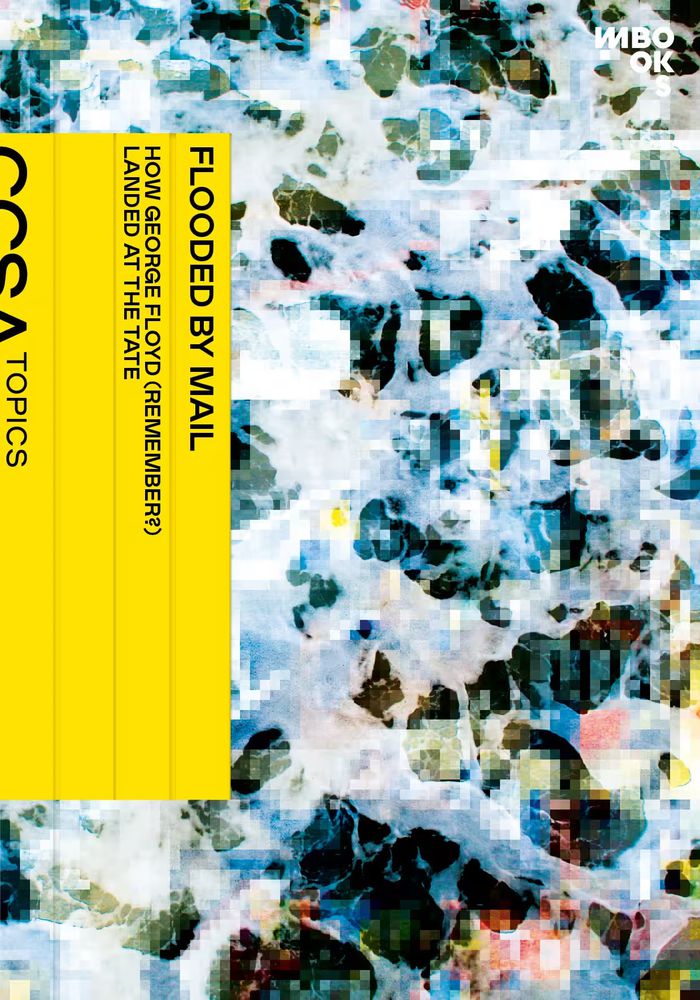
Flooded by mail: How George Floyd (remember?) landed at the Tate
Actions:
Price:
$24.95
(available in store)
Summary:
The 2020 murder of George Floyd in Minneapolis led to the closure of the Tate Britain restaurant in London, which had advertised its 55-foot-long racist mural from the 1920s as "the most amusing room in Europe" Suddenly it was obvious. Flooded by Mail introduces strategies of antihegemonic amateur collecting and examines why the killing of a Black man by U.S. police in public implicates us in Europe. A number of objects found online are useful for this task: the trial minting of a coin commemorating the collapse of the Cologne City Archive that never entered circulation, a board game from a 1932 German film, stock photos and generic copperplate engravings from the same family over centuries, Köllnflocken trading cards, postcards from a wall in Morocco, a procession in Cologne and a possessed harbor in Spain, and a 1970s conceptualist installation with postcards of rough seas along the British coast.
Flooded by mail: How George Floyd (remember?) landed at the Tate
Actions:
Price:
$24.95
(available in store)
Summary:
The 2020 murder of George Floyd in Minneapolis led to the closure of the Tate Britain restaurant in London, which had advertised its 55-foot-long racist mural from the 1920s as "the most amusing room in Europe" Suddenly it was obvious. Flooded by Mail introduces strategies of antihegemonic amateur collecting and examines why the killing of a Black man by U.S. police in public implicates us in Europe. A number of objects found online are useful for this task: the trial minting of a coin commemorating the collapse of the Cologne City Archive that never entered circulation, a board game from a 1932 German film, stock photos and generic copperplate engravings from the same family over centuries, Köllnflocken trading cards, postcards from a wall in Morocco, a procession in Cologne and a possessed harbor in Spain, and a 1970s conceptualist installation with postcards of rough seas along the British coast.
Form:
books
books
Publication:
December 2025
December 2025
Subject:
Architectural Theory
Architectural Theory
Form:
books
books
Actions:
Price:
$38.95
(available to order)
Summary:
During US colonial rule in the Philippines, reinforced concrete was used to the near exclusion of all other building materials. In Concrete Colonialism , Diana Jean S. Martinez examines the motivations for and lasting effects of this forgotten colonial policy. Arguing that the pervasive use of reinforced concrete technologies revolutionized techniques of imperial(...)
$38.95
(available to order)
Summary:
During US colonial rule in the Philippines, reinforced concrete was used to the near exclusion of all other building materials. In Concrete Colonialism , Diana Jean S. Martinez examines the motivations for and lasting effects of this forgotten colonial policy. Arguing that the pervasive use of reinforced concrete technologies revolutionized techniques of imperial(...)
Title:
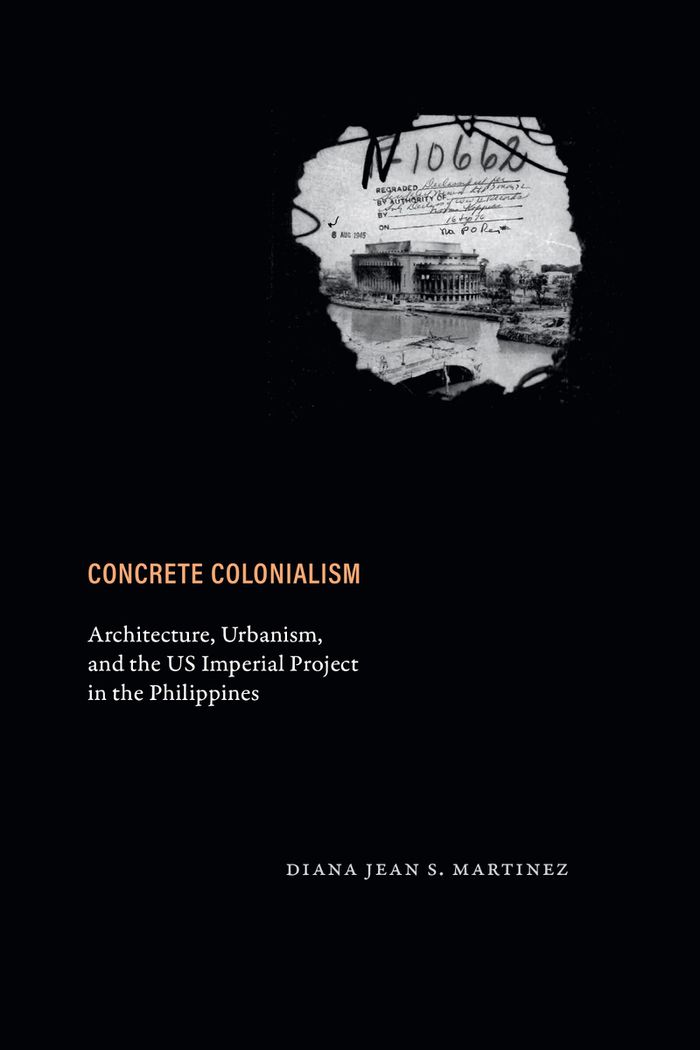
Concrete colonialism: Architecture, urbanism, and the US imperial project in the Philippines
Actions:
Price:
$38.95
(available to order)
Summary:
During US colonial rule in the Philippines, reinforced concrete was used to the near exclusion of all other building materials. In Concrete Colonialism , Diana Jean S. Martinez examines the motivations for and lasting effects of this forgotten colonial policy. Arguing that the pervasive use of reinforced concrete technologies revolutionized techniques of imperial conquest, Martinez shows how concrete reshaped colonialism as a project that sought durable change through the reformation of environments, colonial society, and racialized biologies. Martinez locates the origins of this material revolution in the development of Chicago, highlighting how building this urban center atop exceptionally challenging geology made it possible to transform diverse global ecologies. She details how the material's stability, plasticity, strength, and other qualities served the shifting imperatives of the US colonial regime, playing a central role in defending territory, controlling disease, and constructing monuments to nation and empire. By describing a world irreversibly remade, Martinez urges readers to consider how colonialism persists--in concrete forms--despite claims of its conclusion.
Concrete colonialism: Architecture, urbanism, and the US imperial project in the Philippines
Actions:
Price:
$38.95
(available to order)
Summary:
During US colonial rule in the Philippines, reinforced concrete was used to the near exclusion of all other building materials. In Concrete Colonialism , Diana Jean S. Martinez examines the motivations for and lasting effects of this forgotten colonial policy. Arguing that the pervasive use of reinforced concrete technologies revolutionized techniques of imperial conquest, Martinez shows how concrete reshaped colonialism as a project that sought durable change through the reformation of environments, colonial society, and racialized biologies. Martinez locates the origins of this material revolution in the development of Chicago, highlighting how building this urban center atop exceptionally challenging geology made it possible to transform diverse global ecologies. She details how the material's stability, plasticity, strength, and other qualities served the shifting imperatives of the US colonial regime, playing a central role in defending territory, controlling disease, and constructing monuments to nation and empire. By describing a world irreversibly remade, Martinez urges readers to consider how colonialism persists--in concrete forms--despite claims of its conclusion.
Form:
books
books
Publication:
October 2025
October 2025
Subject:
Architectural Theory
Architectural Theory
Form:
books
books
Actions:
Price:
$35.95
(available in store)
Summary:
Architecture, as we know it, is in crisis. The authority of architects is crumbling, their methods no longer tenable. In a highly critical introspection, architect and writer Reinier de Graaf explores the tough choices ahead and the course of action that must follow. ''Architecture Against Architecture'' demands we rethink both how and why we build. With wit and(...)
$35.95
(available in store)
Summary:
Architecture, as we know it, is in crisis. The authority of architects is crumbling, their methods no longer tenable. In a highly critical introspection, architect and writer Reinier de Graaf explores the tough choices ahead and the course of action that must follow. ''Architecture Against Architecture'' demands we rethink both how and why we build. With wit and(...)
Title:
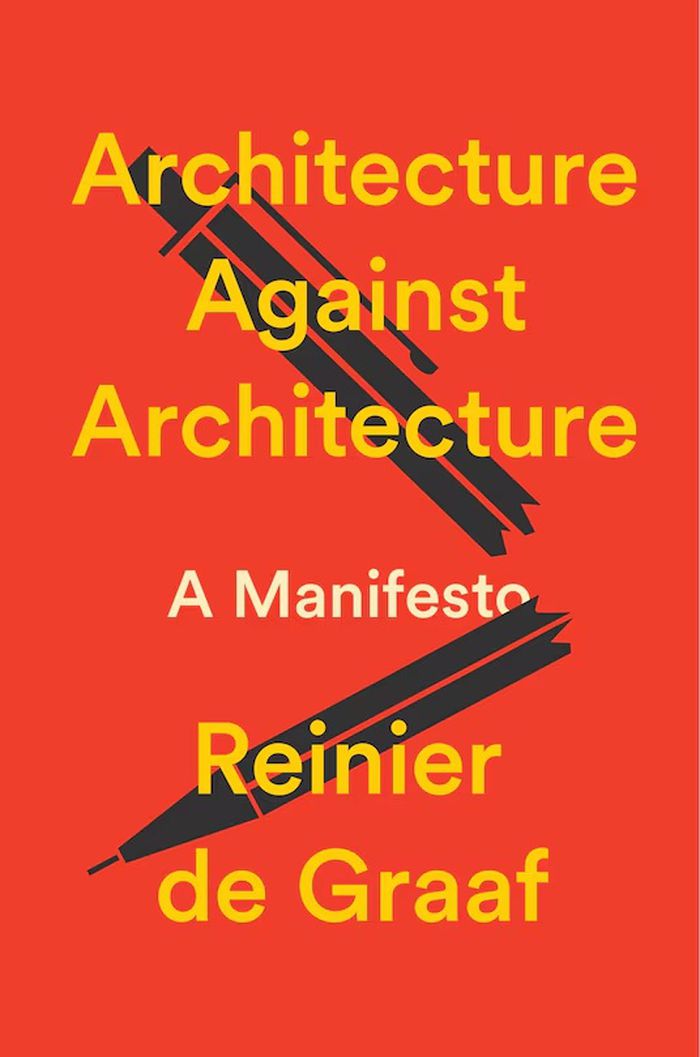
Architecture against architecture: A manifesto
Actions:
Price:
$35.95
(available in store)
Summary:
Architecture, as we know it, is in crisis. The authority of architects is crumbling, their methods no longer tenable. In a highly critical introspection, architect and writer Reinier de Graaf explores the tough choices ahead and the course of action that must follow. ''Architecture Against Architecture'' demands we rethink both how and why we build. With wit and insight, De Graaf lays out the future of the profession, challenging readers to question the fundamental assumptions of the discipline. How do we end the feudal veneration of starchitects? When will architects finally recognize that it is in their own best interest to unionize? Why aren’t more practices collectively owned? Why do so many architects over sixty-seven refuse to retire? How do we stop buildings from being copy-righted? What will remain of architecture after AI? What can prevent iconic structures from being embroiled in money laundering? And the vital question: What projects should architects refuse on moral grounds?
Architecture against architecture: A manifesto
Actions:
Price:
$35.95
(available in store)
Summary:
Architecture, as we know it, is in crisis. The authority of architects is crumbling, their methods no longer tenable. In a highly critical introspection, architect and writer Reinier de Graaf explores the tough choices ahead and the course of action that must follow. ''Architecture Against Architecture'' demands we rethink both how and why we build. With wit and insight, De Graaf lays out the future of the profession, challenging readers to question the fundamental assumptions of the discipline. How do we end the feudal veneration of starchitects? When will architects finally recognize that it is in their own best interest to unionize? Why aren’t more practices collectively owned? Why do so many architects over sixty-seven refuse to retire? How do we stop buildings from being copy-righted? What will remain of architecture after AI? What can prevent iconic structures from being embroiled in money laundering? And the vital question: What projects should architects refuse on moral grounds?
Form:
books
books
Publication:
March 2026
March 2026
Subject:
Architectural Theory
Architectural Theory
Form:
books
books
Actions:
Price:
$80.00
(available in store)
Summary:
For centuries, women have influenced architecture worldwide by exerting power over space through their writing. By exploring a wide variety of sources, from diaries and travelogues to inventories and political pamphlets, this book expands architectural histories to include these women. Female spatial agencies are revealed using rare written sources, new methodologies, and(...)
$80.00
(available in store)
Summary:
For centuries, women have influenced architecture worldwide by exerting power over space through their writing. By exploring a wide variety of sources, from diaries and travelogues to inventories and political pamphlets, this book expands architectural histories to include these women. Female spatial agencies are revealed using rare written sources, new methodologies, and(...)
Title:
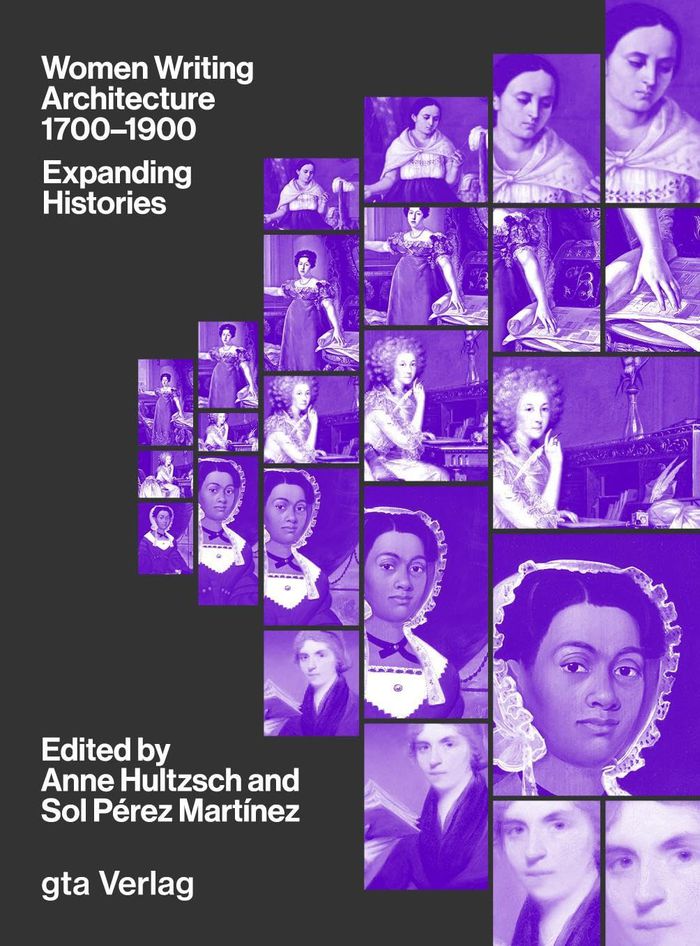
Women writing architecture 1700-1900
Actions:
Price:
$80.00
(available in store)
Summary:
For centuries, women have influenced architecture worldwide by exerting power over space through their writing. By exploring a wide variety of sources, from diaries and travelogues to inventories and political pamphlets, this book expands architectural histories to include these women. Female spatial agencies are revealed using rare written sources, new methodologies, and in-depth re-readings of canonical histories. Women from all walks of life, writing as clients, users, or critics, are relevant voices for understanding the built environment’s past. Examining specific spaces such as churches, homes, gardens, or boulevards, it proposes a novel take on feminist historiographies.
Women writing architecture 1700-1900
Actions:
Price:
$80.00
(available in store)
Summary:
For centuries, women have influenced architecture worldwide by exerting power over space through their writing. By exploring a wide variety of sources, from diaries and travelogues to inventories and political pamphlets, this book expands architectural histories to include these women. Female spatial agencies are revealed using rare written sources, new methodologies, and in-depth re-readings of canonical histories. Women from all walks of life, writing as clients, users, or critics, are relevant voices for understanding the built environment’s past. Examining specific spaces such as churches, homes, gardens, or boulevards, it proposes a novel take on feminist historiographies.
Form:
books
books
Publication:
December 2025
December 2025
Subject:
Architectural Theory
Architectural Theory
Form:
books
books
Actions:
Price:
$65.00
(available in store)
Summary:
Georges Teyssot, parmi les plus prolifiques théoriciens contemporains de l’architecture, s’est distingué par ses réflexions sur les rapports entre architecture, corps et technologie. Ses activités d’enseignement l’ont mené de Venise (IUAV) à Princeton (Princeton University), puis à Québec (Université Laval). Ses écrits, nourris par la philosophie, les sciences et(...)
$65.00
(available in store)
Summary:
Georges Teyssot, parmi les plus prolifiques théoriciens contemporains de l’architecture, s’est distingué par ses réflexions sur les rapports entre architecture, corps et technologie. Ses activités d’enseignement l’ont mené de Venise (IUAV) à Princeton (Princeton University), puis à Québec (Université Laval). Ses écrits, nourris par la philosophie, les sciences et(...)
Subject:
Architectural Theory
Architectural Theory
Publication:
December 2025
December 2025
Title:
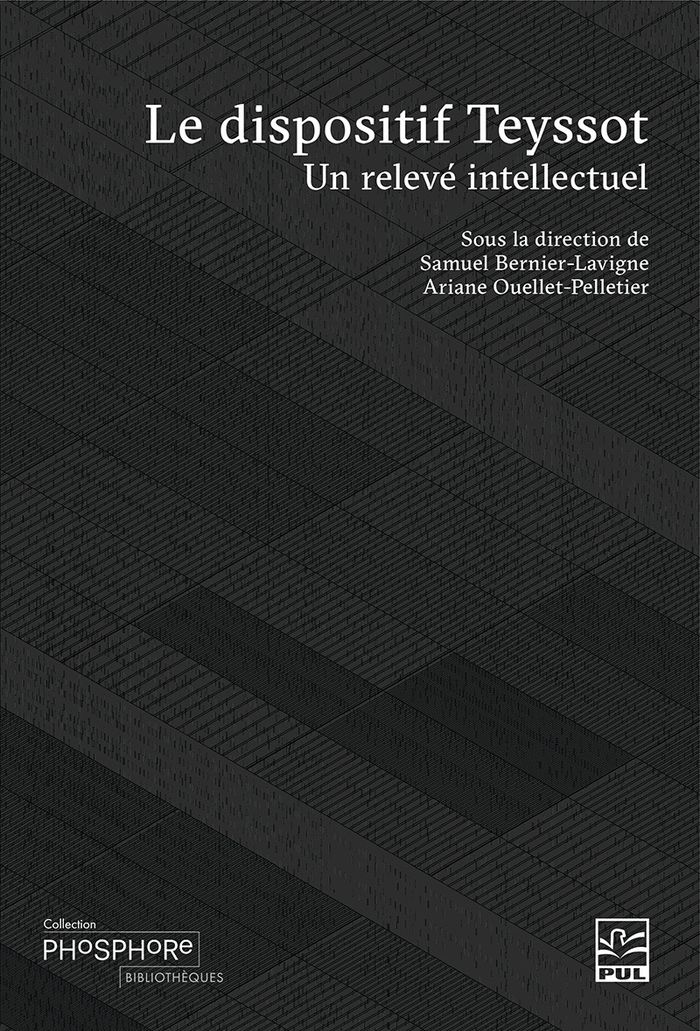
Le dispositif Teyssot : Un relevé intellectuel
Actions:
Price:
$65.00
(available in store)
Summary:
Georges Teyssot, parmi les plus prolifiques théoriciens contemporains de l’architecture, s’est distingué par ses réflexions sur les rapports entre architecture, corps et technologie. Ses activités d’enseignement l’ont mené de Venise (IUAV) à Princeton (Princeton University), puis à Québec (Université Laval). Ses écrits, nourris par la philosophie, les sciences et l'histoire de l'art, ont profondément transformé la compréhension de l’architecture à travers des concepts novateurs sur la domesticité, les paysages et la techno-esthétique. "Le dispositif Teyssot: un relevé intellectuel" prend comme point de départ la bibliothèque personnelle du théoricien, composée de 7191 ouvrages, laquelle se révèle être bien plus qu’une simple collection : elle constitue un véritable dispositif intellectuel. Ce vaste réseau de savoirs, soigneusement répertorié, éclaire les multiples influences l’ayant nourri et inspire ici d’anciens collaborateurs et collègues qui proposent des regards critiques sur les concepts clés de son œuvre tout en suggérant de nouvelles perspectives.
Le dispositif Teyssot : Un relevé intellectuel
Actions:
Price:
$65.00
(available in store)
Summary:
Georges Teyssot, parmi les plus prolifiques théoriciens contemporains de l’architecture, s’est distingué par ses réflexions sur les rapports entre architecture, corps et technologie. Ses activités d’enseignement l’ont mené de Venise (IUAV) à Princeton (Princeton University), puis à Québec (Université Laval). Ses écrits, nourris par la philosophie, les sciences et l'histoire de l'art, ont profondément transformé la compréhension de l’architecture à travers des concepts novateurs sur la domesticité, les paysages et la techno-esthétique. "Le dispositif Teyssot: un relevé intellectuel" prend comme point de départ la bibliothèque personnelle du théoricien, composée de 7191 ouvrages, laquelle se révèle être bien plus qu’une simple collection : elle constitue un véritable dispositif intellectuel. Ce vaste réseau de savoirs, soigneusement répertorié, éclaire les multiples influences l’ayant nourri et inspire ici d’anciens collaborateurs et collègues qui proposent des regards critiques sur les concepts clés de son œuvre tout en suggérant de nouvelles perspectives.
Form:
books
books
Publication:
December 2025
December 2025
Subject:
Architectural Theory
Architectural Theory
Form:
books
books
Actions:
Price:
$20.00
(available to order)
Summary:
Déserter et combattre les logiques néolibérales prédatrices en architecture, c’est possible, mais comment fait-on pour ce que ces pratiques plus expérimentales assurent notre subsistance au quotidien ? Comment gagner sa vie tout en répondant aux enjeux climatiques et sociaux qui sont désormais enseignés dans les écoles d’architecture ? Peuvent-elles professionnaliser à(...)
$20.00
(available to order)
Summary:
Déserter et combattre les logiques néolibérales prédatrices en architecture, c’est possible, mais comment fait-on pour ce que ces pratiques plus expérimentales assurent notre subsistance au quotidien ? Comment gagner sa vie tout en répondant aux enjeux climatiques et sociaux qui sont désormais enseignés dans les écoles d’architecture ? Peuvent-elles professionnaliser à(...)
Title:
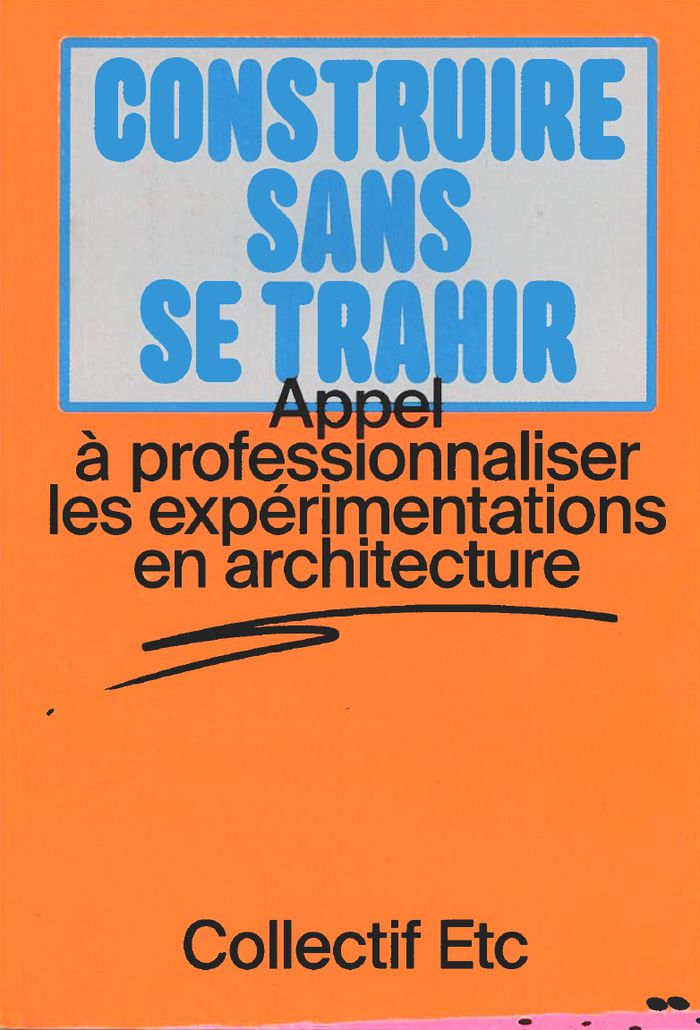
Construire sans se trahir : Appel à professionaliser les expérimentations en architecture
Actions:
Price:
$20.00
(available to order)
Summary:
Déserter et combattre les logiques néolibérales prédatrices en architecture, c’est possible, mais comment fait-on pour ce que ces pratiques plus expérimentales assurent notre subsistance au quotidien ? Comment gagner sa vie tout en répondant aux enjeux climatiques et sociaux qui sont désormais enseignés dans les écoles d’architecture ? Peuvent-elles professionnaliser à d’autres métiers que la maitrise d’œuvre ? Comment donner des outils concrets pour aider de jeunes diplômées à bousculer les cadres de commandes et à réinsuffler de l’utilité publique ? Le désir est là, brûlant même, les injonctions et inspirations théoriques ne manquent pas, mais nous avons surtout besoin aujourd’hui de pragmatisme à associer à notre joie militante.
Construire sans se trahir : Appel à professionaliser les expérimentations en architecture
Actions:
Price:
$20.00
(available to order)
Summary:
Déserter et combattre les logiques néolibérales prédatrices en architecture, c’est possible, mais comment fait-on pour ce que ces pratiques plus expérimentales assurent notre subsistance au quotidien ? Comment gagner sa vie tout en répondant aux enjeux climatiques et sociaux qui sont désormais enseignés dans les écoles d’architecture ? Peuvent-elles professionnaliser à d’autres métiers que la maitrise d’œuvre ? Comment donner des outils concrets pour aider de jeunes diplômées à bousculer les cadres de commandes et à réinsuffler de l’utilité publique ? Le désir est là, brûlant même, les injonctions et inspirations théoriques ne manquent pas, mais nous avons surtout besoin aujourd’hui de pragmatisme à associer à notre joie militante.
Form:
books
books
Publication:
January 2026
January 2026
Subject:
Architectural Theory
Architectural Theory
Form:
books
books
Actions:
Price:
$65.00
(available to order)
Summary:
Kazuo Shinohara’s (1925–2006) book Residential Architecture is considered one of the most significant pieces of writing on Japanese architecture of the late twentieth century. First published in Japan in 1964 as Jutaku kenchiku, the book was mandatory reading for generations of students of architecture in Japan and has deeply influenced many of the best-known Japanese(...)
$65.00
(available to order)
Summary:
Kazuo Shinohara’s (1925–2006) book Residential Architecture is considered one of the most significant pieces of writing on Japanese architecture of the late twentieth century. First published in Japan in 1964 as Jutaku kenchiku, the book was mandatory reading for generations of students of architecture in Japan and has deeply influenced many of the best-known Japanese(...)
Subject:
Architectural Theory
Architectural Theory
Publication:
May 2026
May 2026
Title:
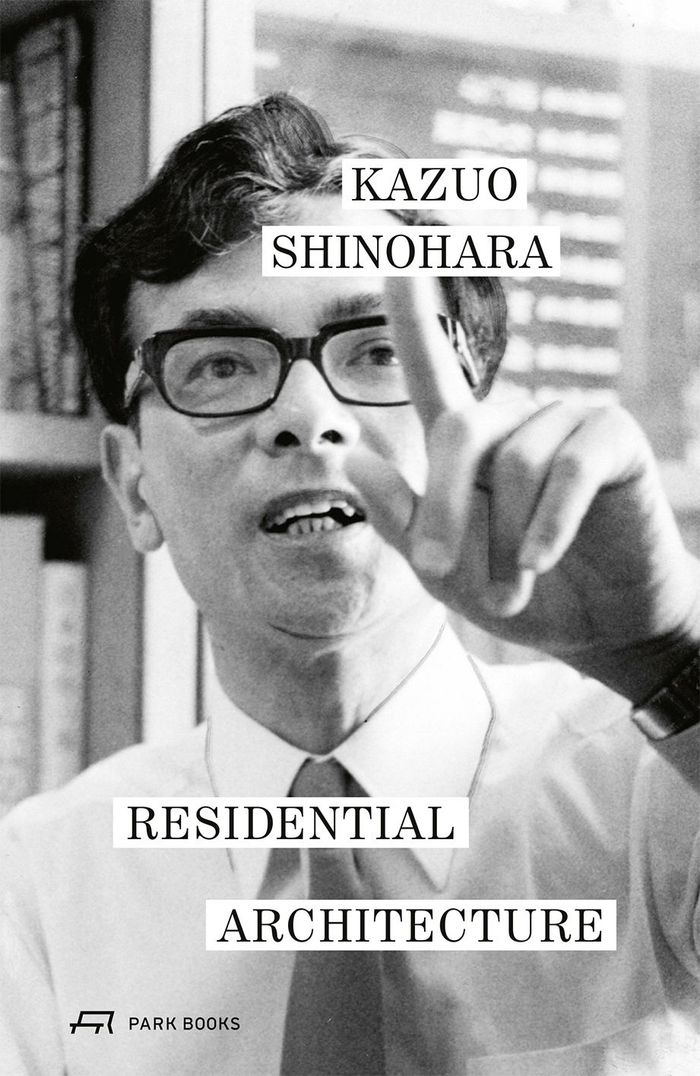
Residential architecture: Kazuo Shinohara
Actions:
Price:
$65.00
(available to order)
Summary:
Kazuo Shinohara’s (1925–2006) book Residential Architecture is considered one of the most significant pieces of writing on Japanese architecture of the late twentieth century. First published in Japan in 1964 as Jutaku kenchiku, the book was mandatory reading for generations of students of architecture in Japan and has deeply influenced many of the best-known Japanese designers, such as Toyo Ito, Kazuyo Sejima, Ryue Nishizawa, and others. Translated by architectural historian David B. Stewart (1942–2025) and architects Shin-ichi Okuyama (born 1961) and Kenichi Nakamura (born 1958), Shinohara’s reflections on housing are available in English for the first time, making multifaceted insights into the fundamentals of his outstanding work accessible to a global audience. In the first of three chapters, Shinohara writes about traditional Japanese architecture, thus explaining the foundation of his theory and practice, followed by a description of his design method, which he further illustrates through the examples of his first seven designs for homes.
Residential architecture: Kazuo Shinohara
Actions:
Price:
$65.00
(available to order)
Summary:
Kazuo Shinohara’s (1925–2006) book Residential Architecture is considered one of the most significant pieces of writing on Japanese architecture of the late twentieth century. First published in Japan in 1964 as Jutaku kenchiku, the book was mandatory reading for generations of students of architecture in Japan and has deeply influenced many of the best-known Japanese designers, such as Toyo Ito, Kazuyo Sejima, Ryue Nishizawa, and others. Translated by architectural historian David B. Stewart (1942–2025) and architects Shin-ichi Okuyama (born 1961) and Kenichi Nakamura (born 1958), Shinohara’s reflections on housing are available in English for the first time, making multifaceted insights into the fundamentals of his outstanding work accessible to a global audience. In the first of three chapters, Shinohara writes about traditional Japanese architecture, thus explaining the foundation of his theory and practice, followed by a description of his design method, which he further illustrates through the examples of his first seven designs for homes.
Form:
books
books
Publication:
May 2026
May 2026
Subject:
Architectural Theory
Architectural Theory
Form:
books
books
Actions:
Price:
$35.95
(available in store)
Summary:
Some of the largest architecture firms have effectively become war corporations. At the same time as designing Olympic parks and world-famous buildings, they have constructed military bases, maintained weaponry, and trained personnel for wars in which hundreds of thousands of people have been killed. In some conflicts, the same firms have been contracted from invasion to(...)
$35.95
(available in store)
Summary:
Some of the largest architecture firms have effectively become war corporations. At the same time as designing Olympic parks and world-famous buildings, they have constructed military bases, maintained weaponry, and trained personnel for wars in which hundreds of thousands of people have been killed. In some conflicts, the same firms have been contracted from invasion to(...)
Title:
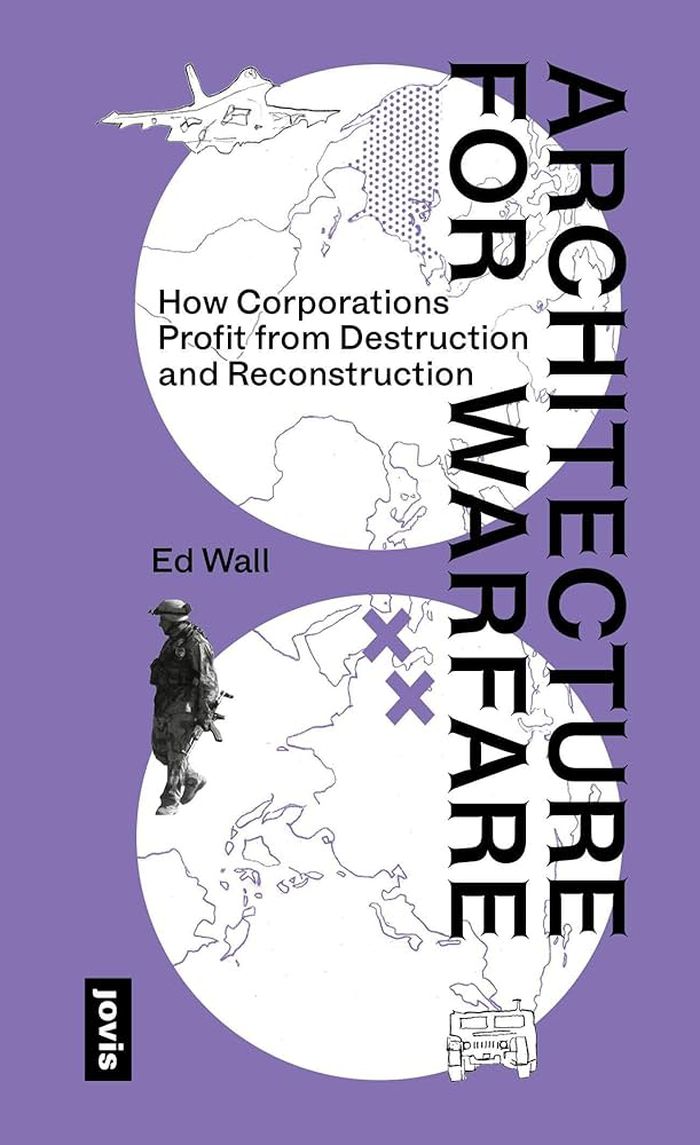
Architecture for warfare: How corporations profit from destruction and rerconstruction
Actions:
Price:
$35.95
(available in store)
Summary:
Some of the largest architecture firms have effectively become war corporations. At the same time as designing Olympic parks and world-famous buildings, they have constructed military bases, maintained weaponry, and trained personnel for wars in which hundreds of thousands of people have been killed. In some conflicts, the same firms have been contracted from invasion to reconstruction, including facilitating military attacks, rebuilding war-damaged infrastructure, and establishing new governments. Architecture for Warfare tells the story of a form of multidisciplinary corporation that employs architects skilled in designing structures alongside former military personnel with experience handling live-fire weapons. It highlights the tensions and contradictions within these architecture-led firms that claim to make the world a better place. The book combines personal narrative with detailed research to reveal unsettling relations between design, planning, and armed conflict.
Architecture for warfare: How corporations profit from destruction and rerconstruction
Actions:
Price:
$35.95
(available in store)
Summary:
Some of the largest architecture firms have effectively become war corporations. At the same time as designing Olympic parks and world-famous buildings, they have constructed military bases, maintained weaponry, and trained personnel for wars in which hundreds of thousands of people have been killed. In some conflicts, the same firms have been contracted from invasion to reconstruction, including facilitating military attacks, rebuilding war-damaged infrastructure, and establishing new governments. Architecture for Warfare tells the story of a form of multidisciplinary corporation that employs architects skilled in designing structures alongside former military personnel with experience handling live-fire weapons. It highlights the tensions and contradictions within these architecture-led firms that claim to make the world a better place. The book combines personal narrative with detailed research to reveal unsettling relations between design, planning, and armed conflict.
Form:
books
books
Publication:
April 2026
April 2026
Subject:
Architectural Theory
Architectural Theory
Form:
books
books
Actions:
Price:
$116.95
(available to order)
Summary:
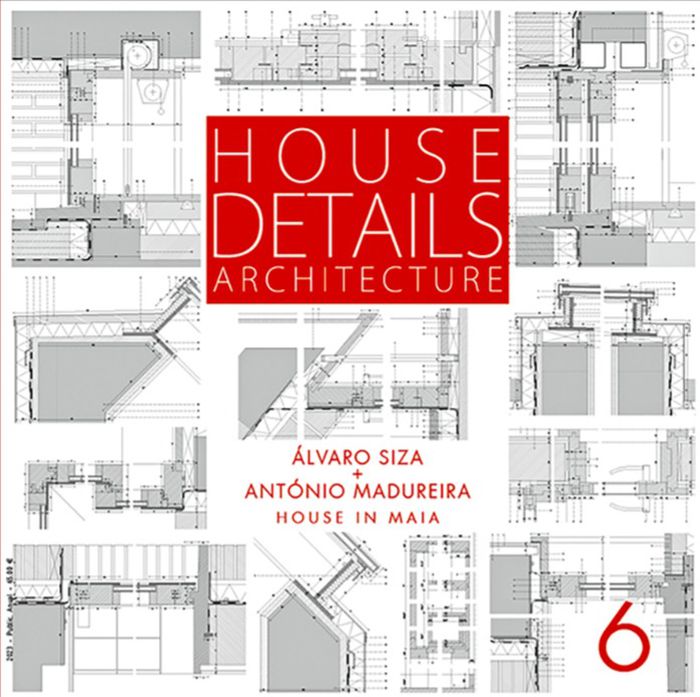
This edition of House Details is dedicated to ''House in Maia'', a project carried out by Álvaro Siza and António Madureira. It features hundreds of scale technical drawings, raised hand drawings and work records with selected photographs.
$116.95
(available to order)
Summary:
This edition of House Details is dedicated to ''House in Maia'', a project carried out by Álvaro Siza and António Madureira. It features hundreds of scale technical drawings, raised hand drawings and work records with selected photographs.
Title:
Álvaro Siza + Antónico Maduderira: House in Maia
Actions:
Price:
$116.95
(available to order)
Summary:
This edition of House Details is dedicated to ''House in Maia'', a project carried out by Álvaro Siza and António Madureira. It features hundreds of scale technical drawings, raised hand drawings and work records with selected photographs.
Álvaro Siza + Antónico Maduderira: House in Maia
Actions:
Price:
$116.95
(available to order)
Summary:
This edition of House Details is dedicated to ''House in Maia'', a project carried out by Álvaro Siza and António Madureira. It features hundreds of scale technical drawings, raised hand drawings and work records with selected photographs.
Form:
books
books
Publication:
January 2023
January 2023
Subject:
Architectural Theory
Architectural Theory
Form:
books
books
Actions:
Price:
$21.95
(available in store)
Summary:
We shower, cook and heat our homes. There is water, gas and electricity. We sit at a table, wash in a sink or rest on a couch. We are bodies among other bodies; living and dead, solid and fluid, raw and transformed, recognisable or in disguise. To live is to interact, but what are we interacting with? "The domestic encyclopaedia" is a collection of stories that explore(...)
$21.95
(available in store)
Summary:
We shower, cook and heat our homes. There is water, gas and electricity. We sit at a table, wash in a sink or rest on a couch. We are bodies among other bodies; living and dead, solid and fluid, raw and transformed, recognisable or in disguise. To live is to interact, but what are we interacting with? "The domestic encyclopaedia" is a collection of stories that explore(...)
Title:
Domestic encyclopaedia: Oblique encounters of domestic space
Actions:
Price:
$21.95
(available in store)
Summary:
We shower, cook and heat our homes. There is water, gas and electricity. We sit at a table, wash in a sink or rest on a couch. We are bodies among other bodies; living and dead, solid and fluid, raw and transformed, recognisable or in disguise. To live is to interact, but what are we interacting with? "The domestic encyclopaedia" is a collection of stories that explore the material body of architecture, of houses. In the midst of ongoing ecological disaster and increased alienation from nature it invites you to travel beyond the screen, to practice attention and probe the nature of domestic space.
Domestic encyclopaedia: Oblique encounters of domestic space
Actions:
Price:
$21.95
(available in store)
Summary:
We shower, cook and heat our homes. There is water, gas and electricity. We sit at a table, wash in a sink or rest on a couch. We are bodies among other bodies; living and dead, solid and fluid, raw and transformed, recognisable or in disguise. To live is to interact, but what are we interacting with? "The domestic encyclopaedia" is a collection of stories that explore the material body of architecture, of houses. In the midst of ongoing ecological disaster and increased alienation from nature it invites you to travel beyond the screen, to practice attention and probe the nature of domestic space.
Form:
books
books
Publication:
May 2026
May 2026
Subject:
Architectural Theory
Architectural Theory


