


2244 Results
Form:
books
books

Title:
PIN-UP interviews
PIN-UP interviews
Actions:
Price:
$29.95
(available to order)
Summary:
PIN-UP Interviews is a compilation of over 50 of the most fascinating interviews from PIN-UP magazine since its first issue was published in October 2006. Serious, yet accessible, featuring the elegant and modern aesthetic PIN-UP’s readers have come to expect, there is no comparable source available for such an array of contemporary design talent collected in one place.(...)
Title:
PIN-UP interviews
Actions:
Price:
$29.95
(available to order)
Summary:
PIN-UP Interviews is a compilation of over 50 of the most fascinating interviews from PIN-UP magazine since its first issue was published in October 2006. Serious, yet accessible, featuring the elegant and modern aesthetic PIN-UP’s readers have come to expect, there is no comparable source available for such an array of contemporary design talent collected in one place. It is indispensable to all lovers of today’s brightest architectural and design ideas. PIN-UP Interviews is the first book produced by PIN-UP, the award-winning, New York-based, biannual architecture and design magazine. Cheekily dubbing itself the “Magazine for Architectural Entertainment,” PIN-UP features interviews with architects, designers, and artists, and presents their work informally—as a fun assembly of ideas, stories, and conversations, all paired with cutting-edge photography and artwork. Included in PIN-UP Interviews are architects such as David Adjaye, Shigeru Ban, David Chipperfield, Zaha Hadid, Junya Ishigami, and Rem Koolhaas.
Form:
books
books
Publication:
September 2013
September 2013
Subject:
Architectural Theory
Architectural Theory
Form:
books
books
Actions:
Price:
$43.00
(available to order)
Summary:
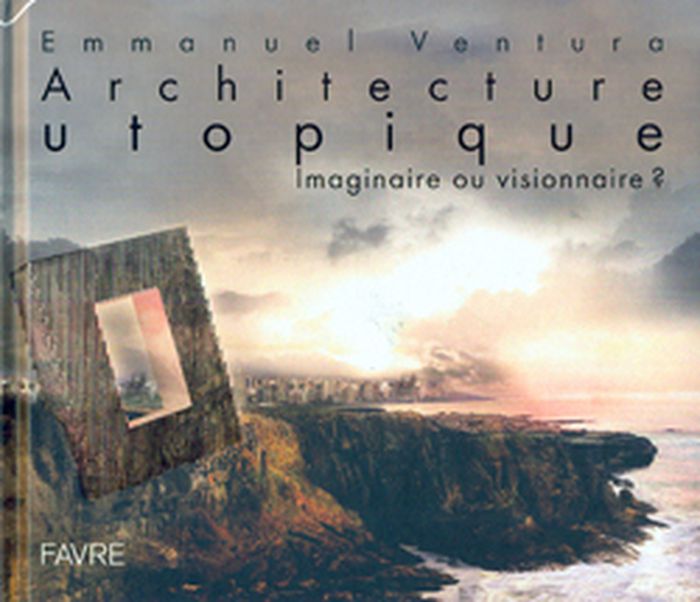
Ce livre entraîne le lecteur dans un voyage à la découverte d’architectures imaginaires ou visionnaires. La poésie du récit met en valeur les images de plus de 100 projets issus de l’esprit d’architectes du monde entier, qui nous montrent à quoi pourrait ressembler, peut-être, le monde de demain.
Title:
Architecture utopique: imaginaire ou visionnaire?
Actions:
Price:
$43.00
(available to order)
Summary:
Ce livre entraîne le lecteur dans un voyage à la découverte d’architectures imaginaires ou visionnaires. La poésie du récit met en valeur les images de plus de 100 projets issus de l’esprit d’architectes du monde entier, qui nous montrent à quoi pourrait ressembler, peut-être, le monde de demain.
Form:
books
books
Publication:
September 2013
September 2013
Subject:
Architectural Theory
Architectural Theory
Form:
books
books
Title:
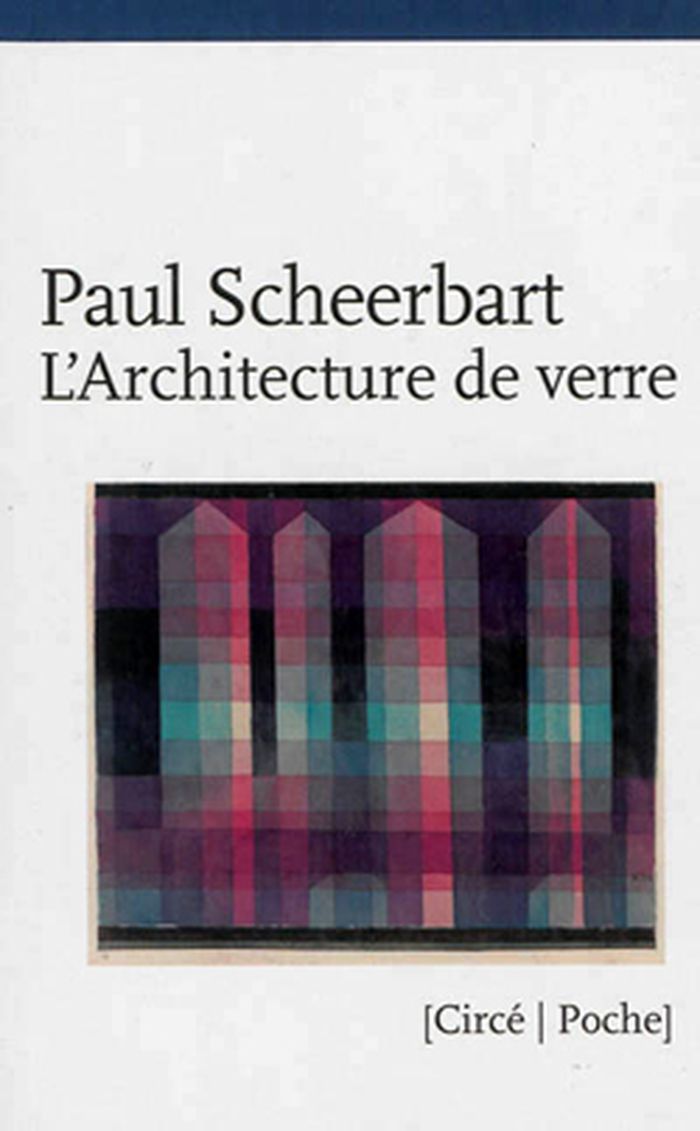
L'architecture de verre
L'architecture de verre
Actions:
Price:
$14.95
(available to order)
Summary:
Traduction de l'œuvre originale allemande parue en 1914.L’allégorie réaliste d’une architecture de verre à l’échelle de la planète entière développe peut-être seulement, à travers la multiplicité de ses descriptions savantes et minutieuses, cette simple leçon d’émancipation : l’humanité peut survivre, malgré tout, si elle sait accepter sa « pauvreté » avérée, c’est-à-dire(...)
Publication:
September 2013
September 2013
Title:
L'architecture de verre
Actions:
Price:
$14.95
(available to order)
Summary:
Traduction de l'œuvre originale allemande parue en 1914.L’allégorie réaliste d’une architecture de verre à l’échelle de la planète entière développe peut-être seulement, à travers la multiplicité de ses descriptions savantes et minutieuses, cette simple leçon d’émancipation : l’humanité peut survivre, malgré tout, si elle sait accepter sa « pauvreté » avérée, c’est-à-dire d’abord si elle sait se libérer de la passion des images de soi et des marques d’une puissance désormais dérisoire, si au-delà des propriétés, des clôtures, des replis et des capitalisations qui l’étouffent, elle parvient à inventer les formes d’accueil d’un Nouveau à venir, extérieur et mobile…
Form:
books
books
Publication:
September 2013
September 2013
Form:
books
books
Actions:
Price:
$35.00
(available to order)
Summary:
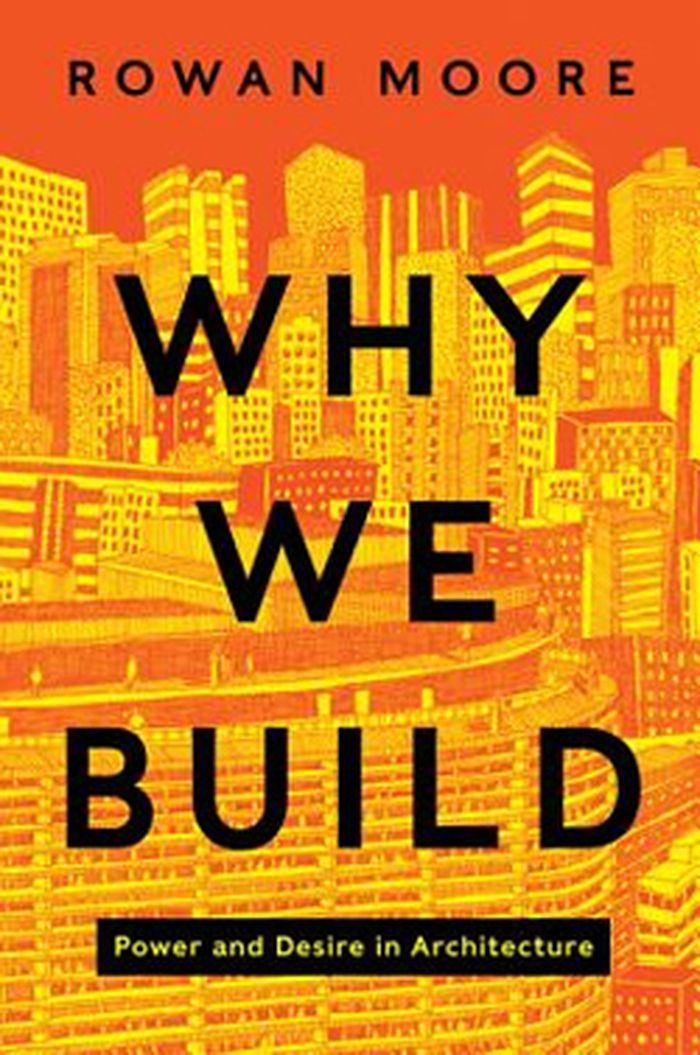
In an era of brash, expensive, provocative new buildings, critic Rowan Moore argues that emotions — hope, power, sex, our changing relationship to the idea of home — are the most powerful force behind architecture, yesterday and (especially) today.
$35.00
(available to order)
Summary:
In an era of brash, expensive, provocative new buildings, critic Rowan Moore argues that emotions — hope, power, sex, our changing relationship to the idea of home — are the most powerful force behind architecture, yesterday and (especially) today.
Title:
Why we build : power and desire in architecture
Actions:
Price:
$35.00
(available to order)
Summary:
In an era of brash, expensive, provocative new buildings, critic Rowan Moore argues that emotions — hope, power, sex, our changing relationship to the idea of home — are the most powerful force behind architecture, yesterday and (especially) today.
Form:
books
books
Publication:
September 2013
September 2013
Subject:
Architectural Theory
Architectural Theory
Form:
books
books
Actions:
Price:
$34.95
(available to order)
Summary:
L'architecture, selon la définition courante, existe avant tout pour être au service du corps. la question est de savoir comment se mettre complètement au service du corps. qui ne souhaiterait vivre dans un monde construit pour servir le corps au maximum? Mais la question est aussi de savoir ce qu'est le corps. Être au maximum au service du corps va inclure tout ce dont a(...)
Title:
Le corps architectural (we have decided not to die)
Actions:
Price:
$34.95
(available to order)
Summary:
L'architecture, selon la définition courante, existe avant tout pour être au service du corps. la question est de savoir comment se mettre complètement au service du corps. qui ne souhaiterait vivre dans un monde construit pour servir le corps au maximum? Mais la question est aussi de savoir ce qu'est le corps. Être au maximum au service du corps va inclure tout ce dont a besoin le corps et même plus. Le corps a pour mandat de repousser sa propre disparition et une architecture qui serait généreuse envers le corps, qui lui prodiguerait en abondance tout ce dont il semblerait avoir besoin, doit juger de son devoir de remplir ce mandat.
Form:
books
books
Publication:
October 2013
October 2013
Subject:
Architectural Theory
Architectural Theory
Form:
books
books
Actions:
Price:
$25.00
(available to order)
Summary:
Gregory Bateson was a philosopher, anthropologist, photographer, naturalist, and poet, as well as the husband and collaborator of Margaret Mead. With a new foreword by his daughter Mary Katherine Bateson, this classic anthology of his major work will continue to delight and inform generations of readers.
Title:
Steps to an ecology of mind: collected essays in anthropology, psychiatry, evolution, and epistemology
Actions:
Price:
$25.00
(available to order)
Summary:
Gregory Bateson was a philosopher, anthropologist, photographer, naturalist, and poet, as well as the husband and collaborator of Margaret Mead. With a new foreword by his daughter Mary Katherine Bateson, this classic anthology of his major work will continue to delight and inform generations of readers.
Form:
books
books
Publication:
October 2000
October 2000
Subject:
Architectural Theory
Architectural Theory
Form:
books
books
Price:
$54.95
(available in store)
Summary:
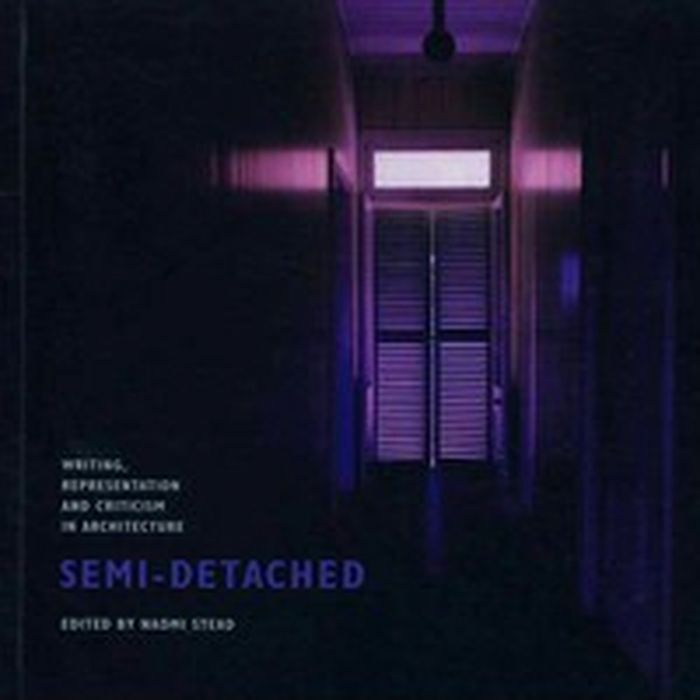
This book is about the role of words and images in architecture. A documentation of the conventions of architectural representation, it is also an exploration of the many ways in which those conventions can be productively challenged, subverted, or ignored to broaden the conversation about architecture and what it means.
Title:
Semi-detached : writing, representation and criticism in architecture
Actions:
Price:
$54.95
(available in store)
Summary:
This book is about the role of words and images in architecture. A documentation of the conventions of architectural representation, it is also an exploration of the many ways in which those conventions can be productively challenged, subverted, or ignored to broaden the conversation about architecture and what it means.
Form:
books
books
Publication:
October 2013
October 2013
Subject:
Architectural Theory
Architectural Theory
Form:
books
books

Title:
Protest camps
Protest camps
Actions:
Price:
$30.95
(available in store)
Summary:
From Tahrir Square to Occupy, from the Red Shirts in Thailand to the Teachers in Oaxaca, protest camps are a highly visible feature of social movements' activism across the world. They are spaces where people come together to imagine alternative worlds and articulate contentious politics, often in confrontation with the state. Drawing on over fifty different protest camps(...)
Subject:
Architectural Theory
Architectural Theory
Publication:
November 2013
November 2013
Title:
Protest camps
Actions:
Price:
$30.95
(available in store)
Summary:
From Tahrir Square to Occupy, from the Red Shirts in Thailand to the Teachers in Oaxaca, protest camps are a highly visible feature of social movements' activism across the world. They are spaces where people come together to imagine alternative worlds and articulate contentious politics, often in confrontation with the state. Drawing on over fifty different protest camps from around the world over the past fifty years, this book offers a detailed investigation into protest camps from a global perspective.
Form:
books
books
Publication:
November 2013
November 2013
Subject:
Architectural Theory
Architectural Theory
Form:
books
books

Actions:
Price:
$16.00
(available to order)
Summary:
Un voyage au bout de la nuit de l'écologie conceptuelle, doublé de la promesse du jour d'une écologie sensible : telle est la « photosynthèse » à laquelle nous invite James Nisbet à propos du Lightning Field, œuvre maîtresse du discret Walter De Maria. Car une fois intégrés le protocole de visite (imposé par l'artiste et la Dia Art Foundation) puis la fascination suscitée(...)
Title:
Le lightning field: un land art énergétique ?
Actions:
Price:
$16.00
(available to order)
Summary:
Un voyage au bout de la nuit de l'écologie conceptuelle, doublé de la promesse du jour d'une écologie sensible : telle est la « photosynthèse » à laquelle nous invite James Nisbet à propos du Lightning Field, œuvre maîtresse du discret Walter De Maria. Car une fois intégrés le protocole de visite (imposé par l'artiste et la Dia Art Foundation) puis la fascination suscitée par les six clichés autorisés, le fait est qu'on en sait très peu sur cette œuvre située aux confins du land art, de l'art conceptuel et du Nouveau-Mexique. C'est pourquoi, à la croisée de la cybernétique, de l'entropie et de l'environnementalisme, le chercheur dévoile ce « bref moment dans l'histoire de la photo-énergie » en l'inscrivant dans l'histoire de l'art américain.
Form:
books
books
Publication:
November 2013
November 2013
Subject:
Architectural Theory
Architectural Theory
Form:
books
books
Actions:
Price:
$14.00
(available to order)
Summary:
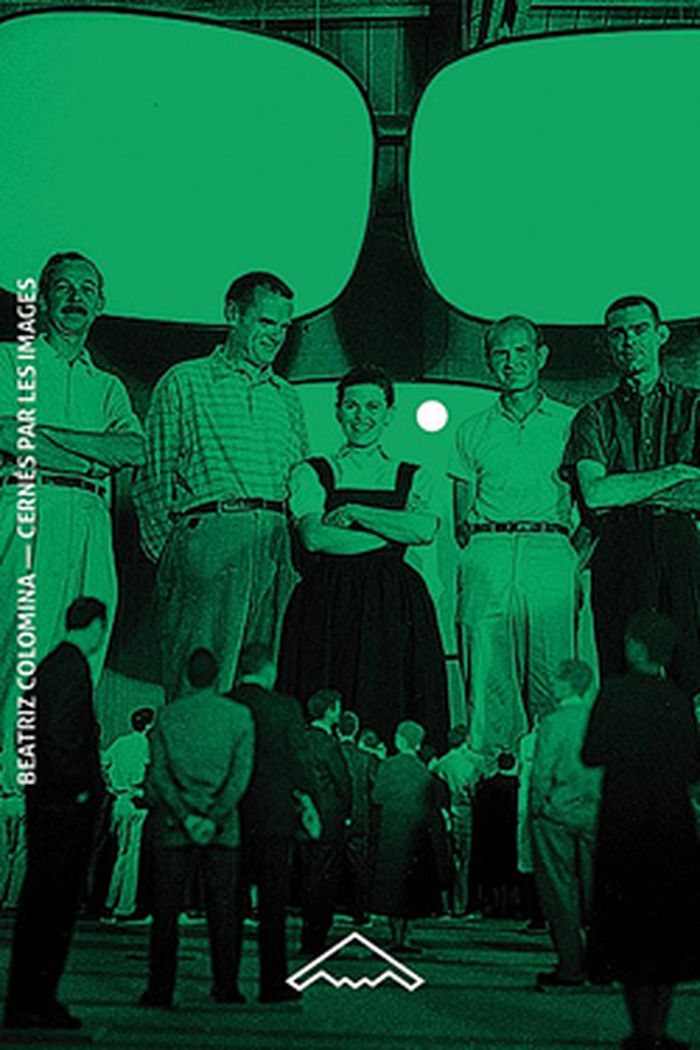
Deux ans après la mise en orbite du Spoutnik (1957), Nixon et Khrouchtchev inaugurent l'Exposition nationale américaine à Moscou. Auprès de la maison « Splitnik » exposant les articles et les valeurs de la société de consommation « à l'américaine », les designers Charles et Ray Eames sont chargés d'offrir un aperçu flatteur des USA. En un blitz de 12 minutes projeté sur 7(...)
Title:
Cernés par les images: l'architecture de l'après-spoutnik
Actions:
Price:
$14.00
(available to order)
Summary:
Deux ans après la mise en orbite du Spoutnik (1957), Nixon et Khrouchtchev inaugurent l'Exposition nationale américaine à Moscou. Auprès de la maison « Splitnik » exposant les articles et les valeurs de la société de consommation « à l'américaine », les designers Charles et Ray Eames sont chargés d'offrir un aperçu flatteur des USA. En un blitz de 12 minutes projeté sur 7 rétroviseurs géants abrités sous un dôme géodésique doré de Buckminster Fuller, cette pacifique guerre-éclair consiste à « cerner par les images » des Soviétiques ébahis. Prologue au pop art américain, le succès est total et immédiat. Les USA lancent le premier satellite de télécommunications Telstar et la mondovision en 1962. L'architecture de l'après-Spoutnik vient de naître...
Form:
books
books
Publication:
November 2013
November 2013
Subject:
Architectural Theory
Architectural Theory


