


2221 Results
Form:
books
books

Actions:
Price:
$31.99
(available to order)
Summary:
Does the world make you sick? If the distractions and distortions around you, the jarring colors and sounds, could shake up the healing chemistry of your mind, might your surroundings also have the power to heal you? This is the question the author explores in this book - a look at the marvelously rich nexus of mind and body, perception and place. She immerses us in the(...)
$31.99
(available to order)
Summary:
Does the world make you sick? If the distractions and distortions around you, the jarring colors and sounds, could shake up the healing chemistry of your mind, might your surroundings also have the power to heal you? This is the question the author explores in this book - a look at the marvelously rich nexus of mind and body, perception and place. She immerses us in the(...)
Title:
Healing spaces: the science of place and well-being
Actions:
Price:
$31.99
(available to order)
Summary:
Does the world make you sick? If the distractions and distortions around you, the jarring colors and sounds, could shake up the healing chemistry of your mind, might your surroundings also have the power to heal you? This is the question the author explores in this book - a look at the marvelously rich nexus of mind and body, perception and place. She immerses us in the discoveries that have revealed a complicated working relationship between the senses, the emotions, and the immune system.
Healing spaces: the science of place and well-being
Actions:
Price:
$31.99
(available to order)
Summary:
Does the world make you sick? If the distractions and distortions around you, the jarring colors and sounds, could shake up the healing chemistry of your mind, might your surroundings also have the power to heal you? This is the question the author explores in this book - a look at the marvelously rich nexus of mind and body, perception and place. She immerses us in the discoveries that have revealed a complicated working relationship between the senses, the emotions, and the immune system.
Form:
books
books
Publication:
May 2009
May 2009
Subject:
Architectural Theory
Architectural Theory
Form:
books
books
Price:
$40.00
(available to order)
Summary:
The cultural legacy of Romantic Paris includes a museum that shelters fragments rescued from the rubble of the Revolution and the display of masterpieces open to one and all that we visit today as the Louvre. Old neighbourhoods were renewed with gleaming arcades of iron and glass prefiguring contemporary shopping malls, and entire neighbourhoods were built from scratch.(...)
$40.00
(available to order)
Summary:
The cultural legacy of Romantic Paris includes a museum that shelters fragments rescued from the rubble of the Revolution and the display of masterpieces open to one and all that we visit today as the Louvre. Old neighbourhoods were renewed with gleaming arcades of iron and glass prefiguring contemporary shopping malls, and entire neighbourhoods were built from scratch.(...)
Title:
Romantic Paris: histories of a cultural landscape, 1800 - 1850
Actions:
Price:
$40.00
(available to order)
Summary:
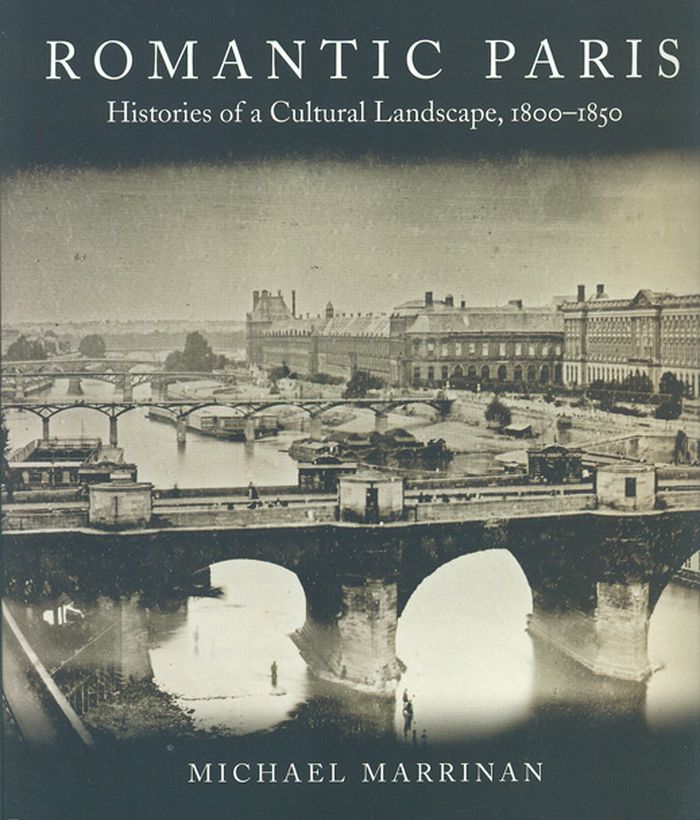
The cultural legacy of Romantic Paris includes a museum that shelters fragments rescued from the rubble of the Revolution and the display of masterpieces open to one and all that we visit today as the Louvre. Old neighbourhoods were renewed with gleaming arcades of iron and glass prefiguring contemporary shopping malls, and entire neighbourhoods were built from scratch. Marrinan plots the zigzag trajectory of the monuments, spaces, and habits of a city that both looks back to the past and forward in time with all the optimism, self-doubts, and creative energy of a culture poised at the threshold of modernity.
Romantic Paris: histories of a cultural landscape, 1800 - 1850
Actions:
Price:
$40.00
(available to order)
Summary:
The cultural legacy of Romantic Paris includes a museum that shelters fragments rescued from the rubble of the Revolution and the display of masterpieces open to one and all that we visit today as the Louvre. Old neighbourhoods were renewed with gleaming arcades of iron and glass prefiguring contemporary shopping malls, and entire neighbourhoods were built from scratch. Marrinan plots the zigzag trajectory of the monuments, spaces, and habits of a city that both looks back to the past and forward in time with all the optimism, self-doubts, and creative energy of a culture poised at the threshold of modernity.
Form:
books
books
Publication:
January 1900, Stanford
January 1900, Stanford
Subject:
Architectural Theory
Architectural Theory
Form:
books
books
Actions:
Price:
$40.25
(available to order)
Summary:
Liberty and freedom are frequently invoked to justify political action. Presidents as diverse as Woodrow Wilson, Franklin Delano Roosevelt, John F. Kennedy, Ronald Reagan, and George W. Bush have built their policies on some version of these noble values. Yet in practice, idealist agendas often turn sour as they confront specific circumstances on the ground. Demonstrated(...)
$40.25
(available to order)
Summary:
Liberty and freedom are frequently invoked to justify political action. Presidents as diverse as Woodrow Wilson, Franklin Delano Roosevelt, John F. Kennedy, Ronald Reagan, and George W. Bush have built their policies on some version of these noble values. Yet in practice, idealist agendas often turn sour as they confront specific circumstances on the ground. Demonstrated(...)
Title:
Cosmopolitanism and the geographies of freedom
Actions:
Price:
$40.25
(available to order)
Summary:
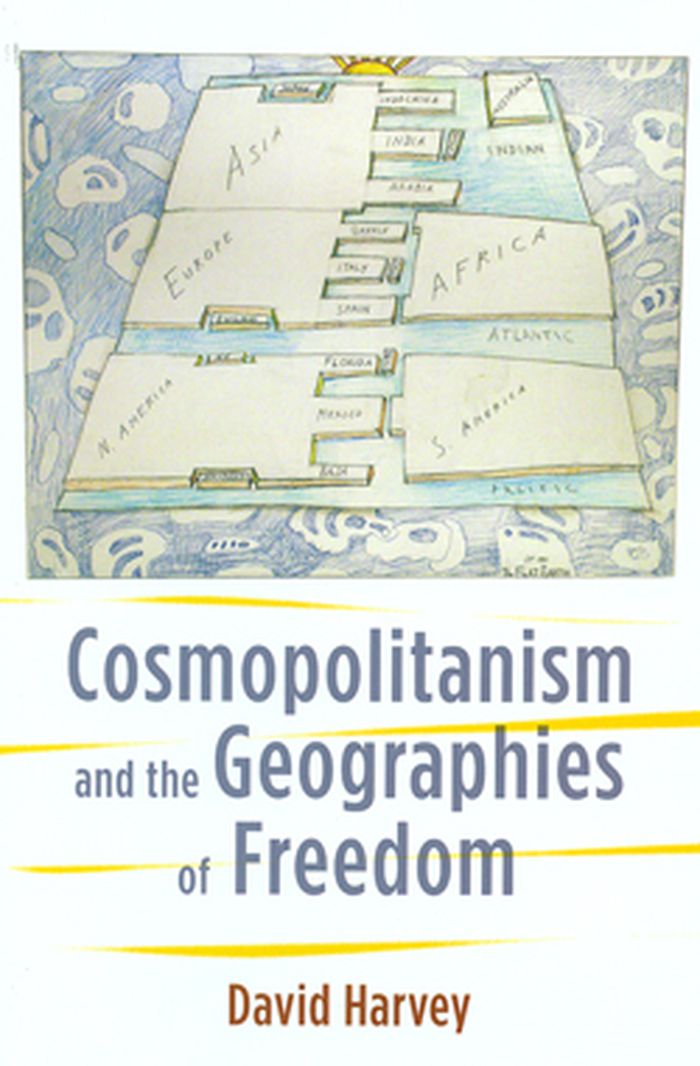
Liberty and freedom are frequently invoked to justify political action. Presidents as diverse as Woodrow Wilson, Franklin Delano Roosevelt, John F. Kennedy, Ronald Reagan, and George W. Bush have built their policies on some version of these noble values. Yet in practice, idealist agendas often turn sour as they confront specific circumstances on the ground. Demonstrated by incidents at Abu Ghraib and Guantánamo Bay, the pursuit of liberty and freedom can lead to violence and repression, undermining our trust in universal theories of liberalism, neoliberalism, and cosmopolitanism. Combining his passions for politics and geography, David Harvey charts a cosmopolitan order more appropriate to an emancipatory form of global governance. Political agendas tend to fail, he argues, because they ignore the complexities of geography. Incorporating geographical knowledge into the formation of social and political policy is therefore a necessary condition for genuine democracy.
Cosmopolitanism and the geographies of freedom
Actions:
Price:
$40.25
(available to order)
Summary:
Liberty and freedom are frequently invoked to justify political action. Presidents as diverse as Woodrow Wilson, Franklin Delano Roosevelt, John F. Kennedy, Ronald Reagan, and George W. Bush have built their policies on some version of these noble values. Yet in practice, idealist agendas often turn sour as they confront specific circumstances on the ground. Demonstrated by incidents at Abu Ghraib and Guantánamo Bay, the pursuit of liberty and freedom can lead to violence and repression, undermining our trust in universal theories of liberalism, neoliberalism, and cosmopolitanism. Combining his passions for politics and geography, David Harvey charts a cosmopolitan order more appropriate to an emancipatory form of global governance. Political agendas tend to fail, he argues, because they ignore the complexities of geography. Incorporating geographical knowledge into the formation of social and political policy is therefore a necessary condition for genuine democracy.
Form:
books
books
Publication:
July 2009
July 2009
Subject:
Architectural Theory
Architectural Theory
Form:
books
books
Price:
$68.95
(available in store)
Summary:
In this book Pallasmaa progresses his case for a multi–sensory approach to architecture, espoused in The Eyes of the Skin, by taking a wider view of the role of embodiment in human existential reactions, experiences and expressions as well as the processes of making and thinking. ‘The Thinking Hand’ is a metaphor for the characteristic independence and autonomous activity(...)
$68.95
(available in store)
Summary:
In this book Pallasmaa progresses his case for a multi–sensory approach to architecture, espoused in The Eyes of the Skin, by taking a wider view of the role of embodiment in human existential reactions, experiences and expressions as well as the processes of making and thinking. ‘The Thinking Hand’ is a metaphor for the characteristic independence and autonomous activity(...)
Title:
The thinking hand: existential and embodied wisdom in architecture
Actions:
Price:
$68.95
(available in store)
Summary:
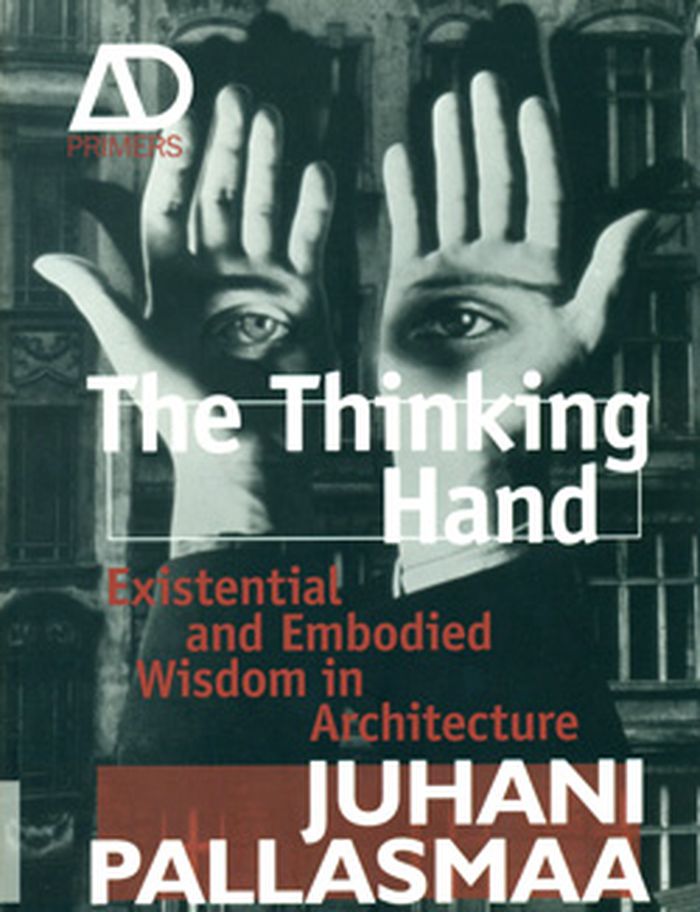
In this book Pallasmaa progresses his case for a multi–sensory approach to architecture, espoused in The Eyes of the Skin, by taking a wider view of the role of embodiment in human existential reactions, experiences and expressions as well as the processes of making and thinking. ‘The Thinking Hand’ is a metaphor for the characteristic independence and autonomous activity of all our senses as they constantly scan the physical world. Prevailing educational philosophies continue to emphasise conceptual, intellectual and verbal knowledge over this tacit and non–conceptual wisdom of our embodied processes, which is so essential to our experience and understanding of the physical and the built.
The thinking hand: existential and embodied wisdom in architecture
Actions:
Price:
$68.95
(available in store)
Summary:
In this book Pallasmaa progresses his case for a multi–sensory approach to architecture, espoused in The Eyes of the Skin, by taking a wider view of the role of embodiment in human existential reactions, experiences and expressions as well as the processes of making and thinking. ‘The Thinking Hand’ is a metaphor for the characteristic independence and autonomous activity of all our senses as they constantly scan the physical world. Prevailing educational philosophies continue to emphasise conceptual, intellectual and verbal knowledge over this tacit and non–conceptual wisdom of our embodied processes, which is so essential to our experience and understanding of the physical and the built.
Form:
books
books
Publication:
June 2009
June 2009
Subject:
Architectural Theory
Architectural Theory
Form:
books
books
Title:
The rustle of language
The rustle of language
Actions:
Price:
$29.95
(available to order)
Summary:
"The Rustle of Language" is a collection of forty-five essays, written between 1967 and 1980, on language, literature, and teaching—the pleasure of the text.
$29.95
(available to order)
Summary:
"The Rustle of Language" is a collection of forty-five essays, written between 1967 and 1980, on language, literature, and teaching—the pleasure of the text.
Subject:
Architectural Theory
Architectural Theory
Publication:
January 1900, Berkeley, Los Angeles
January 1900, Berkeley, Los Angeles
Title:
The rustle of language
Actions:
Price:
$29.95
(available to order)
Summary:
"The Rustle of Language" is a collection of forty-five essays, written between 1967 and 1980, on language, literature, and teaching—the pleasure of the text.
The rustle of language
Actions:
Price:
$29.95
(available to order)
Summary:
"The Rustle of Language" is a collection of forty-five essays, written between 1967 and 1980, on language, literature, and teaching—the pleasure of the text.
Form:
books
books
Publication:
January 1900, Berkeley, Los Angeles
January 1900, Berkeley, Los Angeles
Subject:
Architectural Theory
Architectural Theory
Form:
books
books
Title:
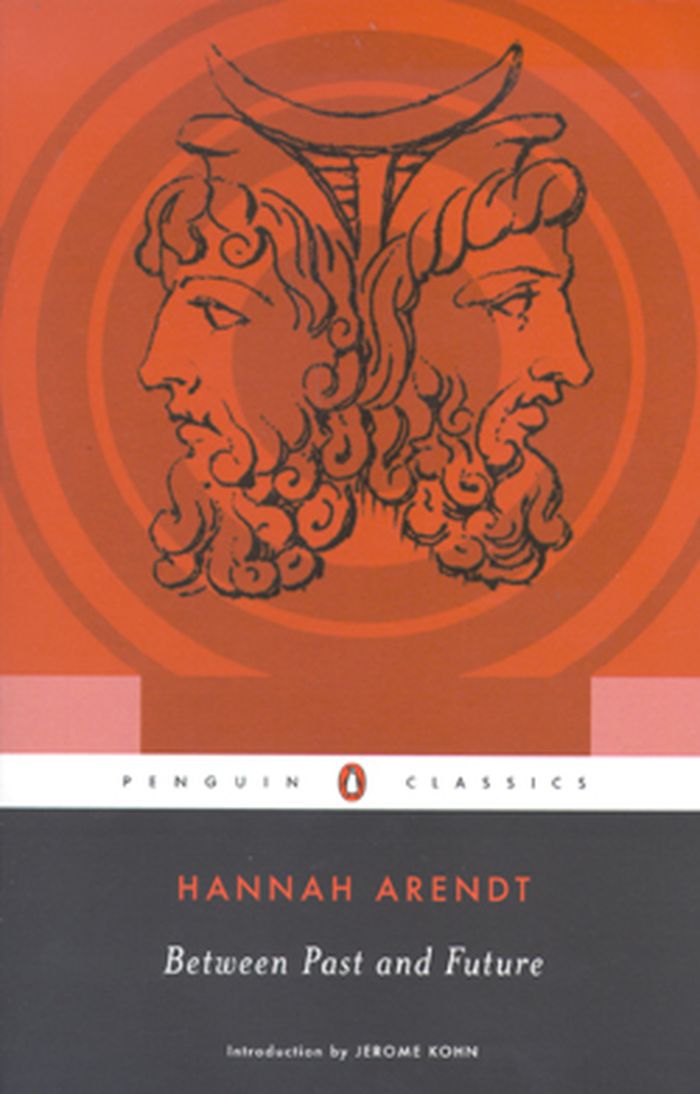
Between past and future
Between past and future
Actions:
Price:
$17.50
(available to order)
Summary:
Arendt describes the loss of meaning of the traditional key words of politics: justice, reason, responsibility, virtue, glory. Through a series of eight exercises, she shows how we can redistill once more the vital essence of these concepts. Introduction by Jerome Kohn.
$17.50
(available to order)
Summary:
Arendt describes the loss of meaning of the traditional key words of politics: justice, reason, responsibility, virtue, glory. Through a series of eight exercises, she shows how we can redistill once more the vital essence of these concepts. Introduction by Jerome Kohn.
Subject:
Architectural Theory
Architectural Theory
Publication:
September 2006, New York
September 2006, New York
Title:
Between past and future
Actions:
Price:
$17.50
(available to order)
Summary:
Arendt describes the loss of meaning of the traditional key words of politics: justice, reason, responsibility, virtue, glory. Through a series of eight exercises, she shows how we can redistill once more the vital essence of these concepts. Introduction by Jerome Kohn.
Between past and future
Actions:
Price:
$17.50
(available to order)
Summary:
Arendt describes the loss of meaning of the traditional key words of politics: justice, reason, responsibility, virtue, glory. Through a series of eight exercises, she shows how we can redistill once more the vital essence of these concepts. Introduction by Jerome Kohn.
Form:
books
books
Publication:
September 2006, New York
September 2006, New York
Subject:
Architectural Theory
Architectural Theory
Form:
books
books
Actions:
Price:
$22.50
(available to order)
Summary:
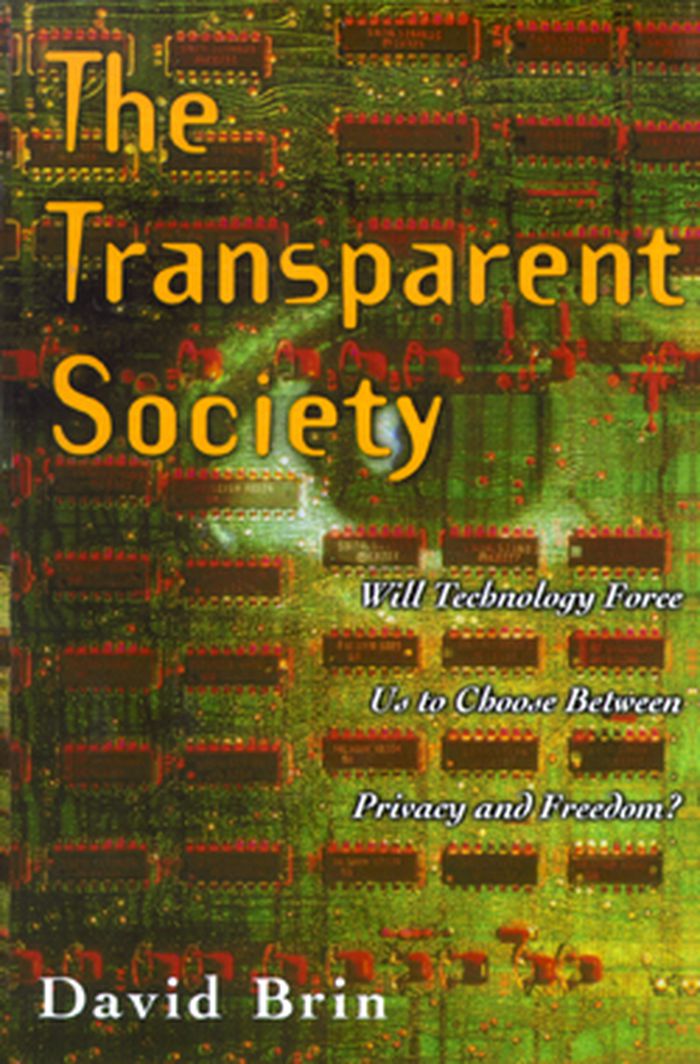
An examination of the long-term social influence of modern surveillance and data-retrieval technology, written by a popular science fiction author. Brin argues that the advances in mechanical observation will make both private and public authorities ever more intrusive forces in the years to come.
$22.50
(available to order)
Summary:
An examination of the long-term social influence of modern surveillance and data-retrieval technology, written by a popular science fiction author. Brin argues that the advances in mechanical observation will make both private and public authorities ever more intrusive forces in the years to come.
Title:
The transparent society, will technology force us to choose between privacy and freedom ?
Actions:
Price:
$22.50
(available to order)
Summary:
An examination of the long-term social influence of modern surveillance and data-retrieval technology, written by a popular science fiction author. Brin argues that the advances in mechanical observation will make both private and public authorities ever more intrusive forces in the years to come.
The transparent society, will technology force us to choose between privacy and freedom ?
Actions:
Price:
$22.50
(available to order)
Summary:
An examination of the long-term social influence of modern surveillance and data-retrieval technology, written by a popular science fiction author. Brin argues that the advances in mechanical observation will make both private and public authorities ever more intrusive forces in the years to come.
Form:
books
books
Publication:
June 1999, Cambridge
June 1999, Cambridge
Subject:
Architectural Theory
Architectural Theory
Form:
books
books
Actions:
Price:
$45.00
(available to order)
Summary:
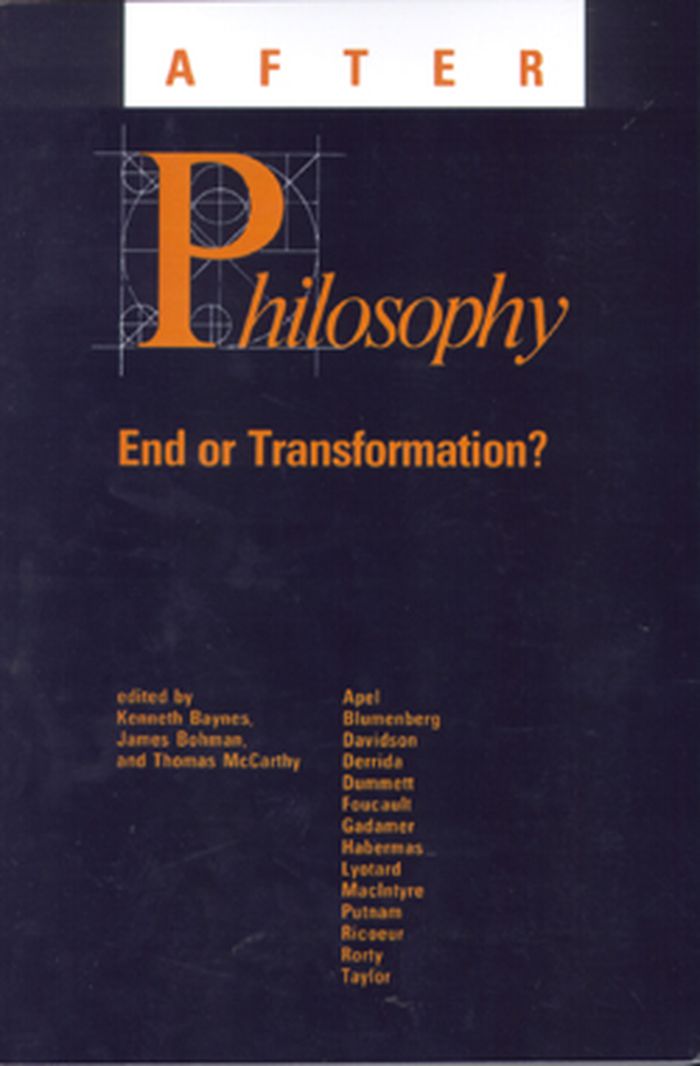
This book provides an excellent framework for understanding the most important strains of current philosophical work in North America, England, France, and Germany. Selections from the work of 14 contemporary philosophers not only display the multiplicity of approaches currently being pursued on the subject, but also help spell out today's options for either doing, or not(...)
$45.00
(available to order)
Summary:
This book provides an excellent framework for understanding the most important strains of current philosophical work in North America, England, France, and Germany. Selections from the work of 14 contemporary philosophers not only display the multiplicity of approaches currently being pursued on the subject, but also help spell out today's options for either doing, or not(...)
Subject:
Architectural Theory
Architectural Theory
Publication:
November 1986, Cambridge
November 1986, Cambridge
Title:
Philosophy end or translation ?
Actions:
Price:
$45.00
(available to order)
Summary:
This book provides an excellent framework for understanding the most important strains of current philosophical work in North America, England, France, and Germany. Selections from the work of 14 contemporary philosophers not only display the multiplicity of approaches currently being pursued on the subject, but also help spell out today's options for either doing, or not doing, philosophy.
Philosophy end or translation ?
Actions:
Price:
$45.00
(available to order)
Summary:
This book provides an excellent framework for understanding the most important strains of current philosophical work in North America, England, France, and Germany. Selections from the work of 14 contemporary philosophers not only display the multiplicity of approaches currently being pursued on the subject, but also help spell out today's options for either doing, or not doing, philosophy.
Form:
books
books
Publication:
November 1986, Cambridge
November 1986, Cambridge
Subject:
Architectural Theory
Architectural Theory
Form:
books
books
Title:
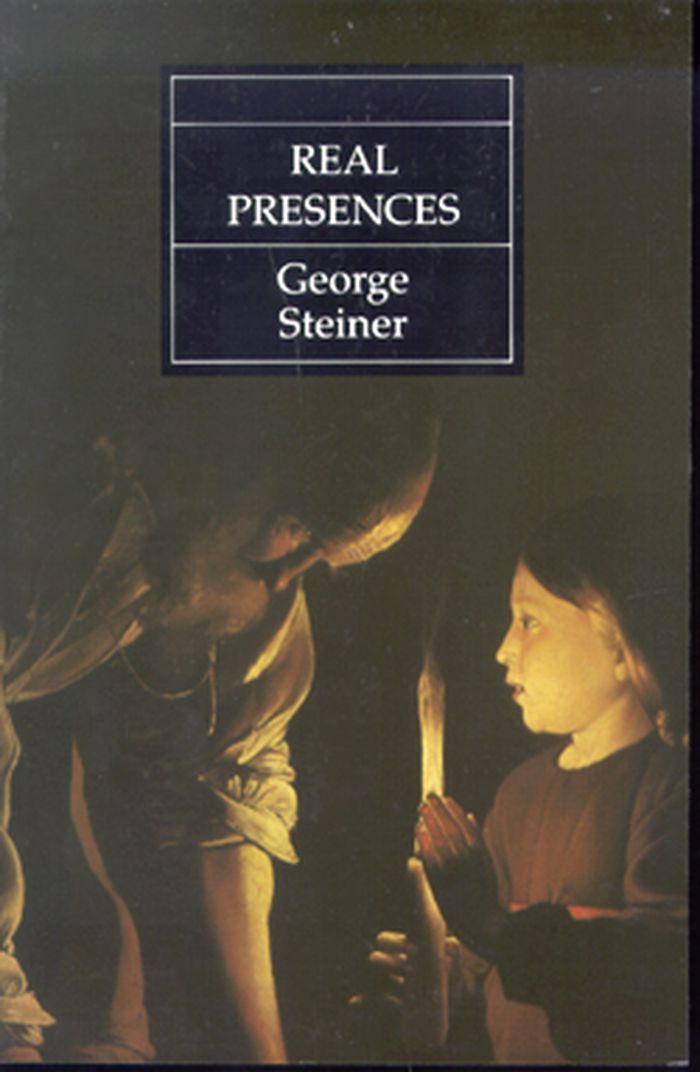
Real presences
Real presences
Actions:
Price:
$18.95
(available to order)
Summary:
Can there be major dimensions of a poem, a painting, a musical composition created in the absence of God? Or, is God always a real presence in the arts? Steiner passionately argues that a transcendent reality grounds all genuine art and human communication.
$18.95
(available to order)
Summary:
Can there be major dimensions of a poem, a painting, a musical composition created in the absence of God? Or, is God always a real presence in the arts? Steiner passionately argues that a transcendent reality grounds all genuine art and human communication.
Title:
Real presences
Actions:
Price:
$18.95
(available to order)
Summary:
Can there be major dimensions of a poem, a painting, a musical composition created in the absence of God? Or, is God always a real presence in the arts? Steiner passionately argues that a transcendent reality grounds all genuine art and human communication.
Real presences
Actions:
Price:
$18.95
(available to order)
Summary:
Can there be major dimensions of a poem, a painting, a musical composition created in the absence of God? Or, is God always a real presence in the arts? Steiner passionately argues that a transcendent reality grounds all genuine art and human communication.
Form:
books
books
Publication:
April 1991, Chicago
April 1991, Chicago
Subject:
Architectural Theory
Architectural Theory
Form:
books
books
Title:
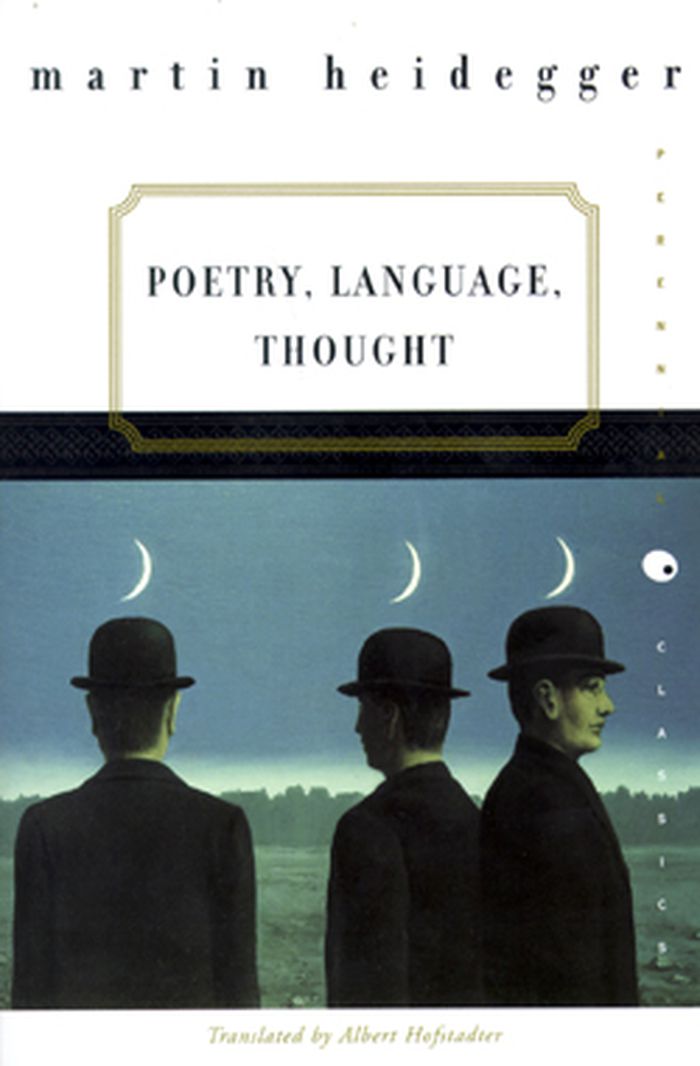
Poetry, language, thought
Poetry, language, thought
Actions:
Price:
$18.00
(available to order)
Summary:
Originaly published in 1971. This book opened up appreciation of the author beyond the confines of philosophy to the reaches of poetry. In Heidegger's thinking, poetry is not a mere amusement or form of culture but a force that opens up the realm of truth and brings man to the measure of his being and his world.
$18.00
(available to order)
Summary:
Originaly published in 1971. This book opened up appreciation of the author beyond the confines of philosophy to the reaches of poetry. In Heidegger's thinking, poetry is not a mere amusement or form of culture but a force that opens up the realm of truth and brings man to the measure of his being and his world.
Title:
Poetry, language, thought
Actions:
Price:
$18.00
(available to order)
Summary:
Originaly published in 1971. This book opened up appreciation of the author beyond the confines of philosophy to the reaches of poetry. In Heidegger's thinking, poetry is not a mere amusement or form of culture but a force that opens up the realm of truth and brings man to the measure of his being and his world.
Poetry, language, thought
Actions:
Price:
$18.00
(available to order)
Summary:
Originaly published in 1971. This book opened up appreciation of the author beyond the confines of philosophy to the reaches of poetry. In Heidegger's thinking, poetry is not a mere amusement or form of culture but a force that opens up the realm of truth and brings man to the measure of his being and his world.
Form:
books
books
Publication:
October 2001, New York
October 2001, New York
Subject:
Architectural Theory
Architectural Theory


