


2244 Results
Form:
books
books
Actions:
Price:
$44.00
(available to order)
Summary:
Monuments represent power: explicitly and simply, but not universally. In Estonia, the classical notion of a monument is a strange one. Its presence is marginal, its tradition non-existent and its form tormented by an apparent cultural displacement. The statue on a square never claimed the central position so common in Western Europe. This semantic void directs attention(...)
Title:
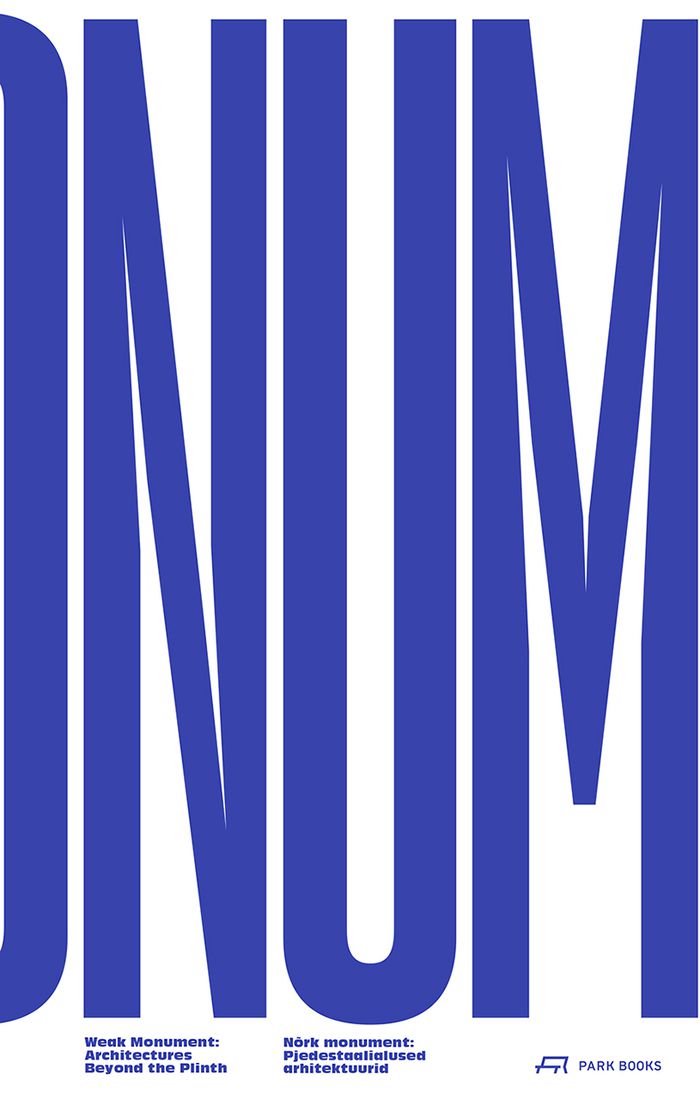
Weak monument: architectures beyond the plinth
Actions:
Price:
$44.00
(available to order)
Summary:
Monuments represent power: explicitly and simply, but not universally. In Estonia, the classical notion of a monument is a strange one. Its presence is marginal, its tradition non-existent and its form tormented by an apparent cultural displacement. The statue on a square never claimed the central position so common in Western Europe. This semantic void directs attention to other, less exceptional pieces of architecture. Sometimes a stairway marks a politically charged location, or a pavement becomes symbolic. Instead of explicit meanings inscribed in marble and bronze, an implicit charge is revealed that might be weaker yet more relevant, for what is only implicit cannot be openly questioned. Weak Monument explores the blurred line between a monument's explicitly political form and the architecture of everyday. It juxtaposes classical monuments with seemingly insignificant architectural objects and public space in a collection of images and drawings, archival as well as newly commissioned ones, alongside essays and brief texts
Form:
books
books
Publication:
July 2018
July 2018
Subject:
Architectural Theory
Architectural Theory
Form:
books
books
Actions:
Price:
$14.95
(available to order)
Summary:
Comme toutes les espèces vivantes, toutes les cultures humaines ont eu leur propre monde. La modernité occidentale, à partir du XVIIe siècle, est le seul paradigme qui ait privé le sujet humain de cosmicité, en reléguant « le monde » à l’état d’objet. Au siècle dernier, cela aboutit à ce que l’architecte Rem Koolhaas a nommé junkspace, l'« espace foutoir ». Par-delà la(...)
Title:
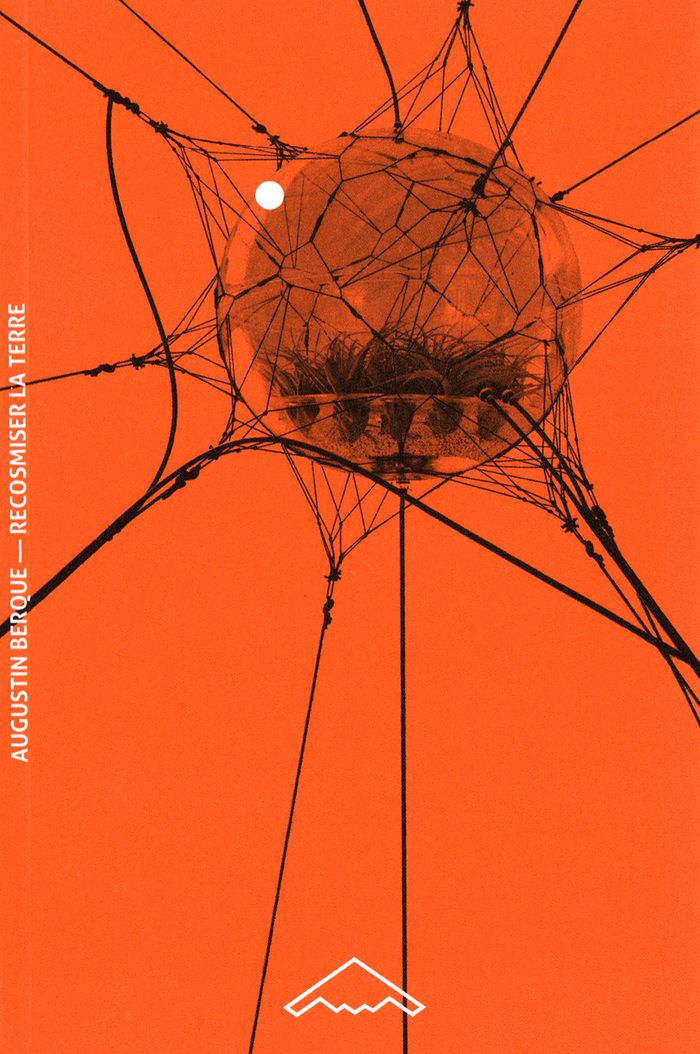
Recosmiser la Terre : quelques leçons péruviennes
Actions:
Price:
$14.95
(available to order)
Summary:
Comme toutes les espèces vivantes, toutes les cultures humaines ont eu leur propre monde. La modernité occidentale, à partir du XVIIe siècle, est le seul paradigme qui ait privé le sujet humain de cosmicité, en reléguant « le monde » à l’état d’objet. Au siècle dernier, cela aboutit à ce que l’architecte Rem Koolhaas a nommé junkspace, l'« espace foutoir ». Par-delà la détérioration de l'environnement, cette acosmie globalisée atteint aujourd'hui au cosmocide. Au Pérou, comme dans tous les pays colonisés ou en développement, ne faut-il pas alors s’inspirer de la cosmicité des communautés autochtones ? Mais peut-on faire face aux réalités contemporaines et à venir ? Et créativement « recosmiser » l'existence humaine sur la Terre ?
Form:
books
books
Publication:
February 2018
February 2018
Subject:
Architectural Theory
Architectural Theory
Form:
books
books
Actions:
Price:
$54.00
(available to order)
Summary:
In 1929, the great Swiss historian and architecture critic Sigfried Giedion (1888–1968)—later the author of the classics "Space, Time and Architecture" (1941) and "Mechanization Takes Command" (1948)—issued Befreites Wohnen (Liberated Dwelling), a small but vocal architecture manifesto and an early expression of modernist housing ideology. From the vision of an(...)
Title:
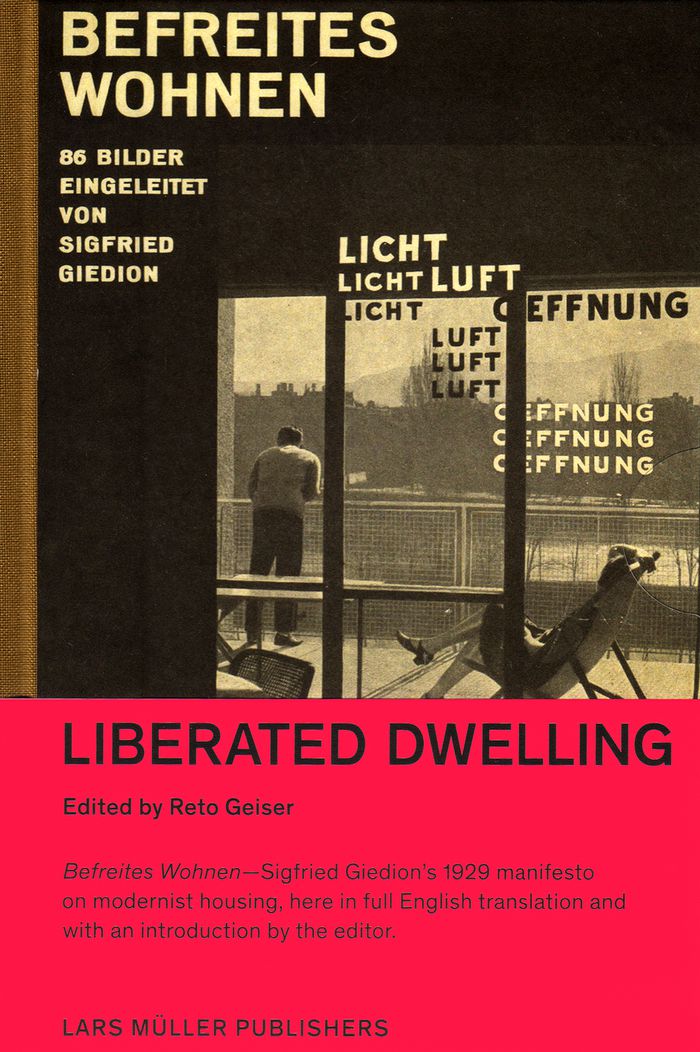
Sigfried Giedion: Liberated dwelling (Befreites Wohnen)
Actions:
Price:
$54.00
(available to order)
Summary:
In 1929, the great Swiss historian and architecture critic Sigfried Giedion (1888–1968)—later the author of the classics "Space, Time and Architecture" (1941) and "Mechanization Takes Command" (1948)—issued Befreites Wohnen (Liberated Dwelling), a small but vocal architecture manifesto and an early expression of modernist housing ideology. From the vision of an international architectural modernism (a mission with which Giedion was involved as the first secretary-general of the International Congresses of Modern Architecture, between 1928 and 1959) to debates on the industrialization of construction processes and their impact on public housing, Liberated Dwelling expresses the dreams and anxieties of early 20th-century modernist architecture.
Form:
books
books
Publication:
February 2019
February 2019
Subject:
Architectural Theory
Architectural Theory
Form:
books
books
Actions:
Price:
$159.60
(available to order)
Summary:
Mediated Messages presents a collection of original writing exploring the role played by the media in the development of postmodern architecture in the 1970s and 80s. The book's twelve chapters and case-studies examine a range of contemporary periodicals and exhibitions to explore their role in the postmodern. This focus on mediation as a key feature of architectural(...)
Publication:
July 2018
July 2018
Title:
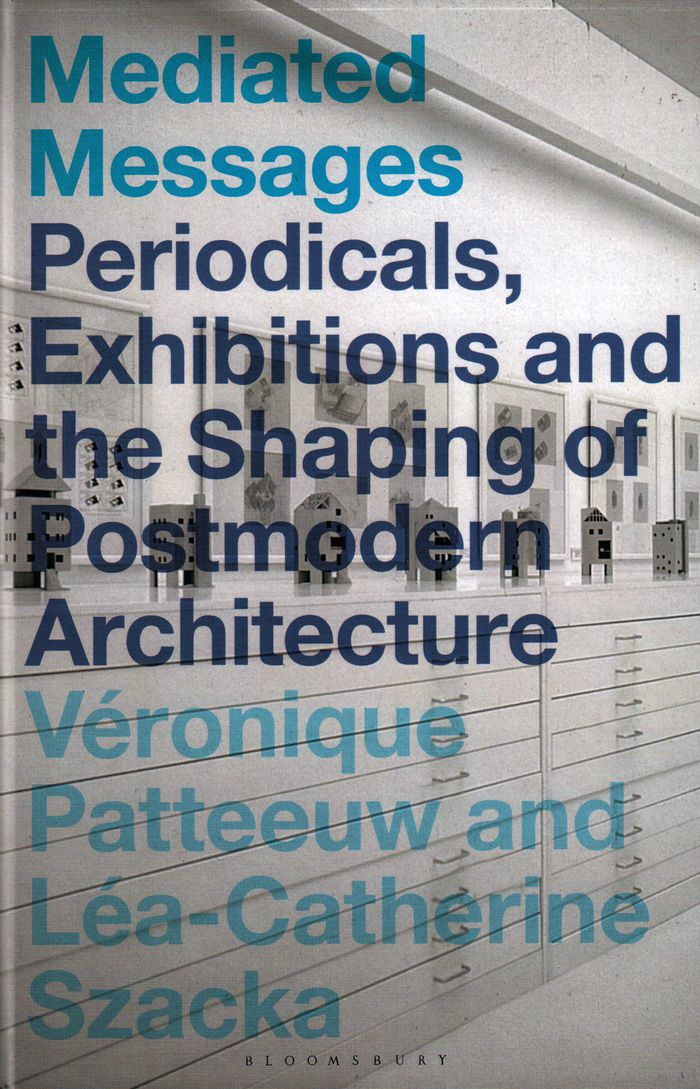
Mediated messages: periodicals, exhibitions and the shaping of postmodern architecture
Actions:
Price:
$159.60
(available to order)
Summary:
Mediated Messages presents a collection of original writing exploring the role played by the media in the development of postmodern architecture in the 1970s and 80s. The book's twelve chapters and case-studies examine a range of contemporary periodicals and exhibitions to explore their role in the postmodern. This focus on mediation as a key feature of architectural post-modernism, and the recognition that post-modernism grew out of developments in the media, opens up the possibility of an important new account of post-modernism distinct from existing narratives.
Form:
books
books
Publication:
July 2018
July 2018
Form:
books
books
Title:
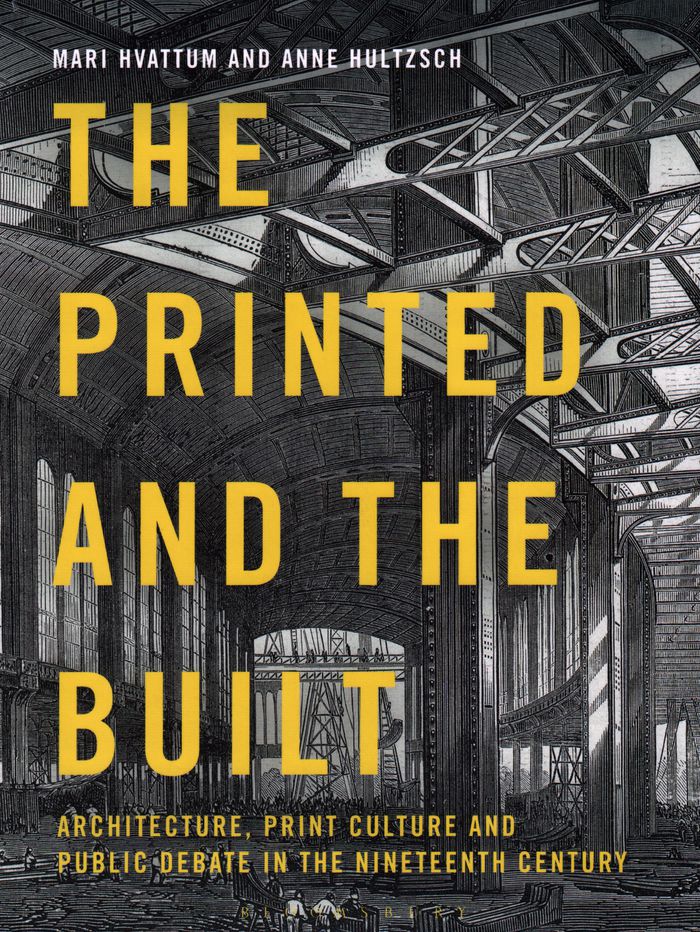
The printed and the built: architecture, print culture and public debate in the nineteenth century
The printed and the built: architecture, print culture and public debate in the nineteenth century
Actions:
Price:
$49.95
(available to order)
Summary:
This publication explores the intricate relationship between architecture and printed media in the fast-changing nineteenth century. Publication history is a rapidly expanding scholarly field which has profoundly influenced architectural history in recent years. Yet, while groundbreaking work has been done on architecture and printing in the Renaissance, the(...)
Title:
The printed and the built: architecture, print culture and public debate in the nineteenth century
Actions:
Price:
$49.95
(available to order)
Summary:
This publication explores the intricate relationship between architecture and printed media in the fast-changing nineteenth century. Publication history is a rapidly expanding scholarly field which has profoundly influenced architectural history in recent years. Yet, while groundbreaking work has been done on architecture and printing in the Renaissance, the Enlightenment, and the twentieth century, the nineteenth century has received little attention. This is the omission that 'The Printed and the Built' seeks to address, thus filling a significant gap in the understanding of architecture's cultural history.
Form:
books
books
Publication:
June 2018
June 2018
Subject:
Architectural Theory
Architectural Theory
Form:
books
books
Title:
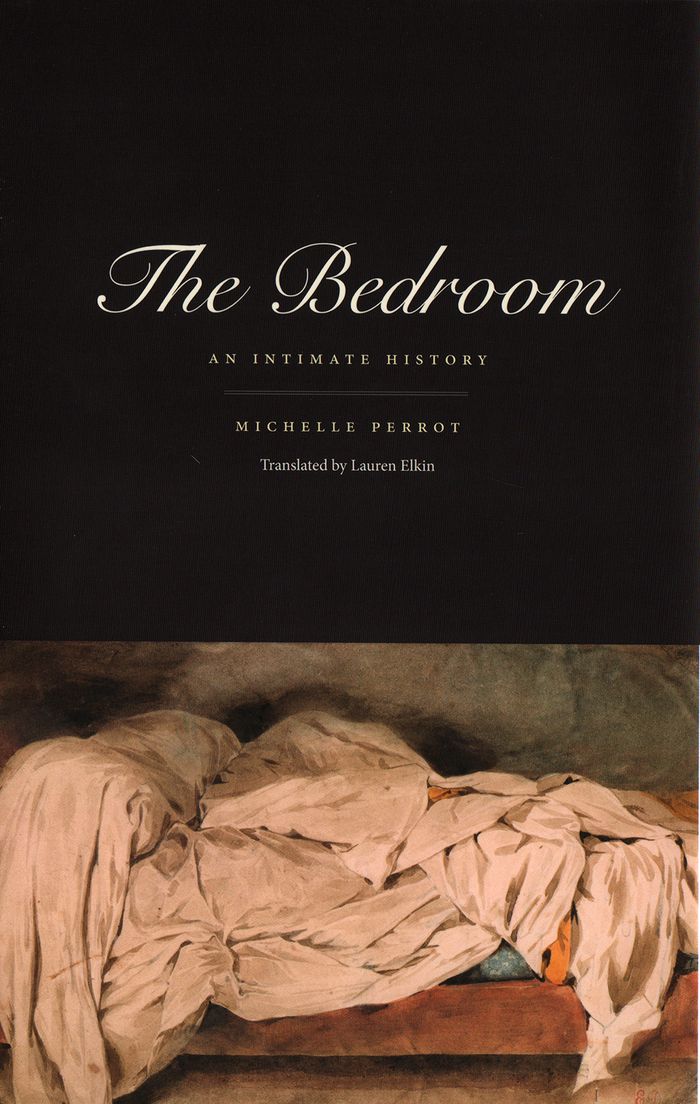
The bedroom
The bedroom
Actions:
Price:
$39.95
(available to order)
Summary:
The winner of France's prestigious Prix Femina Essai (2009), this book explores the many dimensions of the room in which we spend so much of our lives—the bedroom. Eminent cultural historian Michelle Perrot traces the evolution of the bedroom from the time of the ancient Greeks and Romans to today, examining its myriad forms and functions, from royal king's chamber to(...)
Title:
The bedroom
Actions:
Price:
$39.95
(available to order)
Summary:
The winner of France's prestigious Prix Femina Essai (2009), this book explores the many dimensions of the room in which we spend so much of our lives—the bedroom. Eminent cultural historian Michelle Perrot traces the evolution of the bedroom from the time of the ancient Greeks and Romans to today, examining its myriad forms and functions, from royal king's chamber to child's sleeping quarters to lovers' trysting place to monk's cell. The history of women, so eager for a room of their own, and that of prisons, where the principal cause of suffering is the lack of privacy, is interwoven with a reflection on secrecy, walls, the night and its mysteries.Drawing from a wide range of sources, including architectural and design treatises, private journals, novels, memoirs, and correspondences, Perrot's book follows the many roads that lead to the bedroom—birth, sex, illness, death—in its endeavor to expose the most intimate, nocturnal side of human history.
Form:
books
books
Publication:
August 2018
August 2018
Subject:
Architectural Theory
Architectural Theory
Form:
books
books
Price:
$31.95
(available to order)
Summary:
Frank Lloyd Wright invented the garage when he moved the automobile out of the stable into a room of its own. Steve Jobs and Steve Wozniak (allegedly) started Apple Computer in a garage. Suburban men turned garages into man caves to escape from family life. Nirvana and No Doubt played their first chords as garage bands. What began as an architectural construct became a(...)
Title:
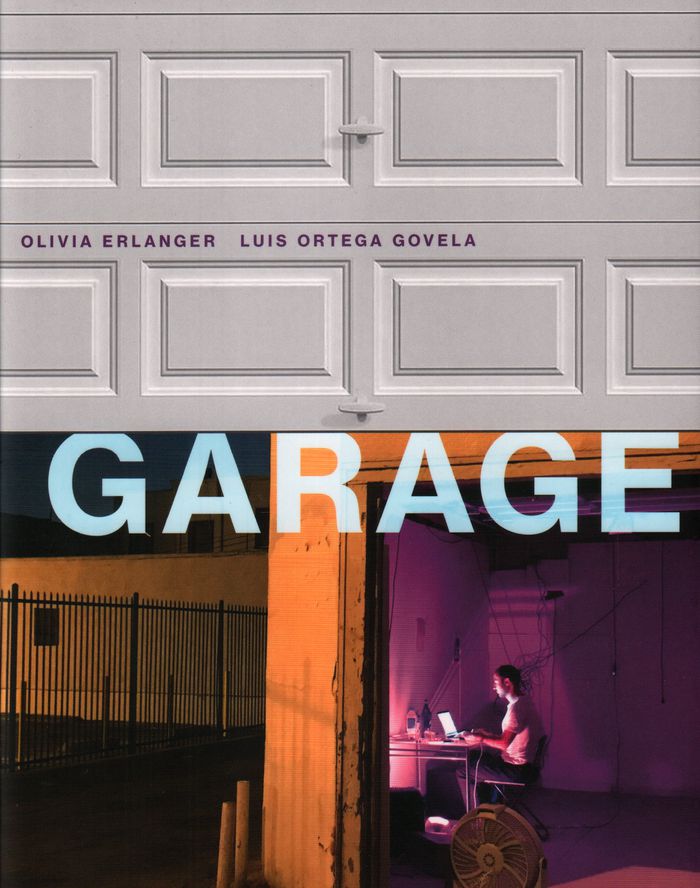
Garage
Actions:
Price:
$31.95
(available to order)
Summary:
Frank Lloyd Wright invented the garage when he moved the automobile out of the stable into a room of its own. Steve Jobs and Steve Wozniak (allegedly) started Apple Computer in a garage. Suburban men turned garages into man caves to escape from family life. Nirvana and No Doubt played their first chords as garage bands. What began as an architectural construct became a cultural construct. In this history and deconstruction of an American icon, Olivia Erlanger and Luis Ortega Govela use the garage as a lens through which to view the advent of suburbia, the myth of the perfect family, and the degradation of the American dream.
Form:
books
books
Publication:
October 2018
October 2018
Subject:
Architectural Theory
Architectural Theory
Form:
books
books

Title:
Laboratory lifestyles
Laboratory lifestyles
Actions:
Price:
$42.95
(available to order)
Summary:
The past decade has seen an extraordinary laboratory-building boom. This new crop of laboratories features spectacular architecture and resort-like amenities. The buildings sprawl luxuriously on verdant campuses or sit sleekly in expensive urban neighborhoods. Designed to attract venture capital, generous philanthropy, and star scientists, these laboratories are meant to(...)
Title:
Laboratory lifestyles
Actions:
Price:
$42.95
(available to order)
Summary:
The past decade has seen an extraordinary laboratory-building boom. This new crop of laboratories features spectacular architecture and resort-like amenities. The buildings sprawl luxuriously on verdant campuses or sit sleekly in expensive urban neighborhoods. Designed to attract venture capital, generous philanthropy, and star scientists, these laboratories are meant to create the ideal conditions for scientific discovery. Yet there is little empirical evidence that shows if they do. 'Laboratory Lifestyles' examines this new species of scientific laboratory from architectural, economic, social, and scientific perspectives. Generously illustrated with photographs of laboratories and scientists at work in them, the book investigates how “lifestyle science” affects actual science. Are scientists working when they stretch in a yoga class, play volleyball in the company tournament, chat in an on-site café, or show off their facilities to visiting pharmaceutical executives?
Form:
books
books
Publication:
December 2018
December 2018
Subject:
Architectural Theory
Architectural Theory
Form:
books
books

Actions:
Price:
$62.50
(available to order)
Summary:
In this book, Sandy Isenstadt examines electric light as a form of architecture- as a new, uniquely modern kind of building material. Electric light was more than just a novel way of brightening a room or illuminating a streetscape; it brought with it new ways of perceiving and experiencing space itself. If modernity can be characterized by rapid, incessant change, and(...)
Title:
Electric light: an architectural history
Actions:
Price:
$62.50
(available to order)
Summary:
In this book, Sandy Isenstadt examines electric light as a form of architecture- as a new, uniquely modern kind of building material. Electric light was more than just a novel way of brightening a room or illuminating a streetscape; it brought with it new ways of perceiving and experiencing space itself. If modernity can be characterized by rapid, incessant change, and modernism as the creative response to such change, Isenstadt argues, then electricity- instantaneous, malleable, ubiquitous, evanescent- is modernity's medium.
Form:
books
books
Publication:
September 2018
September 2018
Subject:
Architectural Theory
Architectural Theory
Form:
books
books

Actions:
Price:
$47.95
(available to order)
Summary:
“Architecture and Action” focuses on the agency of architects and architecture within the overlapping spheres of the institution, the discipline, and the profession. Through a presentation of projects and texts, the book reveals how students and faculty—whether architects, artists, historians, technologists, or scientists—define action, considering its possible forms,(...)
Title:
Architecture and action: design and research in the MIT department of architecture
Actions:
Price:
$47.95
(available to order)
Summary:
“Architecture and Action” focuses on the agency of architects and architecture within the overlapping spheres of the institution, the discipline, and the profession. Through a presentation of projects and texts, the book reveals how students and faculty—whether architects, artists, historians, technologists, or scientists—define action, considering its possible forms, procedures, and scales, as well as its potency and limits. The selected work exemplifies the wide range of approaches and zones of intervention, bringing together projects that find space for action while questioning assumptions about where architectural value is located.
Form:
books
books
Publication:
July 2019
July 2019
Subject:
Architectural Theory
Architectural Theory


