


2221 Results
Form:
books
books
Actions:
Price:
$37.95
(available to order)
Summary:
The twentieth-century architect Mies van der Rohe once declared that 'Architecture starts when you carefully put two bricks together'. In "Travels in the History of Architecture", renowned architectural writer Robert Harbison looks closely at these bricks, taking us on a journey through the great themes and movements of architecture, from antiquity to the present day.(...)
$37.95
(available to order)
Summary:
The twentieth-century architect Mies van der Rohe once declared that 'Architecture starts when you carefully put two bricks together'. In "Travels in the History of Architecture", renowned architectural writer Robert Harbison looks closely at these bricks, taking us on a journey through the great themes and movements of architecture, from antiquity to the present day.(...)
Title:
Travels in the history of architecture
Actions:
Price:
$37.95
(available to order)
Summary:
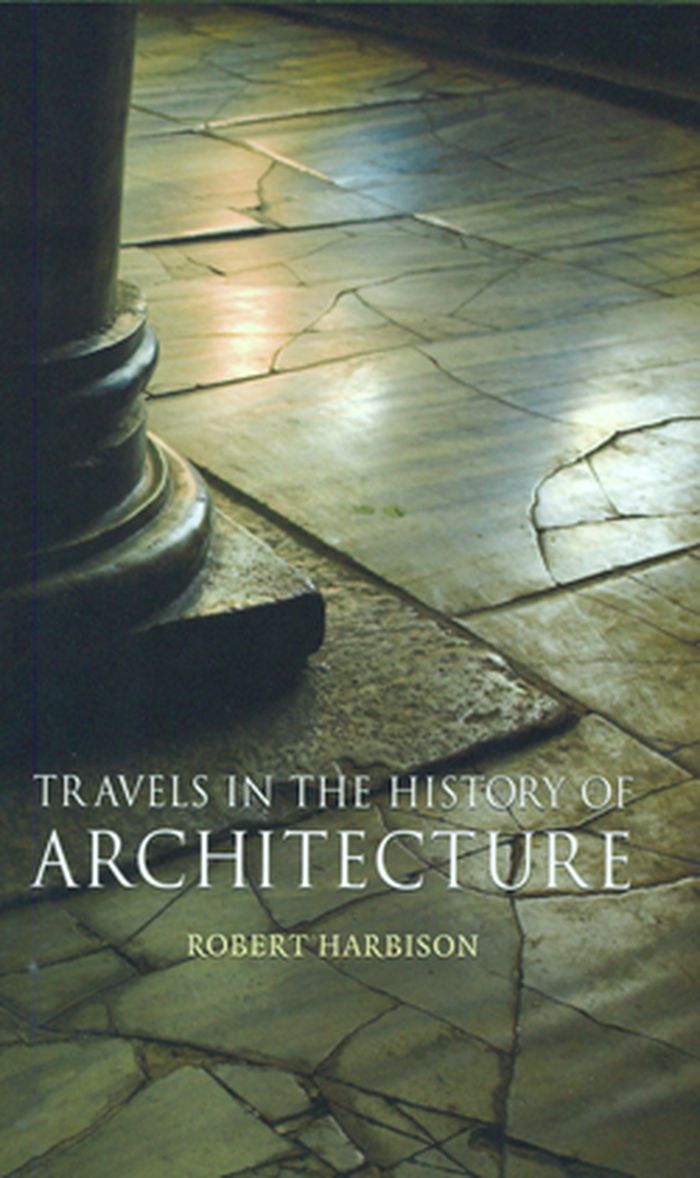
The twentieth-century architect Mies van der Rohe once declared that 'Architecture starts when you carefully put two bricks together'. In "Travels in the History of Architecture", renowned architectural writer Robert Harbison looks closely at these bricks, taking us on a journey through the great themes and movements of architecture, from antiquity to the present day. Taking as a starting place his own experience of the physical fabric of buildings, Harbison interprets the conceptions of the original architects and makers, pointing out carefully crafted detail and inspiring form along the way. Beginning with the great temples and tombs of the Egyptians, and the monuments and shrines of Greek and Roman architecture, and concluding with the museums of the twenty-first century, each chapter of his Travels focuses on a moment in architectural history, including Byzantine, Baroque, Mannerism, Historicism, Functionalism and Decon structionism.
Travels in the history of architecture
Actions:
Price:
$37.95
(available to order)
Summary:
The twentieth-century architect Mies van der Rohe once declared that 'Architecture starts when you carefully put two bricks together'. In "Travels in the History of Architecture", renowned architectural writer Robert Harbison looks closely at these bricks, taking us on a journey through the great themes and movements of architecture, from antiquity to the present day. Taking as a starting place his own experience of the physical fabric of buildings, Harbison interprets the conceptions of the original architects and makers, pointing out carefully crafted detail and inspiring form along the way. Beginning with the great temples and tombs of the Egyptians, and the monuments and shrines of Greek and Roman architecture, and concluding with the museums of the twenty-first century, each chapter of his Travels focuses on a moment in architectural history, including Byzantine, Baroque, Mannerism, Historicism, Functionalism and Decon structionism.
Form:
books
books
Publication:
May 2009
May 2009
Subject:
Architectural Theory
Architectural Theory
Form:
books
books
Actions:
Price:
$31.95
(available to order)
Summary:
In the spring of 1900, British archaeologist Arthur Evans began to excavate the palace of Knossos on Crete, bringing ancient Greek legends to life just as a new century dawned amid far-reaching questions about human history, art, and culture. Over the next three decades, Evans engaged in an unprecedented reconstruction project, creating a complex of concrete buildings on(...)
$31.95
(available to order)
Summary:
In the spring of 1900, British archaeologist Arthur Evans began to excavate the palace of Knossos on Crete, bringing ancient Greek legends to life just as a new century dawned amid far-reaching questions about human history, art, and culture. Over the next three decades, Evans engaged in an unprecedented reconstruction project, creating a complex of concrete buildings on(...)
Title:
Knossos & the prophets of modernism
Actions:
Price:
$31.95
(available to order)
Summary:
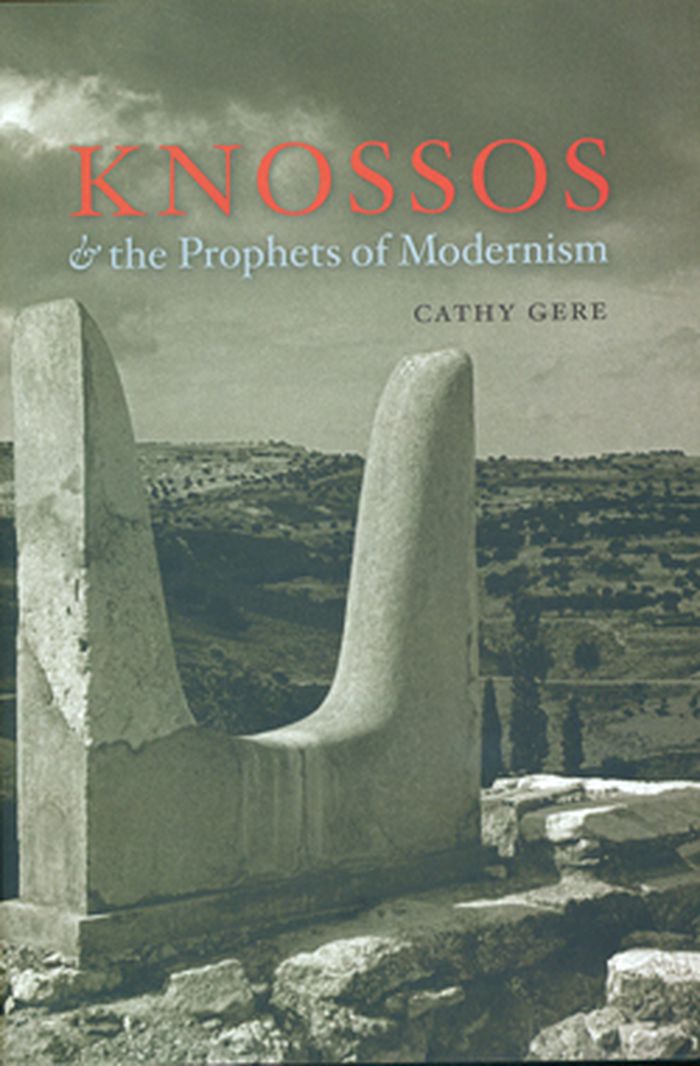
In the spring of 1900, British archaeologist Arthur Evans began to excavate the palace of Knossos on Crete, bringing ancient Greek legends to life just as a new century dawned amid far-reaching questions about human history, art, and culture. Over the next three decades, Evans engaged in an unprecedented reconstruction project, creating a complex of concrete buildings on the site that owed at least as much to modernist architecture as they did to Bronze Age remains. In the process, he fired the imaginations of a whole generation of intellectuals and artists, whose work would drive movements as disparate as fascism and pacifism, feminism and psychoanalysis. With Knossos and the Prophets of Modernism, Cathy Gere relates the fascinating story of Evans’s excavation and its long-term effects on Western culture.
Knossos & the prophets of modernism
Actions:
Price:
$31.95
(available to order)
Summary:
In the spring of 1900, British archaeologist Arthur Evans began to excavate the palace of Knossos on Crete, bringing ancient Greek legends to life just as a new century dawned amid far-reaching questions about human history, art, and culture. Over the next three decades, Evans engaged in an unprecedented reconstruction project, creating a complex of concrete buildings on the site that owed at least as much to modernist architecture as they did to Bronze Age remains. In the process, he fired the imaginations of a whole generation of intellectuals and artists, whose work would drive movements as disparate as fascism and pacifism, feminism and psychoanalysis. With Knossos and the Prophets of Modernism, Cathy Gere relates the fascinating story of Evans’s excavation and its long-term effects on Western culture.
Form:
books
books
Publication:
May 2009
May 2009
Subject:
Architectural Theory
Architectural Theory
Form:
books
books
Title:
Architecture depends
Architecture depends
Actions:
Price:
$29.95
(available to order)
Summary:
Architecture depends — on what? On people, time, politics, ethics, mess: the real world. Architecture, Jeremy Till argues, cannot help itself; it is dependent for its very existence on things outside itself. Despite the claims of autonomy, purity, and control that architects like to make about their practice, architecture is buffeted by uncertainty and contingency. (...)
$29.95
(available to order)
Summary:
Architecture depends — on what? On people, time, politics, ethics, mess: the real world. Architecture, Jeremy Till argues, cannot help itself; it is dependent for its very existence on things outside itself. Despite the claims of autonomy, purity, and control that architects like to make about their practice, architecture is buffeted by uncertainty and contingency. (...)
Title:
Architecture depends
Actions:
Price:
$29.95
(available to order)
Summary:
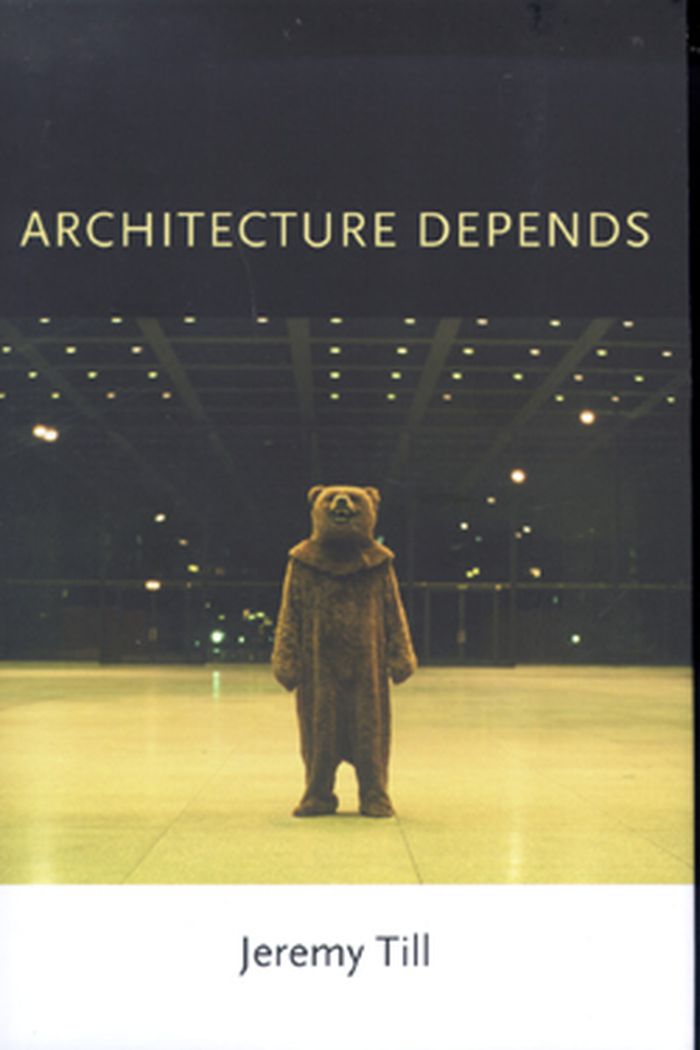
Architecture depends — on what? On people, time, politics, ethics, mess: the real world. Architecture, Jeremy Till argues, cannot help itself; it is dependent for its very existence on things outside itself. Despite the claims of autonomy, purity, and control that architects like to make about their practice, architecture is buffeted by uncertainty and contingency. Jeremy Till offers a proposal for rescuing architects from themselves : a way to bridge the gap between what architecture actually is and what architects want it to be. Mixing anecdote, design, social theory, and personal experience, Till's writing is always accessible, moving freely between high and low registers, much like his suggestions for architecture itself.
Architecture depends
Actions:
Price:
$29.95
(available to order)
Summary:
Architecture depends — on what? On people, time, politics, ethics, mess: the real world. Architecture, Jeremy Till argues, cannot help itself; it is dependent for its very existence on things outside itself. Despite the claims of autonomy, purity, and control that architects like to make about their practice, architecture is buffeted by uncertainty and contingency. Jeremy Till offers a proposal for rescuing architects from themselves : a way to bridge the gap between what architecture actually is and what architects want it to be. Mixing anecdote, design, social theory, and personal experience, Till's writing is always accessible, moving freely between high and low registers, much like his suggestions for architecture itself.
Form:
books
books
Publication:
March 2009, Cambridge
March 2009, Cambridge
Subject:
Architectural Theory
Architectural Theory
Form:
books
books
Title:
Obelisk a history
Obelisk a history
Actions:
Price:
$34.50
(available to order)
Summary:
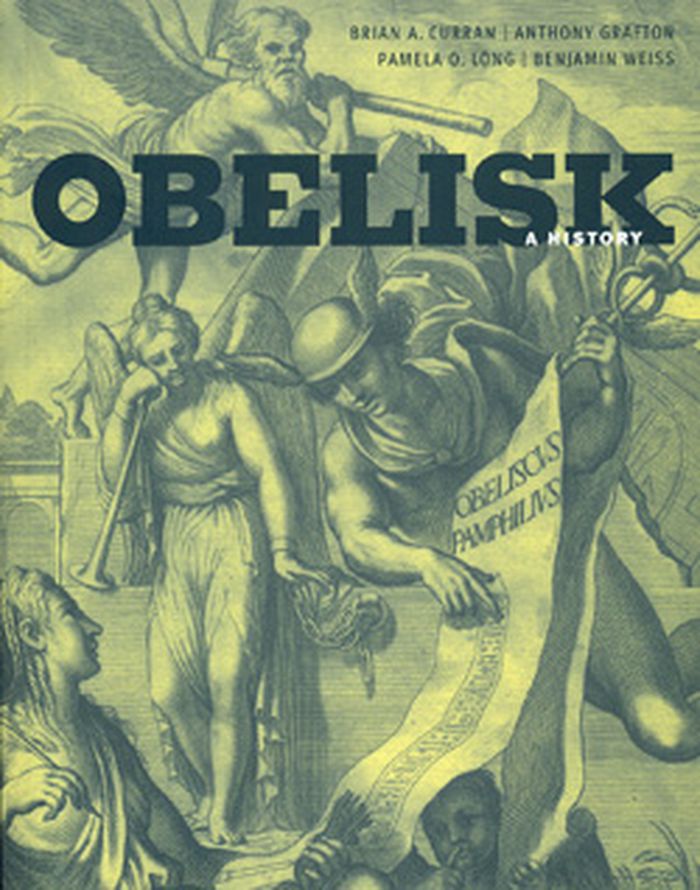
The history of obelisks is a story of technical achievement, imperial conquest, Christian piety and triumphalism, egotism, scholarly brilliance, political hubris, bigoted nationalism, democratic self-assurance, Modernist austerity, and Hollywood kitsch—in short, the story of Western civilization.
$34.50
(available to order)
Summary:
The history of obelisks is a story of technical achievement, imperial conquest, Christian piety and triumphalism, egotism, scholarly brilliance, political hubris, bigoted nationalism, democratic self-assurance, Modernist austerity, and Hollywood kitsch—in short, the story of Western civilization.
Subject:
Architectural Theory
Architectural Theory
Publication:
March 2009, Cambridge, London
March 2009, Cambridge, London
Title:
Obelisk a history
Actions:
Price:
$34.50
(available to order)
Summary:
The history of obelisks is a story of technical achievement, imperial conquest, Christian piety and triumphalism, egotism, scholarly brilliance, political hubris, bigoted nationalism, democratic self-assurance, Modernist austerity, and Hollywood kitsch—in short, the story of Western civilization.
Obelisk a history
Actions:
Price:
$34.50
(available to order)
Summary:
The history of obelisks is a story of technical achievement, imperial conquest, Christian piety and triumphalism, egotism, scholarly brilliance, political hubris, bigoted nationalism, democratic self-assurance, Modernist austerity, and Hollywood kitsch—in short, the story of Western civilization.
Form:
books
books
Publication:
March 2009, Cambridge, London
March 2009, Cambridge, London
Subject:
Architectural Theory
Architectural Theory
Form:
books
books
Price:
$17.95
(available to order)
Summary:
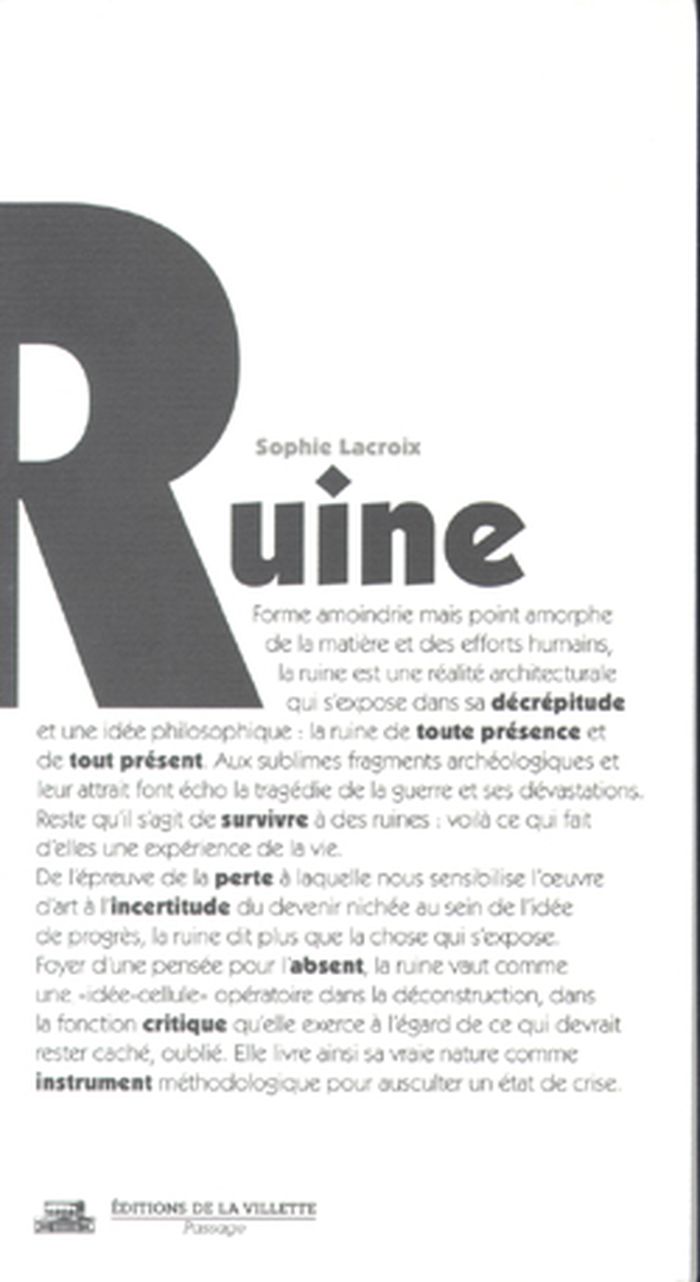
Forme amoindrie mais point amorphe de la matière et des efforts humains, la ruine est une réalité architecturale qui s'expose dans sa décrépitude et une idée philosophique : la ruine de toute présence et de tout présent.
$17.95
(available to order)
Summary:
Forme amoindrie mais point amorphe de la matière et des efforts humains, la ruine est une réalité architecturale qui s'expose dans sa décrépitude et une idée philosophique : la ruine de toute présence et de tout présent.
Form:
books
books
Title:
Vers une architecture
Vers une architecture
Actions:
Price:
$22.95
(available to order)
Summary:
Publié en 1923, Vers une architecture est le livre le plus important de Le Corbusier. Véritable «théorie de l'architecture» du XXe siècle, il est indispensable à la compréhension de la pensée architecturale moderne, à l'heure où les écoles d'architecture et d'urbanisme, et le grand public lui-même, posent objectivement le problème de l'aménagement du cadre de vie.
$22.95
(available to order)
Summary:
Publié en 1923, Vers une architecture est le livre le plus important de Le Corbusier. Véritable «théorie de l'architecture» du XXe siècle, il est indispensable à la compréhension de la pensée architecturale moderne, à l'heure où les écoles d'architecture et d'urbanisme, et le grand public lui-même, posent objectivement le problème de l'aménagement du cadre de vie.
Title:
Vers une architecture
Actions:
Price:
$22.95
(available to order)
Summary:
Publié en 1923, Vers une architecture est le livre le plus important de Le Corbusier. Véritable «théorie de l'architecture» du XXe siècle, il est indispensable à la compréhension de la pensée architecturale moderne, à l'heure où les écoles d'architecture et d'urbanisme, et le grand public lui-même, posent objectivement le problème de l'aménagement du cadre de vie.
Vers une architecture
Actions:
Price:
$22.95
(available to order)
Summary:
Publié en 1923, Vers une architecture est le livre le plus important de Le Corbusier. Véritable «théorie de l'architecture» du XXe siècle, il est indispensable à la compréhension de la pensée architecturale moderne, à l'heure où les écoles d'architecture et d'urbanisme, et le grand public lui-même, posent objectivement le problème de l'aménagement du cadre de vie.
Form:
books
books
Publication:
September 2008
September 2008
Subject:
Architectural Theory
Architectural Theory
Form:
books
books
Price:
$68.50
(available in store)
Summary:
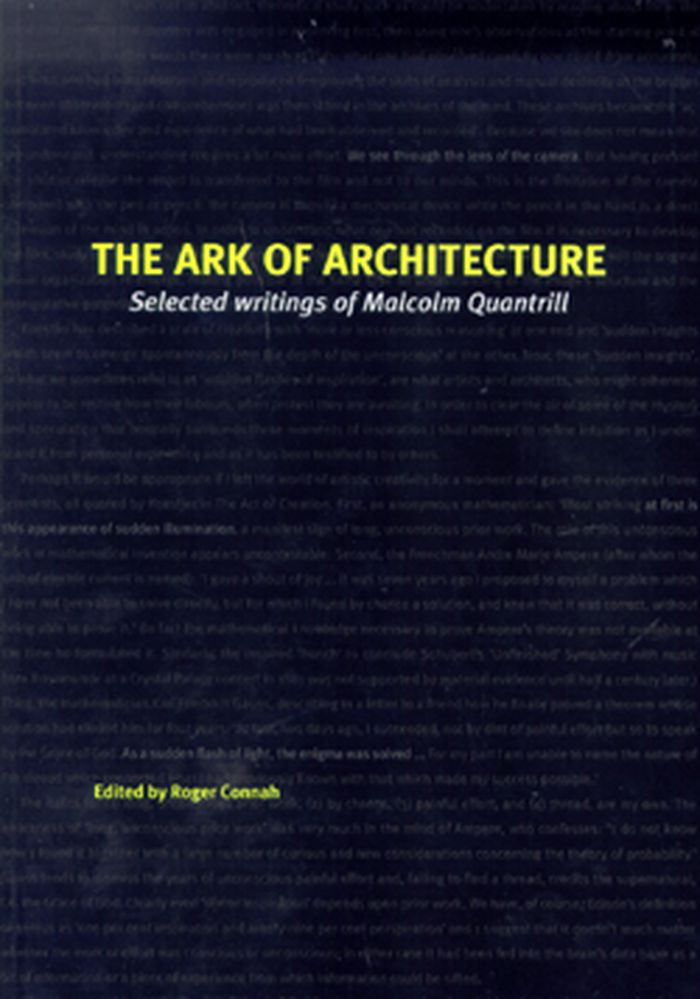
This titre is both a reader and a re-reader of an acute architectural eye and mind. Malcolm Quantrill, architectural historian and theorician has held an unusual place in architectural scholarship over the last 50 years. Quantrill's texts move from the literary to the architectural as he explores some of the more unusual drivers behind Modern Architecture.
$68.50
(available in store)
Summary:
This titre is both a reader and a re-reader of an acute architectural eye and mind. Malcolm Quantrill, architectural historian and theorician has held an unusual place in architectural scholarship over the last 50 years. Quantrill's texts move from the literary to the architectural as he explores some of the more unusual drivers behind Modern Architecture.
Title:
The ark of architecture: selected writings of Malcolm Quantrill
Actions:
Price:
$68.50
(available in store)
Summary:
This titre is both a reader and a re-reader of an acute architectural eye and mind. Malcolm Quantrill, architectural historian and theorician has held an unusual place in architectural scholarship over the last 50 years. Quantrill's texts move from the literary to the architectural as he explores some of the more unusual drivers behind Modern Architecture.
The ark of architecture: selected writings of Malcolm Quantrill
Actions:
Price:
$68.50
(available in store)
Summary:
This titre is both a reader and a re-reader of an acute architectural eye and mind. Malcolm Quantrill, architectural historian and theorician has held an unusual place in architectural scholarship over the last 50 years. Quantrill's texts move from the literary to the architectural as he explores some of the more unusual drivers behind Modern Architecture.
Form:
books
books
Publication:
December 2008, Helsinki
December 2008, Helsinki
Subject:
Architectural Theory
Architectural Theory
Form:
books
books
Actions:
Price:
$24.95
(available to order)
Summary:
Cette nouvelle collection s’attache à penser la condition des matériaux intervenant dans l’édification des édifices non sur le plan technique de la mis en œuvre tel un traité technique mais sur le plan de leur représentation dans les mentalités, sur celui de la matérialité de leur apparence, du touché de leur texture. Le premier volume est consacré au béton histoire de se(...)
$24.95
(available to order)
Summary:
Cette nouvelle collection s’attache à penser la condition des matériaux intervenant dans l’édification des édifices non sur le plan technique de la mis en œuvre tel un traité technique mais sur le plan de leur représentation dans les mentalités, sur celui de la matérialité de leur apparence, du touché de leur texture. Le premier volume est consacré au béton histoire de se(...)
Publication:
February 2009, Villette
February 2009, Villette
Title:
L'esprit des matériaux architecture et philosophie
Actions:
Price:
$24.95
(available to order)
Summary:
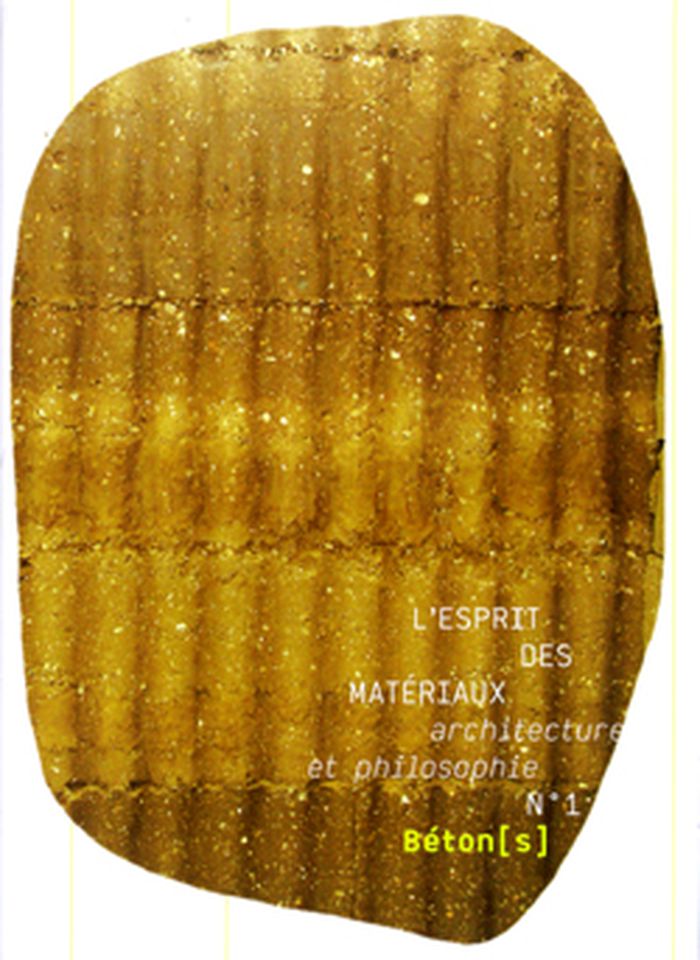
Cette nouvelle collection s’attache à penser la condition des matériaux intervenant dans l’édification des édifices non sur le plan technique de la mis en œuvre tel un traité technique mais sur le plan de leur représentation dans les mentalités, sur celui de la matérialité de leur apparence, du touché de leur texture. Le premier volume est consacré au béton histoire de se départir du caractère gris et dépréciatif qui lui est accolé, celui de matériau pollueur, envahisseur, terne...
L'esprit des matériaux architecture et philosophie
Actions:
Price:
$24.95
(available to order)
Summary:
Cette nouvelle collection s’attache à penser la condition des matériaux intervenant dans l’édification des édifices non sur le plan technique de la mis en œuvre tel un traité technique mais sur le plan de leur représentation dans les mentalités, sur celui de la matérialité de leur apparence, du touché de leur texture. Le premier volume est consacré au béton histoire de se départir du caractère gris et dépréciatif qui lui est accolé, celui de matériau pollueur, envahisseur, terne...
Form:
books
books
Publication:
February 2009, Villette
February 2009, Villette
Form:
books
books
Price:
$32.50
(available in store)
Summary:
This book is a mock film scenario written by the French novelist Jules Romains. It was first published in book form in 1920, and has never been translated into English. The satirical plot concerns a famous geographer whose academic career is about to be derailed by the revelation that he has invented a city in South America. Through a hilarious sequence of events, a(...)
$32.50
(available in store)
Summary:
This book is a mock film scenario written by the French novelist Jules Romains. It was first published in book form in 1920, and has never been translated into English. The satirical plot concerns a famous geographer whose academic career is about to be derailed by the revelation that he has invented a city in South America. Through a hilarious sequence of events, a(...)
Subject:
Architectural Theory
Architectural Theory
Publication:
December 2008, New York
December 2008, New York
Title:
Donogoo-Tonka, or the miracles of science : a cinematographic tale
Actions:
Price:
$32.50
(available in store)
Summary:
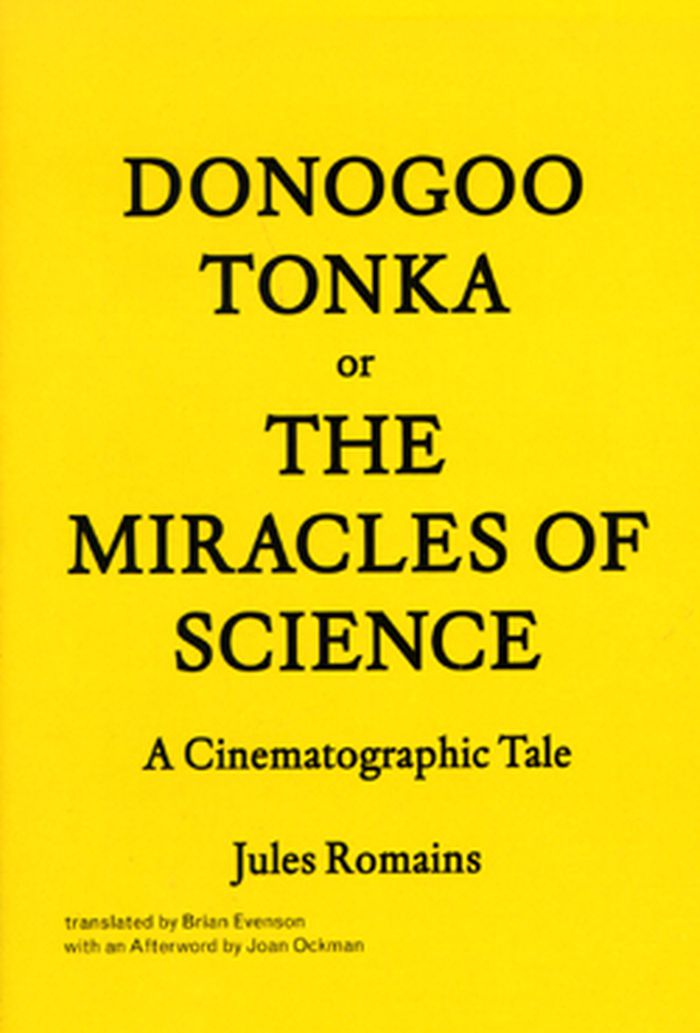
This book is a mock film scenario written by the French novelist Jules Romains. It was first published in book form in 1920, and has never been translated into English. The satirical plot concerns a famous geographer whose academic career is about to be derailed by the revelation that he has invented a city in South America. Through a hilarious sequence of events, a suicidal young man finds a new mission in life by undertaking to found the fictional city, thereby redeeming the error and reputation of the absentminded professor. Jules Romains, 1885–1972, is the pseudonym of Louis Farigoule, a French novelist, dramatist, and poet. Romains was the founder of Unanimism, a social-literary theory that posited a collective spirit or personality within society. This concept pervades an early collection of his poems, La Vie unanime (1908), as well as his principal work, the twenty-seven-volume novel cycle, Men of Good Will (1932–46). Translated by Brian Evenson.
Donogoo-Tonka, or the miracles of science : a cinematographic tale
Actions:
Price:
$32.50
(available in store)
Summary:
This book is a mock film scenario written by the French novelist Jules Romains. It was first published in book form in 1920, and has never been translated into English. The satirical plot concerns a famous geographer whose academic career is about to be derailed by the revelation that he has invented a city in South America. Through a hilarious sequence of events, a suicidal young man finds a new mission in life by undertaking to found the fictional city, thereby redeeming the error and reputation of the absentminded professor. Jules Romains, 1885–1972, is the pseudonym of Louis Farigoule, a French novelist, dramatist, and poet. Romains was the founder of Unanimism, a social-literary theory that posited a collective spirit or personality within society. This concept pervades an early collection of his poems, La Vie unanime (1908), as well as his principal work, the twenty-seven-volume novel cycle, Men of Good Will (1932–46). Translated by Brian Evenson.
Form:
books
books
Publication:
December 2008, New York
December 2008, New York
Subject:
Architectural Theory
Architectural Theory
Form:
books
books
Actions:
Price:
$32.50
(available to order)
Summary:
This volume investigates the dissolution of the classical paradigm of architecture as imitative form in the context of the French Enlightenment, and analyzes the emergence of a new logic of architecture based on a biopolitical process of subject formation. Wallenstein draws especially on the late work of Michel Foucault for his argument and distinguishes Foucault’s theory(...)
$32.50
(available to order)
Summary:
This volume investigates the dissolution of the classical paradigm of architecture as imitative form in the context of the French Enlightenment, and analyzes the emergence of a new logic of architecture based on a biopolitical process of subject formation. Wallenstein draws especially on the late work of Michel Foucault for his argument and distinguishes Foucault’s theory(...)
Title:
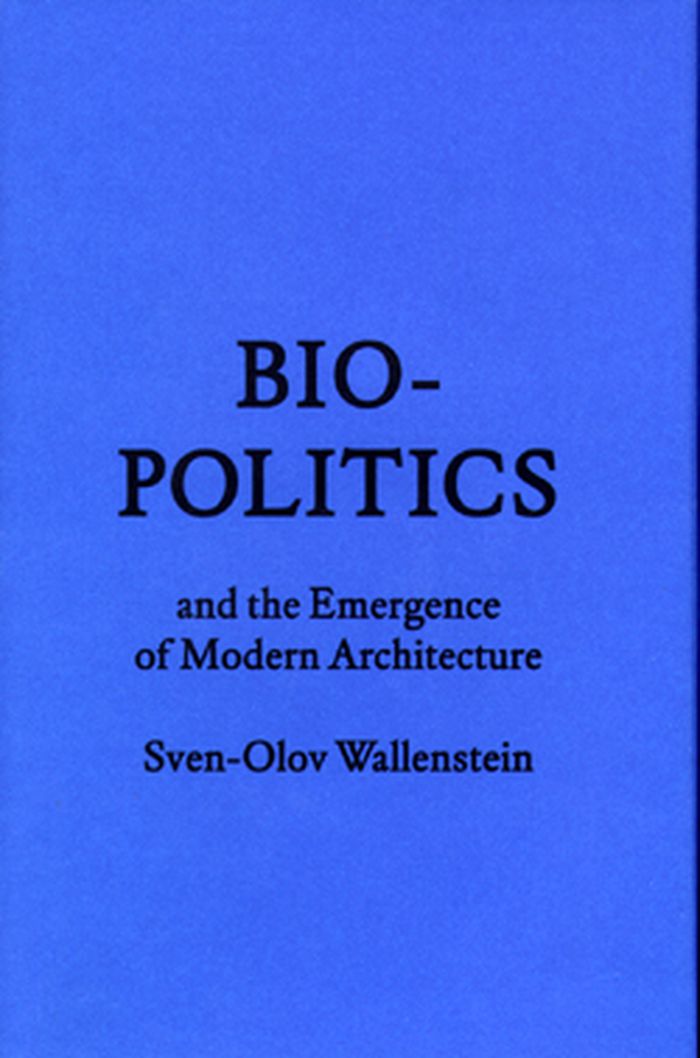
Bio-politics and the emergence of modern architecture
Actions:
Price:
$32.50
(available to order)
Summary:
This volume investigates the dissolution of the classical paradigm of architecture as imitative form in the context of the French Enlightenment, and analyzes the emergence of a new logic of architecture based on a biopolitical process of subject formation. Wallenstein draws especially on the late work of Michel Foucault for his argument and distinguishes Foucault’s theory of biopolitics from that of Giorgio Agamben. Published shortly after the release of the first English translation of Foucault’s The Birth of Biopolitics, this is the first volume that specifically relates the biopolitical concept to architecture. The book concludes with a pictorial essay on the development over the last two centuries of the modern hospital, a building type that epitomizes the unfolding of this new architectural logic.
Bio-politics and the emergence of modern architecture
Actions:
Price:
$32.50
(available to order)
Summary:
This volume investigates the dissolution of the classical paradigm of architecture as imitative form in the context of the French Enlightenment, and analyzes the emergence of a new logic of architecture based on a biopolitical process of subject formation. Wallenstein draws especially on the late work of Michel Foucault for his argument and distinguishes Foucault’s theory of biopolitics from that of Giorgio Agamben. Published shortly after the release of the first English translation of Foucault’s The Birth of Biopolitics, this is the first volume that specifically relates the biopolitical concept to architecture. The book concludes with a pictorial essay on the development over the last two centuries of the modern hospital, a building type that epitomizes the unfolding of this new architectural logic.
Form:
books
books
Publication:
December 2008, New York
December 2008, New York
Subject:
Architectural Theory
Architectural Theory


