


1912 Results
Form:
books
books
Title:
Urban reports: urban strategies and visions in mid-sized cities in a local and global context
Urban reports: urban strategies and visions in mid-sized cities in a local and global context
Actions:
Price:
$65.00
(available to order)
Summary:
This publication centres on how mid-size cities are being affected by global trends and explores the consequences and challenges they face in their development. How do these cities deal with the frictions and potentials arising from local interests and global powers? Representatives from six European cities - Amsterdam, Bilbao, Copenhagen, Dublin, Zagreb and Zurich -(...)
$65.00
(available to order)
Summary:
This publication centres on how mid-size cities are being affected by global trends and explores the consequences and challenges they face in their development. How do these cities deal with the frictions and potentials arising from local interests and global powers? Representatives from six European cities - Amsterdam, Bilbao, Copenhagen, Dublin, Zagreb and Zurich -(...)
Subject:
Urban Theory
Urban Theory
Publication:
July 2011
July 2011
Title:
Urban reports: urban strategies and visions in mid-sized cities in a local and global context
Actions:
Price:
$65.00
(available to order)
Summary:
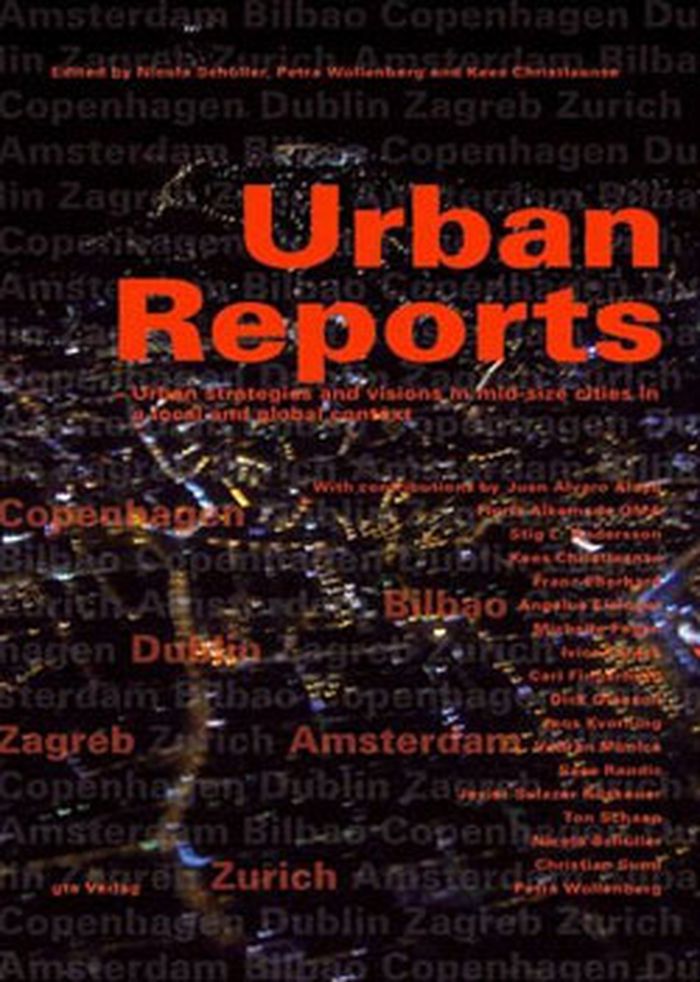
This publication centres on how mid-size cities are being affected by global trends and explores the consequences and challenges they face in their development. How do these cities deal with the frictions and potentials arising from local interests and global powers? Representatives from six European cities - Amsterdam, Bilbao, Copenhagen, Dublin, Zagreb and Zurich - report on their fascinating visions for transforming their cities in the 21st century.
Urban reports: urban strategies and visions in mid-sized cities in a local and global context
Actions:
Price:
$65.00
(available to order)
Summary:
This publication centres on how mid-size cities are being affected by global trends and explores the consequences and challenges they face in their development. How do these cities deal with the frictions and potentials arising from local interests and global powers? Representatives from six European cities - Amsterdam, Bilbao, Copenhagen, Dublin, Zagreb and Zurich - report on their fascinating visions for transforming their cities in the 21st century.
Form:
books
books
Publication:
July 2011
July 2011
Subject:
Urban Theory
Urban Theory
Form:
books
books
Actions:
Price:
$100.00
(available to order)
Summary:
Laying out Manhattan's street grid and providing a rationale for the growth of New York was the city's first great civic enterprise, not to mention a brazenly ambitious project and major milestone in the history of city planning. The grid created the physical conditions for business and society to flourish and embodied the drive and discipline for which the city would(...)
$100.00
(available to order)
Summary:
Laying out Manhattan's street grid and providing a rationale for the growth of New York was the city's first great civic enterprise, not to mention a brazenly ambitious project and major milestone in the history of city planning. The grid created the physical conditions for business and society to flourish and embodied the drive and discipline for which the city would(...)
Title:
The greatest grid : the Master plan of Manhattan 1811-2011
Actions:
Price:
$100.00
(available to order)
Summary:
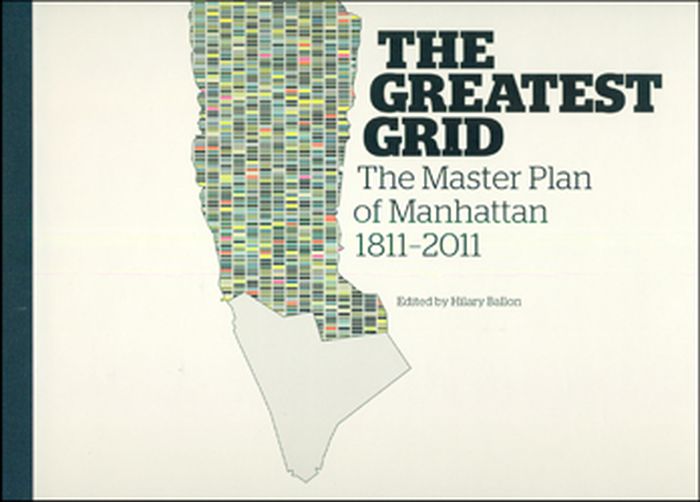
Laying out Manhattan's street grid and providing a rationale for the growth of New York was the city's first great civic enterprise, not to mention a brazenly ambitious project and major milestone in the history of city planning. The grid created the physical conditions for business and society to flourish and embodied the drive and discipline for which the city would come to be known. Published to coincide with an exhibition at the Museum of the City of New York celebrating the bicentennial of the Commissioners' 1811 Plan of Manhattan, this volume does more than memorialize such a visionary effort, it serves as an enduring reference full of rare images and information. "The Greatest Grid" shares the history of the Commissioners' plan, incorporating archival photos and illustrations, primary documents and testimony, and magnificent maps with essential analysis. The text, written by leading historians of New York City, follows the grid's initial design, implementation, and evolution, and then speaks to its enduring influence. A foldout map, accompanied by explanatory notes, reproduces the Commissioners' original plan, and additional maps and prints chart the city's pre-1811 irregular growth patterns and local precedent for the grid's design.
The greatest grid : the Master plan of Manhattan 1811-2011
Actions:
Price:
$100.00
(available to order)
Summary:
Laying out Manhattan's street grid and providing a rationale for the growth of New York was the city's first great civic enterprise, not to mention a brazenly ambitious project and major milestone in the history of city planning. The grid created the physical conditions for business and society to flourish and embodied the drive and discipline for which the city would come to be known. Published to coincide with an exhibition at the Museum of the City of New York celebrating the bicentennial of the Commissioners' 1811 Plan of Manhattan, this volume does more than memorialize such a visionary effort, it serves as an enduring reference full of rare images and information. "The Greatest Grid" shares the history of the Commissioners' plan, incorporating archival photos and illustrations, primary documents and testimony, and magnificent maps with essential analysis. The text, written by leading historians of New York City, follows the grid's initial design, implementation, and evolution, and then speaks to its enduring influence. A foldout map, accompanied by explanatory notes, reproduces the Commissioners' original plan, and additional maps and prints chart the city's pre-1811 irregular growth patterns and local precedent for the grid's design.
Form:
books
books
Publication:
December 2011
December 2011
Subject:
Urban Theory
Urban Theory
Form:
books
books
Actions:
Price:
$30.95
(available to order)
Summary:
In "Havana beyond the Ruins," prominent architects, scholars, and writers based in and outside of Cuba analyze how Havana has been portrayed in literature, music, and the visual arts since Soviet subsidies of Cuba ceased, and the Cuban state has re-imagined Havana as a destination for international tourists and business ventures. Cuba's capital has experienced little(...)
$30.95
(available to order)
Summary:
In "Havana beyond the Ruins," prominent architects, scholars, and writers based in and outside of Cuba analyze how Havana has been portrayed in literature, music, and the visual arts since Soviet subsidies of Cuba ceased, and the Cuban state has re-imagined Havana as a destination for international tourists and business ventures. Cuba's capital has experienced little(...)
Title:
Havana, beyond the ruins: cultural mappings after 1989
Actions:
Price:
$30.95
(available to order)
Summary:
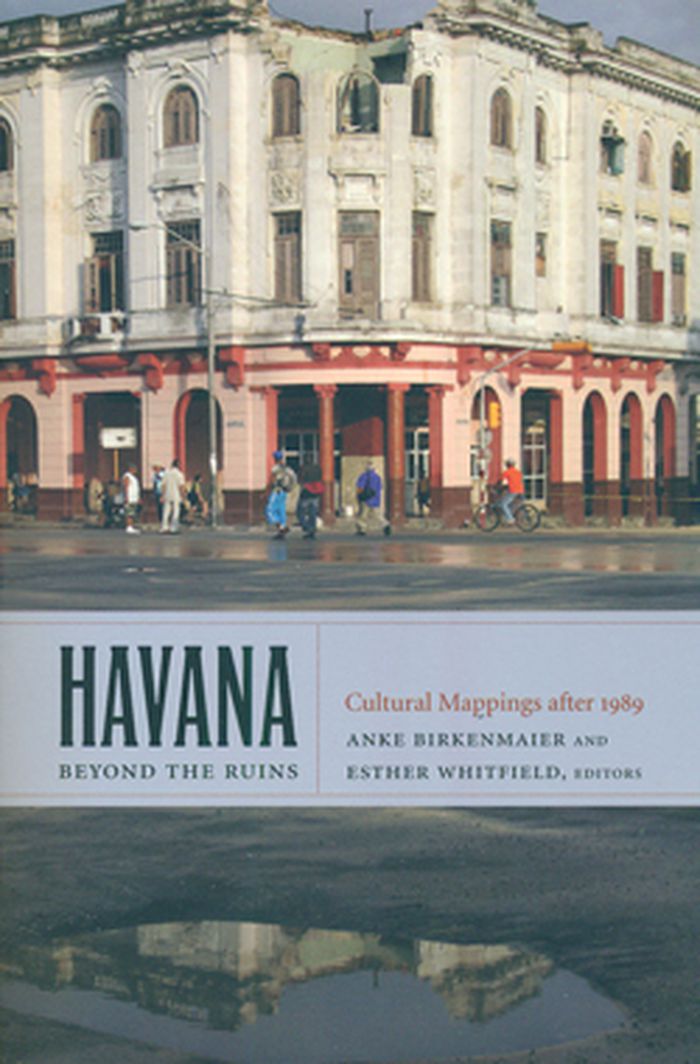
In "Havana beyond the Ruins," prominent architects, scholars, and writers based in and outside of Cuba analyze how Havana has been portrayed in literature, music, and the visual arts since Soviet subsidies of Cuba ceased, and the Cuban state has re-imagined Havana as a destination for international tourists and business ventures. Cuba's capital has experienced little construction since the revolution of 1959; many of its citizens live in poorly maintained colonial and modernist dwellings. It is this Havana--of crumbling houses, old cars, and a romantic aura of ruined hopes--that is marketed in picture books, memorabilia, and films. Bringing together assessments of the city's dwellings and urban development projects, "Havana beyond the Ruins" provides unique insights into issues of memory, citizenship, urban life, and the future of the revolution in Cuba.
Havana, beyond the ruins: cultural mappings after 1989
Actions:
Price:
$30.95
(available to order)
Summary:
In "Havana beyond the Ruins," prominent architects, scholars, and writers based in and outside of Cuba analyze how Havana has been portrayed in literature, music, and the visual arts since Soviet subsidies of Cuba ceased, and the Cuban state has re-imagined Havana as a destination for international tourists and business ventures. Cuba's capital has experienced little construction since the revolution of 1959; many of its citizens live in poorly maintained colonial and modernist dwellings. It is this Havana--of crumbling houses, old cars, and a romantic aura of ruined hopes--that is marketed in picture books, memorabilia, and films. Bringing together assessments of the city's dwellings and urban development projects, "Havana beyond the Ruins" provides unique insights into issues of memory, citizenship, urban life, and the future of the revolution in Cuba.
Form:
books
books
Publication:
September 2011
September 2011
Subject:
Urban Theory
Urban Theory
Form:
books
books
Actions:
Price:
$18.99
(available to order)
Summary:
Makeshift Metropolis describes how current ideas about urban planning evolved from the movements that defined the twentieth century, such as City Beautiful, the Garden City, and the seminal ideas of Frank Lloyd Wright and Jane Jacobs. If the twentieth century was the age of planning, we now find ourselves in the age of the market, Rybczynski argues, where entrepreneurial(...)
$18.99
(available to order)
Summary:
Makeshift Metropolis describes how current ideas about urban planning evolved from the movements that defined the twentieth century, such as City Beautiful, the Garden City, and the seminal ideas of Frank Lloyd Wright and Jane Jacobs. If the twentieth century was the age of planning, we now find ourselves in the age of the market, Rybczynski argues, where entrepreneurial(...)
Title:
Makeshift metropolis: ideas about cities
Actions:
Price:
$18.99
(available to order)
Summary:
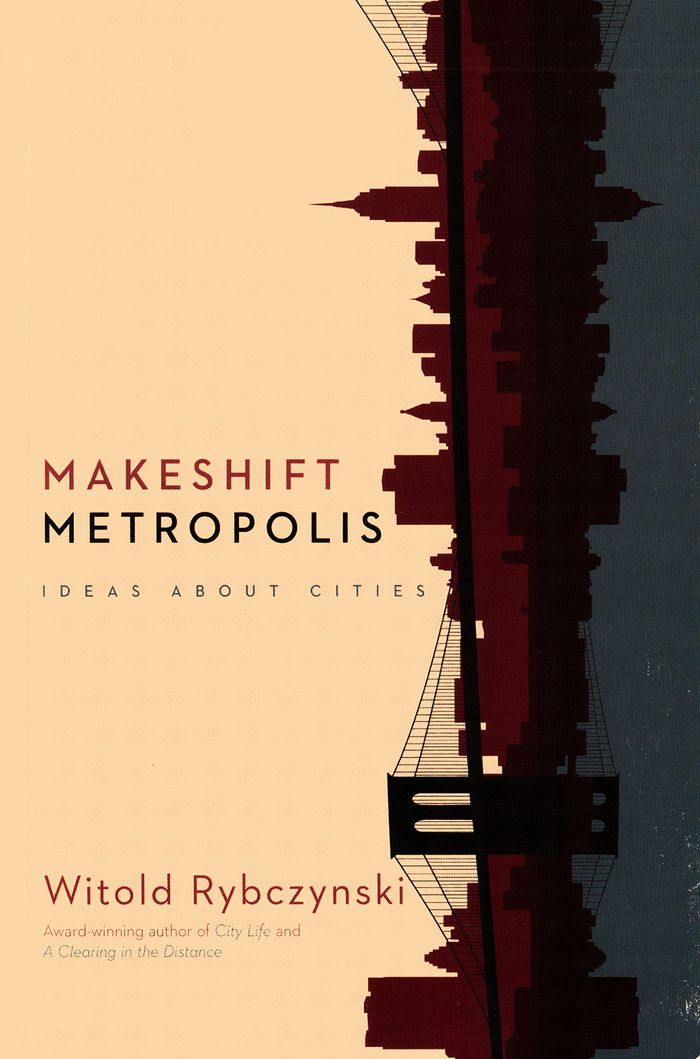
Makeshift Metropolis describes how current ideas about urban planning evolved from the movements that defined the twentieth century, such as City Beautiful, the Garden City, and the seminal ideas of Frank Lloyd Wright and Jane Jacobs. If the twentieth century was the age of planning, we now find ourselves in the age of the market, Rybczynski argues, where entrepreneurial developers are shaping the twenty-first-century city with mixed-use developments, downtown living, heterogeneity, density, and liveliness. He introduces readers to projects like Brooklyn Bridge Park, the Yards in Washington, D.C., and, further afield, to the new city of Modi’in, Israel—sites that, in this age of resource scarcity, economic turmoil, and changing human demands, challenge our notion of the city.
Makeshift metropolis: ideas about cities
Actions:
Price:
$18.99
(available to order)
Summary:
Makeshift Metropolis describes how current ideas about urban planning evolved from the movements that defined the twentieth century, such as City Beautiful, the Garden City, and the seminal ideas of Frank Lloyd Wright and Jane Jacobs. If the twentieth century was the age of planning, we now find ourselves in the age of the market, Rybczynski argues, where entrepreneurial developers are shaping the twenty-first-century city with mixed-use developments, downtown living, heterogeneity, density, and liveliness. He introduces readers to projects like Brooklyn Bridge Park, the Yards in Washington, D.C., and, further afield, to the new city of Modi’in, Israel—sites that, in this age of resource scarcity, economic turmoil, and changing human demands, challenge our notion of the city.
Form:
books
books
Publication:
September 2011
September 2011
Subject:
Urban Theory
Urban Theory
Form:
books
books
Price:
$54.95
(available to order)
Summary:
In recent years and decades, dealing with the architectural legacy of the industrial age has been an increasingly common task for urban planning: industrial buildings and sites, infrastructure, and residential areas that have become vacant lots as a result of structural transformation cannot, if only because of their dimensions, be ignored within the urban space.(...)
$54.95
(available to order)
Summary:
In recent years and decades, dealing with the architectural legacy of the industrial age has been an increasingly common task for urban planning: industrial buildings and sites, infrastructure, and residential areas that have become vacant lots as a result of structural transformation cannot, if only because of their dimensions, be ignored within the urban space.(...)
Subject:
Urban Theory
Urban Theory
Publication:
November 2011
November 2011
Title:
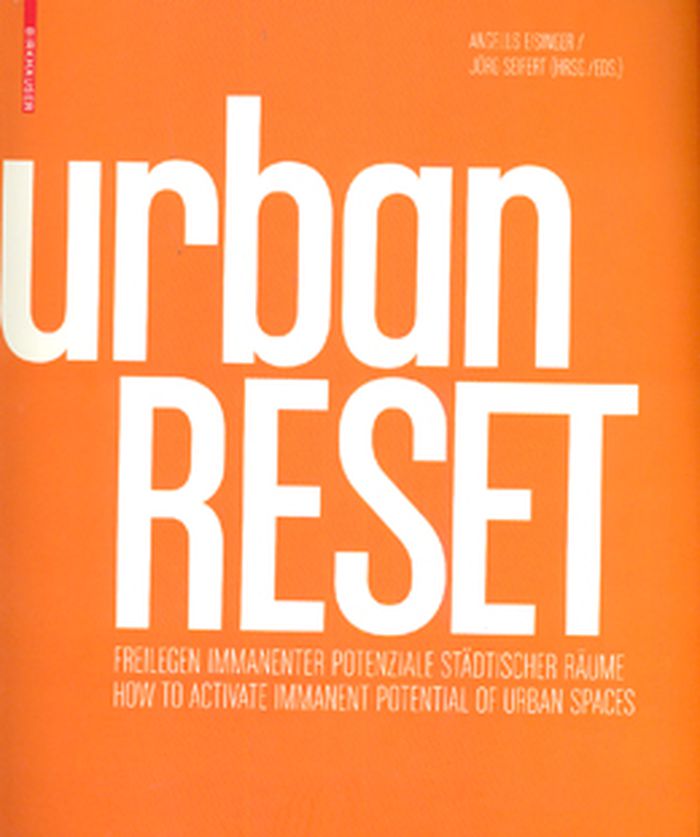
urbanRESET: how to activate immanent potential of urban spaces
Actions:
Price:
$54.95
(available to order)
Summary:
In recent years and decades, dealing with the architectural legacy of the industrial age has been an increasingly common task for urban planning: industrial buildings and sites, infrastructure, and residential areas that have become vacant lots as a result of structural transformation cannot, if only because of their dimensions, be ignored within the urban space. Innovative reinterpretations of such relics that update existing building fabric in a way that goes beyond critical reconstruction or revitalization, such as the Toni Site in Zurich or the Île de Nantes, can be observed throughout Europe these days. The publication urbanRESET brings together succinct examples of this separate category of urban-planning from throughout Europe. The projects are presented in detail with plans and color illustrations. Interviews with key players and theoretical essays show how local processes of reinterpretation and reactivation can produce sustainable effects. urbanRESET sheds light on the common foundations of these works and condenses them into methodological inferences for a forward-looking urban praxis.
urbanRESET: how to activate immanent potential of urban spaces
Actions:
Price:
$54.95
(available to order)
Summary:
In recent years and decades, dealing with the architectural legacy of the industrial age has been an increasingly common task for urban planning: industrial buildings and sites, infrastructure, and residential areas that have become vacant lots as a result of structural transformation cannot, if only because of their dimensions, be ignored within the urban space. Innovative reinterpretations of such relics that update existing building fabric in a way that goes beyond critical reconstruction or revitalization, such as the Toni Site in Zurich or the Île de Nantes, can be observed throughout Europe these days. The publication urbanRESET brings together succinct examples of this separate category of urban-planning from throughout Europe. The projects are presented in detail with plans and color illustrations. Interviews with key players and theoretical essays show how local processes of reinterpretation and reactivation can produce sustainable effects. urbanRESET sheds light on the common foundations of these works and condenses them into methodological inferences for a forward-looking urban praxis.
Form:
books
books
Publication:
November 2011
November 2011
Subject:
Urban Theory
Urban Theory
Form:
books
books
Price:
$68.50
(available to order)
Summary:
An ideal introduction to community planning for students, planners, local officials, community leaders, and citizens. Two experienced educators offer a general introduction to planning, including the elements of the comprehensive plan, and the tools of plan implementation. Each chapter includes a continuing case study of Rivertown, a fictitious community used for(...)
$68.50
(available to order)
Summary:
An ideal introduction to community planning for students, planners, local officials, community leaders, and citizens. Two experienced educators offer a general introduction to planning, including the elements of the comprehensive plan, and the tools of plan implementation. Each chapter includes a continuing case study of Rivertown, a fictitious community used for(...)
Title:
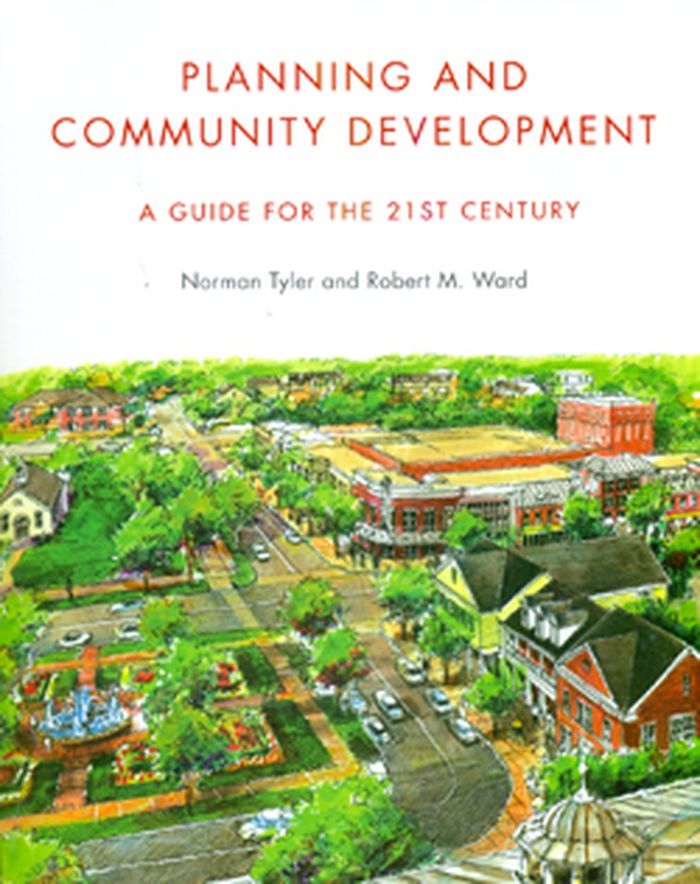
Planning and community development: a guide for the 21st century
Actions:
Price:
$68.50
(available to order)
Summary:
An ideal introduction to community planning for students, planners, local officials, community leaders, and citizens. Two experienced educators offer a general introduction to planning, including the elements of the comprehensive plan, and the tools of plan implementation. Each chapter includes a continuing case study of Rivertown, a fictitious community used for planning exercises. Practical examples and case studies from across the United States supplement the text.
Planning and community development: a guide for the 21st century
Actions:
Price:
$68.50
(available to order)
Summary:
An ideal introduction to community planning for students, planners, local officials, community leaders, and citizens. Two experienced educators offer a general introduction to planning, including the elements of the comprehensive plan, and the tools of plan implementation. Each chapter includes a continuing case study of Rivertown, a fictitious community used for planning exercises. Practical examples and case studies from across the United States supplement the text.
Form:
books
books
Publication:
January 2011
January 2011
Subject:
Urban Theory
Urban Theory
Form:
books
books
Title:
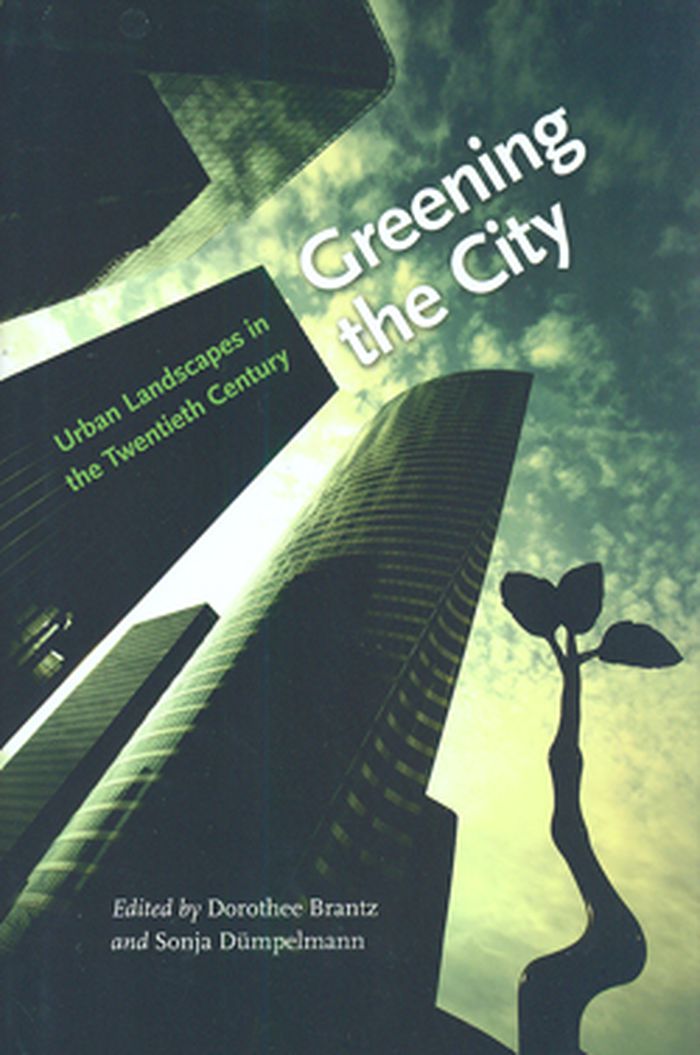
Greening the city
Greening the city
Actions:
Price:
$54.00
(available to order)
Summary:
This collection brings a unified focus to new research that is expanding the boundaries of our understanding of people's relationship to their built and 'natural' environments. In its own way, each essay raises the same question: What is the nature of nature in the city and how has it changed over the past century? Together, these essays open a new frontier of(...)
$54.00
(available to order)
Summary:
This collection brings a unified focus to new research that is expanding the boundaries of our understanding of people's relationship to their built and 'natural' environments. In its own way, each essay raises the same question: What is the nature of nature in the city and how has it changed over the past century? Together, these essays open a new frontier of(...)
Title:
Greening the city
Actions:
Price:
$54.00
(available to order)
Summary:
This collection brings a unified focus to new research that is expanding the boundaries of our understanding of people's relationship to their built and 'natural' environments. In its own way, each essay raises the same question: What is the nature of nature in the city and how has it changed over the past century? Together, these essays open a new frontier of scholarship."Greening the City" has the potential of rising to a level of seminal influence. The modern city is not only pavement and concrete. Parks, gardens, trees, and other plants are an integral part of the urban environment.Often the focal points of social movements and political interests, green spaces represent far more than simply an effort to balance the man-made with the natural. A city's history with - and approach to - its parks and gardens reveals much about its workings and the forces acting upon it. Our green spaces offer a unique and valuable window on the history of city life.
Greening the city
Actions:
Price:
$54.00
(available to order)
Summary:
This collection brings a unified focus to new research that is expanding the boundaries of our understanding of people's relationship to their built and 'natural' environments. In its own way, each essay raises the same question: What is the nature of nature in the city and how has it changed over the past century? Together, these essays open a new frontier of scholarship."Greening the City" has the potential of rising to a level of seminal influence. The modern city is not only pavement and concrete. Parks, gardens, trees, and other plants are an integral part of the urban environment.Often the focal points of social movements and political interests, green spaces represent far more than simply an effort to balance the man-made with the natural. A city's history with - and approach to - its parks and gardens reveals much about its workings and the forces acting upon it. Our green spaces offer a unique and valuable window on the history of city life.
Form:
books
books
Publication:
August 2011
August 2011
Subject:
Urban Theory
Urban Theory
Form:
books
books
Actions:
Price:
$52.50
(available to order)
Summary:
By outlining the dominant models in urban design over the last sixty years - the metropolis, the megalopolis, the fragmented metropolis and the global megacity - the book provides an essential framework for students of the subject.
$52.50
(available to order)
Summary:
By outlining the dominant models in urban design over the last sixty years - the metropolis, the megalopolis, the fragmented metropolis and the global megacity - the book provides an essential framework for students of the subject.
Title:
Urban design since 1945 : a global perspective
Actions:
Price:
$52.50
(available to order)
Summary:
By outlining the dominant models in urban design over the last sixty years - the metropolis, the megalopolis, the fragmented metropolis and the global megacity - the book provides an essential framework for students of the subject.
Urban design since 1945 : a global perspective
Actions:
Price:
$52.50
(available to order)
Summary:
By outlining the dominant models in urban design over the last sixty years - the metropolis, the megalopolis, the fragmented metropolis and the global megacity - the book provides an essential framework for students of the subject.
Form:
books
books
Publication:
August 2011
August 2011
Subject:
Urban Theory
Urban Theory
Form:
books
books
Actions:
Price:
$36.00
(available to order)
Summary:
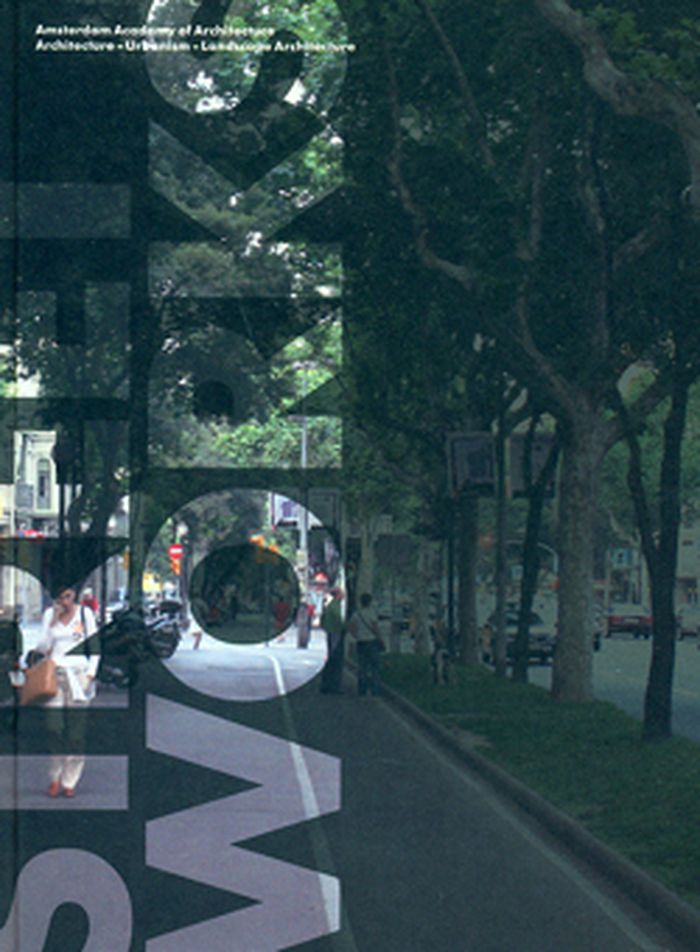
The StreetWorks research and design project explores the cohesive function of the urban street. It examines the significance of the streets linear space, its orientation within the city and its surroundings, and the role architecture plays in this urban context.
$36.00
(available to order)
Summary:
The StreetWorks research and design project explores the cohesive function of the urban street. It examines the significance of the streets linear space, its orientation within the city and its surroundings, and the role architecture plays in this urban context.
Title:
Street works: patterns in urbanity
Actions:
Price:
$36.00
(available to order)
Summary:
The StreetWorks research and design project explores the cohesive function of the urban street. It examines the significance of the streets linear space, its orientation within the city and its surroundings, and the role architecture plays in this urban context.
Street works: patterns in urbanity
Actions:
Price:
$36.00
(available to order)
Summary:
The StreetWorks research and design project explores the cohesive function of the urban street. It examines the significance of the streets linear space, its orientation within the city and its surroundings, and the role architecture plays in this urban context.
Form:
books
books
Publication:
August 2011
August 2011
Subject:
Urban Theory
Urban Theory
Form:
books
books
Actions:
Price:
$74.95
(available to order)
Summary:
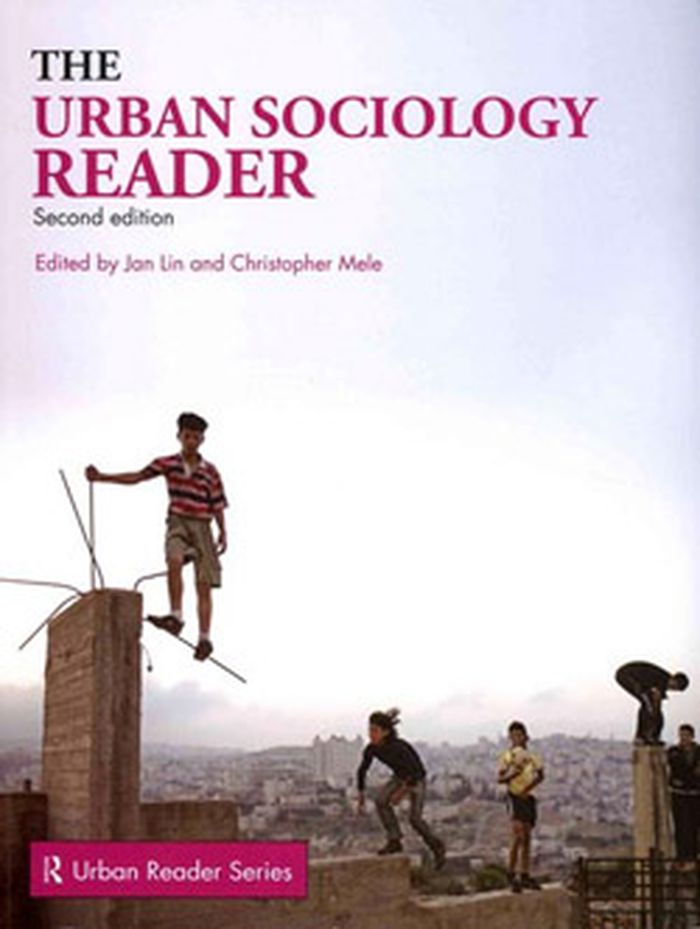
This Reader comprises sections on urban social theory, racial and social difference in the city, culture in everyday life, culture and the urban economy, globalization and transnational social relations and the regulation of urban space. Drawing together seminal selections covering the nineteenth to the twenty-first centuries, this publication includes forty-three(...)
$74.95
(available to order)
Summary:
This Reader comprises sections on urban social theory, racial and social difference in the city, culture in everyday life, culture and the urban economy, globalization and transnational social relations and the regulation of urban space. Drawing together seminal selections covering the nineteenth to the twenty-first centuries, this publication includes forty-three(...)
Title:
The urban sociology reader, second edition
Actions:
Price:
$74.95
(available to order)
Summary:
This Reader comprises sections on urban social theory, racial and social difference in the city, culture in everyday life, culture and the urban economy, globalization and transnational social relations and the regulation of urban space. Drawing together seminal selections covering the nineteenth to the twenty-first centuries, this publication includes forty-three writings from eminent names such as Simmel, Wirth, Park, Burgess, DuBois, Zukin, Sassen, and Harvey. The 2nd edition illuminates more recent urban issues such as sprawl, sustainability, immigration and urban protest. Selections are predominantly sociological, but some readings cross disciplinary boundaries.
The urban sociology reader, second edition
Actions:
Price:
$74.95
(available to order)
Summary:
This Reader comprises sections on urban social theory, racial and social difference in the city, culture in everyday life, culture and the urban economy, globalization and transnational social relations and the regulation of urban space. Drawing together seminal selections covering the nineteenth to the twenty-first centuries, this publication includes forty-three writings from eminent names such as Simmel, Wirth, Park, Burgess, DuBois, Zukin, Sassen, and Harvey. The 2nd edition illuminates more recent urban issues such as sprawl, sustainability, immigration and urban protest. Selections are predominantly sociological, but some readings cross disciplinary boundaries.
Form:
books
books
Publication:
March 2012
March 2012
Subject:
Urban Theory
Urban Theory


