


1912 Results
Form:
books
books
Actions:
Price:
$22.00
(available to order)
Summary:
L’espace urbain a toujours été synonyme de densité, de vitesse et de foisonnement. Toutefois, le phénomène d’urbanisation qui s’intensifie depuis la révolution industrielle s’étend aujourd’hui à une échelle inédite. Alors qu’elle semble se déployer sans fin, cette urbanisation produit en même temps les limites de sa propre expansion – pollution des écosystèmes et de la(...)
$22.00
(available to order)
Summary:
L’espace urbain a toujours été synonyme de densité, de vitesse et de foisonnement. Toutefois, le phénomène d’urbanisation qui s’intensifie depuis la révolution industrielle s’étend aujourd’hui à une échelle inédite. Alors qu’elle semble se déployer sans fin, cette urbanisation produit en même temps les limites de sa propre expansion – pollution des écosystèmes et de la(...)
Title:
De la ville intelligente à la ville intelligible
Actions:
Price:
$22.00
(available to order)
Summary:
L’espace urbain a toujours été synonyme de densité, de vitesse et de foisonnement. Toutefois, le phénomène d’urbanisation qui s’intensifie depuis la révolution industrielle s’étend aujourd’hui à une échelle inédite. Alors qu’elle semble se déployer sans fin, cette urbanisation produit en même temps les limites de sa propre expansion – pollution des écosystèmes et de la biosphère, congestion, surpopulation, etc. Devant l’ampleur de la crise, de plus en plus de grands centres prennent l’initiative de s’imposer comme modèles de villes faisant preuve d’«?intelligence?».
De la ville intelligente à la ville intelligible
Actions:
Price:
$22.00
(available to order)
Summary:
L’espace urbain a toujours été synonyme de densité, de vitesse et de foisonnement. Toutefois, le phénomène d’urbanisation qui s’intensifie depuis la révolution industrielle s’étend aujourd’hui à une échelle inédite. Alors qu’elle semble se déployer sans fin, cette urbanisation produit en même temps les limites de sa propre expansion – pollution des écosystèmes et de la biosphère, congestion, surpopulation, etc. Devant l’ampleur de la crise, de plus en plus de grands centres prennent l’initiative de s’imposer comme modèles de villes faisant preuve d’«?intelligence?».
Form:
books
books
Publication:
November 2019
November 2019
Subject:
Urban Theory
Urban Theory
Form:
books
books
Actions:
Price:
$57.95
(available to order)
Summary:
Public space is an essence of urban life, of a city's living quality. The (re-) transformation of space today used by the dense traffic prevalent in urban areas into truly public space is a highly effective way to increase its quality and quantity in cities of all sizes and larger metropolitan areas. The starting point of any such increase is to ensure a better balance(...)
$57.95
(available to order)
Summary:
Public space is an essence of urban life, of a city's living quality. The (re-) transformation of space today used by the dense traffic prevalent in urban areas into truly public space is a highly effective way to increase its quality and quantity in cities of all sizes and larger metropolitan areas. The starting point of any such increase is to ensure a better balance(...)
Title:
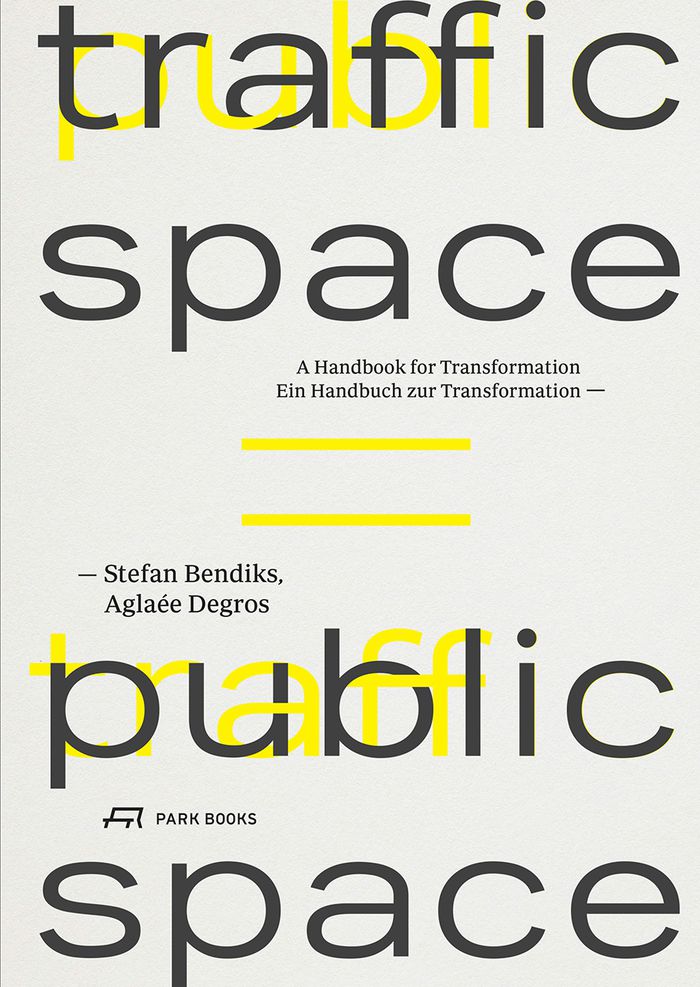
Traffic space is public space: a manual for transformation
Actions:
Price:
$57.95
(available to order)
Summary:
Public space is an essence of urban life, of a city's living quality. The (re-) transformation of space today used by the dense traffic prevalent in urban areas into truly public space is a highly effective way to increase its quality and quantity in cities of all sizes and larger metropolitan areas. The starting point of any such increase is to ensure a better balance between the various uses of space: more room for pause and the slow traffic of pedestrians and cyclists, less for handling of goods and the faster, passive mobility by car. Traditional planning principles in urban and traffic design will no longer do; new approaches and instruments are required. This new book introduces to the reader these approaches and instruments, affecting the actual design as well as the planning process, as creative strategies rather than as a rigid set of rules. It is about networking, co-production, involving local businesses, co-usage of space, circular metabolism, and an appropriate aesthetic. Using inspiring reference projects as well as their own work, architects and urban designers Stefan Bendiks und Aglaee Degros offer a forward-looking insight into how traffic space can become much needed public space.
Traffic space is public space: a manual for transformation
Actions:
Price:
$57.95
(available to order)
Summary:
Public space is an essence of urban life, of a city's living quality. The (re-) transformation of space today used by the dense traffic prevalent in urban areas into truly public space is a highly effective way to increase its quality and quantity in cities of all sizes and larger metropolitan areas. The starting point of any such increase is to ensure a better balance between the various uses of space: more room for pause and the slow traffic of pedestrians and cyclists, less for handling of goods and the faster, passive mobility by car. Traditional planning principles in urban and traffic design will no longer do; new approaches and instruments are required. This new book introduces to the reader these approaches and instruments, affecting the actual design as well as the planning process, as creative strategies rather than as a rigid set of rules. It is about networking, co-production, involving local businesses, co-usage of space, circular metabolism, and an appropriate aesthetic. Using inspiring reference projects as well as their own work, architects and urban designers Stefan Bendiks und Aglaee Degros offer a forward-looking insight into how traffic space can become much needed public space.
Form:
books
books
Publication:
April 2020
April 2020
Subject:
Urban Theory
Urban Theory
Form:
books
books
Actions:
Price:
$39.99
(available to order)
Summary:
Why Don't American Cities Burn? traces the collision of urban transformation with the rightward-moving social politics of late twentieth- and early twenty-first-century America. He shows how the bifurcation of black social structures produced a new African American inequality and traces the shift from images of a pathological black "underclass" to praise of the(...)
$39.99
(available to order)
Summary:
Why Don't American Cities Burn? traces the collision of urban transformation with the rightward-moving social politics of late twentieth- and early twenty-first-century America. He shows how the bifurcation of black social structures produced a new African American inequality and traces the shift from images of a pathological black "underclass" to praise of the(...)
Title:
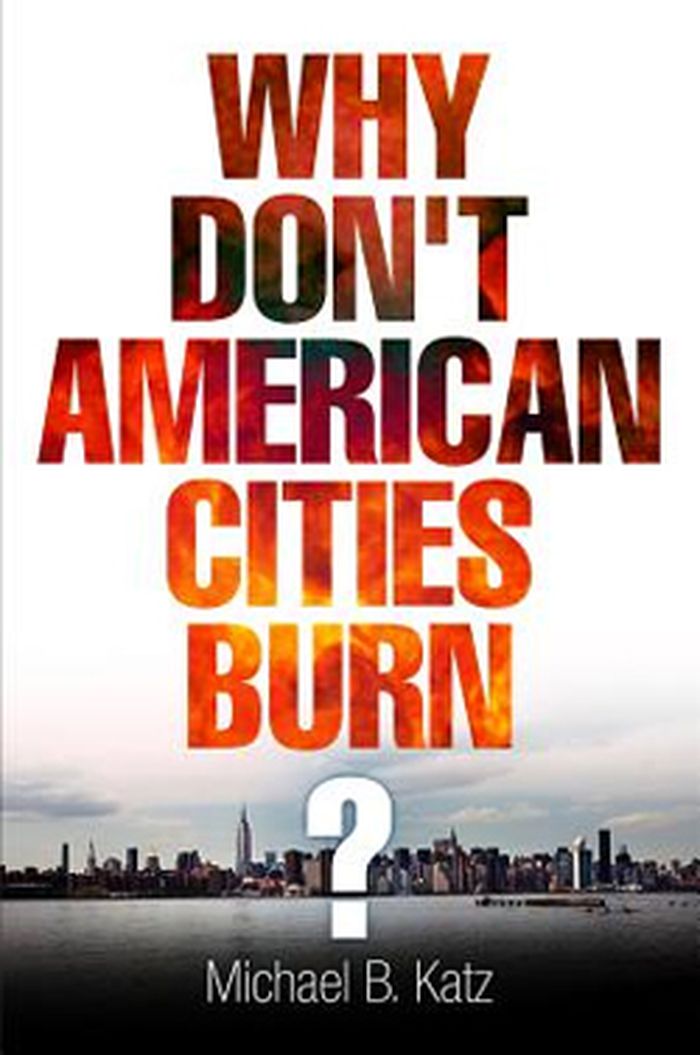
Why don't American cities burn?
Actions:
Price:
$39.99
(available to order)
Summary:
Why Don't American Cities Burn? traces the collision of urban transformation with the rightward-moving social politics of late twentieth- and early twenty-first-century America. He shows how the bifurcation of black social structures produced a new African American inequality and traces the shift from images of a pathological black "underclass" to praise of the entrepreneurial poor who take advantage of new technologies of poverty work to find the beginning of the path to the middle class. He explores the reasons American cities since the early 1970s have remained relatively free of collective violence while black men in bleak inner-city neighborhoods have turned their rage inward on one another rather than on the agents and symbols of a culture and political economy that exclude them. The book ends with a meditation on how the political left and right have come to believe that urban transformation is inevitably one of failure and decline abetted by the response of government to deindustrialization, poverty, and race. How, Katz asks, can we construct a new narrative that acknowledges the dark side of urban history even as it demonstrates the capacity of government to address the problems of cities and their residents? How can we create a politics of modest hope?
Why don't American cities burn?
Actions:
Price:
$39.99
(available to order)
Summary:
Why Don't American Cities Burn? traces the collision of urban transformation with the rightward-moving social politics of late twentieth- and early twenty-first-century America. He shows how the bifurcation of black social structures produced a new African American inequality and traces the shift from images of a pathological black "underclass" to praise of the entrepreneurial poor who take advantage of new technologies of poverty work to find the beginning of the path to the middle class. He explores the reasons American cities since the early 1970s have remained relatively free of collective violence while black men in bleak inner-city neighborhoods have turned their rage inward on one another rather than on the agents and symbols of a culture and political economy that exclude them. The book ends with a meditation on how the political left and right have come to believe that urban transformation is inevitably one of failure and decline abetted by the response of government to deindustrialization, poverty, and race. How, Katz asks, can we construct a new narrative that acknowledges the dark side of urban history even as it demonstrates the capacity of government to address the problems of cities and their residents? How can we create a politics of modest hope?
Form:
books
books
Publication:
October 2011
October 2011
Subject:
Urban Theory
Urban Theory
Form:
books
books
Price:
$31.25
(available in store)
Summary:
"Art and the City" explores the contentious relationship between civic politics and visual culture in Los Angeles. Struggles between civic leaders and modernist artists to define civic identity and control public space highlight the significance of the arts as a site of political contest in the twentieth century.
$31.25
(available in store)
Summary:
"Art and the City" explores the contentious relationship between civic politics and visual culture in Los Angeles. Struggles between civic leaders and modernist artists to define civic identity and control public space highlight the significance of the arts as a site of political contest in the twentieth century.
Title:
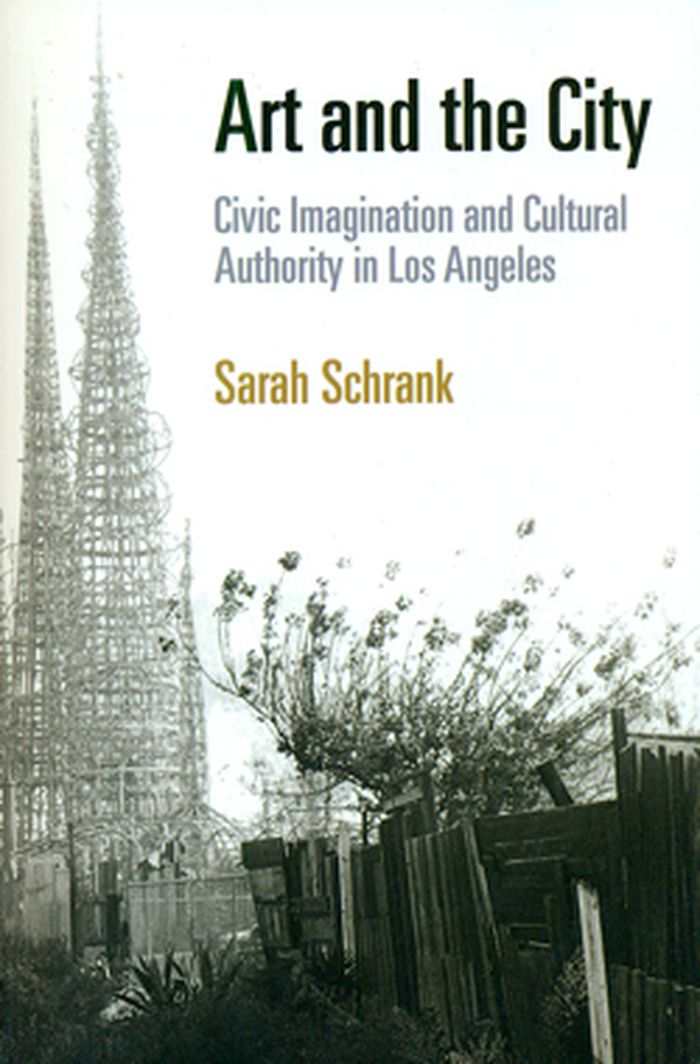
Art and the city : civic imagination and cultural authority in Los Angeles
Actions:
Price:
$31.25
(available in store)
Summary:
"Art and the City" explores the contentious relationship between civic politics and visual culture in Los Angeles. Struggles between civic leaders and modernist artists to define civic identity and control public space highlight the significance of the arts as a site of political contest in the twentieth century.
Art and the city : civic imagination and cultural authority in Los Angeles
Actions:
Price:
$31.25
(available in store)
Summary:
"Art and the City" explores the contentious relationship between civic politics and visual culture in Los Angeles. Struggles between civic leaders and modernist artists to define civic identity and control public space highlight the significance of the arts as a site of political contest in the twentieth century.
Form:
books
books
Publication:
June 2011
June 2011
Subject:
Urban Theory
Urban Theory
Form:
books
books
Actions:
Price:
$22.95
(available to order)
Summary:
L'abécédaire de Marcel Roncayolo est le résultat d'une série d'entretiens entre Isabelle Chesneau et Marcel Roncayolo, un des maîtres de l'urbanisme contemporain. L'interviewer a proposé à l'interviewé une série de thèmes présentés dans l'ordre alphabétique, meilleur moyen de présenter une pensée sans en faire un système. L'ouvrage pose la question des choix(...)
$22.95
(available to order)
Summary:
L'abécédaire de Marcel Roncayolo est le résultat d'une série d'entretiens entre Isabelle Chesneau et Marcel Roncayolo, un des maîtres de l'urbanisme contemporain. L'interviewer a proposé à l'interviewé une série de thèmes présentés dans l'ordre alphabétique, meilleur moyen de présenter une pensée sans en faire un système. L'ouvrage pose la question des choix(...)
Title:
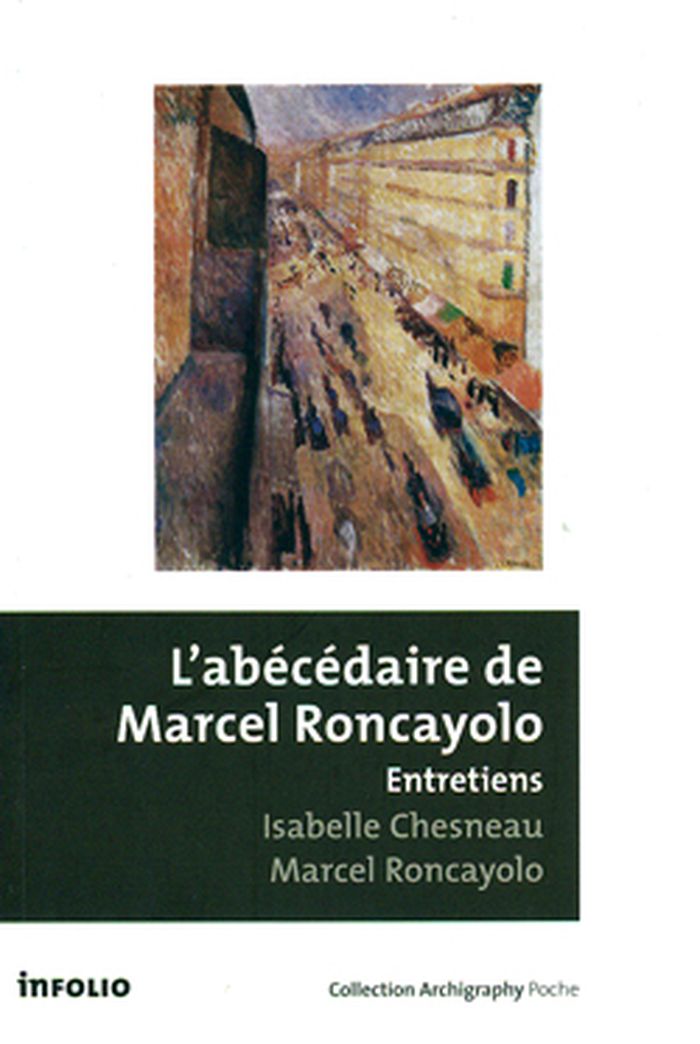
L'abécédaire de Marcel Roncayolo
Actions:
Price:
$22.95
(available to order)
Summary:
L'abécédaire de Marcel Roncayolo est le résultat d'une série d'entretiens entre Isabelle Chesneau et Marcel Roncayolo, un des maîtres de l'urbanisme contemporain. L'interviewer a proposé à l'interviewé une série de thèmes présentés dans l'ordre alphabétique, meilleur moyen de présenter une pensée sans en faire un système. L'ouvrage pose la question des choix méthodologiques et conceptuels de Roncayolo, et celle de la validité de leur transfert d'une discipline à l'autre.
L'abécédaire de Marcel Roncayolo
Actions:
Price:
$22.95
(available to order)
Summary:
L'abécédaire de Marcel Roncayolo est le résultat d'une série d'entretiens entre Isabelle Chesneau et Marcel Roncayolo, un des maîtres de l'urbanisme contemporain. L'interviewer a proposé à l'interviewé une série de thèmes présentés dans l'ordre alphabétique, meilleur moyen de présenter une pensée sans en faire un système. L'ouvrage pose la question des choix méthodologiques et conceptuels de Roncayolo, et celle de la validité de leur transfert d'une discipline à l'autre.
Form:
books
books
Publication:
November 2011
November 2011
Subject:
Urban Theory
Urban Theory
Form:
books
books
Actions:
Price:
$34.95
(available to order)
Summary:
Il fut une époque, du XVe siècle au début du XXe, où les architectes avaient pour mission d’ennoblir les palais, les lieux de culte et les résidences des puissants en les embellissant. La maîtrise des projections mathématiques, et de la perspective qui en découle, donnait aux artistes et aux architectes un pouvoir nouveau ; l’idéal platonicien du beau faisait accepter par(...)
$34.95
(available to order)
Summary:
Il fut une époque, du XVe siècle au début du XXe, où les architectes avaient pour mission d’ennoblir les palais, les lieux de culte et les résidences des puissants en les embellissant. La maîtrise des projections mathématiques, et de la perspective qui en découle, donnait aux artistes et aux architectes un pouvoir nouveau ; l’idéal platonicien du beau faisait accepter par(...)
Title:
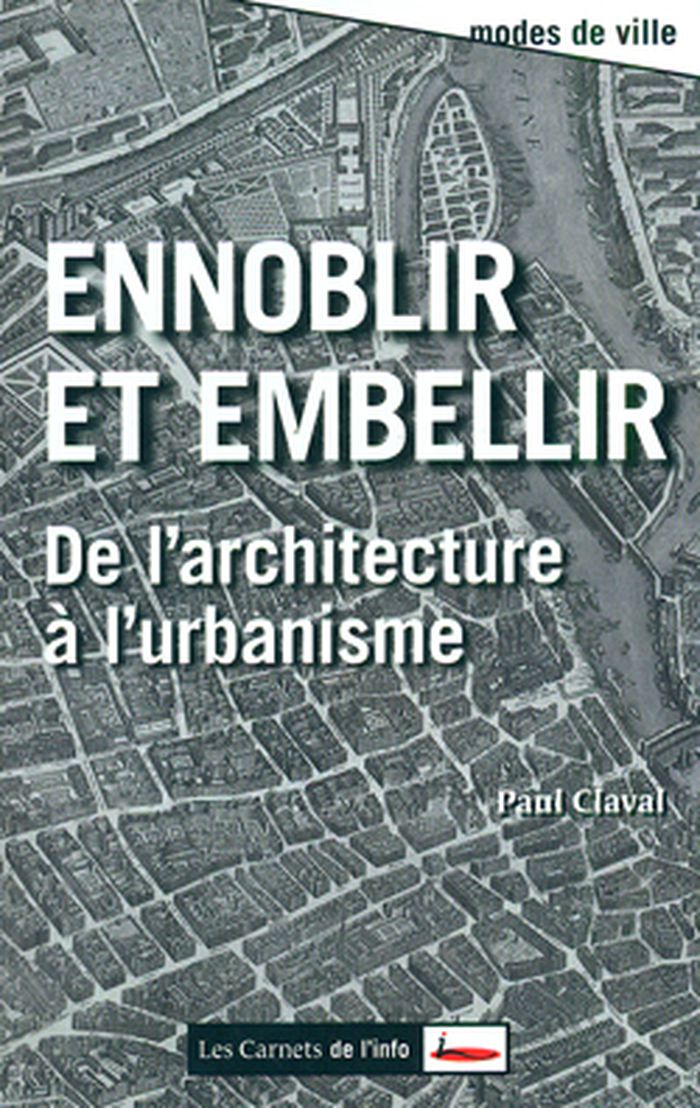
Ennoblir et embellir: de l'architecture à l'urbanisme
Actions:
Price:
$34.95
(available to order)
Summary:
Il fut une époque, du XVe siècle au début du XXe, où les architectes avaient pour mission d’ennoblir les palais, les lieux de culte et les résidences des puissants en les embellissant. La maîtrise des projections mathématiques, et de la perspective qui en découle, donnait aux artistes et aux architectes un pouvoir nouveau ; l’idéal platonicien du beau faisait accepter par tous une grammaire universelle des formes.A partir du XVIIIe siècle, les conditions se transforment : la société s’urbanise, s’industrialise et devient plus mobile : l’esthétique d’inspiration platonicienne est critiquée ; le principe du beau est désormais recherché du côté de la raison ou de l’histoire. Un compromis incarné par Jacques-Nicolas-Louis Durand est imaginé à la jointure du XVIIIe et du XIXe siècle. Il concilie la volonté d’embellissement, dont entendent désormais bénéficier les classes moyennes, avec le souci d’efficacité fonctionnelle.Cette façon de concevoir l’aménagement des villes s’efface au début du XXe siècle, au moment où s’impose le terme d’urbanisme et le programme qu’il désigne : l’amélioration des conditions de vie de tous les citadins. L’art d’ennoblir pour embellir a cependant légué à l’urbanisme de tradition européenne un rêve : celui d’harmoniser les formes bâties.
Ennoblir et embellir: de l'architecture à l'urbanisme
Actions:
Price:
$34.95
(available to order)
Summary:
Il fut une époque, du XVe siècle au début du XXe, où les architectes avaient pour mission d’ennoblir les palais, les lieux de culte et les résidences des puissants en les embellissant. La maîtrise des projections mathématiques, et de la perspective qui en découle, donnait aux artistes et aux architectes un pouvoir nouveau ; l’idéal platonicien du beau faisait accepter par tous une grammaire universelle des formes.A partir du XVIIIe siècle, les conditions se transforment : la société s’urbanise, s’industrialise et devient plus mobile : l’esthétique d’inspiration platonicienne est critiquée ; le principe du beau est désormais recherché du côté de la raison ou de l’histoire. Un compromis incarné par Jacques-Nicolas-Louis Durand est imaginé à la jointure du XVIIIe et du XIXe siècle. Il concilie la volonté d’embellissement, dont entendent désormais bénéficier les classes moyennes, avec le souci d’efficacité fonctionnelle.Cette façon de concevoir l’aménagement des villes s’efface au début du XXe siècle, au moment où s’impose le terme d’urbanisme et le programme qu’il désigne : l’amélioration des conditions de vie de tous les citadins. L’art d’ennoblir pour embellir a cependant légué à l’urbanisme de tradition européenne un rêve : celui d’harmoniser les formes bâties.
Form:
books
books
Publication:
November 2011
November 2011
Subject:
Urban Theory
Urban Theory
Form:
books
books
Actions:
Price:
$114.00
(available to order)
Summary:
The architecture and built environment of African cities are documented in photographs by architect David Adjaye,renowned for his highly acclaimed buildings in Europe and the United States. Of Tanzanian descent but raised and educated in London, he has found endless inspiration for his modern buildings in Africa. This book is the culmination of a personal quest--a(...)
$114.00
(available to order)
Summary:
The architecture and built environment of African cities are documented in photographs by architect David Adjaye,renowned for his highly acclaimed buildings in Europe and the United States. Of Tanzanian descent but raised and educated in London, he has found endless inspiration for his modern buildings in Africa. This book is the culmination of a personal quest--a(...)
Title:
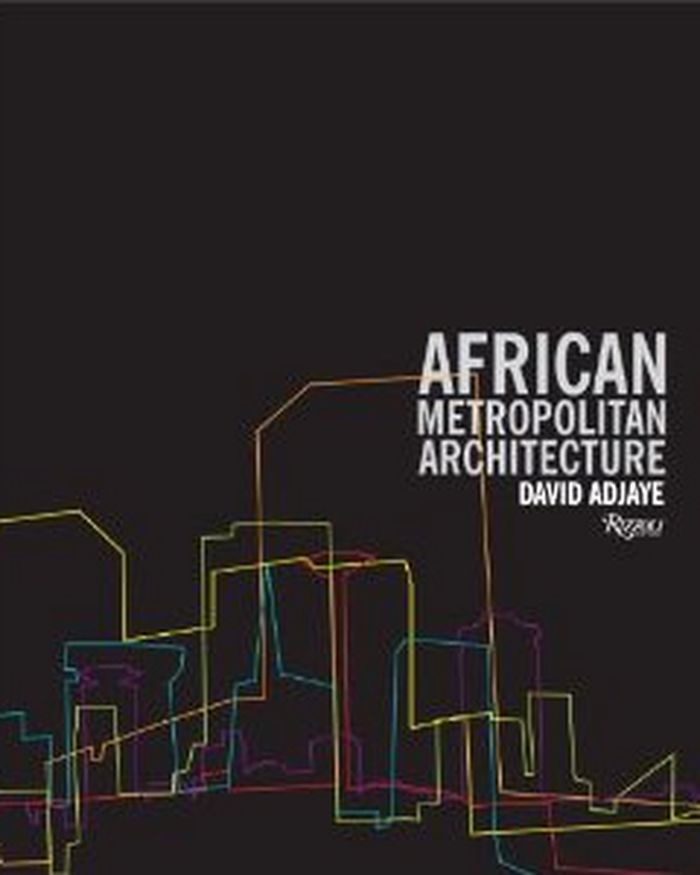
African metropolitan architecture
Actions:
Price:
$114.00
(available to order)
Summary:
The architecture and built environment of African cities are documented in photographs by architect David Adjaye,renowned for his highly acclaimed buildings in Europe and the United States. Of Tanzanian descent but raised and educated in London, he has found endless inspiration for his modern buildings in Africa. This book is the culmination of a personal quest--a decadelong project to document the built environment of every major African city.
African metropolitan architecture
Actions:
Price:
$114.00
(available to order)
Summary:
The architecture and built environment of African cities are documented in photographs by architect David Adjaye,renowned for his highly acclaimed buildings in Europe and the United States. Of Tanzanian descent but raised and educated in London, he has found endless inspiration for his modern buildings in Africa. This book is the culmination of a personal quest--a decadelong project to document the built environment of every major African city.
Form:
books
books
Publication:
November 2011
November 2011
Subject:
Urban Theory
Urban Theory
Form:
books
books
Price:
$39.00
(available to order)
Summary:
Biomilano is a glossary of ideas - a mosaic of pieces put together by combining different ways of investigating and using the city, involving biologists, architects, agronomists, politicians and residents. Ideas, thoughts and urban lifestyle habits initially listed verbally and visually are then put together again differently to form six metropolitan frescoes. In each(...)
$39.00
(available to order)
Summary:
Biomilano is a glossary of ideas - a mosaic of pieces put together by combining different ways of investigating and using the city, involving biologists, architects, agronomists, politicians and residents. Ideas, thoughts and urban lifestyle habits initially listed verbally and visually are then put together again differently to form six metropolitan frescoes. In each(...)
Title:
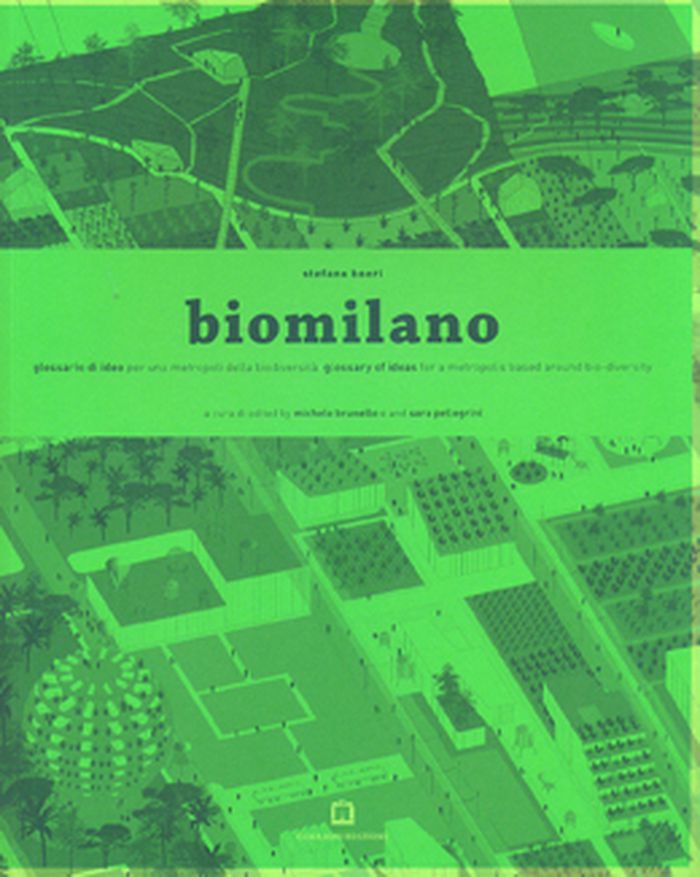
Biomilano: glossary of ideas for a metropolis based around bio-diversity
Actions:
Price:
$39.00
(available to order)
Summary:
Biomilano is a glossary of ideas - a mosaic of pieces put together by combining different ways of investigating and using the city, involving biologists, architects, agronomists, politicians and residents. Ideas, thoughts and urban lifestyle habits initially listed verbally and visually are then put together again differently to form six metropolitan frescoes. In each of which the fragments are regrouped to create a concrete vision of the city’s present and its future. It is only when you take a step back, raise your eyes and continue reading that the overall view becomes clearer and more recognizable: it is the plan of a city that potentially already exists. The book contains detailed illustrations of the six Biomilano projects – the Orto Botanico Planetario for Expo 2015, Metrobosco, Bosco Verticale , Casa Bosco, Cascine, Ruralità Urbane – using a glossary to describe the economic and territorial energies required to achieve a new balance between the urban sphere, rural areas (cultivated forms of nature) and the natural world.
Biomilano: glossary of ideas for a metropolis based around bio-diversity
Actions:
Price:
$39.00
(available to order)
Summary:
Biomilano is a glossary of ideas - a mosaic of pieces put together by combining different ways of investigating and using the city, involving biologists, architects, agronomists, politicians and residents. Ideas, thoughts and urban lifestyle habits initially listed verbally and visually are then put together again differently to form six metropolitan frescoes. In each of which the fragments are regrouped to create a concrete vision of the city’s present and its future. It is only when you take a step back, raise your eyes and continue reading that the overall view becomes clearer and more recognizable: it is the plan of a city that potentially already exists. The book contains detailed illustrations of the six Biomilano projects – the Orto Botanico Planetario for Expo 2015, Metrobosco, Bosco Verticale , Casa Bosco, Cascine, Ruralità Urbane – using a glossary to describe the economic and territorial energies required to achieve a new balance between the urban sphere, rural areas (cultivated forms of nature) and the natural world.
Form:
books
books
Publication:
November 2011
November 2011
Subject:
Urban Theory
Urban Theory
Form:
books
books
Title:
Lire la ville chinoise
Lire la ville chinoise
Actions:
Price:
$55.50
(available to order)
Summary:
Les textes de ce livre sont inspirés par la fréquentation au long cours de la Chine. La ville chinoise est l'objet de toutes les attentions, dans sa genèse, ses mutations en cours et ses perspectives, parmi lesquelles le développement durable est particulièrement pris au sérieux. L'urbanisme et l'architecture orientent le regard sur les dimensions de l'espace et du temps,(...)
$55.50
(available to order)
Summary:
Les textes de ce livre sont inspirés par la fréquentation au long cours de la Chine. La ville chinoise est l'objet de toutes les attentions, dans sa genèse, ses mutations en cours et ses perspectives, parmi lesquelles le développement durable est particulièrement pris au sérieux. L'urbanisme et l'architecture orientent le regard sur les dimensions de l'espace et du temps,(...)
Title:
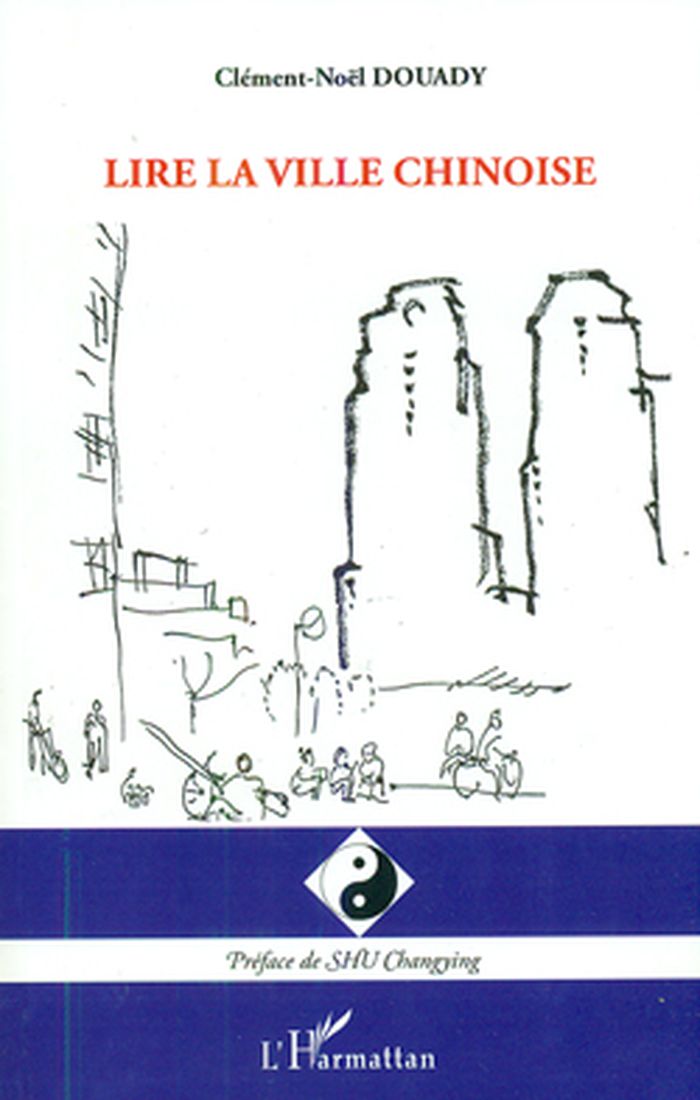
Lire la ville chinoise
Actions:
Price:
$55.50
(available to order)
Summary:
Les textes de ce livre sont inspirés par la fréquentation au long cours de la Chine. La ville chinoise est l'objet de toutes les attentions, dans sa genèse, ses mutations en cours et ses perspectives, parmi lesquelles le développement durable est particulièrement pris au sérieux. L'urbanisme et l'architecture orientent le regard sur les dimensions de l'espace et du temps, révélant la dimension culturelle qui en est inséparable.
Lire la ville chinoise
Actions:
Price:
$55.50
(available to order)
Summary:
Les textes de ce livre sont inspirés par la fréquentation au long cours de la Chine. La ville chinoise est l'objet de toutes les attentions, dans sa genèse, ses mutations en cours et ses perspectives, parmi lesquelles le développement durable est particulièrement pris au sérieux. L'urbanisme et l'architecture orientent le regard sur les dimensions de l'espace et du temps, révélant la dimension culturelle qui en est inséparable.
Form:
books
books
Publication:
January 2012
January 2012
Subject:
Urban Theory
Urban Theory
Form:
books
books
Actions:
Price:
$18.95
(available to order)
Summary:
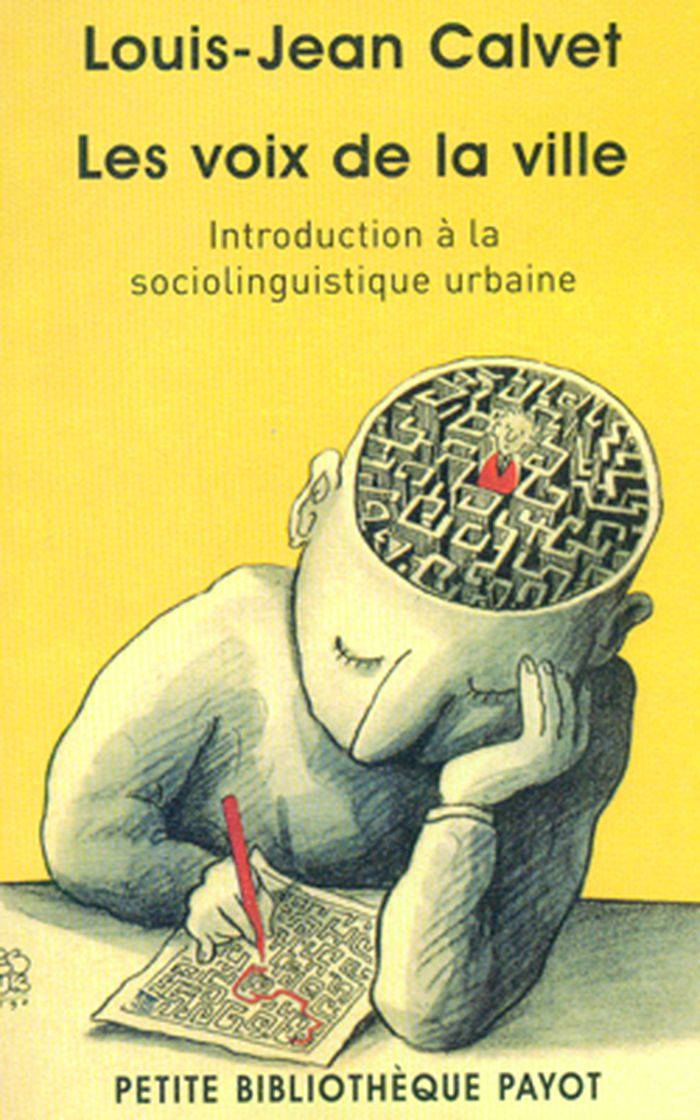
La ville est un lieu de brassage et d’unification des langues.De Chicago à Bamako, en passant par Fribourg ou Belleville, Louis-Jean Calvet montre le rôle primordial de ce phénomène linguistique urbain dans ce qui est l’un des grands enjeux de la société actuelle : une meilleure intégration des migrants, des minorités et des exclus.
$18.95
(available to order)
Summary:
La ville est un lieu de brassage et d’unification des langues.De Chicago à Bamako, en passant par Fribourg ou Belleville, Louis-Jean Calvet montre le rôle primordial de ce phénomène linguistique urbain dans ce qui est l’un des grands enjeux de la société actuelle : une meilleure intégration des migrants, des minorités et des exclus.
Title:
Les voix de la ville: introduction à la sociolinguistique
Actions:
Price:
$18.95
(available to order)
Summary:
La ville est un lieu de brassage et d’unification des langues.De Chicago à Bamako, en passant par Fribourg ou Belleville, Louis-Jean Calvet montre le rôle primordial de ce phénomène linguistique urbain dans ce qui est l’un des grands enjeux de la société actuelle : une meilleure intégration des migrants, des minorités et des exclus.
Les voix de la ville: introduction à la sociolinguistique
Actions:
Price:
$18.95
(available to order)
Summary:
La ville est un lieu de brassage et d’unification des langues.De Chicago à Bamako, en passant par Fribourg ou Belleville, Louis-Jean Calvet montre le rôle primordial de ce phénomène linguistique urbain dans ce qui est l’un des grands enjeux de la société actuelle : une meilleure intégration des migrants, des minorités et des exclus.
Form:
books
books
Publication:
January 2012
January 2012
Subject:
Urban Theory
Urban Theory


