


1928 Results
Form:
books
books
Price:
$51.95
(available to order)
Summary:
The Prudential Center anchors the Boston skyline with its tall, gray tower. Though unassuming architecturally, it is a historical beacon, representing a midcentury moment when insurance companies such as Prudential were particularly aware of how their physical presence and civic engagement reflected upon their intangible product: financial security. Looking to New York's(...)
Title:
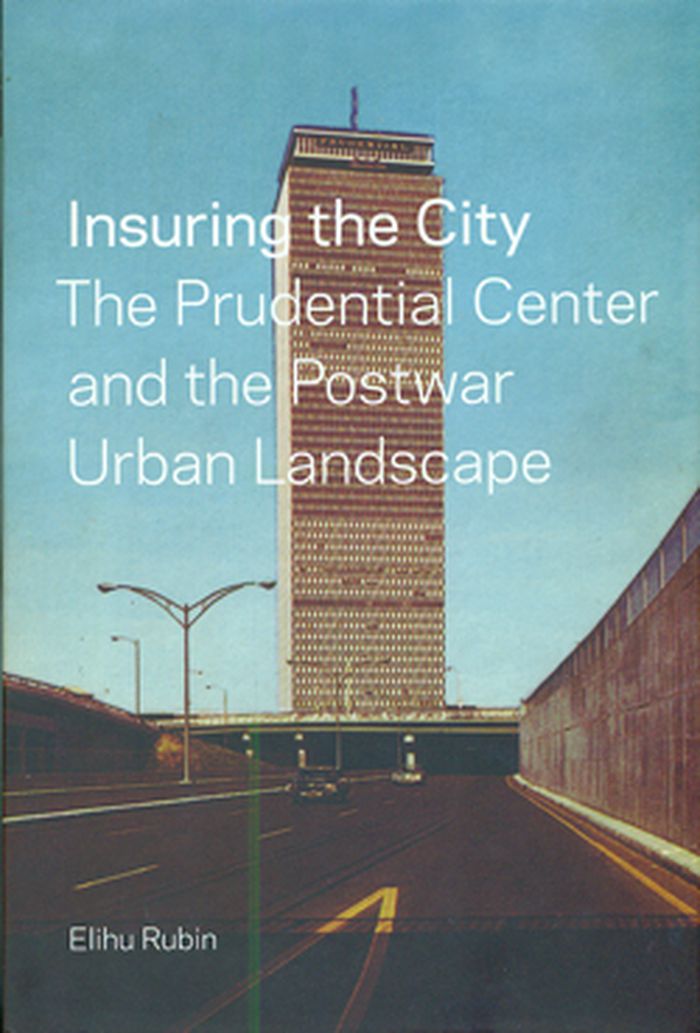
Insuring the city: the Prudential Center and the Postwar urban landscape
Actions:
Price:
$51.95
(available to order)
Summary:
The Prudential Center anchors the Boston skyline with its tall, gray tower. Though unassuming architecturally, it is a historical beacon, representing a midcentury moment when insurance companies such as Prudential were particularly aware of how their physical presence and civic engagement reflected upon their intangible product: financial security. Looking to New York's Rockefeller Center, the creators of the Prudential Center aspired to use real estate development as a tool toward civic achievement, reinvigorating central Boston and integrating a large complex of buildings with new infrastructure for the automobile. Architectural historian Elihu Rubin tells the full story of "The Pru", placing it within the political, economic, and architectural contexts of the period. The Prudential Center played a pivotal role in the economic redevelopment of Boston and was arguably one of the most significant urban developments of the 1950s and '60s. It is an important story, and one that provides great insight into the evolution of the modern city in postwar America.
Form:
books
books
Publication:
May 2012
May 2012
Subject:
Urban Theory
Urban Theory
Form:
books
books
Title:
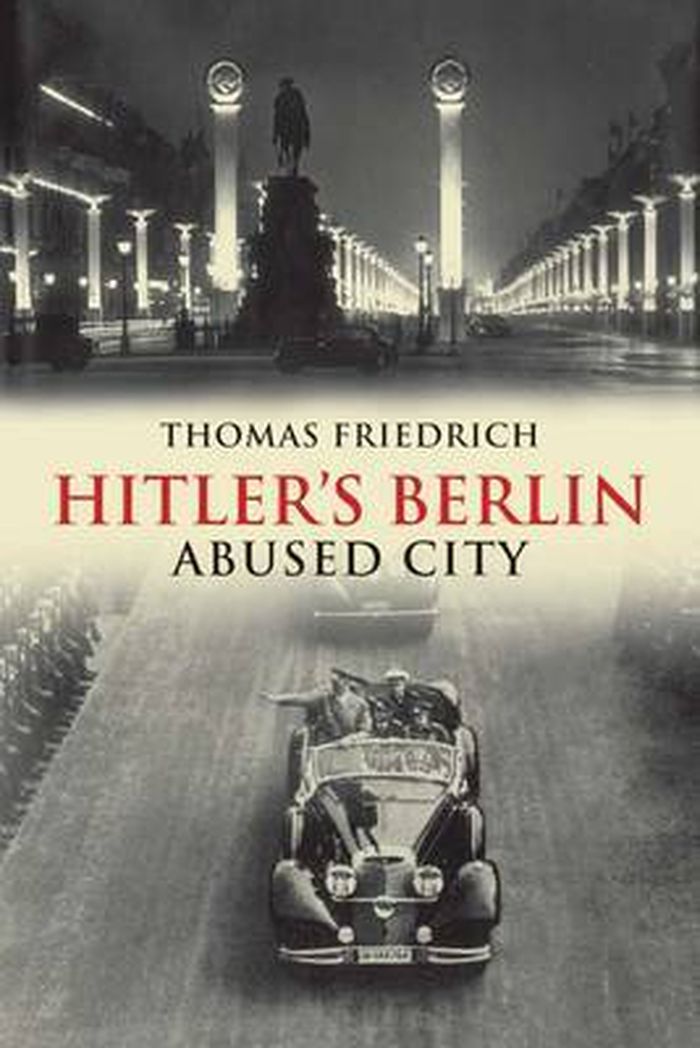
Hitler'S Berlin: abused city
Hitler'S Berlin: abused city
Actions:
Price:
$49.95
(available to order)
Summary:
From his first visit to Berlin in 1916, Hitler was preoccupied and fascinated by Germany''s great capital city. In this vivid and entirely new account of Hitler''s relationship with Berlin, Thomas Friedrich explores how Hitler identified with the city, how his political aspirations were reflected in architectural aspirations for the capital, and how Berlin surprisingly(...)
Title:
Hitler'S Berlin: abused city
Actions:
Price:
$49.95
(available to order)
Summary:
From his first visit to Berlin in 1916, Hitler was preoccupied and fascinated by Germany''s great capital city. In this vivid and entirely new account of Hitler''s relationship with Berlin, Thomas Friedrich explores how Hitler identified with the city, how his political aspirations were reflected in architectural aspirations for the capital, and how Berlin surprisingly influenced the development of Hitler''s political ideas. A leading expert on the twentieth-century history of Berlin, Friedrich employs new and little-known German sources to track Hitler''s attitudes and plans for the city. Even while he despised both the cosmopolitan culture of the Weimar Republic and the profound Jewish influence on the city, Hitler was drawn to the grandiosity of its architecture and its imperial spirit. He dreamed of transforming Berlin into a capital that would reflect his autocracy, and he used the city for such varied purposes as testing his anti-Semitic policies and demonstrating the might of the Third Reich. Illuminating Berlin's burdened years under Nazi subjection, Friedrich offers new understandings of Hitler and his politics, architectural views, and artistic opinions.
Form:
books
books
Publication:
February 2012
February 2012
Subject:
Urban Theory
Urban Theory
Form:
books
books
Price:
$21.00
(available to order)
Summary:
Taking Henri Lefebvres 1967 essay, The Right to the City, as his jumping-off point, Harvey (Social Justice and the City) examines real estate booms and busts and predation on vulnerable populations; commodification of culture; neo-liberal capitalist dominance; and urban uprisings, from the Paris Commune to the massive 2006 protest against U.S. anti-immigrant policies to(...)
Title:
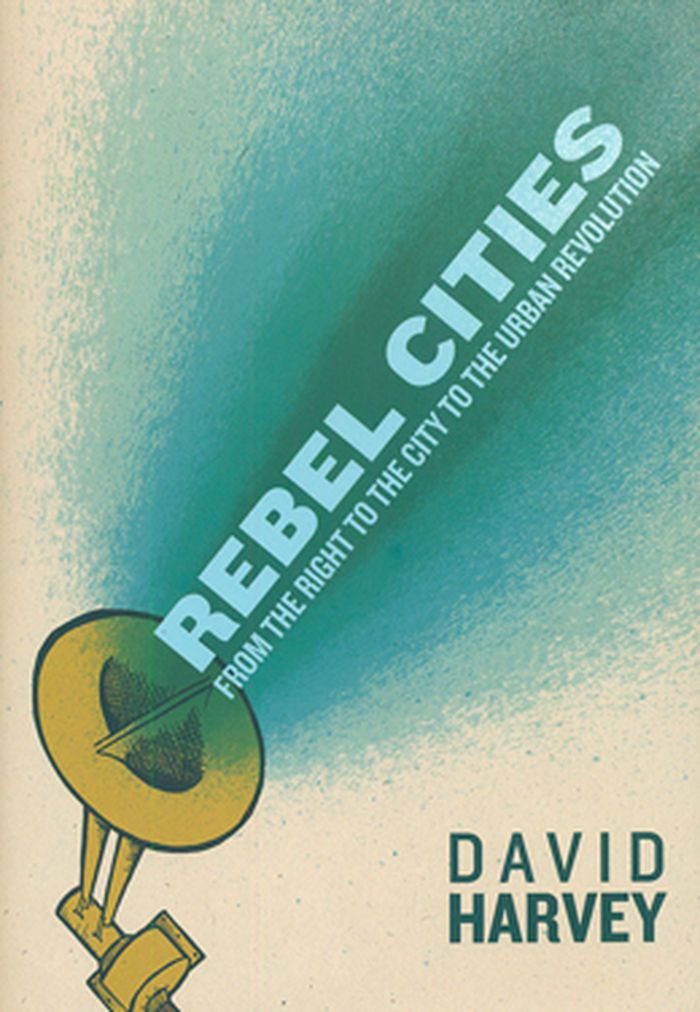
Rebel cities : from the right to the city to the urban revolution
Actions:
Price:
$21.00
(available to order)
Summary:
Taking Henri Lefebvres 1967 essay, The Right to the City, as his jumping-off point, Harvey (Social Justice and the City) examines real estate booms and busts and predation on vulnerable populations; commodification of culture; neo-liberal capitalist dominance; and urban uprisings, from the Paris Commune to the massive 2006 protest against U.S. anti-immigrant policies to urbanized peasants and mineworkers in El Alto, Bolivia, who organized themselves and instigated a progressive Bolivian government. He asks: Is there something about the urban process and the urban experience... under capitalism, that, in itself, has the potential to ground anti-capitalist struggles?
Form:
books
books
Publication:
April 2012
April 2012
Subject:
Urban Theory
Urban Theory
Form:
books
books
Actions:
Price:
$37.50
(available to order)
Summary:
In A Guide to the New Ruins of Great Britain, Owen Hatherley skewered New Labour’s architectural legacy in all its witless swagger. Now, in the year of the Diamond Jubilee and the London Olympics, he sets out to describe what the Coalition’s altogether different approach to economic mismanagement and civic irresponsibility is doing to the places where the British live. (...)
Title:
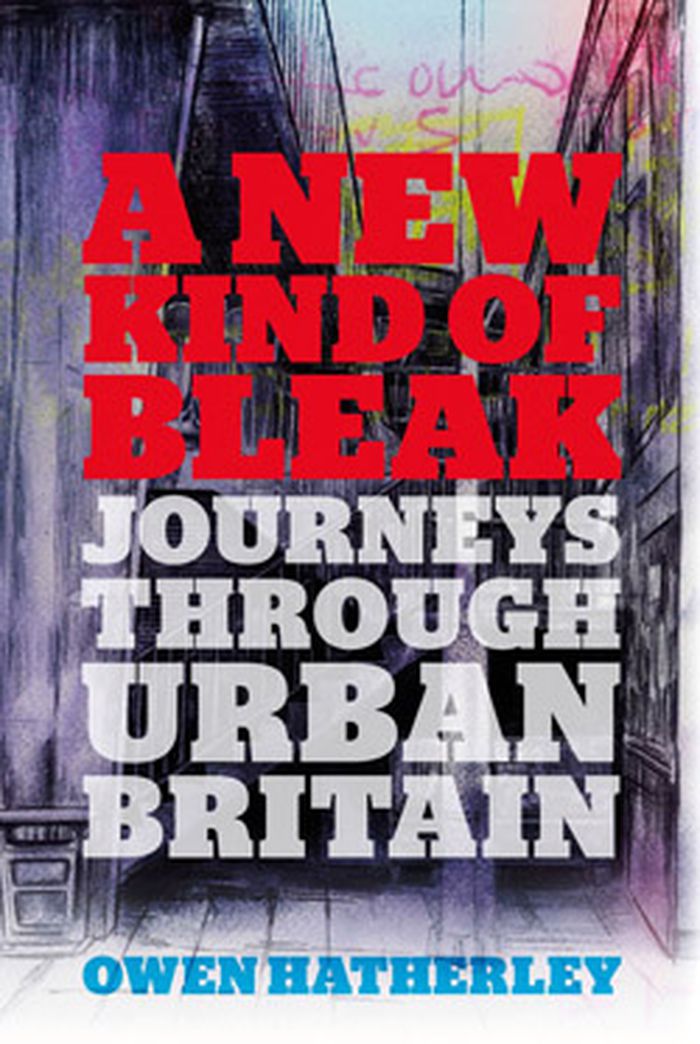
A new kind of bleak : journeys through urban Britain
Actions:
Price:
$37.50
(available to order)
Summary:
In A Guide to the New Ruins of Great Britain, Owen Hatherley skewered New Labour’s architectural legacy in all its witless swagger. Now, in the year of the Diamond Jubilee and the London Olympics, he sets out to describe what the Coalition’s altogether different approach to economic mismanagement and civic irresponsibility is doing to the places where the British live. In a journey that begins and ends in the capital, Hatherley takes us from Plymouth and Brighton to Belfast and Aberdeen, by way of the eerie urbanism of the Welsh valleys and the much-mocked splendour of modernist Coventry. Everywhere outside the unreal Southeast, the building has stopped in towns and cities, which languish as they wait for the next bout of self-defeating austerity. Hatherley writes with unrivalled aggression about the disarray of modern Britain, and yet this remains a book about possibilities remembered, about unlikely successes in the midst of seemingly inexorable failure. For as well as trash, ancient and modern, Hatherley finds signs of the hopeful country Britain once was and hints of what it might become.
Form:
books
books
Publication:
May 2012
May 2012
Subject:
Urban Theory
Urban Theory
Form:
books
books
Actions:
Price:
$25.00
(available to order)
Summary:
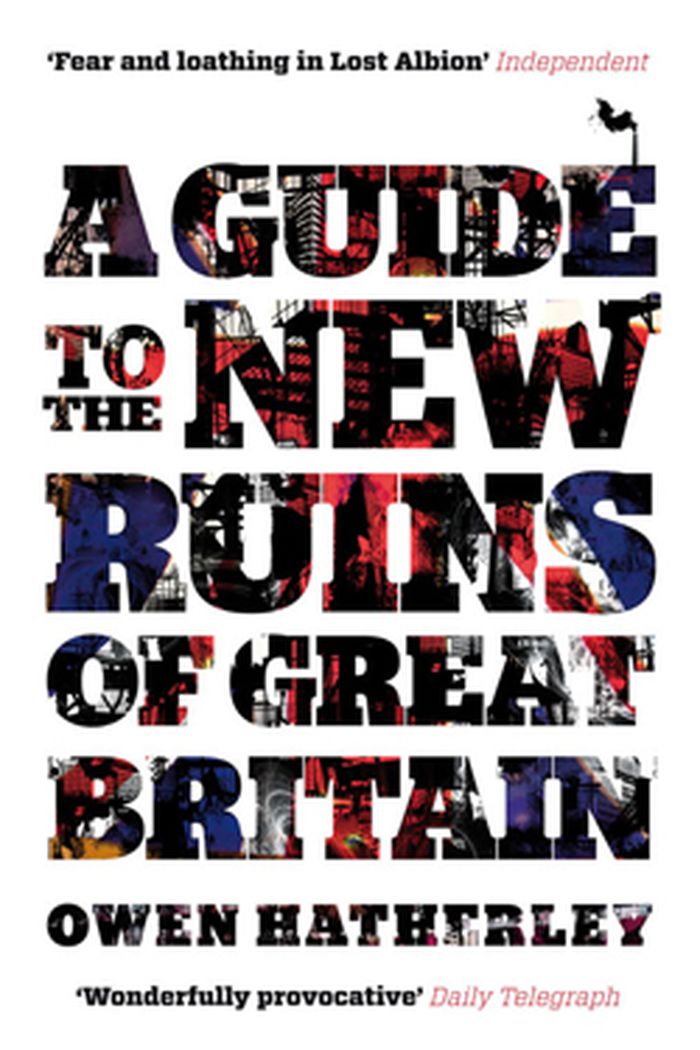
New Labour came to power in 1997 amid much talk of regenerating the inner cities left to rot under successive Conservative governments. Over the next decade, urban environments became the laboratories of the new enterprise economy: of finance, property speculation, and the service industry. Now, with New Labour capsized, Owen Hatherley sets out to explore the wreckage —(...)
Title:
A guide to the new ruins of Great Britain (Paperback)
Actions:
Price:
$25.00
(available to order)
Summary:
New Labour came to power in 1997 amid much talk of regenerating the inner cities left to rot under successive Conservative governments. Over the next decade, urban environments became the laboratories of the new enterprise economy: of finance, property speculation, and the service industry. Now, with New Labour capsized, Owen Hatherley sets out to explore the wreckage — the architecture that epitomized an age of greed and selfish aspiration. From riverside apartment complexes, art galleries and amorphous interactive “centers” to shopping malls, call centers and factories turned into expensive lofts, Hatherley maps the derelict Britain of the 2010s, an emphatic expression of a failed politics.
Form:
books
books
Publication:
January 2012
January 2012
Subject:
Urban Theory
Urban Theory
Form:
books
books
Actions:
Price:
$31.25
(available to order)
Summary:
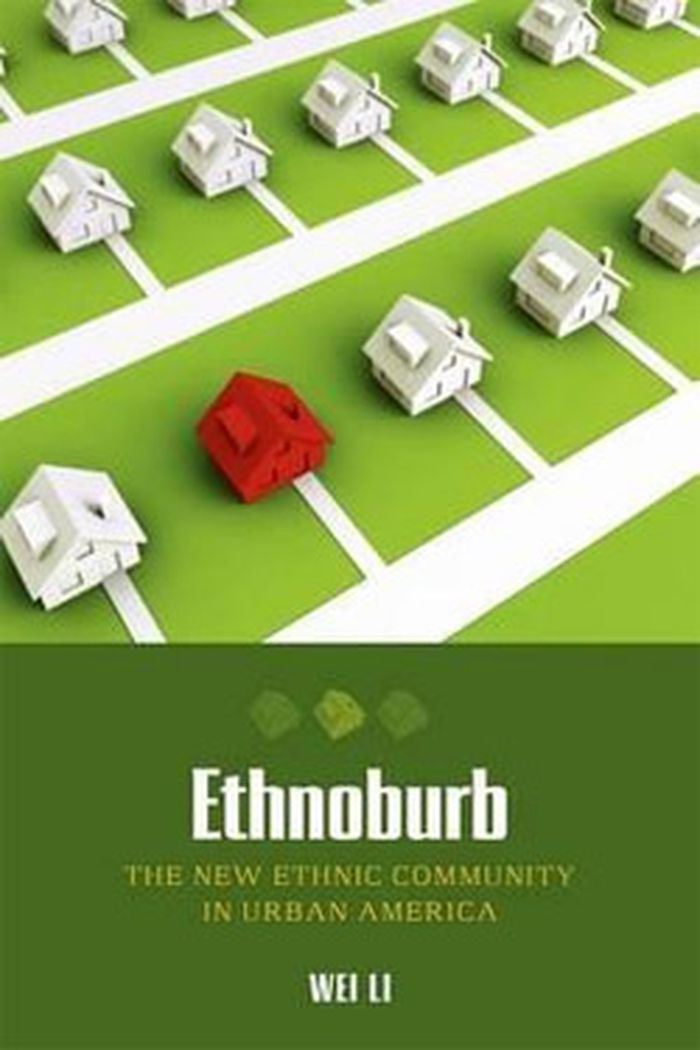
Wei Li documents the processes that have evolved with the spatial transformation of the Chinese American community of Los Angeles and that have converted the San Gabriel Valley into ethnoburbs in the latter half of the twentieth century, and she examines the opportunities and challenges that occurred as a result of these changes. The concept of the ethnoburb has redefined(...)
Title:
Ethnoburb: the new ethnic community in urban America
Actions:
Price:
$31.25
(available to order)
Summary:
Wei Li documents the processes that have evolved with the spatial transformation of the Chinese American community of Los Angeles and that have converted the San Gabriel Valley into ethnoburbs in the latter half of the twentieth century, and she examines the opportunities and challenges that occurred as a result of these changes. The concept of the ethnoburb has redefined the way geographers and other scholars think about ethnic space, place, and process. This book will contribute significantly to both theoretical and empirical studies of immigration by presenting a more intensive and thorough "take" on arguments about spatial and social processes in urban and suburban America.
Form:
books
books
Publication:
January 2012
January 2012
Subject:
Urban Theory
Urban Theory
Form:
books
books
Title:
Are we the world?
Are we the world?
Actions:
Price:
$39.95
(available to order)
Summary:
Part six of the Design and Politics series compares the Randstad region with São Paulo, Istanbul and Detroit, and speculates about alternative visions for city planning and idealistic architectural intervention for the cities involved. Are We the World? is not only a plea for a central role for city planning, and an active exchange of ideas, but primarily for new(...)
Title:
Are we the world?
Actions:
Price:
$39.95
(available to order)
Summary:
Part six of the Design and Politics series compares the Randstad region with São Paulo, Istanbul and Detroit, and speculates about alternative visions for city planning and idealistic architectural intervention for the cities involved. Are We the World? is not only a plea for a central role for city planning, and an active exchange of ideas, but primarily for new political involvement.
Form:
books
books
Publication:
July 2012
July 2012
Subject:
Urban Theory
Urban Theory
Form:
books
books
Actions:
Price:
$37.95
(available to order)
Summary:
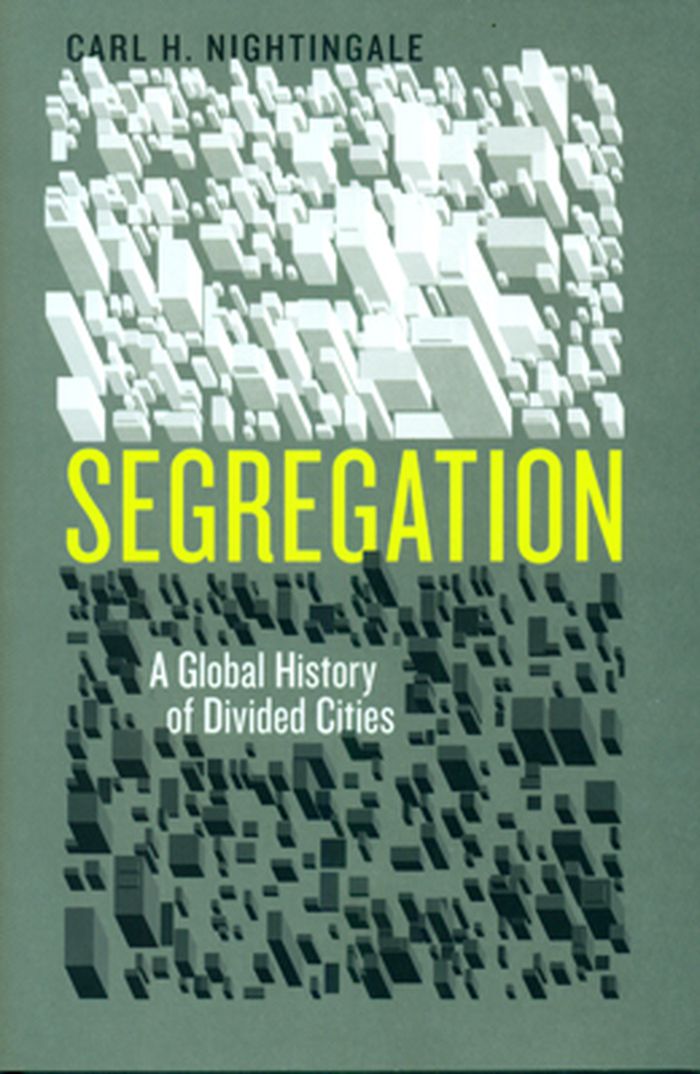
When we think of segregation, what often comes to mind is apartheid South Africa, or the American South in the age of Jim Crow—two societies fundamentally premised on the concept of the separation of the races. But as Carl H. Nightingale shows us in this history, segregation is everywhere, deforming cities and societies worldwide. Starting with segregation’s ancient(...)
Title:
Segregation: a global history of divided cities
Actions:
Price:
$37.95
(available to order)
Summary:
When we think of segregation, what often comes to mind is apartheid South Africa, or the American South in the age of Jim Crow—two societies fundamentally premised on the concept of the separation of the races. But as Carl H. Nightingale shows us in this history, segregation is everywhere, deforming cities and societies worldwide. Starting with segregation’s ancient roots, and what the archaeological evidence reveals about humanity’s long-standing use of urban divisions to reinforce political and economic inequality, Nightingale then moves to the world of European colonialism. This publication lays bare our troubled past, and sets us on the path to imagining the better, more equal cities of the future.
Form:
books
books
Publication:
June 2012
June 2012
Subject:
Urban Theory
Urban Theory
Form:
books
books
Actions:
Price:
$34.95
(available to order)
Summary:
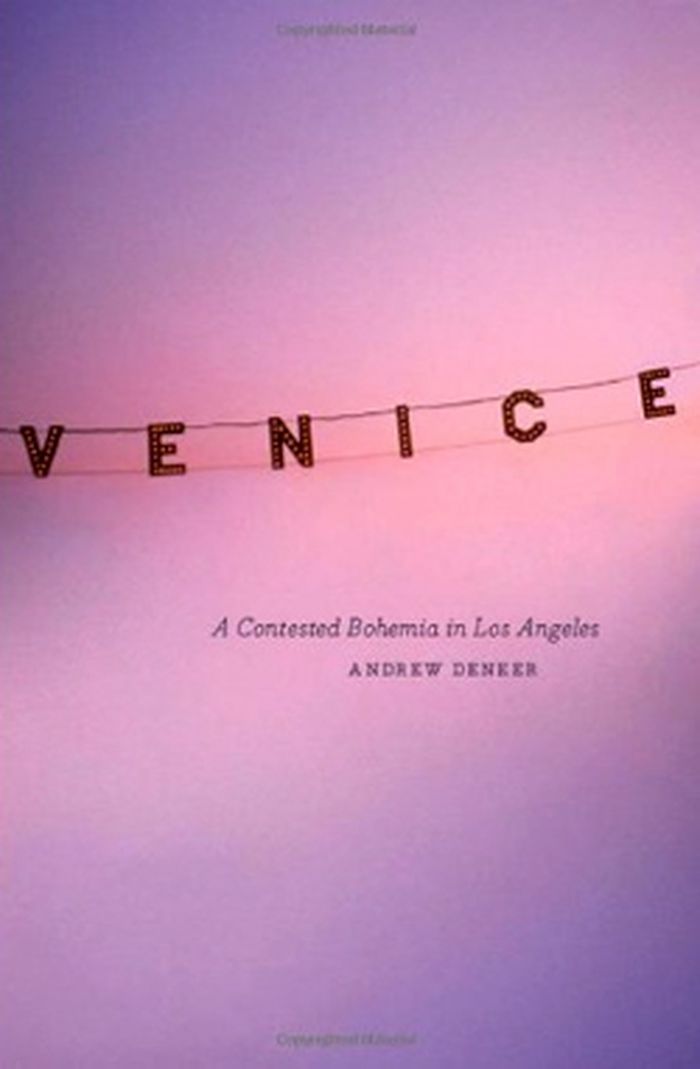
Nestled between Santa Monica and Marina del Rey, Venice is a Los Angeles community filled with apparent contradictions. There, people of various races and classes live side by side, a population of astounding diversity bound together by geographic proximity. From street to street, and from block to block, million dollar homes stand near housing projects and homeless(...)
Title:
Venice: a contested bohemia in Los Angeles
Actions:
Price:
$34.95
(available to order)
Summary:
Nestled between Santa Monica and Marina del Rey, Venice is a Los Angeles community filled with apparent contradictions. There, people of various races and classes live side by side, a population of astounding diversity bound together by geographic proximity. From street to street, and from block to block, million dollar homes stand near housing projects and homeless encampments; and upscale boutiques are just a short walk from the (in)famous Venice Beach where artists and carnival performers practice their crafts opposite cafes and ragtag tourist shops. In Venice: A Contested Bohemia in Los Angeles Andrew Deener invites the reader on an ethnographic tour of this legendary California beach community and the people who live there. In writing this book, the ethnographer became an insider; Deener lived as a resident of Venice for close to six years. Here, he brings a scholarly eye to bear on the effects of gentrification, homelessness, segregation, and immigration on this community.
Form:
books
books
Publication:
July 2012
July 2012
Subject:
Urban Theory
Urban Theory
Form:
books
books
Title:
Cybermohalla Hub
Cybermohalla Hub
Actions:
Price:
$34.95
(available in store)
Summary:
Cybermohalla Hub, a hybrid of studio, school, archive, community center, library, and gallery is a structure that moves between Delhi and diverse art contexts. The Cybermohalla project, which takes on the meaning of the Hindi word mohalla (neighborhood), has been engaged in rethinking urban life, and reimagining and reanimating the infrastructure of cultural and(...)
Title:
Cybermohalla Hub
Actions:
Price:
$34.95
(available in store)
Summary:
Cybermohalla Hub, a hybrid of studio, school, archive, community center, library, and gallery is a structure that moves between Delhi and diverse art contexts. The Cybermohalla project, which takes on the meaning of the Hindi word mohalla (neighborhood), has been engaged in rethinking urban life, and reimagining and reanimating the infrastructure of cultural and intellectual life in contemporary cities.
Form:
books
books
Publication:
April 2012
April 2012
Subject:
Urban Theory
Urban Theory


