


496 Results
Form:
books
books

Actions:
Price:
$40.95
(available to order)
Summary:
From the early days of recreational camping in the late nineteenth century through the multitude of modern camping options available today, ''Making camp'' explores the history and evolution of the popular activity through the lens of its most important and familiar components: the campsite, the campfire, the picnic table, the map, the tent, the sleeping bag, as well as(...)
Title:
Making camp: A visual history of camping's most essential items and activities
Actions:
Price:
$40.95
(available to order)
Summary:
From the early days of recreational camping in the late nineteenth century through the multitude of modern camping options available today, ''Making camp'' explores the history and evolution of the popular activity through the lens of its most important and familiar components: the campsite, the campfire, the picnic table, the map, the tent, the sleeping bag, as well as the oft invisible systems for delivering water and managing trash. Find out how early nineteenth century German peasants fashioned rudimentary sleeping bags by burrowing into bags full of leaves for the night. Look back over several millennia to learn about the progression of tents from animal skins, goat's hair, and heavy canvas to featherweight nylon. Learn about the ways in which the skills to build and maintain a campfire have been displaced by the portable gas stove. Pinpoint the details of the essential campground map and its unique place in the camping imagination. Each chapter includes a broad range of visuals to help illustrate the rich history of camping and our collective devotion to it, including drawings, patents, diagrams, sketches, paintings, advertisements, and historical photographs.
Form:
books
books
Publication:
May 2023
May 2023
Subject:
Landscape Theory
Landscape Theory
Form:
books
books
Actions:
Price:
$49.95
(available to order)
Summary:
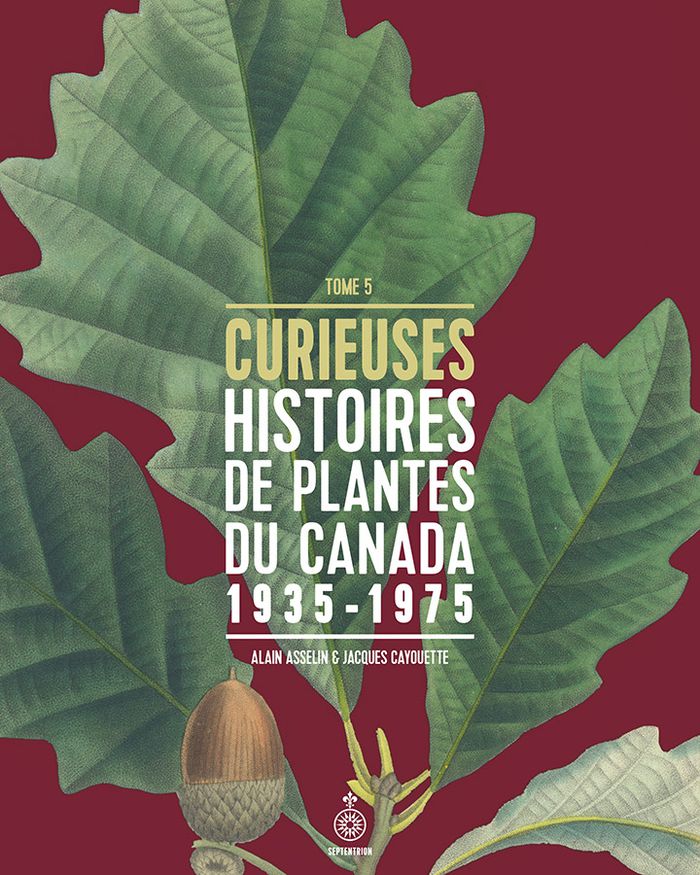
Au Québec, entre 1935 et 1975, une mosaïque de personnages autodidactes ou détenteurs de savoirs spécialisés relèvent toutes sortes de défis pour contribuer à l'évolution accélérée des connaissances des végétaux et de leurs usages parfois étonnants. Dans ce cinquième et dernier tome, les auteurs présentent 30 histoires mettant à l'avant-scène des personnes, des(...)
Title:
Curieuses histoires de plantes du Canada 1935-1975, tome 5
Actions:
Price:
$49.95
(available to order)
Summary:
Au Québec, entre 1935 et 1975, une mosaïque de personnages autodidactes ou détenteurs de savoirs spécialisés relèvent toutes sortes de défis pour contribuer à l'évolution accélérée des connaissances des végétaux et de leurs usages parfois étonnants. Dans ce cinquième et dernier tome, les auteurs présentent 30 histoires mettant à l'avant-scène des personnes, des organismes et des établissements d'enseignement et de recherche qui s'intéressent aux végétaux pour leur intérêt botanique, biologique, écologique, agricole, alimentaire, ornemental, médicinal, industriel et même commercial.
Form:
books
books
Publication:
February 2023
February 2023
Subject:
Landscape Theory
Landscape Theory
Form:
books
books
Actions:
Price:
$39.00
(available to order)
Summary:
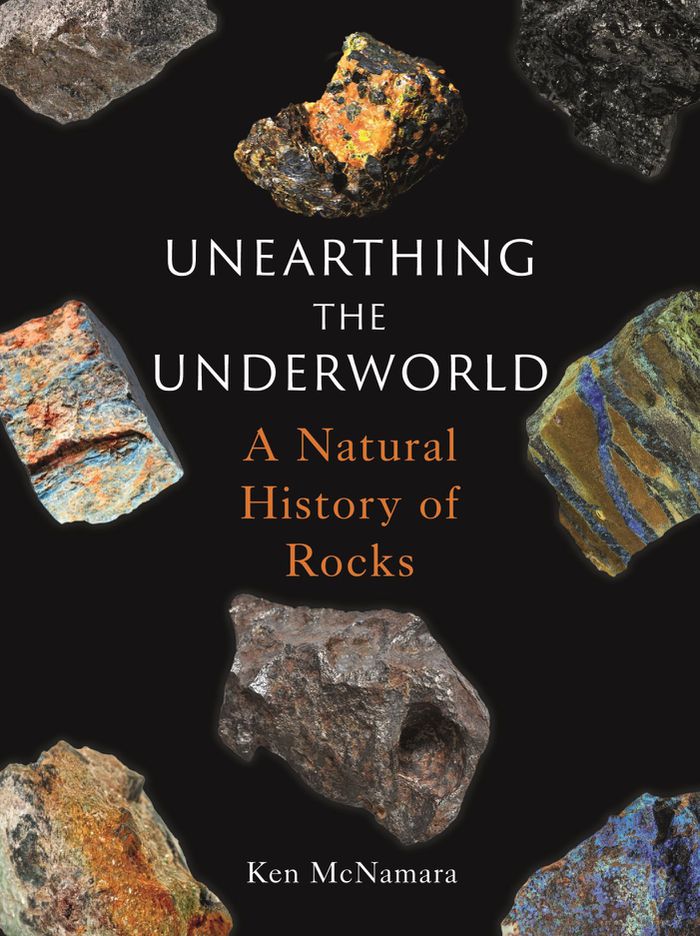
''Unearthing the underworld'' is a history of the Earth as told through rocks – the secret-keepers of past environments, of changing climates and the pulse of life over billions of years. Even the most seemingly ordinary stone can tell us much about the history of this planet, opening vistas of ancient worlds of ice, raging floods, strange, unbreathable atmospheres and(...)
Title:
Unearthing the underworld: A natural history of rocks
Actions:
Price:
$39.00
(available to order)
Summary:
''Unearthing the underworld'' is a history of the Earth as told through rocks – the secret-keepers of past environments, of changing climates and the pulse of life over billions of years. Even the most seemingly ordinary stone can tell us much about the history of this planet, opening vistas of ancient worlds of ice, raging floods, strange, unbreathable atmospheres and prehistoric worlds teeming with life. Remarkably, many types of rock owe their existence to living organisms, from the remains of dead animals to rotting ancient forests, or even the activity of fungi, bacteria and viruses. Anything but dull and uninteresting, rocks are intriguing portals that illuminate the secret underworld upon which we live.
Form:
books
books
Publication:
August 2023
August 2023
Subject:
Landscape Theory
Landscape Theory
Form:
books
books
Price:
$25.95
(available to order)
Summary:
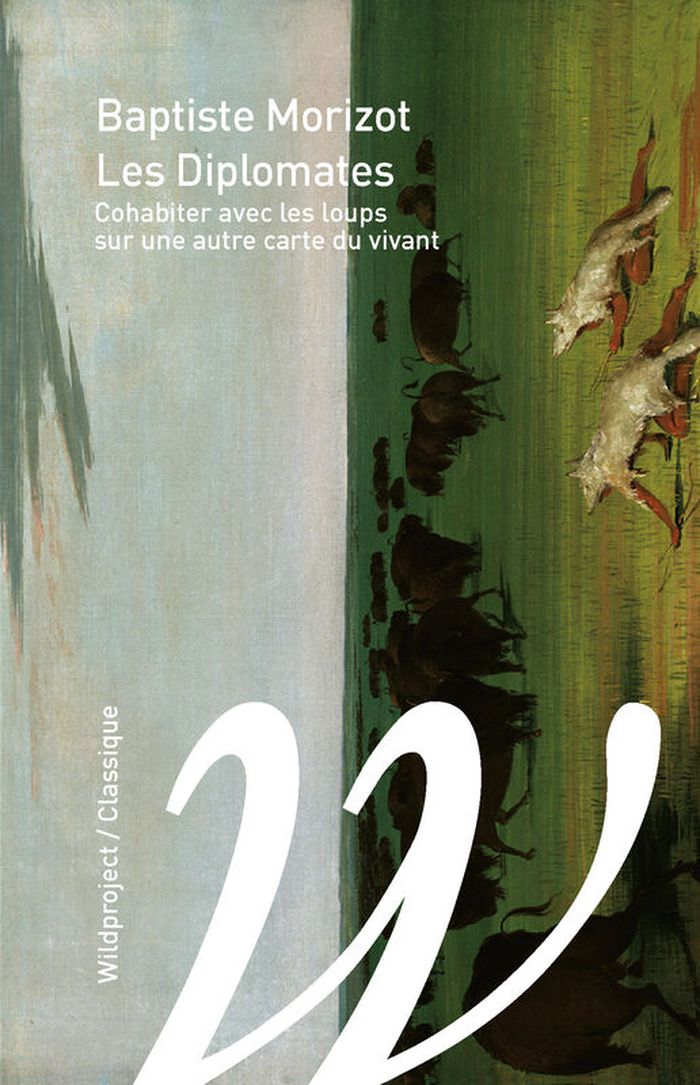
Il s’agit avant tout d’un problème géopolitique : réagir au retour spontané du loup en France, et à sa dispersion dans une campagne que la déprise rurale rend presque à son passé de « Gaule chevelue ». Le retour du loup interroge notre capacité à coexister avec la biodiversité qui nous fonde – à inventer de nouvelles formes de diplomatie. Guidé par Charles Darwin, Konrad(...)
Title:
Les Diplomates: Cohabiter avec les loups sur une autre carte du vivant
Actions:
Price:
$25.95
(available to order)
Summary:
Il s’agit avant tout d’un problème géopolitique : réagir au retour spontané du loup en France, et à sa dispersion dans une campagne que la déprise rurale rend presque à son passé de « Gaule chevelue ». Le retour du loup interroge notre capacité à coexister avec la biodiversité qui nous fonde – à inventer de nouvelles formes de diplomatie. Guidé par Charles Darwin, Konrad Lorenz, Temple Grandin, Lucy King… et de nombreux·ses autres « diplomates », ce livre esquisse un monde où nous vivrons « en bonne intelligence avec ce qui, en nous et hors de nous, ne veut pas être domestiqué ».
Form:
books
books
Publication:
May 2023
May 2023
Subject:
Landscape Theory
Landscape Theory
Form:
books
books
Actions:
Price:
$11.95
(available to order)
Summary:
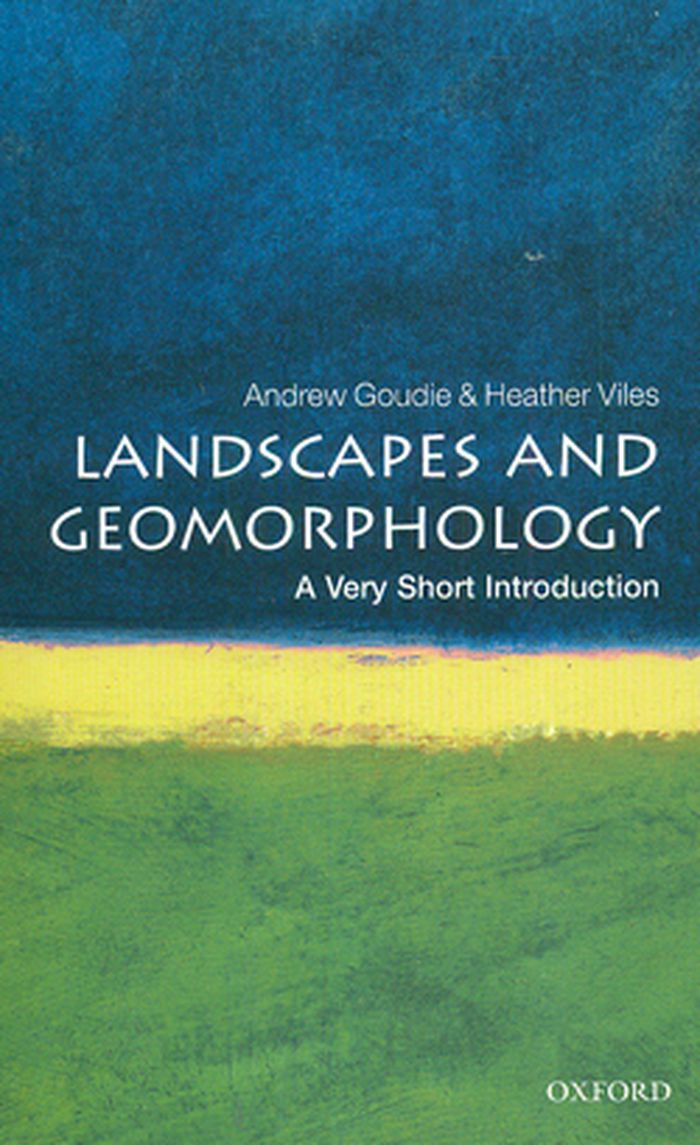
Landscapes are all around us, but most of us know very little about how they have developed, what goes on in them, and how they react to changing climates, tectonics, and human activities. Examining what landscape is, and how we use a range of ideas and techniques to study it, Andrew Goudie and Heather Viles demonstrate how scientists have built on classic(...)
Title:
Landscape and geomorphology: A very short Introduction
Actions:
Price:
$11.95
(available to order)
Summary:
Landscapes are all around us, but most of us know very little about how they have developed, what goes on in them, and how they react to changing climates, tectonics, and human activities. Examining what landscape is, and how we use a range of ideas and techniques to study it, Andrew Goudie and Heather Viles demonstrate how scientists have built on classic methods--pioneered by the great researchers of the nineteenth century--to shed new light on our planet. Using examples from around the world, including New Zealand, the Tibetan Plateau, and the deserts of the Middle East, they examine some of the key controls on landscape today such as tectonics and climate, as well as humans and the living world. They also discuss some major "landscape detectives" from the past, including Charles Darwin, who did some important, but often overlooked, research on landscape. Concluding with the cultural importance of landscape, and exploring how this has led to the conservation of much "earth heritage," they delve into the future and look at how we can predict the response of landscapes to the projected climate change.
Form:
books
books
Publication:
September 2010
September 2010
Subject:
Landscape Theory
Landscape Theory
Form:
books
books

Actions:
Price:
$47.50
(available to order)
Summary:
C'est l'histoire des raisons pour lesquelles la société urbaine des pays riches en est venue à idéaliser le modèle de l'habitation individuelle au plus près de la nature. De ses plus anciennes expressions mythologiques jusqu'à l'urbain diffus contemporain, cette histoire couvre plus de trois millénaires. Elle aboutit aujourd'hui à un paradoxe insoutenable : la quête de "(...)
Publication:
November 2010
November 2010
Title:
Histoire de l'habitat idéal: De l'orient vers l'occident
Actions:
Price:
$47.50
(available to order)
Summary:
C'est l'histoire des raisons pour lesquelles la société urbaine des pays riches en est venue à idéaliser le modèle de l'habitation individuelle au plus près de la nature. De ses plus anciennes expressions mythologiques jusqu'à l'urbain diffus contemporain, cette histoire couvre plus de trois millénaires. Elle aboutit aujourd'hui à un paradoxe insoutenable : la quête de " la nature " (en termes de paysage) détruit son objet même : la nature (en termes d'écosystèmes et de biosphère). Associée à l'automobile, la maison individuelle est effectivement devenue le motif directeur d'un genre de vie dont l'empreinte écologique démesurée entraîne une surconsommation insoutenable à long terme des ressources de la nature.
Form:
books
books
Publication:
November 2010
November 2010
Form:
books
books
Actions:
Price:
$54.95
(available to order)
Summary:
This volume explores the conceptual "topography" of landscape: It examines the character of landscape as itself a mode of place as well as the modes of place that appear in relation to landscape. The essays demonstrate that the study of landscape cannot be restricted to any one genre, cannot be taken as the exclusive province of any one discipline, and cannot be(...)
Title:
The place of landscape: concepts, contexts, studies
Actions:
Price:
$54.95
(available to order)
Summary:
This volume explores the conceptual "topography" of landscape: It examines the character of landscape as itself a mode of place as well as the modes of place that appear in relation to landscape. The essays demonstrate that the study of landscape cannot be restricted to any one genre, cannot be taken as the exclusive province of any one discipline, and cannot be exhausted by any single form of analysis. What the place of landscape now evokes is itself a wide-ranging terrain encompassing issues concerning the nature of place, of human being in place, and of the structures that shape such being and are shaped by it.
Form:
books
books
Publication:
June 2011
June 2011
Subject:
Landscape Theory
Landscape Theory
Form:
books
books

Title:
Arctic dreams
Arctic dreams
Actions:
Price:
$19.95
(available to order)
Summary:
Lopez offers a thorough examination of this obscure world - its terrain, its wildlife, its history of Natives and the intrepid explorers who have arrived on their icy shores. But what turns this marvelous work of natural history into a breathtaking study of profound originality is his unique meditation on how the landscape can shape our imagination, desires, and dreams.
Title:
Arctic dreams
Actions:
Price:
$19.95
(available to order)
Summary:
Lopez offers a thorough examination of this obscure world - its terrain, its wildlife, its history of Natives and the intrepid explorers who have arrived on their icy shores. But what turns this marvelous work of natural history into a breathtaking study of profound originality is his unique meditation on how the landscape can shape our imagination, desires, and dreams.
Form:
books
books
Publication:
March 2011
March 2011
Subject:
Landscape Theory
Landscape Theory
Form:
books
books

Title:
Une brève histoire du jardin
Une brève histoire du jardin
Actions:
Price:
$25.95
(available to order)
Summary:
Le premier jardin est celui de l'homme ayant choisi de faire cesser l'errance. Il n'y a pas d'époque pour cette étape dans la vie d'un homme ou d'une société. Le premier jardin est vivrier. Le jardin potager est le premier jardin. Il est intemporel car il fonde l'histoire des jardins mais la traverse et la marque profondément dans toutes ses périodes. Le premier jardin(...)
Title:
Une brève histoire du jardin
Actions:
Price:
$25.95
(available to order)
Summary:
Le premier jardin est celui de l'homme ayant choisi de faire cesser l'errance. Il n'y a pas d'époque pour cette étape dans la vie d'un homme ou d'une société. Le premier jardin est vivrier. Le jardin potager est le premier jardin. Il est intemporel car il fonde l'histoire des jardins mais la traverse et la marque profondément dans toutes ses périodes. Le premier jardin est un enclos. Il convient de protéger le bien précieux du jardin ; les légumes, les fruits, puis les fleurs, les animaux, l'art de vivre, ce qui, au fil du temps, ne cessera d'apparaître comme le " meilleur ". C'est la façon d'interpréter le meilleur qui, en fonction des modèles de civilisation, va déterminer le style des jardins. La notion de meilleur, de bien précieux, ne cesse d'évoluer. La scénographie destinée à valoriser le meilleur s'adapte au changement des fondamentaux du jardin mais le principe du jardin demeure constant : s'approcher le plus possible du paradis.
Form:
books
books
Publication:
April 2011
April 2011
Subject:
Landscape Theory
Landscape Theory
Form:
books
books
Actions:
Price:
$40.95
(available to order)
Summary:
While we all live our lives in designed landscapes of various types, only on occasion do we consider what these landscapes mean to us and how they have acquired that significance. Can a landscape architect or garden designer really imbue new settings with meaning, or does meaning evolve over time, created by those who perceive and use these landscapes? What role does the(...)
Title:
Meaning in landscape architecture and gardens: Four essays, Four commentaries
Actions:
Price:
$40.95
(available to order)
Summary:
While we all live our lives in designed landscapes of various types, only on occasion do we consider what these landscapes mean to us and how they have acquired that significance. Can a landscape architect or garden designer really imbue new settings with meaning, or does meaning evolve over time, created by those who perceive and use these landscapes? What role does the selection and arrangement of plants and hard materials play in this process and just where does the passage of time enter into the equation? These questions collectively provide the core material for Meaning in Landscape Architecture and Gardens, a compendium of four landmark essays written over a period of twenty years by leading scholars in the field of landscape architecture. New commentaries by the authors accompany each of the essays and reflect on the thinking behind them as well as the evolution of the author’s thoughts since their original publication.
Form:
books
books
Publication:
March 2011
March 2011
Subject:
Landscape Theory
Landscape Theory


