


496 Results
Form:
books
books
Actions:
Price:
$99.95
(available to order)
Summary:
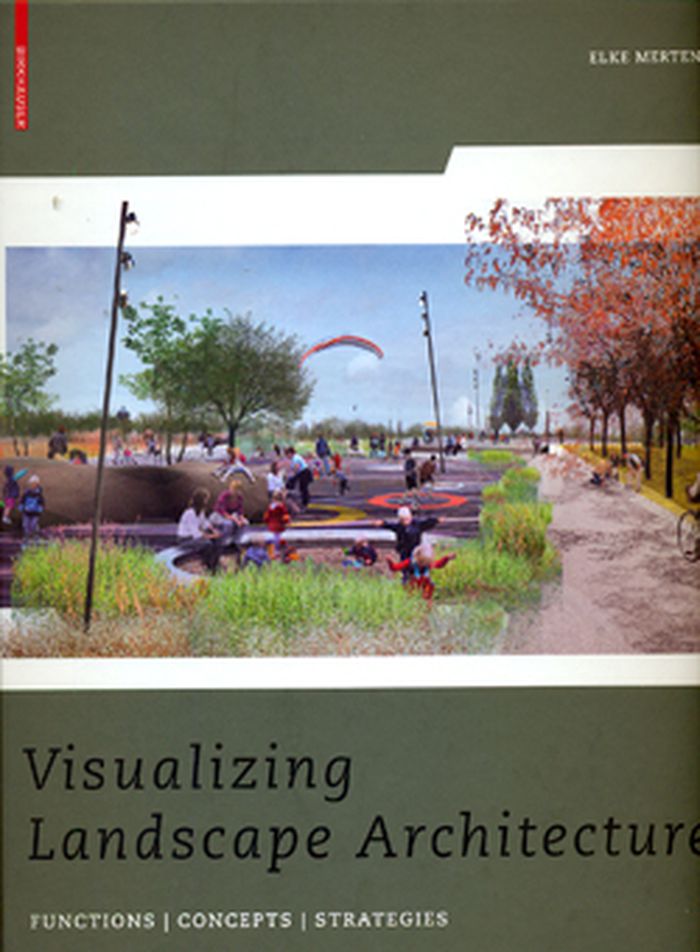
“We don’t sell gardens; we sell images of gardens.” This observation on the part of a landscape architect makes it clear just how important it is that a design be effectively communicated to the community, clients, and the public. Drawings, models, simulations, and films communicate the designers’ proposed ideas and solutions, but they also convey their attitude toward(...)
Title:
Visualizing landscape architecture
Actions:
Price:
$99.95
(available to order)
Summary:
“We don’t sell gardens; we sell images of gardens.” This observation on the part of a landscape architect makes it clear just how important it is that a design be effectively communicated to the community, clients, and the public. Drawings, models, simulations, and films communicate the designers’ proposed ideas and solutions, but they also convey their attitude toward the use of nature and the environment. With myriad possibilities – including computer programs as well as hand drawings and models, which continue to be widely used – and strong competition in the field, there is now a huge variety of visual representations, with agreed-upon rules but also a great deal of freedom. In three large sections, this books sifts through the currently commonplace and available techniques and evaluates them in terms of their informative value and persuasive power, always illustrating its points with analysis of examples from international firms.
Form:
books
books
Publication:
December 2009
December 2009
Subject:
Landscape Theory
Landscape Theory
Form:
books
books
Actions:
Price:
$32.95
(available to order)
Summary:
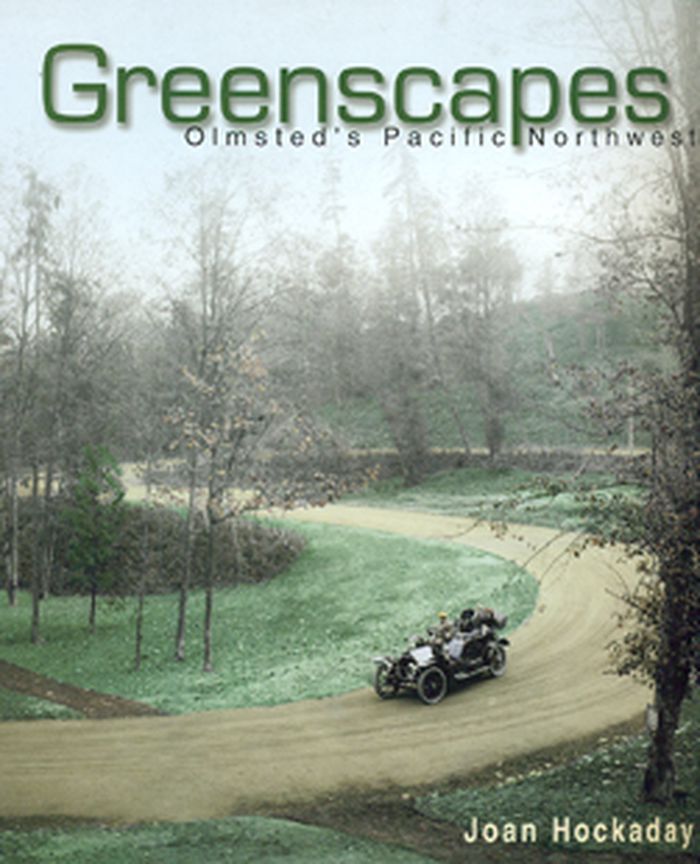
Frederick Law Olmsted, who designed New York's Central Park, landscape architect John Charles Olmsted believed that pastoral spaces were integral to a healthy urban life. The success of Central Park brought attention to the company and sparked a nation-wide movement to beautify cities. By 1884, John Charles Olmsted had become a full partner in the Olmsted firm. In 1903,(...)
Title:
Greenscapes, Olmsted's Pacific northwest
Actions:
Price:
$32.95
(available to order)
Summary:
Frederick Law Olmsted, who designed New York's Central Park, landscape architect John Charles Olmsted believed that pastoral spaces were integral to a healthy urban life. The success of Central Park brought attention to the company and sparked a nation-wide movement to beautify cities. By 1884, John Charles Olmsted had become a full partner in the Olmsted firm. In 1903, he traveled to Portland and Seattle, submitting master plans for park systems in both. He produced designs for several of the region's university campuses and smaller cities, as well as Spokane's premier Manito Park.
Form:
books
books
Publication:
April 2009
April 2009
Subject:
Landscape Theory
Landscape Theory
Form:
books
books

Actions:
Price:
$34.95
(available to order)
Summary:
Cette anthologie rassemble quelques-unes des contributions que les meilleurs spécialistes français - géographes, agronomes, écologues, sociologues, paysagistes, plasticiens, philosophes, etc. - ont apportées, depuis trente ans, à la théorie du paysage. Elle témoigne de la diversité de leurs préoccupations, de la richesse de leurs propositions, de la virulence, aussi, des(...)
Title:
La théorie du paysage ne france (1974-1994)
Actions:
Price:
$34.95
(available to order)
Summary:
Cette anthologie rassemble quelques-unes des contributions que les meilleurs spécialistes français - géographes, agronomes, écologues, sociologues, paysagistes, plasticiens, philosophes, etc. - ont apportées, depuis trente ans, à la théorie du paysage. Elle témoigne de la diversité de leurs préoccupations, de la richesse de leurs propositions, de la virulence, aussi, des polémiques qui les ont parfois divisés, et elle souhaite fournir, à cet égard, un document objectif et vivant à tous ceux pour qui le paysage n'est pas seulement l'objet d'une protection, mais un des lieux privilégiés de l'invention et de la création.
Form:
books
books
Publication:
August 2009
August 2009
Subject:
Landscape Theory
Landscape Theory
Form:
books
books
Price:
$67.50
(available to order)
Summary:
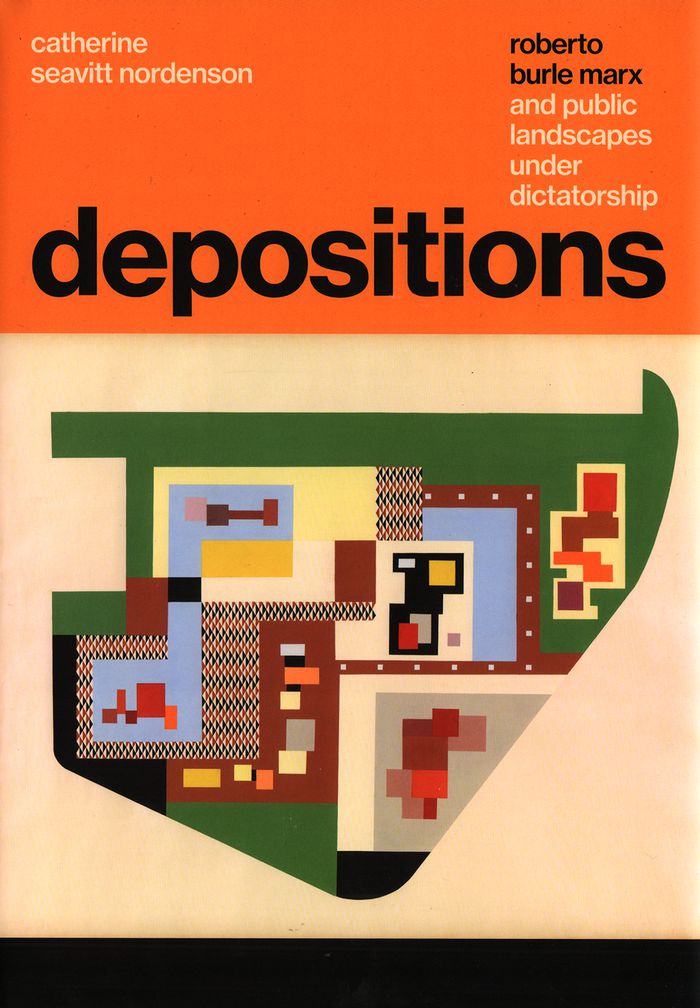
Presenting the first English translation of Burle Marx’s "Depositions," this volume highlights the environmental advocacy of a preeminent Brazilian landscape architect who advised and challenged the country’s military dictatorship.
$67.50
(available to order)
Summary:
Presenting the first English translation of Burle Marx’s "Depositions," this volume highlights the environmental advocacy of a preeminent Brazilian landscape architect who advised and challenged the country’s military dictatorship.
Title:
Depositions: Roberto Burle Marx and public landscapes under dictatorship
Actions:
Price:
$67.50
(available to order)
Summary:
Presenting the first English translation of Burle Marx’s "Depositions," this volume highlights the environmental advocacy of a preeminent Brazilian landscape architect who advised and challenged the country’s military dictatorship.
Form:
books
books
Publication:
April 2018
April 2018
Subject:
Landscape Theory
Landscape Theory
Form:
books
books
Title:
On growth and form
On growth and form
Actions:
Price:
$21.95
(available to order)
Summary:
Why do living things and physical phenomena take the form they do? D'Arcy Thompson's classic "On Growth and Form" looks at the way things grow and the shapes they take. Analysing biological processes in their mathematical and physical aspects, this historic work, first published in 1917, has also become renowned for the sheer poetry of its descriptions. A great scientist(...)
Title:
On growth and form
Actions:
Price:
$21.95
(available to order)
Summary:
Why do living things and physical phenomena take the form they do? D'Arcy Thompson's classic "On Growth and Form" looks at the way things grow and the shapes they take. Analysing biological processes in their mathematical and physical aspects, this historic work, first published in 1917, has also become renowned for the sheer poetry of its descriptions. A great scientist sensitive to the fascinations and beauty of the natural world tells of jumping fleas and slipper limpets; of buds and seeds; of bees' cells and rain drops; of the potter's thumb and the spider's web; of a film of soap and a bubble of oil; of a splash of a pebble in a pond.
Form:
books
books
Publication:
July 2014
July 2014
Form:
books
books
Price:
$37.95
(available to order)
Summary:
The book takes us from the fells of the Lake District to the uplands of Northumberland; from the streetscapes of industrial Manchester to the heart of London. This panoramic journey reveals the significance, not only of the physical characteristics of landscapes, but also of the sense of the past, collective memories and cultural traditions that give these places their(...)
Title:
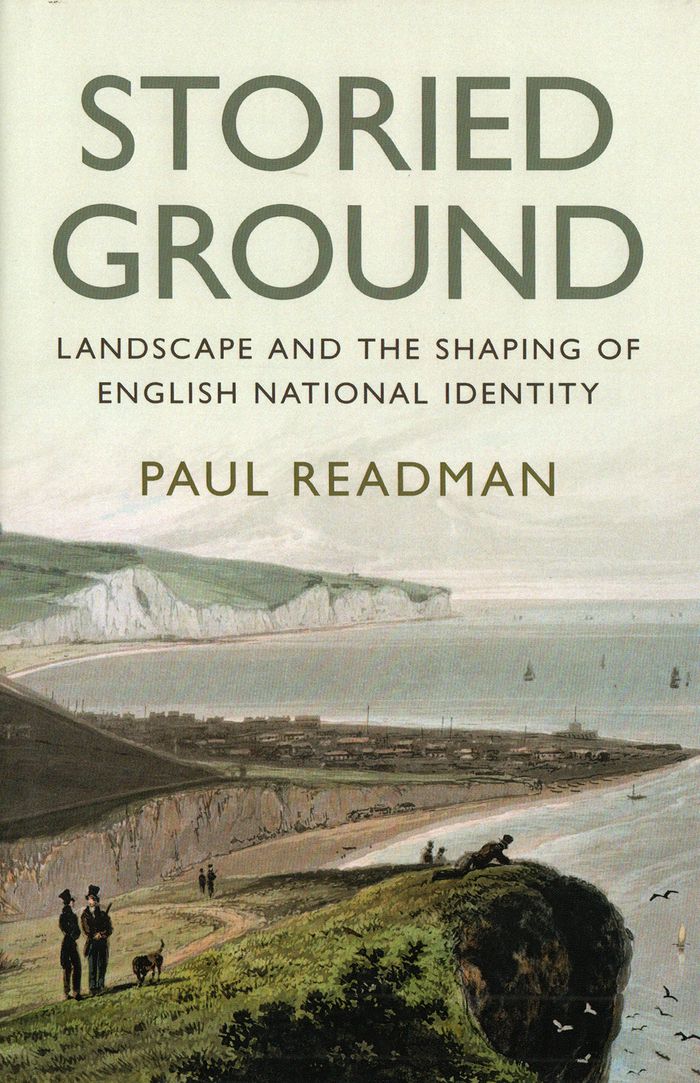
Storied ground: landscape and the shaping of English national identity
Actions:
Price:
$37.95
(available to order)
Summary:
The book takes us from the fells of the Lake District to the uplands of Northumberland; from the streetscapes of industrial Manchester to the heart of London. This panoramic journey reveals the significance, not only of the physical characteristics of landscapes, but also of the sense of the past, collective memories and cultural traditions that give these places their meaning. Between the late eighteenth and early twentieth centuries, Englishness extended far beyond the pastoral idyll of chocolate-box thatched cottages, waving fields of corn and quaint country churches. It was found in diverse locations - urban as well as rural, north as well as south - and it took strikingly diverse forms.
Form:
books
books
Publication:
May 2018
May 2018
Subject:
Landscape Theory
Landscape Theory
Form:
books
books
Title:
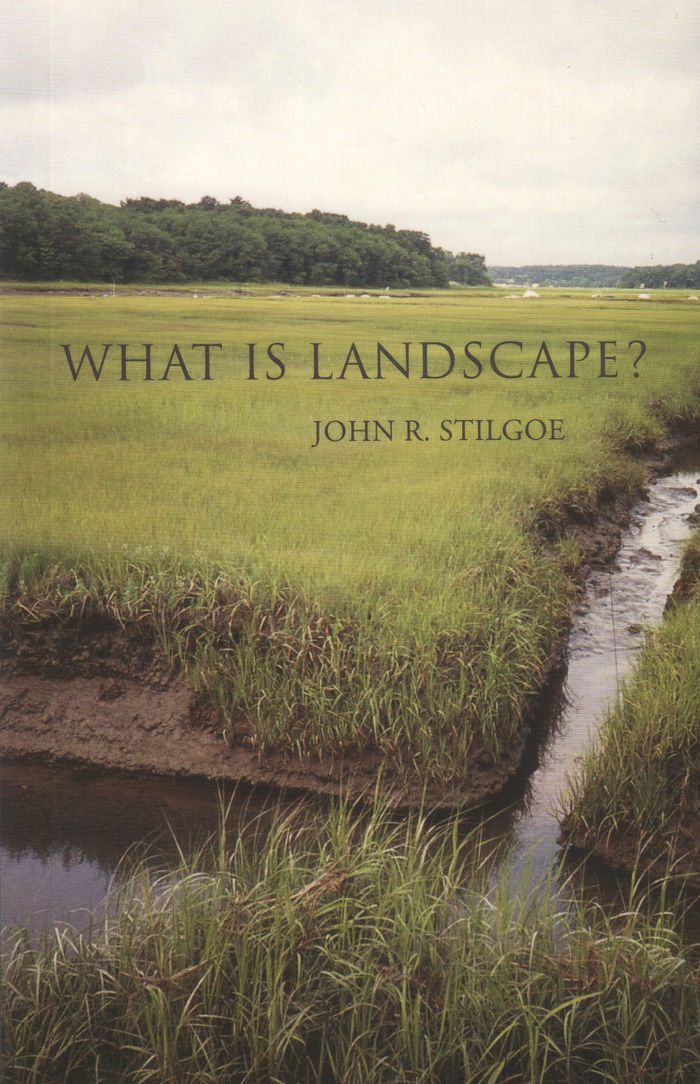
What is landscape?
What is landscape?
Actions:
Price:
$25.95
(available to order)
Summary:
"What Is Landscape?" is an invitation to walk, to notice, to ask: to see a sandcastle with a pinwheel at the beach and think of Dutch windmills icons of triumph, markers of territory won from the sea; to walk in the woods and be amused by the Elizabethans' misuse of the Latin silvaticus (people of the woods) to coin the word savages; to see in a suburban front lawn a(...)
Title:
What is landscape?
Actions:
Price:
$25.95
(available to order)
Summary:
"What Is Landscape?" is an invitation to walk, to notice, to ask: to see a sandcastle with a pinwheel at the beach and think of Dutch windmills icons of triumph, markers of territory won from the sea; to walk in the woods and be amused by the Elizabethans' misuse of the Latin silvaticus (people of the woods) to coin the word savages; to see in a suburban front lawn a representation of the meadow of a medieval freehold.
Form:
books
books
Publication:
April 2018
April 2018
Subject:
Landscape Theory
Landscape Theory
Form:
books
books
Actions:
Price:
$44.95
(available to order)
Summary:
"Botanical Drift" explores the hermeneutics, historicization, semiotics, and symbiosis of plant diversification, species cultivation, and destruction—past and present, extant and extinct—around the globe. Plant histories are explored as commodities and colonial as well as decolonial devices by significant and diverse feminist, art-historical, and anthropological(...)
Title:
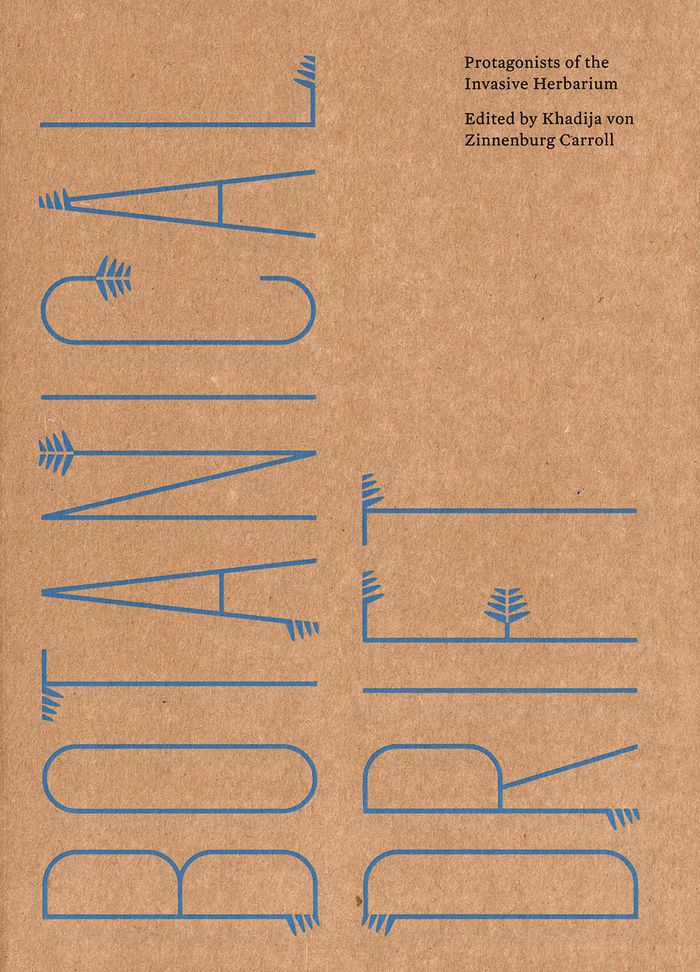
Botanical Drift: protagonists of the invasive herbarium
Actions:
Price:
$44.95
(available to order)
Summary:
"Botanical Drift" explores the hermeneutics, historicization, semiotics, and symbiosis of plant diversification, species cultivation, and destruction—past and present, extant and extinct—around the globe. Plant histories are explored as commodities and colonial as well as decolonial devices by significant and diverse feminist, art-historical, and anthropological voices—from Germaine Greer to herman de vries—bringing new perspectives through photo-essays, fiction, performance, and interventions in ecological, film, and translation archives. Reflecting on experimental ecology—the undiscovered, underestimated, and undesired non-European flora and fauna—it challenges perception and inspires potentialities to bring new understandings of the undergrowth of the Kew Gardens botany collection.
Form:
books
books
Publication:
January 2018
January 2018
Subject:
Landscape Theory
Landscape Theory
Form:
books
books
Actions:
Price:
$85.00
(available to order)
Summary:
Authored by Saskia de Wit, this book examines the enclosed garden as an expression of the ‘genius loci’. How can this be made accessible in the contemporary metropolitan landscape? Included are analyses of the spatial, sensorial, and narrative craft patterns of metropolitan gardens ranging from traditional Japanese masterpieces to contemporary European landscape(...)
Title:
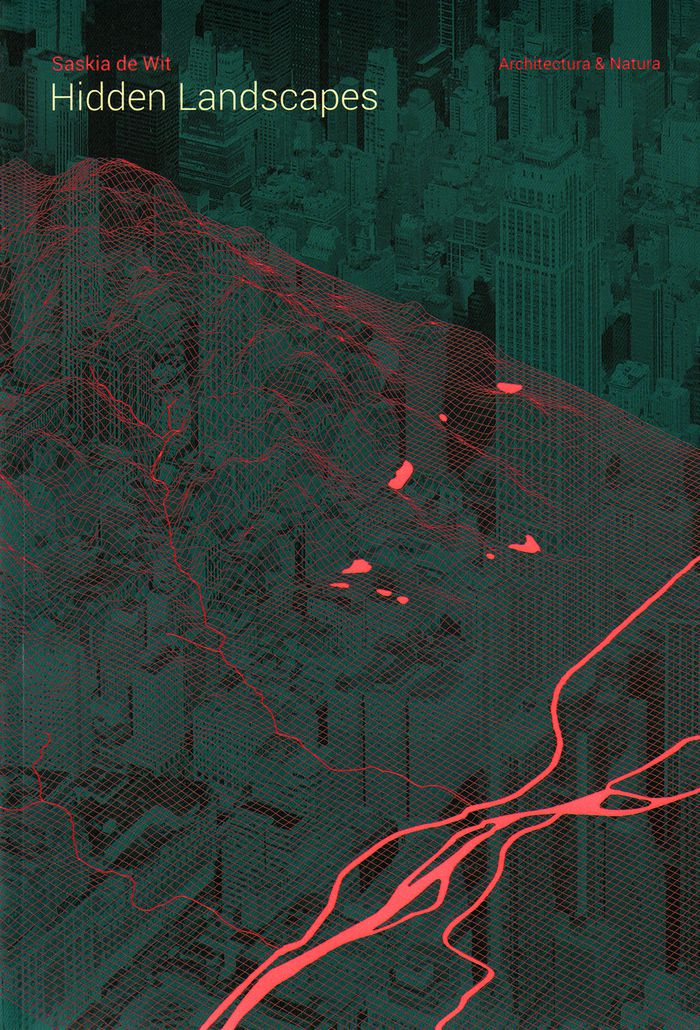
Hidden landscapes: the metropolitan garden as a multi-sensory expression of place
Actions:
Price:
$85.00
(available to order)
Summary:
Authored by Saskia de Wit, this book examines the enclosed garden as an expression of the ‘genius loci’. How can this be made accessible in the contemporary metropolitan landscape? Included are analyses of the spatial, sensorial, and narrative craft patterns of metropolitan gardens ranging from traditional Japanese masterpieces to contemporary European landscape architecture. The metropolitan garden, as a defined space in the continuous metropolitan field, provides an alternative way to access the landscape horizon, references to nature, and connections to the underlying landscape, providing a new perspective on two quintessential themes: nature and place.
Form:
books
books
Publication:
April 2018
April 2018
Subject:
Landscape Theory
Landscape Theory
Form:
books
books
Title:
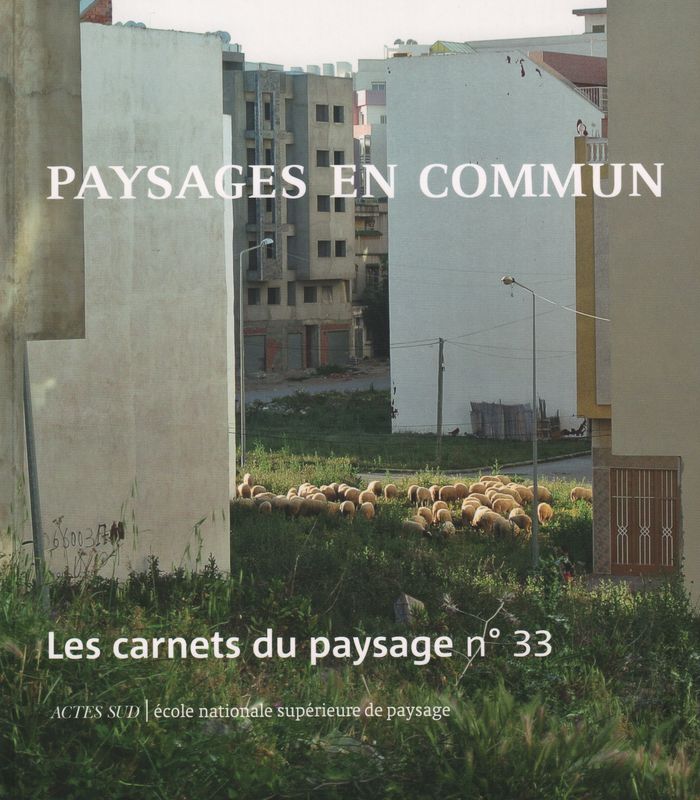
Les carnets du paysage n.33
Les carnets du paysage n.33
Actions:
Price:
$54.95
(available to order)
Summary:
Aujourd'hui la gestion des ressources naturelles, la propriété privée et l'usage collectif des biens, la construction et l'entretien du cadre de vie ou les formes alternatives d'organisation de la vie collective sont devenus des questions centrales dans le débat public. Ces questions concernent également le paysage. Les paysages font-ils partie des biens communs ? Et en(...)
Title:
Les carnets du paysage n.33
Actions:
Price:
$54.95
(available to order)
Summary:
Aujourd'hui la gestion des ressources naturelles, la propriété privée et l'usage collectif des biens, la construction et l'entretien du cadre de vie ou les formes alternatives d'organisation de la vie collective sont devenus des questions centrales dans le débat public. Ces questions concernent également le paysage. Les paysages font-ils partie des biens communs ? Et en quoi peut-on considérer que les paysages jouent un rôle dans la fabrication collective du commun ? Telles sont les questions que Les Carnets du paysage ont décidé d'explorer dans ce numéro, dont l'ambition est à la fois de décrire des expériences de construction collective de communs, de clarifier les termes des discussions actuelles sur le commun, et de témoigner de plusieurs initiatives où les paysagistes ont été impliqués. Les enjeux sont considérables : notre hypothèse est que le paysage non seulement relève des biens communs, mais qu'il constitue en outre un élément décisif dans la reformulation d'une écologie politique.
Form:
books
books
Publication:
May 2018
May 2018
Subject:
Landscape Theory
Landscape Theory


