


1923 Results
Form:
books
books
Actions:
Price:
$59.95
(available to order)
Summary:
The increasing accumulation of people in living machines without history and the challenges presented by migration and the lack of space provoke a need for new thinking and acting in public spaces. "SUPERSUIT" is an interdisciplinary experiment at the demarcation between people and space. It is a tool for poetic interventions in a range of different urban situations that(...)
$59.95
(available to order)
Summary:
The increasing accumulation of people in living machines without history and the challenges presented by migration and the lack of space provoke a need for new thinking and acting in public spaces. "SUPERSUIT" is an interdisciplinary experiment at the demarcation between people and space. It is a tool for poetic interventions in a range of different urban situations that(...)
Title:
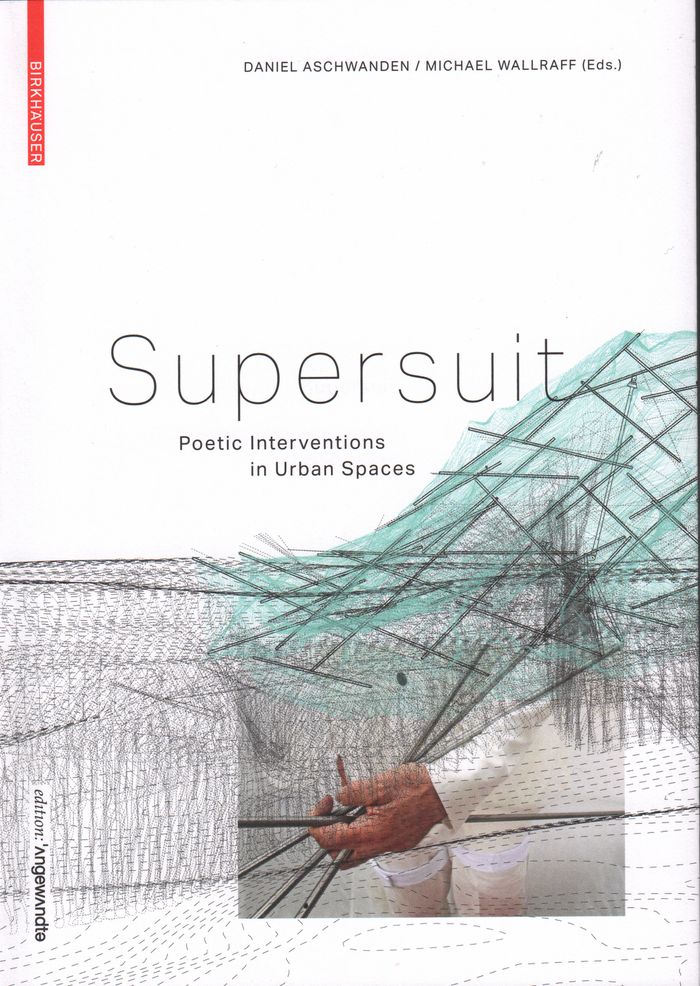
Supersuit: poetic interventions in urban spaces
Actions:
Price:
$59.95
(available to order)
Summary:
The increasing accumulation of people in living machines without history and the challenges presented by migration and the lack of space provoke a need for new thinking and acting in public spaces. "SUPERSUIT" is an interdisciplinary experiment at the demarcation between people and space. It is a tool for poetic interventions in a range of different urban situations that invites participation and queries the relationship between people, space and city in terms of sense perception. As a marker of public space, the spontaneously arising forms of "SUPERSUIT" respond directly to the parameters of urban context. Using the means of ‘performative interventions’ "SUPERSUIT" facilitates a change in current design processes and the conceptualizing of new people/material constellations.
Supersuit: poetic interventions in urban spaces
Actions:
Price:
$59.95
(available to order)
Summary:
The increasing accumulation of people in living machines without history and the challenges presented by migration and the lack of space provoke a need for new thinking and acting in public spaces. "SUPERSUIT" is an interdisciplinary experiment at the demarcation between people and space. It is a tool for poetic interventions in a range of different urban situations that invites participation and queries the relationship between people, space and city in terms of sense perception. As a marker of public space, the spontaneously arising forms of "SUPERSUIT" respond directly to the parameters of urban context. Using the means of ‘performative interventions’ "SUPERSUIT" facilitates a change in current design processes and the conceptualizing of new people/material constellations.
Form:
books
books
Publication:
June 2017
June 2017
Subject:
Urban Theory
Urban Theory
Form:
books
books
Price:
$50.00
(available to order)
Summary:
One of the nation’s chief architecture critics reveals how the environments we build profoundly shape our feelings, memories, and well-being, and argues that we must harness this knowledge to construct a world better suited to human experience. Taking us on a fascinating journey through some of the world’s best and worst landscapes, buildings, and cityscapes, Sarah(...)
$50.00
(available to order)
Summary:
One of the nation’s chief architecture critics reveals how the environments we build profoundly shape our feelings, memories, and well-being, and argues that we must harness this knowledge to construct a world better suited to human experience. Taking us on a fascinating journey through some of the world’s best and worst landscapes, buildings, and cityscapes, Sarah(...)
Title:
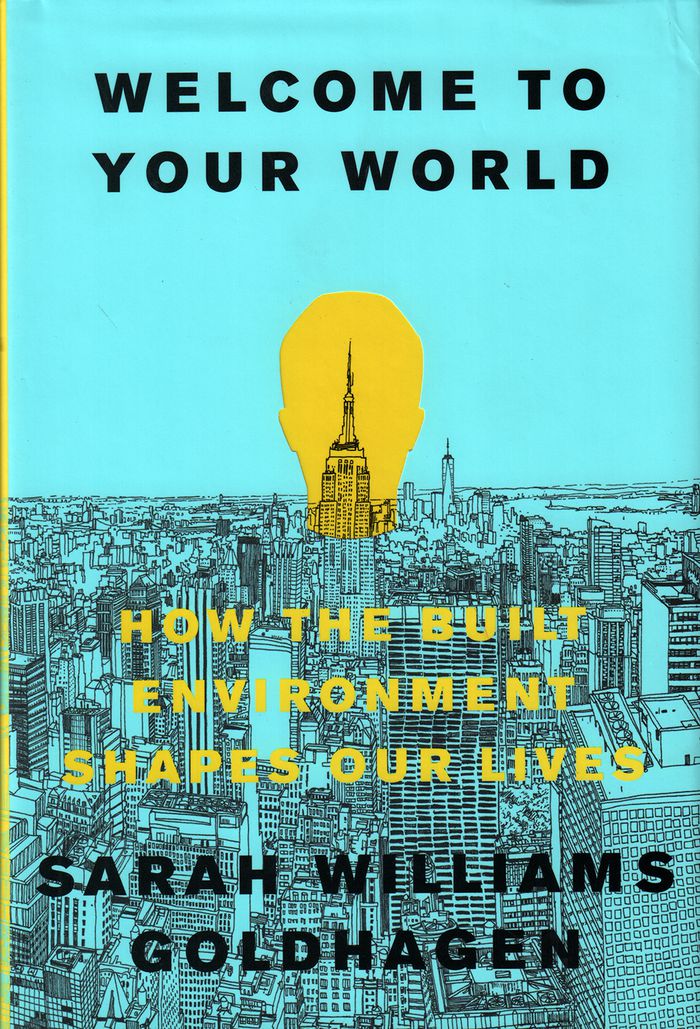
Welcome to your world: how the built environment shapes our lives
Actions:
Price:
$50.00
(available to order)
Summary:
One of the nation’s chief architecture critics reveals how the environments we build profoundly shape our feelings, memories, and well-being, and argues that we must harness this knowledge to construct a world better suited to human experience. Taking us on a fascinating journey through some of the world’s best and worst landscapes, buildings, and cityscapes, Sarah Williams Goldhagen draws from recent research in cognitive neuroscience and psychology to demonstrate how people’s experiences of the places they build are central to their well-being, their physical health, their communal and social lives, and even their very sense of themselves. From this foundation, Goldhagen presents a powerful case that societies must use this knowledge to rethink what and how they
Welcome to your world: how the built environment shapes our lives
Actions:
Price:
$50.00
(available to order)
Summary:
One of the nation’s chief architecture critics reveals how the environments we build profoundly shape our feelings, memories, and well-being, and argues that we must harness this knowledge to construct a world better suited to human experience. Taking us on a fascinating journey through some of the world’s best and worst landscapes, buildings, and cityscapes, Sarah Williams Goldhagen draws from recent research in cognitive neuroscience and psychology to demonstrate how people’s experiences of the places they build are central to their well-being, their physical health, their communal and social lives, and even their very sense of themselves. From this foundation, Goldhagen presents a powerful case that societies must use this knowledge to rethink what and how they
Form:
books
books
Publication:
April 2017
April 2017
Subject:
Urban Theory
Urban Theory
Form:
books
books
Actions:
Price:
$34.95
(available to order)
Summary:
Traditional cities of the global north are Wasted Cities: urban settlements where it is difficult to develop circular systems on a mainstream basis. The truly Circular City is utopian, an idealized vision for cities where nothing is wasted. The urgency and ambition to create such sustainable urban futures is stronger than ever before. 'Beyond the Wasted City' offers tools(...)
$34.95
(available to order)
Summary:
Traditional cities of the global north are Wasted Cities: urban settlements where it is difficult to develop circular systems on a mainstream basis. The truly Circular City is utopian, an idealized vision for cities where nothing is wasted. The urgency and ambition to create such sustainable urban futures is stronger than ever before. 'Beyond the Wasted City' offers tools(...)
Title:
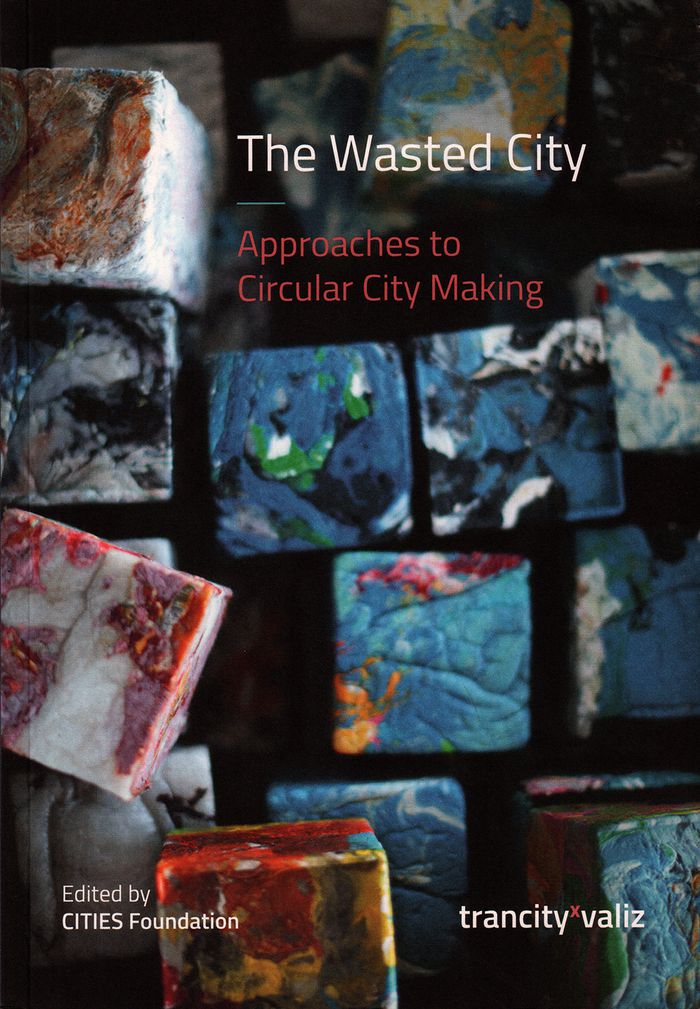
The wasted city: approaches to circular city making
Actions:
Price:
$34.95
(available to order)
Summary:
Traditional cities of the global north are Wasted Cities: urban settlements where it is difficult to develop circular systems on a mainstream basis. The truly Circular City is utopian, an idealized vision for cities where nothing is wasted. The urgency and ambition to create such sustainable urban futures is stronger than ever before. 'Beyond the Wasted City' offers tools and strategies helping urban professionals, academics, students and citizens bring the discourse and practice of circular city making forward.
The wasted city: approaches to circular city making
Actions:
Price:
$34.95
(available to order)
Summary:
Traditional cities of the global north are Wasted Cities: urban settlements where it is difficult to develop circular systems on a mainstream basis. The truly Circular City is utopian, an idealized vision for cities where nothing is wasted. The urgency and ambition to create such sustainable urban futures is stronger than ever before. 'Beyond the Wasted City' offers tools and strategies helping urban professionals, academics, students and citizens bring the discourse and practice of circular city making forward.
Form:
books
books
Publication:
August 2017
August 2017
Subject:
Urban Theory
Urban Theory
Form:
books
books
Price:
$33.00
(available to order)
Summary:
"City of Segregation" documents one hundred years of struggle against the enforced separation of racial groups through property markets, constructions of community, and the growth of neoliberalism. This movement history covers the decades of work to end legal support for segregation in 1948; the 1960s Civil Rights movement and CORE’s efforts to integrate LA’s white(...)
$33.00
(available to order)
Summary:
"City of Segregation" documents one hundred years of struggle against the enforced separation of racial groups through property markets, constructions of community, and the growth of neoliberalism. This movement history covers the decades of work to end legal support for segregation in 1948; the 1960s Civil Rights movement and CORE’s efforts to integrate LA’s white(...)
Title:
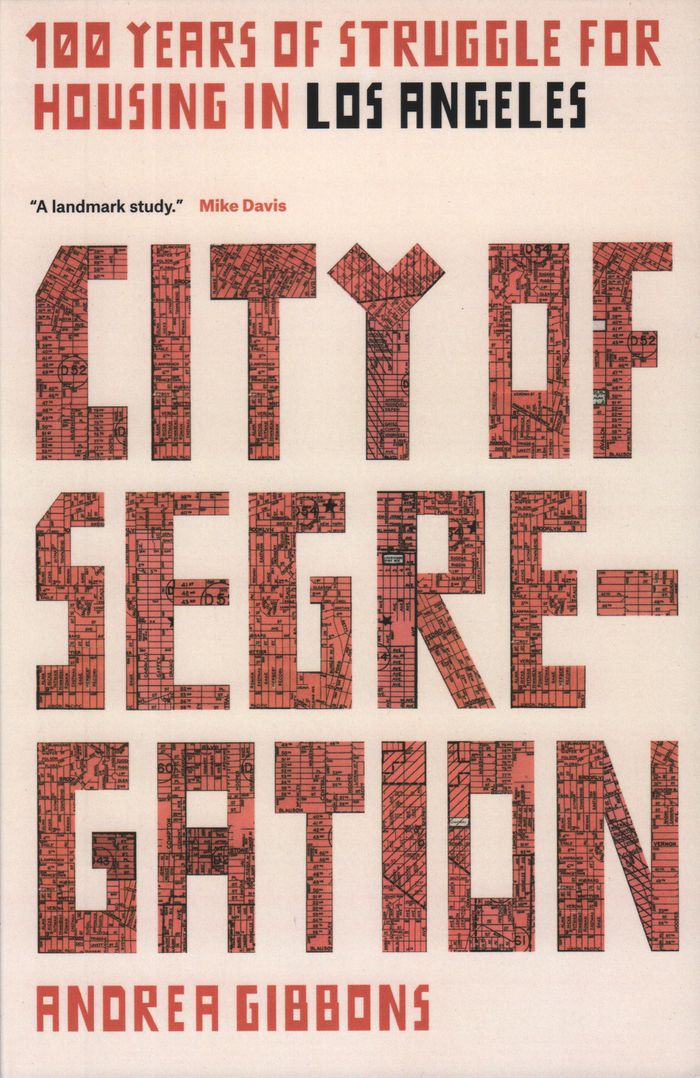
City of segregation: 100 years of struggle for housing in Los Angeles
Actions:
Price:
$33.00
(available to order)
Summary:
"City of Segregation" documents one hundred years of struggle against the enforced separation of racial groups through property markets, constructions of community, and the growth of neoliberalism. This movement history covers the decades of work to end legal support for segregation in 1948; the 1960s Civil Rights movement and CORE’s efforts to integrate LA’s white suburbs; and the 2006 victory preserving 10,000 downtown residential hotel units from gentrification enfolded within ongoing resistance to the criminalization and displacement of the homeless. Andrea Gibbons reveals the shape and nature of th e racist ideology that must be fought, in Los Angeles and across the United States, if we hope to found just cities.
City of segregation: 100 years of struggle for housing in Los Angeles
Actions:
Price:
$33.00
(available to order)
Summary:
"City of Segregation" documents one hundred years of struggle against the enforced separation of racial groups through property markets, constructions of community, and the growth of neoliberalism. This movement history covers the decades of work to end legal support for segregation in 1948; the 1960s Civil Rights movement and CORE’s efforts to integrate LA’s white suburbs; and the 2006 victory preserving 10,000 downtown residential hotel units from gentrification enfolded within ongoing resistance to the criminalization and displacement of the homeless. Andrea Gibbons reveals the shape and nature of th e racist ideology that must be fought, in Los Angeles and across the United States, if we hope to found just cities.
Form:
books
books
Publication:
September 2018
September 2018
Subject:
Urban Theory
Urban Theory
Form:
books
books
Actions:
Price:
$25.95
(available to order)
Summary:
Today we live in a world that can no longer be read as a two-dimensional map, but must now be understood as a series of vertical strata that reach from the satellites that encircle our planet to the tunnels deep within the ground. In Vertical, Stephen Graham rewrites the city at every level: how the geography of inequality, politics, and identity is determined in terms of(...)
$25.95
(available to order)
Summary:
Today we live in a world that can no longer be read as a two-dimensional map, but must now be understood as a series of vertical strata that reach from the satellites that encircle our planet to the tunnels deep within the ground. In Vertical, Stephen Graham rewrites the city at every level: how the geography of inequality, politics, and identity is determined in terms of(...)
Title:
Vertical: the city from satellites to bunkers
Actions:
Price:
$25.95
(available to order)
Summary:
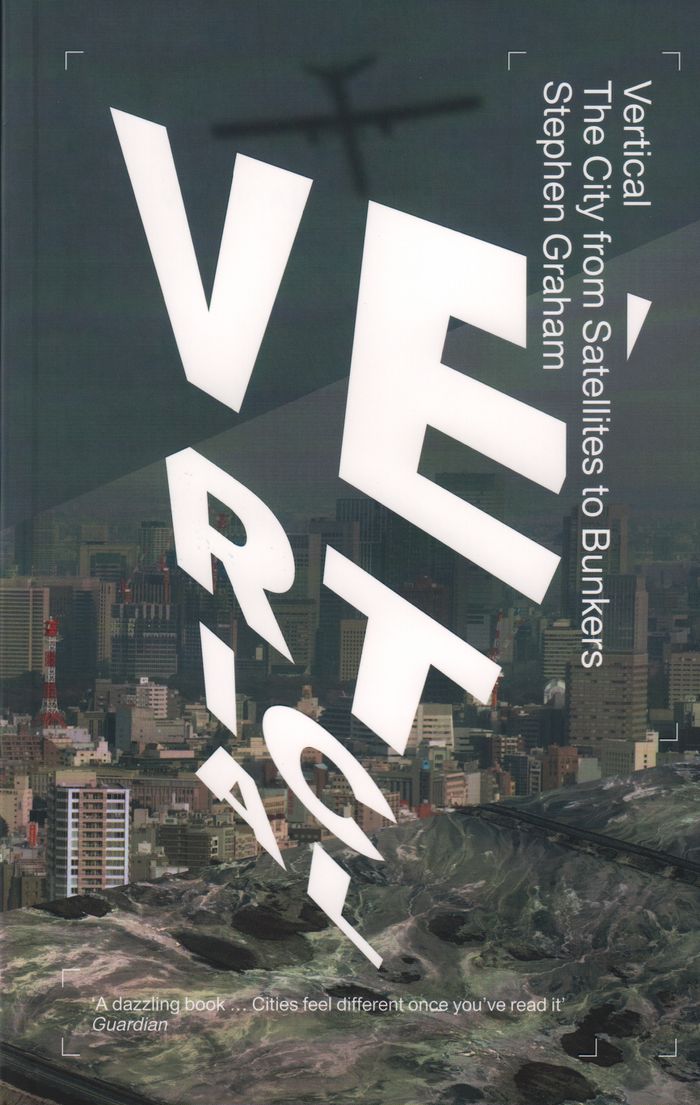
Today we live in a world that can no longer be read as a two-dimensional map, but must now be understood as a series of vertical strata that reach from the satellites that encircle our planet to the tunnels deep within the ground. In Vertical, Stephen Graham rewrites the city at every level: how the geography of inequality, politics, and identity is determined in terms of above and below.
Vertical: the city from satellites to bunkers
Actions:
Price:
$25.95
(available to order)
Summary:
Today we live in a world that can no longer be read as a two-dimensional map, but must now be understood as a series of vertical strata that reach from the satellites that encircle our planet to the tunnels deep within the ground. In Vertical, Stephen Graham rewrites the city at every level: how the geography of inequality, politics, and identity is determined in terms of above and below.
Form:
books
books
Publication:
April 2018
April 2018
Subject:
Urban Theory
Urban Theory
Form:
books
books
Price:
$37.00
(available to order)
Summary:
This book tells the story of the VENTO project, a cycling route from Venice (VENezia) to Turin (TOrino) running along the River Po. A new cultural paradigm to live differently in open spaces and the ways in which they change. A project of reanimating a landscape that is capable of offering new employment and economic diversification for the sustainable development of the(...)
$37.00
(available to order)
Summary:
This book tells the story of the VENTO project, a cycling route from Venice (VENezia) to Turin (TOrino) running along the River Po. A new cultural paradigm to live differently in open spaces and the ways in which they change. A project of reanimating a landscape that is capable of offering new employment and economic diversification for the sustainable development of the(...)
Subject:
Urban Theory
Urban Theory
Publication:
October 2015
October 2015
Title:
Vento: the gentle revolution cycling its way through the landscape
Actions:
Price:
$37.00
(available to order)
Summary:
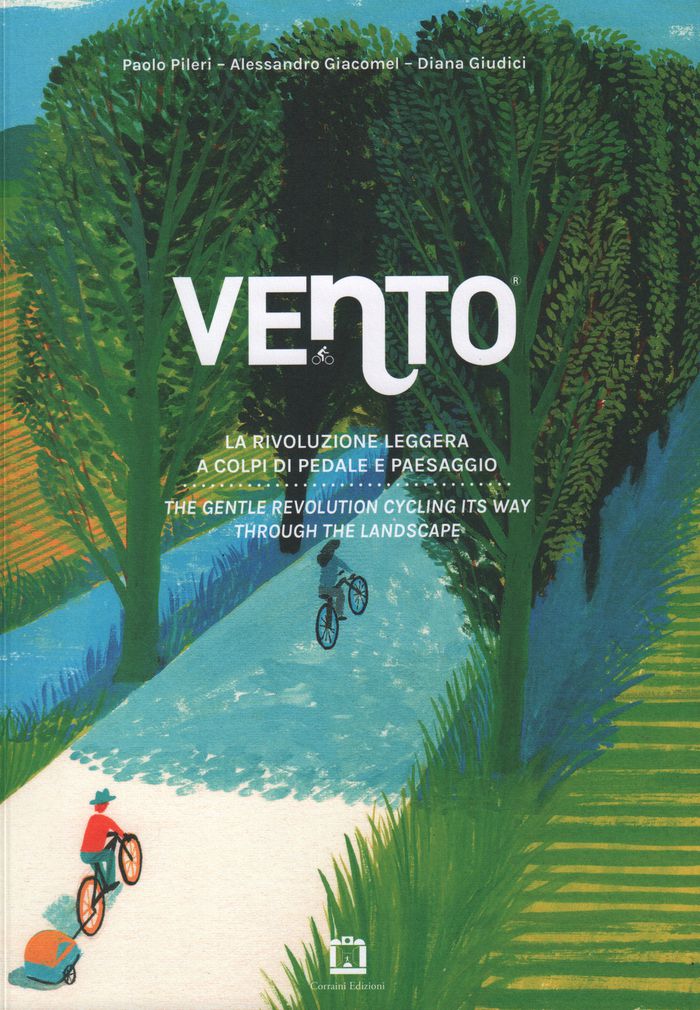
This book tells the story of the VENTO project, a cycling route from Venice (VENezia) to Turin (TOrino) running along the River Po. A new cultural paradigm to live differently in open spaces and the ways in which they change. A project of reanimating a landscape that is capable of offering new employment and economic diversification for the sustainable development of the country’s inland areas.
Vento: the gentle revolution cycling its way through the landscape
Actions:
Price:
$37.00
(available to order)
Summary:
This book tells the story of the VENTO project, a cycling route from Venice (VENezia) to Turin (TOrino) running along the River Po. A new cultural paradigm to live differently in open spaces and the ways in which they change. A project of reanimating a landscape that is capable of offering new employment and economic diversification for the sustainable development of the country’s inland areas.
Form:
books
books
Publication:
October 2015
October 2015
Subject:
Urban Theory
Urban Theory
Form:
books
books
Title:
Métabolismes urbains
Métabolismes urbains
Actions:
Price:
$71.95
(available to order)
Summary:
Nous conduisant dans le ventre de la ville, l’auteur interroge les multiples métabolismes qui régissent les restes, et notamment l’évolution des méthodes de traitement et de valorisation adoptées au sein du système urbain napolitain. Il se concentre en particulier sur l’architecture et l’importance des restes bâtis à l’intérieur de l’écosystème urbain, en se fondant sur(...)
$71.95
(available to order)
Summary:
Nous conduisant dans le ventre de la ville, l’auteur interroge les multiples métabolismes qui régissent les restes, et notamment l’évolution des méthodes de traitement et de valorisation adoptées au sein du système urbain napolitain. Il se concentre en particulier sur l’architecture et l’importance des restes bâtis à l’intérieur de l’écosystème urbain, en se fondant sur(...)
Title:
Métabolismes urbains
Actions:
Price:
$71.95
(available to order)
Summary:
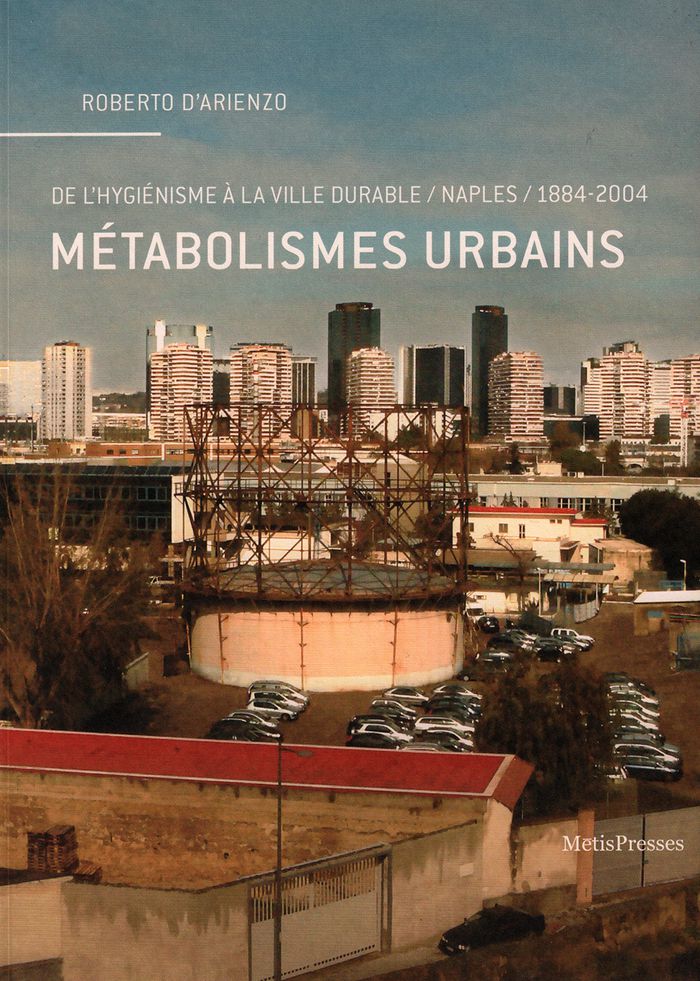
Nous conduisant dans le ventre de la ville, l’auteur interroge les multiples métabolismes qui régissent les restes, et notamment l’évolution des méthodes de traitement et de valorisation adoptées au sein du système urbain napolitain. Il se concentre en particulier sur l’architecture et l’importance des restes bâtis à l’intérieur de l’écosystème urbain, en se fondant sur l’analyse de la Naples post-industrielle et des différents processus de reconversion dont elle est le résultat.
Métabolismes urbains
Actions:
Price:
$71.95
(available to order)
Summary:
Nous conduisant dans le ventre de la ville, l’auteur interroge les multiples métabolismes qui régissent les restes, et notamment l’évolution des méthodes de traitement et de valorisation adoptées au sein du système urbain napolitain. Il se concentre en particulier sur l’architecture et l’importance des restes bâtis à l’intérieur de l’écosystème urbain, en se fondant sur l’analyse de la Naples post-industrielle et des différents processus de reconversion dont elle est le résultat.
Form:
books
books
Publication:
August 2017
August 2017
Subject:
Urban Theory
Urban Theory
Form:
books
books
Actions:
Price:
$65.00
(available in store)
Summary:
How has Berlin’s urban landscape changed in its remarkable transformation from divided city to creative capital? Despite the monumental heritage and grand development projects, Berlin still conjures up images of urban fragmentation and vacant inner-city land. The book reveals the changing nature and complex politics of this open space. A rephotographing of sites between(...)
$65.00
(available in store)
Summary:
How has Berlin’s urban landscape changed in its remarkable transformation from divided city to creative capital? Despite the monumental heritage and grand development projects, Berlin still conjures up images of urban fragmentation and vacant inner-city land. The book reveals the changing nature and complex politics of this open space. A rephotographing of sites between(...)
Title:
Spaces of uncertainty: Berlin revisited
Actions:
Price:
$65.00
(available in store)
Summary:
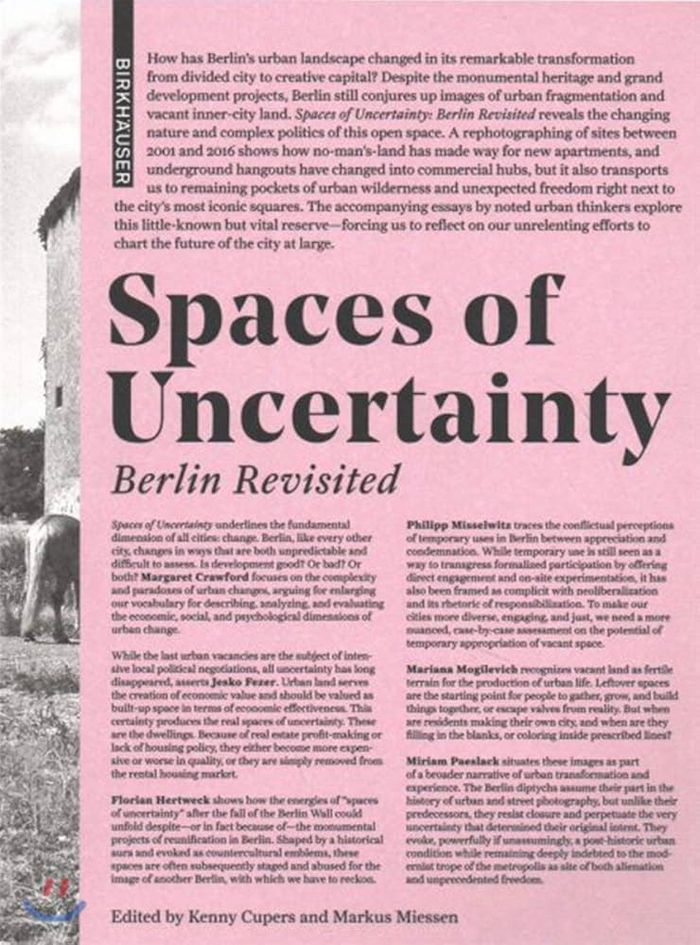
How has Berlin’s urban landscape changed in its remarkable transformation from divided city to creative capital? Despite the monumental heritage and grand development projects, Berlin still conjures up images of urban fragmentation and vacant inner-city land. The book reveals the changing nature and complex politics of this open space. A rephotographing of sites between 2001 and 2016 shows how no man’s land has made way for new apartments and underground hangouts have changed into commercial hubs, but it also transports us to remaining pockets of urban wilderness and unexpected freedom right next to the city’s most iconic squares. The accompanying essays by noted urban thinkers explore this little-known but vital reserve—forcing us to reflect on our unrelenting efforts to chart the future of the city at large.
Spaces of uncertainty: Berlin revisited
Actions:
Price:
$65.00
(available in store)
Summary:
How has Berlin’s urban landscape changed in its remarkable transformation from divided city to creative capital? Despite the monumental heritage and grand development projects, Berlin still conjures up images of urban fragmentation and vacant inner-city land. The book reveals the changing nature and complex politics of this open space. A rephotographing of sites between 2001 and 2016 shows how no man’s land has made way for new apartments and underground hangouts have changed into commercial hubs, but it also transports us to remaining pockets of urban wilderness and unexpected freedom right next to the city’s most iconic squares. The accompanying essays by noted urban thinkers explore this little-known but vital reserve—forcing us to reflect on our unrelenting efforts to chart the future of the city at large.
Form:
books
books
Publication:
March 2018
March 2018
Subject:
Urban Theory
Urban Theory
Form:
books
books

Actions:
Price:
$51.95
(available to order)
Summary:
Part autobiography, part firm history and part a look at the future of urban design, « Designing Places for People and the Environment » addresses lessons learned from fifty five years of experience in urban design and planning from a personal perspective following the author’s formative education and work as an architect, Naval civil engineer and city planner before(...)
$51.95
(available to order)
Summary:
Part autobiography, part firm history and part a look at the future of urban design, « Designing Places for People and the Environment » addresses lessons learned from fifty five years of experience in urban design and planning from a personal perspective following the author’s formative education and work as an architect, Naval civil engineer and city planner before(...)
Title:
Designing places for people and the environment
Actions:
Price:
$51.95
(available to order)
Summary:
Part autobiography, part firm history and part a look at the future of urban design, « Designing Places for People and the Environment » addresses lessons learned from fifty five years of experience in urban design and planning from a personal perspective following the author’s formative education and work as an architect, Naval civil engineer and city planner before transitioning into landscape architecture where he grew into a leadership role as the first president of the SWA Group and shaped the firm as an employee owned group practice that over four decades has become a “world leader in landscape architecture, planning and urban design”.
Designing places for people and the environment
Actions:
Price:
$51.95
(available to order)
Summary:
Part autobiography, part firm history and part a look at the future of urban design, « Designing Places for People and the Environment » addresses lessons learned from fifty five years of experience in urban design and planning from a personal perspective following the author’s formative education and work as an architect, Naval civil engineer and city planner before transitioning into landscape architecture where he grew into a leadership role as the first president of the SWA Group and shaped the firm as an employee owned group practice that over four decades has become a “world leader in landscape architecture, planning and urban design”.
Form:
books
books
Publication:
November 2014
November 2014
Subject:
Urban Theory
Urban Theory
Form:
books
books
Title:
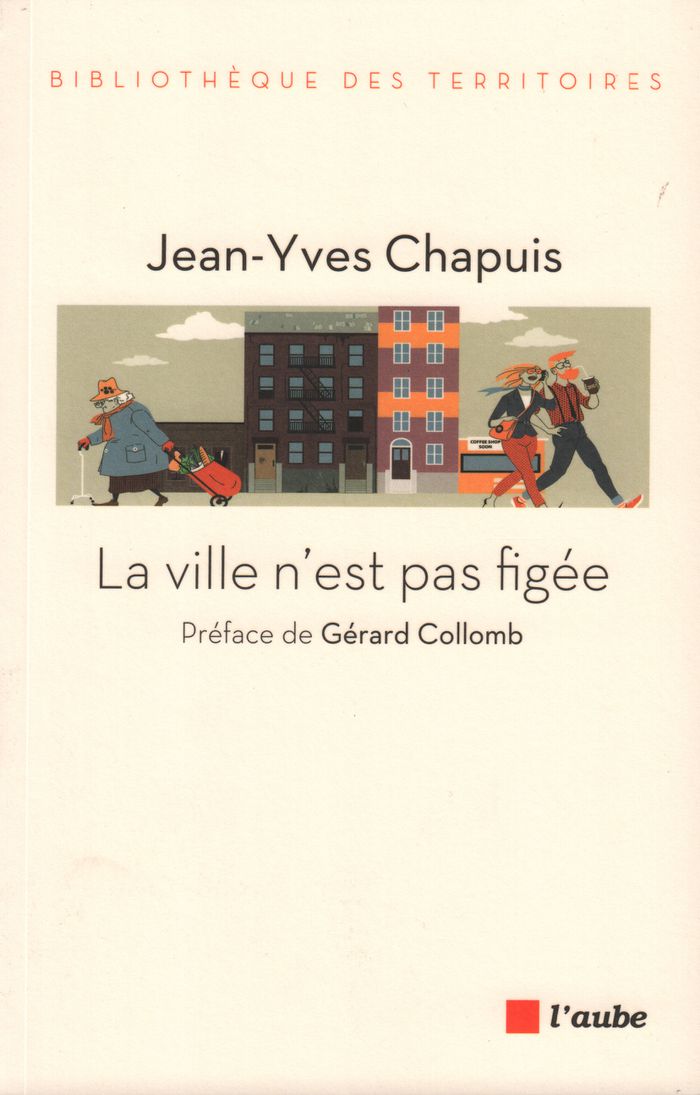
La ville n'est pas figée
La ville n'est pas figée
Actions:
Price:
$41.95
(available to order)
Summary:
Ce livre analyse comment la ville est devenue le réceptacle de l'évolution de la société et des modes de vie dans un monde incertain, une économie incertaine et des territoires incertains. Comment essayer de construire un récit dans lequel les citoyens se retrouvent, dans lequel les élus s'engagent. La fragilité, aujourd'hui, des êtres humains, auxquels on demande de(...)
$41.95
(available to order)
Summary:
Ce livre analyse comment la ville est devenue le réceptacle de l'évolution de la société et des modes de vie dans un monde incertain, une économie incertaine et des territoires incertains. Comment essayer de construire un récit dans lequel les citoyens se retrouvent, dans lequel les élus s'engagent. La fragilité, aujourd'hui, des êtres humains, auxquels on demande de(...)
Title:
La ville n'est pas figée
Actions:
Price:
$41.95
(available to order)
Summary:
Ce livre analyse comment la ville est devenue le réceptacle de l'évolution de la société et des modes de vie dans un monde incertain, une économie incertaine et des territoires incertains. Comment essayer de construire un récit dans lequel les citoyens se retrouvent, dans lequel les élus s'engagent. La fragilité, aujourd'hui, des êtres humains, auxquels on demande de s'inventer sans cesse, exige des responsables publics qu'ils soient capables de fixer un cap et que la politique produise ce récit dans lequel chacun trouve sa place. Ce livre n'a pas de prétention scientifique. Il se veut une manière de raconter la ville, une lecture de ville à travers une expérience d'élu et de professionnel, tout au long de quelques dizaines d'années de pratique.
La ville n'est pas figée
Actions:
Price:
$41.95
(available to order)
Summary:
Ce livre analyse comment la ville est devenue le réceptacle de l'évolution de la société et des modes de vie dans un monde incertain, une économie incertaine et des territoires incertains. Comment essayer de construire un récit dans lequel les citoyens se retrouvent, dans lequel les élus s'engagent. La fragilité, aujourd'hui, des êtres humains, auxquels on demande de s'inventer sans cesse, exige des responsables publics qu'ils soient capables de fixer un cap et que la politique produise ce récit dans lequel chacun trouve sa place. Ce livre n'a pas de prétention scientifique. Il se veut une manière de raconter la ville, une lecture de ville à travers une expérience d'élu et de professionnel, tout au long de quelques dizaines d'années de pratique.
Form:
books
books
Publication:
August 2017
August 2017
Subject:
Urban Theory
Urban Theory


