


1923 Results
Form:
books
books
Actions:
Price:
$27.95
(available to order)
Summary:
A Lille, se créé en 2007 le collectif des Saprophytes. Tout commence autour d’un projet : cultiver des pleurotes et réinvestir des espaces publics délaissés. Architectes, paysagistes, plasticiens, constructeurs, graphistes, Les Saprophytes tirent leur nom et leur philosophie de cet organisme qui recycle la matière et participe activement au maintien de l’équilibre(...)
$27.95
(available to order)
Summary:
A Lille, se créé en 2007 le collectif des Saprophytes. Tout commence autour d’un projet : cultiver des pleurotes et réinvestir des espaces publics délaissés. Architectes, paysagistes, plasticiens, constructeurs, graphistes, Les Saprophytes tirent leur nom et leur philosophie de cet organisme qui recycle la matière et participe activement au maintien de l’équilibre(...)
Title:
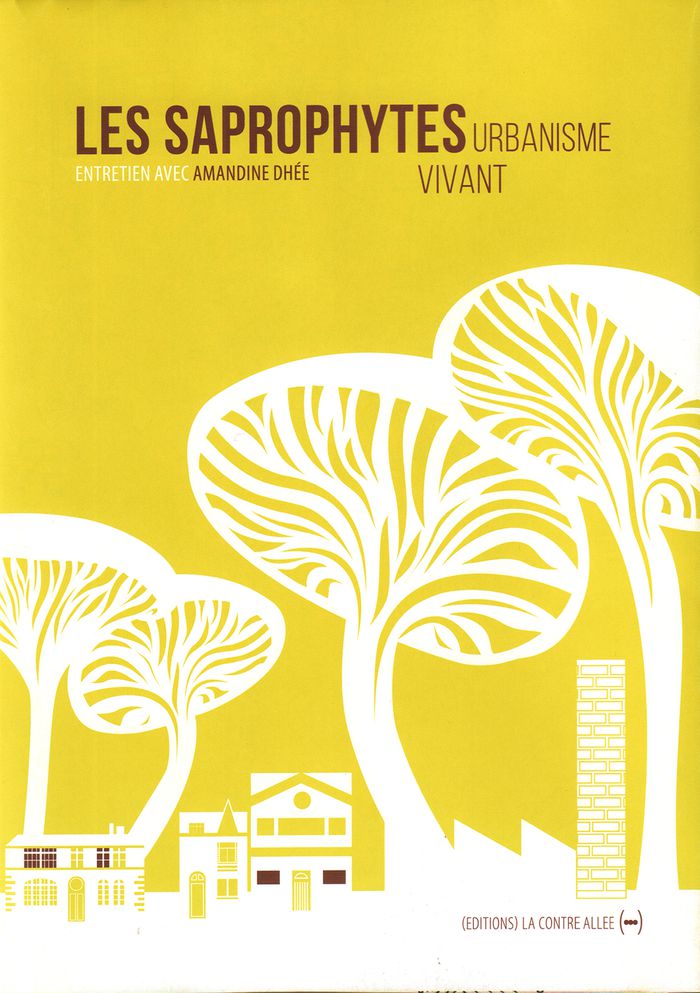
Les Saprophytes : urbanisme vivant
Actions:
Price:
$27.95
(available to order)
Summary:
A Lille, se créé en 2007 le collectif des Saprophytes. Tout commence autour d’un projet : cultiver des pleurotes et réinvestir des espaces publics délaissés. Architectes, paysagistes, plasticiens, constructeurs, graphistes, Les Saprophytes tirent leur nom et leur philosophie de cet organisme qui recycle la matière et participe activement au maintien de l’équilibre biologique dans la nature. Le collectif développe des projets mêlant réflexions et expérimentations dans l’espace public. Leurs interventions endossent de multiples formes : plateforme de création, structure d’éducation populaire, atelier de construction à court et long terme, ferme d’agriculture urbaine.
Les Saprophytes : urbanisme vivant
Actions:
Price:
$27.95
(available to order)
Summary:
A Lille, se créé en 2007 le collectif des Saprophytes. Tout commence autour d’un projet : cultiver des pleurotes et réinvestir des espaces publics délaissés. Architectes, paysagistes, plasticiens, constructeurs, graphistes, Les Saprophytes tirent leur nom et leur philosophie de cet organisme qui recycle la matière et participe activement au maintien de l’équilibre biologique dans la nature. Le collectif développe des projets mêlant réflexions et expérimentations dans l’espace public. Leurs interventions endossent de multiples formes : plateforme de création, structure d’éducation populaire, atelier de construction à court et long terme, ferme d’agriculture urbaine.
Form:
books
books
Publication:
November 2017
November 2017
Subject:
Urban Theory
Urban Theory
Form:
books
books
Title:
The society of interiors
The society of interiors
Actions:
Price:
$35.95
(available in store)
Summary:
The Society of Interiors discusses a variety of spatial practices which critique, reveal, and resist the economical logic of a neo-liberal market. A market that caters for exclusiveness and individualities, where public space becomes an interior, that is highly controlled and privatized. The different essays unpack, develop and expand a diversity of interior and spatial(...)
$35.95
(available in store)
Summary:
The Society of Interiors discusses a variety of spatial practices which critique, reveal, and resist the economical logic of a neo-liberal market. A market that caters for exclusiveness and individualities, where public space becomes an interior, that is highly controlled and privatized. The different essays unpack, develop and expand a diversity of interior and spatial(...)
Title:
The society of interiors
Actions:
Price:
$35.95
(available in store)
Summary:
The Society of Interiors discusses a variety of spatial practices which critique, reveal, and resist the economical logic of a neo-liberal market. A market that caters for exclusiveness and individualities, where public space becomes an interior, that is highly controlled and privatized. The different essays unpack, develop and expand a diversity of interior and spatial practices in urban contexts that allow for a diverse public, express differences, and create other experiences and situations. Contributors: Rochus Hinkel, Peter Lang, Tor Lindstrand, Petra Pferdmenges, Tatjana Schneider
The society of interiors
Actions:
Price:
$35.95
(available in store)
Summary:
The Society of Interiors discusses a variety of spatial practices which critique, reveal, and resist the economical logic of a neo-liberal market. A market that caters for exclusiveness and individualities, where public space becomes an interior, that is highly controlled and privatized. The different essays unpack, develop and expand a diversity of interior and spatial practices in urban contexts that allow for a diverse public, express differences, and create other experiences and situations. Contributors: Rochus Hinkel, Peter Lang, Tor Lindstrand, Petra Pferdmenges, Tatjana Schneider
Form:
books
books
Publication:
January 2018
January 2018
Subject:
Urban Theory
Urban Theory
Form:
books
books
Actions:
Price:
$25.00
(available to order)
Summary:
In "Neighbourhood: Designing a Liveable Community", renowned architect, professor and urban planner Avi Friedman describes the planning of a new neighbourhood in Middlesex Centre, a rural municipality in southern Ontario. Friedman explores how good and bad design affect our homes and civic life. In his quest to build a new kind of neighbourhood, Friedman talks about(...)
$25.00
(available to order)
Summary:
In "Neighbourhood: Designing a Liveable Community", renowned architect, professor and urban planner Avi Friedman describes the planning of a new neighbourhood in Middlesex Centre, a rural municipality in southern Ontario. Friedman explores how good and bad design affect our homes and civic life. In his quest to build a new kind of neighbourhood, Friedman talks about(...)
Title:
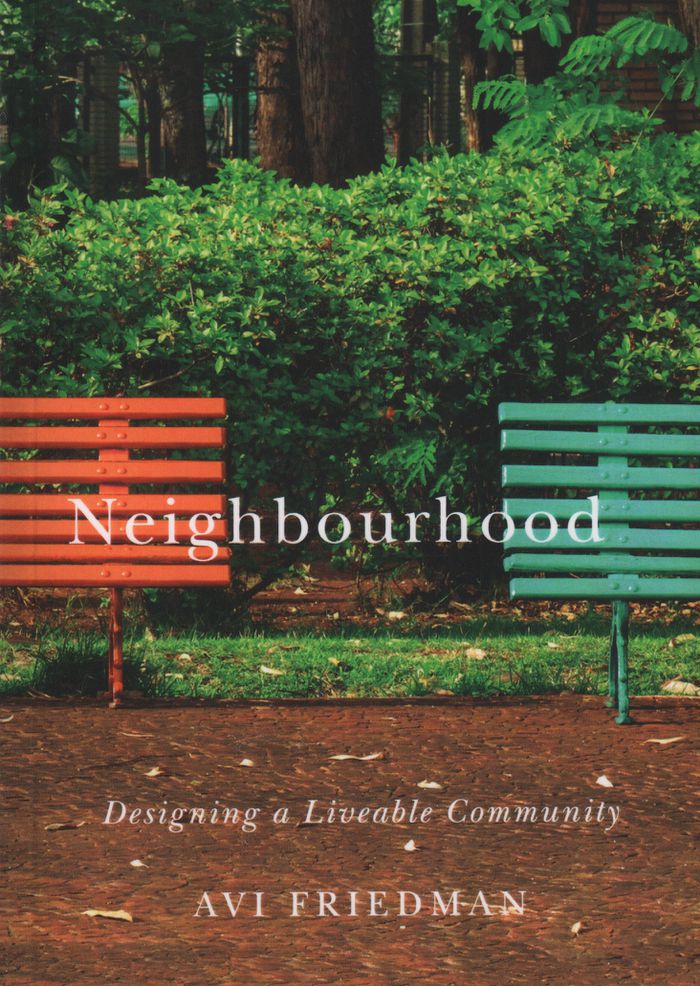
Neighbourhood: designing a livable community
Actions:
Price:
$25.00
(available to order)
Summary:
In "Neighbourhood: Designing a Liveable Community", renowned architect, professor and urban planner Avi Friedman describes the planning of a new neighbourhood in Middlesex Centre, a rural municipality in southern Ontario. Friedman explores how good and bad design affect our homes and civic life. In his quest to build a new kind of neighbourhood, Friedman talks about personal architectural and community touchstones that have informed his work through the years. Over the past decade or more, worrisome signs—climate change, depletion of natural resources, unrelenting urban sprawl, the tyranny of the automobile, the decline of face-to-face human contact—have motivated us to radically rethink home and community design. In Avi Friedman’s view, these issues have combined to force us to question fundamental practices and come up with better solutions.
Neighbourhood: designing a livable community
Actions:
Price:
$25.00
(available to order)
Summary:
In "Neighbourhood: Designing a Liveable Community", renowned architect, professor and urban planner Avi Friedman describes the planning of a new neighbourhood in Middlesex Centre, a rural municipality in southern Ontario. Friedman explores how good and bad design affect our homes and civic life. In his quest to build a new kind of neighbourhood, Friedman talks about personal architectural and community touchstones that have informed his work through the years. Over the past decade or more, worrisome signs—climate change, depletion of natural resources, unrelenting urban sprawl, the tyranny of the automobile, the decline of face-to-face human contact—have motivated us to radically rethink home and community design. In Avi Friedman’s view, these issues have combined to force us to question fundamental practices and come up with better solutions.
Form:
books
books
Publication:
May 2018
May 2018
Subject:
Urban Theory
Urban Theory
Form:
books
books
Actions:
Price:
$45.95
(available to order)
Summary:
Cet ouvrage, nourri par de nombreuses recherches et interventions dans les grands ensembles d’habitat social, révèle la diversité de ces quartiers et des modes d’habiter de leurs occupants. Il montre l’importance que représente l’habitat pour ces personnes, et le rôle décisif qu’il joue dans leur inscription dans la société. Dépassant les vaines oppositions entre urbain(...)
$45.95
(available to order)
Summary:
Cet ouvrage, nourri par de nombreuses recherches et interventions dans les grands ensembles d’habitat social, révèle la diversité de ces quartiers et des modes d’habiter de leurs occupants. Il montre l’importance que représente l’habitat pour ces personnes, et le rôle décisif qu’il joue dans leur inscription dans la société. Dépassant les vaines oppositions entre urbain(...)
Title:
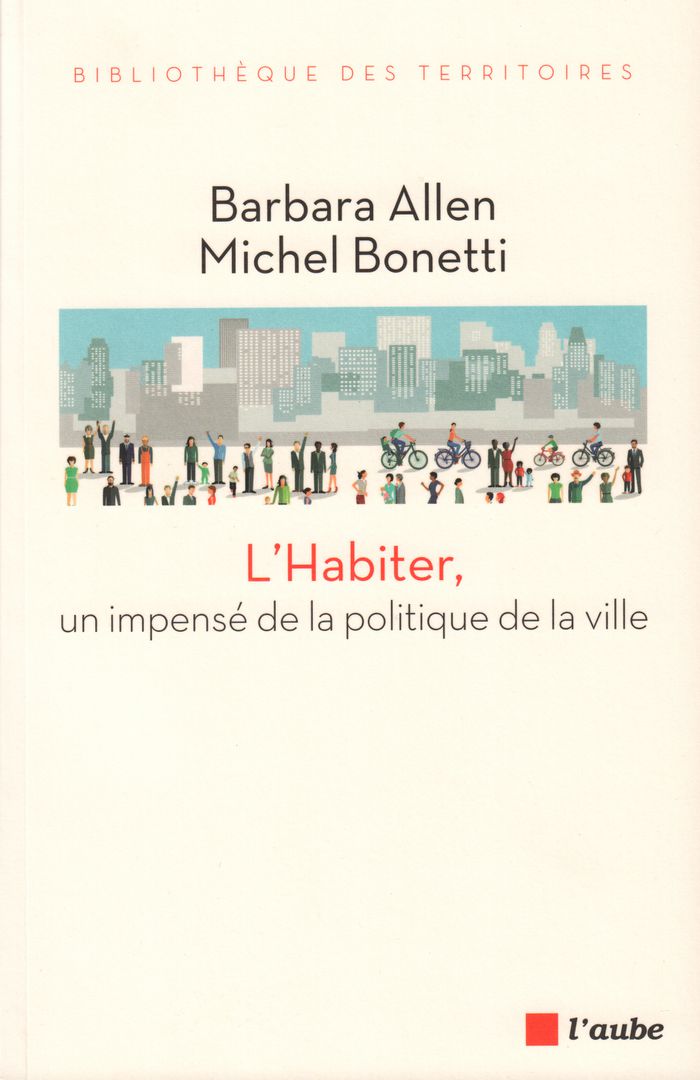
L'habiter, un impensé de la politique de la ville
Actions:
Price:
$45.95
(available to order)
Summary:
Cet ouvrage, nourri par de nombreuses recherches et interventions dans les grands ensembles d’habitat social, révèle la diversité de ces quartiers et des modes d’habiter de leurs occupants. Il montre l’importance que représente l’habitat pour ces personnes, et le rôle décisif qu’il joue dans leur inscription dans la société. Dépassant les vaines oppositions entre urbain et social, conditions de vie et cadre de vie, il met en évidence les interactions entre les situations socio-économiques des habitants, la conception des espaces urbains et leur gestion, ainsi que les politiques publiques qui contribuent à façonner modes d’habiter et situations habitantes. Cette analyse réinterroge les fondements de la politique de la ville et propose une nouvelle conception de l’action.
L'habiter, un impensé de la politique de la ville
Actions:
Price:
$45.95
(available to order)
Summary:
Cet ouvrage, nourri par de nombreuses recherches et interventions dans les grands ensembles d’habitat social, révèle la diversité de ces quartiers et des modes d’habiter de leurs occupants. Il montre l’importance que représente l’habitat pour ces personnes, et le rôle décisif qu’il joue dans leur inscription dans la société. Dépassant les vaines oppositions entre urbain et social, conditions de vie et cadre de vie, il met en évidence les interactions entre les situations socio-économiques des habitants, la conception des espaces urbains et leur gestion, ainsi que les politiques publiques qui contribuent à façonner modes d’habiter et situations habitantes. Cette analyse réinterroge les fondements de la politique de la ville et propose une nouvelle conception de l’action.
Form:
books
books
Publication:
January 2018
January 2018
Subject:
Urban Theory
Urban Theory
Form:
books
books
Actions:
Price:
$35.95
(available to order)
Summary:
Deux historiens, trois géographes, un photographe et un dessinateur font un voyage d’étude de quinze jours en Afrique du Sud pour enquêter sur les frontières des anciens homelands, ces territoires-archipels créés par le régime d’apartheid. Il s’agit de longer ces frontières pour en appréhender la persistance dans le paysage et les imaginaires. Au-delà de la spécificité(...)
$35.95
(available to order)
Summary:
Deux historiens, trois géographes, un photographe et un dessinateur font un voyage d’étude de quinze jours en Afrique du Sud pour enquêter sur les frontières des anciens homelands, ces territoires-archipels créés par le régime d’apartheid. Il s’agit de longer ces frontières pour en appréhender la persistance dans le paysage et les imaginaires. Au-delà de la spécificité(...)
Title:
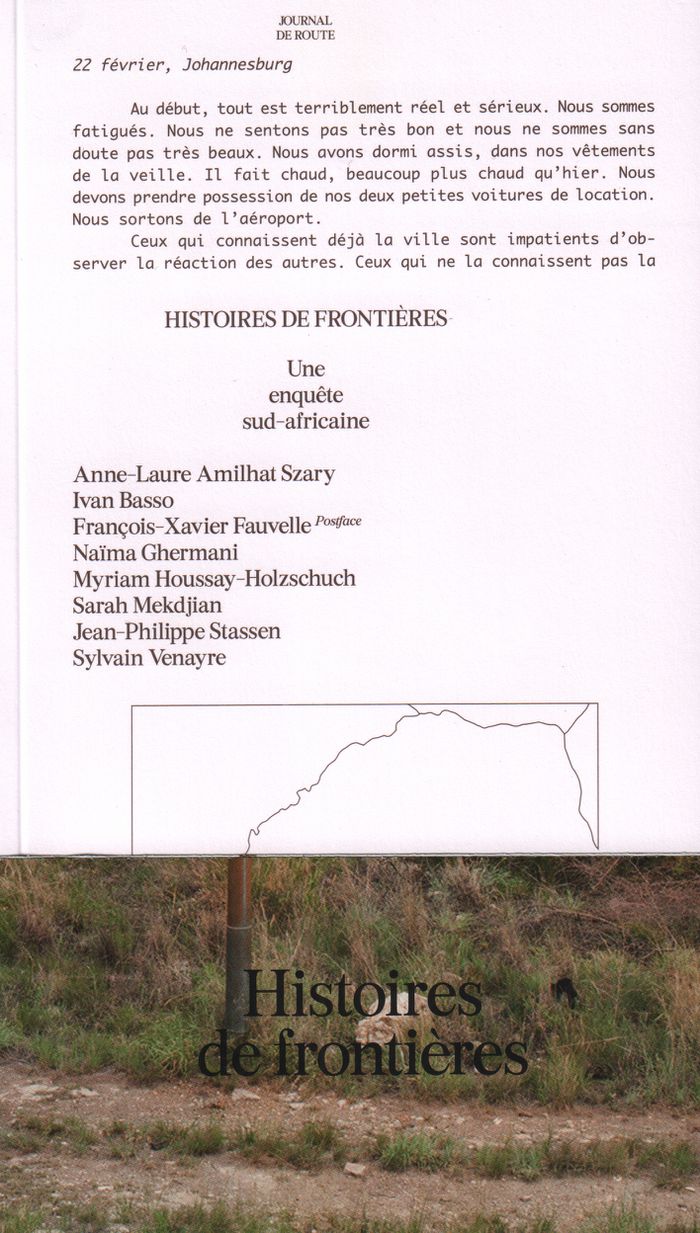
Histoires de frontières : une enquête sud-africaine
Actions:
Price:
$35.95
(available to order)
Summary:
Deux historiens, trois géographes, un photographe et un dessinateur font un voyage d’étude de quinze jours en Afrique du Sud pour enquêter sur les frontières des anciens homelands, ces territoires-archipels créés par le régime d’apartheid. Il s’agit de longer ces frontières pour en appréhender la persistance dans le paysage et les imaginaires. Au-delà de la spécificité du modèle sud-africain, considéré comme un laboratoire expérimental en matière de ségrégation sociale et spatiale, cette “enquête sud-africaine” interroge la polysémie de la notion de frontière.
Histoires de frontières : une enquête sud-africaine
Actions:
Price:
$35.95
(available to order)
Summary:
Deux historiens, trois géographes, un photographe et un dessinateur font un voyage d’étude de quinze jours en Afrique du Sud pour enquêter sur les frontières des anciens homelands, ces territoires-archipels créés par le régime d’apartheid. Il s’agit de longer ces frontières pour en appréhender la persistance dans le paysage et les imaginaires. Au-delà de la spécificité du modèle sud-africain, considéré comme un laboratoire expérimental en matière de ségrégation sociale et spatiale, cette “enquête sud-africaine” interroge la polysémie de la notion de frontière.
Form:
books
books
Publication:
September 2017
September 2017
Subject:
Urban Theory
Urban Theory
Form:
books
books
Actions:
Price:
$31.50
(available in store)
Summary:
Urban theory traditionally links modernity to the city, to the historical emergence of certain forms of subjectivity and the rise of important developments in culture, arts and architecture. This is often in response to technological, economic and societal transformations in the nineteenth- and early twentieth-centuries in select Euro-American metropolises. In contrast,(...)
$31.50
(available in store)
Summary:
Urban theory traditionally links modernity to the city, to the historical emergence of certain forms of subjectivity and the rise of important developments in culture, arts and architecture. This is often in response to technological, economic and societal transformations in the nineteenth- and early twentieth-centuries in select Euro-American metropolises. In contrast,(...)
Title:
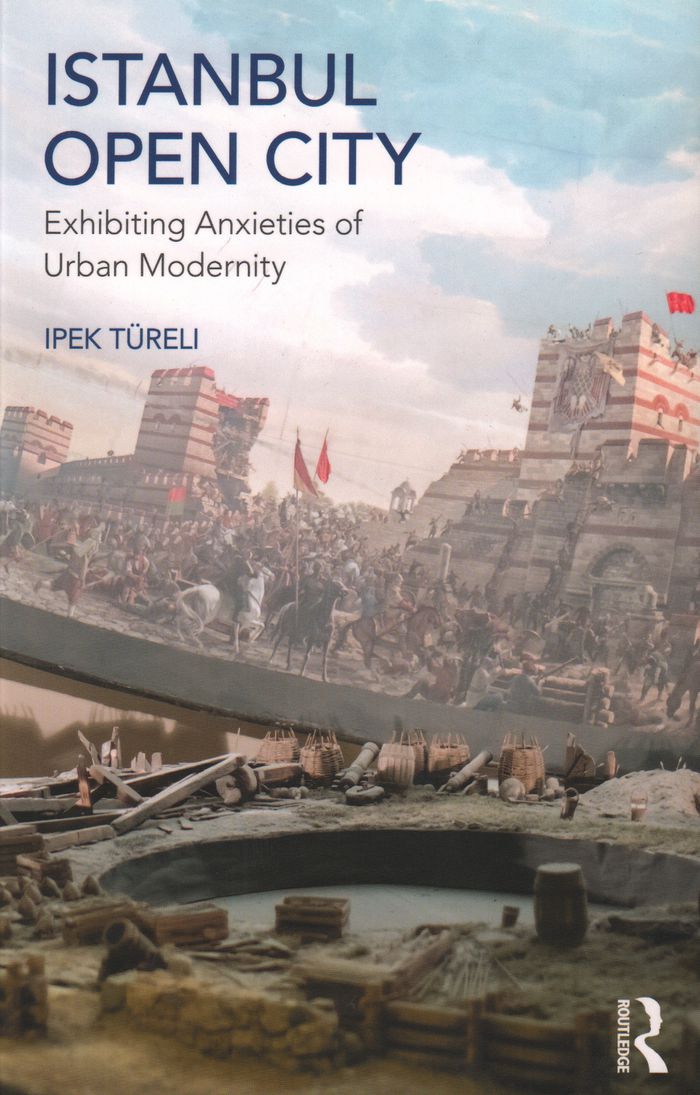
Istanbul open city: exhibiting anxieties of urban modernity
Actions:
Price:
$31.50
(available in store)
Summary:
Urban theory traditionally links modernity to the city, to the historical emergence of certain forms of subjectivity and the rise of important developments in culture, arts and architecture. This is often in response to technological, economic and societal transformations in the nineteenth- and early twentieth-centuries in select Euro-American metropolises. In contrast, non-Western cities in the modern period are often considered through the lens of Westernization and development. How do we account for urban modernity in "other" cities?
Istanbul open city: exhibiting anxieties of urban modernity
Actions:
Price:
$31.50
(available in store)
Summary:
Urban theory traditionally links modernity to the city, to the historical emergence of certain forms of subjectivity and the rise of important developments in culture, arts and architecture. This is often in response to technological, economic and societal transformations in the nineteenth- and early twentieth-centuries in select Euro-American metropolises. In contrast, non-Western cities in the modern period are often considered through the lens of Westernization and development. How do we account for urban modernity in "other" cities?
Form:
books
books
Publication:
January 2018
January 2018
Form:
books
books
Actions:
Price:
$48.00
(available to order)
Summary:
No one demands that people move to cities; people tend to do so, on their own. People choose to move to cities for opportunity. Such choices are often made unconsciously, as they are based on rules, traditions, and local communities–or a combination of all three. 'Un-Conscious-City' explores and unravels Dutch architect Wiel Arets’ kaleidoscopic viewpoints on the ways the(...)
$48.00
(available to order)
Summary:
No one demands that people move to cities; people tend to do so, on their own. People choose to move to cities for opportunity. Such choices are often made unconsciously, as they are based on rules, traditions, and local communities–or a combination of all three. 'Un-Conscious-City' explores and unravels Dutch architect Wiel Arets’ kaleidoscopic viewpoints on the ways the(...)
Title:
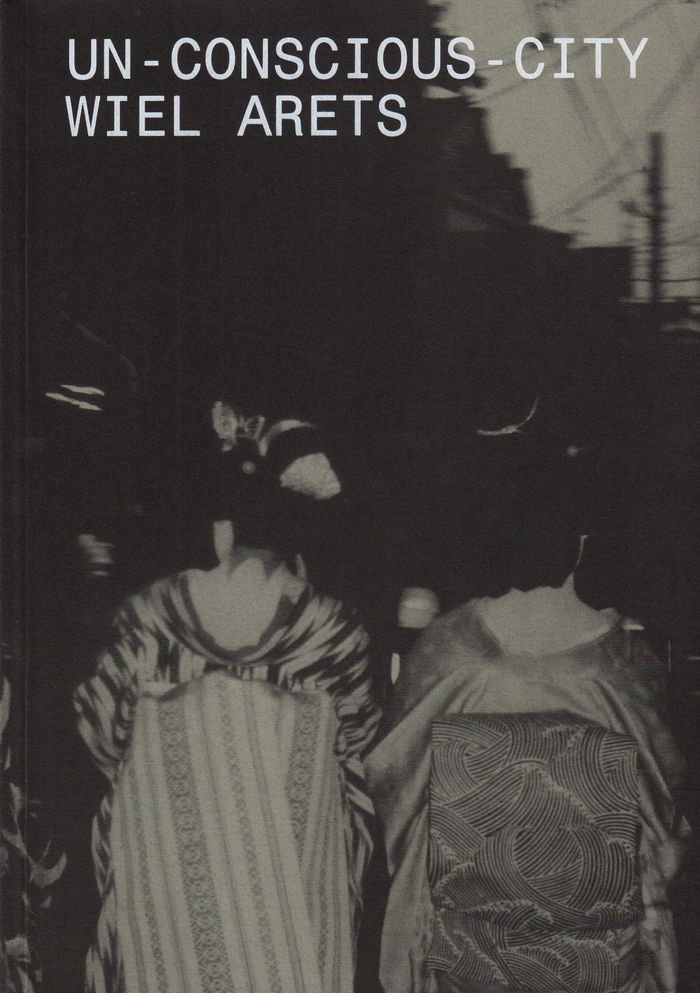
Unconscious city: conversations with Wiel Arets
Actions:
Price:
$48.00
(available to order)
Summary:
No one demands that people move to cities; people tend to do so, on their own. People choose to move to cities for opportunity. Such choices are often made unconsciously, as they are based on rules, traditions, and local communities–or a combination of all three. 'Un-Conscious-City' explores and unravels Dutch architect Wiel Arets’ kaleidoscopic viewpoints on the ways the collective, unconscious decisions taken by the world’s citizens throughout time – a process that remains invisible to the naked eye – are now working to transform and shift the physical, sensory, and emotional experiences of human beings, as they navigate and live in today’s metropolises as well as the countryside.
Unconscious city: conversations with Wiel Arets
Actions:
Price:
$48.00
(available to order)
Summary:
No one demands that people move to cities; people tend to do so, on their own. People choose to move to cities for opportunity. Such choices are often made unconsciously, as they are based on rules, traditions, and local communities–or a combination of all three. 'Un-Conscious-City' explores and unravels Dutch architect Wiel Arets’ kaleidoscopic viewpoints on the ways the collective, unconscious decisions taken by the world’s citizens throughout time – a process that remains invisible to the naked eye – are now working to transform and shift the physical, sensory, and emotional experiences of human beings, as they navigate and live in today’s metropolises as well as the countryside.
Form:
books
books
Publication:
March 2019
March 2019
Subject:
Urban Theory
Urban Theory
Form:
books
books
Actions:
Price:
$60.00
(available to order)
Summary:
Charles Waldheim traces the roots of landscape as a form of urbanism from its origins in the Renaissance through the twentieth century. Growing out of progressive architectural culture and populist environmentalism, the concept was further informed by the nineteenth-century invention of landscape architecture as a "new art" charged with reconciling the design of the(...)
$60.00
(available to order)
Summary:
Charles Waldheim traces the roots of landscape as a form of urbanism from its origins in the Renaissance through the twentieth century. Growing out of progressive architectural culture and populist environmentalism, the concept was further informed by the nineteenth-century invention of landscape architecture as a "new art" charged with reconciling the design of the(...)
Title:
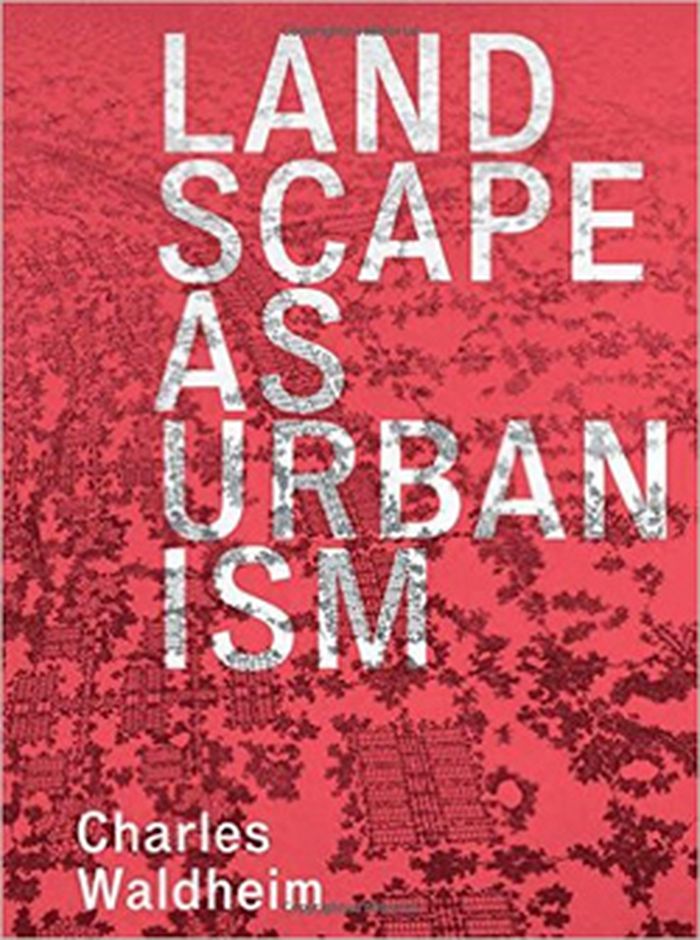
Landscape as Urbanism: A General Theory
Actions:
Price:
$60.00
(available to order)
Summary:
Charles Waldheim traces the roots of landscape as a form of urbanism from its origins in the Renaissance through the twentieth century. Growing out of progressive architectural culture and populist environmentalism, the concept was further informed by the nineteenth-century invention of landscape architecture as a "new art" charged with reconciling the design of the industrial city with its ecological and social conditions. In the late twentieth and early twenty-first centuries, as urban planning shifted from design to social science, and as urban design committed to neotraditional models of town planning, landscape urbanism emerged to fill a void at the heart of the contemporary urban project.
Landscape as Urbanism: A General Theory
Actions:
Price:
$60.00
(available to order)
Summary:
Charles Waldheim traces the roots of landscape as a form of urbanism from its origins in the Renaissance through the twentieth century. Growing out of progressive architectural culture and populist environmentalism, the concept was further informed by the nineteenth-century invention of landscape architecture as a "new art" charged with reconciling the design of the industrial city with its ecological and social conditions. In the late twentieth and early twenty-first centuries, as urban planning shifted from design to social science, and as urban design committed to neotraditional models of town planning, landscape urbanism emerged to fill a void at the heart of the contemporary urban project.
Form:
books
books
Publication:
February 2016
February 2016
Subject:
Urban Theory
Urban Theory
Form:
books
books
Actions:
Price:
$57.50
(available in store)
Summary:
A city’s infrastructure—its tangle of streets, tunnels, routes and lines—can be much more than a mere functional necessity or an ad hoc constellation. Designed and constructed carefully and purposefully, "infratecture" can add significant sociological, cultural, ecological and economic value to a city. In this volume, Rotterdam-based traffic engineer, academic and(...)
$57.50
(available in store)
Summary:
A city’s infrastructure—its tangle of streets, tunnels, routes and lines—can be much more than a mere functional necessity or an ad hoc constellation. Designed and constructed carefully and purposefully, "infratecture" can add significant sociological, cultural, ecological and economic value to a city. In this volume, Rotterdam-based traffic engineer, academic and(...)
Publication:
February 2016
February 2016
Title:
Infratecture: Infrastructure by Design
Actions:
Price:
$57.50
(available in store)
Summary:
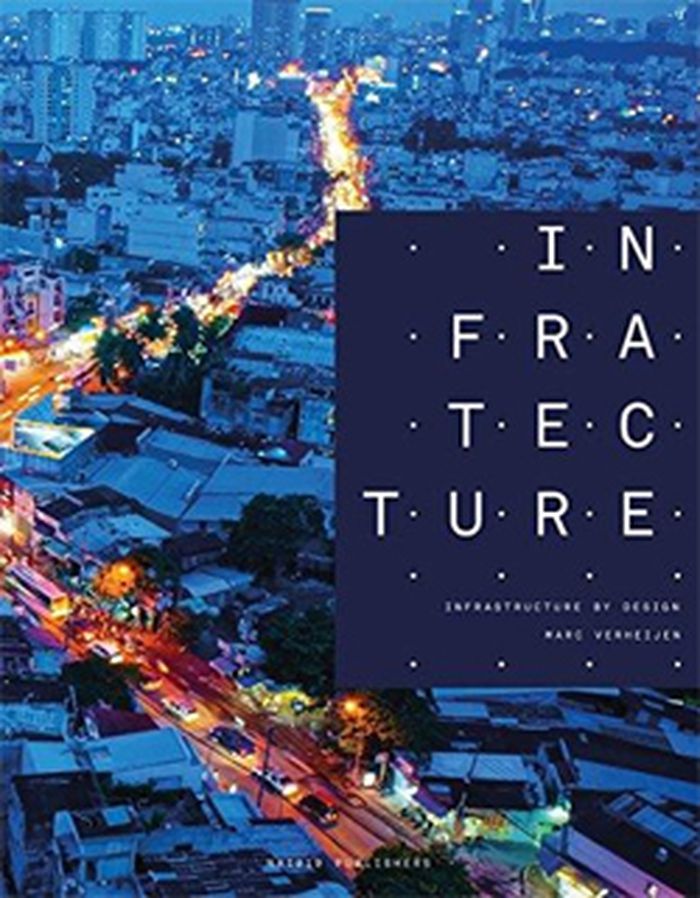
A city’s infrastructure—its tangle of streets, tunnels, routes and lines—can be much more than a mere functional necessity or an ad hoc constellation. Designed and constructed carefully and purposefully, "infratecture" can add significant sociological, cultural, ecological and economic value to a city. In this volume, Rotterdam-based traffic engineer, academic and architect Marc Verheijen discusses the infrastructure of cities from 15 different perspectives and features 30 examples of international best practices in infrastructure design. A practically oriented book about designing and building everything from roads and viaducts to environmental habitats and noise barriers, Infratecture is also an argument for these integrated design solutions, all the more urgent at a moment of accelerated global urbanization. Infratecture argues that, with the right mind set, genuine cooperation and sophisticated design, infrastructure can form a significant, and positive, part of the everyday environment.
Infratecture: Infrastructure by Design
Actions:
Price:
$57.50
(available in store)
Summary:
A city’s infrastructure—its tangle of streets, tunnels, routes and lines—can be much more than a mere functional necessity or an ad hoc constellation. Designed and constructed carefully and purposefully, "infratecture" can add significant sociological, cultural, ecological and economic value to a city. In this volume, Rotterdam-based traffic engineer, academic and architect Marc Verheijen discusses the infrastructure of cities from 15 different perspectives and features 30 examples of international best practices in infrastructure design. A practically oriented book about designing and building everything from roads and viaducts to environmental habitats and noise barriers, Infratecture is also an argument for these integrated design solutions, all the more urgent at a moment of accelerated global urbanization. Infratecture argues that, with the right mind set, genuine cooperation and sophisticated design, infrastructure can form a significant, and positive, part of the everyday environment.
Form:
books
books
Publication:
February 2016
February 2016
Form:
books
books
Actions:
Price:
$39.95
(available to order)
Summary:
Making Room is an anthology of texts on art, media and aesthetic practice in the context of squatting, occupation and urban-space activism. It includes pieces by activist researchers working between the academy and the movements they write about, as well as journalistic first-person narratives by squatters, original photography and interviews with artists, theorists and(...)
$39.95
(available to order)
Summary:
Making Room is an anthology of texts on art, media and aesthetic practice in the context of squatting, occupation and urban-space activism. It includes pieces by activist researchers working between the academy and the movements they write about, as well as journalistic first-person narratives by squatters, original photography and interviews with artists, theorists and(...)
Title:
Making Room: Cultural Production in Occupied Spaces
Actions:
Price:
$39.95
(available to order)
Summary:
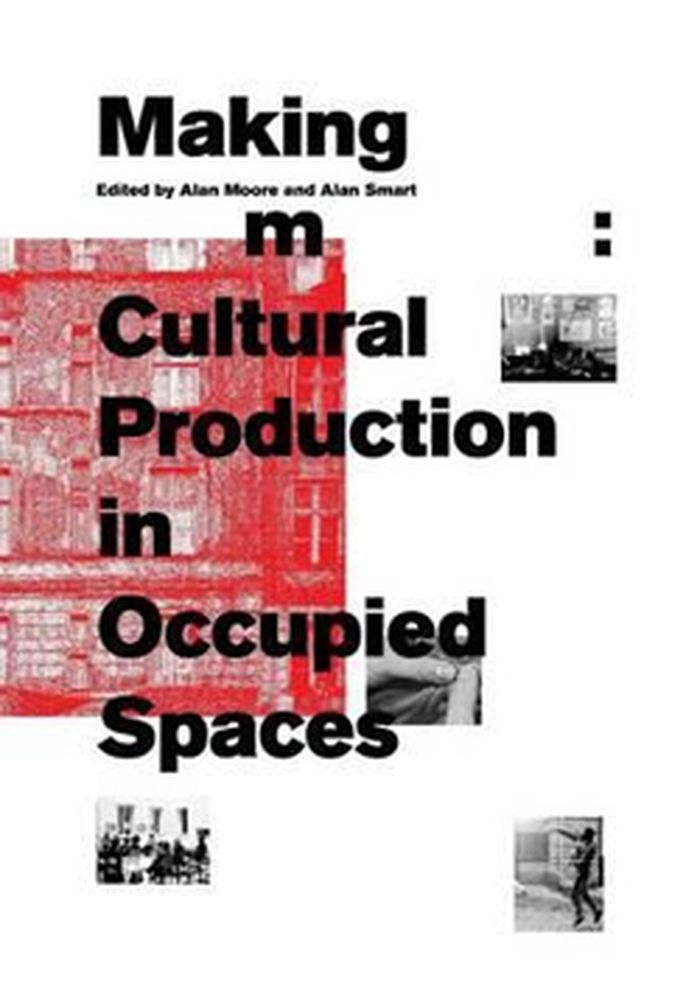
Making Room is an anthology of texts on art, media and aesthetic practice in the context of squatting, occupation and urban-space activism. It includes pieces by activist researchers working between the academy and the movements they write about, as well as journalistic first-person narratives by squatters, original photography and interviews with artists, theorists and activists involved in struggles over urban space and creative production in the city. Topics include brief histories of squatting in the UK, Germany and the Netherlands; the creation of Temporary Autonomous Zones; Puerto Rican occupations in New York; the influence of the Situationists on French squatting; and activism and camping at Documentas 10, 11 and 13. Throughout, cultural production appears in various forms ranging from conventional art practices to the organizing of communities and networks, to the production of media and setting up of information systems.
Making Room: Cultural Production in Occupied Spaces
Actions:
Price:
$39.95
(available to order)
Summary:
Making Room is an anthology of texts on art, media and aesthetic practice in the context of squatting, occupation and urban-space activism. It includes pieces by activist researchers working between the academy and the movements they write about, as well as journalistic first-person narratives by squatters, original photography and interviews with artists, theorists and activists involved in struggles over urban space and creative production in the city. Topics include brief histories of squatting in the UK, Germany and the Netherlands; the creation of Temporary Autonomous Zones; Puerto Rican occupations in New York; the influence of the Situationists on French squatting; and activism and camping at Documentas 10, 11 and 13. Throughout, cultural production appears in various forms ranging from conventional art practices to the organizing of communities and networks, to the production of media and setting up of information systems.
Form:
books
books
Publication:
February 2016
February 2016
Subject:
Urban Theory
Urban Theory


