


1070 Results
Form:
books
books
Actions:
Price:
$24.95
(available to order)
Summary:
In the nineteenth century, Rutland was the center of a booming marble industry. By the early twentieth century, the Vermont Marble Company was considered the largest U.S. corporation in the world. Today, the region of southwestern Vermont that runs from Middlebury in the north to Dorset in the south is still called "the Marble Valley," and visitors flock every year to(...)
$24.95
(available to order)
Summary:
In the nineteenth century, Rutland was the center of a booming marble industry. By the early twentieth century, the Vermont Marble Company was considered the largest U.S. corporation in the world. Today, the region of southwestern Vermont that runs from Middlebury in the north to Dorset in the south is still called "the Marble Valley," and visitors flock every year to(...)
Publication:
September 2010
September 2010
Title:
Stories from Vermont's Marble Valley
Actions:
Price:
$24.95
(available to order)
Summary:
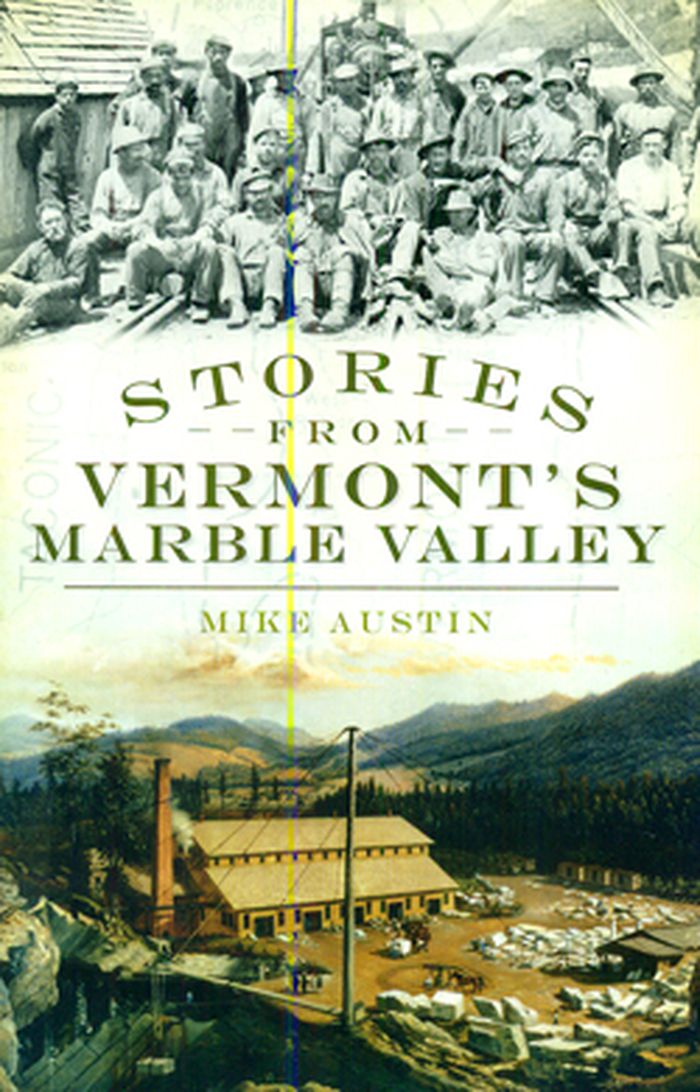
In the nineteenth century, Rutland was the center of a booming marble industry. By the early twentieth century, the Vermont Marble Company was considered the largest U.S. corporation in the world. Today, the region of southwestern Vermont that runs from Middlebury in the north to Dorset in the south is still called "the Marble Valley," and visitors flock every year to tour the Vermont Marble Museum and the International Carving Studio and to picnic in the quarries. In this first comprehensive history, Mike Austin chronicles the hardships, religious lives, labor struggles and triumphs of the Marble Valley's workers and industrious settlers. Complete with excerpts from firsthand accounts and news clippings, this wide-scoping history gives an intimate portrayal of the men and women who shaped the Vermont Marble Valley and made it their home.
Stories from Vermont's Marble Valley
Actions:
Price:
$24.95
(available to order)
Summary:
In the nineteenth century, Rutland was the center of a booming marble industry. By the early twentieth century, the Vermont Marble Company was considered the largest U.S. corporation in the world. Today, the region of southwestern Vermont that runs from Middlebury in the north to Dorset in the south is still called "the Marble Valley," and visitors flock every year to tour the Vermont Marble Museum and the International Carving Studio and to picnic in the quarries. In this first comprehensive history, Mike Austin chronicles the hardships, religious lives, labor struggles and triumphs of the Marble Valley's workers and industrious settlers. Complete with excerpts from firsthand accounts and news clippings, this wide-scoping history gives an intimate portrayal of the men and women who shaped the Vermont Marble Valley and made it their home.
Form:
books
books
Publication:
September 2010
September 2010
Form:
books
books
Title:
Lake Verea: Modern Barragan
Lake Verea: Modern Barragan
Actions:
Price:
$95.00
(available to order)
Summary:
In this intimate archive, the contemporary Mexican photographer duo Lake Verea record their pilgrimages, made over the course of nearly two decades, to the house of Mexican architect Luis Barragán (1902–88). As devotees of the architect, the duo began photographing the modernist mecca in 2006, endeavoring to approach as closely as possible to Barragán's spirit. The(...)
$95.00
(available to order)
Summary:
In this intimate archive, the contemporary Mexican photographer duo Lake Verea record their pilgrimages, made over the course of nearly two decades, to the house of Mexican architect Luis Barragán (1902–88). As devotees of the architect, the duo began photographing the modernist mecca in 2006, endeavoring to approach as closely as possible to Barragán's spirit. The(...)
Subject:
Photography monographs
Photography monographs
Publication:
January 2026
January 2026
Title:
Lake Verea: Modern Barragan
Actions:
Price:
$95.00
(available to order)
Summary:
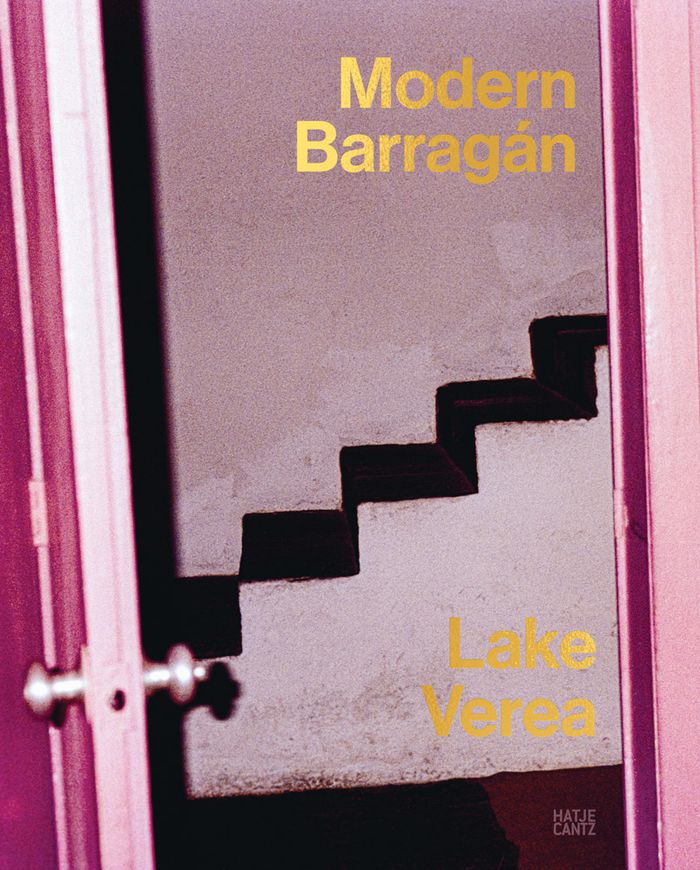
In this intimate archive, the contemporary Mexican photographer duo Lake Verea record their pilgrimages, made over the course of nearly two decades, to the house of Mexican architect Luis Barragán (1902–88). As devotees of the architect, the duo began photographing the modernist mecca in 2006, endeavoring to approach as closely as possible to Barragán's spirit. The artists sat in his chairs, opened his closets, listened in silence and kissed in the house's enchanted garden. Modern Barragán compiles the fruits of their reverent labor. The photographs capture the house across a myriad of atmospheric conditions—in daylight, under the light of the full moon, by streetlight and against stormy skies. Flash photography lends the house a spectral quality; rubbed with aluminum sheets, the walls reveal their hidden textures, evoking the hidden memories contained within the home.
Lake Verea: Modern Barragan
Actions:
Price:
$95.00
(available to order)
Summary:
In this intimate archive, the contemporary Mexican photographer duo Lake Verea record their pilgrimages, made over the course of nearly two decades, to the house of Mexican architect Luis Barragán (1902–88). As devotees of the architect, the duo began photographing the modernist mecca in 2006, endeavoring to approach as closely as possible to Barragán's spirit. The artists sat in his chairs, opened his closets, listened in silence and kissed in the house's enchanted garden. Modern Barragán compiles the fruits of their reverent labor. The photographs capture the house across a myriad of atmospheric conditions—in daylight, under the light of the full moon, by streetlight and against stormy skies. Flash photography lends the house a spectral quality; rubbed with aluminum sheets, the walls reveal their hidden textures, evoking the hidden memories contained within the home.
Form:
books
books
Publication:
January 2026
January 2026
Subject:
Photography monographs
Photography monographs
Form:
books
books
Actions:
Price:
$37.95
(available in store)
Summary:
In ''Camera Geologica'' Siobhan Angus tells the history of photography through the minerals upon which the medium depends. Challenging the emphasis on immateriality in discourses on photography, Angus focuses on the inextricable links between image-making and resource extraction, revealing how the mining of bitumen, silver, platinum, iron, uranium, and rare earth elements(...)
$37.95
(available in store)
Summary:
In ''Camera Geologica'' Siobhan Angus tells the history of photography through the minerals upon which the medium depends. Challenging the emphasis on immateriality in discourses on photography, Angus focuses on the inextricable links between image-making and resource extraction, revealing how the mining of bitumen, silver, platinum, iron, uranium, and rare earth elements(...)
Title:
Camera Geologica: An Elemental History of Photography
Actions:
Price:
$37.95
(available in store)
Summary:
In ''Camera Geologica'' Siobhan Angus tells the history of photography through the minerals upon which the medium depends. Challenging the emphasis on immateriality in discourses on photography, Angus focuses on the inextricable links between image-making and resource extraction, revealing how the mining of bitumen, silver, platinum, iron, uranium, and rare earth elements is a precondition of photography. Photography, Angus contends, begins underground and, in photographs of mines and mining, frequently returns there. Through a materials-driven analysis of visual culture, she illustrates histories of colonization, labor, and environmental degradation to expose the ways in which photography is enmeshed within and enables global extractive capitalism. Angus places nineteenth-century photography in dialogue with digital photography and its own entangled economies of extraction, demonstrating the importance of understanding photography’s complicity in the economic, geopolitical, and social systems that order the world.
Camera Geologica: An Elemental History of Photography
Actions:
Price:
$37.95
(available in store)
Summary:
In ''Camera Geologica'' Siobhan Angus tells the history of photography through the minerals upon which the medium depends. Challenging the emphasis on immateriality in discourses on photography, Angus focuses on the inextricable links between image-making and resource extraction, revealing how the mining of bitumen, silver, platinum, iron, uranium, and rare earth elements is a precondition of photography. Photography, Angus contends, begins underground and, in photographs of mines and mining, frequently returns there. Through a materials-driven analysis of visual culture, she illustrates histories of colonization, labor, and environmental degradation to expose the ways in which photography is enmeshed within and enables global extractive capitalism. Angus places nineteenth-century photography in dialogue with digital photography and its own entangled economies of extraction, demonstrating the importance of understanding photography’s complicity in the economic, geopolitical, and social systems that order the world.
Form:
books
books
Publication:
July 2024
July 2024
Subject:
Theory of Photography
Theory of Photography
Form:
books
books
Actions:
Price:
$63.00
(available to order)
Summary:
In paintings, murals, and book illustrations, Aaron Douglas (1899–1979) produced the most powerful visual legacy of the Harlem Renaissance, prompting the philosopher and writer Alain Locke to dub him the “father of Black American art.” Presenting more than ninety illustrations of Douglas’s works and the commentary of leading critics and historians, this book focuses on(...)
$63.00
(available to order)
Summary:
In paintings, murals, and book illustrations, Aaron Douglas (1899–1979) produced the most powerful visual legacy of the Harlem Renaissance, prompting the philosopher and writer Alain Locke to dub him the “father of Black American art.” Presenting more than ninety illustrations of Douglas’s works and the commentary of leading critics and historians, this book focuses on(...)
Subject:
Contemporary Art Monographs
Contemporary Art Monographs
Publication:
October 2007, New Haven/London
October 2007, New Haven/London
Title:
Aaron Douglas. African American Modernist
Actions:
Price:
$63.00
(available to order)
Summary:
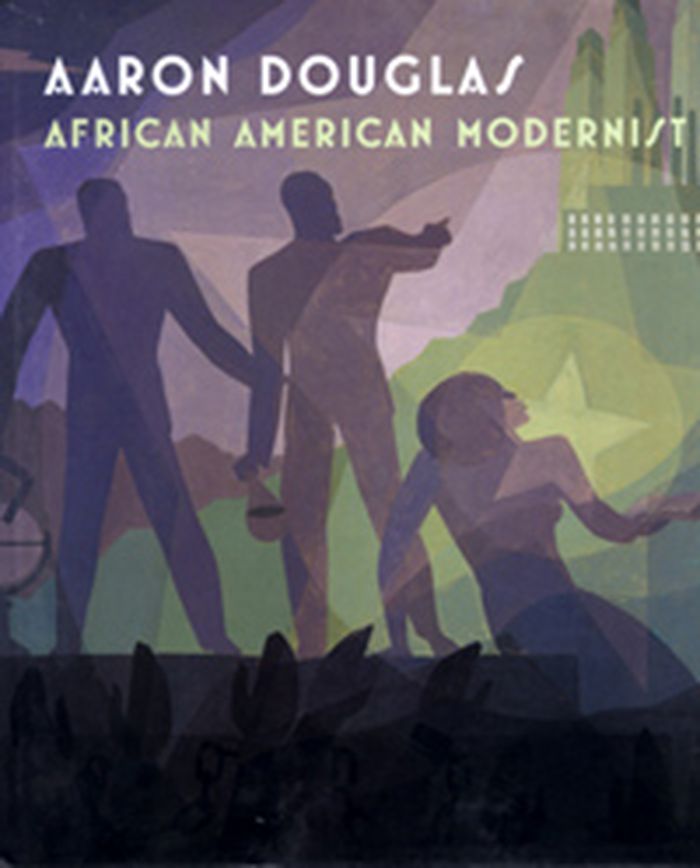
In paintings, murals, and book illustrations, Aaron Douglas (1899–1979) produced the most powerful visual legacy of the Harlem Renaissance, prompting the philosopher and writer Alain Locke to dub him the “father of Black American art.” Presenting more than ninety illustrations of Douglas’s works and the commentary of leading critics and historians, this book focuses on the artist’s career from the 1920s through the 1940s in relation to American modernism. Its authors argue that Douglas’s bold work opened doors for African American artists in Harlem and beyond, and that it invited a dialogue with modernism that put African American life, labor, and freedom, along with African traditions and motifs, at its center. New information emerges from these pages, reflecting the rich interchange between the visual arts, music, dance, literature, and politics that shaped Douglas’s work and also defined the Harlem Renaissance.
Aaron Douglas. African American Modernist
Actions:
Price:
$63.00
(available to order)
Summary:
In paintings, murals, and book illustrations, Aaron Douglas (1899–1979) produced the most powerful visual legacy of the Harlem Renaissance, prompting the philosopher and writer Alain Locke to dub him the “father of Black American art.” Presenting more than ninety illustrations of Douglas’s works and the commentary of leading critics and historians, this book focuses on the artist’s career from the 1920s through the 1940s in relation to American modernism. Its authors argue that Douglas’s bold work opened doors for African American artists in Harlem and beyond, and that it invited a dialogue with modernism that put African American life, labor, and freedom, along with African traditions and motifs, at its center. New information emerges from these pages, reflecting the rich interchange between the visual arts, music, dance, literature, and politics that shaped Douglas’s work and also defined the Harlem Renaissance.
Form:
books
books
Publication:
October 2007, New Haven/London
October 2007, New Haven/London
Subject:
Contemporary Art Monographs
Contemporary Art Monographs
Form:
books
books
Price:
$35.00
(available to order)
Summary:
With its reliance on extracted materials and an intense use of resources, the process of construction begs the question whether real sustainability in architecture and planning is possible. For some, a short-term solution is "greenwashing": adopting strategies of simulated commitment instead of investing in actual change toward fewer emissions. NGOs have called out large(...)
$35.00
(available to order)
Summary:
With its reliance on extracted materials and an intense use of resources, the process of construction begs the question whether real sustainability in architecture and planning is possible. For some, a short-term solution is "greenwashing": adopting strategies of simulated commitment instead of investing in actual change toward fewer emissions. NGOs have called out large(...)
Title:
On architecture and greenwashing: The political economy of space vol. 1
Actions:
Price:
$35.00
(available to order)
Summary:
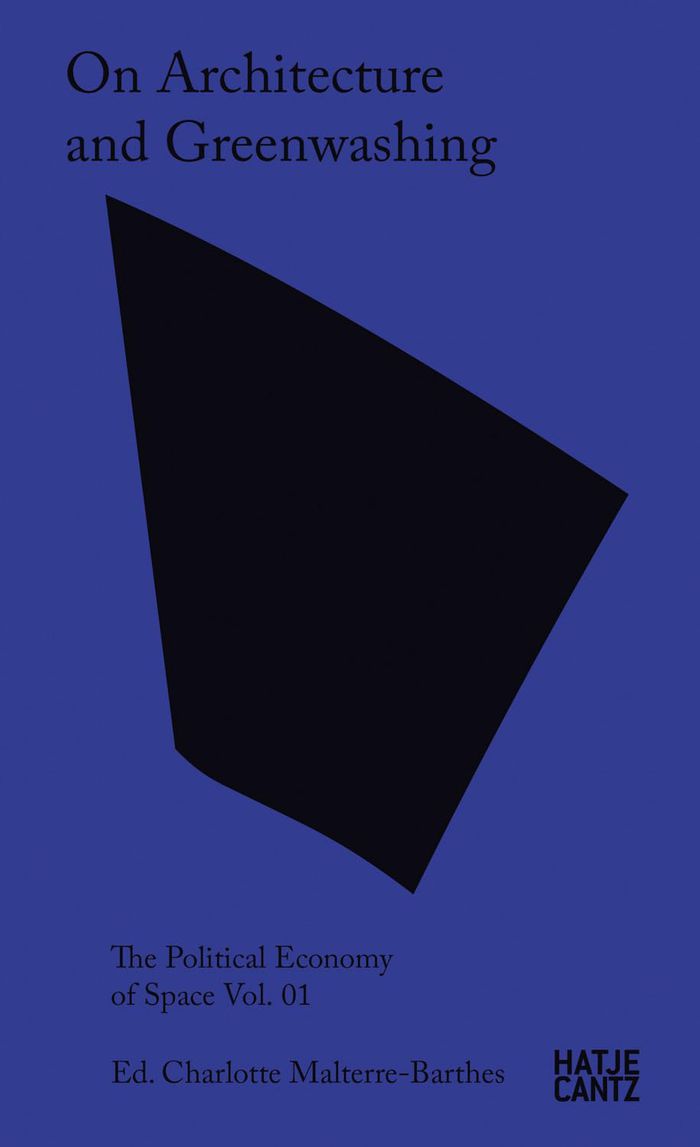
With its reliance on extracted materials and an intense use of resources, the process of construction begs the question whether real sustainability in architecture and planning is possible. For some, a short-term solution is "greenwashing": adopting strategies of simulated commitment instead of investing in actual change toward fewer emissions. NGOs have called out large companies for "low integrity" pledges, pointing out the systemic ecological injustice that the built environment creates through material, wealth and labor extractivism. As institutionalized and commodified greenwashing hollows out the term, how do architects and designers position their work beyond a flattening universalistic understanding of sustainability? The first volume of a forthcoming series, "On architecture and greenwashing" is a collection of essays that presents a cross section of positions on architecture and its political economies, and explores ways to correct course in the face of the climate crisis.
On architecture and greenwashing: The political economy of space vol. 1
Actions:
Price:
$35.00
(available to order)
Summary:
With its reliance on extracted materials and an intense use of resources, the process of construction begs the question whether real sustainability in architecture and planning is possible. For some, a short-term solution is "greenwashing": adopting strategies of simulated commitment instead of investing in actual change toward fewer emissions. NGOs have called out large companies for "low integrity" pledges, pointing out the systemic ecological injustice that the built environment creates through material, wealth and labor extractivism. As institutionalized and commodified greenwashing hollows out the term, how do architects and designers position their work beyond a flattening universalistic understanding of sustainability? The first volume of a forthcoming series, "On architecture and greenwashing" is a collection of essays that presents a cross section of positions on architecture and its political economies, and explores ways to correct course in the face of the climate crisis.
Form:
books
books
Publication:
June 2024
June 2024
Subject:
Architecture ecologies
Architecture ecologies
Form:
books
books
Price:
$42.00
(available in store)
Summary:
To what extent did the circulation of people, commodities and knowledge affect architecture and urban design between World War II and the fall of the Berlin Wall in 1989? Swiss urban studies professor Tom Avermaete teams up with Chicago-based architect Michelangelo Sabatino to interrogate the influence of globalization on postwar architecture. Globalization is a complex(...)
$42.00
(available in store)
Summary:
To what extent did the circulation of people, commodities and knowledge affect architecture and urban design between World War II and the fall of the Berlin Wall in 1989? Swiss urban studies professor Tom Avermaete teams up with Chicago-based architect Michelangelo Sabatino to interrogate the influence of globalization on postwar architecture. Globalization is a complex(...)
Title:
The global turn: six journeys of architecture and the city, 1945-1989
Actions:
Price:
$42.00
(available in store)
Summary:
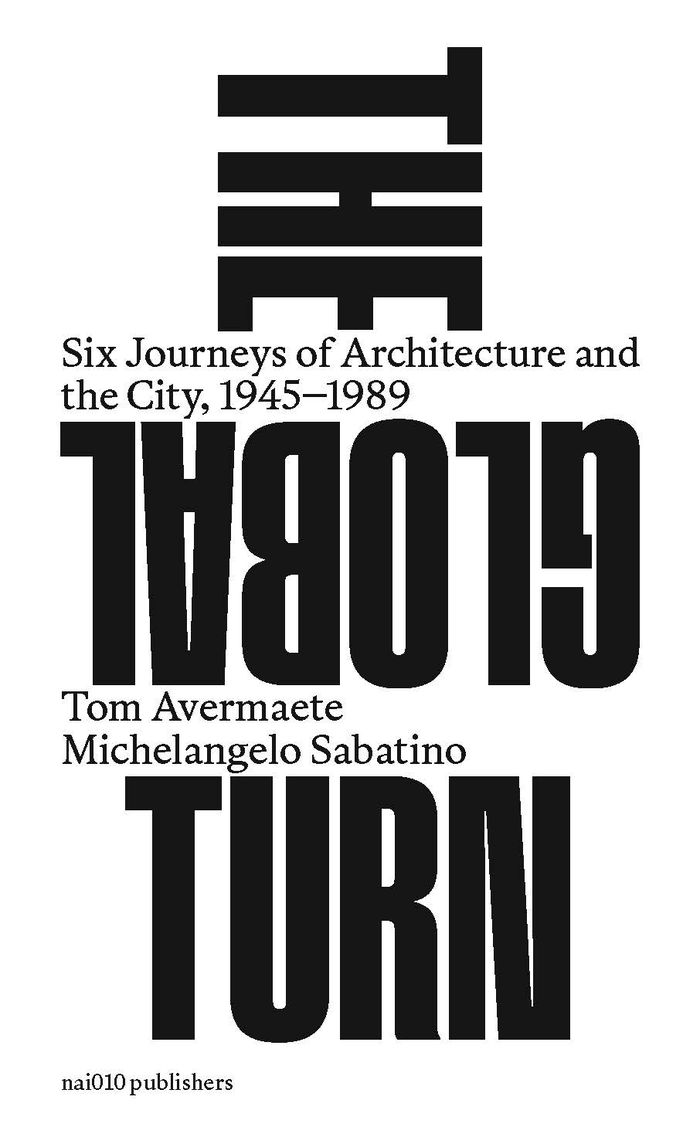
To what extent did the circulation of people, commodities and knowledge affect architecture and urban design between World War II and the fall of the Berlin Wall in 1989? Swiss urban studies professor Tom Avermaete teams up with Chicago-based architect Michelangelo Sabatino to interrogate the influence of globalization on postwar architecture. Globalization is a complex phenomenon that has profoundly affected the practice of designers and engineers in the postwar era as it simultaneously expands and shrinks the world in which we live. Avermaete and Sabatino arrive at several conclusions through a diligent analysis of spatial, political and social geographies, from airports and hotels to construction materials and labor. ''The Global Turn'' presents their findings in a series of six short essays, providing a fresh viewpoint on a new worldwide environment that gives as much as it takes.
The global turn: six journeys of architecture and the city, 1945-1989
Actions:
Price:
$42.00
(available in store)
Summary:
To what extent did the circulation of people, commodities and knowledge affect architecture and urban design between World War II and the fall of the Berlin Wall in 1989? Swiss urban studies professor Tom Avermaete teams up with Chicago-based architect Michelangelo Sabatino to interrogate the influence of globalization on postwar architecture. Globalization is a complex phenomenon that has profoundly affected the practice of designers and engineers in the postwar era as it simultaneously expands and shrinks the world in which we live. Avermaete and Sabatino arrive at several conclusions through a diligent analysis of spatial, political and social geographies, from airports and hotels to construction materials and labor. ''The Global Turn'' presents their findings in a series of six short essays, providing a fresh viewpoint on a new worldwide environment that gives as much as it takes.
Form:
books
books
Publication:
June 2025
June 2025
Subject:
Architectural Theory
Architectural Theory
Form:
books
books
Actions:
Price:
$45.00
(available in store)
Summary:
In recent years, the specific formats and challenges of exhibiting architecture and design, both built and speculative, have often been used as critical devices for identifying, communicating, and convening the public around shared matters of concern. These have increasingly included urgent questions of equity and justice, labor, gender, race, class, community, and(...)
$45.00
(available in store)
Summary:
In recent years, the specific formats and challenges of exhibiting architecture and design, both built and speculative, have often been used as critical devices for identifying, communicating, and convening the public around shared matters of concern. These have increasingly included urgent questions of equity and justice, labor, gender, race, class, community, and(...)
Title:
Futures of the architectural exhibition: Five conversations on the display of space
Actions:
Price:
$45.00
(available in store)
Summary:
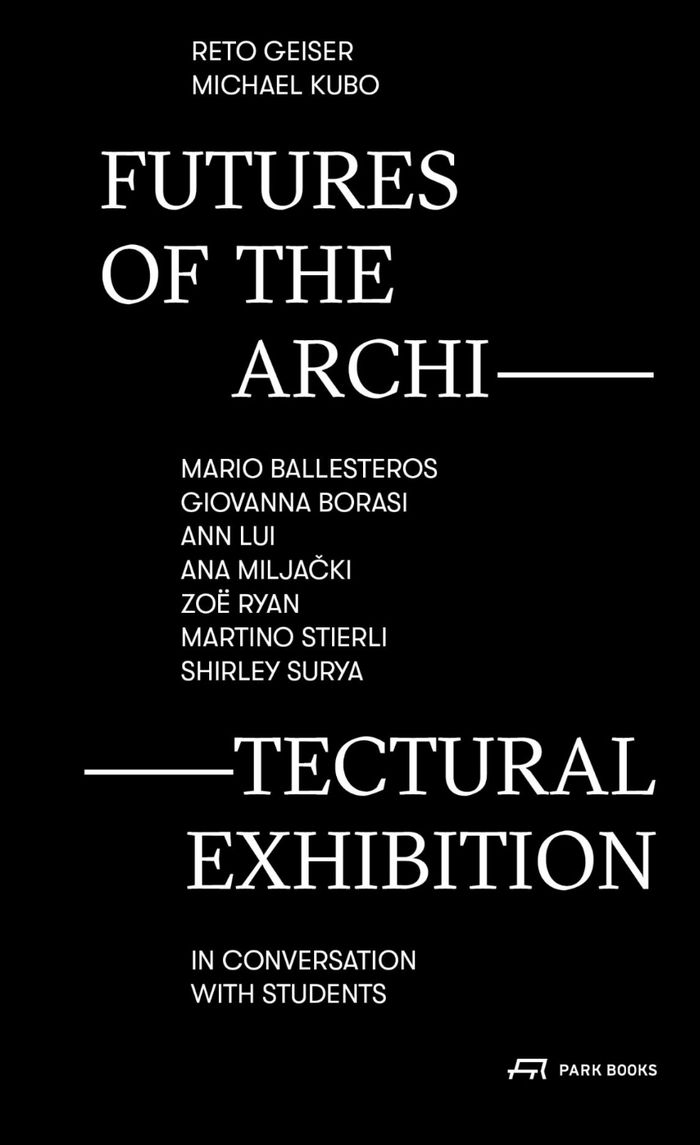
In recent years, the specific formats and challenges of exhibiting architecture and design, both built and speculative, have often been used as critical devices for identifying, communicating, and convening the public around shared matters of concern. These have increasingly included urgent questions of equity and justice, labor, gender, race, class, community, and lifestyle in relation to spatial issues of density, economy, policy, infrastructure, climate, and sustainability. This book records a discussion of critical approaches to the representation of architecture through conversations with seven contemporary curators working inside and outside of the museum. Mario Ballesteros (Archivo Diseño y Arquitectura), Giovanna Borasi (Canadian Center for Architecture), Ann Lui (Future Firm), Ana Miljacki (Critical Broadcasting Lab, MIT), Zoë Ryan (ICA, University of Pennsylvania), Martino Stierli (Museum of Modern Art), and Shirley Surya (M+, Hong Kong) speculate on the specific challenges and potentials of exhibiting space.
Futures of the architectural exhibition: Five conversations on the display of space
Actions:
Price:
$45.00
(available in store)
Summary:
In recent years, the specific formats and challenges of exhibiting architecture and design, both built and speculative, have often been used as critical devices for identifying, communicating, and convening the public around shared matters of concern. These have increasingly included urgent questions of equity and justice, labor, gender, race, class, community, and lifestyle in relation to spatial issues of density, economy, policy, infrastructure, climate, and sustainability. This book records a discussion of critical approaches to the representation of architecture through conversations with seven contemporary curators working inside and outside of the museum. Mario Ballesteros (Archivo Diseño y Arquitectura), Giovanna Borasi (Canadian Center for Architecture), Ann Lui (Future Firm), Ana Miljacki (Critical Broadcasting Lab, MIT), Zoë Ryan (ICA, University of Pennsylvania), Martino Stierli (Museum of Modern Art), and Shirley Surya (M+, Hong Kong) speculate on the specific challenges and potentials of exhibiting space.
Form:
books
books
Publication:
September 2022
September 2022
Subject:
Museology
Museology
Form:
books
books
Price:
$45.00
(available to order)
Summary:
The difficulty of reconciling our basic needs with the long history of cultural landscapes, in all their inherent beauty and sufficiency, has become clear. With our deep trust in modern technology, in progress and in a demanding global lifestyle we have become a real threat to our world. Yet, today the existential and elementary nature of landscapes remains the bearer of(...)
$45.00
(available to order)
Summary:
The difficulty of reconciling our basic needs with the long history of cultural landscapes, in all their inherent beauty and sufficiency, has become clear. With our deep trust in modern technology, in progress and in a demanding global lifestyle we have become a real threat to our world. Yet, today the existential and elementary nature of landscapes remains the bearer of(...)
Title:
Landscape analogue: About material culture and idealism. landscript #6
Actions:
Price:
$45.00
(available to order)
Summary:
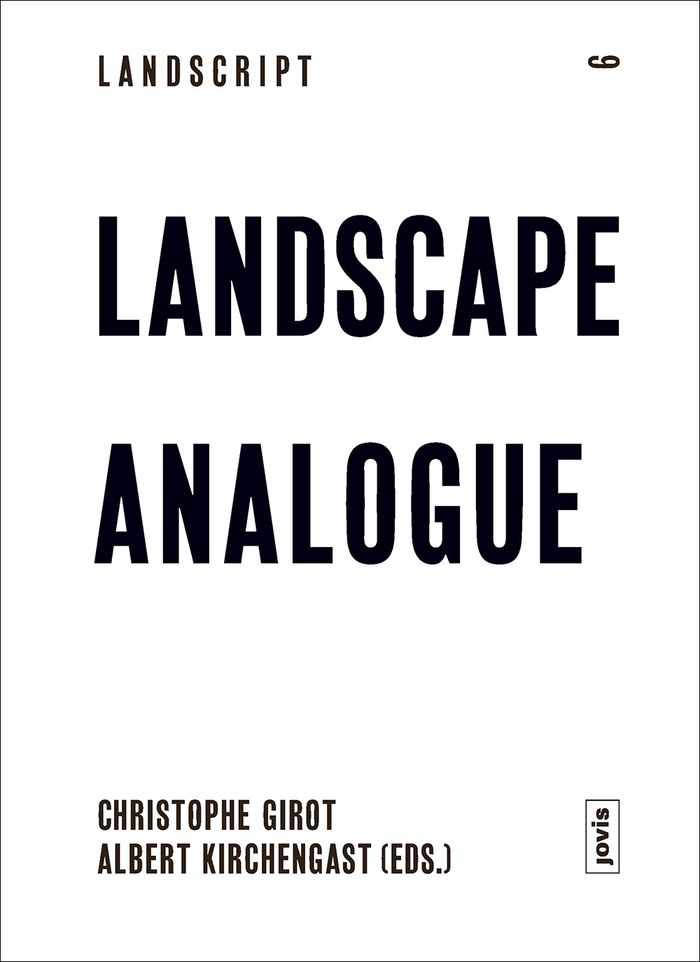
The difficulty of reconciling our basic needs with the long history of cultural landscapes, in all their inherent beauty and sufficiency, has become clear. With our deep trust in modern technology, in progress and in a demanding global lifestyle we have become a real threat to our world. Yet, today the existential and elementary nature of landscapes remains the bearer of a successful metaphor for “balance”. Why not draw—amidst a truly global crisis—conclusions out of our long history of designed nature, of places shaped by skilled labor and a quest for pleasure? This publication seeks to stimulate the “Analogue” dimension as a substantial concept for everyday landscape thinking. In an anthology of interdisciplinary essays, this volume stresses the necessity for a fundamental shift, within the likely framework of a future of restricted resources, a radically different mobility or “hot” cities.
Landscape analogue: About material culture and idealism. landscript #6
Actions:
Price:
$45.00
(available to order)
Summary:
The difficulty of reconciling our basic needs with the long history of cultural landscapes, in all their inherent beauty and sufficiency, has become clear. With our deep trust in modern technology, in progress and in a demanding global lifestyle we have become a real threat to our world. Yet, today the existential and elementary nature of landscapes remains the bearer of a successful metaphor for “balance”. Why not draw—amidst a truly global crisis—conclusions out of our long history of designed nature, of places shaped by skilled labor and a quest for pleasure? This publication seeks to stimulate the “Analogue” dimension as a substantial concept for everyday landscape thinking. In an anthology of interdisciplinary essays, this volume stresses the necessity for a fundamental shift, within the likely framework of a future of restricted resources, a radically different mobility or “hot” cities.
Form:
books
books
Publication:
May 2022
May 2022
Subject:
Landscape Theory
Landscape Theory
Form:
books
books
Actions:
Price:
$34.00
(available in store)
Summary:
What happens when artificial intelligence saturates political life and depletes the planet? How is AI shaping our understanding of ourselves and our societies? Drawing on more than a decade of research, award-winning scholar Kate Crawford reveals how AI is a technology of extraction: from the minerals drawn from the earth, to the labor pulled from low-wage information(...)
$34.00
(available in store)
Summary:
What happens when artificial intelligence saturates political life and depletes the planet? How is AI shaping our understanding of ourselves and our societies? Drawing on more than a decade of research, award-winning scholar Kate Crawford reveals how AI is a technology of extraction: from the minerals drawn from the earth, to the labor pulled from low-wage information(...)
Title:
Atlas of AI: Power, politics, and the planetary costs of artificial intelligence
Actions:
Price:
$34.00
(available in store)
Summary:
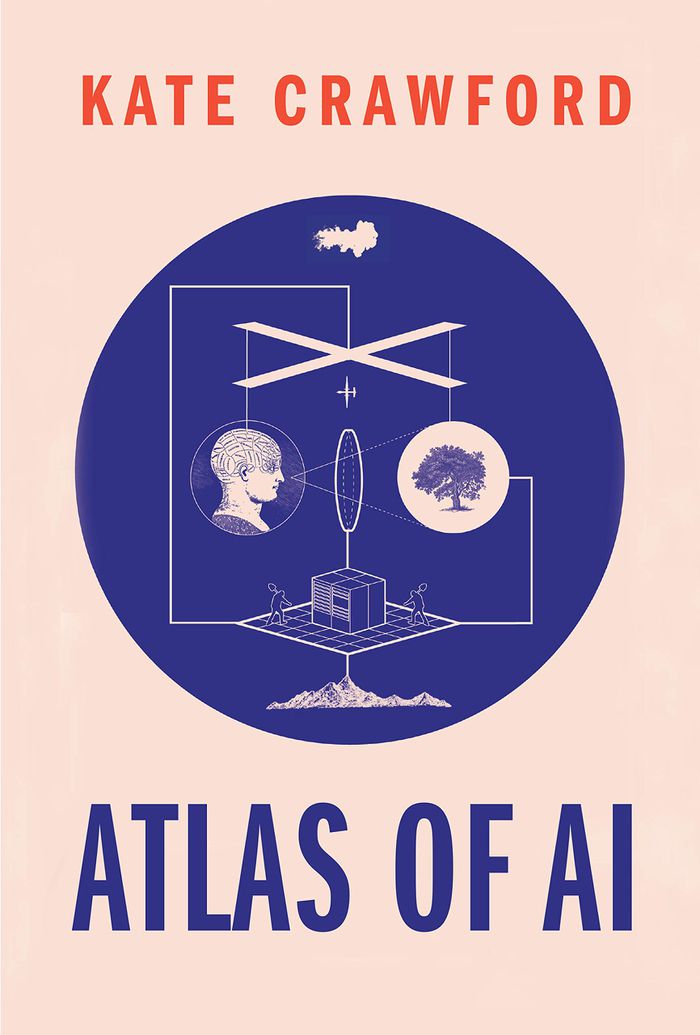
What happens when artificial intelligence saturates political life and depletes the planet? How is AI shaping our understanding of ourselves and our societies? Drawing on more than a decade of research, award-winning scholar Kate Crawford reveals how AI is a technology of extraction: from the minerals drawn from the earth, to the labor pulled from low-wage information workers, to the data taken from every action and expression. This book reveals how this planetary network is fueling a shift toward undemocratic governance and increased inequity. Rather than taking a narrow focus on code and algorithms, Crawford offers us a material and political perspective on what it takes to make AI and how it centralizes power. This is an urgent account of what is at stake as technology companies use artificial intelligence to reshape the world.
Atlas of AI: Power, politics, and the planetary costs of artificial intelligence
Actions:
Price:
$34.00
(available in store)
Summary:
What happens when artificial intelligence saturates political life and depletes the planet? How is AI shaping our understanding of ourselves and our societies? Drawing on more than a decade of research, award-winning scholar Kate Crawford reveals how AI is a technology of extraction: from the minerals drawn from the earth, to the labor pulled from low-wage information workers, to the data taken from every action and expression. This book reveals how this planetary network is fueling a shift toward undemocratic governance and increased inequity. Rather than taking a narrow focus on code and algorithms, Crawford offers us a material and political perspective on what it takes to make AI and how it centralizes power. This is an urgent account of what is at stake as technology companies use artificial intelligence to reshape the world.
Form:
books
books
Publication:
August 2022
August 2022
Subject:
Critical Theory
Critical Theory
Form:
books
books
Price:
$40.00
(available to order)
Summary:
Lifelike invites a close examination of art since the late 1960s based on commonplace objects and situations that are startlingly realistic, often playful and sometimes surreal--works that investigate the quieter side of the quotidian. While artists such as Vija Celmins, Rudolf Stingel and Paul Sietsema employ illusionistic painting and drawing, others’ use of materials(...)
$40.00
(available to order)
Summary:
Lifelike invites a close examination of art since the late 1960s based on commonplace objects and situations that are startlingly realistic, often playful and sometimes surreal--works that investigate the quieter side of the quotidian. While artists such as Vija Celmins, Rudolf Stingel and Paul Sietsema employ illusionistic painting and drawing, others’ use of materials(...)
Title:
Lifelike
Actions:
Price:
$40.00
(available to order)
Summary:
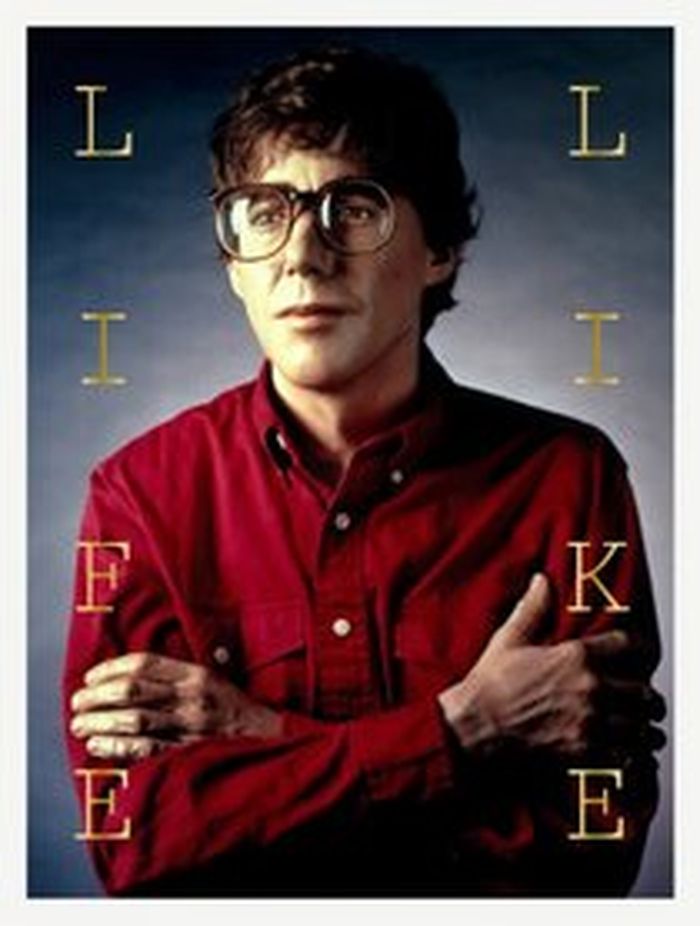
Lifelike invites a close examination of art since the late 1960s based on commonplace objects and situations that are startlingly realistic, often playful and sometimes surreal--works that investigate the quieter side of the quotidian. While artists such as Vija Celmins, Rudolf Stingel and Paul Sietsema employ illusionistic painting and drawing, others’ use of materials is surprising--Thomas Demand’s video of what appears to be a rainstorm is made from animated candy wrappers; Susan Collis’ sculpture of construction debris is fashioned from exotic hardwoods, mother of pearl and silver. What binds these artists together is their rejection of the easy route technology might offer in favor of labor-intensive fabrication. Featuring painting, sculpture, photography, drawing, video and installations by more than 40 artists, this publication is the first publication to address the recent history of artists using these strategies across media.
Lifelike
Actions:
Price:
$40.00
(available to order)
Summary:
Lifelike invites a close examination of art since the late 1960s based on commonplace objects and situations that are startlingly realistic, often playful and sometimes surreal--works that investigate the quieter side of the quotidian. While artists such as Vija Celmins, Rudolf Stingel and Paul Sietsema employ illusionistic painting and drawing, others’ use of materials is surprising--Thomas Demand’s video of what appears to be a rainstorm is made from animated candy wrappers; Susan Collis’ sculpture of construction debris is fashioned from exotic hardwoods, mother of pearl and silver. What binds these artists together is their rejection of the easy route technology might offer in favor of labor-intensive fabrication. Featuring painting, sculpture, photography, drawing, video and installations by more than 40 artists, this publication is the first publication to address the recent history of artists using these strategies across media.
Form:
books
books
Publication:
April 2012
April 2012


