


1046 Results
Form:
books
books
Price:
$37.95
(available to order)
Summary:
In ''Ruderal city'' Bettina Stoetzer traces relationships among people, plants, and animals in contemporary Berlin as they make their lives in the ruins of European nationalism and capitalism. She develops the notion of the ruderal—originally an ecological designation for the unruly life that inhabits inhospitable environments such as rubble, roadsides, train tracks, and(...)
$37.95
(available to order)
Summary:
In ''Ruderal city'' Bettina Stoetzer traces relationships among people, plants, and animals in contemporary Berlin as they make their lives in the ruins of European nationalism and capitalism. She develops the notion of the ruderal—originally an ecological designation for the unruly life that inhabits inhospitable environments such as rubble, roadsides, train tracks, and(...)
Title:
Ruderal city: ecologies of migration, race, and urban nature in Berlin
Actions:
Price:
$37.95
(available to order)
Summary:
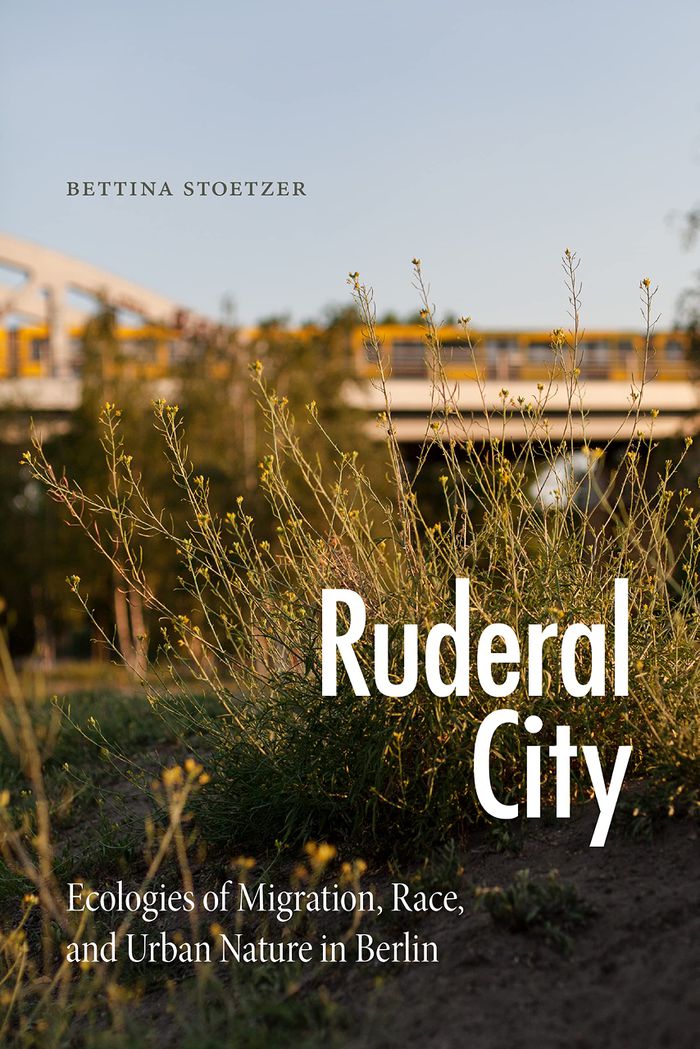
In ''Ruderal city'' Bettina Stoetzer traces relationships among people, plants, and animals in contemporary Berlin as they make their lives in the ruins of European nationalism and capitalism. She develops the notion of the ruderal—originally an ecological designation for the unruly life that inhabits inhospitable environments such as rubble, roadsides, train tracks, and sidewalk cracks—to theorize Berlin as a “ruderal city.” Stoetzer explores sites in and around Berlin that have figured in German national imaginaries—gardens, forests, parks, and rubble fields—to show how racial, class, and gender inequalities shape contestations over today’s uses and knowledges of urban nature. Drawing on fieldwork with gardeners, botanists, migrant workers, refugees, public officials, and nature enthusiasts while charting human and more-than-human worlds, Stoetzer offers a wide-ranging ethnographic portrait of Berlin’s postwar ecologies that reveals emergent futures in the margins of European cities. Brimming with stories that break down divides between environmental perspectives and the study of migration and racial politics, Berlin’s ruderal worlds help us rethink the space of nature and culture and the categories through which we make sense of urban life in inhospitable times.
Ruderal city: ecologies of migration, race, and urban nature in Berlin
Actions:
Price:
$37.95
(available to order)
Summary:
In ''Ruderal city'' Bettina Stoetzer traces relationships among people, plants, and animals in contemporary Berlin as they make their lives in the ruins of European nationalism and capitalism. She develops the notion of the ruderal—originally an ecological designation for the unruly life that inhabits inhospitable environments such as rubble, roadsides, train tracks, and sidewalk cracks—to theorize Berlin as a “ruderal city.” Stoetzer explores sites in and around Berlin that have figured in German national imaginaries—gardens, forests, parks, and rubble fields—to show how racial, class, and gender inequalities shape contestations over today’s uses and knowledges of urban nature. Drawing on fieldwork with gardeners, botanists, migrant workers, refugees, public officials, and nature enthusiasts while charting human and more-than-human worlds, Stoetzer offers a wide-ranging ethnographic portrait of Berlin’s postwar ecologies that reveals emergent futures in the margins of European cities. Brimming with stories that break down divides between environmental perspectives and the study of migration and racial politics, Berlin’s ruderal worlds help us rethink the space of nature and culture and the categories through which we make sense of urban life in inhospitable times.
Form:
books
books
Publication:
December 2022
December 2022
Subject:
Urban Theory
Urban Theory
Form:
books
books
Actions:
Price:
$73.00
(available to order)
Summary:
Including newly commissioned essays by curators and scholars, this book explores how Sottsass’s art and philosophy presaged the dawn of PCs, the service industry, and the gig economy. Ettore Sottsass was an architect, industrial designer, painter, writer, photographer, and founder of the Memphis group, whose designs are undergoing an impressive renaissance. But Sottsass(...)
$73.00
(available to order)
Summary:
Including newly commissioned essays by curators and scholars, this book explores how Sottsass’s art and philosophy presaged the dawn of PCs, the service industry, and the gig economy. Ettore Sottsass was an architect, industrial designer, painter, writer, photographer, and founder of the Memphis group, whose designs are undergoing an impressive renaissance. But Sottsass(...)
Title:
Ettore Sottsass and the social factory
Actions:
Price:
$73.00
(available to order)
Summary:
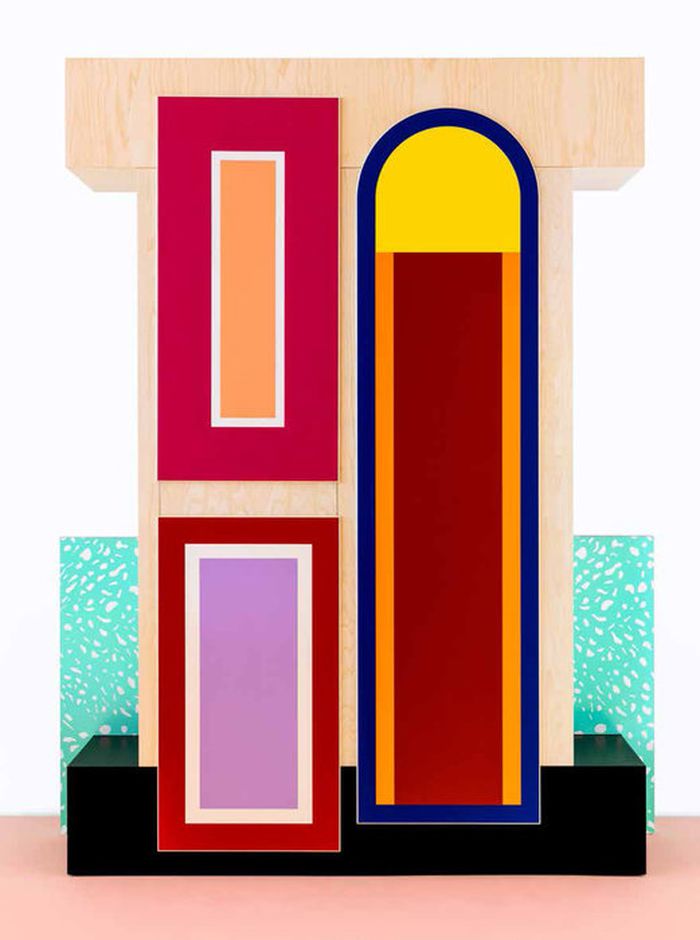
Including newly commissioned essays by curators and scholars, this book explores how Sottsass’s art and philosophy presaged the dawn of PCs, the service industry, and the gig economy. Ettore Sottsass was an architect, industrial designer, painter, writer, photographer, and founder of the Memphis group, whose designs are undergoing an impressive renaissance. But Sottsass was more than just an important designer. His approach to object design–marked by bold colors, tactility, and vitality–was a direct response to the world of mass production and the assembly-line economy. This revelatory collection of essays by leading thinkers in the fields of political theory, economics, the media, design history, and cultural theory contextualizes Sottsass’s work in unprecedented arguments that draw a line from his work at Olivetti to the iconoclastic designs he produced at the dawn of the 21st century. Divided into five chronological sections–from the late 1950s to Sottsass’s death in 2007– these essays are illustrated with vibrant images of his work and archival photographs. Deeply researched, the book makes crucial connections between postwar Europe and America, and the way we work and live today.
Ettore Sottsass and the social factory
Actions:
Price:
$73.00
(available to order)
Summary:
Including newly commissioned essays by curators and scholars, this book explores how Sottsass’s art and philosophy presaged the dawn of PCs, the service industry, and the gig economy. Ettore Sottsass was an architect, industrial designer, painter, writer, photographer, and founder of the Memphis group, whose designs are undergoing an impressive renaissance. But Sottsass was more than just an important designer. His approach to object design–marked by bold colors, tactility, and vitality–was a direct response to the world of mass production and the assembly-line economy. This revelatory collection of essays by leading thinkers in the fields of political theory, economics, the media, design history, and cultural theory contextualizes Sottsass’s work in unprecedented arguments that draw a line from his work at Olivetti to the iconoclastic designs he produced at the dawn of the 21st century. Divided into five chronological sections–from the late 1950s to Sottsass’s death in 2007– these essays are illustrated with vibrant images of his work and archival photographs. Deeply researched, the book makes crucial connections between postwar Europe and America, and the way we work and live today.
Form:
books
books
Publication:
July 2020
July 2020
Subject:
Design Monographs
Design Monographs
Form:
books
books
Actions:
Price:
$67.50
(available in store)
Summary:
This publication examines the various figures and interests involved in the design and construction of the Canada Pavilion and explores how it was used over the past sixty years to exhibit the work of Canadian artists and architects. This publication intends not only to underline the pavilion's importance in the broader context of modern architecture, but also to(...)
$67.50
(available in store)
Summary:
This publication examines the various figures and interests involved in the design and construction of the Canada Pavilion and explores how it was used over the past sixty years to exhibit the work of Canadian artists and architects. This publication intends not only to underline the pavilion's importance in the broader context of modern architecture, but also to(...)
Title:
The Canada Pavilion at the Venice Biennale
Actions:
Price:
$67.50
(available in store)
Summary:
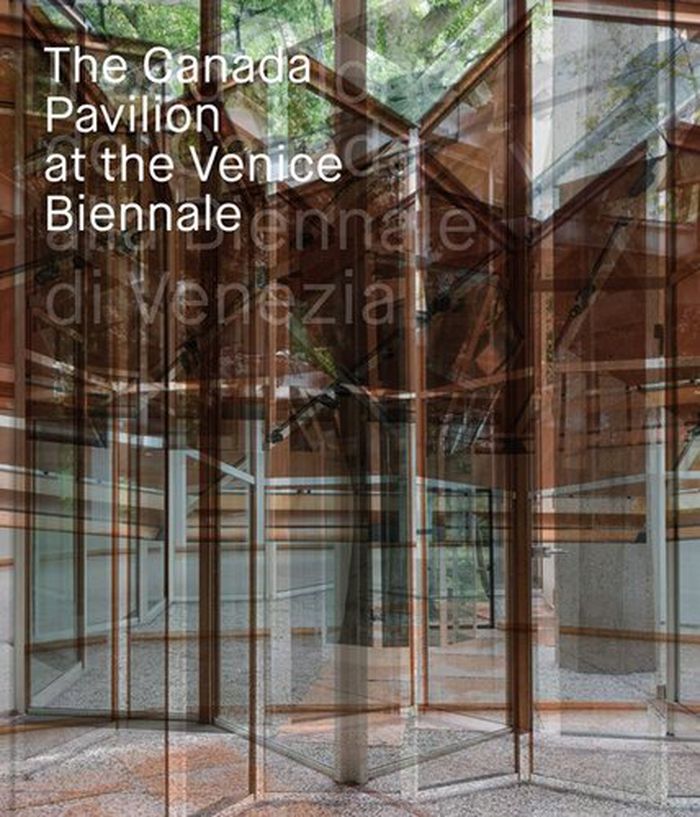
This publication examines the various figures and interests involved in the design and construction of the Canada Pavilion and explores how it was used over the past sixty years to exhibit the work of Canadian artists and architects. This publication intends not only to underline the pavilion's importance in the broader context of modern architecture, but also to highlight its role as an early example of cultural diplomacy. The book is fully endowed with archive material, such as photographs, drawings, and maps, along with a portfolio created by contemporary photographers (Francesco Barasciutti and Andrea Pertoldeo), showing the building before, during, and after the restoration. The essays of the various contributors to the book analyze the cultural and political context in which the Canada Pavilion committee worked (Cammie McAtee); the concept and construction of the building and the links with the architect Enrico Peressutti and the BBPR partnership (Réjean Legault); the pavilion's role in the postwar Italian cultural context (Serena Maffioletti) and its fortunes from its inauguration in 1958 to the restoration in 2018 (Josée Drouin-Brisebois); the restoration project itself (Susanna Caccia Gherardine), and, lastly, the relationship between the Canada Pavilion and the Biennale Gardens (Franco Panzini).
The Canada Pavilion at the Venice Biennale
Actions:
Price:
$67.50
(available in store)
Summary:
This publication examines the various figures and interests involved in the design and construction of the Canada Pavilion and explores how it was used over the past sixty years to exhibit the work of Canadian artists and architects. This publication intends not only to underline the pavilion's importance in the broader context of modern architecture, but also to highlight its role as an early example of cultural diplomacy. The book is fully endowed with archive material, such as photographs, drawings, and maps, along with a portfolio created by contemporary photographers (Francesco Barasciutti and Andrea Pertoldeo), showing the building before, during, and after the restoration. The essays of the various contributors to the book analyze the cultural and political context in which the Canada Pavilion committee worked (Cammie McAtee); the concept and construction of the building and the links with the architect Enrico Peressutti and the BBPR partnership (Réjean Legault); the pavilion's role in the postwar Italian cultural context (Serena Maffioletti) and its fortunes from its inauguration in 1958 to the restoration in 2018 (Josée Drouin-Brisebois); the restoration project itself (Susanna Caccia Gherardine), and, lastly, the relationship between the Canada Pavilion and the Biennale Gardens (Franco Panzini).
Form:
books
books
Publication:
September 2019
September 2019
Subject:
Biennial
Biennial
Form:
books
books
Actions:
Price:
$32.95
(available to order)
Summary:
Dystopic imagery has figured prominently in modern depictions of the urban landscape. The city is often portrayed as a terrifying world of darkness, crisis, and catastrophe. Noir Urbanisms traces the history of the modern city through its critical representations in art, cinema, print journalism, literature, sociology, and architecture. It focuses on visual forms of(...)
$32.95
(available to order)
Summary:
Dystopic imagery has figured prominently in modern depictions of the urban landscape. The city is often portrayed as a terrifying world of darkness, crisis, and catastrophe. Noir Urbanisms traces the history of the modern city through its critical representations in art, cinema, print journalism, literature, sociology, and architecture. It focuses on visual forms of(...)
Title:
Noir urbanisms: Dystopic images of the modern city
Actions:
Price:
$32.95
(available to order)
Summary:
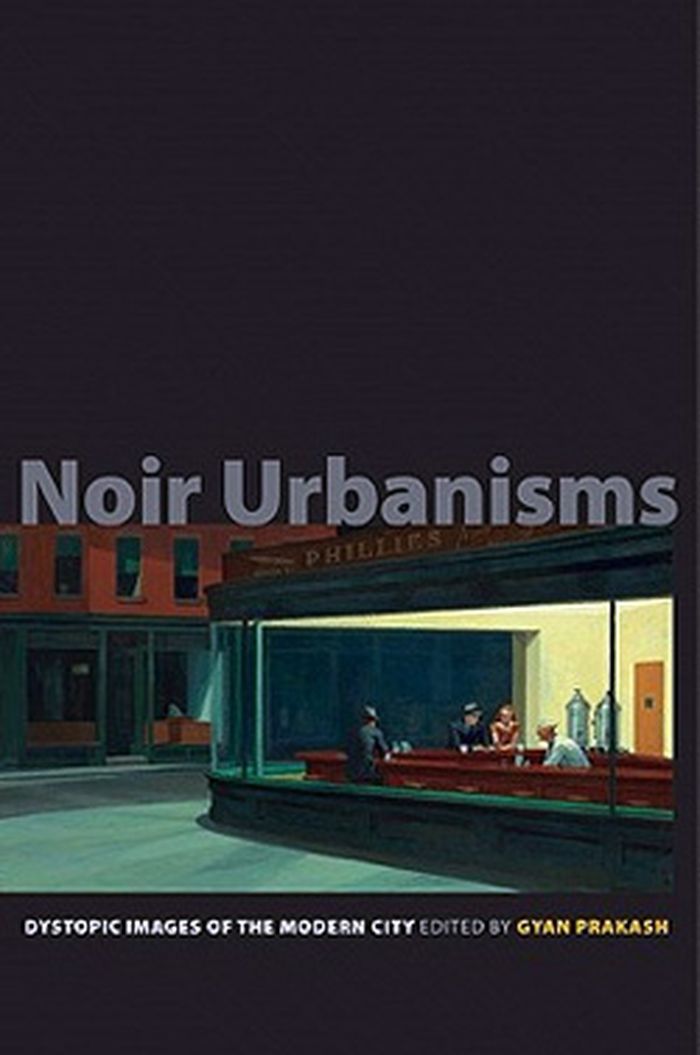
Dystopic imagery has figured prominently in modern depictions of the urban landscape. The city is often portrayed as a terrifying world of darkness, crisis, and catastrophe. Noir Urbanisms traces the history of the modern city through its critical representations in art, cinema, print journalism, literature, sociology, and architecture. It focuses on visual forms of dystopic representation--because the history of the modern city is inseparable from the production and circulation of images--and examines their strengths and limits as urban criticism. Contributors explore dystopic images of the modern city in Germany, Mexico, Japan, India, South Africa, China, and the United States. Their topics include Weimar representations of urban dystopia in Fritz Lang's 1927 film Metropolis; 1960s modernist architecture in Mexico City; Hollywood film noir of the 1940s and 1950s; the recurring fictional destruction of Tokyo in postwar Japan's sci-fi doom culture; the urban fringe in Bombay cinema; fictional explorations of urban dystopia in postapartheid Johannesburg; and Delhi's out-of-control and media-saturated urbanism in the 1980s and 1990s. What emerges in Noir Urbanisms is the unsettling and disorienting alchemy between dark representations and the modern urban experience.
Noir urbanisms: Dystopic images of the modern city
Actions:
Price:
$32.95
(available to order)
Summary:
Dystopic imagery has figured prominently in modern depictions of the urban landscape. The city is often portrayed as a terrifying world of darkness, crisis, and catastrophe. Noir Urbanisms traces the history of the modern city through its critical representations in art, cinema, print journalism, literature, sociology, and architecture. It focuses on visual forms of dystopic representation--because the history of the modern city is inseparable from the production and circulation of images--and examines their strengths and limits as urban criticism. Contributors explore dystopic images of the modern city in Germany, Mexico, Japan, India, South Africa, China, and the United States. Their topics include Weimar representations of urban dystopia in Fritz Lang's 1927 film Metropolis; 1960s modernist architecture in Mexico City; Hollywood film noir of the 1940s and 1950s; the recurring fictional destruction of Tokyo in postwar Japan's sci-fi doom culture; the urban fringe in Bombay cinema; fictional explorations of urban dystopia in postapartheid Johannesburg; and Delhi's out-of-control and media-saturated urbanism in the 1980s and 1990s. What emerges in Noir Urbanisms is the unsettling and disorienting alchemy between dark representations and the modern urban experience.
Form:
books
books
Publication:
October 2010
October 2010
Subject:
Architecture and Film, Set Design
Architecture and Film, Set Design
Form:
books
books
Actions:
Price:
$57.95
(available to order)
Summary:
Complex, controversial, and prolific, Howard Barnstone was a central figure in the world of twentieth-century modern architecture. Recognized as Houston’s foremost modern architect in the 1950s, Barnstone came to prominence for his designs with partner Preston M. Bolton, which transposed the rigorous and austere architectural practices of Ludwig Mies van der Rohe to the(...)
$57.95
(available to order)
Summary:
Complex, controversial, and prolific, Howard Barnstone was a central figure in the world of twentieth-century modern architecture. Recognized as Houston’s foremost modern architect in the 1950s, Barnstone came to prominence for his designs with partner Preston M. Bolton, which transposed the rigorous and austere architectural practices of Ludwig Mies van der Rohe to the(...)
Subject:
Architecture Monographs
Architecture Monographs
Publication:
August 2020
August 2020
Title:
Making Houston modern: the life and architecture of Howard
Actions:
Price:
$57.95
(available to order)
Summary:
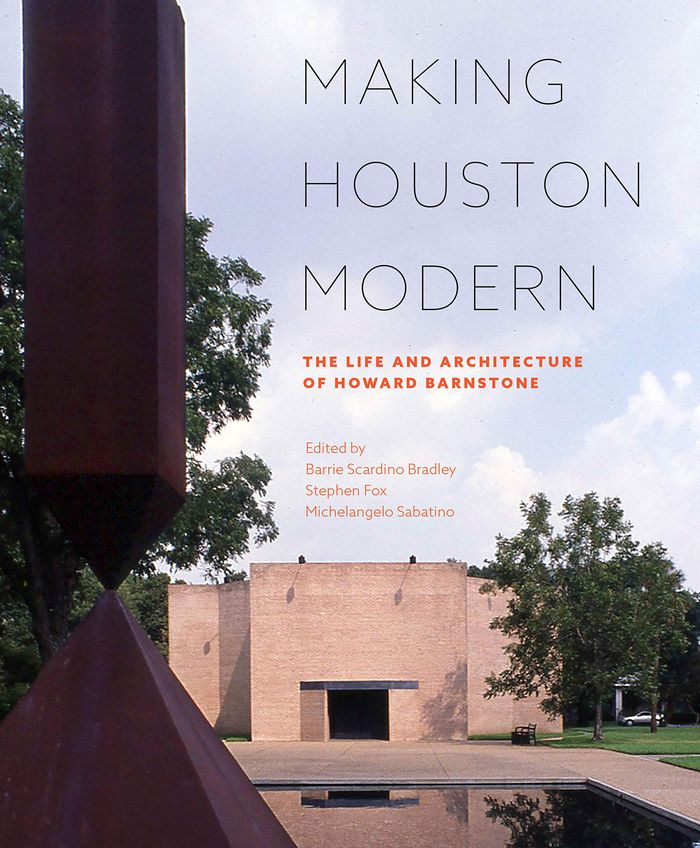
Complex, controversial, and prolific, Howard Barnstone was a central figure in the world of twentieth-century modern architecture. Recognized as Houston’s foremost modern architect in the 1950s, Barnstone came to prominence for his designs with partner Preston M. Bolton, which transposed the rigorous and austere architectural practices of Ludwig Mies van der Rohe to the hot, steamy coastal plain of Texas. Barnstone was a man of contradictions - charming and witty but also self-centered, caustic, and abusive - who shaped new settings that were imbued, at once, with spatial calm and emotional intensity. ''Making Houston Modern'' explores the provocative architect’s life and work, not only through the lens of his architectural practice but also by delving into his personal life, class identity, and connections to the artists, critics, collectors, and museum directors who forged Houston’s distinctive culture in the postwar era. Edited by three renowned voices in the architecture world, this volume situates Barnstone within the contexts of American architecture, modernism, and Jewish culture to unravel the legacy of a charismatic personality whose imaginative work as an architect, author, teacher, and civic commentator helped redefine architecture in Texas.
Making Houston modern: the life and architecture of Howard
Actions:
Price:
$57.95
(available to order)
Summary:
Complex, controversial, and prolific, Howard Barnstone was a central figure in the world of twentieth-century modern architecture. Recognized as Houston’s foremost modern architect in the 1950s, Barnstone came to prominence for his designs with partner Preston M. Bolton, which transposed the rigorous and austere architectural practices of Ludwig Mies van der Rohe to the hot, steamy coastal plain of Texas. Barnstone was a man of contradictions - charming and witty but also self-centered, caustic, and abusive - who shaped new settings that were imbued, at once, with spatial calm and emotional intensity. ''Making Houston Modern'' explores the provocative architect’s life and work, not only through the lens of his architectural practice but also by delving into his personal life, class identity, and connections to the artists, critics, collectors, and museum directors who forged Houston’s distinctive culture in the postwar era. Edited by three renowned voices in the architecture world, this volume situates Barnstone within the contexts of American architecture, modernism, and Jewish culture to unravel the legacy of a charismatic personality whose imaginative work as an architect, author, teacher, and civic commentator helped redefine architecture in Texas.
Form:
books
books
Publication:
August 2020
August 2020
Subject:
Architecture Monographs
Architecture Monographs
Form:
books
books
Actions:
Price:
$70.00
(available to order)
Summary:
Inspired by the rise of environmental psychology and increasing support for behavioral research after the Second World War, new initiatives at the federal, state, and local levels looked to influence the human psyche through form, or elicit desired behaviors with environmental incentives, implementing what Joy Knoblauch calls 'psychological functionalism.' Recruited by(...)
$70.00
(available to order)
Summary:
Inspired by the rise of environmental psychology and increasing support for behavioral research after the Second World War, new initiatives at the federal, state, and local levels looked to influence the human psyche through form, or elicit desired behaviors with environmental incentives, implementing what Joy Knoblauch calls 'psychological functionalism.' Recruited by(...)
Title:
The architecture of good behaviour
Actions:
Price:
$70.00
(available to order)
Summary:
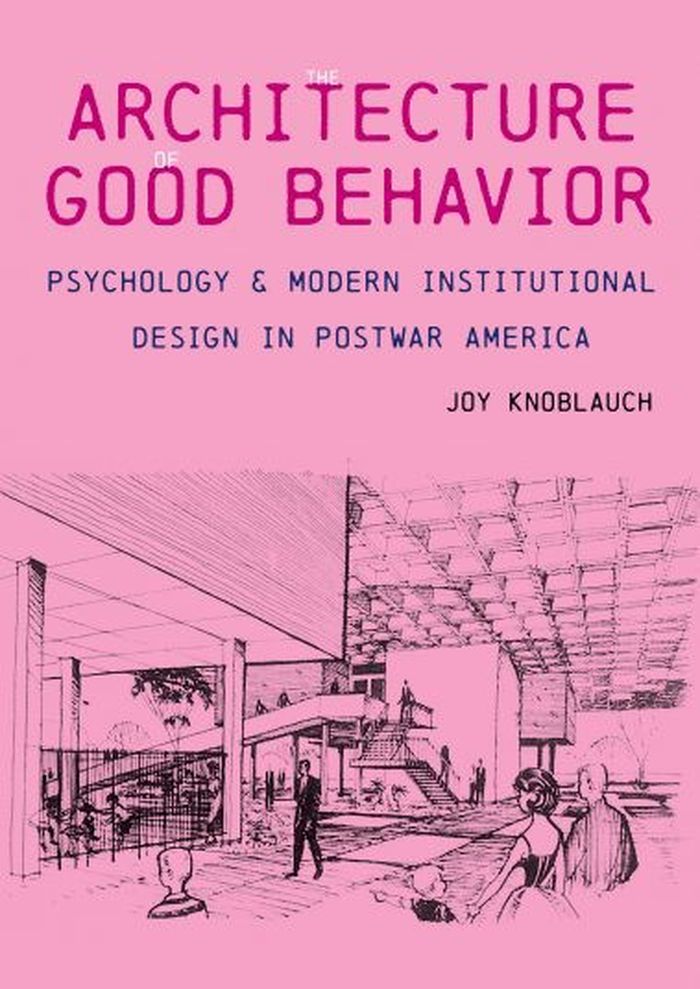
Inspired by the rise of environmental psychology and increasing support for behavioral research after the Second World War, new initiatives at the federal, state, and local levels looked to influence the human psyche through form, or elicit desired behaviors with environmental incentives, implementing what Joy Knoblauch calls 'psychological functionalism.' Recruited by federal construction and research programs for institutional reform and expansion — which included hospitals, mental health centers, prisons, and public housing—architects theorized new ways to control behavior and make it more functional by exercising soft power, or power through persuasion, with their designs. In the 1960s – 1970s era of anti-institutional sentiment, they hoped to offer an enlightened, palatable, more humane solution to larger social problems related to health, mental health, justice, and security of the population by applying psychological expertise to institutional design. In turn, Knoblauch argues, architects gained new roles as researchers, organizers, and writers while theories of confinement, territory, and surveillance proliferated. 'The Architecture of Good Behavior' explores psychological functionalism as a political tool and the architectural projects funded by a postwar nation in its efforts to govern, exert control over, and ultimately pacify its patients, prisoners, and residents.
The architecture of good behaviour
Actions:
Price:
$70.00
(available to order)
Summary:
Inspired by the rise of environmental psychology and increasing support for behavioral research after the Second World War, new initiatives at the federal, state, and local levels looked to influence the human psyche through form, or elicit desired behaviors with environmental incentives, implementing what Joy Knoblauch calls 'psychological functionalism.' Recruited by federal construction and research programs for institutional reform and expansion — which included hospitals, mental health centers, prisons, and public housing—architects theorized new ways to control behavior and make it more functional by exercising soft power, or power through persuasion, with their designs. In the 1960s – 1970s era of anti-institutional sentiment, they hoped to offer an enlightened, palatable, more humane solution to larger social problems related to health, mental health, justice, and security of the population by applying psychological expertise to institutional design. In turn, Knoblauch argues, architects gained new roles as researchers, organizers, and writers while theories of confinement, territory, and surveillance proliferated. 'The Architecture of Good Behavior' explores psychological functionalism as a political tool and the architectural projects funded by a postwar nation in its efforts to govern, exert control over, and ultimately pacify its patients, prisoners, and residents.
Form:
books
books
Publication:
June 2020
June 2020
Subject:
Architectural Theory
Architectural Theory
Form:
books
books

Title:
Murakami Takashi
Murakami Takashi
Actions:
Price:
$84.00
(available to order)
Summary:
Takashi Murakami is one of contemporary art’s most innovative and important figures. Drawing from street culture, high art, and traditional Japanese painting, Murakami takes the contemporary art trend of mixing high and low to an unprecedented level (critics call him the new Warhol), producing original paintings and sculptures as well as mass-produced consumer objects(...)
$84.00
(available to order)
Summary:
Takashi Murakami is one of contemporary art’s most innovative and important figures. Drawing from street culture, high art, and traditional Japanese painting, Murakami takes the contemporary art trend of mixing high and low to an unprecedented level (critics call him the new Warhol), producing original paintings and sculptures as well as mass-produced consumer objects(...)
Subject:
Contemporary Art Monographs
Contemporary Art Monographs
Publication:
October 2007, Los Angeles, New York
October 2007, Los Angeles, New York
Title:
Murakami Takashi
Actions:
Price:
$84.00
(available to order)
Summary:
Takashi Murakami is one of contemporary art’s most innovative and important figures. Drawing from street culture, high art, and traditional Japanese painting, Murakami takes the contemporary art trend of mixing high and low to an unprecedented level (critics call him the new Warhol), producing original paintings and sculptures as well as mass-produced consumer objects such as toys, books, and most famously, a line of handbags for Louis Vuitton. A committed supporter and spokesperson for Japanese artists and a powerful commentator on postwar culture and society, Murakami has organized influential exhibitions of Japanese art as well as a biannual art fair in Tokyo. Murakami has positioned himself as a new type of artist for the twenty-first century: a hybrid of creator, entrepreneur, and cultural ambassador.In conjunction with the first major retrospective of his work, Murakami traces Murakami’s global impact socially, culturally, and art historically. Essays focus on Murakami’s early works, which were based on a social critique of Japan’s rampant consumerism; the development of his characters; his work with anime, fantasy; otaku culture; and his engagement with global pop culture. Representing output from original works of art to mass-produced multiples, the catalogue also considers the implications of Murakami’s working methods within the tradition of the Western avant-garde.
Murakami Takashi
Actions:
Price:
$84.00
(available to order)
Summary:
Takashi Murakami is one of contemporary art’s most innovative and important figures. Drawing from street culture, high art, and traditional Japanese painting, Murakami takes the contemporary art trend of mixing high and low to an unprecedented level (critics call him the new Warhol), producing original paintings and sculptures as well as mass-produced consumer objects such as toys, books, and most famously, a line of handbags for Louis Vuitton. A committed supporter and spokesperson for Japanese artists and a powerful commentator on postwar culture and society, Murakami has organized influential exhibitions of Japanese art as well as a biannual art fair in Tokyo. Murakami has positioned himself as a new type of artist for the twenty-first century: a hybrid of creator, entrepreneur, and cultural ambassador.In conjunction with the first major retrospective of his work, Murakami traces Murakami’s global impact socially, culturally, and art historically. Essays focus on Murakami’s early works, which were based on a social critique of Japan’s rampant consumerism; the development of his characters; his work with anime, fantasy; otaku culture; and his engagement with global pop culture. Representing output from original works of art to mass-produced multiples, the catalogue also considers the implications of Murakami’s working methods within the tradition of the Western avant-garde.
Form:
books
books
Publication:
October 2007, Los Angeles, New York
October 2007, Los Angeles, New York
Subject:
Contemporary Art Monographs
Contemporary Art Monographs
Form:
books
books

Title:
Gabriel Orozco
Gabriel Orozco
Actions:
Price:
$108.00
(available to order)
Summary:
The work of Gabriel Orozco is an exemplary adventure of ideas and objects. Always generously implicating the spectator, Orozco draws on a large material repertoire to produce quiet shifts in commonplace scenarios. This book, published to coincide with Orozco's exhibition at the Museo del Palacio de Bellas Artes in Mexico City, is the first substantial monograph on the(...)
$108.00
(available to order)
Summary:
The work of Gabriel Orozco is an exemplary adventure of ideas and objects. Always generously implicating the spectator, Orozco draws on a large material repertoire to produce quiet shifts in commonplace scenarios. This book, published to coincide with Orozco's exhibition at the Museo del Palacio de Bellas Artes in Mexico City, is the first substantial monograph on the(...)
Subject:
Contemporary Art Monographs
Contemporary Art Monographs
Publication:
April 2007, Mexico
April 2007, Mexico
Title:
Gabriel Orozco
Actions:
Price:
$108.00
(available to order)
Summary:
The work of Gabriel Orozco is an exemplary adventure of ideas and objects. Always generously implicating the spectator, Orozco draws on a large material repertoire to produce quiet shifts in commonplace scenarios. This book, published to coincide with Orozco's exhibition at the Museo del Palacio de Bellas Artes in Mexico City, is the first substantial monograph on the artist, and testifies to the range of his investigations, from tiny adjustments in everyday locations (such as breath on a piano or reflections in a puddle) to more recent preoccupations with spherical forms in collage and paint. In an extensive interview with Briony Fer, the artist explains some of the conceptual premises of his art. Benjamin H.D. Buchloh situates Orozco s various sculptural practices within twentieth-century precedents and the climate of postwar consumerism and assesses them as manifestations of a shift in object-subject relations. And Yves-Alain Bois explores Orozco's recent "return" to painting, considering the structural logic of his canvases, in which Orozco deploys self-imposed rules to plot compositions (or "diagrams," as he describes them). With insightful texts and hundreds of illustrations, this big, bold, 360-page book is the definitive work to date on one of the most influential contemporary artists.
Gabriel Orozco
Actions:
Price:
$108.00
(available to order)
Summary:
The work of Gabriel Orozco is an exemplary adventure of ideas and objects. Always generously implicating the spectator, Orozco draws on a large material repertoire to produce quiet shifts in commonplace scenarios. This book, published to coincide with Orozco's exhibition at the Museo del Palacio de Bellas Artes in Mexico City, is the first substantial monograph on the artist, and testifies to the range of his investigations, from tiny adjustments in everyday locations (such as breath on a piano or reflections in a puddle) to more recent preoccupations with spherical forms in collage and paint. In an extensive interview with Briony Fer, the artist explains some of the conceptual premises of his art. Benjamin H.D. Buchloh situates Orozco s various sculptural practices within twentieth-century precedents and the climate of postwar consumerism and assesses them as manifestations of a shift in object-subject relations. And Yves-Alain Bois explores Orozco's recent "return" to painting, considering the structural logic of his canvases, in which Orozco deploys self-imposed rules to plot compositions (or "diagrams," as he describes them). With insightful texts and hundreds of illustrations, this big, bold, 360-page book is the definitive work to date on one of the most influential contemporary artists.
Form:
books
books
Publication:
April 2007, Mexico
April 2007, Mexico
Subject:
Contemporary Art Monographs
Contemporary Art Monographs
Form:
books
books
Actions:
Price:
$81.50
(available to order)
Summary:
Bernd and Hilla Becher's lifetime project of documenting the industrial landscape of our time secures their position in the canon of postwar photographers. Their work - at once conceptual art, typological study, and topological documentation - has influenced German photographers of a younger generation, including Thomas Struth, Thomas Demand, Candida Höfer, Thomas Ruff,(...)
$81.50
(available to order)
Summary:
Bernd and Hilla Becher's lifetime project of documenting the industrial landscape of our time secures their position in the canon of postwar photographers. Their work - at once conceptual art, typological study, and topological documentation - has influenced German photographers of a younger generation, including Thomas Struth, Thomas Demand, Candida Höfer, Thomas Ruff,(...)
Subject:
Photography monographs
Photography monographs
Publication:
November 2006, Cambridge (MA), London
November 2006, Cambridge (MA), London
Title:
Bernd and Hiller Becher : life and work
Actions:
Price:
$81.50
(available to order)
Summary:
Bernd and Hilla Becher's lifetime project of documenting the industrial landscape of our time secures their position in the canon of postwar photographers. Their work - at once conceptual art, typological study, and topological documentation - has influenced German photographers of a younger generation, including Thomas Struth, Thomas Demand, Candida Höfer, Thomas Ruff, and Andreas Gursky. This compelling, exhaustively documented biography describes the Bechers' life and work and offers a critical assessment of their place in the history of photography. Becher scholar Susanne Lange, granted access to the photographers' archives and quoting extensively from interviews with them, writes the first sustained analysis and biography of the Bechers' extraordinary partnership. She discusses, among other topics, both the functionalist and aesthetic dimensions of the Bechers' subject matter, their typologizing (which she finds reminiscent of nineteenth-century naturalists' classificatory schemes), and the anonymous industrial building style favored by German architects. She argues that industrial building types impose themselves on our consciousness as the cathedral did on that of the Middle Ages, and that the Bechers' photographs -which seem at first glance only to record a vanishing landscape - serve to examine this shaping of our perceptions. Their work provides us with a rare opportunity to see how we see.
Bernd and Hiller Becher : life and work
Actions:
Price:
$81.50
(available to order)
Summary:
Bernd and Hilla Becher's lifetime project of documenting the industrial landscape of our time secures their position in the canon of postwar photographers. Their work - at once conceptual art, typological study, and topological documentation - has influenced German photographers of a younger generation, including Thomas Struth, Thomas Demand, Candida Höfer, Thomas Ruff, and Andreas Gursky. This compelling, exhaustively documented biography describes the Bechers' life and work and offers a critical assessment of their place in the history of photography. Becher scholar Susanne Lange, granted access to the photographers' archives and quoting extensively from interviews with them, writes the first sustained analysis and biography of the Bechers' extraordinary partnership. She discusses, among other topics, both the functionalist and aesthetic dimensions of the Bechers' subject matter, their typologizing (which she finds reminiscent of nineteenth-century naturalists' classificatory schemes), and the anonymous industrial building style favored by German architects. She argues that industrial building types impose themselves on our consciousness as the cathedral did on that of the Middle Ages, and that the Bechers' photographs -which seem at first glance only to record a vanishing landscape - serve to examine this shaping of our perceptions. Their work provides us with a rare opportunity to see how we see.
Form:
books
books
Publication:
November 2006, Cambridge (MA), London
November 2006, Cambridge (MA), London
Subject:
Photography monographs
Photography monographs
Form:
books
books
Actions:
Price:
$56.95
(available to order)
Summary:
Film noir remains one of the most enduring legacies of 1940's and 1950's Hollywood. Populated by double-crossing, unsavory characters, this pioneering film style explored a shadow side of American life during a period of tremendous prosperity and optimism. Edward Dimendberg compellingly demonstrates how film noir is preoccupied with modernity, particularly the urban(...)
$56.95
(available to order)
Summary:
Film noir remains one of the most enduring legacies of 1940's and 1950's Hollywood. Populated by double-crossing, unsavory characters, this pioneering film style explored a shadow side of American life during a period of tremendous prosperity and optimism. Edward Dimendberg compellingly demonstrates how film noir is preoccupied with modernity, particularly the urban(...)
Subject:
Commercial interiors, Building types
Commercial interiors, Building types
Publication:
April 2004, Cambridge, Mass.
April 2004, Cambridge, Mass.
Title:
Film noir and the spaces of modernity
Actions:
Price:
$56.95
(available to order)
Summary:
Film noir remains one of the most enduring legacies of 1940's and 1950's Hollywood. Populated by double-crossing, unsavory characters, this pioneering film style explored a shadow side of American life during a period of tremendous prosperity and optimism. Edward Dimendberg compellingly demonstrates how film noir is preoccupied with modernity, particularly the urban landscape. The originality of Dimendberg's approach lies in his examining these films in tandem with historical developments in architecture, city planning, and modern communications systems. He confirms that noir is not simply a reflection of modernity but a virtual continuation of the spaces of the metropolis. He convincingly shows that Hollywood's dark thrillers of the postwar decades were determined by the same forces that shaped the city itself. Exploring classic examples of film noir such as "The Asphalt Jungle", "Double Indemnity", "Kiss Me Deadly", and "The Naked City" alongside many lesser-known works, Dimendberg masterfully interweaves film history and urban history while perceptively analyzing works by Raymond Chandler, Edward Hopper, Siegfried Kracauer, and Henri Lefebvre. A bold intervention in cultural studies and a major contribution to film history, Film Noir and the Spaces of Modernity will provoke debate by cinema scholars, urban historians, and students of modern culture - and will captivate admirers of a vital period in American cinema.
Film noir and the spaces of modernity
Actions:
Price:
$56.95
(available to order)
Summary:
Film noir remains one of the most enduring legacies of 1940's and 1950's Hollywood. Populated by double-crossing, unsavory characters, this pioneering film style explored a shadow side of American life during a period of tremendous prosperity and optimism. Edward Dimendberg compellingly demonstrates how film noir is preoccupied with modernity, particularly the urban landscape. The originality of Dimendberg's approach lies in his examining these films in tandem with historical developments in architecture, city planning, and modern communications systems. He confirms that noir is not simply a reflection of modernity but a virtual continuation of the spaces of the metropolis. He convincingly shows that Hollywood's dark thrillers of the postwar decades were determined by the same forces that shaped the city itself. Exploring classic examples of film noir such as "The Asphalt Jungle", "Double Indemnity", "Kiss Me Deadly", and "The Naked City" alongside many lesser-known works, Dimendberg masterfully interweaves film history and urban history while perceptively analyzing works by Raymond Chandler, Edward Hopper, Siegfried Kracauer, and Henri Lefebvre. A bold intervention in cultural studies and a major contribution to film history, Film Noir and the Spaces of Modernity will provoke debate by cinema scholars, urban historians, and students of modern culture - and will captivate admirers of a vital period in American cinema.
Form:
books
books
Publication:
April 2004, Cambridge, Mass.
April 2004, Cambridge, Mass.
Subject:
Commercial interiors, Building types
Commercial interiors, Building types


