


1083 Results
Form:
books
books
Actions:
Price:
$36.00
(available in store)
Summary:
The sequel to the authors’ “Are We Human?”, this provocative book is an urgent manifesto for an alternative architectural philosophy. It treats bacteria as the real architects, construction workers, maintenance crews and inhabitants of buildings. Colomina and Wigley draw on the latest research into microbes to rethink the past and possible futures of the built(...)
$36.00
(available in store)
Summary:
The sequel to the authors’ “Are We Human?”, this provocative book is an urgent manifesto for an alternative architectural philosophy. It treats bacteria as the real architects, construction workers, maintenance crews and inhabitants of buildings. Colomina and Wigley draw on the latest research into microbes to rethink the past and possible futures of the built(...)
Title:
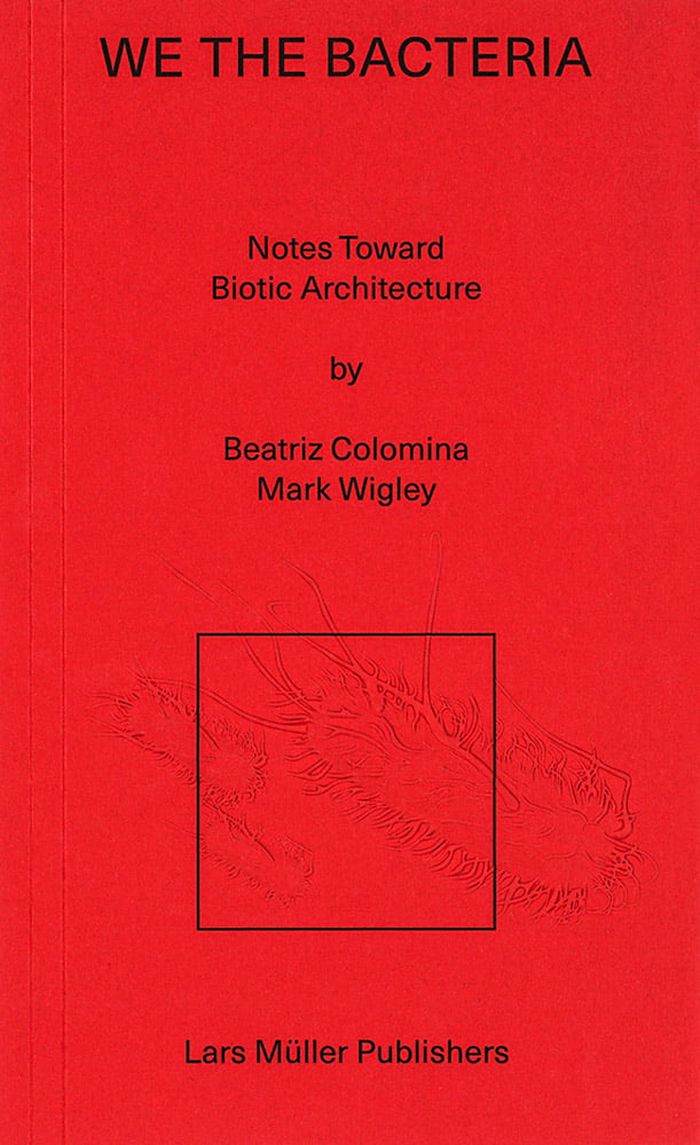
We the bacteria: Notes towards biotic architecture
Actions:
Price:
$36.00
(available in store)
Summary:
The sequel to the authors’ “Are We Human?”, this provocative book is an urgent manifesto for an alternative architectural philosophy. It treats bacteria as the real architects, construction workers, maintenance crews and inhabitants of buildings. Colomina and Wigley draw on the latest research into microbes to rethink the past and possible futures of the built environment. The book explores the intimate entanglements of the microbes within bodies and buildings over the last 10,000 years, culminating in the antibiotic philosophy of contemporary architecture. The diseases of our time are diseases of the built environment. The deadly combination of rapidly declining microbial diversity and rising antibiotic-resistant bacteria is as great a threat as climate change. Hostility to bacteria has to give way to new forms of hospitality from a more symbiotic architecture that learns from bacteria, embracing them and reconnecting with soil, plants and other species. Buildings based on fear of bacteria, which is to say fear of life itself, must give way to buildings learning from models of coexistence based on bacteria themselves. The main goal of the book is to rethink the very idea of shelter in terms of forms of inclusion rather than prophylactic forms of exclusion.
We the bacteria: Notes towards biotic architecture
Actions:
Price:
$36.00
(available in store)
Summary:
The sequel to the authors’ “Are We Human?”, this provocative book is an urgent manifesto for an alternative architectural philosophy. It treats bacteria as the real architects, construction workers, maintenance crews and inhabitants of buildings. Colomina and Wigley draw on the latest research into microbes to rethink the past and possible futures of the built environment. The book explores the intimate entanglements of the microbes within bodies and buildings over the last 10,000 years, culminating in the antibiotic philosophy of contemporary architecture. The diseases of our time are diseases of the built environment. The deadly combination of rapidly declining microbial diversity and rising antibiotic-resistant bacteria is as great a threat as climate change. Hostility to bacteria has to give way to new forms of hospitality from a more symbiotic architecture that learns from bacteria, embracing them and reconnecting with soil, plants and other species. Buildings based on fear of bacteria, which is to say fear of life itself, must give way to buildings learning from models of coexistence based on bacteria themselves. The main goal of the book is to rethink the very idea of shelter in terms of forms of inclusion rather than prophylactic forms of exclusion.
Form:
books
books
Publication:
October 2025
October 2025
Subject:
Architecture ecologies
Architecture ecologies
Form:
books
books
Actions:
Price:
$53.50
(available to order)
Summary:
Want to keep up with emerging design thinking and issues worldwide? "Design Studio" is a new thematic series that distils the most topical work and ideas from schools and practices globally. The first volume launches with a statement: "Everything needs to change". Exploring architecture and the climate emergency, editors Sofie Pelsmakers (author of Environmental Design(...)
$53.50
(available to order)
Summary:
Want to keep up with emerging design thinking and issues worldwide? "Design Studio" is a new thematic series that distils the most topical work and ideas from schools and practices globally. The first volume launches with a statement: "Everything needs to change". Exploring architecture and the climate emergency, editors Sofie Pelsmakers (author of Environmental Design(...)
Title:
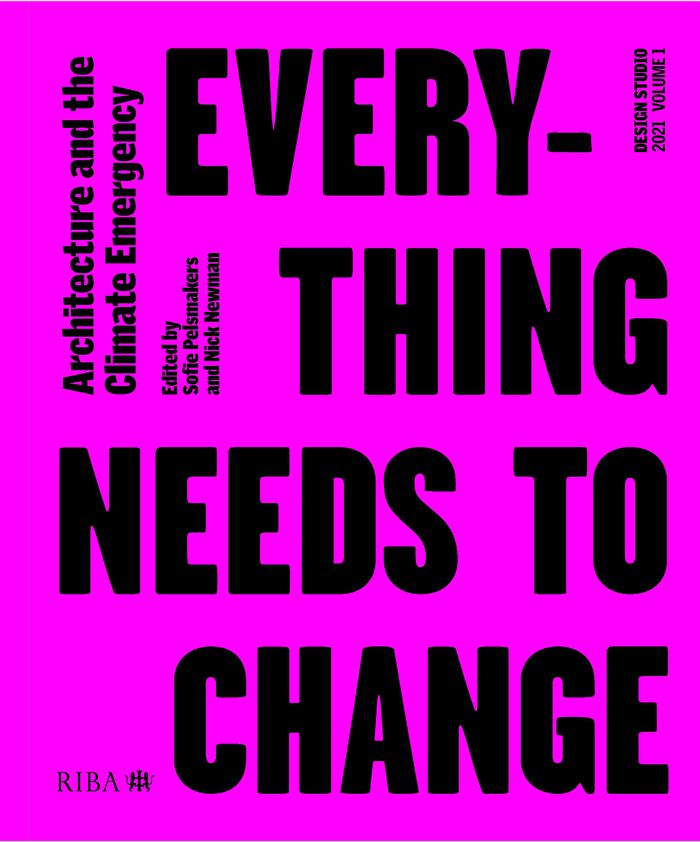
Design Studio vol.1: Everything needs to change. Architecture and the climate emergency
Actions:
Price:
$53.50
(available to order)
Summary:
Want to keep up with emerging design thinking and issues worldwide? "Design Studio" is a new thematic series that distils the most topical work and ideas from schools and practices globally. The first volume launches with a statement: "Everything needs to change". Exploring architecture and the climate emergency, editors Sofie Pelsmakers (author of Environmental Design Sourcebook) and Nick Newman (climate activist and Director at Studio Bark), are channelling the message of Greta Thunberg to inspire, enthuse and inform the next generation of architects. Featuring articles, building profiles and case studies from a range of leading voices, it explores solutions to climatic, environmental and social challenges. It urges readers to radically rethink what it means to be an architect in an era of climate crisis, and what the role of the architect is or can be. Discover how using local materials, working with nature, radical design processes, transformative learning and activism can help us find hope in the burning world. This first volume is produced in four unique fluorescent colours – green, red, yellow and purple – to be your own poster for change.
Design Studio vol.1: Everything needs to change. Architecture and the climate emergency
Actions:
Price:
$53.50
(available to order)
Summary:
Want to keep up with emerging design thinking and issues worldwide? "Design Studio" is a new thematic series that distils the most topical work and ideas from schools and practices globally. The first volume launches with a statement: "Everything needs to change". Exploring architecture and the climate emergency, editors Sofie Pelsmakers (author of Environmental Design Sourcebook) and Nick Newman (climate activist and Director at Studio Bark), are channelling the message of Greta Thunberg to inspire, enthuse and inform the next generation of architects. Featuring articles, building profiles and case studies from a range of leading voices, it explores solutions to climatic, environmental and social challenges. It urges readers to radically rethink what it means to be an architect in an era of climate crisis, and what the role of the architect is or can be. Discover how using local materials, working with nature, radical design processes, transformative learning and activism can help us find hope in the burning world. This first volume is produced in four unique fluorescent colours – green, red, yellow and purple – to be your own poster for change.
Form:
books
books
Publication:
May 2021
May 2021
Subject:
Contemporary Architecture
Contemporary Architecture
Form:
books
books
Title:
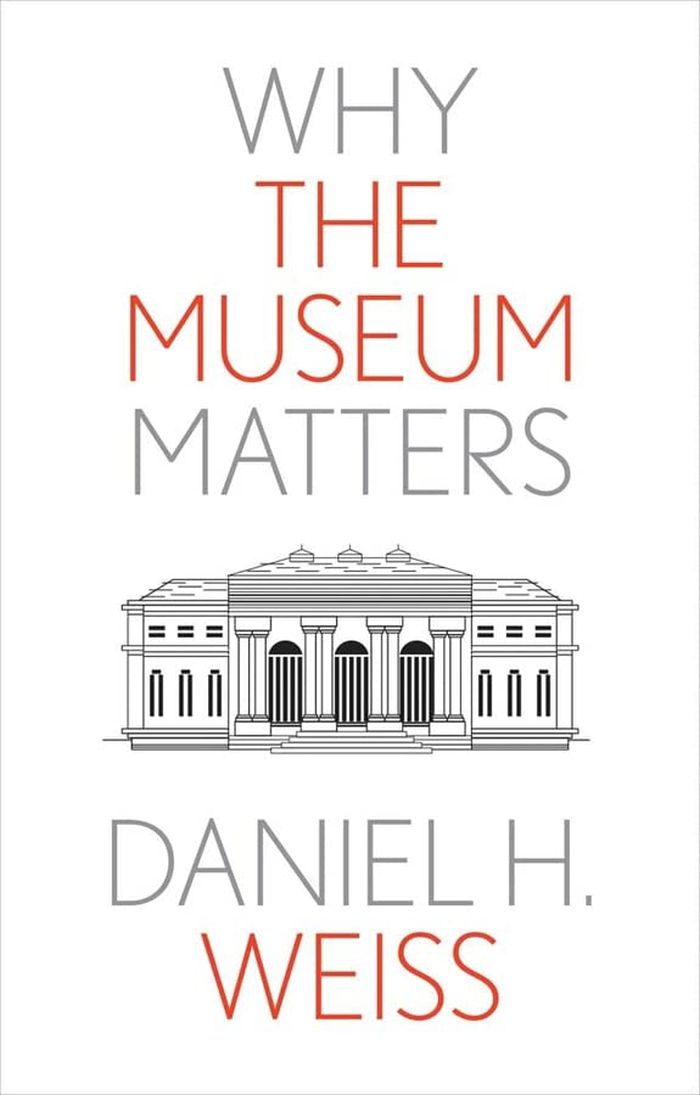
Why the museum matters
Why the museum matters
Actions:
Price:
$37.95
(available to order)
Summary:
Art museums have played a vital role in our culture, drawing on Enlightenment ideals in shaping ideas, advancing learning, fostering community, and providing spaces of beauty and permanence. In this thoughtful and often personal volume, Daniel H. Weiss contemplates the idea of the universal art museum alongside broad considerations about the role of art in society and(...)
$37.95
(available to order)
Summary:
Art museums have played a vital role in our culture, drawing on Enlightenment ideals in shaping ideas, advancing learning, fostering community, and providing spaces of beauty and permanence. In this thoughtful and often personal volume, Daniel H. Weiss contemplates the idea of the universal art museum alongside broad considerations about the role of art in society and(...)
Title:
Why the museum matters
Actions:
Price:
$37.95
(available to order)
Summary:
Art museums have played a vital role in our culture, drawing on Enlightenment ideals in shaping ideas, advancing learning, fostering community, and providing spaces of beauty and permanence. In this thoughtful and often personal volume, Daniel H. Weiss contemplates the idea of the universal art museum alongside broad considerations about the role of art in society and what defines a cultural experience. The future of art museums is far from secure, and Weiss reflects on many of the difficulties these institutions face, from their financial health to their collecting practices to the audiences they engage to ensuring freedom of expression on the part of artists and curators. In grappling with these challenges, Weiss sees a solution in shared governance. His tone is one of optimism as he looks to a future where the museum will serve a greater public while continuing to be a steward of culture and a place of discovery, discourse, inspiration, and pleasure. This poignant questioning and affirmation of the museum explores our enduring values while embracing the need for change in a rapidly evolving world.
Why the museum matters
Actions:
Price:
$37.95
(available to order)
Summary:
Art museums have played a vital role in our culture, drawing on Enlightenment ideals in shaping ideas, advancing learning, fostering community, and providing spaces of beauty and permanence. In this thoughtful and often personal volume, Daniel H. Weiss contemplates the idea of the universal art museum alongside broad considerations about the role of art in society and what defines a cultural experience. The future of art museums is far from secure, and Weiss reflects on many of the difficulties these institutions face, from their financial health to their collecting practices to the audiences they engage to ensuring freedom of expression on the part of artists and curators. In grappling with these challenges, Weiss sees a solution in shared governance. His tone is one of optimism as he looks to a future where the museum will serve a greater public while continuing to be a steward of culture and a place of discovery, discourse, inspiration, and pleasure. This poignant questioning and affirmation of the museum explores our enduring values while embracing the need for change in a rapidly evolving world.
Form:
books
books
Publication:
November 2022
November 2022
Subject:
Museology
Museology
Form:
books
books
Actions:
Price:
$52.00
(available in store)
Summary:
As the first independent environments children encounter beyond the home, nurseries, daycare centres, and kindergartens should not appear merely as colourful fantasy worlds. Well-conceived early-learning centres and schools create a microcosm modelled on everyday life – child-friendly yes, but by no means childish. Such places offer security while inviting discovery,(...)
$52.00
(available in store)
Summary:
As the first independent environments children encounter beyond the home, nurseries, daycare centres, and kindergartens should not appear merely as colourful fantasy worlds. Well-conceived early-learning centres and schools create a microcosm modelled on everyday life – child-friendly yes, but by no means childish. Such places offer security while inviting discovery,(...)
Title:
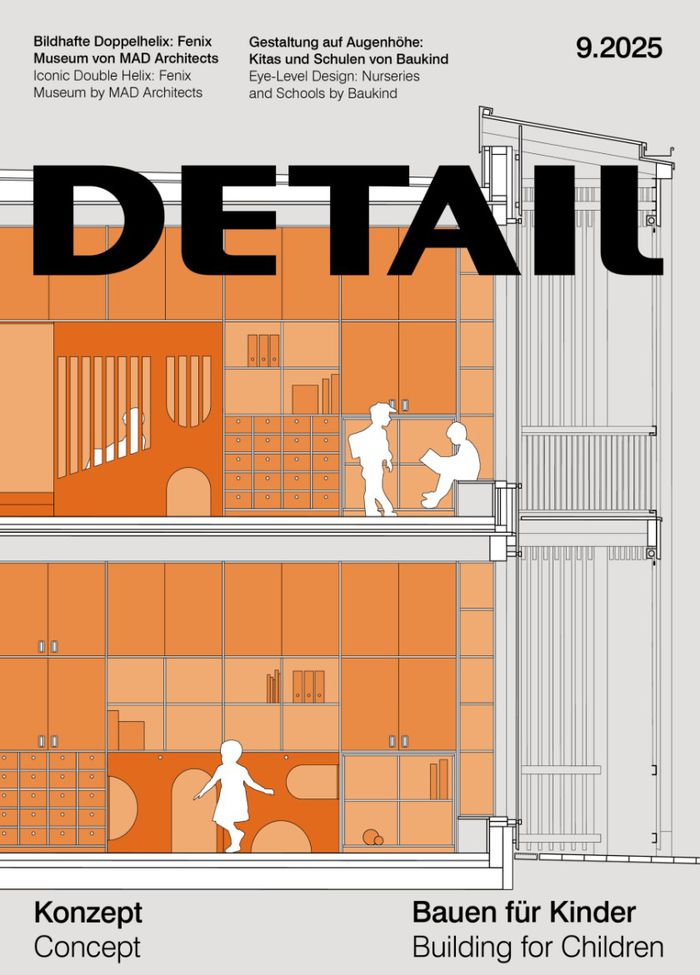
Detail 9 2025: building for children
Actions:
Price:
$52.00
(available in store)
Summary:
As the first independent environments children encounter beyond the home, nurseries, daycare centres, and kindergartens should not appear merely as colourful fantasy worlds. Well-conceived early-learning centres and schools create a microcosm modelled on everyday life – child-friendly yes, but by no means childish. Such places offer security while inviting discovery, appropriation, and adaptation. In this issue we profile child-focused environments realised both as new builds and through adaptive reuse. A kindergarten on a disused industrial site near Copenhagen follows circular construction principles, using mostly materials salvaged from the dilapidated primary school that once stood there. Newly built daycare centres in the German state of Hessen and in Slovenia draw on local building traditions and the surrounding natural landscape. Meanwhile, a former East German telephone exchange was transformed into a playscape that anchors a childcare facility on a university campus in Merseburg.
Detail 9 2025: building for children
Actions:
Price:
$52.00
(available in store)
Summary:
As the first independent environments children encounter beyond the home, nurseries, daycare centres, and kindergartens should not appear merely as colourful fantasy worlds. Well-conceived early-learning centres and schools create a microcosm modelled on everyday life – child-friendly yes, but by no means childish. Such places offer security while inviting discovery, appropriation, and adaptation. In this issue we profile child-focused environments realised both as new builds and through adaptive reuse. A kindergarten on a disused industrial site near Copenhagen follows circular construction principles, using mostly materials salvaged from the dilapidated primary school that once stood there. Newly built daycare centres in the German state of Hessen and in Slovenia draw on local building traditions and the surrounding natural landscape. Meanwhile, a former East German telephone exchange was transformed into a playscape that anchors a childcare facility on a university campus in Merseburg.
Form:
books
books
Publication:
September 2025
September 2025
Subject:
Magazines
Magazines
Form:
books
books
Actions:
Price:
$44.00
(available to order)
Summary:
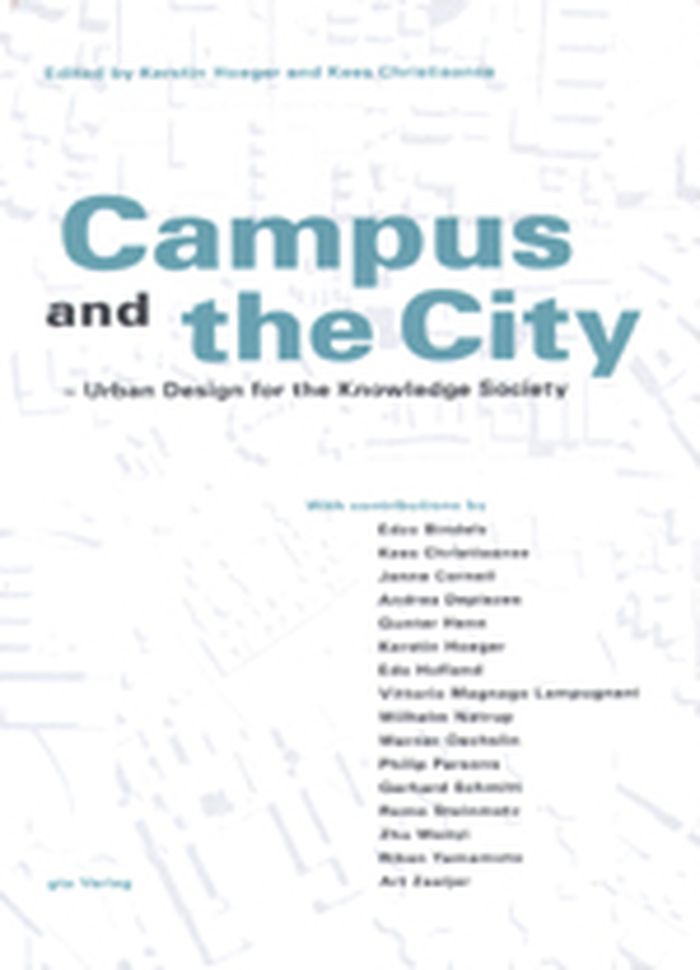
In "Campus and the city", experts present and comment on current trends in campus design world-wide. Details of thirty outstanding campuses - be these inner-city, greenfield, high-tech or corportate - shed light on possible future trends and how these relate to the urban context. Restructuring outdated postwar campuses and establishing new university and commercial(...)
$44.00
(available to order)
Summary:
In "Campus and the city", experts present and comment on current trends in campus design world-wide. Details of thirty outstanding campuses - be these inner-city, greenfield, high-tech or corportate - shed light on possible future trends and how these relate to the urban context. Restructuring outdated postwar campuses and establishing new university and commercial(...)
Title:
Campus and the city - urban design for the knowledge society
Actions:
Price:
$44.00
(available to order)
Summary:
In "Campus and the city", experts present and comment on current trends in campus design world-wide. Details of thirty outstanding campuses - be these inner-city, greenfield, high-tech or corportate - shed light on possible future trends and how these relate to the urban context. Restructuring outdated postwar campuses and establishing new university and commercial districts, especially in emerging Asian nations, requires fresh approaches and a clear vision of spatial and programmatic interrelationships. In addition, corporations and academic institutions alike are increasingly seeking strategies capable of encouraging innovation and synergy in their research centres, often drawing on the existing potential of their surroundings. This volume addresses important aspects of new conceptions of the campus - ranging from forms of spatial organisation that promote internal knowledge and social interaction to different types of urban design strategies aimed at creating sustainable centres of knowledge and learning that are responsive to society's ever changing demands.
Campus and the city - urban design for the knowledge society
Actions:
Price:
$44.00
(available to order)
Summary:
In "Campus and the city", experts present and comment on current trends in campus design world-wide. Details of thirty outstanding campuses - be these inner-city, greenfield, high-tech or corportate - shed light on possible future trends and how these relate to the urban context. Restructuring outdated postwar campuses and establishing new university and commercial districts, especially in emerging Asian nations, requires fresh approaches and a clear vision of spatial and programmatic interrelationships. In addition, corporations and academic institutions alike are increasingly seeking strategies capable of encouraging innovation and synergy in their research centres, often drawing on the existing potential of their surroundings. This volume addresses important aspects of new conceptions of the campus - ranging from forms of spatial organisation that promote internal knowledge and social interaction to different types of urban design strategies aimed at creating sustainable centres of knowledge and learning that are responsive to society's ever changing demands.
Form:
books
books
Publication:
January 1900, Zürich
January 1900, Zürich
Subject:
Urban Theory
Urban Theory
Form:
books
books
Actions:
Price:
$70.00
(available in store)
Summary:
Official catalog of the National Pavilion of Lebanon at the 19th Venice biennale of Architecture, The Land Remembers invites us to explore alternative ways of healing and preserving the natural environment by harnessing local knowledge and the land intelligens. The content of this catalog confronts the deliberate destruction of Lebanon's ecosystems and societies, drawing(...)
$70.00
(available in store)
Summary:
Official catalog of the National Pavilion of Lebanon at the 19th Venice biennale of Architecture, The Land Remembers invites us to explore alternative ways of healing and preserving the natural environment by harnessing local knowledge and the land intelligens. The content of this catalog confronts the deliberate destruction of Lebanon's ecosystems and societies, drawing(...)
Subject:
Contemporary Architecture
Contemporary Architecture
Publication:
September 2025
September 2025
Title:
The land remembers: A Collective exploration into the possibilities for regeneration
Actions:
Price:
$70.00
(available in store)
Summary:
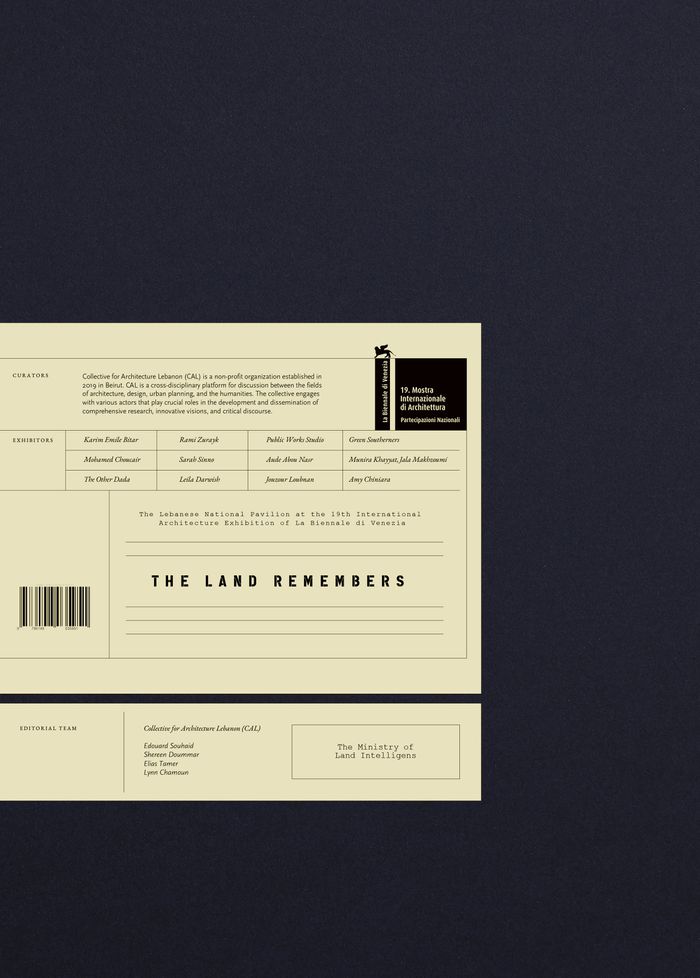
Official catalog of the National Pavilion of Lebanon at the 19th Venice biennale of Architecture, The Land Remembers invites us to explore alternative ways of healing and preserving the natural environment by harnessing local knowledge and the land intelligens. The content of this catalog confronts the deliberate destruction of Lebanon's ecosystems and societies, drawing on the soil's memory as a testament to resilience and renewal. The format of the memory box is an archive of the land's richness, challenges, and potential, asking: How can we heal the land to build for future generations? The catalog combines expert analysis, personal stories, and diverse perspectives on destruction, regeneration, and coexistence. From ecological restoration to regenerative architecture and preservation of Lebanon's biodiversity, it underscores the urgent need for a symbiotic relationship between people and nature. By counter-mapping environmental destruction, reflecting on modern warfare's impacts, and embracing innovative solutions, this collective work envisions a legacy for future generations—one rooted in resilience, learning, and hope.
The land remembers: A Collective exploration into the possibilities for regeneration
Actions:
Price:
$70.00
(available in store)
Summary:
Official catalog of the National Pavilion of Lebanon at the 19th Venice biennale of Architecture, The Land Remembers invites us to explore alternative ways of healing and preserving the natural environment by harnessing local knowledge and the land intelligens. The content of this catalog confronts the deliberate destruction of Lebanon's ecosystems and societies, drawing on the soil's memory as a testament to resilience and renewal. The format of the memory box is an archive of the land's richness, challenges, and potential, asking: How can we heal the land to build for future generations? The catalog combines expert analysis, personal stories, and diverse perspectives on destruction, regeneration, and coexistence. From ecological restoration to regenerative architecture and preservation of Lebanon's biodiversity, it underscores the urgent need for a symbiotic relationship between people and nature. By counter-mapping environmental destruction, reflecting on modern warfare's impacts, and embracing innovative solutions, this collective work envisions a legacy for future generations—one rooted in resilience, learning, and hope.
Form:
books
books
Publication:
September 2025
September 2025
Subject:
Contemporary Architecture
Contemporary Architecture
Form:
books
books

Actions:
Price:
$45.00
(available in store)
Summary:
''In 1991, I moved to Berlin for four years. The Berlin wall had just fallen but you could still see sections of it, and certainly still feel the divide between the Capitalist and Socialist states. Discovering Central Europe meant learning about some very dark history. The scars of Totalitarianism were deep, visible and raw from both the Cold War and the preceding Second(...)
$45.00
(available in store)
Summary:
''In 1991, I moved to Berlin for four years. The Berlin wall had just fallen but you could still see sections of it, and certainly still feel the divide between the Capitalist and Socialist states. Discovering Central Europe meant learning about some very dark history. The scars of Totalitarianism were deep, visible and raw from both the Cold War and the preceding Second(...)
Title:
Eric Tschaeppeler : Slipping the trail
Actions:
Price:
$45.00
(available in store)
Summary:
''In 1991, I moved to Berlin for four years. The Berlin wall had just fallen but you could still see sections of it, and certainly still feel the divide between the Capitalist and Socialist states. Discovering Central Europe meant learning about some very dark history. The scars of Totalitarianism were deep, visible and raw from both the Cold War and the preceding Second World War. These photographs were taken in Montreal during the Fall and Winter of 2013/14. I wanted to find a common visual ground where, through historical images we've all seen, my memories could be shared. I revisited these memories influenced by the political climate and my fear of a rising wave of militant nationalism and the return of the Police State. This work reflects some of my concerns through the evoking of personal and collective memories and the linking of present with past, and local to global.'' Eric Tschaeppeler
Eric Tschaeppeler : Slipping the trail
Actions:
Price:
$45.00
(available in store)
Summary:
''In 1991, I moved to Berlin for four years. The Berlin wall had just fallen but you could still see sections of it, and certainly still feel the divide between the Capitalist and Socialist states. Discovering Central Europe meant learning about some very dark history. The scars of Totalitarianism were deep, visible and raw from both the Cold War and the preceding Second World War. These photographs were taken in Montreal during the Fall and Winter of 2013/14. I wanted to find a common visual ground where, through historical images we've all seen, my memories could be shared. I revisited these memories influenced by the political climate and my fear of a rising wave of militant nationalism and the return of the Police State. This work reflects some of my concerns through the evoking of personal and collective memories and the linking of present with past, and local to global.'' Eric Tschaeppeler
Form:
books
books
Publication:
October 2018
October 2018
Subject:
Photography monographs
Photography monographs
Form:
books
books
Actions:
Price:
$150.00
(available in store)
Summary:
Spanning from 3,500 BCE to the present, and organized along a global timeline, this unique guide was written by experts in their fields who emphasize the connections, contrasts, and influences of architectural movements throughout history and around the world. Fully updated and revised to reflect current scholarship, this third edition features expanded chapter(...)
$150.00
(available in store)
Summary:
Spanning from 3,500 BCE to the present, and organized along a global timeline, this unique guide was written by experts in their fields who emphasize the connections, contrasts, and influences of architectural movements throughout history and around the world. Fully updated and revised to reflect current scholarship, this third edition features expanded chapter(...)
Publication:
April 2017
April 2017
Title:
A global history of architecture, third edition
Actions:
Price:
$150.00
(available in store)
Summary:
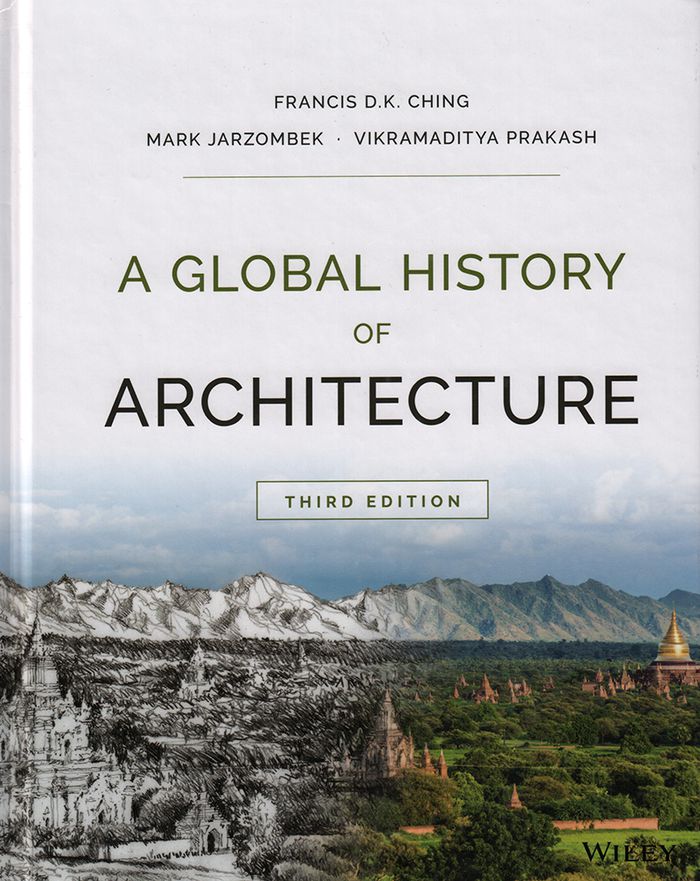
Spanning from 3,500 BCE to the present, and organized along a global timeline, this unique guide was written by experts in their fields who emphasize the connections, contrasts, and influences of architectural movements throughout history and around the world. Fully updated and revised to reflect current scholarship, this third edition features expanded chapter introductions that set the stage for a global view, as well as: an expanded section on contemporary global architecture, more coverage of non-Western cultures, particularly South Asia, South East Asia Pre-Columbian America, and Africa. New drawings and maps by the iconic Francis D.K. Ching, as well as more stunning photographs. An updated companion website with digital learning tools and Google Earth mapping service coordinates that make it easier to find sites. Art and architecture enthusiasts, and anyone interested in architectural history, will have 5,000 years of the built environment perpetually at their fingertips with "A global history of architecture, third edition".
A global history of architecture, third edition
Actions:
Price:
$150.00
(available in store)
Summary:
Spanning from 3,500 BCE to the present, and organized along a global timeline, this unique guide was written by experts in their fields who emphasize the connections, contrasts, and influences of architectural movements throughout history and around the world. Fully updated and revised to reflect current scholarship, this third edition features expanded chapter introductions that set the stage for a global view, as well as: an expanded section on contemporary global architecture, more coverage of non-Western cultures, particularly South Asia, South East Asia Pre-Columbian America, and Africa. New drawings and maps by the iconic Francis D.K. Ching, as well as more stunning photographs. An updated companion website with digital learning tools and Google Earth mapping service coordinates that make it easier to find sites. Art and architecture enthusiasts, and anyone interested in architectural history, will have 5,000 years of the built environment perpetually at their fingertips with "A global history of architecture, third edition".
Form:
books
books
Publication:
April 2017
April 2017
Form:
books
books
Actions:
Price:
$54.95
(available in store)
Summary:
Libraries have existed for millennia, but today the library field is searching for solid footing in an increasingly fragmented (and increasingly digital) information environment. What is librarianship when it is unmoored from cataloging, books, buildings, and committees? In "The Atlas of New Librarianship", R. David Lankes offers a guide to this new landscape for(...)
$54.95
(available in store)
Summary:
Libraries have existed for millennia, but today the library field is searching for solid footing in an increasingly fragmented (and increasingly digital) information environment. What is librarianship when it is unmoored from cataloging, books, buildings, and committees? In "The Atlas of New Librarianship", R. David Lankes offers a guide to this new landscape for(...)
Title:
The atlas of new librarianship
Actions:
Price:
$54.95
(available in store)
Summary:
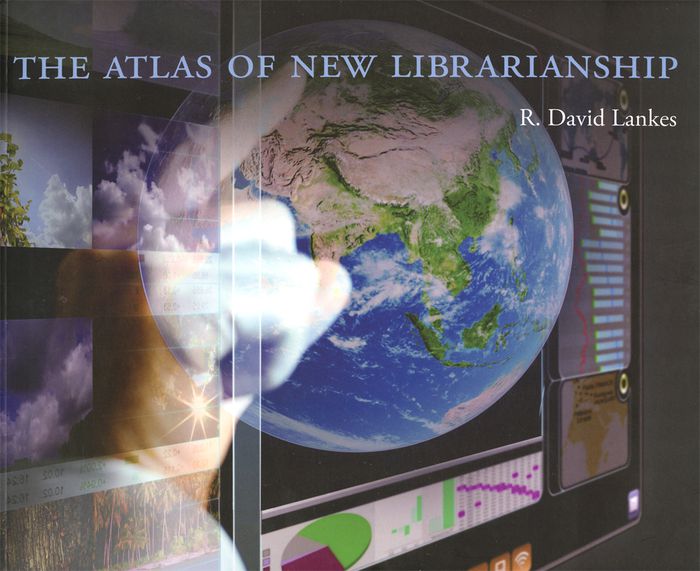
Libraries have existed for millennia, but today the library field is searching for solid footing in an increasingly fragmented (and increasingly digital) information environment. What is librarianship when it is unmoored from cataloging, books, buildings, and committees? In "The Atlas of New Librarianship", R. David Lankes offers a guide to this new landscape for practitioners. He describes a new librarianship based not on books and artifacts but on knowledge and learning; and he suggests a new mission for librarians: to improve society through facilitating knowledge creation in their communities. The vision for a new librarianship must go beyond finding library-related uses for information technology and the Internet; it must provide a durable foundation for the field. Lankes recasts librarianship and library practice using the fundamental concept that knowledge is created though conversation. New librarians approach their work as facilitators of conversation; they seek to enrich, capture, store, and disseminate the conversations of their communities.
The atlas of new librarianship
Actions:
Price:
$54.95
(available in store)
Summary:
Libraries have existed for millennia, but today the library field is searching for solid footing in an increasingly fragmented (and increasingly digital) information environment. What is librarianship when it is unmoored from cataloging, books, buildings, and committees? In "The Atlas of New Librarianship", R. David Lankes offers a guide to this new landscape for practitioners. He describes a new librarianship based not on books and artifacts but on knowledge and learning; and he suggests a new mission for librarians: to improve society through facilitating knowledge creation in their communities. The vision for a new librarianship must go beyond finding library-related uses for information technology and the Internet; it must provide a durable foundation for the field. Lankes recasts librarianship and library practice using the fundamental concept that knowledge is created though conversation. New librarians approach their work as facilitators of conversation; they seek to enrich, capture, store, and disseminate the conversations of their communities.
Form:
books
books
Publication:
September 2016
September 2016
Subject:
Archive, library and the digital
Archive, library and the digital
Form:
books
books
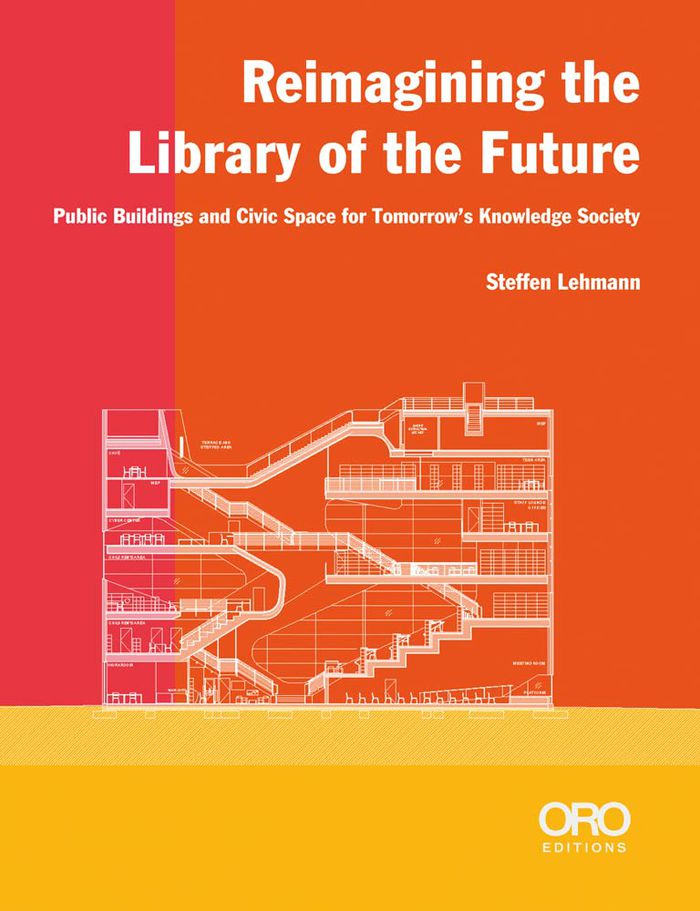
Title:
Reimagining the library of the future: Public buildings and civic space for tomorrow's knowledge
Reimagining the library of the future: Public buildings and civic space for tomorrow's knowledge
Actions:
Price:
$40.00
(available to order)
Summary:
This study investigates the various models of public buildings and civic space through the lens of the library. It takes a critical look at the history, present, and future transformation of this significant building typology that has recently emerged as a redefined community place, social condenser, and urban incubator for knowledge generation, storage, and sharing. In(...)
$40.00
(available to order)
Summary:
This study investigates the various models of public buildings and civic space through the lens of the library. It takes a critical look at the history, present, and future transformation of this significant building typology that has recently emerged as a redefined community place, social condenser, and urban incubator for knowledge generation, storage, and sharing. In(...)
Title:
Reimagining the library of the future: Public buildings and civic space for tomorrow's knowledge
Actions:
Price:
$40.00
(available to order)
Summary:
This study investigates the various models of public buildings and civic space through the lens of the library. It takes a critical look at the history, present, and future transformation of this significant building typology that has recently emerged as a redefined community place, social condenser, and urban incubator for knowledge generation, storage, and sharing. In particular, the library has evolved as a vibrant and vital member of community development and as a basis for outreach efforts. This book presents 40 recent public and academic libraries from around the world. As the survey of precedents shows, the historical cases have informed the design of the recent libraries and the continuous development of the building type over time. Well-designed libraries are now in abundance, and the wider view of this study includes mediatheques and learning centers. The selection of contemporary projects focuses on urban libraries in Europe (Germany, Italy, Austria, Netherlands), the US, Canada, Mexico, Australia, Japan, and China.
Reimagining the library of the future: Public buildings and civic space for tomorrow's knowledge
Actions:
Price:
$40.00
(available to order)
Summary:
This study investigates the various models of public buildings and civic space through the lens of the library. It takes a critical look at the history, present, and future transformation of this significant building typology that has recently emerged as a redefined community place, social condenser, and urban incubator for knowledge generation, storage, and sharing. In particular, the library has evolved as a vibrant and vital member of community development and as a basis for outreach efforts. This book presents 40 recent public and academic libraries from around the world. As the survey of precedents shows, the historical cases have informed the design of the recent libraries and the continuous development of the building type over time. Well-designed libraries are now in abundance, and the wider view of this study includes mediatheques and learning centers. The selection of contemporary projects focuses on urban libraries in Europe (Germany, Italy, Austria, Netherlands), the US, Canada, Mexico, Australia, Japan, and China.
Form:
books
books
Publication:
September 2022
September 2022
Subject:
Commercial interiors, Building types
Commercial interiors, Building types


