


1128 Results
Form:
journals and magazines
journals and magazines

Actions:
Price:
$40.00
(available to order)
Summary:
Buildings and cities grow, are transformed and dissolve. How can this evolution be generated, controlled, enhanced or imagined? Is our environment programmable? How does the fusion of natural and artificial materials produce new architectural organisms, new environments, new natures? How does technology animate space and how do users and programs animate matter? Because(...)
Title:
Verb : Natures -architecture boogazine
Actions:
Price:
$40.00
(available to order)
Summary:
Buildings and cities grow, are transformed and dissolve. How can this evolution be generated, controlled, enhanced or imagined? Is our environment programmable? How does the fusion of natural and artificial materials produce new architectural organisms, new environments, new natures? How does technology animate space and how do users and programs animate matter? Because everything grows, especially cities, the fifth volume of Actarís Verb series looks for a new definition of the organic through architecture, graphics, and photography as well as visual and digital art. Verb Natures follows Verb 1, Verb Matters, Verb Connection and Verb Conditioning.
Form:
journals and magazines
journals and magazines
Publication:
February 2006, Barcelona
February 2006, Barcelona
Subject:
Magazines
Magazines
Form:
journals and magazines
journals and magazines

Actions:
Price:
$58.00
(available in store)
Summary:
The use of mass timber (also called engineered wood) in architecture involves prefabricated modular parts, making construction quicker and cheaper, and applying digital technology to design and fabrication. Both glue-laminated timber (glulam) and cross-laminated timber (CLT) are load-bearing materials that offer buildings not only a positive carbon footprint but also(...)
Title:
C3 432: The Revolution will be laminated
Actions:
Price:
$58.00
(available in store)
Summary:
The use of mass timber (also called engineered wood) in architecture involves prefabricated modular parts, making construction quicker and cheaper, and applying digital technology to design and fabrication. Both glue-laminated timber (glulam) and cross-laminated timber (CLT) are load-bearing materials that offer buildings not only a positive carbon footprint but also flame-retardant qualities. A special feature on mass timber includes exemplary projects such as the ''World of Volvo'' by Henning Larsen and the ''Rehmannia Root Crafts Exhibition Hall'' by LUO studio. In addition, the magazine features a special profile on new Basque topography through the eyes of Ele Arkitektura.
Form:
journals and magazines
journals and magazines
Publication:
March 2025
March 2025
Subject:
Magazines
Magazines
Form:
books
books

Title:
The printed picture
The printed picture
Actions:
Price:
$69.00
(available to order)
Summary:
The Printed Picture traces the changing technology of picture-making from the Renaissance to the present, focusing on the vital role of images in multiple copies. From woodblocks to modern color photographs, from engravings to bar codes, from daguerreotypes to today's digital wonders, the book succinctly examines the full range of pictorial processes. Exploring how(...)
Title:
The printed picture
Actions:
Price:
$69.00
(available to order)
Summary:
The Printed Picture traces the changing technology of picture-making from the Renaissance to the present, focusing on the vital role of images in multiple copies. From woodblocks to modern color photographs, from engravings to bar codes, from daguerreotypes to today's digital wonders, the book succinctly examines the full range of pictorial processes. Exploring how pictures look by describing how they are made, author Richard Benson reaches fresh conclusions about what pictures can mean. Presented as a series of one-page essays opposite the pictures they examine, the book retains the engaging, informal style of Benson's celebrated seminars at Yale University.
Form:
books
books
Publication:
October 2008, New York
October 2008, New York
Subject:
Printed Matter
Printed Matter
Form:
books
books

Actions:
Price:
$38.99
(available to order)
Summary:
Robertson’s unconventional history of the origins of the information age posits the filing cabinet as an information storage container, an 'automatic memory' machine that contributed to a new type of information labor privileging manual dexterity over mental deliberation. Gendered assumptions about women’s nimble fingers helped to naturalize the changes that brought(...)
Title:
The filing cabinet: a vertical history of information
Actions:
Price:
$38.99
(available to order)
Summary:
Robertson’s unconventional history of the origins of the information age posits the filing cabinet as an information storage container, an 'automatic memory' machine that contributed to a new type of information labor privileging manual dexterity over mental deliberation. Gendered assumptions about women’s nimble fingers helped to naturalize the changes that brought women into the workforce as low-level clerical workers. The filing cabinet emerges from this unexpected account as a sophisticated piece of information technology and a site of gendered labor that with its folders, files, and tabs continues to shape how we interact with information and data in today’s digital world.
Form:
books
books
Publication:
May 2021
May 2021
Subject:
Design Theory
Design Theory
Form:
books
books
Actions:
Price:
$35.00
(available to order)
Summary:
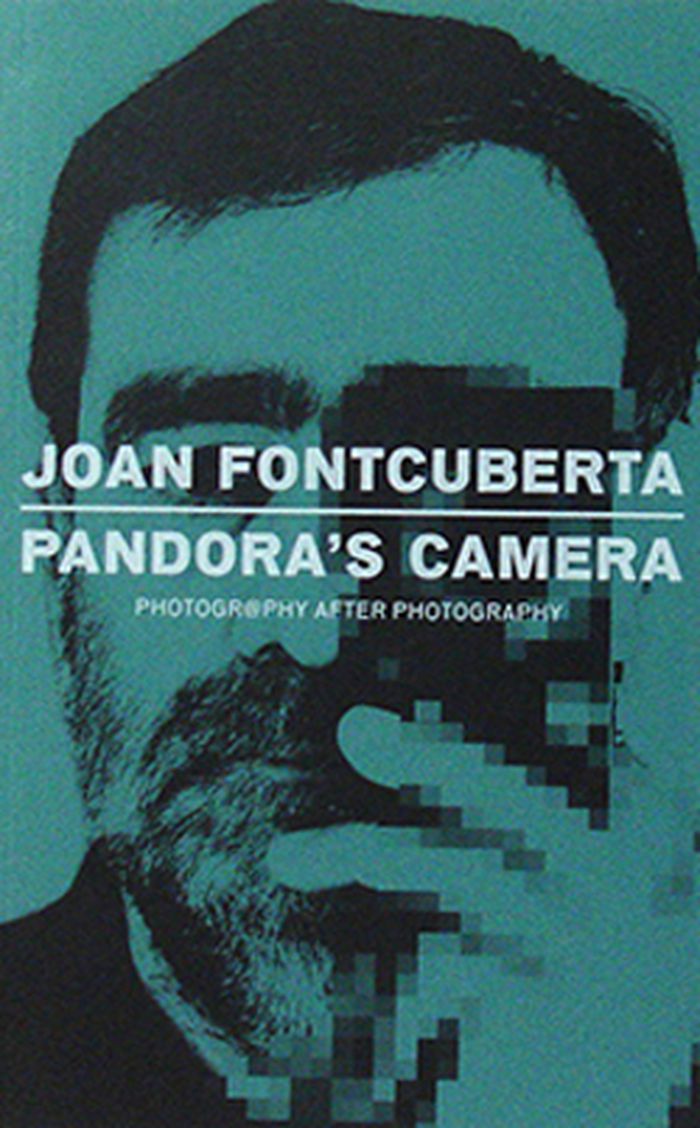
This book is the first English translation of a renowned collection of essays by Joan Fontcuberta, in which he considers the technological shift that photography has undergone in recent years. The medium finds itself torn between loss and hope, between the disappearance of the silver gelatin photograph and the possibilities of the digital medium. Fontcuberta uses the(...)
Title:
Pandora's camera: photogr@phy after photography
Actions:
Price:
$35.00
(available to order)
Summary:
This book is the first English translation of a renowned collection of essays by Joan Fontcuberta, in which he considers the technological shift that photography has undergone in recent years. The medium finds itself torn between loss and hope, between the disappearance of the silver gelatin photograph and the possibilities of the digital medium. Fontcuberta uses the motif of Pandora’s box to conceptualise the capricious nature of photography, its fickle relationship to truth – employing the Greek myth concerning a large jar containing myriad forms of human unhappiness, or blessings, depending on the version you read. As Pandora’s camera, digital technology spells calamity to some and liberation to others; it is blamed for irretrievably discrediting veracity, but at the same time it introduces a new degree of truth. In his signature ironic style and playful tone, Fontcuberta examines the new principles that have arisen within the digital ecosystem, in jocular essays such as I Knew the Spice Girls or The Mystery of the Missing Nipple. His critical reflections and poetic evocations are inspired by the hope that still remains in the notion of a postmodern Pandora’s camera – one that might not only describe our environment, but also bring transparency to it.
Form:
books
books
Publication:
November 2014
November 2014
Subject:
Theory of Photography
Theory of Photography
Form:
books
books

Actions:
Price:
$15.00
(available to order)
Summary:
Thirty two large format photographic color prints focus on arctic and sub-arctic regions of Canada. Arnold Zageris captures the images using a traditional large format 4x5 view camera, technology that is unsurpassed for landscape photography in this digital age. The method allows for fine details and subtle nuances of form and texture to emerge. Although the colors and(...)
Title:
Arnold Zageris: on the Labrador
Actions:
Price:
$15.00
(available to order)
Summary:
Thirty two large format photographic color prints focus on arctic and sub-arctic regions of Canada. Arnold Zageris captures the images using a traditional large format 4x5 view camera, technology that is unsurpassed for landscape photography in this digital age. The method allows for fine details and subtle nuances of form and texture to emerge. Although the colors and contrasts may appear enhanced, these works have no special filters or treatments. Zageris states his commitment is “to search and find the quality of light that can inspire the imagination.” His combination of traditional technique and methodical patience lends him the ability to show us a world we may not see otherwise.
Form:
books
books
Publication:
June 2012
June 2012
Subject:
Photography monographs
Photography monographs
Form:
books
books
Actions:
Price:
$30.00
(available to order)
Summary:
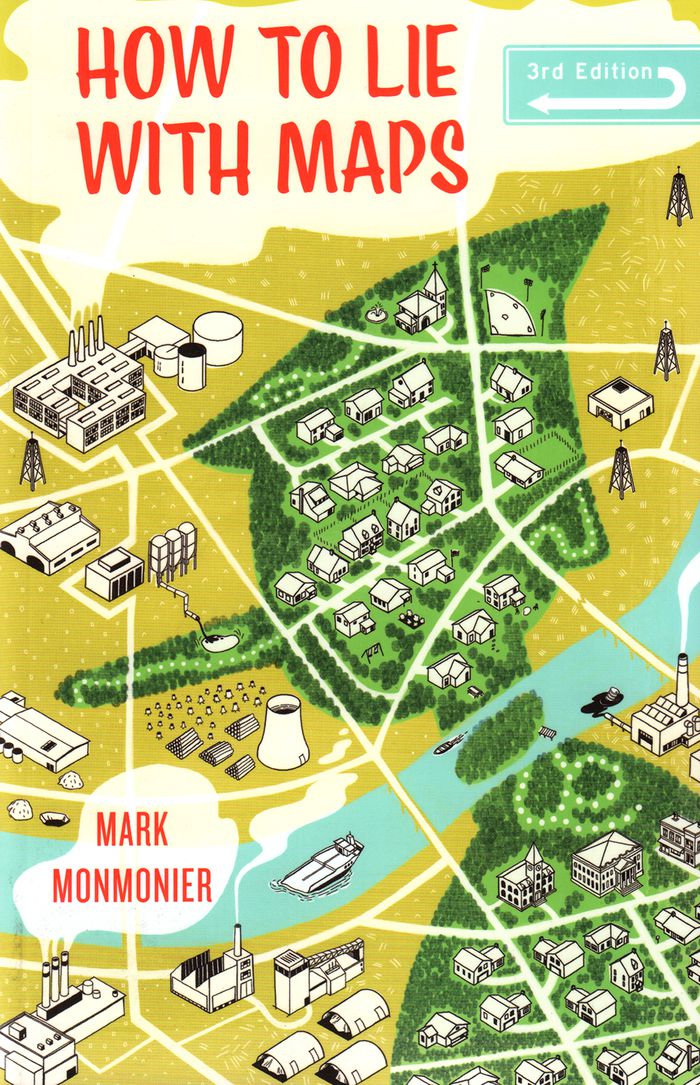
First published in 1991, "How to Lie with Maps" revealed how the choices mapmakers make—consciously or unconsciously—mean that every map inevitably presents only one of many possible stories about the places it depicts. Fully updated for the digital age, this new edition examines the myriad ways that technology offers new opportunities for cartographic mischief,(...)
Title:
How to lie with maps, 3rd edition
Actions:
Price:
$30.00
(available to order)
Summary:
First published in 1991, "How to Lie with Maps" revealed how the choices mapmakers make—consciously or unconsciously—mean that every map inevitably presents only one of many possible stories about the places it depicts. Fully updated for the digital age, this new edition examines the myriad ways that technology offers new opportunities for cartographic mischief, deception, and propaganda. While retaining the same brevity, range, and humor as its predecessors, this third edition includes significant updates throughout as well as new chapters on image maps, prohibitive cartography, and online maps. It also includes an expanded section of color images and an updated list of sources for further reading.
Form:
books
books
Publication:
April 2018
April 2018
Subject:
Architectural Plans and Cartography
Architectural Plans and Cartography
Form:
books
books
Actions:
Price:
$60.00
(available to order)
Summary:
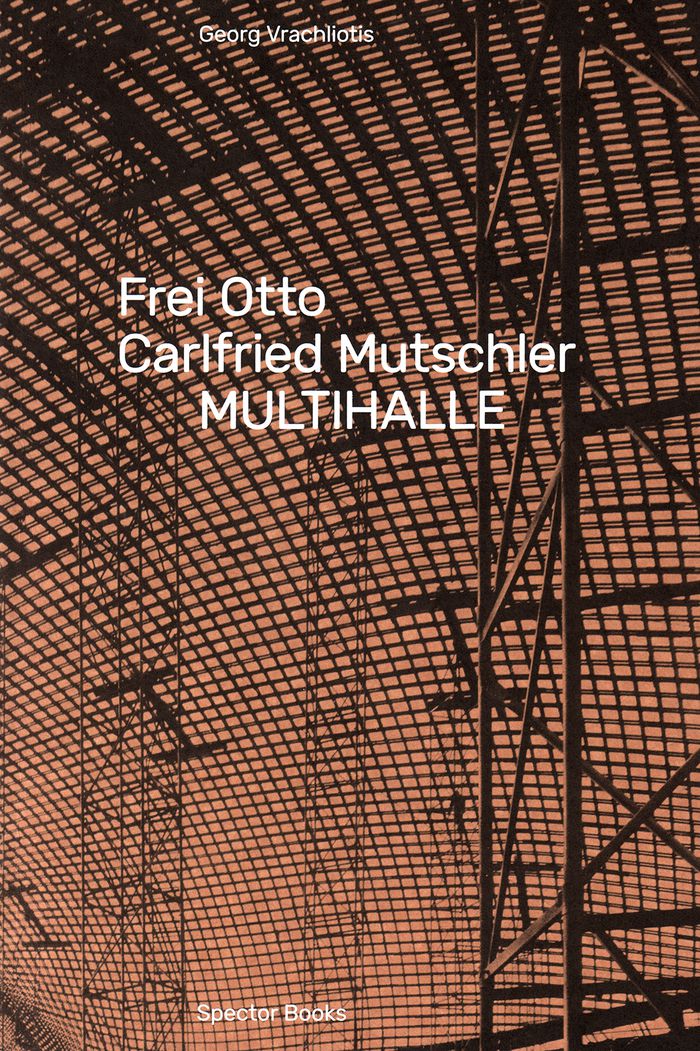
The temporary multipurpose hall built by Frei Otto and Carlfried Mutschler for the 1975 Federal Horticultural Show in Mannheim ranks as the world’s largest wooden grid shell construction. Although it was actually put under a preservation order in 1998, an international debate is now underway to discuss whether to demolish or maintain this structure. Working by and large(...)
Title:
Frei Otto and Carlfried Mutschler: Multihalle
Actions:
Price:
$60.00
(available to order)
Summary:
The temporary multipurpose hall built by Frei Otto and Carlfried Mutschler for the 1975 Federal Horticultural Show in Mannheim ranks as the world’s largest wooden grid shell construction. Although it was actually put under a preservation order in 1998, an international debate is now underway to discuss whether to demolish or maintain this structure. Working by and large without any digital computation technology, Frei Otto used a delicate suspended model to design the complex roof. Drawing on materials from the archives of Carlfried Mutschler and Frei Otto that are for the most part unpublished, the book presents the history of this experimental building for the first time.
Form:
books
books
Publication:
October 2017
October 2017
Subject:
Architecture Monographs
Architecture Monographs
Form:
books
books

Actions:
Price:
$33.95
(available to order)
Summary:
Although the term "psychedelic" was coined to describe hallucinatory experiences produced by drugs used psychotherapeutically, the story these images tell is about the influence of psychedelic culture on the art world—not necessarily the influence of drugs. As contemporary art evolved into a diverse and pluralistic discipline, the psychedelic evolved into a language of(...)
Title:
Psychedelic: Optical and visionary art since the 1960s
Actions:
Price:
$33.95
(available to order)
Summary:
Although the term "psychedelic" was coined to describe hallucinatory experiences produced by drugs used psychotherapeutically, the story these images tell is about the influence of psychedelic culture on the art world—not necessarily the influence of drugs. As contemporary art evolved into a diverse and pluralistic discipline, the psychedelic evolved into a language of color and light. In Psychedelic, more than seventy-five vivid color images chart this development, exploring the art chronologically, from early Op Art through recent work using digital technology. The book, which accompanies an exhibition organized by the San Antonio Museum of Art, includes three essays that set the works in historical and cultural context.
Form:
books
books
Publication:
April 2010
April 2010
Subject:
Art Periods and Styles
Art Periods and Styles
Form:
books
books

Price:
$34.50
(available to order)
Summary:
"There used to be a time when designers were trained in the history of composition.Now you just buy a fuckin' piece of software and now you've become a designer.""Art Chantry . . . Is he a Luddite?" asks a Rhode Island School of Design poster promoting a Chantry lecture. "Or is he a graphic design hero?"For decades this avatar of low-tech design has fought against the(...)
Subject:
Graphic Design and Typography
Graphic Design and Typography
Publication:
April 2015
April 2015
Title:
Art Chantry speaks: a heretic's history of 20th century graphic design
Actions:
Price:
$34.50
(available to order)
Summary:
"There used to be a time when designers were trained in the history of composition.Now you just buy a fuckin' piece of software and now you've become a designer.""Art Chantry . . . Is he a Luddite?" asks a Rhode Island School of Design poster promoting a Chantry lecture. "Or is he a graphic design hero?"For decades this avatar of low-tech design has fought against the cheap and easy use of digital software. Chantry's homage to expired technology, and his inspired use of Xerox machines and X-Acto blade cuts of printed material, created a much-copied style during the grunge period and beyond.
Form:
books
books
Publication:
April 2015
April 2015
Subject:
Graphic Design and Typography
Graphic Design and Typography


