


35831 Results
Form:
exhibitions
exhibitions
Actions:
Description:
Victorian medical experts insisted that houses were like bodies—that buildings could be sick—and that healthy architecture entailed a “systematic” approach to domestic sanitation, drawing from the burgeoning field of physiology. *Corpus Sanum in Domo Sano—“a healthy body in a healthy house”—explores the spatial, professional, and gender implications of the(...)
Victorian medical experts insisted that houses were like bodies—that buildings could be sick—and that healthy architecture entailed a “systematic” approach to domestic sanitation, drawing from the burgeoning field of physiology. *Corpus Sanum in Domo Sano—“a healthy body in a healthy house”—explores the spatial, professional, and gender implications of the(...)
Location:
Hall cases
Hall cases
Date:
13 November 1991 to 16 February 1992
13 November 1991 to 16 February 1992
Title:
Corpus Sanum in Domo Sano: The Architecture of the Domestic Sanitation Movement, 1870-1914
Actions:
Description:
Victorian medical experts insisted that houses were like bodies—that buildings could be sick—and that healthy architecture entailed a “systematic” approach to domestic sanitation, drawing from the burgeoning field of physiology. *Corpus Sanum in Domo Sano—“a healthy body in a healthy house”—explores the spatial, professional, and gender implications of the(...)
Corpus Sanum in Domo Sano: The Architecture of the Domestic Sanitation Movement, 1870-1914
Actions:
Description:
Victorian medical experts insisted that houses were like bodies—that buildings could be sick—and that healthy architecture entailed a “systematic” approach to domestic sanitation, drawing from the burgeoning field of physiology. *Corpus Sanum in Domo Sano—“a healthy body in a healthy house”—explores the spatial, professional, and gender implications of the(...)
Form:
exhibitions
exhibitions
Date:
13 November 1991 to
16 February 1992
13 November 1991 to
16 February 1992
Location:
Hall cases
Hall cases
Form:
exhibitions
exhibitions
Actions:
Description:
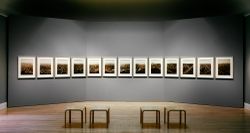
Centring on Eadweard Muybridge’s panoramas, this exhibition examines the representations of San Francisco from 1850 to 1880, a period of phenomenal growth and development for the city. Contextualizing Muybridge’s work, the exhibition includes multi-panel daguerreotype panoramas, photographic panoramas (including sets of stereocards), photographic-view books and albums,(...)
Centring on Eadweard Muybridge’s panoramas, this exhibition examines the representations of San Francisco from 1850 to 1880, a period of phenomenal growth and development for the city. Contextualizing Muybridge’s work, the exhibition includes multi-panel daguerreotype panoramas, photographic panoramas (including sets of stereocards), photographic-view books and albums,(...)
Location:
Main galleries
Main galleries
Date:
31 March 1993 to 25 July 1993
31 March 1993 to 25 July 1993
Title:
Eadweard Muybridge and the Photographic Panorama of San Francisco, 1850-1880
Actions:
Description:
Centring on Eadweard Muybridge’s panoramas, this exhibition examines the representations of San Francisco from 1850 to 1880, a period of phenomenal growth and development for the city. Contextualizing Muybridge’s work, the exhibition includes multi-panel daguerreotype panoramas, photographic panoramas (including sets of stereocards), photographic-view books and albums,(...)
Eadweard Muybridge and the Photographic Panorama of San Francisco, 1850-1880
Actions:
Description:
Centring on Eadweard Muybridge’s panoramas, this exhibition examines the representations of San Francisco from 1850 to 1880, a period of phenomenal growth and development for the city. Contextualizing Muybridge’s work, the exhibition includes multi-panel daguerreotype panoramas, photographic panoramas (including sets of stereocards), photographic-view books and albums,(...)
Form:
exhibitions
exhibitions
Date:
31 March 1993 to
25 July 1993
31 March 1993 to
25 July 1993
Location:
Main galleries
Main galleries
Form:
events
events
Actions:
Description:
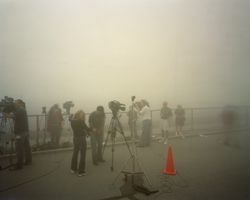
Robert Burley, CCA Mellon Senior Fellow and Assistant Professor at Ryerson University, speaks on “The Architecture of Photography in an Age of Obsolescence.” The CCA Mellon Foundation Senior Fellowship Program was established in 2001 to encourage advanced research in architectural history and thought. With the generous support of The Andrew W. Mellon Foundation,(...)
Robert Burley, CCA Mellon Senior Fellow and Assistant Professor at Ryerson University, speaks on “The Architecture of Photography in an Age of Obsolescence.” The CCA Mellon Foundation Senior Fellowship Program was established in 2001 to encourage advanced research in architectural history and thought. With the generous support of The Andrew W. Mellon Foundation,(...)
Location:
Paul Desmarais Theatre
Paul Desmarais Theatre
Date:
16 September 2010, 6pm
16 September 2010, 6pm
Title:
Robert Burley: The Architecture of Photography in an Age of Obsolescence
Actions:
Description:
Robert Burley, CCA Mellon Senior Fellow and Assistant Professor at Ryerson University, speaks on “The Architecture of Photography in an Age of Obsolescence.” The CCA Mellon Foundation Senior Fellowship Program was established in 2001 to encourage advanced research in architectural history and thought. With the generous support of The Andrew W. Mellon Foundation,(...)
Robert Burley: The Architecture of Photography in an Age of Obsolescence
Actions:
Description:
Robert Burley, CCA Mellon Senior Fellow and Assistant Professor at Ryerson University, speaks on “The Architecture of Photography in an Age of Obsolescence.” The CCA Mellon Foundation Senior Fellowship Program was established in 2001 to encourage advanced research in architectural history and thought. With the generous support of The Andrew W. Mellon Foundation,(...)
Form:
events
events
Date:
16 September 2010
6pm
16 September 2010
6pm
Location:
Paul Desmarais Theatre
Paul Desmarais Theatre
Form:
textual records
textual records
Actions:
Reference number:
ARCH258487
Description:
Publications diverses, incluant le premier rapport au conseil municipal de la Commission d'étude des problèmes de la circulation et du transport, le rapport annuel de « Les Parcs de Montréal » (1958), « Montréal et son service des travaux publics ». Comprend aussi 2 plans de Montréal (centre-ville/Square Victoria), une carte de Québec, des coupures de presse sur l'urbanisme, et une brochure du métro.
ARCH258487
Description:
Publications diverses, incluant le premier rapport au conseil municipal de la Commission d'étude des problèmes de la circulation et du transport, le rapport annuel de « Les Parcs de Montréal » (1958), « Montréal et son service des travaux publics ». Comprend aussi 2 plans de Montréal (centre-ville/Square Victoria), une carte de Québec, des coupures de presse sur l'urbanisme, et une brochure du métro.
People:
Date:
1947-1958
1947-1958
Title:
Publications diverses principalement relatives à la Ville de Montréal
Actions:
ARCH258487
Description:
Publications diverses, incluant le premier rapport au conseil municipal de la Commission d'étude des problèmes de la circulation et du transport, le rapport annuel de « Les Parcs de Montréal » (1958), « Montréal et son service des travaux publics ». Comprend aussi 2 plans de Montréal (centre-ville/Square Victoria), une carte de Québec, des coupures de presse sur l'urbanisme, et une brochure du métro.
Publications diverses principalement relatives à la Ville de Montréal
Actions:
ARCH258487
Description:
Publications diverses, incluant le premier rapport au conseil municipal de la Commission d'étude des problèmes de la circulation et du transport, le rapport annuel de « Les Parcs de Montréal » (1958), « Montréal et son service des travaux publics ». Comprend aussi 2 plans de Montréal (centre-ville/Square Victoria), une carte de Québec, des coupures de presse sur l'urbanisme, et une brochure du métro.
Form:
textual records
textual records
Date:
1947-1958
1947-1958
People:
Form:
events
events
Actions:
Description:
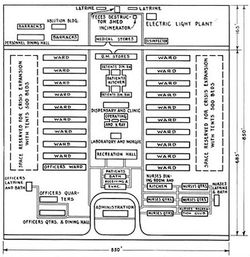
Geoff Manaugh examines urban design in the context of epidemiology, pandemics and quarantine, including measures taken by the United States’ government agency Centers for Disease Control and Prevention (CDC. Geoff Manaugh is the author of BLDGBLOG and The BLDGBLOG Book, and a contributing editor at Wired UK. His fall 2009 design studio Landscapes of Quarantine examines(...)
Geoff Manaugh examines urban design in the context of epidemiology, pandemics and quarantine, including measures taken by the United States’ government agency Centers for Disease Control and Prevention (CDC. Geoff Manaugh is the author of BLDGBLOG and The BLDGBLOG Book, and a contributing editor at Wired UK. His fall 2009 design studio Landscapes of Quarantine examines(...)
Location:
Paul Desmarais Theatre
Paul Desmarais Theatre
Date:
22 October 2009 , 7pm
22 October 2009 , 7pm
Title:
Geoff Manaugh: Cities of the CDC
Actions:
Description:
Geoff Manaugh examines urban design in the context of epidemiology, pandemics and quarantine, including measures taken by the United States’ government agency Centers for Disease Control and Prevention (CDC. Geoff Manaugh is the author of BLDGBLOG and The BLDGBLOG Book, and a contributing editor at Wired UK. His fall 2009 design studio Landscapes of Quarantine examines(...)
Geoff Manaugh: Cities of the CDC
Actions:
Description:
Geoff Manaugh examines urban design in the context of epidemiology, pandemics and quarantine, including measures taken by the United States’ government agency Centers for Disease Control and Prevention (CDC. Geoff Manaugh is the author of BLDGBLOG and The BLDGBLOG Book, and a contributing editor at Wired UK. His fall 2009 design studio Landscapes of Quarantine examines(...)
Form:
events
events
Date:
22 October 2009
7pm
22 October 2009
7pm
Location:
Paul Desmarais Theatre
Paul Desmarais Theatre
Form:
events
events
Actions:
Description:
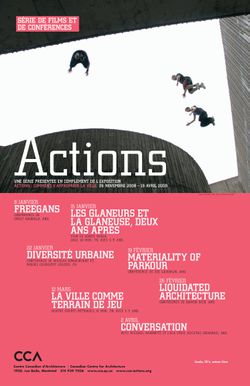
Chicago-based artist Michael Rakowitz speaks with Luca Stasi of Recetas Urbanas about their various projects. Rakowitz’s work explores the concepts of nomadic habitat and urban appropriation, while Recetas Urbanas uses strategies of urban intervention that take advantage of legal loopholes, opening up opportunities for autonomous architecture. The conversation is part of(...)
Chicago-based artist Michael Rakowitz speaks with Luca Stasi of Recetas Urbanas about their various projects. Rakowitz’s work explores the concepts of nomadic habitat and urban appropriation, while Recetas Urbanas uses strategies of urban intervention that take advantage of legal loopholes, opening up opportunities for autonomous architecture. The conversation is part of(...)
Location:
Paul Desmarais Theatre
Paul Desmarais Theatre
Date:
2 April 2009
2 April 2009
Title:
Michael Rakowitz and Luca Stasi of Recetas Urbanas
Actions:
Description:
Chicago-based artist Michael Rakowitz speaks with Luca Stasi of Recetas Urbanas about their various projects. Rakowitz’s work explores the concepts of nomadic habitat and urban appropriation, while Recetas Urbanas uses strategies of urban intervention that take advantage of legal loopholes, opening up opportunities for autonomous architecture. The conversation is part of(...)
Michael Rakowitz and Luca Stasi of Recetas Urbanas
Actions:
Description:
Chicago-based artist Michael Rakowitz speaks with Luca Stasi of Recetas Urbanas about their various projects. Rakowitz’s work explores the concepts of nomadic habitat and urban appropriation, while Recetas Urbanas uses strategies of urban intervention that take advantage of legal loopholes, opening up opportunities for autonomous architecture. The conversation is part of(...)
Form:
events
events
Date:
2 April 2009
2 April 2009
Location:
Paul Desmarais Theatre
Paul Desmarais Theatre
Form:
events
events
Actions:
Description:
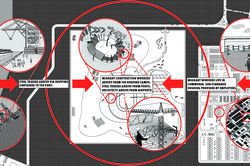
Mabel O. Wilson and Jordan Carver present the ongoing advocacy project Who Builds Your Architecture? (WBYA?), which asks architects and allied fields to better understand how the production of buildings connects their practices to migrant construction workers who build their designs. WBYA?, a group of designers, scholars, and activists based in New York City, has(...)
Mabel O. Wilson and Jordan Carver present the ongoing advocacy project Who Builds Your Architecture? (WBYA?), which asks architects and allied fields to better understand how the production of buildings connects their practices to migrant construction workers who build their designs. WBYA?, a group of designers, scholars, and activists based in New York City, has(...)
Date:
28 January 2016
28 January 2016
Title:
Practicing Advocacy: Who Builds Your Architecture?
Actions:
Description:
Mabel O. Wilson and Jordan Carver present the ongoing advocacy project Who Builds Your Architecture? (WBYA?), which asks architects and allied fields to better understand how the production of buildings connects their practices to migrant construction workers who build their designs. WBYA?, a group of designers, scholars, and activists based in New York City, has(...)
Practicing Advocacy: Who Builds Your Architecture?
Actions:
Description:
Mabel O. Wilson and Jordan Carver present the ongoing advocacy project Who Builds Your Architecture? (WBYA?), which asks architects and allied fields to better understand how the production of buildings connects their practices to migrant construction workers who build their designs. WBYA?, a group of designers, scholars, and activists based in New York City, has(...)
Form:
events
events
Date:
28 January 2016
28 January 2016
Form:
events
events
Title:
Liquidated Architecture
Liquidated Architecture
Actions:
Description:
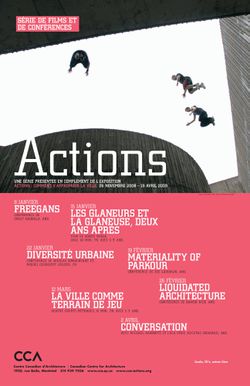
American urban planner and designer Damon Rich examines the links among politics, architecture, and history. His research analyses the evolution of the real estate market – foreclosures, mortgages, construction and zoning. He is also a collaborator of the Center for Urban Pedagogy (CUP), an organization based in Brooklyn that studies movements within cities and their(...)
American urban planner and designer Damon Rich examines the links among politics, architecture, and history. His research analyses the evolution of the real estate market – foreclosures, mortgages, construction and zoning. He is also a collaborator of the Center for Urban Pedagogy (CUP), an organization based in Brooklyn that studies movements within cities and their(...)
Location:
Paul Desmarais Theatre
Paul Desmarais Theatre
Date:
26 February 2009
26 February 2009
Title:
Liquidated Architecture
Actions:
Description:
American urban planner and designer Damon Rich examines the links among politics, architecture, and history. His research analyses the evolution of the real estate market – foreclosures, mortgages, construction and zoning. He is also a collaborator of the Center for Urban Pedagogy (CUP), an organization based in Brooklyn that studies movements within cities and their(...)
Liquidated Architecture
Actions:
Description:
American urban planner and designer Damon Rich examines the links among politics, architecture, and history. His research analyses the evolution of the real estate market – foreclosures, mortgages, construction and zoning. He is also a collaborator of the Center for Urban Pedagogy (CUP), an organization based in Brooklyn that studies movements within cities and their(...)
Form:
events
events
Date:
26 February 2009
26 February 2009
Location:
Paul Desmarais Theatre
Paul Desmarais Theatre
Level of archival description:
Series
Series
Title:
Project records from Mr. Koz
Project records from Mr. Koz
Actions:
Reference number:
AP168.S2
Description:
The Project records from Mr. Koz series, 1996, consists of records produced by Seiichi Kozu of Studio KOZ, a local architect who managed the physical construction and installation of Denari’s show “Interrupted Projections” at Gallery MA in Tokyo, Japan. The series consists of 20 drawings and/or reprographic copies, 19 layouts, 16 slides, and a small amount of promotional material including three posters and one promotional pamphlet. Records date from 1996. For Interrupted Projections, in collaboration with Tokyo-based architect Seiichi Kozu (Mr. Koz) of Studio KOZ, Denari used traditional construction techniques to build a structure inside the gallery space that blended floor, wall and ceiling into a continuous curved surface. This surface displayed printed logos for fictional corporations, designed specifically for the exhibition. The majority of drawings and reprographic copies in the series relate to the construction of the principal architectural installation built on the third floor of Gallery MA. This includes plans and sections for the third floor, as well as working drawings that detail specifications such as dimensions, materials, layouts, and assembly techniques. The series also contains a set of five drawings that include first and second floor plans and sections of Gallery MA. The majority of writing on the drawings is Japanese, aside from one reprographic copy with third floor plans and sections that contains notes in English about elements of the installation such as lighting and the placement and size of fictional company logos. Photographic materials in the series comprise 16 slides that contain images of the built installation, as well as images of the exhibition open to the public, including slides of visitors interacting with the NaviCam. The series also includes printed layouts of the 3D digital renderings for the Interrupted Projections model alongside a pantone sheet, which were used as a reference during the construction process. Promotional material in the series includes three small posters for the exhibition, as well as a brochure that highlights selected works from the show.
AP168.S2
Description:
The Project records from Mr. Koz series, 1996, consists of records produced by Seiichi Kozu of Studio KOZ, a local architect who managed the physical construction and installation of Denari’s show “Interrupted Projections” at Gallery MA in Tokyo, Japan. The series consists of 20 drawings and/or reprographic copies, 19 layouts, 16 slides, and a small amount of promotional material including three posters and one promotional pamphlet. Records date from 1996. For Interrupted Projections, in collaboration with Tokyo-based architect Seiichi Kozu (Mr. Koz) of Studio KOZ, Denari used traditional construction techniques to build a structure inside the gallery space that blended floor, wall and ceiling into a continuous curved surface. This surface displayed printed logos for fictional corporations, designed specifically for the exhibition. The majority of drawings and reprographic copies in the series relate to the construction of the principal architectural installation built on the third floor of Gallery MA. This includes plans and sections for the third floor, as well as working drawings that detail specifications such as dimensions, materials, layouts, and assembly techniques. The series also contains a set of five drawings that include first and second floor plans and sections of Gallery MA. The majority of writing on the drawings is Japanese, aside from one reprographic copy with third floor plans and sections that contains notes in English about elements of the installation such as lighting and the placement and size of fictional company logos. Photographic materials in the series comprise 16 slides that contain images of the built installation, as well as images of the exhibition open to the public, including slides of visitors interacting with the NaviCam. The series also includes printed layouts of the 3D digital renderings for the Interrupted Projections model alongside a pantone sheet, which were used as a reference during the construction process. Promotional material in the series includes three small posters for the exhibition, as well as a brochure that highlights selected works from the show.
People:
Date:
1996
1996
Title:
Project records from Mr. Koz
Actions:
AP168.S2
Description:
The Project records from Mr. Koz series, 1996, consists of records produced by Seiichi Kozu of Studio KOZ, a local architect who managed the physical construction and installation of Denari’s show “Interrupted Projections” at Gallery MA in Tokyo, Japan. The series consists of 20 drawings and/or reprographic copies, 19 layouts, 16 slides, and a small amount of promotional material including three posters and one promotional pamphlet. Records date from 1996. For Interrupted Projections, in collaboration with Tokyo-based architect Seiichi Kozu (Mr. Koz) of Studio KOZ, Denari used traditional construction techniques to build a structure inside the gallery space that blended floor, wall and ceiling into a continuous curved surface. This surface displayed printed logos for fictional corporations, designed specifically for the exhibition. The majority of drawings and reprographic copies in the series relate to the construction of the principal architectural installation built on the third floor of Gallery MA. This includes plans and sections for the third floor, as well as working drawings that detail specifications such as dimensions, materials, layouts, and assembly techniques. The series also contains a set of five drawings that include first and second floor plans and sections of Gallery MA. The majority of writing on the drawings is Japanese, aside from one reprographic copy with third floor plans and sections that contains notes in English about elements of the installation such as lighting and the placement and size of fictional company logos. Photographic materials in the series comprise 16 slides that contain images of the built installation, as well as images of the exhibition open to the public, including slides of visitors interacting with the NaviCam. The series also includes printed layouts of the 3D digital renderings for the Interrupted Projections model alongside a pantone sheet, which were used as a reference during the construction process. Promotional material in the series includes three small posters for the exhibition, as well as a brochure that highlights selected works from the show.
Project records from Mr. Koz
Actions:
AP168.S2
Description:
The Project records from Mr. Koz series, 1996, consists of records produced by Seiichi Kozu of Studio KOZ, a local architect who managed the physical construction and installation of Denari’s show “Interrupted Projections” at Gallery MA in Tokyo, Japan. The series consists of 20 drawings and/or reprographic copies, 19 layouts, 16 slides, and a small amount of promotional material including three posters and one promotional pamphlet. Records date from 1996. For Interrupted Projections, in collaboration with Tokyo-based architect Seiichi Kozu (Mr. Koz) of Studio KOZ, Denari used traditional construction techniques to build a structure inside the gallery space that blended floor, wall and ceiling into a continuous curved surface. This surface displayed printed logos for fictional corporations, designed specifically for the exhibition. The majority of drawings and reprographic copies in the series relate to the construction of the principal architectural installation built on the third floor of Gallery MA. This includes plans and sections for the third floor, as well as working drawings that detail specifications such as dimensions, materials, layouts, and assembly techniques. The series also contains a set of five drawings that include first and second floor plans and sections of Gallery MA. The majority of writing on the drawings is Japanese, aside from one reprographic copy with third floor plans and sections that contains notes in English about elements of the installation such as lighting and the placement and size of fictional company logos. Photographic materials in the series comprise 16 slides that contain images of the built installation, as well as images of the exhibition open to the public, including slides of visitors interacting with the NaviCam. The series also includes printed layouts of the 3D digital renderings for the Interrupted Projections model alongside a pantone sheet, which were used as a reference during the construction process. Promotional material in the series includes three small posters for the exhibition, as well as a brochure that highlights selected works from the show.
Level of archival description:
Series
Series
Date:
1996
1996
People:
Form:
textual records
textual records
Actions:
Reference number:
ARCH258925
Description:
Correspondance avec les fournisseurs, le Cabinet du Ministre des Travaux Publics, et Jacques Gréber, architecte, incluant des dessins de détail, des bleus pliés, des notes et calculs, relatifs à l'électricité, à l'acoustique, et des rapports d'inspection. Comprend aussi un dossier de la documentation photographique.
ARCH258925
Description:
Correspondance avec les fournisseurs, le Cabinet du Ministre des Travaux Publics, et Jacques Gréber, architecte, incluant des dessins de détail, des bleus pliés, des notes et calculs, relatifs à l'électricité, à l'acoustique, et des rapports d'inspection. Comprend aussi un dossier de la documentation photographique.
People:
Date:
1937-1940
1937-1940
Title:
Correspondance avec les fournisseurs, clients et architecte, notes et rapports
Actions:
ARCH258925
Description:
Correspondance avec les fournisseurs, le Cabinet du Ministre des Travaux Publics, et Jacques Gréber, architecte, incluant des dessins de détail, des bleus pliés, des notes et calculs, relatifs à l'électricité, à l'acoustique, et des rapports d'inspection. Comprend aussi un dossier de la documentation photographique.
Correspondance avec les fournisseurs, clients et architecte, notes et rapports
Actions:
ARCH258925
Description:
Correspondance avec les fournisseurs, le Cabinet du Ministre des Travaux Publics, et Jacques Gréber, architecte, incluant des dessins de détail, des bleus pliés, des notes et calculs, relatifs à l'électricité, à l'acoustique, et des rapports d'inspection. Comprend aussi un dossier de la documentation photographique.
Form:
textual records
textual records
Date:
1937-1940
1937-1940
People:


