


1123 Results
Form:
books
books
Actions:
Price:
$36.00
(available in store)
Summary:
The sequel to the authors’ “Are We Human?”, this provocative book is an urgent manifesto for an alternative architectural philosophy. It treats bacteria as the real architects, construction workers, maintenance crews and inhabitants of buildings. Colomina and Wigley draw on the latest research into microbes to rethink the past and possible futures of the built(...)
$36.00
(available in store)
Summary:
The sequel to the authors’ “Are We Human?”, this provocative book is an urgent manifesto for an alternative architectural philosophy. It treats bacteria as the real architects, construction workers, maintenance crews and inhabitants of buildings. Colomina and Wigley draw on the latest research into microbes to rethink the past and possible futures of the built(...)
Title:
We the bacteria: Notes towards biotic architecture
Actions:
Price:
$36.00
(available in store)
Summary:
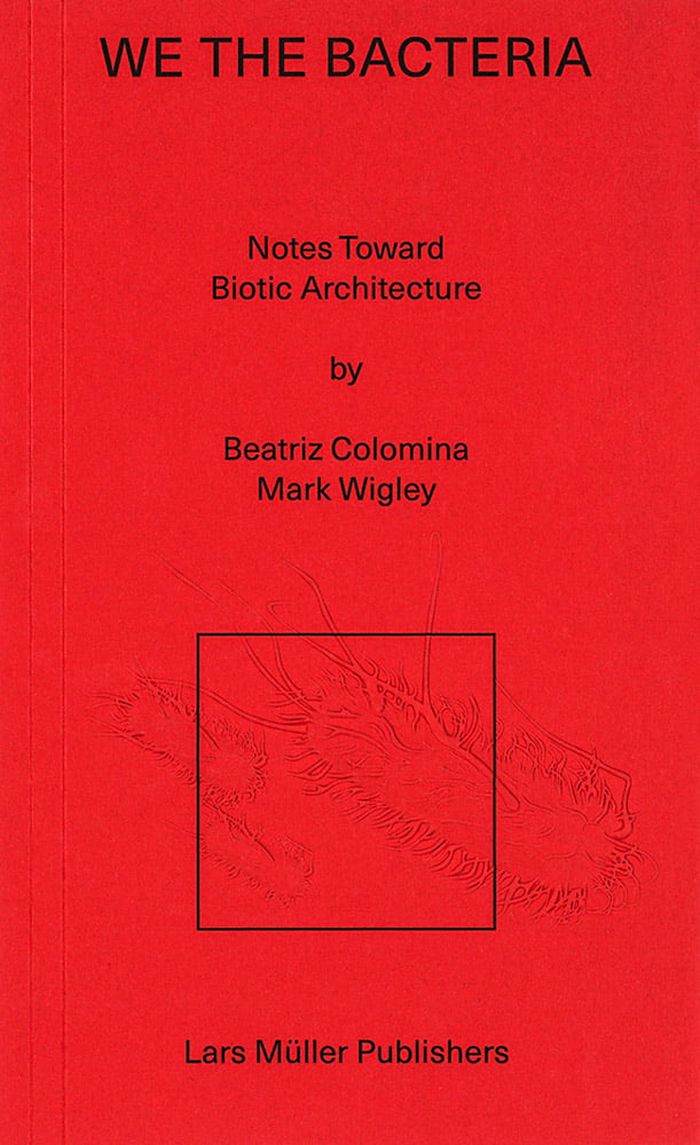
The sequel to the authors’ “Are We Human?”, this provocative book is an urgent manifesto for an alternative architectural philosophy. It treats bacteria as the real architects, construction workers, maintenance crews and inhabitants of buildings. Colomina and Wigley draw on the latest research into microbes to rethink the past and possible futures of the built environment. The book explores the intimate entanglements of the microbes within bodies and buildings over the last 10,000 years, culminating in the antibiotic philosophy of contemporary architecture. The diseases of our time are diseases of the built environment. The deadly combination of rapidly declining microbial diversity and rising antibiotic-resistant bacteria is as great a threat as climate change. Hostility to bacteria has to give way to new forms of hospitality from a more symbiotic architecture that learns from bacteria, embracing them and reconnecting with soil, plants and other species. Buildings based on fear of bacteria, which is to say fear of life itself, must give way to buildings learning from models of coexistence based on bacteria themselves. The main goal of the book is to rethink the very idea of shelter in terms of forms of inclusion rather than prophylactic forms of exclusion.
We the bacteria: Notes towards biotic architecture
Actions:
Price:
$36.00
(available in store)
Summary:
The sequel to the authors’ “Are We Human?”, this provocative book is an urgent manifesto for an alternative architectural philosophy. It treats bacteria as the real architects, construction workers, maintenance crews and inhabitants of buildings. Colomina and Wigley draw on the latest research into microbes to rethink the past and possible futures of the built environment. The book explores the intimate entanglements of the microbes within bodies and buildings over the last 10,000 years, culminating in the antibiotic philosophy of contemporary architecture. The diseases of our time are diseases of the built environment. The deadly combination of rapidly declining microbial diversity and rising antibiotic-resistant bacteria is as great a threat as climate change. Hostility to bacteria has to give way to new forms of hospitality from a more symbiotic architecture that learns from bacteria, embracing them and reconnecting with soil, plants and other species. Buildings based on fear of bacteria, which is to say fear of life itself, must give way to buildings learning from models of coexistence based on bacteria themselves. The main goal of the book is to rethink the very idea of shelter in terms of forms of inclusion rather than prophylactic forms of exclusion.
Form:
books
books
Publication:
October 2025
October 2025
Subject:
Architecture ecologies
Architecture ecologies
Form:
journals and magazines
journals and magazines
Actions:
Price:
$21.48
(available to order)
Summary:
“A terrible mechanism [is] on the march, its gears multiplying.” So begins the 48th issue of Harvard Design Magazine, guest edited by Mark Lee, chair of the department of architecture at the Harvard Graduate School of Design, and Florencia Rodriguez, editorial director of -Ness Magazine. The issue takes as its theme the slippery and ambiguous figure of “America,” seen(...)
$21.48
(available to order)
Summary:
“A terrible mechanism [is] on the march, its gears multiplying.” So begins the 48th issue of Harvard Design Magazine, guest edited by Mark Lee, chair of the department of architecture at the Harvard Graduate School of Design, and Florencia Rodriguez, editorial director of -Ness Magazine. The issue takes as its theme the slippery and ambiguous figure of “America,” seen(...)
Title:
Harvard Design Magazine 48 : America
Actions:
Price:
$21.48
(available to order)
Summary:
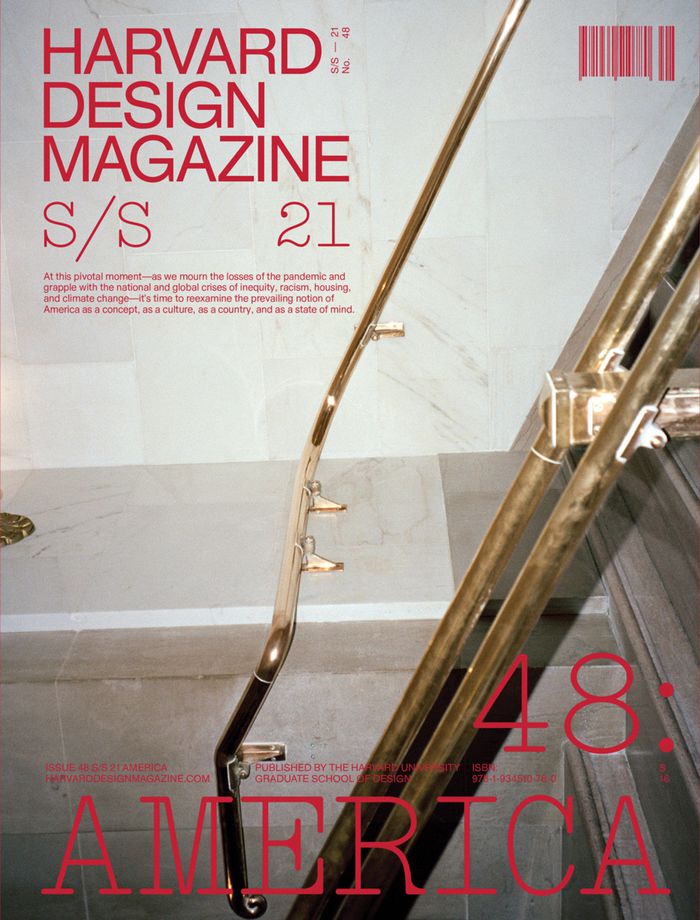
“A terrible mechanism [is] on the march, its gears multiplying.” So begins the 48th issue of Harvard Design Magazine, guest edited by Mark Lee, chair of the department of architecture at the Harvard Graduate School of Design, and Florencia Rodriguez, editorial director of -Ness Magazine. The issue takes as its theme the slippery and ambiguous figure of “America,” seen through the lens of the built and unbuilt environment. Americanization—once the “terrible mechanism” bent on pressing capitalist values on emerging economies everywhere—is now in retreat, eclipsed by the more urgent domestic concerns of pandemic and climate change, racial injustice and domestic radicalization. The very notion of what constitutes America is ripe for redefinition. The America Issue of Harvard Design Magazine, featuring a new design and art direction by Alexis Mark, invites historians, architects, landscape architects, urban designers, theorists, curators, artists, and planners to reflect on the country’s past and present, and to imagine sustainable futures. Projects, taxonomies, dialogues, essays, and spatial interpretations explore possible Americas. They allow us to delve into issues relevant to small cities, towns, and rural areas—as well as major urban centers—and to study barriers and opportunities facing communities across the country.
Harvard Design Magazine 48 : America
Actions:
Price:
$21.48
(available to order)
Summary:
“A terrible mechanism [is] on the march, its gears multiplying.” So begins the 48th issue of Harvard Design Magazine, guest edited by Mark Lee, chair of the department of architecture at the Harvard Graduate School of Design, and Florencia Rodriguez, editorial director of -Ness Magazine. The issue takes as its theme the slippery and ambiguous figure of “America,” seen through the lens of the built and unbuilt environment. Americanization—once the “terrible mechanism” bent on pressing capitalist values on emerging economies everywhere—is now in retreat, eclipsed by the more urgent domestic concerns of pandemic and climate change, racial injustice and domestic radicalization. The very notion of what constitutes America is ripe for redefinition. The America Issue of Harvard Design Magazine, featuring a new design and art direction by Alexis Mark, invites historians, architects, landscape architects, urban designers, theorists, curators, artists, and planners to reflect on the country’s past and present, and to imagine sustainable futures. Projects, taxonomies, dialogues, essays, and spatial interpretations explore possible Americas. They allow us to delve into issues relevant to small cities, towns, and rural areas—as well as major urban centers—and to study barriers and opportunities facing communities across the country.
Form:
journals and magazines
journals and magazines
Publication:
April 2021
April 2021
Subject:
Magazines
Magazines
Form:
books
books
Actions:
Price:
$39.95
(available to order)
Summary:
Forming a comprehensive picture of the multiple processes, regulations, institutions, technologies, networks, and operations that we have come to understand as the distributed infrastructural arena in which we act, yield, and plot is a perennial challenge. Over the past decade, a growing number of artists, theorists, curators, and researchers have moved from(...)
$39.95
(available to order)
Summary:
Forming a comprehensive picture of the multiple processes, regulations, institutions, technologies, networks, and operations that we have come to understand as the distributed infrastructural arena in which we act, yield, and plot is a perennial challenge. Over the past decade, a growing number of artists, theorists, curators, and researchers have moved from(...)
Title:
Between the material and the possible: Infrastructural re-examination and speculation in art
Actions:
Price:
$39.95
(available to order)
Summary:
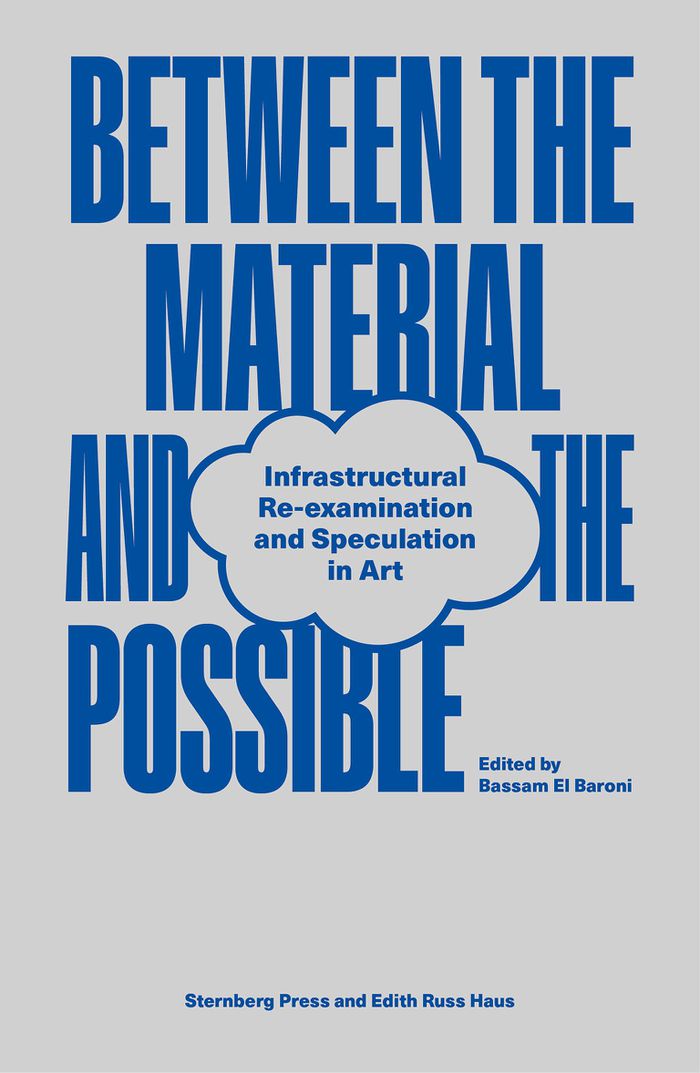
Forming a comprehensive picture of the multiple processes, regulations, institutions, technologies, networks, and operations that we have come to understand as the distributed infrastructural arena in which we act, yield, and plot is a perennial challenge. Over the past decade, a growing number of artists, theorists, curators, and researchers have moved from ''institutional critique'' to ''infrastructural critique,'' or toward ''infrastructural speculation,'' in which they explore the potential of creative infrastructure-related visions and scenarios. In attempts to counter the impasse of ''the cancelled future,'' art has immersed itself in systemic critiques and propositional thinking, addressing major challenges, such as the rampant financialization of the economy and runaway climate change. From questions around space settlements to the possibility of repurposing blockchain infrastructures and financial instruments for redistributive purposes, and from the diagrammatic potential of infrastructural thinking in artistic practices to scenario planning and economic strategizing, this collection of new essays brings together critical analysis from a broad group of contributors engaged in the revisioning of our infrastructural futures. Their interrogations span local and global relationalities, historical and political legacies, as well as future-oriented infrastructural hypotheses.
Between the material and the possible: Infrastructural re-examination and speculation in art
Actions:
Price:
$39.95
(available to order)
Summary:
Forming a comprehensive picture of the multiple processes, regulations, institutions, technologies, networks, and operations that we have come to understand as the distributed infrastructural arena in which we act, yield, and plot is a perennial challenge. Over the past decade, a growing number of artists, theorists, curators, and researchers have moved from ''institutional critique'' to ''infrastructural critique,'' or toward ''infrastructural speculation,'' in which they explore the potential of creative infrastructure-related visions and scenarios. In attempts to counter the impasse of ''the cancelled future,'' art has immersed itself in systemic critiques and propositional thinking, addressing major challenges, such as the rampant financialization of the economy and runaway climate change. From questions around space settlements to the possibility of repurposing blockchain infrastructures and financial instruments for redistributive purposes, and from the diagrammatic potential of infrastructural thinking in artistic practices to scenario planning and economic strategizing, this collection of new essays brings together critical analysis from a broad group of contributors engaged in the revisioning of our infrastructural futures. Their interrogations span local and global relationalities, historical and political legacies, as well as future-oriented infrastructural hypotheses.
Form:
books
books
Publication:
August 2022
August 2022
Subject:
Art Theory
Art Theory
Form:
books
books
Actions:
Price:
$19.95
(available to order)
Summary:
Welcome to Blubberland--a world of quadruple-garaged mansions, vast malls, gated communities, stretch limos, and posh resorts. Blubberland is a place, but it is also a state of mind: we expect to be happy (trophy house, SUV in the driveway, home entertainment system, pension fund, cosmetic surgery), but in fact we've grown increasingly bloated, bored, and miserable. In(...)
$19.95
(available to order)
Summary:
Welcome to Blubberland--a world of quadruple-garaged mansions, vast malls, gated communities, stretch limos, and posh resorts. Blubberland is a place, but it is also a state of mind: we expect to be happy (trophy house, SUV in the driveway, home entertainment system, pension fund, cosmetic surgery), but in fact we've grown increasingly bloated, bored, and miserable. In(...)
Title:
Blubberland: the dangers of happiness
Actions:
Price:
$19.95
(available to order)
Summary:
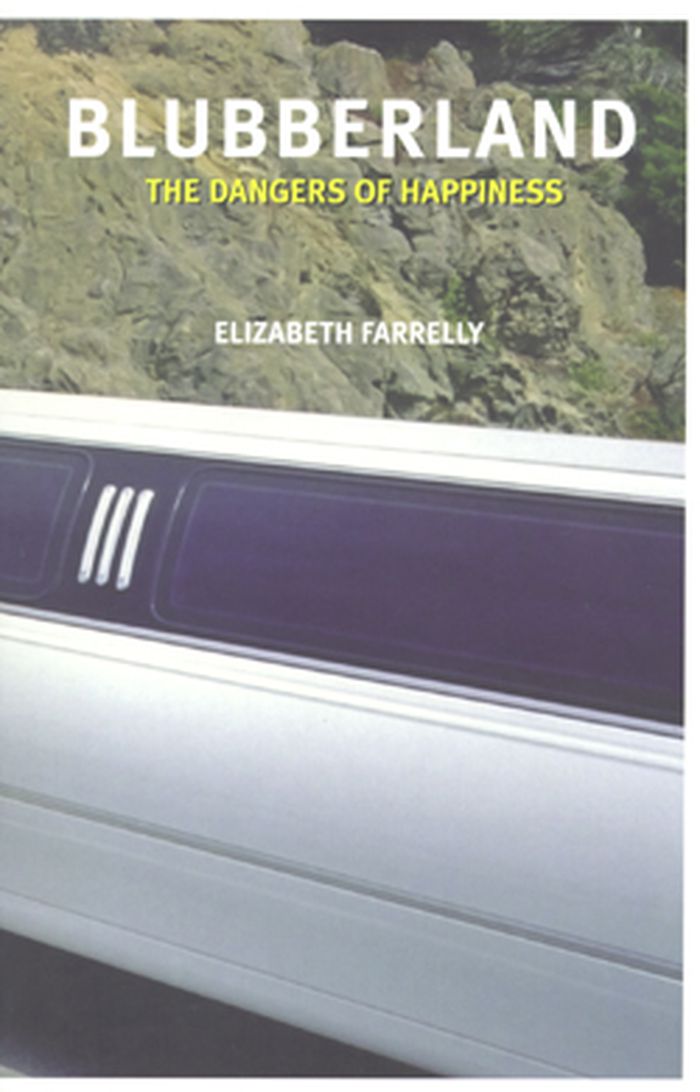
Welcome to Blubberland--a world of quadruple-garaged mansions, vast malls, gated communities, stretch limos, and posh resorts. Blubberland is a place, but it is also a state of mind: we expect to be happy (trophy house, SUV in the driveway, home entertainment system, pension fund, cosmetic surgery), but in fact we've grown increasingly bloated, bored, and miserable. In Blubberland, award-winning critic Elizabeth Farrelly looks at our "superfluous superfluity," our huge eco-footprint, and asks why we find it so hard to abandon habits we know to be destructive. Why can't we build human-scale cities, design meaningful public spaces, eat reasonable meals, and stop assaulting nature? Farrelly, trained as an architect, begins this story with architecture, urban sprawl, and housing, but she does not end there. She also looks at "affluenza," childhood asthma, diabetes, addiction, beauty, ugliness, narcissism, climate change, mega-churches, big box retailers, sustainability, depression, anorexia, and the links that collect all of these issues under the same roof--the roof, as it were, of the McMansion. As "big" becomes more and more pervasive, and success is seen in increasingly measurable and material terms, the goal of happiness jeopardizes our survival. Blubberland is a smart, thoughtful, and stylish argument for turning things around.
Blubberland: the dangers of happiness
Actions:
Price:
$19.95
(available to order)
Summary:
Welcome to Blubberland--a world of quadruple-garaged mansions, vast malls, gated communities, stretch limos, and posh resorts. Blubberland is a place, but it is also a state of mind: we expect to be happy (trophy house, SUV in the driveway, home entertainment system, pension fund, cosmetic surgery), but in fact we've grown increasingly bloated, bored, and miserable. In Blubberland, award-winning critic Elizabeth Farrelly looks at our "superfluous superfluity," our huge eco-footprint, and asks why we find it so hard to abandon habits we know to be destructive. Why can't we build human-scale cities, design meaningful public spaces, eat reasonable meals, and stop assaulting nature? Farrelly, trained as an architect, begins this story with architecture, urban sprawl, and housing, but she does not end there. She also looks at "affluenza," childhood asthma, diabetes, addiction, beauty, ugliness, narcissism, climate change, mega-churches, big box retailers, sustainability, depression, anorexia, and the links that collect all of these issues under the same roof--the roof, as it were, of the McMansion. As "big" becomes more and more pervasive, and success is seen in increasingly measurable and material terms, the goal of happiness jeopardizes our survival. Blubberland is a smart, thoughtful, and stylish argument for turning things around.
Form:
books
books
Publication:
March 2008, Cambridge, London
March 2008, Cambridge, London
Subject:
Urban Theory
Urban Theory
Form:
books
books
Actions:
Price:
$30.00
(available to order)
Summary:
Our culture has no concept of stopping. We continue to build motorways and airports for a future in which cars and planes may no longer exist. We’re converting our planet from a natural one to an artificial one in which the quantity of man-made objects – houses, asphalt, cars, plastic, computers and so on – now exceeds the totality of living matter. And while biomass(...)
$30.00
(available to order)
Summary:
Our culture has no concept of stopping. We continue to build motorways and airports for a future in which cars and planes may no longer exist. We’re converting our planet from a natural one to an artificial one in which the quantity of man-made objects – houses, asphalt, cars, plastic, computers and so on – now exceeds the totality of living matter. And while biomass(...)
Title:
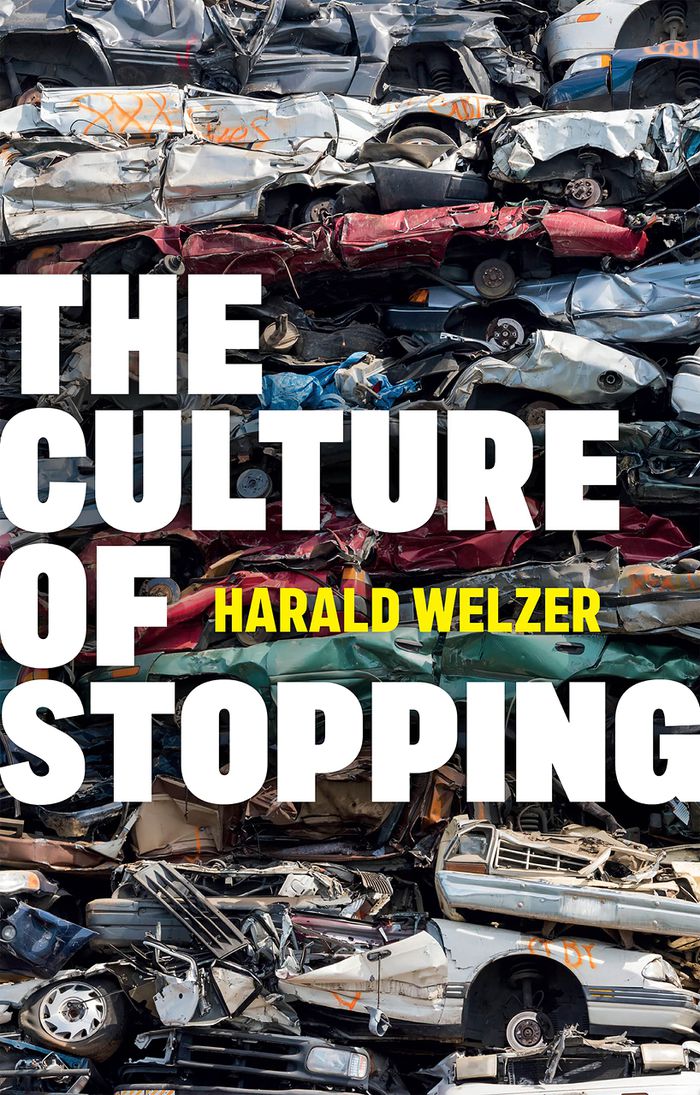
The culture of stopping: obituary to myself
Actions:
Price:
$30.00
(available to order)
Summary:
Our culture has no concept of stopping. We continue to build motorways and airports for a future in which cars and planes may no longer exist. We’re converting our planet from a natural one to an artificial one in which the quantity of man-made objects – houses, asphalt, cars, plastic, computers and so on – now exceeds the totality of living matter. And while biomass continues to decline due to deforestation and species extinction, the mass of man-made objects is growing faster than ever. We’re on a treadmill to disaster. To get off this treadmill, argues Harald Welzer, we need to learn how to stop: as individuals and as societies, we need to stop doing what we’re doing and say ‘enough’. We find it hard to do this because our culture has trained us to regard endless escalation as desirable, and we’re reluctant to surrender the material benefits of growth. But as long as the expansive cultural model continues to prevail, there will be no change of course in favour of sustainable and climate-friendly practices and lifestyles. We need a cultural model in which the beauty of stopping is given the recognition needed for the project of civilization to continue. Optimizing processes that are heading in the wrong direction only makes matters worse.
The culture of stopping: obituary to myself
Actions:
Price:
$30.00
(available to order)
Summary:
Our culture has no concept of stopping. We continue to build motorways and airports for a future in which cars and planes may no longer exist. We’re converting our planet from a natural one to an artificial one in which the quantity of man-made objects – houses, asphalt, cars, plastic, computers and so on – now exceeds the totality of living matter. And while biomass continues to decline due to deforestation and species extinction, the mass of man-made objects is growing faster than ever. We’re on a treadmill to disaster. To get off this treadmill, argues Harald Welzer, we need to learn how to stop: as individuals and as societies, we need to stop doing what we’re doing and say ‘enough’. We find it hard to do this because our culture has trained us to regard endless escalation as desirable, and we’re reluctant to surrender the material benefits of growth. But as long as the expansive cultural model continues to prevail, there will be no change of course in favour of sustainable and climate-friendly practices and lifestyles. We need a cultural model in which the beauty of stopping is given the recognition needed for the project of civilization to continue. Optimizing processes that are heading in the wrong direction only makes matters worse.
Form:
books
books
Publication:
August 2023
August 2023
Subject:
Social
Social
Form:
books
books
Actions:
Price:
$37.99
(available in store)
Summary:
In "The effluent eye," Rosemary J. Jolly argues for the decolonization of human rights, attributing their failure not simply to state and institutional malfeasance but to the very concept of human rights as anthropocentric-and, therefore, fatally shortsighted. In an engaging mix of literary and cultural criticism, Indigenous and Black critique, and substantive forays into(...)
$37.99
(available in store)
Summary:
In "The effluent eye," Rosemary J. Jolly argues for the decolonization of human rights, attributing their failure not simply to state and institutional malfeasance but to the very concept of human rights as anthropocentric-and, therefore, fatally shortsighted. In an engaging mix of literary and cultural criticism, Indigenous and Black critique, and substantive forays into(...)
Title:
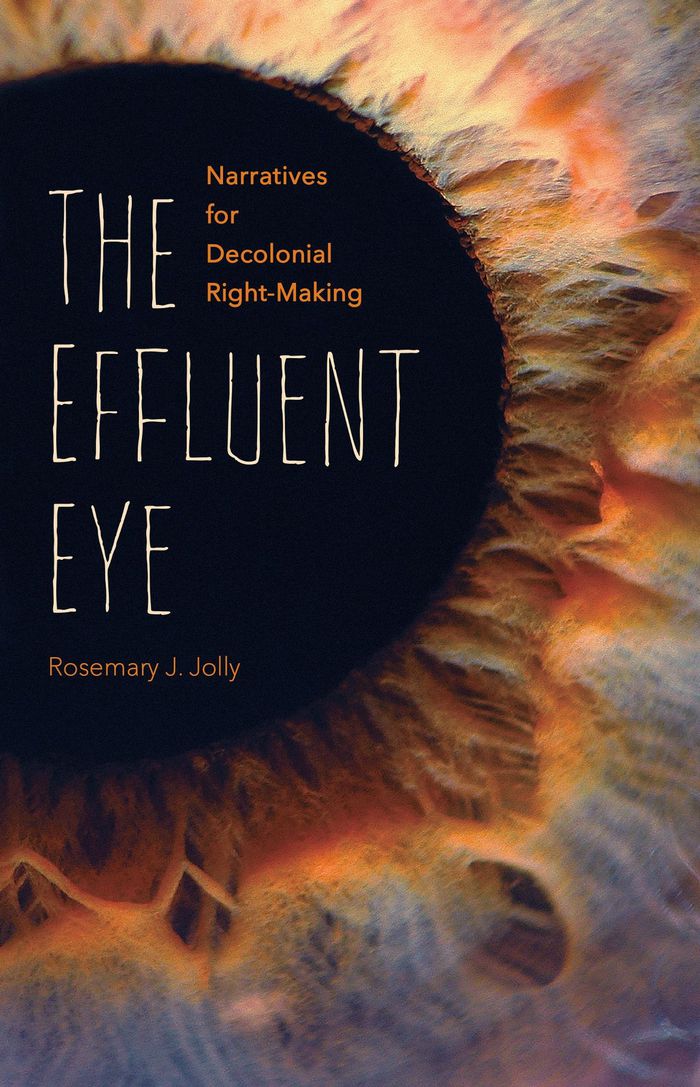
The effluent eye: Narratives for decolonial right-making
Actions:
Price:
$37.99
(available in store)
Summary:
In "The effluent eye," Rosemary J. Jolly argues for the decolonization of human rights, attributing their failure not simply to state and institutional malfeasance but to the very concept of human rights as anthropocentric-and, therefore, fatally shortsighted. In an engaging mix of literary and cultural criticism, Indigenous and Black critique, and substantive forays into the medical humanities, Jolly proposes right-making in the demise of human rights. Using what she calls an "effluent eye," Jolly draws on "Fifth Wave" structural public health to confront the concept of human rights-one of the most powerful and widely entrenched liberal ideas. She builds on Indigenous sovereignty work from authors such as Robin Wall Kimmerer, Leanne Betasamosake Simpson, and Mark Rifkin as well as the littoral development in Black studies from Christine Sharpe, Saidiya Hartman, and Tiffany Lethabo King to engage decolonial thinking on a range of urgent topics such as pandemic history and grief; gender-based violence and sexual assault; and the connections between colonial capitalism and substance abuse, the Anthropocene, and climate change. Combining witnessed experience with an array of decolonial texts, Jolly argues for an effluent form of reading that begins with the understanding that the granting of "rights" to individuals is meaningless in a world compromised by pollution, poverty, and successive pandemics.
The effluent eye: Narratives for decolonial right-making
Actions:
Price:
$37.99
(available in store)
Summary:
In "The effluent eye," Rosemary J. Jolly argues for the decolonization of human rights, attributing their failure not simply to state and institutional malfeasance but to the very concept of human rights as anthropocentric-and, therefore, fatally shortsighted. In an engaging mix of literary and cultural criticism, Indigenous and Black critique, and substantive forays into the medical humanities, Jolly proposes right-making in the demise of human rights. Using what she calls an "effluent eye," Jolly draws on "Fifth Wave" structural public health to confront the concept of human rights-one of the most powerful and widely entrenched liberal ideas. She builds on Indigenous sovereignty work from authors such as Robin Wall Kimmerer, Leanne Betasamosake Simpson, and Mark Rifkin as well as the littoral development in Black studies from Christine Sharpe, Saidiya Hartman, and Tiffany Lethabo King to engage decolonial thinking on a range of urgent topics such as pandemic history and grief; gender-based violence and sexual assault; and the connections between colonial capitalism and substance abuse, the Anthropocene, and climate change. Combining witnessed experience with an array of decolonial texts, Jolly argues for an effluent form of reading that begins with the understanding that the granting of "rights" to individuals is meaningless in a world compromised by pollution, poverty, and successive pandemics.
Form:
books
books
Publication:
January 2024
January 2024
Subject:
Critical Theory
Critical Theory
Form:
books
books
Price:
$58.95
(available in store)
Summary:
This book brings the history of the geosciences and world cosmologies together, exploring many traditions, including Chinese, Pacific, Islamic, South and Southeast Asian conceptions of the earth’s origin and makeup. Together the chapters ask: How have different ideas about the sacred, animate, and earthly changed modern environmental sciences? How have different world(...)
$58.95
(available in store)
Summary:
This book brings the history of the geosciences and world cosmologies together, exploring many traditions, including Chinese, Pacific, Islamic, South and Southeast Asian conceptions of the earth’s origin and makeup. Together the chapters ask: How have different ideas about the sacred, animate, and earthly changed modern environmental sciences? How have different world(...)
Subject:
Environment and environmental theory
Environment and environmental theory
Publication:
November 2023
November 2023
Title:
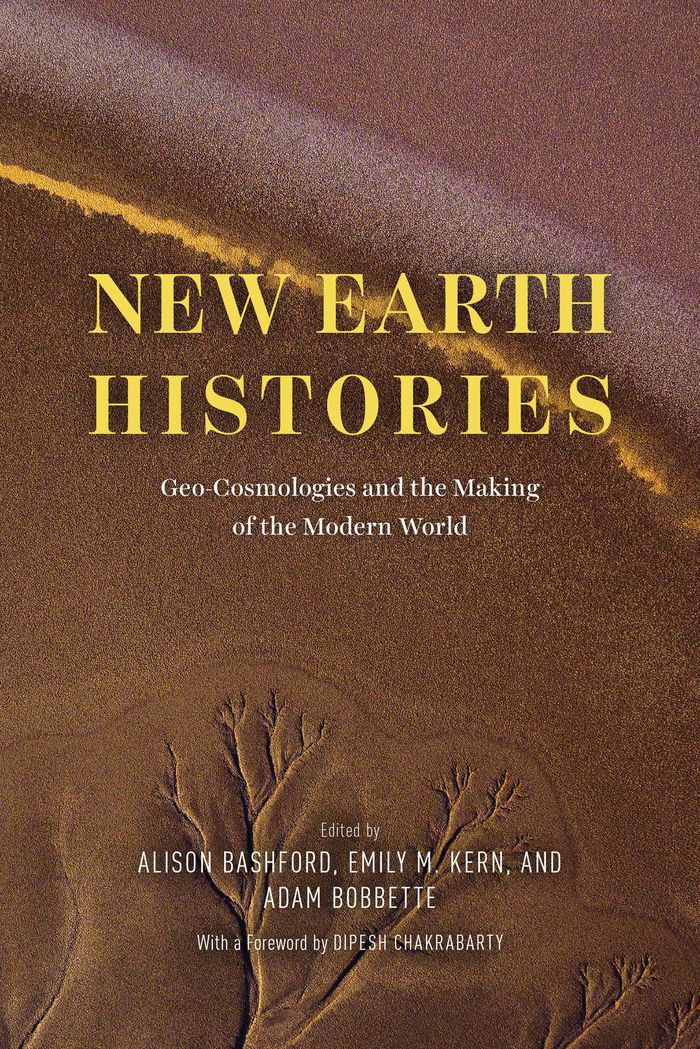
New earth histories: Geo-cosmologies and the making of the modern world
Actions:
Price:
$58.95
(available in store)
Summary:
This book brings the history of the geosciences and world cosmologies together, exploring many traditions, including Chinese, Pacific, Islamic, South and Southeast Asian conceptions of the earth’s origin and makeup. Together the chapters ask: How have different ideas about the sacred, animate, and earthly changed modern environmental sciences? How have different world traditions understood human and geological origins? How does the inclusion of multiple cosmologies change the meaning of the Anthropocene and the global climate crisis? By carefully examining these questions, ''New earth histories'' sets an ambitious agenda for how we think about the earth. The chapters consider debates about the age and structure of the earth, how humans and earth systems interact, and how empire has been conceived in multiple traditions. The methods the authors deploy are diverse—from cultural history and visual and material studies to ethnography, geography, and Indigenous studies—and the effect is to highlight how earth knowledge emerged from historically specific situations. ''New earth histories'' provides both a framework for studying science at a global scale and fascinating examples to educate as well as inspire future work. Essential reading for students and scholars of earth science history, environmental humanities, history of science and religion, and science and empire.
New earth histories: Geo-cosmologies and the making of the modern world
Actions:
Price:
$58.95
(available in store)
Summary:
This book brings the history of the geosciences and world cosmologies together, exploring many traditions, including Chinese, Pacific, Islamic, South and Southeast Asian conceptions of the earth’s origin and makeup. Together the chapters ask: How have different ideas about the sacred, animate, and earthly changed modern environmental sciences? How have different world traditions understood human and geological origins? How does the inclusion of multiple cosmologies change the meaning of the Anthropocene and the global climate crisis? By carefully examining these questions, ''New earth histories'' sets an ambitious agenda for how we think about the earth. The chapters consider debates about the age and structure of the earth, how humans and earth systems interact, and how empire has been conceived in multiple traditions. The methods the authors deploy are diverse—from cultural history and visual and material studies to ethnography, geography, and Indigenous studies—and the effect is to highlight how earth knowledge emerged from historically specific situations. ''New earth histories'' provides both a framework for studying science at a global scale and fascinating examples to educate as well as inspire future work. Essential reading for students and scholars of earth science history, environmental humanities, history of science and religion, and science and empire.
Form:
books
books
Publication:
November 2023
November 2023
Subject:
Environment and environmental theory
Environment and environmental theory
Form:
books
books
Actions:
Price:
$47.95
(available to order)
Summary:
Plastiglomerates, surveillance robot dogs, fordite, artificial grass, antenna trees, COVID-19, decapitated mountains, drone-fighting eagles, standardized bananas: all of these specimens—some more familiar than others—are examples of the hybridity that shapes the current landscapes of science, technology and everyday life. Inspired by medieval bestiaries and the(...)
$47.95
(available to order)
Summary:
Plastiglomerates, surveillance robot dogs, fordite, artificial grass, antenna trees, COVID-19, decapitated mountains, drone-fighting eagles, standardized bananas: all of these specimens—some more familiar than others—are examples of the hybridity that shapes the current landscapes of science, technology and everyday life. Inspired by medieval bestiaries and the(...)
Title:
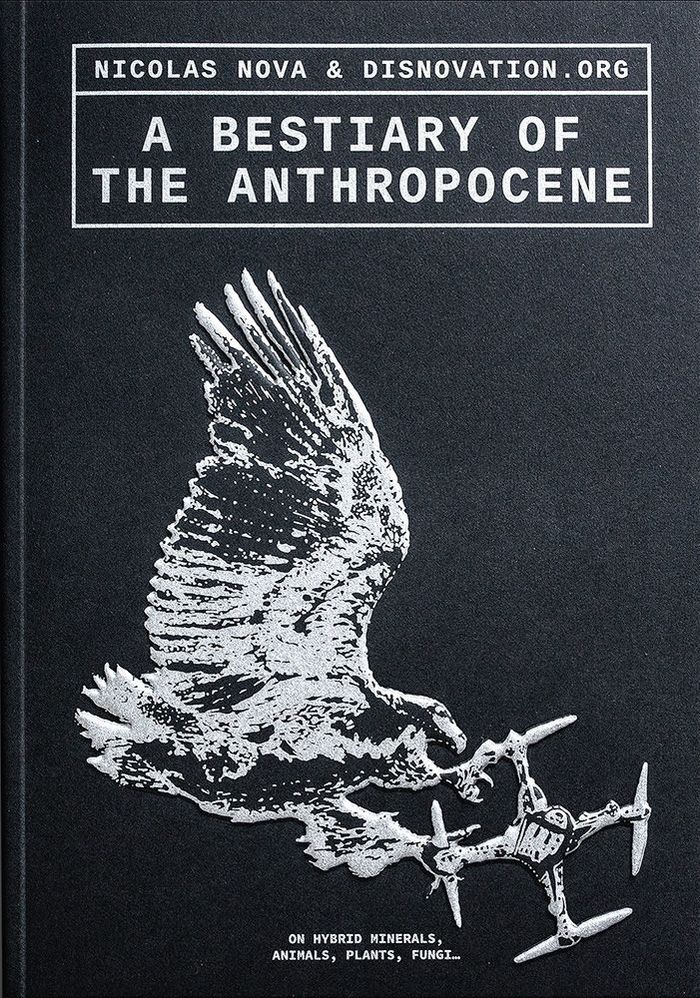
A bestiary of the Anthropocene. Hybrid plants, animals, minerals, fungi, and other specimens
Actions:
Price:
$47.95
(available to order)
Summary:
Plastiglomerates, surveillance robot dogs, fordite, artificial grass, antenna trees, COVID-19, decapitated mountains, drone-fighting eagles, standardized bananas: all of these specimens—some more familiar than others—are examples of the hybridity that shapes the current landscapes of science, technology and everyday life. Inspired by medieval bestiaries and the increasingly visible effects of climate change on the planet, French researcher Nicolas Nova & art collective DISNOVATION.ORG provide an ethnographic guide to the ''post-natural'' era in which we live, highlighting the amalgamations of nature and artifice that already co-exist in the 21st century. A sort of field handbook, ''A bestiary of the Anthropocene'' aims to help us orient ourselves within the technosphere and the biosphere. What happens when technologies and their unintended consequences become so ubiquitous that it is difficult to define what is “natural” or not? What does it mean to live in a hybrid environment made of organic and synthetic matter? In order to answer such questions, Nova & DISNOVATION.ORG bring their own research together with contributions from collectives such as the Center for Genomic Gastronomy and Aliens in Green as well as text by scholars and researchers from around the world. Polish graphic designer Maria Roszkowska provides illustrations.
A bestiary of the Anthropocene. Hybrid plants, animals, minerals, fungi, and other specimens
Actions:
Price:
$47.95
(available to order)
Summary:
Plastiglomerates, surveillance robot dogs, fordite, artificial grass, antenna trees, COVID-19, decapitated mountains, drone-fighting eagles, standardized bananas: all of these specimens—some more familiar than others—are examples of the hybridity that shapes the current landscapes of science, technology and everyday life. Inspired by medieval bestiaries and the increasingly visible effects of climate change on the planet, French researcher Nicolas Nova & art collective DISNOVATION.ORG provide an ethnographic guide to the ''post-natural'' era in which we live, highlighting the amalgamations of nature and artifice that already co-exist in the 21st century. A sort of field handbook, ''A bestiary of the Anthropocene'' aims to help us orient ourselves within the technosphere and the biosphere. What happens when technologies and their unintended consequences become so ubiquitous that it is difficult to define what is “natural” or not? What does it mean to live in a hybrid environment made of organic and synthetic matter? In order to answer such questions, Nova & DISNOVATION.ORG bring their own research together with contributions from collectives such as the Center for Genomic Gastronomy and Aliens in Green as well as text by scholars and researchers from around the world. Polish graphic designer Maria Roszkowska provides illustrations.
Form:
books
books
Publication:
May 2021
May 2021
Subject:
Environment and environmental theory
Environment and environmental theory
Form:
books
books
Price:
$24.95
(available to order)
Summary:
During the two hundred millennia we've been on the planet, nothing has shaped us more profoundly than the city. In a fascinating narrative that ranges through cities famous and forgotten, acclaimed historian Ben Wilson tells the glorious story of how urban living has allowed human culture to flourish. Beginning with Uruk, the world's first city, he shows that cities(...)
$24.95
(available to order)
Summary:
During the two hundred millennia we've been on the planet, nothing has shaped us more profoundly than the city. In a fascinating narrative that ranges through cities famous and forgotten, acclaimed historian Ben Wilson tells the glorious story of how urban living has allowed human culture to flourish. Beginning with Uruk, the world's first city, he shows that cities(...)
Title:
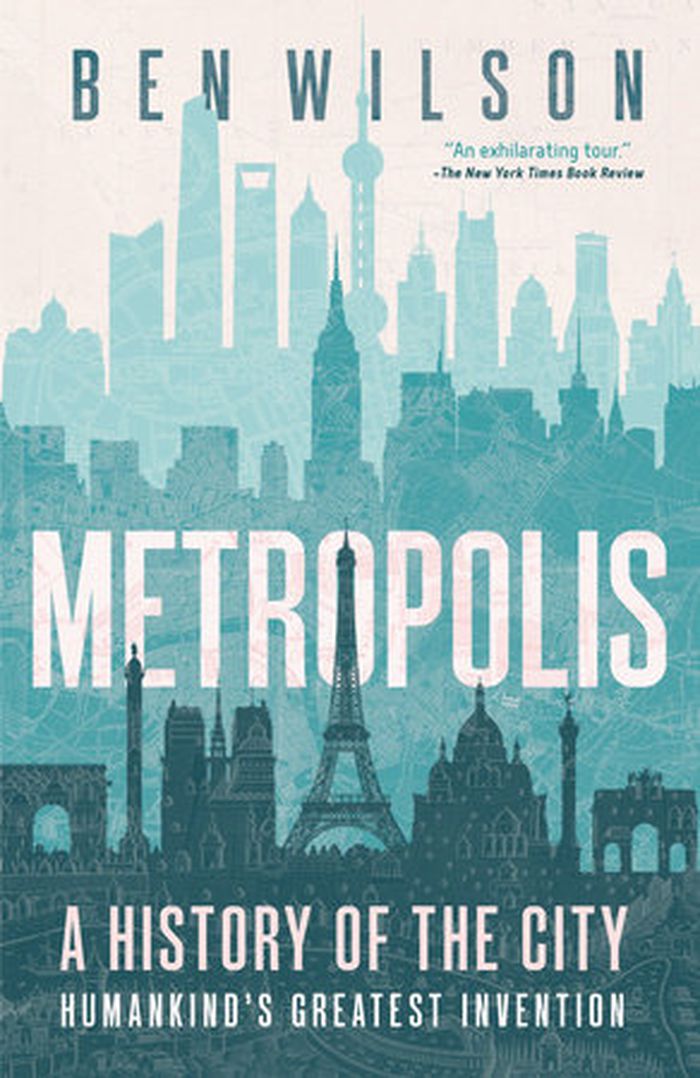
Metropolis: a history of the city, mankind's greatest invention
Actions:
Price:
$24.95
(available to order)
Summary:
During the two hundred millennia we've been on the planet, nothing has shaped us more profoundly than the city. In a fascinating narrative that ranges through cities famous and forgotten, acclaimed historian Ben Wilson tells the glorious story of how urban living has allowed human culture to flourish. Beginning with Uruk, the world's first city, he shows that cities created such a blossoming of human endeavor--new professions, new forms of art, worship, and trade--that they kick-started civilization itself. Despite outbreaks of plague and war, and outlasting empires, the city endured and new cities sprang up to capture the inimitable energy of human beings together. Wilson reveals the innovations nurturned amid the density of urban centers over the centuries: civics in the agora of Athens, global trade in ninth-century Baghdad, finance in the coffeehouses of London, domestic comforts in the heart of Amsterdam, peacocking in Belle Epoque Paris. In the modern age, the skyscrapers of New York City inspired utopian visions of community design, while the trees of twenty-first-century Seattle and Shanghai point to a sustainable future in the age of climate change. Page turning and irresistible, ''Metropolis'' is a history of cities that is also a history of how humanity lives.
Metropolis: a history of the city, mankind's greatest invention
Actions:
Price:
$24.95
(available to order)
Summary:
During the two hundred millennia we've been on the planet, nothing has shaped us more profoundly than the city. In a fascinating narrative that ranges through cities famous and forgotten, acclaimed historian Ben Wilson tells the glorious story of how urban living has allowed human culture to flourish. Beginning with Uruk, the world's first city, he shows that cities created such a blossoming of human endeavor--new professions, new forms of art, worship, and trade--that they kick-started civilization itself. Despite outbreaks of plague and war, and outlasting empires, the city endured and new cities sprang up to capture the inimitable energy of human beings together. Wilson reveals the innovations nurturned amid the density of urban centers over the centuries: civics in the agora of Athens, global trade in ninth-century Baghdad, finance in the coffeehouses of London, domestic comforts in the heart of Amsterdam, peacocking in Belle Epoque Paris. In the modern age, the skyscrapers of New York City inspired utopian visions of community design, while the trees of twenty-first-century Seattle and Shanghai point to a sustainable future in the age of climate change. Page turning and irresistible, ''Metropolis'' is a history of cities that is also a history of how humanity lives.
Form:
books
books
Publication:
October 2021
October 2021
Subject:
Urban Theory
Urban Theory
Form:
books
books
Price:
$34.95
(available in store)
Summary:
National historic sites commemorate decisive moments in the making of Canada. But seen through an environmental lens, these sites become artifacts of a bigger story: the occupation and transformation of nature into nation. In an age of pressing discussions about environmental sustainability, there is a growing need to know more about the history of our relationship with(...)
$34.95
(available in store)
Summary:
National historic sites commemorate decisive moments in the making of Canada. But seen through an environmental lens, these sites become artifacts of a bigger story: the occupation and transformation of nature into nation. In an age of pressing discussions about environmental sustainability, there is a growing need to know more about the history of our relationship with(...)
Title:
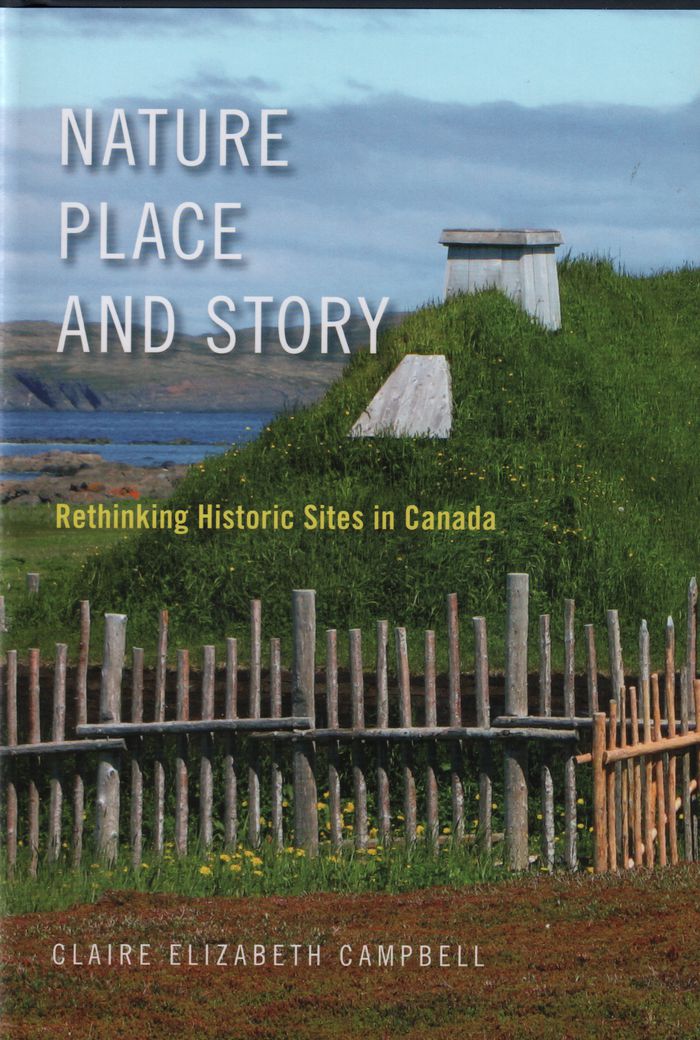
Nature, place, and story: rethinking historic sites in Canada
Actions:
Price:
$34.95
(available in store)
Summary:
National historic sites commemorate decisive moments in the making of Canada. But seen through an environmental lens, these sites become artifacts of a bigger story: the occupation and transformation of nature into nation. In an age of pressing discussions about environmental sustainability, there is a growing need to know more about the history of our relationship with the natural world and what lessons these places of public history, regional identity, and national narrative can teach us. "Nature, place, and story" provides new interpretations for five of Canada’s largest and most iconic historic sites (two of which are UNESCO World Heritage Sites): L’Anse aux Meadows, Newfoundland; Grand Pré, Nova Scotia; Fort William, Ontario; the Forks of the Red River, Manitoba; and the Bar U Ranch, Alberta. At each location, Claire Campbell rewrites public history as environmental history, revealing the country’s debt to the power and fragility of the natural world, and the relevance of the past to understanding climate change, agricultural sustainability, wilderness protection, urban reclamation, and fossil fuel extraction. From the medieval Atlantic to modern ranchlands, environmental history speaks directly to contemporary questions about the health of Canada’s habitat. Bringing together public and environmental history in an entirely new way, "Nature, place, and story" is a lively and ambitious call for a fresh perspective on natural heritage.
Nature, place, and story: rethinking historic sites in Canada
Actions:
Price:
$34.95
(available in store)
Summary:
National historic sites commemorate decisive moments in the making of Canada. But seen through an environmental lens, these sites become artifacts of a bigger story: the occupation and transformation of nature into nation. In an age of pressing discussions about environmental sustainability, there is a growing need to know more about the history of our relationship with the natural world and what lessons these places of public history, regional identity, and national narrative can teach us. "Nature, place, and story" provides new interpretations for five of Canada’s largest and most iconic historic sites (two of which are UNESCO World Heritage Sites): L’Anse aux Meadows, Newfoundland; Grand Pré, Nova Scotia; Fort William, Ontario; the Forks of the Red River, Manitoba; and the Bar U Ranch, Alberta. At each location, Claire Campbell rewrites public history as environmental history, revealing the country’s debt to the power and fragility of the natural world, and the relevance of the past to understanding climate change, agricultural sustainability, wilderness protection, urban reclamation, and fossil fuel extraction. From the medieval Atlantic to modern ranchlands, environmental history speaks directly to contemporary questions about the health of Canada’s habitat. Bringing together public and environmental history in an entirely new way, "Nature, place, and story" is a lively and ambitious call for a fresh perspective on natural heritage.
Form:
books
books
Publication:
August 2017
August 2017
Subject:
Architecture in Canada
Architecture in Canada


