


1296 Results
Form:
books
books
Actions:
Price:
$63.00
(available to order)
Summary:
In architecture, as in food, local is an idea whose time has come. Of course, the idea of an architecture that responds to site; draws on local building traditions, materials, and crafts; and strives to create a sense of community is not new. Yet, the way it has evolved in the past few years is indeed defining a new movement. From the rammed-earth houses of Rick Joy and(...)
$63.00
(available to order)
Summary:
In architecture, as in food, local is an idea whose time has come. Of course, the idea of an architecture that responds to site; draws on local building traditions, materials, and crafts; and strives to create a sense of community is not new. Yet, the way it has evolved in the past few years is indeed defining a new movement. From the rammed-earth houses of Rick Joy and(...)
Publication:
July 2013
July 2013
Title:
Local architecture: building place, craft, and community
Actions:
Price:
$63.00
(available to order)
Summary:
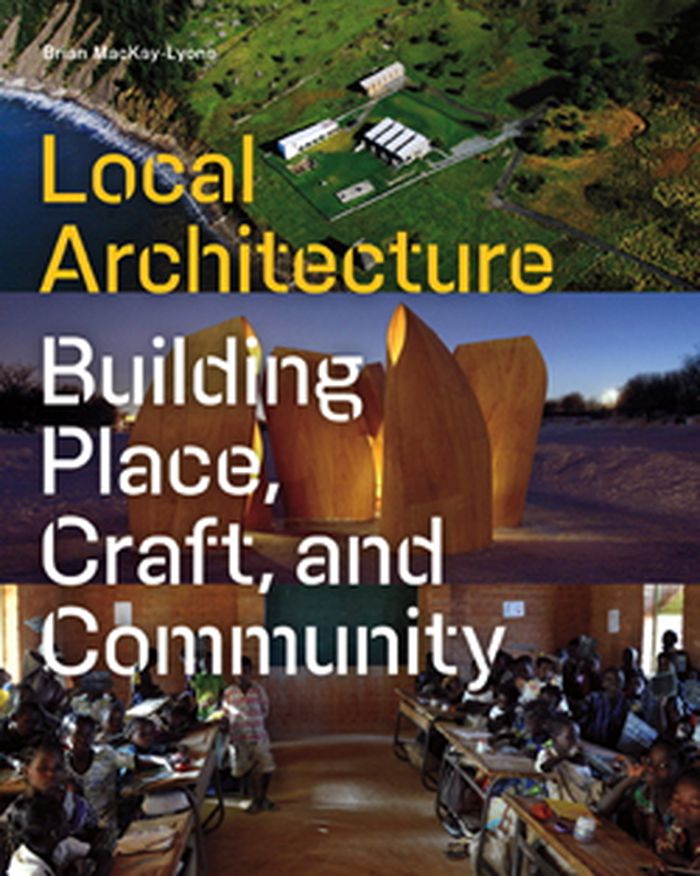
In architecture, as in food, local is an idea whose time has come. Of course, the idea of an architecture that responds to site; draws on local building traditions, materials, and crafts; and strives to create a sense of community is not new. Yet, the way it has evolved in the past few years is indeed defining a new movement. From the rammed-earth houses of Rick Joy and Pacific Northwest timber houses of Tom Kundig, to the community-built structures of Rural Studio and Francis Kere, designers everywhere are championing an architecture that exists from, in, and for a specific place.
Local architecture: building place, craft, and community
Actions:
Price:
$63.00
(available to order)
Summary:
In architecture, as in food, local is an idea whose time has come. Of course, the idea of an architecture that responds to site; draws on local building traditions, materials, and crafts; and strives to create a sense of community is not new. Yet, the way it has evolved in the past few years is indeed defining a new movement. From the rammed-earth houses of Rick Joy and Pacific Northwest timber houses of Tom Kundig, to the community-built structures of Rural Studio and Francis Kere, designers everywhere are championing an architecture that exists from, in, and for a specific place.
Form:
books
books
Publication:
July 2013
July 2013
Form:
books
books
Actions:
Price:
$44.95
(available to order)
Summary:
"Worldchanging : a User's guide for the 21st century " proposes innovative solutions, ideas and inventions emerging today for building a sustainable, livable, prosperous future. From consumer consciousness to a new vision for industry; non-toxic homes to refugee shelters; microfinance to effective philanthropy; socially responsible investing to starting a green business;(...)
$44.95
(available to order)
Summary:
"Worldchanging : a User's guide for the 21st century " proposes innovative solutions, ideas and inventions emerging today for building a sustainable, livable, prosperous future. From consumer consciousness to a new vision for industry; non-toxic homes to refugee shelters; microfinance to effective philanthropy; socially responsible investing to starting a green business;(...)
Title:
Worldchanging : a user's guide for the 21st century
Actions:
Price:
$44.95
(available to order)
Summary:
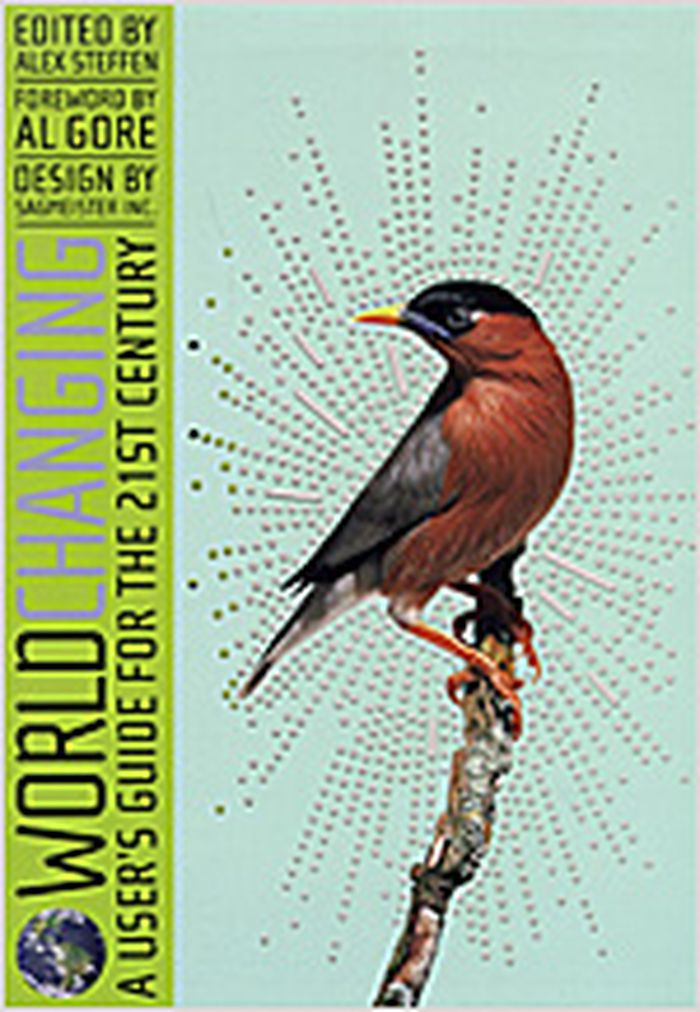
"Worldchanging : a User's guide for the 21st century " proposes innovative solutions, ideas and inventions emerging today for building a sustainable, livable, prosperous future. From consumer consciousness to a new vision for industry; non-toxic homes to refugee shelters; microfinance to effective philanthropy; socially responsible investing to starting a green business; citizen media to human rights; ecological economics to climate change, this is a comprehensive, cutting-edge overview. The book contains 7 sections which include those topics - from eco-building to responsible shopping, political action to humanitarian relief : stuff : green design, biomimicry, sustainable food, clothing, trade and technology ; shelter : green building and landscaping, clean energy, water, disaster relief and humanitarian design ; cities : smart growth, sustainable communities, transportation, greening infrastructure, product-service systems, leapfrogging and megacity challenges ; community : education, women's rights, public health, holistic approaches to community development, South-South science, social entrepreneurship and micro-lending, and philanthropy ; business : socially responsible investment, worldchanging start-ups, ecological economics, corporate social responsibility and green business ; politics : networked politics, new media, transparency, human rights, non-violent revolution and peacemaking ; planet : big picture -- everything from placing oneself in a bioregion to climate foresight to environmental history to green space exploration. Brought together by Alex Steffen, co-founder of the web site Worldchanging.com, this team of writers includes Cameron Sinclair, founder of Architecture for Humanity, Geekcorps founder Ethan Zuckerman, sustainable food expert Anna Lappé, and many others. With foreword by Al Gore. Design by Sagmeister.
Worldchanging : a user's guide for the 21st century
Actions:
Price:
$44.95
(available to order)
Summary:
"Worldchanging : a User's guide for the 21st century " proposes innovative solutions, ideas and inventions emerging today for building a sustainable, livable, prosperous future. From consumer consciousness to a new vision for industry; non-toxic homes to refugee shelters; microfinance to effective philanthropy; socially responsible investing to starting a green business; citizen media to human rights; ecological economics to climate change, this is a comprehensive, cutting-edge overview. The book contains 7 sections which include those topics - from eco-building to responsible shopping, political action to humanitarian relief : stuff : green design, biomimicry, sustainable food, clothing, trade and technology ; shelter : green building and landscaping, clean energy, water, disaster relief and humanitarian design ; cities : smart growth, sustainable communities, transportation, greening infrastructure, product-service systems, leapfrogging and megacity challenges ; community : education, women's rights, public health, holistic approaches to community development, South-South science, social entrepreneurship and micro-lending, and philanthropy ; business : socially responsible investment, worldchanging start-ups, ecological economics, corporate social responsibility and green business ; politics : networked politics, new media, transparency, human rights, non-violent revolution and peacemaking ; planet : big picture -- everything from placing oneself in a bioregion to climate foresight to environmental history to green space exploration. Brought together by Alex Steffen, co-founder of the web site Worldchanging.com, this team of writers includes Cameron Sinclair, founder of Architecture for Humanity, Geekcorps founder Ethan Zuckerman, sustainable food expert Anna Lappé, and many others. With foreword by Al Gore. Design by Sagmeister.
Form:
books
books
Publication:
January 2007, New York
January 2007, New York
Subject:
Green Architecture
Green Architecture
Form:
books
books
Price:
$29.00
(available to order)
Summary:
Preface by Fritz Haeg. Texts by Fritz Haeg, Diana Balmori, Rosalind Creasy, Michael Pollan, Lesley Stern, Michelle Christman, Stan Cox, Michael Foti. The Edible Estates project proposes the replacement of the domestic front lawn with a highly productive edible landscape. It was initiated by architect and artist Fritz Haeg on Independence Day, 2005, with the planting of(...)
$29.00
(available to order)
Summary:
Preface by Fritz Haeg. Texts by Fritz Haeg, Diana Balmori, Rosalind Creasy, Michael Pollan, Lesley Stern, Michelle Christman, Stan Cox, Michael Foti. The Edible Estates project proposes the replacement of the domestic front lawn with a highly productive edible landscape. It was initiated by architect and artist Fritz Haeg on Independence Day, 2005, with the planting of(...)
Title:
Edible estates: Attack on the front lawn. A project by Fritz Haeg
Actions:
Price:
$29.00
(available to order)
Summary:
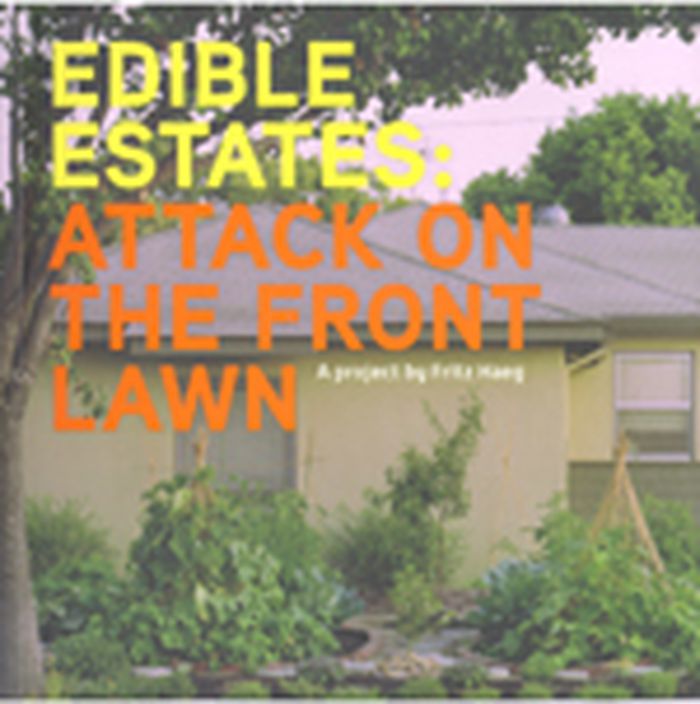
Preface by Fritz Haeg. Texts by Fritz Haeg, Diana Balmori, Rosalind Creasy, Michael Pollan, Lesley Stern, Michelle Christman, Stan Cox, Michael Foti. The Edible Estates project proposes the replacement of the domestic front lawn with a highly productive edible landscape. It was initiated by architect and artist Fritz Haeg on Independence Day, 2005, with the planting of the first regional prototype garden in the geographic center of the United States, Salina, Kansas. Since then three more prototype gardens have been created, in Lakewood, California; Maplewood, New Jersey and London, England. Edible Estates regional prototype gardens will ultimately be established in nine cities across the United States. Edible Estates: Attack on the Front Lawn documents the first four gardens with personal accounts written by the owners, garden plans and photographs illustrating the creation of the gardens--from ripping up the grass to harvesting a wide variety of fruits, vegetables and herbs. Essays by Haeg, landscape architect Diana Balmori, garden and food writer Rosalind Creasy, author Michael Pollan and artist and writer Lesley Stern set the Edible Estates project in the context of larger issues concerning the environment, global food production and the imperative to generate a sense of community in our urban and suburban neighborhoods. This smart, affordable and well-designed book also includes reports and photographs from the owners of other edible front yards around the country, as well as helpful resources to guide you in making your own Edible Estate.
Edible estates: Attack on the front lawn. A project by Fritz Haeg
Actions:
Price:
$29.00
(available to order)
Summary:
Preface by Fritz Haeg. Texts by Fritz Haeg, Diana Balmori, Rosalind Creasy, Michael Pollan, Lesley Stern, Michelle Christman, Stan Cox, Michael Foti. The Edible Estates project proposes the replacement of the domestic front lawn with a highly productive edible landscape. It was initiated by architect and artist Fritz Haeg on Independence Day, 2005, with the planting of the first regional prototype garden in the geographic center of the United States, Salina, Kansas. Since then three more prototype gardens have been created, in Lakewood, California; Maplewood, New Jersey and London, England. Edible Estates regional prototype gardens will ultimately be established in nine cities across the United States. Edible Estates: Attack on the Front Lawn documents the first four gardens with personal accounts written by the owners, garden plans and photographs illustrating the creation of the gardens--from ripping up the grass to harvesting a wide variety of fruits, vegetables and herbs. Essays by Haeg, landscape architect Diana Balmori, garden and food writer Rosalind Creasy, author Michael Pollan and artist and writer Lesley Stern set the Edible Estates project in the context of larger issues concerning the environment, global food production and the imperative to generate a sense of community in our urban and suburban neighborhoods. This smart, affordable and well-designed book also includes reports and photographs from the owners of other edible front yards around the country, as well as helpful resources to guide you in making your own Edible Estate.
Form:
books
books
Publication:
February 2008, New York
February 2008, New York
Subject:
Landscape Theory
Landscape Theory
Form:
books
books
Title:
Urban wild ecology
Urban wild ecology
Actions:
Price:
$85.00
(available to order)
Summary:
Following the calamitous events of 2011 in Japan, Fuminori Nousaku and Mio Tsuneyama began to look at the link between materials and energy related to daily life, such as household goods, homes, food, and waste. They sought ways to reinvent how we live, from dependence on infrastructure and industry to another relationship: off-grid homes that generate solar power,(...)
$85.00
(available to order)
Summary:
Following the calamitous events of 2011 in Japan, Fuminori Nousaku and Mio Tsuneyama began to look at the link between materials and energy related to daily life, such as household goods, homes, food, and waste. They sought ways to reinvent how we live, from dependence on infrastructure and industry to another relationship: off-grid homes that generate solar power,(...)
Title:
Urban wild ecology
Actions:
Price:
$85.00
(available to order)
Summary:
Following the calamitous events of 2011 in Japan, Fuminori Nousaku and Mio Tsuneyama began to look at the link between materials and energy related to daily life, such as household goods, homes, food, and waste. They sought ways to reinvent how we live, from dependence on infrastructure and industry to another relationship: off-grid homes that generate solar power, gardens that harness the power of microbes in the soil, shared homes in vacant buildings, and construction using discarded materials. The wildness that survives the city enjoys fluctuation and overcomes inconvenience. This book introduces the collectives involved in these activities along with practices and resources.
Urban wild ecology
Actions:
Price:
$85.00
(available to order)
Summary:
Following the calamitous events of 2011 in Japan, Fuminori Nousaku and Mio Tsuneyama began to look at the link between materials and energy related to daily life, such as household goods, homes, food, and waste. They sought ways to reinvent how we live, from dependence on infrastructure and industry to another relationship: off-grid homes that generate solar power, gardens that harness the power of microbes in the soil, shared homes in vacant buildings, and construction using discarded materials. The wildness that survives the city enjoys fluctuation and overcomes inconvenience. This book introduces the collectives involved in these activities along with practices and resources.
Form:
books
books
Publication:
January 2024
January 2024
Subject:
Urban Landscapes
Urban Landscapes
Form:
books
books
Actions:
Price:
$55.00
(available to order)
Summary:
What is “good” architecture? This seemingly simple question is connected to a wide range of criteria—just like the radical quest for “good” food, which has produced a wealth of insights over the past few decades. This book showcases buildings whose construction has been based on simple technology, good craftsmanship and careful choice of local and natural materials, as(...)
$55.00
(available to order)
Summary:
What is “good” architecture? This seemingly simple question is connected to a wide range of criteria—just like the radical quest for “good” food, which has produced a wealth of insights over the past few decades. This book showcases buildings whose construction has been based on simple technology, good craftsmanship and careful choice of local and natural materials, as(...)
Title:
Vegetarian architecture: case studies on building and nature
Actions:
Price:
$55.00
(available to order)
Summary:
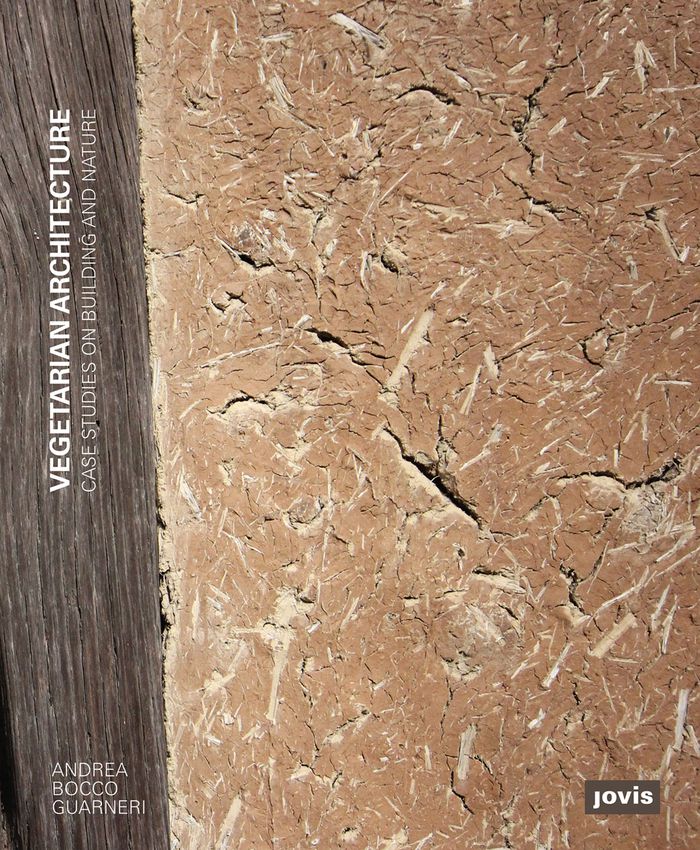
What is “good” architecture? This seemingly simple question is connected to a wide range of criteria—just like the radical quest for “good” food, which has produced a wealth of insights over the past few decades. This book showcases buildings whose construction has been based on simple technology, good craftsmanship and careful choice of local and natural materials, as well as local development initiatives that demonstrate excellence in building quality, landscape restoration and community revitalization. The selection of case studies is broad and definitely unconventional: it encompasses Europe and Japan, and privileges lesser-known authors, unobtrusive works and marginal localities where radically fresh attitudes have been able to develop.
Vegetarian architecture: case studies on building and nature
Actions:
Price:
$55.00
(available to order)
Summary:
What is “good” architecture? This seemingly simple question is connected to a wide range of criteria—just like the radical quest for “good” food, which has produced a wealth of insights over the past few decades. This book showcases buildings whose construction has been based on simple technology, good craftsmanship and careful choice of local and natural materials, as well as local development initiatives that demonstrate excellence in building quality, landscape restoration and community revitalization. The selection of case studies is broad and definitely unconventional: it encompasses Europe and Japan, and privileges lesser-known authors, unobtrusive works and marginal localities where radically fresh attitudes have been able to develop.
Form:
books
books
Publication:
August 2020
August 2020
Subject:
Green Architecture
Green Architecture
Form:
books
books
Title:
India: the urban transition
India: the urban transition
Actions:
Price:
$64.95
(available to order)
Summary:
Based on his experiences teaching, researching and practicing in India, Henrik Valeur discusses some of the problems related to the urban transition of India, including air pollution, contamination and depletion of fresh water resources, its precarious food situation, the lack of proper housing, and various environmental and human health problems related to motorized(...)
$64.95
(available to order)
Summary:
Based on his experiences teaching, researching and practicing in India, Henrik Valeur discusses some of the problems related to the urban transition of India, including air pollution, contamination and depletion of fresh water resources, its precarious food situation, the lack of proper housing, and various environmental and human health problems related to motorized(...)
Title:
India: the urban transition
Actions:
Price:
$64.95
(available to order)
Summary:
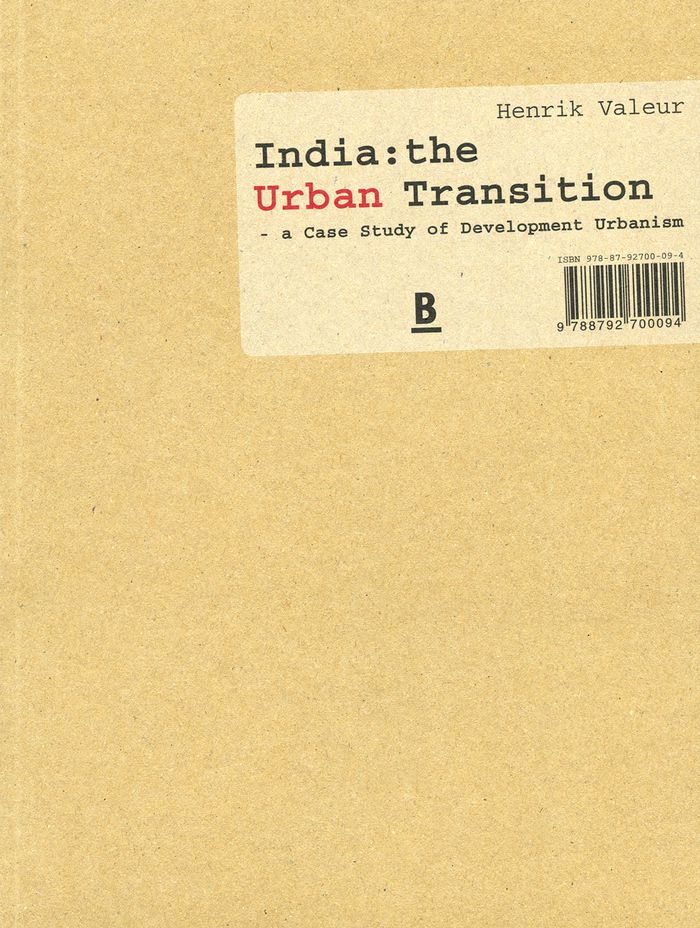
Based on his experiences teaching, researching and practicing in India, Henrik Valeur discusses some of the problems related to the urban transition of India, including air pollution, contamination and depletion of fresh water resources, its precarious food situation, the lack of proper housing, and various environmental and human health problems related to motorized transportation. He proposes a number of possible solutions, including the use of plants and natural ventilation to create clean indoor air, the revitalisation of an existing system of water canals, the creation of vertical kitchen gardens, a strategy for making an entire neighbourhood car-free and a design for self-designed, low-cost housing.
India: the urban transition
Actions:
Price:
$64.95
(available to order)
Summary:
Based on his experiences teaching, researching and practicing in India, Henrik Valeur discusses some of the problems related to the urban transition of India, including air pollution, contamination and depletion of fresh water resources, its precarious food situation, the lack of proper housing, and various environmental and human health problems related to motorized transportation. He proposes a number of possible solutions, including the use of plants and natural ventilation to create clean indoor air, the revitalisation of an existing system of water canals, the creation of vertical kitchen gardens, a strategy for making an entire neighbourhood car-free and a design for self-designed, low-cost housing.
Form:
books
books
Publication:
June 2016
June 2016
Form:
books
books
Actions:
Price:
$37.50
(available in store)
Summary:
This publication features design projects organized into six working themes: Act, Save, Share, Live, Learn and Make. It is a true manual--in format and content--featuring design solutions that expand access to education, food, health care and affordable housing; increase social and economic inclusion; offer improved alternative transportation options, and provide a(...)
$37.50
(available in store)
Summary:
This publication features design projects organized into six working themes: Act, Save, Share, Live, Learn and Make. It is a true manual--in format and content--featuring design solutions that expand access to education, food, health care and affordable housing; increase social and economic inclusion; offer improved alternative transportation options, and provide a(...)
Title:
By the people: designing a better America
Actions:
Price:
$37.50
(available in store)
Summary:
This publication features design projects organized into six working themes: Act, Save, Share, Live, Learn and Make. It is a true manual--in format and content--featuring design solutions that expand access to education, food, health care and affordable housing; increase social and economic inclusion; offer improved alternative transportation options, and provide a balanced approach to land use between the built and natural environments. Cooper Hewitt Curator Cynthia E. Smith traveled to post-industrial cities, urban areas impacted by natural disasters, sprawling cities, places of persistent poverty and major metropolitan regions. Her research yielded nearly 400 potential projects from over 30 states and three indigenous nations (Navajo, Lakota, Pueblo).
By the people: designing a better America
Actions:
Price:
$37.50
(available in store)
Summary:
This publication features design projects organized into six working themes: Act, Save, Share, Live, Learn and Make. It is a true manual--in format and content--featuring design solutions that expand access to education, food, health care and affordable housing; increase social and economic inclusion; offer improved alternative transportation options, and provide a balanced approach to land use between the built and natural environments. Cooper Hewitt Curator Cynthia E. Smith traveled to post-industrial cities, urban areas impacted by natural disasters, sprawling cities, places of persistent poverty and major metropolitan regions. Her research yielded nearly 400 potential projects from over 30 states and three indigenous nations (Navajo, Lakota, Pueblo).
Form:
books
books
Publication:
August 2016
August 2016
Subject:
Design Theory
Design Theory
Form:
books
books
Title:
The rooted city
The rooted city
Actions:
Price:
$39.95
(available in store)
Summary:
Cities and landscape are inextricably linked. Without landscape there is no city and without city there is no landscape as we know it. Nowadays it is hard to hold on to the distinction between landscape and city – the whole planet has become urban. This raises new questions. How can cities defend themselves against climate change? How can you guarantee the supply of(...)
$39.95
(available in store)
Summary:
Cities and landscape are inextricably linked. Without landscape there is no city and without city there is no landscape as we know it. Nowadays it is hard to hold on to the distinction between landscape and city – the whole planet has become urban. This raises new questions. How can cities defend themselves against climate change? How can you guarantee the supply of(...)
Title:
The rooted city
Actions:
Price:
$39.95
(available in store)
Summary:
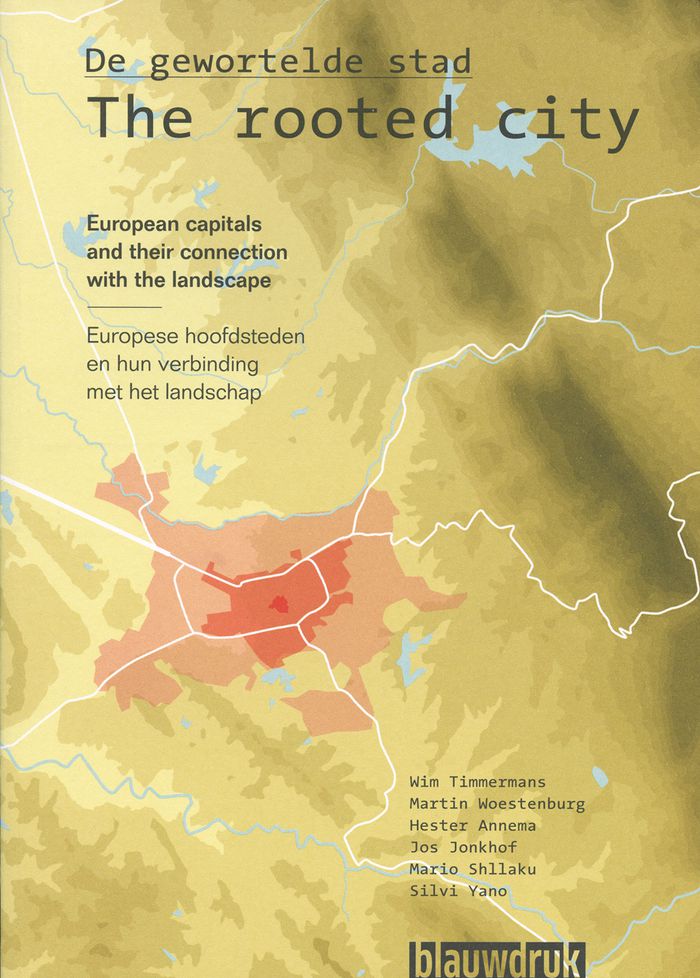
Cities and landscape are inextricably linked. Without landscape there is no city and without city there is no landscape as we know it. Nowadays it is hard to hold on to the distinction between landscape and city – the whole planet has become urban. This raises new questions. How can cities defend themselves against climate change? How can you guarantee the supply of drinking water in cities with tens of millions of residents? What can be done about smog choking metropoles? Is food security possible if there is less and less fertile farmland? Rooted City investigates these questions by means of an essay and examples of thirty European cities.
The rooted city
Actions:
Price:
$39.95
(available in store)
Summary:
Cities and landscape are inextricably linked. Without landscape there is no city and without city there is no landscape as we know it. Nowadays it is hard to hold on to the distinction between landscape and city – the whole planet has become urban. This raises new questions. How can cities defend themselves against climate change? How can you guarantee the supply of drinking water in cities with tens of millions of residents? What can be done about smog choking metropoles? Is food security possible if there is less and less fertile farmland? Rooted City investigates these questions by means of an essay and examples of thirty European cities.
Form:
books
books
Publication:
February 2016
February 2016
Subject:
Urban Landscapes
Urban Landscapes
Form:
books
books
Title:
CPULs: continuous productive urban landscapes, designing urban agriculture for sustainable cities
CPULs: continuous productive urban landscapes, designing urban agriculture for sustainable cities
Actions:
Price:
$66.50
(available to order)
Summary:
This book on urban design extends and develops the widely accepted 'compact city' solution. It provides a design proposal for a new kind of sustainable urban landscape: Urban Agriculture. By growing food within an urban rather than exclusively rural environment, urban agriculture would reduce the need for industrialized production, packaging and transportation of(...)
$66.50
(available to order)
Summary:
This book on urban design extends and develops the widely accepted 'compact city' solution. It provides a design proposal for a new kind of sustainable urban landscape: Urban Agriculture. By growing food within an urban rather than exclusively rural environment, urban agriculture would reduce the need for industrialized production, packaging and transportation of(...)
Subject:
Green Architecture
Green Architecture
Publication:
January 2005, Amsterdam, Boston, London
January 2005, Amsterdam, Boston, London
Title:
CPULs: continuous productive urban landscapes, designing urban agriculture for sustainable cities
Actions:
Price:
$66.50
(available to order)
Summary:
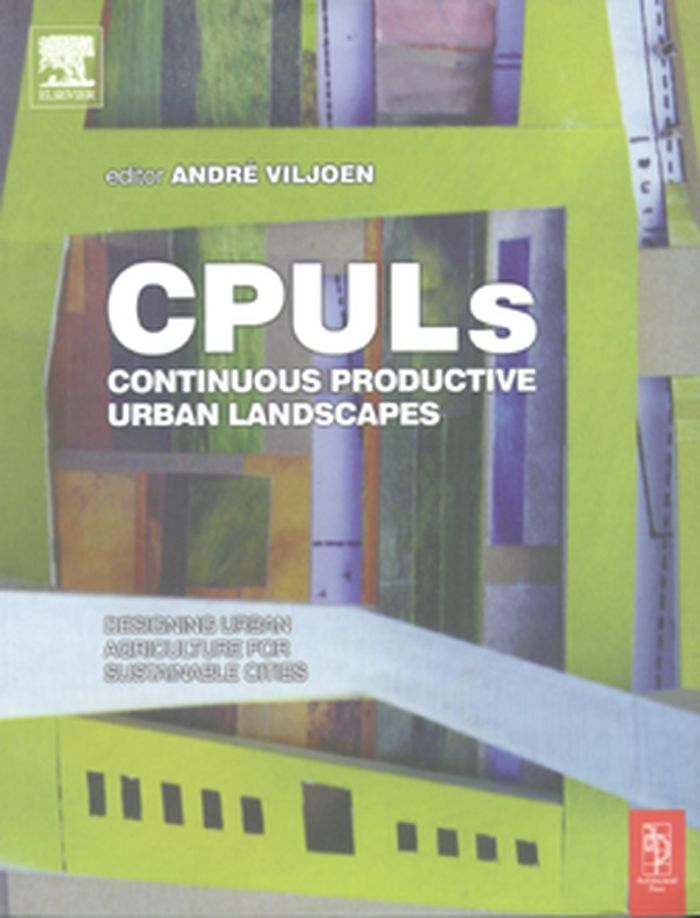
This book on urban design extends and develops the widely accepted 'compact city' solution. It provides a design proposal for a new kind of sustainable urban landscape: Urban Agriculture. By growing food within an urban rather than exclusively rural environment, urban agriculture would reduce the need for industrialized production, packaging and transportation of foodstuffs to the city dwelling consumers. The revolutionary and innovative concepts put forth in this book have potential to shape the future of our cities quality of life within them. Urban design is shown in practice through international case studies and the arguments presented are supported by quantified economic, environmental and social justifications.
CPULs: continuous productive urban landscapes, designing urban agriculture for sustainable cities
Actions:
Price:
$66.50
(available to order)
Summary:
This book on urban design extends and develops the widely accepted 'compact city' solution. It provides a design proposal for a new kind of sustainable urban landscape: Urban Agriculture. By growing food within an urban rather than exclusively rural environment, urban agriculture would reduce the need for industrialized production, packaging and transportation of foodstuffs to the city dwelling consumers. The revolutionary and innovative concepts put forth in this book have potential to shape the future of our cities quality of life within them. Urban design is shown in practice through international case studies and the arguments presented are supported by quantified economic, environmental and social justifications.
Form:
books
books
Publication:
January 2005, Amsterdam, Boston, London
January 2005, Amsterdam, Boston, London
Subject:
Green Architecture
Green Architecture
Form:
books
books
Actions:
Price:
$32.95
(available to order)
Summary:
This publication is a book of stories, depictions of vanished ways of life told from the point of view of a contemporary observer. The stories tell how people lived in Japan some two hundred years ago, during the late Edo Period, when traditional technology and culture were at the peak of development and realization, just before the country opened itself to the West and(...)
$32.95
(available to order)
Summary:
This publication is a book of stories, depictions of vanished ways of life told from the point of view of a contemporary observer. The stories tell how people lived in Japan some two hundred years ago, during the late Edo Period, when traditional technology and culture were at the peak of development and realization, just before the country opened itself to the West and(...)
Title:
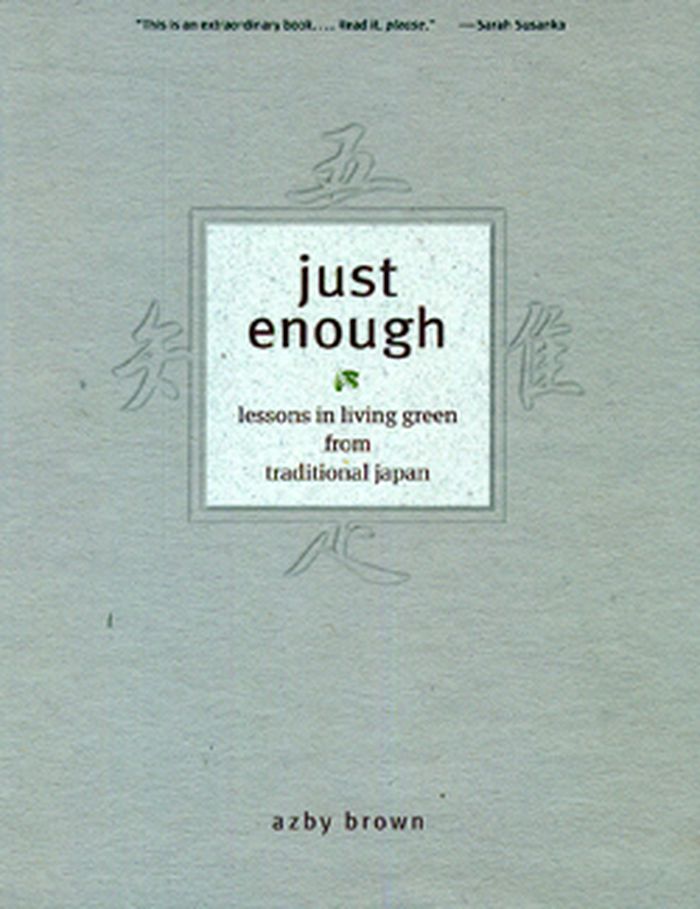
Just enough: lessons in living green from traditional Japan
Actions:
Price:
$32.95
(available to order)
Summary:
This publication is a book of stories, depictions of vanished ways of life told from the point of view of a contemporary observer. The stories tell how people lived in Japan some two hundred years ago, during the late Edo Period, when traditional technology and culture were at the peak of development and realization, just before the country opened itself to the West and joined the ranks of the industrialized nations. They tell of people overcoming many of the identical problems that confront us today--issues of energy, water, materials, food and population--and forging a society that was conservation-minded, waste-free, well-housed, well-fed and economically robust.
Just enough: lessons in living green from traditional Japan
Actions:
Price:
$32.95
(available to order)
Summary:
This publication is a book of stories, depictions of vanished ways of life told from the point of view of a contemporary observer. The stories tell how people lived in Japan some two hundred years ago, during the late Edo Period, when traditional technology and culture were at the peak of development and realization, just before the country opened itself to the West and joined the ranks of the industrialized nations. They tell of people overcoming many of the identical problems that confront us today--issues of energy, water, materials, food and population--and forging a society that was conservation-minded, waste-free, well-housed, well-fed and economically robust.
Form:
books
books
Publication:
February 2010
February 2010
Subject:
History until 1900, Asia
History until 1900, Asia


