


2979 Results
Form:
articles
articles
Title:
Caption This
Caption This
Actions:
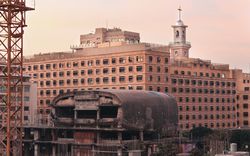
Shukri Sultan and Endriana Audisho, Julia Ramos, and Jacqueline Tran on the stories constructed by the collection, documentation, cataloguing, and sharing of photography
Keyword(s):
Critical Cataloguing, Photography Collection, China, Peking, Beijing, Lebanon, Beirut, Captions, Social Media
Critical Cataloguing, Photography Collection, China, Peking, Beijing, Lebanon, Beirut, Captions, Social Media
Published:
27 November 2023
27 November 2023
Title:
Caption This
Shukri Sultan and Endriana Audisho, Julia Ramos, and Jacqueline Tran on the stories constructed by the collection, documentation, cataloguing, and sharing of photography
Actions:
Caption This
Shukri Sultan and Endriana Audisho, Julia Ramos, and Jacqueline Tran on the stories constructed by the collection, documentation, cataloguing, and sharing of photography
Actions:
Level of archival description:
Project
Project
Reference number:
AP056.S1.2000.PR08
Description:
This project series documents buildings for Concordia University's downtown campus in Montréal from 2000-2009. The office identified the project number as 0004. This project eventually became known as Le Quartier Concordia. This project was the winning submission of an architectural competition by Kuwabara Payne McKenna Blumberg Architects, in joint-venture with Fichten Soiferman et Associés Architectes, to design an integrated, vertical campus to revitalize and reinvent the University. This project consisted of three interconnected high-rise buildings on either side of Montreal's Guy Street, below De Maisonneuve Boulevard, to rehouse three important faculties: Visual Arts, Engineering and Computer Science, and the John Molson School of Business. These three buildings had glazed curtain wall exteriors with copper-coloured metal lines that created visual consistency inside and outside of all three buildings. Large art installations were also included on the façades. Triple-height atriums on the ground floors of the Engineering Building and the John Molson building added welcoming, public areas to the campus, and connected pedestrians to the Guy-Concordia metro station below. The tops of these two buildings featured massive north-south canopies that pointed from Montreal's Mont Royal down to the St. Lawrence River. The shorter Visual Arts building was directly connected to the Engineering building and today they are known together as the EV Building. The building interiors, comprised largely of stone tiles and concrete, featured large, multi-storey spiral staircases in a nod to the famous exterior spiral stairs of Montreal homes.[1] The Engineering and Visual Arts buildings were completed in 2005 and the John Molson building in 2009. Recladding of the exterior of another campus building to match these was completed in 2011.[2] It should be noted that these project materials were donated to the CCA part way through the project's realization. The project is recorded through drawings and textual records dating from 2000-2003. The drawings are mostly originals but reprographic copies and printouts of CAD drawings are also included. The drawings consist of sketches, digital renderings, plans, elevations, sections, perspectives, details and construction drawings. The textual records are arranged within the drawings and consist of research. [1]Contributions from Phyllis Lambert et al., The Architecture of Kuwabara, Payne, McKenna, Blumberg (Boston, MA: Birkhäuser-Publishers for Architecture, 2004), 180. [2]"Le Quartier Concordia." KPMB. Accessed July 11, 2019. http://www.kpmb.com/project/concordia-university-john-molson-school-of-business/
AP056.S1.2000.PR08
Description:
This project series documents buildings for Concordia University's downtown campus in Montréal from 2000-2009. The office identified the project number as 0004. This project eventually became known as Le Quartier Concordia. This project was the winning submission of an architectural competition by Kuwabara Payne McKenna Blumberg Architects, in joint-venture with Fichten Soiferman et Associés Architectes, to design an integrated, vertical campus to revitalize and reinvent the University. This project consisted of three interconnected high-rise buildings on either side of Montreal's Guy Street, below De Maisonneuve Boulevard, to rehouse three important faculties: Visual Arts, Engineering and Computer Science, and the John Molson School of Business. These three buildings had glazed curtain wall exteriors with copper-coloured metal lines that created visual consistency inside and outside of all three buildings. Large art installations were also included on the façades. Triple-height atriums on the ground floors of the Engineering Building and the John Molson building added welcoming, public areas to the campus, and connected pedestrians to the Guy-Concordia metro station below. The tops of these two buildings featured massive north-south canopies that pointed from Montreal's Mont Royal down to the St. Lawrence River. The shorter Visual Arts building was directly connected to the Engineering building and today they are known together as the EV Building. The building interiors, comprised largely of stone tiles and concrete, featured large, multi-storey spiral staircases in a nod to the famous exterior spiral stairs of Montreal homes.[1] The Engineering and Visual Arts buildings were completed in 2005 and the John Molson building in 2009. Recladding of the exterior of another campus building to match these was completed in 2011.[2] It should be noted that these project materials were donated to the CCA part way through the project's realization. The project is recorded through drawings and textual records dating from 2000-2003. The drawings are mostly originals but reprographic copies and printouts of CAD drawings are also included. The drawings consist of sketches, digital renderings, plans, elevations, sections, perspectives, details and construction drawings. The textual records are arranged within the drawings and consist of research. [1]Contributions from Phyllis Lambert et al., The Architecture of Kuwabara, Payne, McKenna, Blumberg (Boston, MA: Birkhäuser-Publishers for Architecture, 2004), 180. [2]"Le Quartier Concordia." KPMB. Accessed July 11, 2019. http://www.kpmb.com/project/concordia-university-john-molson-school-of-business/
People:
Date:
2000-2003
2000-2003
Title:
Concordia University, Montréal (2000-2009)
Actions:
AP056.S1.2000.PR08
Description:
This project series documents buildings for Concordia University's downtown campus in Montréal from 2000-2009. The office identified the project number as 0004. This project eventually became known as Le Quartier Concordia. This project was the winning submission of an architectural competition by Kuwabara Payne McKenna Blumberg Architects, in joint-venture with Fichten Soiferman et Associés Architectes, to design an integrated, vertical campus to revitalize and reinvent the University. This project consisted of three interconnected high-rise buildings on either side of Montreal's Guy Street, below De Maisonneuve Boulevard, to rehouse three important faculties: Visual Arts, Engineering and Computer Science, and the John Molson School of Business. These three buildings had glazed curtain wall exteriors with copper-coloured metal lines that created visual consistency inside and outside of all three buildings. Large art installations were also included on the façades. Triple-height atriums on the ground floors of the Engineering Building and the John Molson building added welcoming, public areas to the campus, and connected pedestrians to the Guy-Concordia metro station below. The tops of these two buildings featured massive north-south canopies that pointed from Montreal's Mont Royal down to the St. Lawrence River. The shorter Visual Arts building was directly connected to the Engineering building and today they are known together as the EV Building. The building interiors, comprised largely of stone tiles and concrete, featured large, multi-storey spiral staircases in a nod to the famous exterior spiral stairs of Montreal homes.[1] The Engineering and Visual Arts buildings were completed in 2005 and the John Molson building in 2009. Recladding of the exterior of another campus building to match these was completed in 2011.[2] It should be noted that these project materials were donated to the CCA part way through the project's realization. The project is recorded through drawings and textual records dating from 2000-2003. The drawings are mostly originals but reprographic copies and printouts of CAD drawings are also included. The drawings consist of sketches, digital renderings, plans, elevations, sections, perspectives, details and construction drawings. The textual records are arranged within the drawings and consist of research. [1]Contributions from Phyllis Lambert et al., The Architecture of Kuwabara, Payne, McKenna, Blumberg (Boston, MA: Birkhäuser-Publishers for Architecture, 2004), 180. [2]"Le Quartier Concordia." KPMB. Accessed July 11, 2019. http://www.kpmb.com/project/concordia-university-john-molson-school-of-business/
Concordia University, Montréal (2000-2009)
Actions:
AP056.S1.2000.PR08
Description:
This project series documents buildings for Concordia University's downtown campus in Montréal from 2000-2009. The office identified the project number as 0004. This project eventually became known as Le Quartier Concordia. This project was the winning submission of an architectural competition by Kuwabara Payne McKenna Blumberg Architects, in joint-venture with Fichten Soiferman et Associés Architectes, to design an integrated, vertical campus to revitalize and reinvent the University. This project consisted of three interconnected high-rise buildings on either side of Montreal's Guy Street, below De Maisonneuve Boulevard, to rehouse three important faculties: Visual Arts, Engineering and Computer Science, and the John Molson School of Business. These three buildings had glazed curtain wall exteriors with copper-coloured metal lines that created visual consistency inside and outside of all three buildings. Large art installations were also included on the façades. Triple-height atriums on the ground floors of the Engineering Building and the John Molson building added welcoming, public areas to the campus, and connected pedestrians to the Guy-Concordia metro station below. The tops of these two buildings featured massive north-south canopies that pointed from Montreal's Mont Royal down to the St. Lawrence River. The shorter Visual Arts building was directly connected to the Engineering building and today they are known together as the EV Building. The building interiors, comprised largely of stone tiles and concrete, featured large, multi-storey spiral staircases in a nod to the famous exterior spiral stairs of Montreal homes.[1] The Engineering and Visual Arts buildings were completed in 2005 and the John Molson building in 2009. Recladding of the exterior of another campus building to match these was completed in 2011.[2] It should be noted that these project materials were donated to the CCA part way through the project's realization. The project is recorded through drawings and textual records dating from 2000-2003. The drawings are mostly originals but reprographic copies and printouts of CAD drawings are also included. The drawings consist of sketches, digital renderings, plans, elevations, sections, perspectives, details and construction drawings. The textual records are arranged within the drawings and consist of research. [1]Contributions from Phyllis Lambert et al., The Architecture of Kuwabara, Payne, McKenna, Blumberg (Boston, MA: Birkhäuser-Publishers for Architecture, 2004), 180. [2]"Le Quartier Concordia." KPMB. Accessed July 11, 2019. http://www.kpmb.com/project/concordia-university-john-molson-school-of-business/
Level of archival description:
Project
Project
Date:
2000-2003
2000-2003
People:
Form:
archives
Level of archival description:
Fonds
archives
Level of archival description:
Fonds
Title:
John Bird fonds
John Bird fonds
Actions:
Reference number:
AP108
Synopsis:
The John Bird fonds documents the professional practice of the Westmount-based architect, and includes drawings and photographs of 24 architectural projects carried out in and around Montréal, Québec between 1954 and 1992. The fonds also contains a number of published articles that document John Bird's professional activities. Key projects that are represented include the Canadian Technical Tape Building, St. Laurent (1955-1963), Saint Gabriel's Church, Montréal (1959-1960), and Saint John Brebeuf Church, Lasalle (1962-1966). The fonds also includes numerous projects for Toronto-Dominion Bank buildings (1959-1992) as well as residential designs completed for the Central Mortgage and Housing Corporation (1956-1969).
AP108
Synopsis:
The John Bird fonds documents the professional practice of the Westmount-based architect, and includes drawings and photographs of 24 architectural projects carried out in and around Montréal, Québec between 1954 and 1992. The fonds also contains a number of published articles that document John Bird's professional activities. Key projects that are represented include the Canadian Technical Tape Building, St. Laurent (1955-1963), Saint Gabriel's Church, Montréal (1959-1960), and Saint John Brebeuf Church, Lasalle (1962-1966). The fonds also includes numerous projects for Toronto-Dominion Bank buildings (1959-1992) as well as residential designs completed for the Central Mortgage and Housing Corporation (1956-1969).
People:
Date:
1942 - 1992
1942 - 1992
Title:
John Bird fonds
Actions:
AP108
Synopsis:
The John Bird fonds documents the professional practice of the Westmount-based architect, and includes drawings and photographs of 24 architectural projects carried out in and around Montréal, Québec between 1954 and 1992. The fonds also contains a number of published articles that document John Bird's professional activities. Key projects that are represented include the Canadian Technical Tape Building, St. Laurent (1955-1963), Saint Gabriel's Church, Montréal (1959-1960), and Saint John Brebeuf Church, Lasalle (1962-1966). The fonds also includes numerous projects for Toronto-Dominion Bank buildings (1959-1992) as well as residential designs completed for the Central Mortgage and Housing Corporation (1956-1969).
John Bird fonds
Actions:
AP108
Synopsis:
The John Bird fonds documents the professional practice of the Westmount-based architect, and includes drawings and photographs of 24 architectural projects carried out in and around Montréal, Québec between 1954 and 1992. The fonds also contains a number of published articles that document John Bird's professional activities. Key projects that are represented include the Canadian Technical Tape Building, St. Laurent (1955-1963), Saint Gabriel's Church, Montréal (1959-1960), and Saint John Brebeuf Church, Lasalle (1962-1966). The fonds also includes numerous projects for Toronto-Dominion Bank buildings (1959-1992) as well as residential designs completed for the Central Mortgage and Housing Corporation (1956-1969).
Form:
archives
Level of archival description:
Fonds
archives
Level of archival description:
Fonds
Date:
1942 - 1992
1942 - 1992
People:
Level of archival description:
Project
Project
Reference number:
AP018.S1.1969.PR01
Description:
This project series documents the expansion of the Art Gallery of Ontario (AGO) in Toronto from 1969-1974. The office identified the project as number 69006. This project consisted of the vast expansion of the AGO that began in 1969, which largely came about due to a multi-million dollar donation from English sculpture Henry Moore. Most prominent in this project was the design and construction of the Henry Moore Sculpture Centre, a new gallery to house the extensive artworks of Henry Moore in the AGO’s collection. This included $15 million’s worth of art that Moore donated at the start of the project. The project was made up of two phases. The first included construction of the Henry Moore Sculpture Centre, the Sam and Ayala Zacks Wing, a link to the pre-existing Grange mansion, and updates to the art gallery’s finishes. The second phase proposed additional updates to existing finishes. By the end of this project, the architects had also added a public lounge, dining room and cafeteria, a members’ lounge, lecture areas (including the Henry Moore Lecture Hall), classrooms, and spaces for the gallery’s special services. The work was further divided into 4 physical areas of the art gallery (A, B, C and D) and the drawings for this project reflect this division. Before this work had been completed, a “Stage II” to the expansion had already been approved by the owners (Stage II is also included in this fonds, see AP018.S1.1972.PR08). In the documentation, this project was originally called the Henry Moore Sculpture Centre, Art Gallery of Ontario, Expansion Phases 1 and 2. However, as multiple stages to the expansion developed later on, this project eventually became known as the Stage I Expansion. While the project contract was originally given to John B. Parkin Associates, John C. Parkin continued the project under his new firm, Parkin Architects Planners, after parting ways with partner John B. Parkin in 1971. The project is recorded through drawings, textual records, and mounted photographs dating from 1968-1986. There are numerous original drawings showing the design development of the new galleries. Two presentation boards show photographs of the project model. The textual records consist of correspondence with contractors and clients, inspection and other site reports, specifications, contract data, consultancy records, schedules, change orders, financial documentation, conference reports, area calculations, research materials, detail planning records, and project notebooks. Box AP018.S1.1969.PR01.007 contains an index to the textual records, which was created by the office. This project series also contains one box of textual documentation that spans across multiple project series related to the AGO expansion within this fonds (see AP018.S1.1969.PR01.044). This includes press releases, newspaper articles, project proposals and studies, correspondence with Henry Moore, meeting minutes and reports.
AP018.S1.1969.PR01
Description:
This project series documents the expansion of the Art Gallery of Ontario (AGO) in Toronto from 1969-1974. The office identified the project as number 69006. This project consisted of the vast expansion of the AGO that began in 1969, which largely came about due to a multi-million dollar donation from English sculpture Henry Moore. Most prominent in this project was the design and construction of the Henry Moore Sculpture Centre, a new gallery to house the extensive artworks of Henry Moore in the AGO’s collection. This included $15 million’s worth of art that Moore donated at the start of the project. The project was made up of two phases. The first included construction of the Henry Moore Sculpture Centre, the Sam and Ayala Zacks Wing, a link to the pre-existing Grange mansion, and updates to the art gallery’s finishes. The second phase proposed additional updates to existing finishes. By the end of this project, the architects had also added a public lounge, dining room and cafeteria, a members’ lounge, lecture areas (including the Henry Moore Lecture Hall), classrooms, and spaces for the gallery’s special services. The work was further divided into 4 physical areas of the art gallery (A, B, C and D) and the drawings for this project reflect this division. Before this work had been completed, a “Stage II” to the expansion had already been approved by the owners (Stage II is also included in this fonds, see AP018.S1.1972.PR08). In the documentation, this project was originally called the Henry Moore Sculpture Centre, Art Gallery of Ontario, Expansion Phases 1 and 2. However, as multiple stages to the expansion developed later on, this project eventually became known as the Stage I Expansion. While the project contract was originally given to John B. Parkin Associates, John C. Parkin continued the project under his new firm, Parkin Architects Planners, after parting ways with partner John B. Parkin in 1971. The project is recorded through drawings, textual records, and mounted photographs dating from 1968-1986. There are numerous original drawings showing the design development of the new galleries. Two presentation boards show photographs of the project model. The textual records consist of correspondence with contractors and clients, inspection and other site reports, specifications, contract data, consultancy records, schedules, change orders, financial documentation, conference reports, area calculations, research materials, detail planning records, and project notebooks. Box AP018.S1.1969.PR01.007 contains an index to the textual records, which was created by the office. This project series also contains one box of textual documentation that spans across multiple project series related to the AGO expansion within this fonds (see AP018.S1.1969.PR01.044). This includes press releases, newspaper articles, project proposals and studies, correspondence with Henry Moore, meeting minutes and reports.
People:
Date:
1968-1986
1968-1986
Title:
Henry Moore Sculpture Centre, Art Gallery of Ontario, Stage I Expansion, Toronto (1969-1974)
Actions:
AP018.S1.1969.PR01
Description:
This project series documents the expansion of the Art Gallery of Ontario (AGO) in Toronto from 1969-1974. The office identified the project as number 69006. This project consisted of the vast expansion of the AGO that began in 1969, which largely came about due to a multi-million dollar donation from English sculpture Henry Moore. Most prominent in this project was the design and construction of the Henry Moore Sculpture Centre, a new gallery to house the extensive artworks of Henry Moore in the AGO’s collection. This included $15 million’s worth of art that Moore donated at the start of the project. The project was made up of two phases. The first included construction of the Henry Moore Sculpture Centre, the Sam and Ayala Zacks Wing, a link to the pre-existing Grange mansion, and updates to the art gallery’s finishes. The second phase proposed additional updates to existing finishes. By the end of this project, the architects had also added a public lounge, dining room and cafeteria, a members’ lounge, lecture areas (including the Henry Moore Lecture Hall), classrooms, and spaces for the gallery’s special services. The work was further divided into 4 physical areas of the art gallery (A, B, C and D) and the drawings for this project reflect this division. Before this work had been completed, a “Stage II” to the expansion had already been approved by the owners (Stage II is also included in this fonds, see AP018.S1.1972.PR08). In the documentation, this project was originally called the Henry Moore Sculpture Centre, Art Gallery of Ontario, Expansion Phases 1 and 2. However, as multiple stages to the expansion developed later on, this project eventually became known as the Stage I Expansion. While the project contract was originally given to John B. Parkin Associates, John C. Parkin continued the project under his new firm, Parkin Architects Planners, after parting ways with partner John B. Parkin in 1971. The project is recorded through drawings, textual records, and mounted photographs dating from 1968-1986. There are numerous original drawings showing the design development of the new galleries. Two presentation boards show photographs of the project model. The textual records consist of correspondence with contractors and clients, inspection and other site reports, specifications, contract data, consultancy records, schedules, change orders, financial documentation, conference reports, area calculations, research materials, detail planning records, and project notebooks. Box AP018.S1.1969.PR01.007 contains an index to the textual records, which was created by the office. This project series also contains one box of textual documentation that spans across multiple project series related to the AGO expansion within this fonds (see AP018.S1.1969.PR01.044). This includes press releases, newspaper articles, project proposals and studies, correspondence with Henry Moore, meeting minutes and reports.
Henry Moore Sculpture Centre, Art Gallery of Ontario, Stage I Expansion, Toronto (1969-1974)
Actions:
AP018.S1.1969.PR01
Description:
This project series documents the expansion of the Art Gallery of Ontario (AGO) in Toronto from 1969-1974. The office identified the project as number 69006. This project consisted of the vast expansion of the AGO that began in 1969, which largely came about due to a multi-million dollar donation from English sculpture Henry Moore. Most prominent in this project was the design and construction of the Henry Moore Sculpture Centre, a new gallery to house the extensive artworks of Henry Moore in the AGO’s collection. This included $15 million’s worth of art that Moore donated at the start of the project. The project was made up of two phases. The first included construction of the Henry Moore Sculpture Centre, the Sam and Ayala Zacks Wing, a link to the pre-existing Grange mansion, and updates to the art gallery’s finishes. The second phase proposed additional updates to existing finishes. By the end of this project, the architects had also added a public lounge, dining room and cafeteria, a members’ lounge, lecture areas (including the Henry Moore Lecture Hall), classrooms, and spaces for the gallery’s special services. The work was further divided into 4 physical areas of the art gallery (A, B, C and D) and the drawings for this project reflect this division. Before this work had been completed, a “Stage II” to the expansion had already been approved by the owners (Stage II is also included in this fonds, see AP018.S1.1972.PR08). In the documentation, this project was originally called the Henry Moore Sculpture Centre, Art Gallery of Ontario, Expansion Phases 1 and 2. However, as multiple stages to the expansion developed later on, this project eventually became known as the Stage I Expansion. While the project contract was originally given to John B. Parkin Associates, John C. Parkin continued the project under his new firm, Parkin Architects Planners, after parting ways with partner John B. Parkin in 1971. The project is recorded through drawings, textual records, and mounted photographs dating from 1968-1986. There are numerous original drawings showing the design development of the new galleries. Two presentation boards show photographs of the project model. The textual records consist of correspondence with contractors and clients, inspection and other site reports, specifications, contract data, consultancy records, schedules, change orders, financial documentation, conference reports, area calculations, research materials, detail planning records, and project notebooks. Box AP018.S1.1969.PR01.007 contains an index to the textual records, which was created by the office. This project series also contains one box of textual documentation that spans across multiple project series related to the AGO expansion within this fonds (see AP018.S1.1969.PR01.044). This includes press releases, newspaper articles, project proposals and studies, correspondence with Henry Moore, meeting minutes and reports.
Level of archival description:
Project
Project
Date:
1968-1986
1968-1986
People:
Level of archival description:
Project
Project
Actions:
Reference number:
AP194.S1.1995.PR01
Description:
Project records consist of records documenting the three phases of the Synthetic Landscape project (1995-2000) as worked on by Johan Bettum and OCEAN North. The project was initially developed and submitted in 1995 for the Membrane Design International Competition held in Japan by the Taiyo Kogyo Corporation. The entry showcases a children’s playscape in the setting of Oslo’s Tøyen Park, joining both its urban surroundings and its natural landscape into a synthetic space. Afterwards, the project was exhibited at the Architecture Association (AA) in London, where Johan Bettum and Kivi Sotamaa met. This eventually led to Bettum and Sotamaa collaborating on projects, along with their respective OCEAN teams in Oslo and Helsinki. The Synthetic Landscape project continued as a research project, with a second phase in 1996 and a third phase which ran from 1997 through 2000 and integrated design methods (particle streaming, Channelling Systems) from the work made on the Töölö and Jyväskylä projects. In the third phase, a pavilion was also added to the setting. Aside from one drawing, all records for this project are in a digital format. Drawings and models from phase 1 show parts or the whole of a shell-like structure. A color scheme seems to be associated to the different components of the structure. A report on phases 1 and 2 discusses the use of synthetic and composite materials for the structure, explaining the concept for the site. Phase 2 textual records include a working plan, site charts and program. Additional drawings and models show an evolution in the shape of the landscape. Most records are related to the third phase of Synthetic Landscape. They are largely drawings and models showing textures and coloured grafts used in the design process, section and surfaces studies, as well as site plans. Other files of the third phase consist of animated renderings of Channelling Systems studies within the Synthetic Landscape topology, saved as Quicktime MOV files. Additionally, the third phase of Synthetic Landscape has files related to the FEM (finite element method) analysis process utilized in the project’s engineering. This particular section includes raster images showing vectorial drawings and data appearing to be surface studies. These were likely created with the software Mathematica. The bulk of textual documentation on the project’s scope and outcomes may be found in AP194.S1.1995.PR01.001 for phases 1 and 2, and in AP194.S1.1995.PR01.005 for phase 3. The latter file also contains documentation related to a grant application to The Research Council of Norway; a proposal for a conference and exhibition at the AA; and administrative records such as budgets, correspondence, invoices, progress reports, meeting agendas and minutes. For all project phases, records related to the design process consist of CAD models saved in a variety of modelling formats (iges, fmz, dgn, 3dm, dxf) as well as raster or vector images (tiff, jpeg, png, eps, pict, etc.). In some cases, only these raster or vector images of the original CAD drawings are present in the archive.
AP194.S1.1995.PR01
Description:
Project records consist of records documenting the three phases of the Synthetic Landscape project (1995-2000) as worked on by Johan Bettum and OCEAN North. The project was initially developed and submitted in 1995 for the Membrane Design International Competition held in Japan by the Taiyo Kogyo Corporation. The entry showcases a children’s playscape in the setting of Oslo’s Tøyen Park, joining both its urban surroundings and its natural landscape into a synthetic space. Afterwards, the project was exhibited at the Architecture Association (AA) in London, where Johan Bettum and Kivi Sotamaa met. This eventually led to Bettum and Sotamaa collaborating on projects, along with their respective OCEAN teams in Oslo and Helsinki. The Synthetic Landscape project continued as a research project, with a second phase in 1996 and a third phase which ran from 1997 through 2000 and integrated design methods (particle streaming, Channelling Systems) from the work made on the Töölö and Jyväskylä projects. In the third phase, a pavilion was also added to the setting. Aside from one drawing, all records for this project are in a digital format. Drawings and models from phase 1 show parts or the whole of a shell-like structure. A color scheme seems to be associated to the different components of the structure. A report on phases 1 and 2 discusses the use of synthetic and composite materials for the structure, explaining the concept for the site. Phase 2 textual records include a working plan, site charts and program. Additional drawings and models show an evolution in the shape of the landscape. Most records are related to the third phase of Synthetic Landscape. They are largely drawings and models showing textures and coloured grafts used in the design process, section and surfaces studies, as well as site plans. Other files of the third phase consist of animated renderings of Channelling Systems studies within the Synthetic Landscape topology, saved as Quicktime MOV files. Additionally, the third phase of Synthetic Landscape has files related to the FEM (finite element method) analysis process utilized in the project’s engineering. This particular section includes raster images showing vectorial drawings and data appearing to be surface studies. These were likely created with the software Mathematica. The bulk of textual documentation on the project’s scope and outcomes may be found in AP194.S1.1995.PR01.001 for phases 1 and 2, and in AP194.S1.1995.PR01.005 for phase 3. The latter file also contains documentation related to a grant application to The Research Council of Norway; a proposal for a conference and exhibition at the AA; and administrative records such as budgets, correspondence, invoices, progress reports, meeting agendas and minutes. For all project phases, records related to the design process consist of CAD models saved in a variety of modelling formats (iges, fmz, dgn, 3dm, dxf) as well as raster or vector images (tiff, jpeg, png, eps, pict, etc.). In some cases, only these raster or vector images of the original CAD drawings are present in the archive.
People:
Date:
1995-2000
1995-2000
Title:
Synthetic Landscape research project, Oslo, Norway (1995-2000)
Actions:
AP194.S1.1995.PR01
Description:
Project records consist of records documenting the three phases of the Synthetic Landscape project (1995-2000) as worked on by Johan Bettum and OCEAN North. The project was initially developed and submitted in 1995 for the Membrane Design International Competition held in Japan by the Taiyo Kogyo Corporation. The entry showcases a children’s playscape in the setting of Oslo’s Tøyen Park, joining both its urban surroundings and its natural landscape into a synthetic space. Afterwards, the project was exhibited at the Architecture Association (AA) in London, where Johan Bettum and Kivi Sotamaa met. This eventually led to Bettum and Sotamaa collaborating on projects, along with their respective OCEAN teams in Oslo and Helsinki. The Synthetic Landscape project continued as a research project, with a second phase in 1996 and a third phase which ran from 1997 through 2000 and integrated design methods (particle streaming, Channelling Systems) from the work made on the Töölö and Jyväskylä projects. In the third phase, a pavilion was also added to the setting. Aside from one drawing, all records for this project are in a digital format. Drawings and models from phase 1 show parts or the whole of a shell-like structure. A color scheme seems to be associated to the different components of the structure. A report on phases 1 and 2 discusses the use of synthetic and composite materials for the structure, explaining the concept for the site. Phase 2 textual records include a working plan, site charts and program. Additional drawings and models show an evolution in the shape of the landscape. Most records are related to the third phase of Synthetic Landscape. They are largely drawings and models showing textures and coloured grafts used in the design process, section and surfaces studies, as well as site plans. Other files of the third phase consist of animated renderings of Channelling Systems studies within the Synthetic Landscape topology, saved as Quicktime MOV files. Additionally, the third phase of Synthetic Landscape has files related to the FEM (finite element method) analysis process utilized in the project’s engineering. This particular section includes raster images showing vectorial drawings and data appearing to be surface studies. These were likely created with the software Mathematica. The bulk of textual documentation on the project’s scope and outcomes may be found in AP194.S1.1995.PR01.001 for phases 1 and 2, and in AP194.S1.1995.PR01.005 for phase 3. The latter file also contains documentation related to a grant application to The Research Council of Norway; a proposal for a conference and exhibition at the AA; and administrative records such as budgets, correspondence, invoices, progress reports, meeting agendas and minutes. For all project phases, records related to the design process consist of CAD models saved in a variety of modelling formats (iges, fmz, dgn, 3dm, dxf) as well as raster or vector images (tiff, jpeg, png, eps, pict, etc.). In some cases, only these raster or vector images of the original CAD drawings are present in the archive.
Synthetic Landscape research project, Oslo, Norway (1995-2000)
Actions:
AP194.S1.1995.PR01
Description:
Project records consist of records documenting the three phases of the Synthetic Landscape project (1995-2000) as worked on by Johan Bettum and OCEAN North. The project was initially developed and submitted in 1995 for the Membrane Design International Competition held in Japan by the Taiyo Kogyo Corporation. The entry showcases a children’s playscape in the setting of Oslo’s Tøyen Park, joining both its urban surroundings and its natural landscape into a synthetic space. Afterwards, the project was exhibited at the Architecture Association (AA) in London, where Johan Bettum and Kivi Sotamaa met. This eventually led to Bettum and Sotamaa collaborating on projects, along with their respective OCEAN teams in Oslo and Helsinki. The Synthetic Landscape project continued as a research project, with a second phase in 1996 and a third phase which ran from 1997 through 2000 and integrated design methods (particle streaming, Channelling Systems) from the work made on the Töölö and Jyväskylä projects. In the third phase, a pavilion was also added to the setting. Aside from one drawing, all records for this project are in a digital format. Drawings and models from phase 1 show parts or the whole of a shell-like structure. A color scheme seems to be associated to the different components of the structure. A report on phases 1 and 2 discusses the use of synthetic and composite materials for the structure, explaining the concept for the site. Phase 2 textual records include a working plan, site charts and program. Additional drawings and models show an evolution in the shape of the landscape. Most records are related to the third phase of Synthetic Landscape. They are largely drawings and models showing textures and coloured grafts used in the design process, section and surfaces studies, as well as site plans. Other files of the third phase consist of animated renderings of Channelling Systems studies within the Synthetic Landscape topology, saved as Quicktime MOV files. Additionally, the third phase of Synthetic Landscape has files related to the FEM (finite element method) analysis process utilized in the project’s engineering. This particular section includes raster images showing vectorial drawings and data appearing to be surface studies. These were likely created with the software Mathematica. The bulk of textual documentation on the project’s scope and outcomes may be found in AP194.S1.1995.PR01.001 for phases 1 and 2, and in AP194.S1.1995.PR01.005 for phase 3. The latter file also contains documentation related to a grant application to The Research Council of Norway; a proposal for a conference and exhibition at the AA; and administrative records such as budgets, correspondence, invoices, progress reports, meeting agendas and minutes. For all project phases, records related to the design process consist of CAD models saved in a variety of modelling formats (iges, fmz, dgn, 3dm, dxf) as well as raster or vector images (tiff, jpeg, png, eps, pict, etc.). In some cases, only these raster or vector images of the original CAD drawings are present in the archive.
Level of archival description:
Project
Project
Date:
1995-2000
1995-2000
People:
Form:
archives
Level of archival description:
Fonds
archives
Level of archival description:
Fonds
Actions:
Reference number:
AP190
Synopsis:
The Preston Scott Cohen Eyebeam project records, 2001-2016, consist of 281 digital files that document the architect’s competition entry for the Eyebeam Atelier Museum in New York City, developed in 2001. The archive includes 154 digital models in Rhinoceros, 30 digital models in STL, approximately 90 digital images, one video, and a number of Illustrator, Photoshop, PDF, and Microsoft Word files.
AP190
Synopsis:
The Preston Scott Cohen Eyebeam project records, 2001-2016, consist of 281 digital files that document the architect’s competition entry for the Eyebeam Atelier Museum in New York City, developed in 2001. The archive includes 154 digital models in Rhinoceros, 30 digital models in STL, approximately 90 digital images, one video, and a number of Illustrator, Photoshop, PDF, and Microsoft Word files.
People:
Date:
2001-2016
2001-2016
Title:
Preston Scott Cohen Eyebeam project records
Actions:
AP190
Synopsis:
The Preston Scott Cohen Eyebeam project records, 2001-2016, consist of 281 digital files that document the architect’s competition entry for the Eyebeam Atelier Museum in New York City, developed in 2001. The archive includes 154 digital models in Rhinoceros, 30 digital models in STL, approximately 90 digital images, one video, and a number of Illustrator, Photoshop, PDF, and Microsoft Word files.
Preston Scott Cohen Eyebeam project records
Actions:
AP190
Synopsis:
The Preston Scott Cohen Eyebeam project records, 2001-2016, consist of 281 digital files that document the architect’s competition entry for the Eyebeam Atelier Museum in New York City, developed in 2001. The archive includes 154 digital models in Rhinoceros, 30 digital models in STL, approximately 90 digital images, one video, and a number of Illustrator, Photoshop, PDF, and Microsoft Word files.
Form:
archives
Level of archival description:
Fonds
archives
Level of archival description:
Fonds
Date:
2001-2016
2001-2016
People:
Form:
events
events
Title:
Learning from... Israel
Learning from... Israel
Actions:
Description:
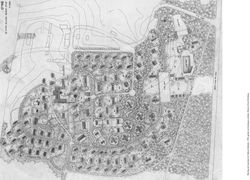
Yuval Yasky presents the kibbutz as a radical alternative to familiar types of human settlement. Ever since its early days, the kibbutz was conceived as a hybrid between rural and urban typologies in an attempt to eliminate the disadvantages of both types – the primitive conservatism of village life and the capitalist exploitation of the proletariat in the city – while(...)
Yuval Yasky presents the kibbutz as a radical alternative to familiar types of human settlement. Ever since its early days, the kibbutz was conceived as a hybrid between rural and urban typologies in an attempt to eliminate the disadvantages of both types – the primitive conservatism of village life and the capitalist exploitation of the proletariat in the city – while(...)
Location:
Paul Desmarais Theatre
Paul Desmarais Theatre
Date:
31 March 2011 , 7pm
31 March 2011 , 7pm
Title:
Learning from... Israel
Actions:
Description:
Yuval Yasky presents the kibbutz as a radical alternative to familiar types of human settlement. Ever since its early days, the kibbutz was conceived as a hybrid between rural and urban typologies in an attempt to eliminate the disadvantages of both types – the primitive conservatism of village life and the capitalist exploitation of the proletariat in the city – while(...)
Learning from... Israel
Actions:
Description:
Yuval Yasky presents the kibbutz as a radical alternative to familiar types of human settlement. Ever since its early days, the kibbutz was conceived as a hybrid between rural and urban typologies in an attempt to eliminate the disadvantages of both types – the primitive conservatism of village life and the capitalist exploitation of the proletariat in the city – while(...)
Form:
events
events
Date:
31 March 2011
7pm
31 March 2011
7pm
Location:
Paul Desmarais Theatre
Paul Desmarais Theatre
Form:
archives
Level of archival description:
Fonds
archives
Level of archival description:
Fonds
Reference number:
AP177
Synopsis:
The RUR Architecture Kansai-kan of the National Diet Library project records, circa 1996, document the New York based firm’s competition entry for the Kansai Science City branch of Japan’s National Diet Library. Records show integration of landscape in the building’s design, exploration of the relationship between structure and surface, and a multimedia approach to building design. Records include 169 digital files, mostly CAD models and images; 42 drawings and printed renderings; and 5 models and casts.
AP177
Synopsis:
The RUR Architecture Kansai-kan of the National Diet Library project records, circa 1996, document the New York based firm’s competition entry for the Kansai Science City branch of Japan’s National Diet Library. Records show integration of landscape in the building’s design, exploration of the relationship between structure and surface, and a multimedia approach to building design. Records include 169 digital files, mostly CAD models and images; 42 drawings and printed renderings; and 5 models and casts.
People:
Date:
1996-2015
1996-2015
Title:
RUR Architecture Kansai-kan of the National Diet Library project records
Actions:
AP177
Synopsis:
The RUR Architecture Kansai-kan of the National Diet Library project records, circa 1996, document the New York based firm’s competition entry for the Kansai Science City branch of Japan’s National Diet Library. Records show integration of landscape in the building’s design, exploration of the relationship between structure and surface, and a multimedia approach to building design. Records include 169 digital files, mostly CAD models and images; 42 drawings and printed renderings; and 5 models and casts.
RUR Architecture Kansai-kan of the National Diet Library project records
Actions:
AP177
Synopsis:
The RUR Architecture Kansai-kan of the National Diet Library project records, circa 1996, document the New York based firm’s competition entry for the Kansai Science City branch of Japan’s National Diet Library. Records show integration of landscape in the building’s design, exploration of the relationship between structure and surface, and a multimedia approach to building design. Records include 169 digital files, mostly CAD models and images; 42 drawings and printed renderings; and 5 models and casts.
Form:
archives
Level of archival description:
Fonds
archives
Level of archival description:
Fonds
Date:
1996-2015
1996-2015
People:
Form:
exhibitions
exhibitions
Title:
Mirrors / Miroirs
Mirrors / Miroirs
Actions:
Description:
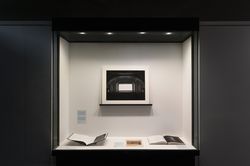
Mirrors/ Miroirs is conceived through an indirect dialogue with the exhibition Besides, History: Go Hasegawa, Kersten Geers, David Van Severen, a project rooted in the shared references and resonances between the work of two contemporary practices in the presence of history. If Besides, History is premised on impressions of one office’s work registered through(...)
Mirrors/ Miroirs is conceived through an indirect dialogue with the exhibition Besides, History: Go Hasegawa, Kersten Geers, David Van Severen, a project rooted in the shared references and resonances between the work of two contemporary practices in the presence of history. If Besides, History is premised on impressions of one office’s work registered through(...)
Location:
Hall cases
Hall cases
Date:
22 June 2017 to 14 January 2018
22 June 2017 to 14 January 2018
Title:
Mirrors / Miroirs
Actions:
Description:
Mirrors/ Miroirs is conceived through an indirect dialogue with the exhibition Besides, History: Go Hasegawa, Kersten Geers, David Van Severen, a project rooted in the shared references and resonances between the work of two contemporary practices in the presence of history. If Besides, History is premised on impressions of one office’s work registered through(...)
Mirrors / Miroirs
Actions:
Description:
Mirrors/ Miroirs is conceived through an indirect dialogue with the exhibition Besides, History: Go Hasegawa, Kersten Geers, David Van Severen, a project rooted in the shared references and resonances between the work of two contemporary practices in the presence of history. If Besides, History is premised on impressions of one office’s work registered through(...)
Form:
exhibitions
exhibitions
Date:
22 June 2017 to
14 January 2018
22 June 2017 to
14 January 2018
Location:
Hall cases
Hall cases
Form:
events
events
Title:
Learning from… Toronto
Learning from… Toronto
Actions:
Description:
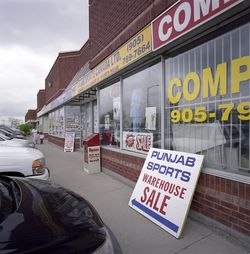
Ian Chodikoff, architect, urban designer, and editor of Canadian Architect magazine, presents his research on the contemporary suburb and how the influences of ethnic diversity and multiculturalism affect architecture and urban design within the suburban landscape across the Greater Toronto Area (GTA). Today’s suburbs are more ethnically diverse, globally connected and(...)
Ian Chodikoff, architect, urban designer, and editor of Canadian Architect magazine, presents his research on the contemporary suburb and how the influences of ethnic diversity and multiculturalism affect architecture and urban design within the suburban landscape across the Greater Toronto Area (GTA). Today’s suburbs are more ethnically diverse, globally connected and(...)
Location:
Paul Desmarais Theatre
Paul Desmarais Theatre
Date:
4 March 2010 , 7pm
4 March 2010 , 7pm
Title:
Learning from… Toronto
Actions:
Description:
Ian Chodikoff, architect, urban designer, and editor of Canadian Architect magazine, presents his research on the contemporary suburb and how the influences of ethnic diversity and multiculturalism affect architecture and urban design within the suburban landscape across the Greater Toronto Area (GTA). Today’s suburbs are more ethnically diverse, globally connected and(...)
Learning from… Toronto
Actions:
Description:
Ian Chodikoff, architect, urban designer, and editor of Canadian Architect magazine, presents his research on the contemporary suburb and how the influences of ethnic diversity and multiculturalism affect architecture and urban design within the suburban landscape across the Greater Toronto Area (GTA). Today’s suburbs are more ethnically diverse, globally connected and(...)
Form:
events
events
Date:
4 March 2010
7pm
4 March 2010
7pm
Location:
Paul Desmarais Theatre
Paul Desmarais Theatre


