


140 Results
Form:
books
books
Title:
Drawing for architecture
Drawing for architecture
Actions:
Price:
$43.95
(available to order)
Summary:
Architect Léon Krier's doodles, drawings, and ideograms make arguments in images, without the circumlocutions of prose. Drawn with wit and grace, these clever sketches do not try to please or flatter the architectural establishment. Rather, they make an impassioned argument against what Krier sees as the unquestioned doctrines and unacknowledged absurdities of(...)
$43.95
(available to order)
Summary:
Architect Léon Krier's doodles, drawings, and ideograms make arguments in images, without the circumlocutions of prose. Drawn with wit and grace, these clever sketches do not try to please or flatter the architectural establishment. Rather, they make an impassioned argument against what Krier sees as the unquestioned doctrines and unacknowledged absurdities of(...)
Publication:
September 2009
September 2009
Title:
Drawing for architecture
Actions:
Price:
$43.95
(available to order)
Summary:
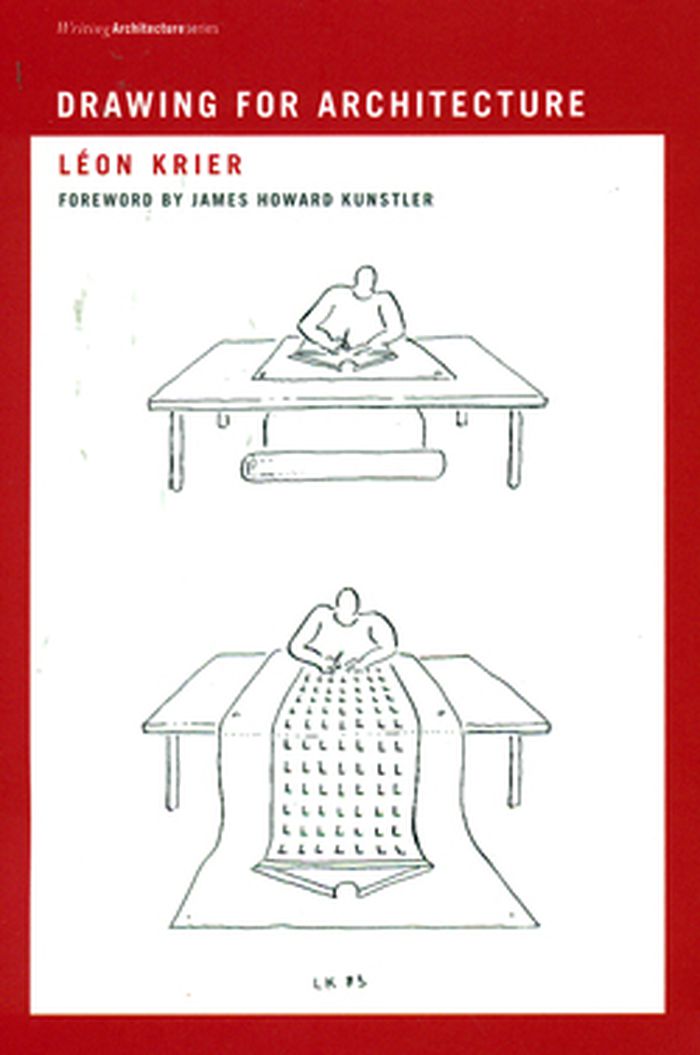
Architect Léon Krier's doodles, drawings, and ideograms make arguments in images, without the circumlocutions of prose. Drawn with wit and grace, these clever sketches do not try to please or flatter the architectural establishment. Rather, they make an impassioned argument against what Krier sees as the unquestioned doctrines and unacknowledged absurdities of contemporary architecture. In an age of energy crisis, he writes (and his drawings show), we "build in the wrong places, in the wrong patterns, materials, densities, and heights, and for the wrong number of dwellers"; a return to traditional architectures and building and settlement techniques can be the means of ecological reconstruction. Each of Krier's provocative and entertaining images is worth more than a thousand words of theoretical abstraction.
Drawing for architecture
Actions:
Price:
$43.95
(available to order)
Summary:
Architect Léon Krier's doodles, drawings, and ideograms make arguments in images, without the circumlocutions of prose. Drawn with wit and grace, these clever sketches do not try to please or flatter the architectural establishment. Rather, they make an impassioned argument against what Krier sees as the unquestioned doctrines and unacknowledged absurdities of contemporary architecture. In an age of energy crisis, he writes (and his drawings show), we "build in the wrong places, in the wrong patterns, materials, densities, and heights, and for the wrong number of dwellers"; a return to traditional architectures and building and settlement techniques can be the means of ecological reconstruction. Each of Krier's provocative and entertaining images is worth more than a thousand words of theoretical abstraction.
Form:
books
books
Publication:
September 2009
September 2009
Form:
books
books
Actions:
Price:
$47.95
(available in store)
Summary:
The 1960s and 1970s avant-garde has been likened to an ''architectural Big Bang'', such was the intensity of energy and ambition in which it exploded into the postwar world. Marked out by architectural projects that redefined the discipline, it remains just as influential today. References to the likes of Archizoom, Peter Eisenman, John Hejduk and Superstudio abound.(...)
$47.95
(available in store)
Summary:
The 1960s and 1970s avant-garde has been likened to an ''architectural Big Bang'', such was the intensity of energy and ambition in which it exploded into the postwar world. Marked out by architectural projects that redefined the discipline, it remains just as influential today. References to the likes of Archizoom, Peter Eisenman, John Hejduk and Superstudio abound.(...)
Title:
AD 89:4 Re-imagining the Avant-Garde: revisiting the architecture of the 1960s and 1970s
Actions:
Price:
$47.95
(available in store)
Summary:
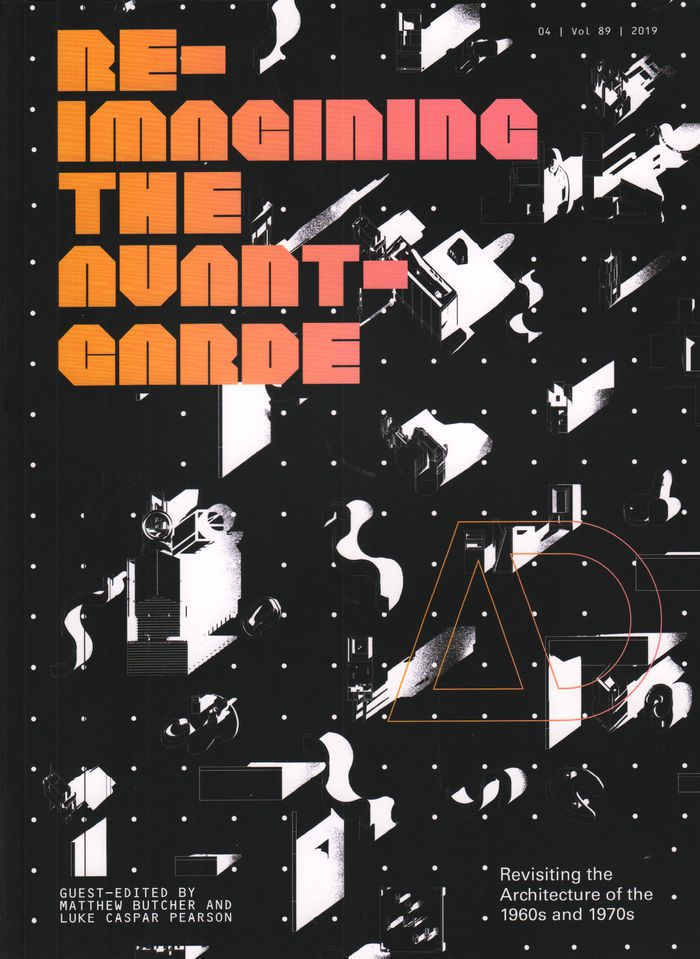
The 1960s and 1970s avant-garde has been likened to an ''architectural Big Bang'', such was the intensity of energy and ambition in which it exploded into the postwar world. Marked out by architectural projects that redefined the discipline, it remains just as influential today. References to the likes of Archizoom, Peter Eisenman, John Hejduk and Superstudio abound. Highly diverse, the avant-garde cannot be defined as a single strand or tendency. It was divergent geographically – reaching from Europe to North America and Japan – and in its political, formal and cultural preoccupations. It was unified, though, as a critical and experimental force, critiquing contemporary society against the backdrop of extreme social and political upheaval: the Paris riots of May 1968, the anti-Vietnam war movement in America and the looming ecological crisis.
AD 89:4 Re-imagining the Avant-Garde: revisiting the architecture of the 1960s and 1970s
Actions:
Price:
$47.95
(available in store)
Summary:
The 1960s and 1970s avant-garde has been likened to an ''architectural Big Bang'', such was the intensity of energy and ambition in which it exploded into the postwar world. Marked out by architectural projects that redefined the discipline, it remains just as influential today. References to the likes of Archizoom, Peter Eisenman, John Hejduk and Superstudio abound. Highly diverse, the avant-garde cannot be defined as a single strand or tendency. It was divergent geographically – reaching from Europe to North America and Japan – and in its political, formal and cultural preoccupations. It was unified, though, as a critical and experimental force, critiquing contemporary society against the backdrop of extreme social and political upheaval: the Paris riots of May 1968, the anti-Vietnam war movement in America and the looming ecological crisis.
Form:
books
books
Publication:
July 2019
July 2019
Subject:
Architectural Theory
Architectural Theory
Form:
books
books
Price:
$21.95
(available to order)
Summary:
Cotten Seiler combs through a vast number of historical, social scientific, philosophical, and literary sources to illustrate the importance of driving to modern American conceptions of the self and the social and political order. He finds that as the figure of the driver blurred into the figure of the citizen, automobility became a powerful resource for women, African(...)
$21.95
(available to order)
Summary:
Cotten Seiler combs through a vast number of historical, social scientific, philosophical, and literary sources to illustrate the importance of driving to modern American conceptions of the self and the social and political order. He finds that as the figure of the driver blurred into the figure of the citizen, automobility became a powerful resource for women, African(...)
Subject:
Transportation, Tourism, Migration
Transportation, Tourism, Migration
Publication:
October 2008, Chicago, London
October 2008, Chicago, London
Title:
Republic of drivers: a cultural history of automobility in America
Actions:
Price:
$21.95
(available to order)
Summary:
Cotten Seiler combs through a vast number of historical, social scientific, philosophical, and literary sources to illustrate the importance of driving to modern American conceptions of the self and the social and political order. He finds that as the figure of the driver blurred into the figure of the citizen, automobility became a powerful resource for women, African Americans, and others seeking entry into the public sphere. And yet, he argues, the individualistic but anonymous act of driving has also monopolized our thinking about freedom and democracy, discouraging the crafting of a more sustainable way of life. As our fantasies of the open road turn into fears of a looming energy crisis, Seiler shows us just how we ended up a republic of drivers—and where we might be headed.
Republic of drivers: a cultural history of automobility in America
Actions:
Price:
$21.95
(available to order)
Summary:
Cotten Seiler combs through a vast number of historical, social scientific, philosophical, and literary sources to illustrate the importance of driving to modern American conceptions of the self and the social and political order. He finds that as the figure of the driver blurred into the figure of the citizen, automobility became a powerful resource for women, African Americans, and others seeking entry into the public sphere. And yet, he argues, the individualistic but anonymous act of driving has also monopolized our thinking about freedom and democracy, discouraging the crafting of a more sustainable way of life. As our fantasies of the open road turn into fears of a looming energy crisis, Seiler shows us just how we ended up a republic of drivers—and where we might be headed.
Form:
books
books
Publication:
October 2008, Chicago, London
October 2008, Chicago, London
Subject:
Transportation, Tourism, Migration
Transportation, Tourism, Migration
Form:
books
books
Actions:
Price:
$52.95
(available to order)
Summary:
Cities are at once among humanity’s crowning achievements and core drivers of the climate crisis. Their dependence on the outside world for vital resources is causing global temperatures to rise and wildlife habitats to shrink. But we have the opportunity to make cities more sustainable by transforming the built environment. Dickson D. Despommier proposes a plan for(...)
$52.95
(available to order)
Summary:
Cities are at once among humanity’s crowning achievements and core drivers of the climate crisis. Their dependence on the outside world for vital resources is causing global temperatures to rise and wildlife habitats to shrink. But we have the opportunity to make cities more sustainable by transforming the built environment. Dickson D. Despommier proposes a plan for(...)
Title:
The new city: How to build our sustainable urban future
Actions:
Price:
$52.95
(available to order)
Summary:
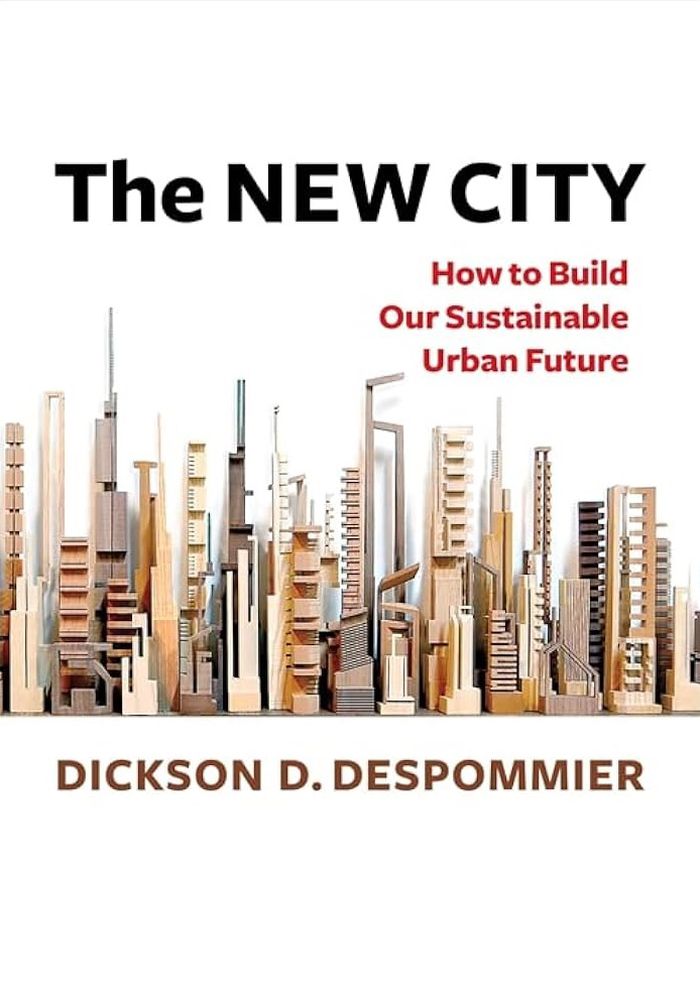
Cities are at once among humanity’s crowning achievements and core drivers of the climate crisis. Their dependence on the outside world for vital resources is causing global temperatures to rise and wildlife habitats to shrink. But we have the opportunity to make cities more sustainable by transforming the built environment. Dickson D. Despommier proposes a plan for creating a new, self-sustaining urban landscape. He argues that we can find solutions through the concept of biomimicry: emulating successful strategies found in nature. A better city is possible if we heed the lessons that forests and trees teach about how to store carbon, grow food, collect rainwater, and convert sunlight into energy. Touring established and leading-edge technologies, ''The new city'' provides a blueprint for tomorrow’s urban environment. Cities built from wood will be more resilient and less destructive than concrete and steel construction; they will also encourage reforestation, boosting carbon sequestration. Vertical farms inside city limits will supply residents with a reliable, healthy food supply. Buildings will harvest moisture from the rain and air to secure a clean water supply. Renewable energy, including not only wind, solar, and geothermal but also clear photovoltaic window glass and nonpolluting hydrogen fuel cells, will power a cleaner city.
The new city: How to build our sustainable urban future
Actions:
Price:
$52.95
(available to order)
Summary:
Cities are at once among humanity’s crowning achievements and core drivers of the climate crisis. Their dependence on the outside world for vital resources is causing global temperatures to rise and wildlife habitats to shrink. But we have the opportunity to make cities more sustainable by transforming the built environment. Dickson D. Despommier proposes a plan for creating a new, self-sustaining urban landscape. He argues that we can find solutions through the concept of biomimicry: emulating successful strategies found in nature. A better city is possible if we heed the lessons that forests and trees teach about how to store carbon, grow food, collect rainwater, and convert sunlight into energy. Touring established and leading-edge technologies, ''The new city'' provides a blueprint for tomorrow’s urban environment. Cities built from wood will be more resilient and less destructive than concrete and steel construction; they will also encourage reforestation, boosting carbon sequestration. Vertical farms inside city limits will supply residents with a reliable, healthy food supply. Buildings will harvest moisture from the rain and air to secure a clean water supply. Renewable energy, including not only wind, solar, and geothermal but also clear photovoltaic window glass and nonpolluting hydrogen fuel cells, will power a cleaner city.
Form:
books
books
Publication:
September 2023
September 2023
Subject:
Urban Theory
Urban Theory
Form:
books
books
Title:
Image ecology
Image ecology
Actions:
Price:
$65.00
(available in store)
Summary:
A survey of contemporary image-making, "Image ecology" marks the beginning of a long-term consideration of nature and ecology in current fine art photography through shows at C/O Berlin. In an attempt to document the systemic causes of the climate crisis, the works included in this volume explore their own material and social conditions. The 12 contemporary artists(...)
$65.00
(available in store)
Summary:
A survey of contemporary image-making, "Image ecology" marks the beginning of a long-term consideration of nature and ecology in current fine art photography through shows at C/O Berlin. In an attempt to document the systemic causes of the climate crisis, the works included in this volume explore their own material and social conditions. The 12 contemporary artists(...)
Title:
Image ecology
Actions:
Price:
$65.00
(available in store)
Summary:
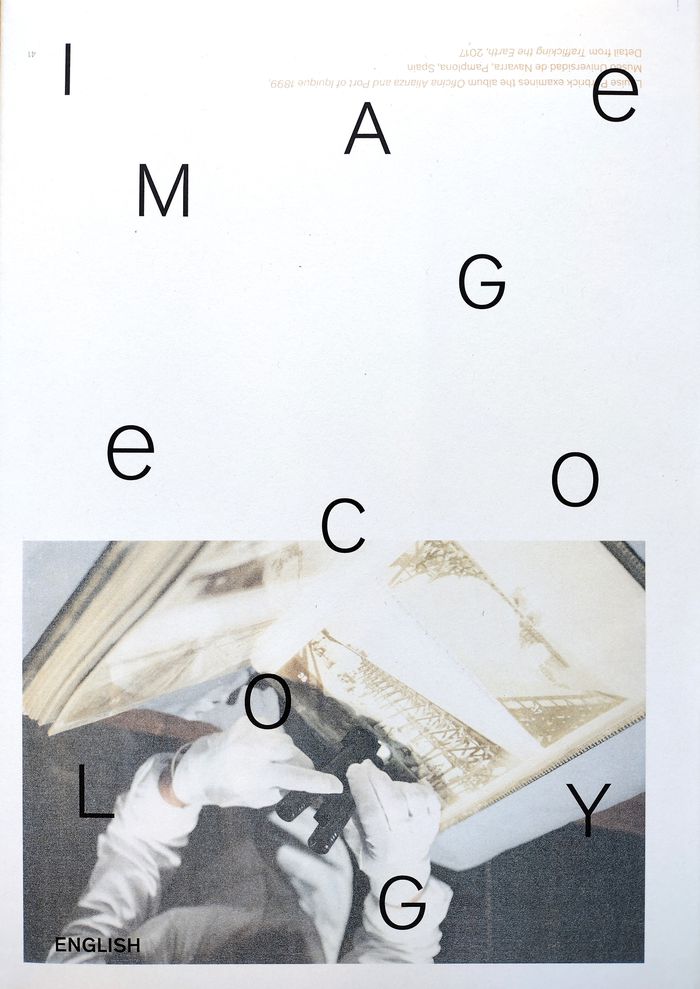
A survey of contemporary image-making, "Image ecology" marks the beginning of a long-term consideration of nature and ecology in current fine art photography through shows at C/O Berlin. In an attempt to document the systemic causes of the climate crisis, the works included in this volume explore their own material and social conditions. The 12 contemporary artists featured employ experimental and traditional historical processes as well as new technologies. "Image ecology" dissects photography as an ecological practice, a medium that is defined as much by the nexus of material, labor, energy and waste that its production and circulation require as by what it represents. Featuring an extensive essay by environmental historian Jason W. Moore, and contributions by over a dozen international writers, the book even unpacks its own production process: from material supply chains and working conditions to wrapping and postage.
Image ecology
Actions:
Price:
$65.00
(available in store)
Summary:
A survey of contemporary image-making, "Image ecology" marks the beginning of a long-term consideration of nature and ecology in current fine art photography through shows at C/O Berlin. In an attempt to document the systemic causes of the climate crisis, the works included in this volume explore their own material and social conditions. The 12 contemporary artists featured employ experimental and traditional historical processes as well as new technologies. "Image ecology" dissects photography as an ecological practice, a medium that is defined as much by the nexus of material, labor, energy and waste that its production and circulation require as by what it represents. Featuring an extensive essay by environmental historian Jason W. Moore, and contributions by over a dozen international writers, the book even unpacks its own production process: from material supply chains and working conditions to wrapping and postage.
Form:
books
books
Publication:
May 2024
May 2024
Subject:
Photography Collections
Photography Collections
Form:
books
books

Actions:
Price:
$25.95
(available to order)
Summary:
The Earth has entered a new epoch: the Anthropocene. What we are facing is not only an environmental crisis, but a geological revolution of human origin. In two centuries, our planet has tipped into a state unknown for millions of years. How did we get to this point? Refuting the convenient view of a “human species” that upset the Earth system, unaware of what it was(...)
$25.95
(available to order)
Summary:
The Earth has entered a new epoch: the Anthropocene. What we are facing is not only an environmental crisis, but a geological revolution of human origin. In two centuries, our planet has tipped into a state unknown for millions of years. How did we get to this point? Refuting the convenient view of a “human species” that upset the Earth system, unaware of what it was(...)
Subject:
Environment and environmental theory
Environment and environmental theory
Publication:
April 2017
April 2017
Title:
The shock of the anthropocene: the earth, history and us
Actions:
Price:
$25.95
(available to order)
Summary:
The Earth has entered a new epoch: the Anthropocene. What we are facing is not only an environmental crisis, but a geological revolution of human origin. In two centuries, our planet has tipped into a state unknown for millions of years. How did we get to this point? Refuting the convenient view of a “human species” that upset the Earth system, unaware of what it was doing, this book proposes the first critical history of the Anthropocene, shaking up many accepted ideas: about our supposedly recent “environmental awareness,” about previous challenges to industrialism, about the manufacture of ignorance and consumerism, about so-called energy transitions, as well as about the role of the military in environmental destruction. In a dialogue between science and history, The Shock of the Anthropocene dissects a new theoretical buzzword and explores paths for living and acting politically in this rapidly developing geological epoch.
The shock of the anthropocene: the earth, history and us
Actions:
Price:
$25.95
(available to order)
Summary:
The Earth has entered a new epoch: the Anthropocene. What we are facing is not only an environmental crisis, but a geological revolution of human origin. In two centuries, our planet has tipped into a state unknown for millions of years. How did we get to this point? Refuting the convenient view of a “human species” that upset the Earth system, unaware of what it was doing, this book proposes the first critical history of the Anthropocene, shaking up many accepted ideas: about our supposedly recent “environmental awareness,” about previous challenges to industrialism, about the manufacture of ignorance and consumerism, about so-called energy transitions, as well as about the role of the military in environmental destruction. In a dialogue between science and history, The Shock of the Anthropocene dissects a new theoretical buzzword and explores paths for living and acting politically in this rapidly developing geological epoch.
Form:
books
books
Publication:
April 2017
April 2017
Subject:
Environment and environmental theory
Environment and environmental theory
Form:
books
books
Actions:
Price:
$32.00
(available to order)
Summary:
The Earth has entered a new epoch: the Anthropocene. What we are facing is not only an environmental crisis, but a geological revolution of human origin. In two centuries, our planet has tipped into a state unknown for millions of years. How did we get to this point? Refuting the convenient view of a “human species” that upset the Earth system, unaware of what it was(...)
$32.00
(available to order)
Summary:
The Earth has entered a new epoch: the Anthropocene. What we are facing is not only an environmental crisis, but a geological revolution of human origin. In two centuries, our planet has tipped into a state unknown for millions of years. How did we get to this point? Refuting the convenient view of a “human species” that upset the Earth system, unaware of what it was(...)
Subject:
Green Architecture
Green Architecture
Publication:
March 2016
March 2016
Title:
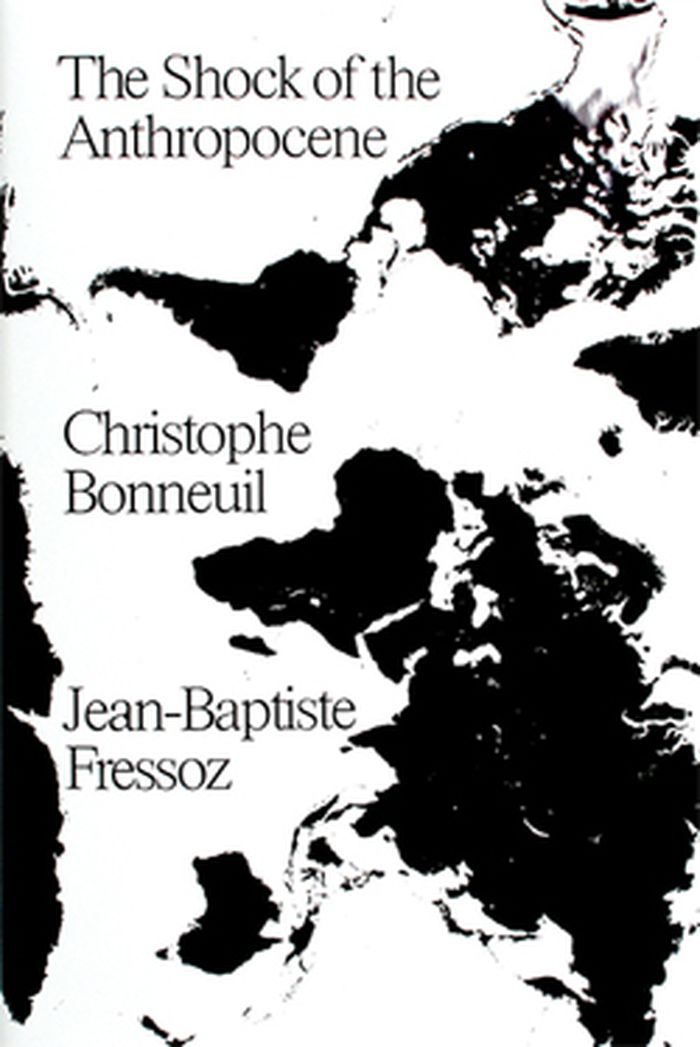
The Shock of the Anthropocene: The Earth, History and Us
Actions:
Price:
$32.00
(available to order)
Summary:
The Earth has entered a new epoch: the Anthropocene. What we are facing is not only an environmental crisis, but a geological revolution of human origin. In two centuries, our planet has tipped into a state unknown for millions of years. How did we get to this point? Refuting the convenient view of a “human species” that upset the Earth system, unaware of what it was doing, this book proposes the first critical history of the Anthropocene, shaking up many accepted ideas: about our supposedly recent “environmental awareness,” about previous challenges to industrialism, about the manufacture of ignorance and consumerism, about so-called energy transitions, as well as about the role of the military in environmental destruction. In a dialogue between science and history, The Shock of the Anthropocene dissects a new theoretical buzzword and explores paths for living and acting politically in this rapidly developing geological epoch.
The Shock of the Anthropocene: The Earth, History and Us
Actions:
Price:
$32.00
(available to order)
Summary:
The Earth has entered a new epoch: the Anthropocene. What we are facing is not only an environmental crisis, but a geological revolution of human origin. In two centuries, our planet has tipped into a state unknown for millions of years. How did we get to this point? Refuting the convenient view of a “human species” that upset the Earth system, unaware of what it was doing, this book proposes the first critical history of the Anthropocene, shaking up many accepted ideas: about our supposedly recent “environmental awareness,” about previous challenges to industrialism, about the manufacture of ignorance and consumerism, about so-called energy transitions, as well as about the role of the military in environmental destruction. In a dialogue between science and history, The Shock of the Anthropocene dissects a new theoretical buzzword and explores paths for living and acting politically in this rapidly developing geological epoch.
Form:
books
books
Publication:
March 2016
March 2016
Subject:
Green Architecture
Green Architecture
Form:
books
books

Title:
Global Design
Global Design
Actions:
Price:
$54.95
(available to order)
Summary:
This book examines the possibilities for scaling design solutions to address global warming. Global warming poses new challenges to the architecture, landscape architecture, and urban design communities. The immediate response has been a turn toward a host of energy-saving technologies. What has rarely been addressed, however, is the problem of scale. How can designers(...)
$54.95
(available to order)
Summary:
This book examines the possibilities for scaling design solutions to address global warming. Global warming poses new challenges to the architecture, landscape architecture, and urban design communities. The immediate response has been a turn toward a host of energy-saving technologies. What has rarely been addressed, however, is the problem of scale. How can designers(...)
Subject:
Green Architecture
Green Architecture
Publication:
June 2014
June 2014
Title:
Global Design
Actions:
Price:
$54.95
(available to order)
Summary:
This book examines the possibilities for scaling design solutions to address global warming. Global warming poses new challenges to the architecture, landscape architecture, and urban design communities. The immediate response has been a turn toward a host of energy-saving technologies. What has rarely been addressed, however, is the problem of scale. How can designers make sure that global solutions do not come at the expense of local cultures and environments? By placing human rational, emotional, technological, and social needs at the center of our environmental concerns, this book proposes a new global design initiative. The aim is to develop a language of design that can create proximity between individual responsibility and the current global environmental crisis. These featured projects showcase leading-edge design innovations at multiple scales. Global Design directors Peder Anker, Louise Harpman, and Mitchell Joachim discuss various ways in which design can reformat the unfortunate separation between humans and the natural world.
Global Design
Actions:
Price:
$54.95
(available to order)
Summary:
This book examines the possibilities for scaling design solutions to address global warming. Global warming poses new challenges to the architecture, landscape architecture, and urban design communities. The immediate response has been a turn toward a host of energy-saving technologies. What has rarely been addressed, however, is the problem of scale. How can designers make sure that global solutions do not come at the expense of local cultures and environments? By placing human rational, emotional, technological, and social needs at the center of our environmental concerns, this book proposes a new global design initiative. The aim is to develop a language of design that can create proximity between individual responsibility and the current global environmental crisis. These featured projects showcase leading-edge design innovations at multiple scales. Global Design directors Peder Anker, Louise Harpman, and Mitchell Joachim discuss various ways in which design can reformat the unfortunate separation between humans and the natural world.
Form:
books
books
Publication:
June 2014
June 2014
Subject:
Green Architecture
Green Architecture
Form:
books
books
Title:
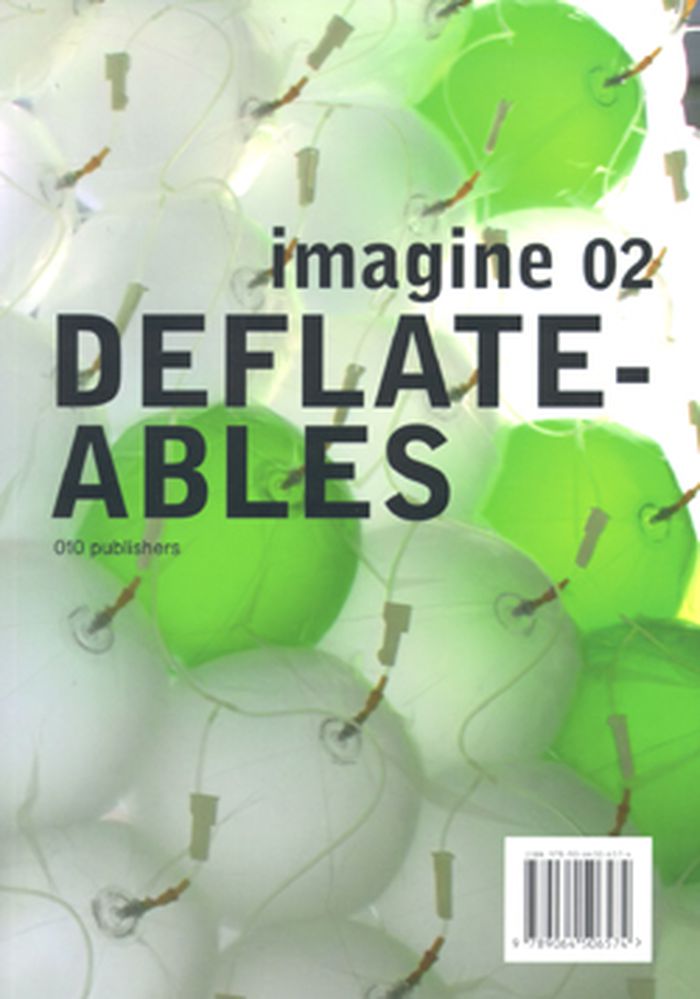
Imagine 02 Deflateables
Imagine 02 Deflateables
Actions:
Price:
$43.50
(available to order)
Summary:
Pneumatic structures have been thoroughly investigated and developed during the 1960s. However, the energy crisis and aesthetic developments stopped the process of employing these structures as a mainstream construction method. Deflateables concentrates on the very limited knowledge of vacuum constructions and develops a range of aesthetic, technical and functional design(...)
$43.50
(available to order)
Summary:
Pneumatic structures have been thoroughly investigated and developed during the 1960s. However, the energy crisis and aesthetic developments stopped the process of employing these structures as a mainstream construction method. Deflateables concentrates on the very limited knowledge of vacuum constructions and develops a range of aesthetic, technical and functional design(...)
Subject:
Engineering Structures
Engineering Structures
Publication:
October 2007, Rotterdam
October 2007, Rotterdam
Title:
Imagine 02 Deflateables
Actions:
Price:
$43.50
(available to order)
Summary:
Pneumatic structures have been thoroughly investigated and developed during the 1960s. However, the energy crisis and aesthetic developments stopped the process of employing these structures as a mainstream construction method. Deflateables concentrates on the very limited knowledge of vacuum constructions and develops a range of aesthetic, technical and functional design possibilities. Until today, there has been a very limited number of designs developed and realized using pressurized constructions – despite the fact that this technology could lead to positive aspects: the air pressure of the earth can be used as a stabilizing and form-giving parameter, creating a specific and inspiring shape. In addition, the very nature of this technology offers varying degrees of thermal and acoustic insulation. Exploiting the possibilities of extremely light and, at the same time, energetically active constructions, deflateables are one of the promising fields of architectural and design developments. The chance to create structures that can move and react to requests such as user and climate requirements as well as formative demands, lifts this topic onto the level of a realistic and usable technology for as yet unknown design possibilities. Two volumes of the Imagine series are planned annually. Façades and Deflateables will appear in May 2008. Performance Driven Envelopes and Rapids will appear at the beginning of 2009.
Imagine 02 Deflateables
Actions:
Price:
$43.50
(available to order)
Summary:
Pneumatic structures have been thoroughly investigated and developed during the 1960s. However, the energy crisis and aesthetic developments stopped the process of employing these structures as a mainstream construction method. Deflateables concentrates on the very limited knowledge of vacuum constructions and develops a range of aesthetic, technical and functional design possibilities. Until today, there has been a very limited number of designs developed and realized using pressurized constructions – despite the fact that this technology could lead to positive aspects: the air pressure of the earth can be used as a stabilizing and form-giving parameter, creating a specific and inspiring shape. In addition, the very nature of this technology offers varying degrees of thermal and acoustic insulation. Exploiting the possibilities of extremely light and, at the same time, energetically active constructions, deflateables are one of the promising fields of architectural and design developments. The chance to create structures that can move and react to requests such as user and climate requirements as well as formative demands, lifts this topic onto the level of a realistic and usable technology for as yet unknown design possibilities. Two volumes of the Imagine series are planned annually. Façades and Deflateables will appear in May 2008. Performance Driven Envelopes and Rapids will appear at the beginning of 2009.
Form:
books
books
Publication:
October 2007, Rotterdam
October 2007, Rotterdam
Subject:
Engineering Structures
Engineering Structures
Form:
video
video
Title:
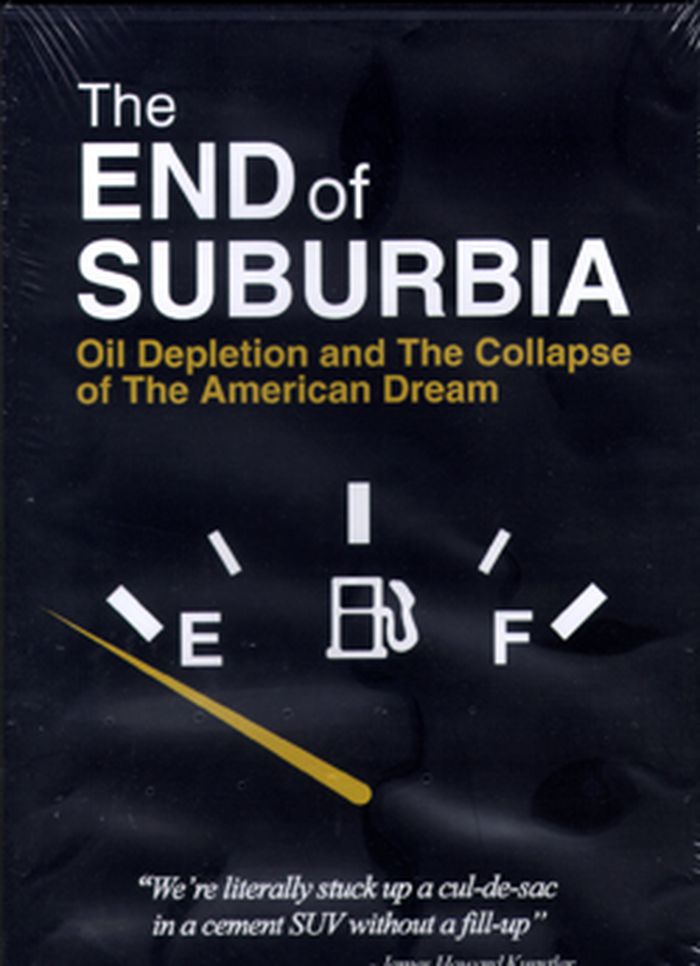
The end of suburbia
The end of suburbia
Actions:
Price:
$25.00
(available to order)
Summary:
Since World War II North Americans have invested much of their newfound wealth in suburbia. It has promised a sense of space, affordability, family life and upward mobility. As the population of suburban sprawl has exploded in the past 50 years, so too has the suburban way of life become embedded in the American consciousness. Suburbia, and all it promises, has become(...)
$25.00
(available to order)
Summary:
Since World War II North Americans have invested much of their newfound wealth in suburbia. It has promised a sense of space, affordability, family life and upward mobility. As the population of suburban sprawl has exploded in the past 50 years, so too has the suburban way of life become embedded in the American consciousness. Suburbia, and all it promises, has become(...)
Title:
The end of suburbia
Actions:
Price:
$25.00
(available to order)
Summary:
Since World War II North Americans have invested much of their newfound wealth in suburbia. It has promised a sense of space, affordability, family life and upward mobility. As the population of suburban sprawl has exploded in the past 50 years, so too has the suburban way of life become embedded in the American consciousness. Suburbia, and all it promises, has become the American Dream. But as we enter the 21st century, serious questions are beginning to emerge about the sustainability of this way of life. With brutal honesty and a touch of irony, "The End of Suburbia" explores the American Way of Life and its prospects as the planet approaches a critical era, as global demand for fossil fuels begins to outstrip supply. World Oil Peak and the inevitable decline of fossil fuels are upon us now, some scientists and policy makers argue in this documentary. The consequences of inaction in the face of this global crisis are enormous. What does Oil Peak mean for North America? As energy prices skyrocket in the coming years, how will the populations of suburbia react to the collapse of their dream? Are today's suburbs destined to become the slums of tomorrow? And what can be done NOW, individually and collectively, to avoid The End of Suburbia ? Hosted by Barrie Zwicker. Featuring James Howard Kunstler, Peter Calthorpe, Michael Klare, Richard Heinberg, Matthew Simmons, Michael C. Ruppert, Julian Darley, Colin Campbell, Kenneth Deffeyes, Ali Samsam Bakhtiari and Steve Andrews. Directed by Gregory Greene. Produced by Barry Silverthorn. Duration: 78 minutes DVD BONUS: Includes the vintage short films, "In the Suburbs" and "Destination Earth", and producer/director commentary.
The end of suburbia
Actions:
Price:
$25.00
(available to order)
Summary:
Since World War II North Americans have invested much of their newfound wealth in suburbia. It has promised a sense of space, affordability, family life and upward mobility. As the population of suburban sprawl has exploded in the past 50 years, so too has the suburban way of life become embedded in the American consciousness. Suburbia, and all it promises, has become the American Dream. But as we enter the 21st century, serious questions are beginning to emerge about the sustainability of this way of life. With brutal honesty and a touch of irony, "The End of Suburbia" explores the American Way of Life and its prospects as the planet approaches a critical era, as global demand for fossil fuels begins to outstrip supply. World Oil Peak and the inevitable decline of fossil fuels are upon us now, some scientists and policy makers argue in this documentary. The consequences of inaction in the face of this global crisis are enormous. What does Oil Peak mean for North America? As energy prices skyrocket in the coming years, how will the populations of suburbia react to the collapse of their dream? Are today's suburbs destined to become the slums of tomorrow? And what can be done NOW, individually and collectively, to avoid The End of Suburbia ? Hosted by Barrie Zwicker. Featuring James Howard Kunstler, Peter Calthorpe, Michael Klare, Richard Heinberg, Matthew Simmons, Michael C. Ruppert, Julian Darley, Colin Campbell, Kenneth Deffeyes, Ali Samsam Bakhtiari and Steve Andrews. Directed by Gregory Greene. Produced by Barry Silverthorn. Duration: 78 minutes DVD BONUS: Includes the vintage short films, "In the Suburbs" and "Destination Earth", and producer/director commentary.
Form:
video
video
Publication:
November 2007, Toronto
November 2007, Toronto
Subject:
DVDs
DVDs


